

Review · PASHUPATINATH & BOUDHANATH TOURS
Private Half-Day Tour of Boudhanath and Pashupatinath Temples in Kathmandu
Kathmandu has a way of pulling you close to faith. This private half-day tour strings together two UNESCO sites, with easy hotel pickup and enough time to actually watch what’s happening. You’ll start at Pashupatinath, where the Bagmati River is part of the show, then head to Boudhanath for the steady rhythm of Buddhist worship.
I especially like the private guide and vehicle setup: you’re not stuck negotiating transport or waiting around while the day gets away from you. I also like that entrance tickets are included, so you can focus on the temples instead of receipts. One good example from past tours: a guide named Mr. Bishnu is described as arriving on time and explaining history clearly, with checks to make sure you followed. The one possible drawback: a dress code is required, and if you’re traveling light it can feel like an extra step before you even reach the gates.
In This Review
- Key Highlights Worth Booking For
- Two Temples, One Half-Day Rhythm in Kathmandu
- Pashupatinath Temple: Ghats, Ceremonies, and River-Front Perspective
- What to watch for while you’re there
- Boudhanath Stupa: Massive Mandala, Calm Focus, and Buddhist Details
- Why Boudhanath feels important even beyond the wow-factor
- How the Private Format Actually Helps You (Not Just a “Nice to Have”)
- Hotel pickup and drop-off: a real convenience win
- Price and Value: Why $47 Can Make Sense Here
- Dress Code and Etiquette: The One Thing That Can Trip You Up
- Timing: The 10:00 AM Start and Why It Fits a Half-Day
- What Makes the Guide Experience Matter Here
- If You’re Sensitive to Religious Ceremonies: Plan Accordingly
- Quick Reality Check: Who This Tour Suits Best
- Should You Book This Tour?
- FAQ
- What does the tour cost?
- How long is the tour?
- What time does the tour start?
- Is this a private tour?
- What sites will I visit?
- Are entrance fees included?
- Does the tour include hotel pickup and drop-off?
- Will I have a guide, and what language do they speak?
- What’s not included in the price?
- What should I wear?
- Is there free cancellation?
Key Highlights Worth Booking For
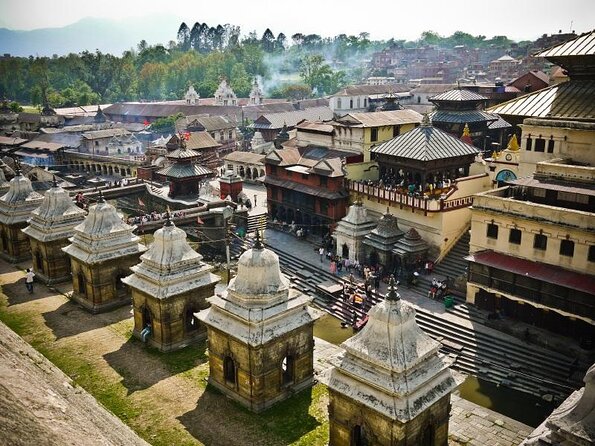
- River-views at Pashupatinath: see the ghats along the Bagmati River where ceremonies take place
- Boudhanath prayer-wheel focus: Buddhist worship with iconic statues and the stupa’s huge mandala
- Private timing, not tour-tunnel time: a half-day plan that keeps you moving without rushing
- Entrance fees handled: fewer headaches, more time at the sites
- A guide who actually explains: from English-speaking guides to examples like Mr. Bishnu and French-speaking Pawan
Just your group, at your own pace
- Private Kathmandu Sightseeing Tour | UNESCO World Heritage sites★ 5.0 · 756 reviews
- Kathmandu: Full Day 7 UNESCO Tour with Lunch – Private/Group★ 5.0 · 415 reviews
- Private Bhaktapur and Nagarkot Day Tour From Kathmandu★ 5.0 · 305 reviews
- Kathmandu: Full Day Top 4 UNESCO Tour with Lunch – Private/Group★ 5.0 · 269 reviews
Two Temples, One Half-Day Rhythm in Kathmandu
This tour is a smart fix for a common problem in Kathmandu: you want to see major sights, but you also want to avoid the time sink of figuring out transport, delays, and ticket lines while your day evaporates. With this private format, you get a local English-speaking guide, a dedicated vehicle, and hotel pickup/drop-off so your sightseeing stays connected instead of chopped up.
It’s also a good “taste test” of Nepal’s two biggest religious streams. You’ll be at a major Hindu temple complex first, then shift to Buddhism at one of Kathmandu’s most important stupas. Even if you’re not religious yourself, you’ll learn how people use sacred spaces day after day, not just for sightseeing.
The duration—about 4 hours—matters here. In a city where traffic can add stress, half-day tours often feel like the sweet spot: you get meaningful access to two UNESCO sites without spending the whole day in transit.
Pashupatinath Temple: Ghats, Ceremonies, and River-Front Perspective
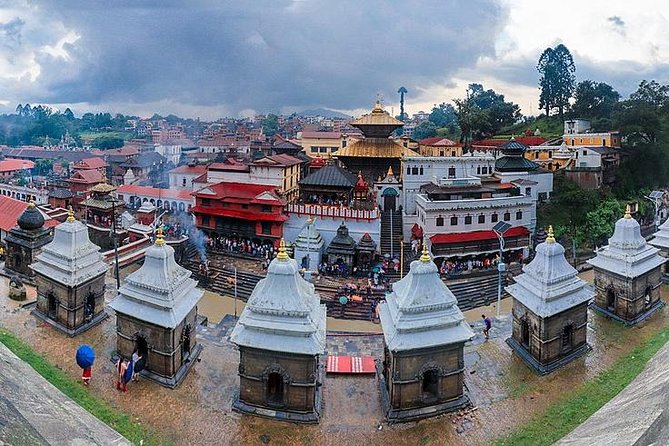
Your morning (or mid-morning) starts at Pashupatinath Temple, about 5 kilometers northeast of Kathmandu, right on the Bagmati River. This isn’t a small neighborhood shrine; it’s the most important Hindu pilgrimage destination in Nepal, tied to the national deity Lord Pashupatinath. The tour gives you about 2 hours here, and that time is crucial because the temple complex is active in its own rhythm.
What you’re really there to experience is the river-front view of the ghats. From the banks, you can observe daily religious activity in context—people come for rituals, prayers, and ceremonial moments that have been part of this place for generations. If you’ve got the emotional bandwidth, you may even see cremations along the river ghats. That’s not for everyone, but it’s also part of what makes Pashupatinath more than a postcard.
Practical thought: because Pashupatinath is active and sacred, you’ll want to treat the visit like being invited into someone’s living world, not a museum. That means moving slowly, staying respectful, and dressing modestly so you don’t end up worrying about etiquette while you’re trying to take in what’s happening.
What to watch for while you’re there
- The flow of people moving through and around the temple area, rather than one single “main scene”
- The way the river and the ghats shape what you can see and where you can stand
- Your guide’s explanation of Hindu practice at this exact site, not just general textbook history
The upside of having a private guide here is simple: you’re not left guessing. When someone explains what you’re looking at—why it’s arranged the way it is, and what the ceremonies mean—you leave with a much clearer picture than if you’d wandered alone.
Boudhanath Stupa: Massive Mandala, Calm Focus, and Buddhist Details
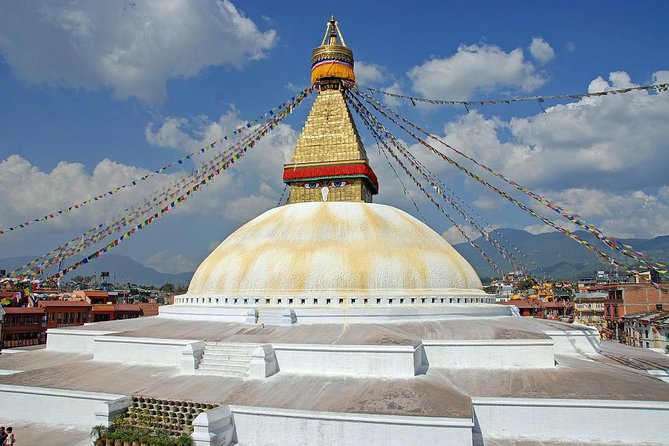
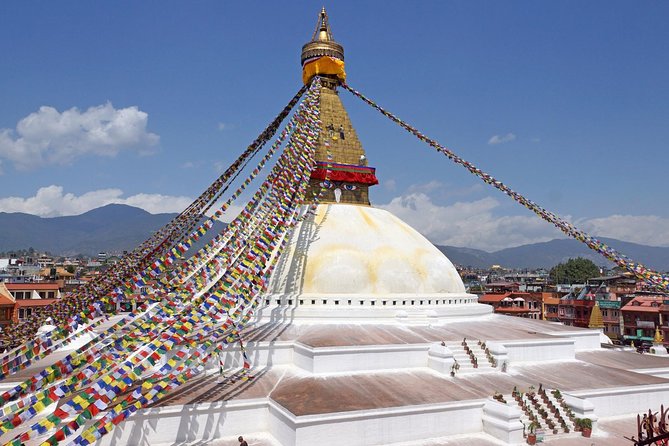
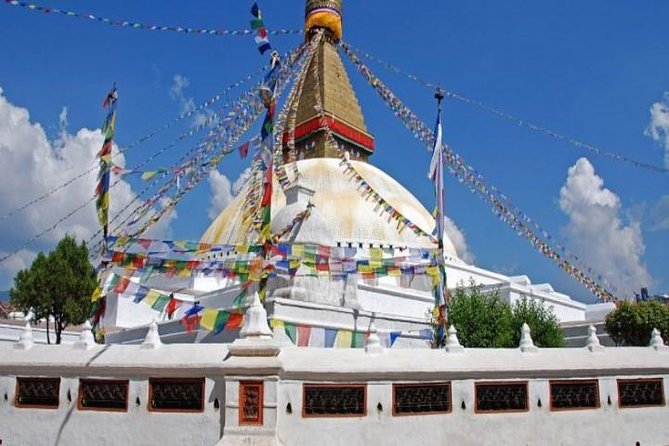
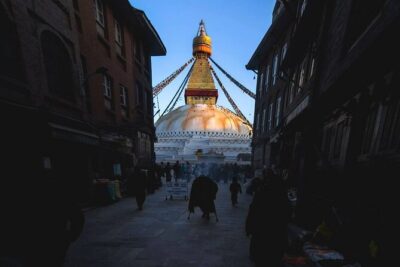
Next up is Boudhanath Stupa, one of Kathmandu’s biggest Buddhist worship sites. It’s about 11 km from the city center on the northeastern outskirts, and the tour includes another 2 hours here. The stupa’s defining feature is its massive mandala—described as one of the largest spherical stupas in Nepal.
Boudhanath has a different energy than Pashupatinath. At the Hindu temple, you’re watching a river-based flow of ceremonies. At Boudhanath, the focus shifts to Buddhist worship practices—especially the prayer wheel environment and the visual language of statues and sacred symbols. The tour is set up so you can actually see the details instead of just snapping a photo and moving on.
If you’re hoping for a calmer, more meditative contrast after the riverfront intensity of Pashupatinath, this is a strong match. You’ll still be in a religious place with real devotion happening, but the pacing and atmosphere often feel gentler.
Before you lock this one in, a few Kathmandu alternatives:


Why Boudhanath feels important even beyond the wow-factor
It’s easy to treat stupas like monuments, but Boudhanath is living worship. You’ll likely notice how people approach the stupa area with routine—stopping, observing, and moving around in a way that makes the space feel used, not staged.
Also, Boudhanath is significant to both Nepalis and Tibetans, which helps you understand why the site has such strong cross-community meaning. That matters if you want to learn how Nepal’s cultural and religious life connects beyond a single group.
How the Private Format Actually Helps You (Not Just a “Nice to Have”)
The tour is private, meaning only your group participates. In Kathmandu, that’s not a marketing gimmick—it changes how the visit feels.
First, you don’t have to bend your day to other schedules. This tour runs about 4 hours total, with fixed time blocks at each site (roughly 2 hours each). In a place where timing can get unpredictable, private pacing is a big deal.
Second, the guide can tailor small adjustments based on what’s going on at the temples. Sacred spaces can change quickly—crowds shift, ceremonies begin, and access routes can feel different depending on conditions. Having your own guide and vehicle means you can adapt without everyone else’s tour timeline pushing you around.
Hotel pickup and drop-off: a real convenience win
You’re offered pickup and drop-off from your hotel or airport, and you don’t have to worry about figuring out how to reach these two very different areas efficiently. One detail that really lands in reviews: guides often meet you right at the hotel foyer, which is a small thing that reduces stress at the start of the day.
And yes, the tour includes 2 mineral water bottles per person. That’s not glamorous, but in Kathmandu heat and sun, it’s exactly the kind of practical inclusion that keeps a half-day tour from feeling like it’s missing basics.
Price and Value: Why $47 Can Make Sense Here
At $47 per person, this tour isn’t trying to be a budget “grab-and-go.” It’s priced like a service that handles the hard parts: private transport, a local English-speaking guide, entrance fees, and pickup/drop-off.
Here’s the value logic I’d use for deciding:
- You save time by not organizing separate tickets and transport.
- You save hassle by not trying to coordinate two UNESCO sites in one short window.
- You get the most expensive part of sightseeing in big cities handled for you: logistics.
If you were to DIY this with taxis, entry costs, and guide time, you might end up paying similarly once you factor in the time and stress. And if you’re the type of traveler who likes to understand what you’re looking at—rather than just scanning landmarks—having a guide is the difference between seeing and learning.
Also, the tour notes group discounts. If you’re traveling with a friend or family member, this can become even better value.
Dress Code and Etiquette: The One Thing That Can Trip You Up
This tour clearly states that a dress code is required for places of worship and selected museums. That means you should plan modest clothing before you leave your hotel.
I treat this as a simple “prepare once, then relax” checklist:
- Bring something you can wear comfortably for a few hours
- Cover appropriately so you don’t feel pressured mid-visit
- Expect to adjust your behavior to the sacred setting
Because the visit includes both Hindu and Buddhist sites, you’ll want to keep your etiquette consistent: quiet voice, respectful movement, and follow any on-site guidance from your guide or staff.
If you arrive underdressed, the day can start to feel awkward, and that’s the opposite of what a half-day tour is meant to do. So check your outfits early.
Timing: The 10:00 AM Start and Why It Fits a Half-Day
The tour starts at 10:00 am. That’s a good time to be out and about because you’re not dealing with the earliest morning rush, but you still get plenty of daylight for a meaningful visit at each UNESCO site.
The itinerary is straightforward:
- Stop 1: Pashupatinath Temple (about 2 hours)
- Stop 2: Boudhanath Stupa (about 2 hours)
Because the tour is only about four hours, you don’t need to build your day around it. It also gives you flexibility after the tour: you can plan a longer lunch, rest time, or another activity without losing half the day to transit.
What Makes the Guide Experience Matter Here
At these two sites, the value of the guide isn’t just “general facts.” It’s interpretation—what things mean, and where you should look to get the real story.
In reviews tied to this kind of tour setup, guides like Mr. Bishnu are praised for arriving on time and explaining history in detail, with patience to make sure you understand. Another guide example, Pawan, is noted for speaking French during a structured, well-organized visit.
You don’t need to know Hinduism or Buddhism before you go, but you do want someone who can translate what’s in front of you into meaning. With temple visits, that translation is what turns a walk-through into a memory.
If You’re Sensitive to Religious Ceremonies: Plan Accordingly
One note that deserves your attention: Pashupatinath can include ceremonies you may find intense, depending on what’s happening along the ghats when you arrive. Some people are grateful they saw it because it adds real-world context. Others find it overwhelming.
This isn’t something the tour can fully control, and your guide will be the best person to help you understand what you’re witnessing and when. My practical advice: mentally prep for the possibility, then decide how you want to handle it in the moment—staying nearby to understand, or stepping back if you need space.
Quick Reality Check: Who This Tour Suits Best
This private half-day tour is a strong fit if:
- You want UNESCO highlights in Kathmandu without wrestling with transport
- You prefer a guide who explains what you’re looking at
- You have a limited time window and want a clean plan
It may be less ideal if:
- You need a very flexible, no-fixed-stops day (this has set time blocks)
- You’re not ready for the intensity some visitors associate with river-ghat ceremonies
Should You Book This Tour?
If you’re short on time, this is one of the more sensible ways to see Kathmandu’s spiritual core. The private transport and included entrance fees reduce the friction that so often kills the joy of temple days. You’re also getting two UNESCO sites in one tight window, with a guide who can help you make sense of what you’re seeing instead of guessing.
Book it if you want clarity and convenience with a balanced mix of Hindu and Buddhist worship. Skip or rethink it if you’re worried about modesty requirements or you know you’re not comfortable with the possibility of ceremonies at Pashupatinath’s river ghats.
FAQ
What does the tour cost?
The price is $47.00 per person.
How long is the tour?
The duration is about 4 hours.
What time does the tour start?
The start time is 10:00 am.
Is this a private tour?
Yes. It’s private, so only your group participates.
What sites will I visit?
You’ll visit Pashupatinath Temple and Boudhanath Stupa.
Are entrance fees included?
Yes. Entrance tickets are included for both stops.
Does the tour include hotel pickup and drop-off?
Yes. Pickup and drop-off are included from your hotel (or the airport).
Will I have a guide, and what language do they speak?
You’ll have an English-speaking local guide.
What’s not included in the price?
Food and drinks are not included.
What should I wear?
A dress code is required for places of worship and selected museums, so you should dress modestly.
Is there free cancellation?
Yes. You can cancel for a full refund if you cancel at least 24 hours before the start time.
Private Days, Your Group Only


More Tours in Kathmandu


More Tour Reviews in Kathmandu




Just Reviewed in Kathmandu
- Mountain Bike Tour
★ 5.0 · 3 reviews - Annapurna Panaroma
★ 5.0 · 3 reviews - Mount Everest Scenic Flight 50 Minutes
★ 5.0 · 3 reviews - Kathmandu : Swambhunath & Durbar Square Guided Half Day Tour
★ 3.3 · 3 reviews - Chandragiri Cable Car & Monkey Temple Tour – Private/Group
★ 5.0 · 3 reviews - Kathmandu: Shivapuri National Park Hiking Day Trip
★ 3.3 · 3 reviews
Pashupatinath & Boudhanath Tours, compared.
 ★ 5.0Kathmandu Spiritual Sites: Bodhnath & Pashupatinath TourFrom $60185 reviews
 ★ 5.0Pashupatinath Temple Evening Aarati TourFrom $4536 reviews
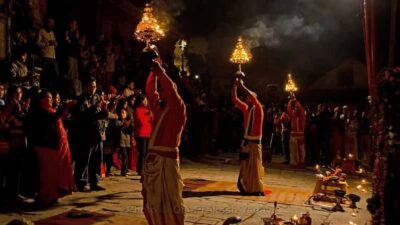 ★ 4.8Pashupatinath Temple Aarti Night TourFrom $7129 reviews
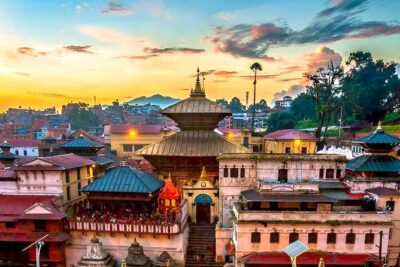 ★ 5.0Pashupatinath Temple, Hindu Crematorium and Aarati in-depth TourFrom $9025 reviews
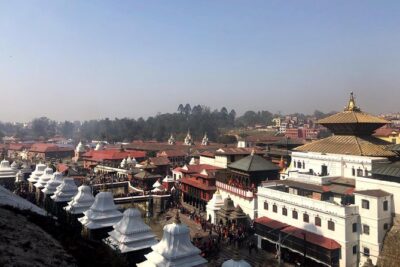 ★ 4.5Pashupatinath Evening Aarati: Few Divinely Hours in KathmanduFrom $3523 reviews
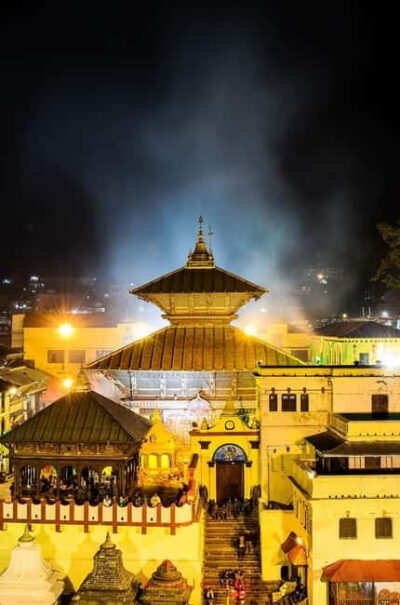 ★ 5.0Sacred Pashupatinath: Aarati,Cremation Rites & Boudha StupaFrom $1118 reviews
 ★ 5.0PashupatiNath and BoudhaNath – Private/Small GroupFrom $1518 reviews
★ 4.7Pashupatinath Temple Evening Aarati TourFrom $2211 reviews
Browse the lists this tour appears in