
Review · KATHMANDU UNESCO HERITAGE TOURS
UNESCO World Heritage Sightseeing Tour in Kathmandu – 5 Days
Kathmandu can be noisy, chaotic, and beautiful all at once. This 5-day UNESCO World Heritage tour gives you a tight, practical route through the Kathmandu Valley’s top sites, with the payoff of mountain views from Nagarkot. I like that it’s set up around guided stops (so you don’t just stand there guessing), and I like that you’ll see the full set of major UNESCO highlights without trying to stitch buses together.
The main thing to watch is that you’re moving a lot—temple steps, uneven Durbar Square stones, and long driving days come with the territory. Also note that many temple admission tickets are listed as not included, so you’ll want a little cash/planning for on-the-spot entry fees.
In exchange, this plan offers something Kathmandu does better than most places: you get religion, architecture, and local daily life in the same day, not as separate “someday” ideas. If you want a smooth route, with a guide who can explain why each site matters, this is a strong option.
In This Review
- Key highlights you’ll feel fast
- Entering Kathmandu Valley UNESCO Sites With a Real Plan
- Day 1 Airport Arrival: Start With a Human, Not a Map
- Day 2 Kathmandu Durbar Square to Swayambhunath and Pashupatinath: Four World Heritage Stops in One Flow
- Kathmandu Durbar Square: Royal power, everyday worship
- Pashupatinath Temple: A Hindu epicenter and a dense temple field
- Swayambhunath (Monkey Temple): Steps, prayer wheels, and a huge Buddha
- Day 3 Patan Durbar Square to Dakshinkali and Nagarkot: History Meets Faith Meets Mountains
- Patan Durbar Square: Malla royal courtyards and crisp stone detail
- Dakshinkali Temple: Myth, ritual, and a very specific kind of ceremony
- Chobar and Bagmati Valley: A quieter edge of the valley
- Nagarkot: The night that sets up sunrise
- Day 4 Nagarkot Sunrise: When Early Starts Actually Pay Off
- Changu Narayan and Bhaktapur Durbar Square: Finishing With Craft and Courtyards
- Changu Narayan Temple: One of the oldest temples, heavy on carvings
- Bhaktapur Durbar Square: Newari architecture in action
- Price and Value: What $499 Buys You (and What It Doesn’t)
- Transportation, Timing, and the Reality of Steps
- What the Guide Adds When You’re at a Temple Complex
- Should You Book This UNESCO Kathmandu Valley Tour?
- FAQ
- What’s included in the tour price?
- How long is the UNESCO World Heritage tour?
- Are airport transfers provided?
- Does this tour visit all seven UNESCO World Heritage Sites in the Kathmandu Valley?
- Is admission included for temple stops?
- What’s the accommodation situation on this tour?
- Is this a private tour?
- What is the cancellation policy?
Key highlights you’ll feel fast
- Seven UNESCO World Heritage Sites across the Kathmandu Valley, kept on a logical route.
- Nagarkot sunrise views with an overnight stay, so you can actually catch the light.
- Private transport throughout with a guide who handles the flow and timing.
- Swayambhunath’s 365 steps and Monkey Temple vibes—worth pacing yourself.
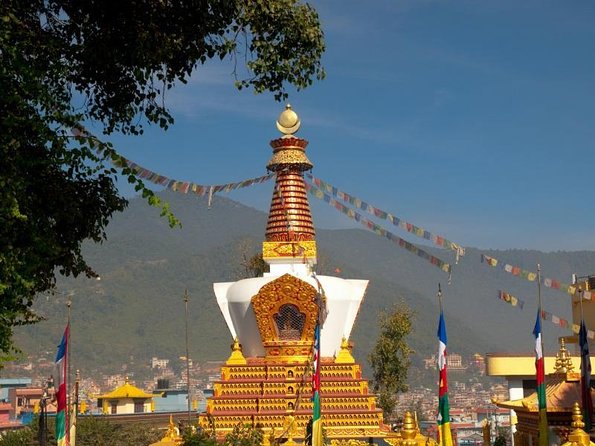
- Pashupatinath + Boudhanath for Hindu and Buddhist spiritual atmosphere side by side.
- An airport greeting and transfers so day one starts with less stress.
Deeper into old Kathmandu
- Private Kathmandu Sightseeing Tour | UNESCO World Heritage sites★ 5.0 · 756 reviews
- UNESCO Seven World Heritage Tour in Kathmandu★ 5.0 · 253 reviews
- Nepal Discovery Tour: Heritage Sites & Scenic Hill Easy Hike★ 5.0 · 121 reviews
- Kathmandu Private Sightseeing Tour | UNESCO World Heritage Sites★ 5.0 · 109 reviews
Entering Kathmandu Valley UNESCO Sites With a Real Plan
Kathmandu is one of those places where the streets can feel like a maze on a first day. That’s why a guided, transport-based itinerary matters. Instead of spending energy figuring out where you are and where to go next, you’ll spend your energy looking closely.
This tour is built around the big UNESCO hits in the Kathmandu Valley, plus a night in Nagarkot. You’ll be using private car transport and moving at a pace that’s designed for sightseeing rather than rushing between random spots.
One more practical win: you’re not just walking temples. The route is also mapped to architecture and sacred geography—so you see how the city grew around these religious centers.
Day 1 Airport Arrival: Start With a Human, Not a Map
Day one is simple: you land at Tribhuvan International Airport, and the operator arranges a representative pickup. You’re met with a personalized sign, and you’ll even receive a floral garland before heading to your hotel in a private vehicle.
This kind of welcome sounds small until you’ve landed with jet lag and don’t yet know the city rhythm. It’s also a nice way to get your bearings fast without pulling out your phone every five minutes.
After the ride, you’ll be set for dinner (included) and ready for the cultural day that follows.
Day 2 Kathmandu Durbar Square to Swayambhunath and Pashupatinath: Four World Heritage Stops in One Flow
This is the day where Kathmandu’s spiritual personality shows up loud and clear.
Kathmandu Durbar Square: Royal power, everyday worship
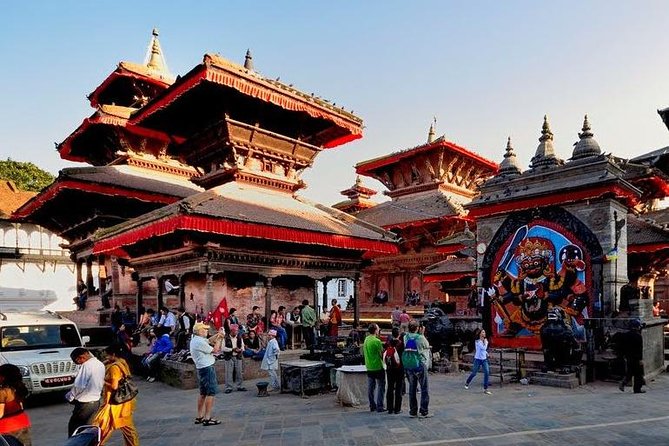
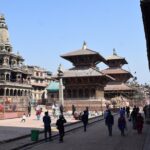
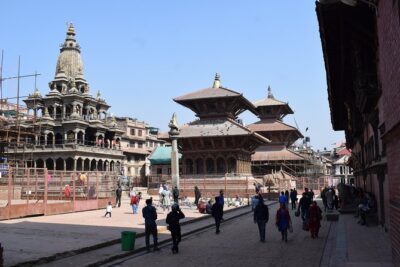
You’ll start with Kathmandu Durbar Square, a UNESCO site tied to historical and spiritual landmarks. This is where you’ll notice how Newari craftsmanship and sacred spaces mix—courtyards, temples, and carved details that feel designed for both ceremony and daily life.
A highlight here is the chance to visit Kumari Ghar and Kumari Chowk, connected to the residence of Nepal’s living Goddess. Even if you don’t know the full traditions, the setting makes it easy to understand why this matters to locals.
Practical note: parts of Durbar Square involve walking on older stone surfaces. Wear shoes that grip.
Before you lock this one in, a few Kathmandu alternatives:
Pashupatinath Temple: A Hindu epicenter and a dense temple field
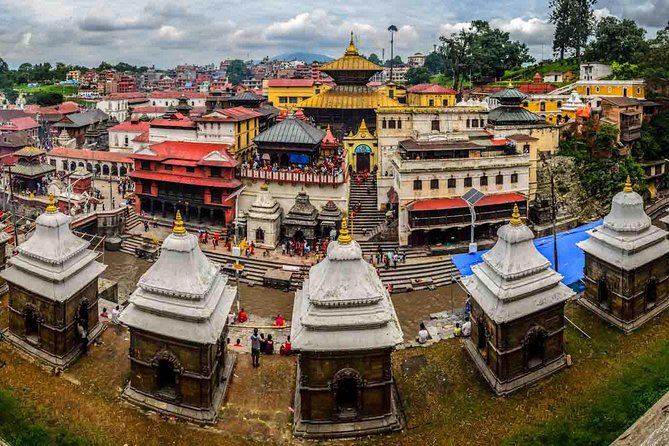
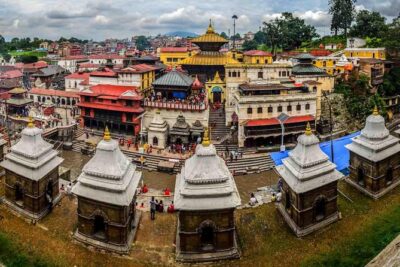
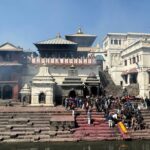
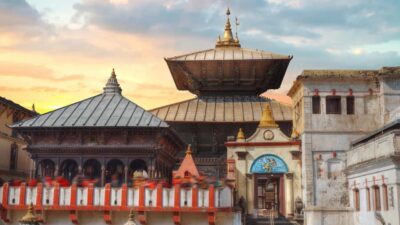
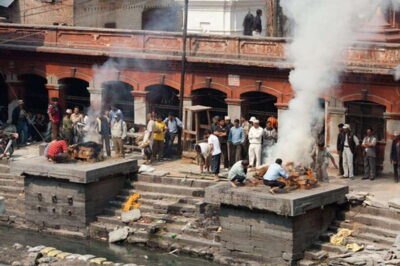
Next comes Pashupatinath Temple, originally constructed in the 5th century and renovated by the Malla kings. The site is known for having over 500 temples within its grounds, so it’s not just one building—it’s a whole sacred complex.
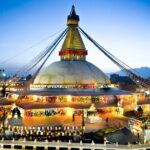
You’ll also visit Boudhanath and Swayambhunath during the day plan. Even though those two are separate UNESCO sites, it’s smart to bunch them earlier rather than saving them for a later rushed day.
One thing to know: this temple complex is active and spiritually intense. If you’re sensitive about what you’ll see in a living religious site, keep that in mind and move respectfully.
Swayambhunath (Monkey Temple): Steps, prayer wheels, and a huge Buddha
Then the plan shifts to Swayambhunath, often called the Monkey Temple. You’ll climb 365 steps to reach the main stupa area, which means this is both a walk and a mini journey with small shrines along the way.
Swayambhunath is famous for prayer wheels and for having the largest Buddha statue in Nepal (as described in the tour overview). And yes, monkeys are a real part of the experience here.
If you want the best moment, pace yourself on the steps and pause before you enter the main stupa area. The view and atmosphere hit harder once you’re not breath-hunting every minute.
Day 3 Patan Durbar Square to Dakshinkali and Nagarkot: History Meets Faith Meets Mountains
Day three mixes UNESCO, Hindu mythology, and a big change in scenery as you head toward Nagarkot.
Patan Durbar Square: Malla royal courtyards and crisp stone detail
You’ll visit Patan Durbar Square, another UNESCO World Heritage Site. This one served as the royal palace for the Malla kings, and the layout is built around three courtyards: Sundari Chowk, Mul Chowk, and Keshav Narayan Chowk.
A standout structure mentioned in the plan is the Krishna Mandir, known for its Shikhara style architecture. If you like architecture that feels precise rather than just old, Patan is a great place to slow down.
Dakshinkali Temple: Myth, ritual, and a very specific kind of ceremony
After Patan, the route goes to Dakshinkali Temple, tied to Hindu mythology. The tour notes that animal sacrifices (primarily goats and chickens) are conducted here.
This is not a “museum-style” stop. If this is something you’d rather avoid, treat it as a consideration before booking. If you do go, approach with respect and don’t try to turn a religious ritual into a photo stunt.
Chobar and Bagmati Valley: A quieter edge of the valley
The plan also includes Chobar, described as an ancient village at the edge of the Kathmandu Valley known for caves and views in the Bagmati Valley area.
This part adds variety. You get a break from the densest UNESCO courtyards and temples, and you can feel the valley’s geography a bit more.
Nagarkot: The night that sets up sunrise
Later, you’ll head to Nagarkot and spend the night. The tour schedule frames Nagarkot as famous for panoramic morning views, and that overnight is the difference between seeing the mountains and just hearing about them.
Day 4 Nagarkot Sunrise: When Early Starts Actually Pay Off
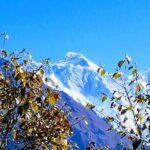
Nagarkot sits at about 2,100 meters, just outside Kathmandu, and the tour encourages you to wake early. The big idea: the Nepal peaks are much easier to see when the air is clear and the light is fresh.
The itinerary lists a view of Everest (8,848m), plus Dorje Lhakpa, Langtang, Ganesh Himal, Gauri Shankar, and Rolwaling—not all of these are guaranteed in every weather window, but the point is that the viewing zone is famous for exactly this kind of early-morning sight.
You’ll also want to dress for cool temperatures. Even if Kathmandu feels warm, the altitude can change the feel fast.
After sunrise, you head back toward Kathmandu and add two UNESCO stops.
Changu Narayan and Bhaktapur Durbar Square: Finishing With Craft and Courtyards
Changu Narayan Temple: One of the oldest temples, heavy on carvings
First is Changu Narayan Temple, another UNESCO site. It’s described as one of the oldest temples in Nepal and known for intricate carvings.
If Day 2 and Day 3 felt like big, crowded spiritual sites, Changu Narayan is a nice counterbalance. You’ll likely spend more time appreciating the details rather than just moving through.
Bhaktapur Durbar Square: Newari architecture in action
Then you reach Bhaktapur Durbar Square, also UNESCO. This stop is known for temples, courtyards, and carved gates, and it functions as a focal point for cultural and religious activities.
Bhaktapur is where Newari architecture can feel most tangible: you see how the city’s design supports daily ritual, not just tourism photos.
When the time comes to return to Kathmandu, you’ll end with a strong “final act” feeling—two UNESCO sites back-to-back, instead of stopping after only one more temple.
Price and Value: What $499 Buys You (and What It Doesn’t)
At $499 per person for five days, the value is less about the sticker price and more about how much you’re getting handled for you.
Included items that matter in real life:
- 4 nights accommodation (3 in Kathmandu, 1 in Nagarkot)
- Free round-trip transfers between Tribhuvan Airport and your hotel
- All transportation during the tour
- An official Best Heritage Tours guide
- Dinner and a farewell dinner
- Breakfast (4)
That’s a lot of logistics solved in one package. If you were to plan a similar route yourself, you’d likely spend money on the same kind of private car time, plus guide time for meaning, not just movement.
What’s not included matters too:
- Many temple admission tickets are listed as not included
- Lunch and some dinners on certain days aren’t included
- Tips aren’t included
So if you’re budgeting, think of this as a guided, transport-forward UNESCO-and-mountains circuit with most big costs covered, but with some site entry fees you’ll likely pay along the way.
Transportation, Timing, and the Reality of Steps
This tour is private, but it’s not “slow.” It’s a smart loop through Kathmandu Valley’s main sites, plus a mountain overnight. That means you’ll spend time in the car and you’ll spend time walking.
A few body-check points:
- Swayambhunath: 365 steps. Go at your own pace; don’t treat it like a race.
- Durbar Square areas can involve uneven, historic stone.
- Nagarkot sunrise likely means early mornings and cold air.
If you’re carrying mobility limitations, this is where your guide’s pacing becomes crucial. You’ll get the most out of it by asking how much walking you can comfortably handle before you start.
What the Guide Adds When You’re at a Temple Complex
In a place like Kathmandu, “seeing” is easy. “Understanding” takes a guide.
This tour includes an official Best Heritage Tours guide, and the operator’s staff are described in past experiences as friendly and good at making the experience feel comfortable. That matters most at sites like Pashupatinath and Swayambhunath, where religious meaning is everywhere and you’d otherwise miss half of it.
You’ll also benefit from someone handling timing and transitions between major UNESCO stops, so you don’t end up stranded at the wrong place at the wrong hour.
Should You Book This UNESCO Kathmandu Valley Tour?
If you want a clean, guided route through the Kathmandu Valley’s UNESCO sites plus a legitimate shot at Nagarkot sunrise, I’d call this a good fit.
Book it if:
- You want private transport and a guide to connect the dots.
- You’re okay with a lot of driving and walking.
- You care about seeing multiple sacred sites in a coherent order, not as random stops.
Think twice if:
- You strongly dislike the idea of animal sacrifice ceremonies at Dakshinkali Temple and don’t want that as part of the itinerary.
- You prefer a slower pace with more free time between sites.
- You don’t want to handle any additional temple admission tickets on the spot.
If you do book, bring comfortable walking shoes, plan for early mornings in Nagarkot, and carry a little extra budget for entry fees. That combo turns the itinerary from a checklist into a trip you’ll actually remember.
FAQ
What’s included in the tour price?
The price includes dinner, breakfast (4), free round-trip transfers between Tribhuvan International Airport and your hotel, 4 nights accommodation (3 nights in Kathmandu and 1 night in Nagarkot), guided Kathmandu city tour with private transport and entrance fees, all transportation during the tour, an official tour guide, and a farewell dinner in Kathmandu.
How long is the UNESCO World Heritage tour?
The duration is 5 days (approx.).
Are airport transfers provided?
Yes. The tour includes free round trip transfers between Tribhuvan International Airport and your hotel.
Does this tour visit all seven UNESCO World Heritage Sites in the Kathmandu Valley?
Yes. The tour highlights visits to seven UNESCO World Heritage Sites in the Kathmandu Valley, including Kathmandu Durbar Square, Swayambhunath, Boudhanath, Pashupatinath, Patan Durbar Square, Changu Narayan Temple, and Bhaktapur Durbar Square.
Is admission included for temple stops?
The tour details indicate that some admissions are not included for certain stops, while the guided Kathmandu city tour includes entrance fees. It’s safest to plan for possible additional temple admission costs during the days marked as not included.
What’s the accommodation situation on this tour?
The tour includes 4 nights in your selected hotel: 3 nights in Kathmandu and 1 night in Nagarkot.
Is this a private tour?
Yes. It’s a private tour/activity, and only your group will participate.
What is the cancellation policy?
You can cancel up to 24 hours in advance for a full refund. If you cancel less than 24 hours before the experience’s start time, the amount you paid will not be refunded.
The Old Kathmandu, Properly Toured

More Tours in Kathmandu


More Tour Reviews in Kathmandu

Just Reviewed in Kathmandu
- Mountain Bike Tour
★ 5.0 · 3 reviews - Annapurna Panaroma
★ 5.0 · 3 reviews - Mount Everest Scenic Flight 50 Minutes
★ 5.0 · 3 reviews - Kathmandu : Swambhunath & Durbar Square Guided Half Day Tour
★ 3.3 · 3 reviews - Chandragiri Cable Car & Monkey Temple Tour – Private/Group
★ 5.0 · 3 reviews - Kathmandu: Shivapuri National Park Hiking Day Trip
★ 3.3 · 3 reviews
Kathmandu UNESCO Heritage Tours, compared.
 ★ 4.87 UNESCO Sites with LunchFrom $2744 reviews
 ★ 5.0Full Day 7 UNESCO Tour with Lunch – Private/GroupFrom $10415 reviews
 ★ 5.0Full Day Top 4 UNESCO Tour with Lunch – Private/GroupFrom $10269 reviews
 ★ 5.0UNESCO Seven World Heritage Tour in KathmanduFrom $180253 reviews
★ 4.9Full-Day 7 UNESCO Tour with Lunch – Private/GroupFrom $5247 reviews
★ 5.0UNESCO Seven World Heritage Tour in KathmanduFrom $180253 reviews
★ 4.9Full-Day 7 UNESCO Tour with Lunch – Private/GroupFrom $5247 reviews
 ★ 4.97 UNESCO Sites Tour in 1 Day (Private Tour)From $4204 reviews
 ★ 4.9Top 4 UNESCO Tour with Lunch – Private/GroupFrom $5181 reviews
 ★ 5.0Kathmandu Private Sightseeing Tour | UNESCO World Heritage SitesFrom $35109 reviews
Browse the lists this tour appears in