
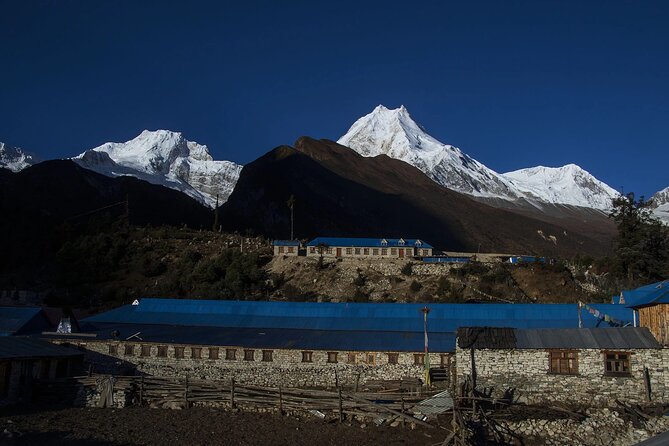
Review · MANASLU CIRCUIT TREKS
10 Days Manaslu Circuit Trek in Larke La Pass
Larke La Pass changes how you see Nepal. This 10-day Manaslu Circuit trek stitches together Gurung villages, big Himalayan days, and one serious summit moment at Larke La Pass (5,160m), with a small group capped at 20. I like that the trip is built for real trekking rhythm, not just boxes ticked on a map.
I especially love the practical safety setup: the team uses an oximeter to monitor pulse and oxygen saturation twice daily and carries a medical kit, so you feel less stuck guessing at altitude. That matters when you’re moving through thin air and the schedule depends on how you actually feel.
One possible drawback: you’ll stay in shared tea houses, so privacy is limited, and you should be ready for basic rooms and shared spaces—plus you start with long road time from Kathmandu.
In This Review
- Key highlights that matter on the trail
- The Manaslu Circuit pace: why this route feels different
- Kathmandu to Machha Khola: your first big time investment
- Following the Budi Gandaki: riverside trekking and Gurung villages
- Namrung to Samagaon: suspension bridges and wider mountain horizons
- Sama Gaon acclimatization day: choose your altitude strategy
- Dharamsala to Bhimtang: the longest day and the “pass is coming” feeling
- Larke La Pass at 5,160m: the summit payoff and the real mechanics
- Bhimtang to Dharapani, then Besisahar and back to Kathmandu
- Guides, porters, and safety extras that you can actually feel
- Price and value: what $1,049 buys you here (and what to budget separately)
- What to pack and how to prepare for this specific trek style
- Who should book this Manaslu Circuit trek
- Should you book this 10-day Manaslu Circuit with Larke La Pass?
- FAQ
- How many days is the Manaslu Circuit trek to Larke La Pass?
- What is the elevation of Larke La Pass?
- What permits are included in the price?
- What meals are included during the trek?
- Do I get a guide and porter?
- Is there any altitude or medical safety equipment included?
- What transportation and lodging are included, and what is not included?
Key highlights that matter on the trail
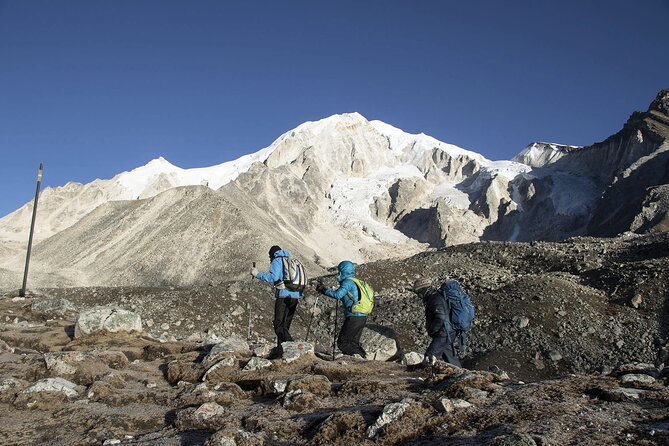
- Larke La Pass at 5,160m for wide-open, high-altitude panoramas
- Twice-daily oximeter checks plus a medical kit for altitude realities
- Government-licensed guide and a porter setup (1 porter for 2 trekkers)
- Permits handled end-to-end, including ACAP, MCAP, and restricted-area entry
- A true acclimatization day in Sama Gaon, with optional side trips
- Maximum 20 people, which keeps the trek feeling more human
More trails out of Kathmandu, boots ready
- Everest Base Camp Trek – 14 Days★ 5.0 · 1,499 reviews
- Everest Base Camp Trek★ 5.0 · 842 reviews
- Everest Base Camp Trekking★ 5.0 · 485 reviews
- Nagarkot Sunrise View and Day Hiking from Kathmandu★ 5.0 · 471 reviews
The Manaslu Circuit pace: why this route feels different
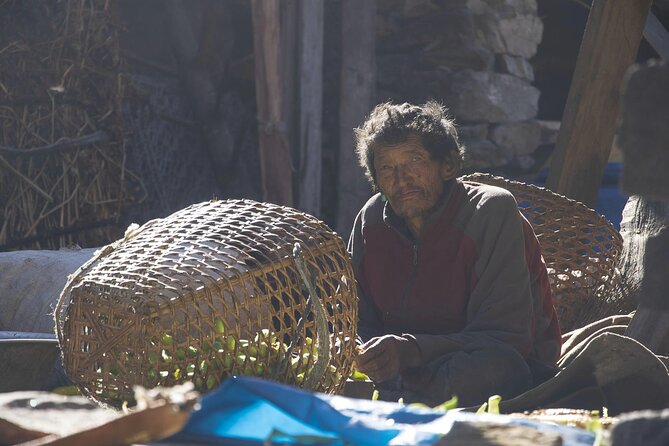
Manaslu is not the same “everyone does this” trail vibe as some more famous hikes in Nepal. The circuit is still popular, but it feels more grounded in local life: you walk through villages, you see how people live with the mountain, and you don’t just pass through with a photo-stop mindset. That makes the trek better if you like meeting people and moving slowly enough to notice details.
This specific 10-day flow is also smart about pacing. You get gradual build-up days, then a dedicated acclimatization day, then the long push toward the pass. If you’ve only ever done day hikes, this is the first real moment where you feel what multi-day altitude trekking demands.
Kathmandu to Machha Khola: your first big time investment
Your trek starts with a drive from Kathmandu to Machha Khola that takes about 8 to 9 hours. This is one of those “front-load the effort” things: you’re trading the easiest walking day for the hardest travel day. It can feel long, but it’s the cost of getting you into the trek on Day 1 without wasting extra days.
What I like here is that the trip doesn’t pretend the road is fun. You can plan for it: pack snacks, bring something warm for the vehicle, and expect the day to be more about settling in than exploring. Once you arrive, you start your walking routine the next morning.
Following the Budi Gandaki: riverside trekking and Gurung villages
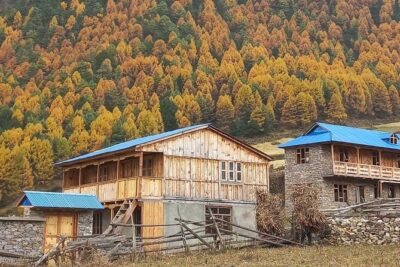
Days 2 and 3 focus on getting your legs moving while the valley world opens up. You walk along the Budi Gandaki river bank through Gurung villages—this is where the Manaslu feel starts to click. The villages are not just scenery; they’re where you see how communities adapt to mountains, weather, and trade routes.
- Jagat (about 6 hours): expect a classic “valley trek” day—walk, stop, eat, repeat. You’re building endurance here, not chasing views yet.
- Deng (about 6 to 7 hours): the day mixes river crossings and varied terrain. Even when it’s not the highest altitude, it’s where you learn how your breathing changes as you climb and descend on a trail that isn’t flat.
If you’re prone to rushing in the early days, this segment is a good place to practice a calmer pace. Slow is faster at altitude, and it keeps your mood steady when the pass days come.
Namrung to Samagaon: suspension bridges and wider mountain horizons
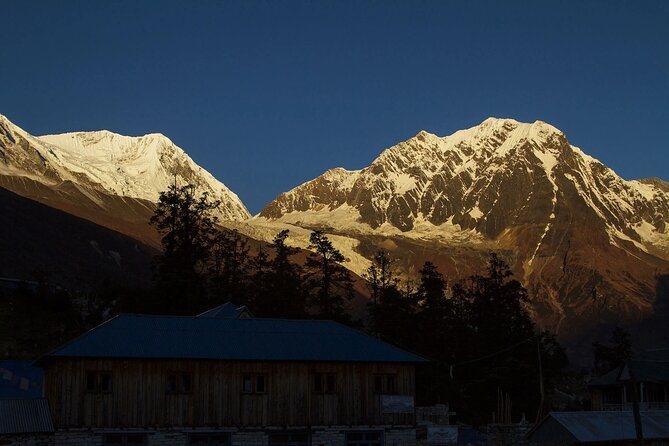
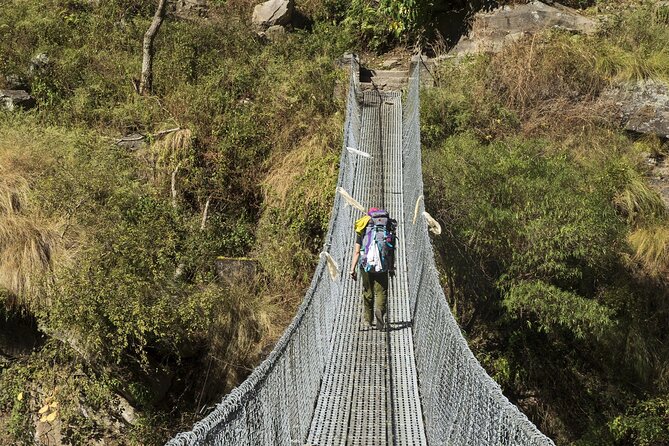
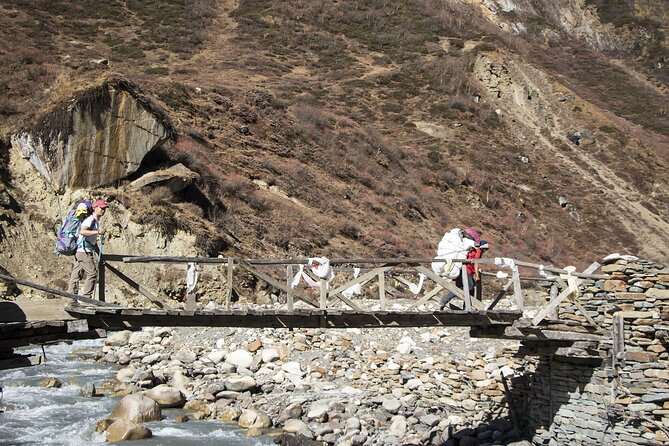
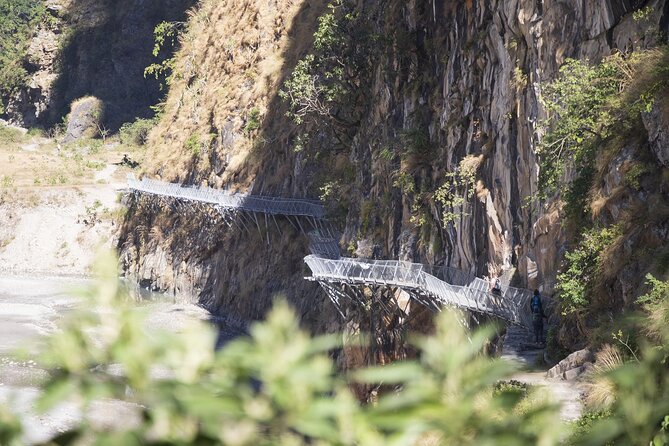
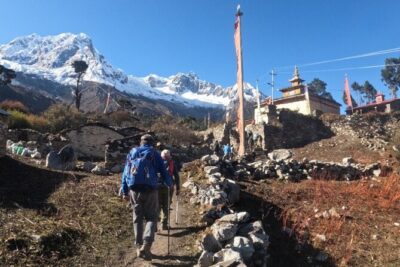
Day 4 to Day 5 is where the trek starts telling you you’re really in the Himalaya. The trail includes a suspension bridge and an ascent toward Rana and Bihi Phedi before reaching Namrung (about 7 to 8 hours for the day). Bridges like this can be mentally annoying if you dislike heights, but they also add an honest sense of adventure—this is not a groomed nature walk.
Then comes Samagaon (about 6 to 7 hours, roughly 15.5 km / 9.63 miles). This is a key transitional day: you move from village life into the more alpine feel. You’ll feel it in the air first, then in the way the trail seems to “carry” you upward.
Sama Gaon acclimatization day: choose your altitude strategy
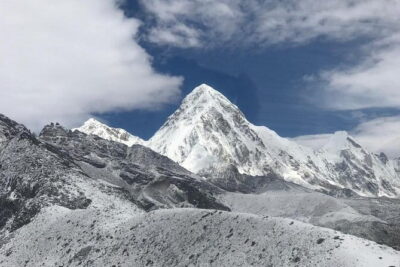
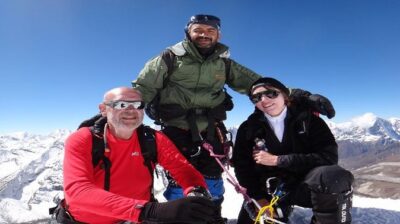
On Day 6 you stop in Sama Gaon for acclimatization. This is one of the best parts of the itinerary because it gives your body time to adjust instead of forcing you straight upward. There are two day-trip options:
- Pungyen Gompa to the east of the Nubri Valley
- Manaslu Base Camp area (option is offered)
I like this flexibility. Some people want a lighter hike for recovery; others want the stronger motivation of heading toward a more dramatic destination. Either way, you’re staying within a structure that respects altitude.
Practical note: acclimatization works best when you don’t treat it like an extra distance day. Walk with discipline, rest more than you think you need, and pay attention to how you sleep and eat.
Dharamsala to Bhimtang: the longest day and the “pass is coming” feeling
Day 7 takes you from Samagaon to Dharamsala (about 6 to 7 hours). The route enters the land of yaks, which adds a fun, real-world change in the animal and grazing landscape. This is also where the vibe starts shifting: you can feel the trek getting closer to Larke La Pass, even before you see it fully.
Then Day 8 is your longest walk: Dharamsala to Bhimtang (about 8 to 9 hours). Long days on thin air are not about heroics; they’re about steady steps, smart breaks, and staying warm. The trek description makes it clear this leg is connected to heading toward the pass, so it’s a day to protect your energy for the summit day.
If you tend to get impatient, this is where you’ll learn humility. I’d rather you feel bored at mile 6 than exhausted at mile 16.
Larke La Pass at 5,160m: the summit payoff and the real mechanics
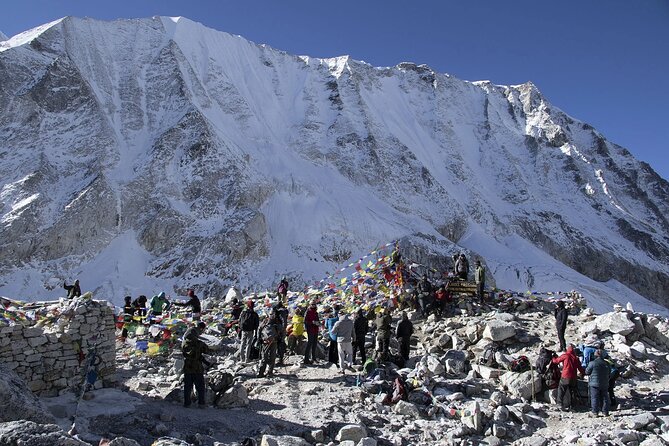
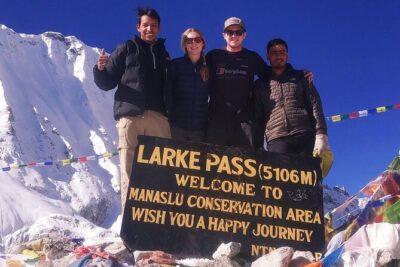
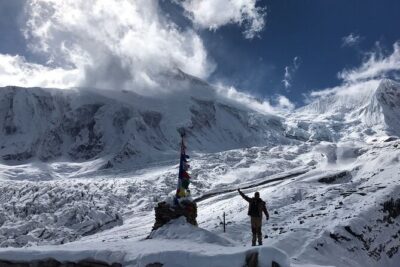
This trek’s headline is the Larke La Pass crossing at 5,160 meters. That elevation is serious enough that you should treat it as both a physical task and a mental one.
Here’s what you can count on: high-altitude walking typically means colder air, slower rhythm, and a stronger focus on breathing. The route’s structure helps because you’ve had an acclimatization day already, and you’ve built endurance on the previous days. The safety approach also matters—this operator checks oxygen and pulse twice daily with the oximeter, which is a big help in tracking how you’re doing.
Also, don’t underestimate how much weather can change the feel of a pass day. You’ll be glad you planned layers and that your group sticks together. When people handle the day calmly, the views become the reward instead of a stressful distraction.
Bhimtang to Dharapani, then Besisahar and back to Kathmandu
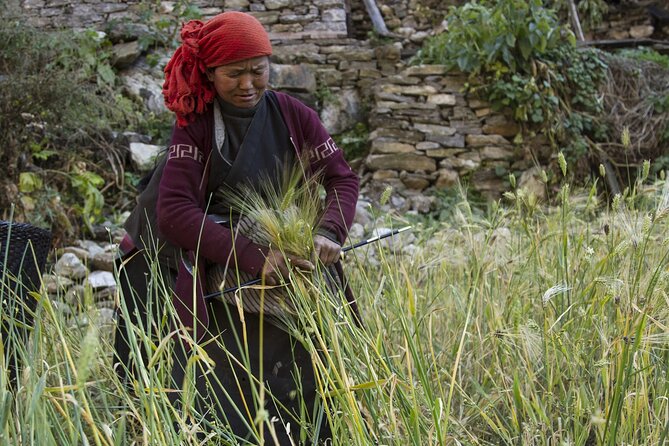
Day 9 takes you from Bhimtang to Dharapani (about 8 hours). The trail gradually descends through Karche, and that descent is a relief after pass-country walking. Still, descents can beat up your knees, so good trekking poles and careful foot placement help.
Day 10 is the circuit closing. You go from Dharapani to Besisahar (about 1 hour), then continue with a scenic drive that takes roughly 8 to 9 hours back toward Kathmandu (or you can continue to Pokhara depending on what you choose). This is another long day, but it’s the normal trade for finishing a loop trek without adding extra trekking days.
Guides, porters, and safety extras that you can actually feel
This trek is built around staff support that shows up in real decisions, not just paperwork.
You’ll have a government-licensed guide who comes with salary support, food, drinks, accommodation, transport, and insurance. You’ll also have a porter with supplies and transport handled (food, accommodation, insurance, salary included). The porter support is 1 porter for 2 trekkers, which is a practical middle ground: you still feel responsible, but you’re not dragging heavy gear up a 5,160m pass.
The reviews you read (and the names you’ll hear from other trekkers) line up with what matters most on treks: guidance that matches your fitness. Narayan Ntc is highlighted for being considerate and supportive through the whole trek, and Gopal is noted for motivating trekkers with a sense of confidence at higher altitude. Naresh in Kathmandu is mentioned as a helpful point of contact when things need sorting. That kind of team coverage matters because the “real trek” isn’t only the trail; it’s the decisions around it.
On the safety side, the operator includes:
- a medical kit and first aid support
- an oximeter used twice daily
- severe case evacuation management
- accident insurance for staff
Even if you’re healthy, it’s reassuring to see altitude tracking and medical planning baked into the trip.
Price and value: what $1,049 buys you here (and what to budget separately)
At $1,049 per person, this trek isn’t the cheapest option you’ll see, but it’s not “only marketing” expensive either. What you’re paying for is what usually costs money in Nepal treks: permits, licensed guide time, porter support, and the travel logistics around getting into and out of the trail corridor.
Included value highlights:
- Permits handled, including ACAP, MCAP, and restricted area entry permits
- Shared lodge accommodations (tea houses)
- All guide and porter logistics (food, lodging, transport, insurance, salary)
- Meals: 10 breakfasts, 9 lunches, 9 dinners
- Trekking map, trekking hat, duffel bag, and a trip achievement certificate
- Pickup offered and mobile ticket
What’s not included (so you can budget without surprises):
- Private transportation
- Meals and hotel accommodation in Kathmandu
- Nepal entry visa fee (listed as $15 to $125)
- Personal expenses
- Alcoholic and non-alcoholic drinks
- Battery charging, internet, and hot shower
- Tipping for guide, porter, and driver
For value, I’d frame it like this: if you’re trying to do a high-altitude trek with permits, licensed staff, and daily safety monitoring, you’re paying for the infrastructure of getting there safely—not just for walking days.
What to pack and how to prepare for this specific trek style
Because the itinerary includes a high pass, long walking days, and cold mornings that are typical for this altitude band, you’ll want to prep like it’s a winter hike even if the calendar says otherwise. Pack for layers and for wind, and bring gloves and a hat. Bring a headlamp or small flashlight. Expect that charging and hot showers are not part of the deal, so plan your energy and hygiene time accordingly.
Fitness-wise, the trek calls for moderate physical fitness. That means you should be comfortable with multi-hour hiking days and able to walk for 8 to 9 hours on longer legs. If you haven’t done that, you’ll still be able to finish, but it may take more patience than you expect.
If you can, do some uphill walking and practice stopping before you feel totally wiped. The pass day is where your pacing strategy from earlier days pays off.
Who should book this Manaslu Circuit trek
This is a good match if:
- you want a real circuit with villages and a high pass highlight
- you like having permits and safety logistics handled
- you want a small group feel (maximum 20 people)
- you’re happy with tea house lodging and shared spaces
You might want to choose something else if you:
- need frequent private rooms or guaranteed comfort upgrades
- hate long road travel days (you’ll have 8 to 9 hour drives at the start and end)
- want lots of hotel-style amenities like hot showers and charging
Should you book this 10-day Manaslu Circuit with Larke La Pass?
I’d book it if you want the Manaslu Circuit experience with the parts that usually make treks feel stressful handled for you: permits, staffing, and altitude monitoring. The oximeter checks and the guide/porter support are especially strong reasons to pick this style of trip. Add in the high point at Larke La Pass (5,160m), and you’re signing up for one of the more memorable achievements in Nepal—without having to manage the logistics alone.
Also, if plans change, there’s free cancellation up to 24 hours before it starts. That small safety net is worth something when you’re booking around flights and weather.
If you’re ready for shared tea houses, long drives, and disciplined trekking pace, this is a solid choice for an authentic Manaslu circuit with a real pass payoff.
FAQ
How many days is the Manaslu Circuit trek to Larke La Pass?
It’s a 10-day trek, with trekking and driving components to complete the circuit and return toward Kathmandu.
What is the elevation of Larke La Pass?
Larke La Pass is listed at 5,160 meters.
What permits are included in the price?
The package includes all necessary permits, including ACAP, MCAP, and restricted area entry permits.
What meals are included during the trek?
Breakfast is included for 10 days, lunch for 9 days, and dinner for 9 days.
Do I get a guide and porter?
Yes. You’ll have a government licensed guide, and there is a porter with a ratio of 1 porter for 2 trekkers.
Is there any altitude or medical safety equipment included?
Yes. There’s a medical kit with a first aid kit, and an oximeter is used to monitor pulse, oxygen saturation, and heart rate twice daily.
What transportation and lodging are included, and what is not included?
Shared vehicle transportation is included from Kathmandu to Machhakhola and from Dharapani back toward Kathmandu (with onward driving to Kathmandu or Pokhara after Besisahar depending on your choice). Lodging is in shared trekking lodge/tea house accommodations. Not included are the Nepal entry visa fee, private transportation, Kathmandu hotel meals, personal expenses, drinks, battery charging/internet/hot showers, and tipping for guide/porter/driver.
If you want, tell me your trekking experience level and your travel month, and I’ll suggest what to train for and how to pace the pass day.
More Trekking Out of Kathmandu
More Tour Reviews in Kathmandu
Just Reviewed in Kathmandu
- Mountain Bike Tour
★ 5.0 · 3 reviews - Annapurna Panaroma
★ 5.0 · 3 reviews - Mount Everest Scenic Flight 50 Minutes
★ 5.0 · 3 reviews - Kathmandu : Swambhunath & Durbar Square Guided Half Day Tour
★ 3.3 · 3 reviews - Chandragiri Cable Car & Monkey Temple Tour – Private/Group
★ 5.0 · 3 reviews - Kathmandu: Shivapuri National Park Hiking Day Trip
★ 3.3 · 3 reviews
Manaslu Circuit Treks, compared.
 ★ 5.0Manaslu Circuit TrekFrom $1,190292 reviews
Manaslu Circuit TrekFrom $1,081184 reviews
★ 5.0Manaslu Circuit Trek:From $1,099106 reviews
★ 5.0Manaslu Circuit TrekFrom $1,190292 reviews
Manaslu Circuit TrekFrom $1,081184 reviews
★ 5.0Manaslu Circuit Trek:From $1,099106 reviews
 ★ 5.0Manaslu Circuit Trek (15 Days)From $1,65750 reviews
Manaslu Circuit TrekkingFrom $1,49944 reviews
★ 5.0Manaslu Circuit Trek (15 Days)From $1,65750 reviews
Manaslu Circuit TrekkingFrom $1,49944 reviews
 ★ 5.016 Day Private Manaslu Circuit Trek from KathmanduFrom $1,13542 reviews
★ 5.0Manaslu Circuit TrekFrom $1,90035 reviews
★ 5.016 Day Private Manaslu Circuit Trek from KathmanduFrom $1,13542 reviews
★ 5.0Manaslu Circuit TrekFrom $1,90035 reviews
 ★ 5.0Manaslu Circuit Trek 13 DaysFrom $1,40030 reviews
Browse the lists this tour appears in