
Review · MANASLU CIRCUIT TREKS
16 Day Private Manaslu Circuit Trek from Kathmandu
You will feel the Himalaya shift on this route. This private Manaslu Circuit trek blends Kathmandu warm-up days with big mountain walking, plus the paperwork that makes Manaslu work smoothly. I like that you get a licensed guide team and trekking gear like a down jacket and sleeping bag. One thing to plan for: you’ll still spend real time on roads (long drives and public transport segments), not just trail days.
What I really liked is how the plan groups easier walking days with key viewpoints—so you’re not grinding every day. You’ll also visit places with actual character, like monastery stops (Phungen and Serung Gumpa), and the slow, scenic rhythm of village trekking around Samagaun and Tilche. A possible drawback is simple: this trip needs moderate fitness, and the Larkya Pass day is a long effort even with a private guide.
In This Review
- Key takeaways before you set your boots
- Manaslu Circuit, privately guided: why this route feels special
- Kathmandu warm-up: what those first days really do for you
- Day 1 and Day 2: Kathmandu + Thamel
- From Kathmandu to the trekking start: the road time is real
- Day 3: Gorkha area drive
- Day 4: first walk in Manaslu Circuit Trek
- Jagat, jungle days, and early high-mountain rhythm
- Day 5: Jagat + first checkpoint feel
- Day 6: Mount Manaslu area + jungle walk
- Day 7: Namrung village
- Samagaun and Birendra Lake: when the scenery starts to sharpen
- Day 8: Manaslu first view day
- Day 9: Samagaun + Birendra Lake views
- Day 10: Base camp area / Phungen Monastery + Birendra Lake
- Short walking days that actually help you finish strong
- Day 11 and Day 12: short walks in Manaslu
- Larkya Bhanjyang (Larkya Pass day): the long day you plan your whole trek around
- Tilche: rhododendron jungle walking to a Gurung village
- Besisahar and the return: the trek ends with transport, not celebration
- What’s actually good value at $1,135 per person
- Included that you’d normally pay for separately
- What you still pay for
- Guides, porters, and the human side of Manaslu
- Who should choose this Manaslu Circuit trek?
- Should you book this 16-day private Manaslu Circuit trek?
- FAQ
- FAQ
- Where does the trek start and end?
- Do you get airport pickup and a Kathmandu drop-off?
- Is Kathmandu lodging included in the price?
- What trekking gear comes with the trip?
- Are meals included during the trek?
- Which permits does the operator handle for Manaslu trekking?
- Is this a private trip?
- What’s the cancellation refund window?
- Is bottled water or drinks included?
Key takeaways before you set your boots
- Licensed guide + correct Manaslu paperwork: MCAP, Manaslu restricted area permit, and ACAP are handled for you.
- Gear included: down jacket and sleeping bag take a lot of packing stress off your shoulders.
- Lodge trekking makes the circuit practical: you sleep in lodges throughout the trek (Kathmandu lodging is separate).
- A high-pass day built in: Larkya Bhanjyang is scheduled as a long walking day when you’ll want good pacing.
- Monasteries and views, not just trekking: Phungen Monastery, Serung Gumpa, and Birendra Lake are part of the story.
- Real-world transport included: buses and a public jeep handle key road legs so you don’t have to coordinate.
Just your group, at your own pace
- Private Kathmandu Sightseeing Tour | UNESCO World Heritage sites★ 5.0 · 756 reviews
- Kathmandu: Full Day 7 UNESCO Tour with Lunch – Private/Group★ 5.0 · 415 reviews
- Private Bhaktapur and Nagarkot Day Tour From Kathmandu★ 5.0 · 305 reviews
- Kathmandu: Full Day Top 4 UNESCO Tour with Lunch – Private/Group★ 5.0 · 269 reviews
Manaslu Circuit, privately guided: why this route feels special
Manaslu feels different from the more famous routes in Nepal. It’s still a classic circuit trek, but it’s also a more “off the main track” kind of feeling—villages stay village-like, and you’ll spend a lot of time walking through human-scale days rather than nonstop crowds.
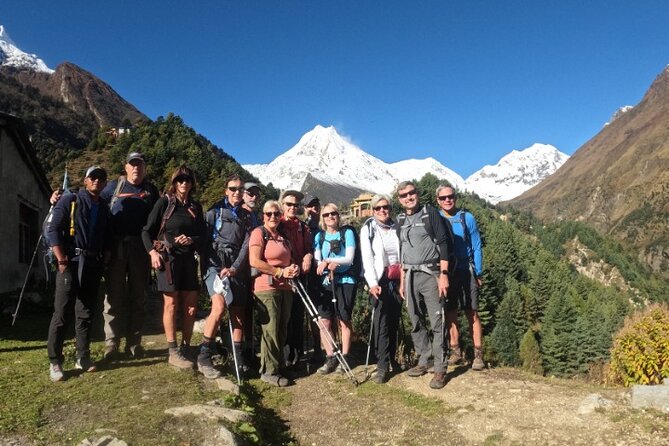
This particular package is built around private guiding with a licensed guide holder and local support. You also get legal coverage for what Manaslu demands: the Manaslu restricted area permit plus conservation-area paperwork (ACAP) and MCAP. That matters because it’s not just a label—it’s what keeps your trek on the right side of Nepal’s trekking rules.
You’ll also notice the operator thinks about cold-weather comfort. The trek includes a down jacket and sleeping bag, which can save you money and time if you don’t already own proper cold gear. And because this trek is private, you’re not stuck dealing with the slowest or fastest pace of a mixed group.
The tradeoff? It’s still a circuit. Even if your guidance is private, you’ll have long transport days and some long walking days. Road time is part of the experience here, not an exception.
Kathmandu warm-up: what those first days really do for you
The plan starts in Kathmandu with a light but helpful introduction. You get time to settle in and see the city’s world-heritage sites—plus a Kathmandu orientation day in Thamel, where you can get your bearings, ask questions, and handle any last-minute trek needs.
Why this matters: after international travel, altitude and fatigue start to matter quickly once you move toward the Himalaya. A couple of city days helps you get your schedule aligned and your gear sorted. It’s also where you can double-check how you’ll handle layers, rain protection, and daypack comfort before the trek work begins.
Day 1 and Day 2: Kathmandu + Thamel
Day 1 is all about Kathmandu—heritage sights and getting your bearings. Day 2 shifts to Thamel, the tourist area where most trek-related errands happen. The Thamel stop is listed as not included for admission, which usually means you’re doing flexible sightseeing rather than a ticketed “must-do.”
If you’re a first-time Nepal visitor, these days are a nice buffer. If you already know Kathmandu well, you might treat this as a quick setup period and focus on getting out of town prepared.
From Kathmandu to the trekking start: the road time is real
Once you’re out of Kathmandu, the plan transitions quickly into travel. On Day 3, you drive about 6–7 hours from Kathmandu toward Sotikhola. That’s followed by an actual start to trekking on Day 4.
This is where a private trek shows its value. Even when you’re on the road, a good guide helps you stay organized—what to carry forward, what can stay packed, how to keep your timing calm, and how to manage energy for the first walking day.
More trails out of Kathmandu, boots ready
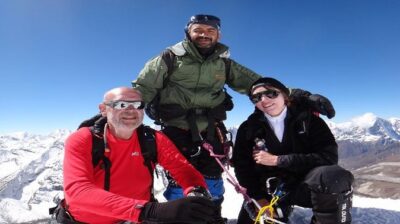
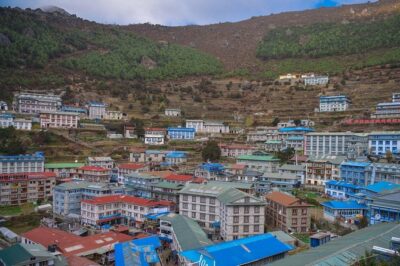
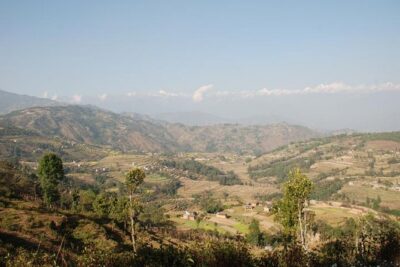
Day 3: Gorkha area drive
The Day 3 stop is listed in the Gorkha region area, and it’s described as the first day of the trek approach. Expect a long sit and limited flexibility. It’s still part of getting you into the trekking rhythm.
Day 4: first walk in Manaslu Circuit Trek
Day 4 is a 6-hour walking day—your first real leg. It’s not the kind of day you want to rush. I recommend you treat it like practice for the circuit’s slower, steady style: consistent pace, frequent short stops, and no dramatic over-speeding.
Jagat, jungle days, and early high-mountain rhythm
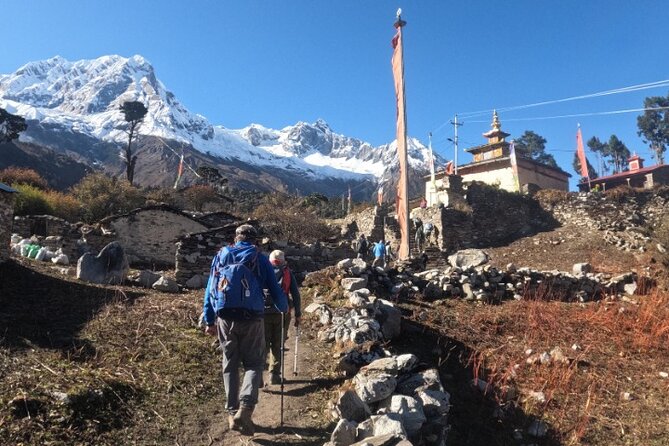
Early on, Manaslu Circuit feels like the Himalaya is turning on slowly. You start moving through villages and jungle stretches before the circuit really commits to bigger scenery.
Day 5: Jagat + first checkpoint feel
Day 5 includes a stop at Jagat, described as the first trekking permit checkpoint in Jagat, with admission included. This is one of those practical moments that can feel boring on paper, but it’s important on the ground. It’s part of how the restricted-area trek works—and why having the correct paperwork handled for you is so valuable.
You’ll also notice an early pattern: not every day is a “show up and suffer” hike. Some are timed to let you arrive, eat, and recover while still keeping the circuit moving.
Day 6: Mount Manaslu area + jungle walk
Day 6 is a jungle walk listed as about 7 hours, with admission included. Jungle days on the circuit are good for two reasons:
1) They usually give you a different temperature and breathing experience than exposed ridges.
2) They build hiking confidence before longer pass days.
Day 7: Namrung village
Day 7 is about 7 hours and focuses on Namrung, described as a nice village in Manaslu. Village days are where you get real “this is Nepal” texture—friendly faces, simple lodges, and the sense that you’re passing through living communities, not staged tourist sets.
Samagaun and Birendra Lake: when the scenery starts to sharpen
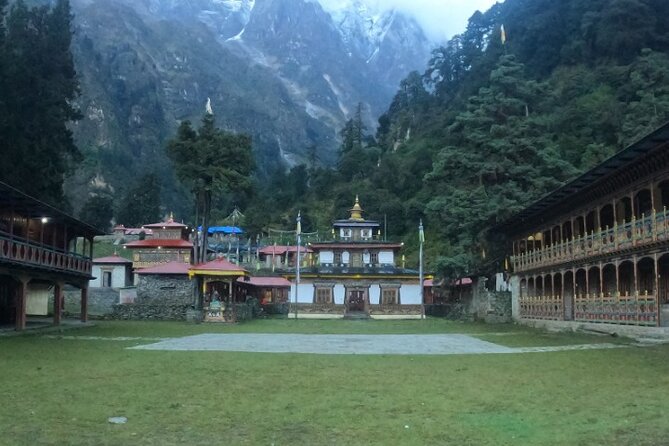
Samagaun is one of the circuit’s emotional hubs. The plan includes built-in viewpoint time and a base-to-lake rhythm.
Day 8: Manaslu first view day
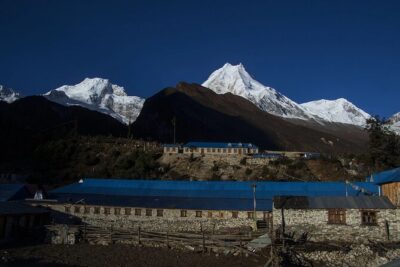
Day 8 is about 6 hours and includes your first view of Mt. Manaslu in Manaslu Trek. This is the moment many hikers come for. You’ll likely feel the “okay, now we’re really here” shift—mountains start looking close enough to be real instead of theoretical.
Day 9: Samagaun + Birendra Lake views
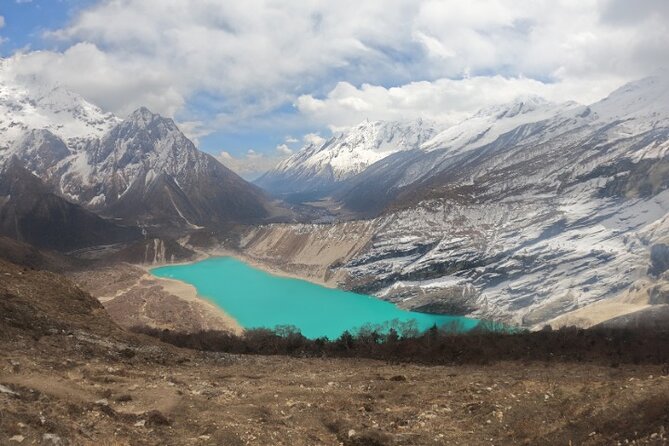
Day 9 lists Samagaun as about 4 hours, described as the best place for trekkers. You’re told that from here you can see Mt. Manaslu from your hotel and also see Birendra Lake.
That matters more than it sounds. Having views from where you sleep changes your entire mood. You’re not only earning scenery with a hike; you’re also waking up into it.
Day 10: Base camp area / Phungen Monastery + Birendra Lake
Day 10 is another 4-hour day with a hike toward Mt. Manaslu Base camp or Phungen Monastery and Birendra Lake. This is a great day if you like a mixed itinerary: hiking plus a spiritual stop plus a lake feature.
Also, the way the day is described gives you a clue about pacing. Shorter walking days around Samagaun help you recover from earlier effort before the long push later.
Short walking days that actually help you finish strong
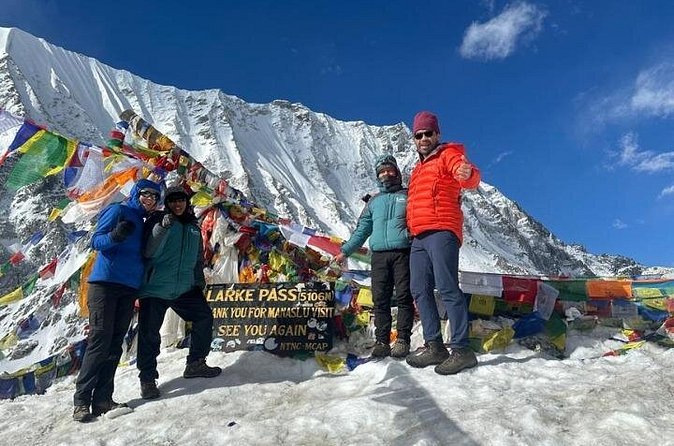
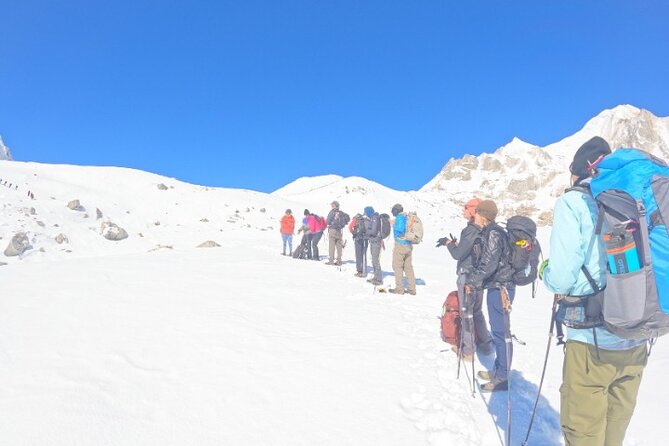
Days 11 and 12 are marked as short walking days (both about 4 hours). In trekking terms, that’s not “easy” exactly—but it’s a smart strategy. When you’re heading toward a long pass day later, you want to build stamina without stacking fatigue.
Day 11 and Day 12: short walks in Manaslu
Both days include admission in the listing for the trek. Practically, this is when you keep momentum while letting your body adjust. I like these kinds of days because you can:
- rest fully at lunch or early evening,
- adjust layers for cold nights,
- and keep your legs fresher for whatever weather decides to show up.
Larkya Bhanjyang (Larkya Pass day): the long day you plan your whole trek around
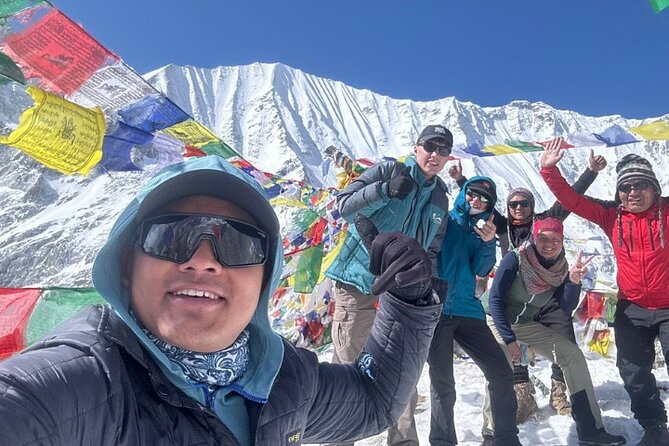
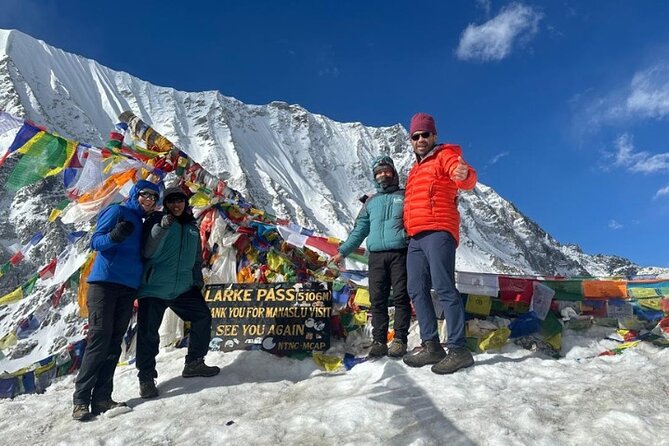
Day 13 is the big one: Larkya Bhanjyang / Larkya Pass day, listed as 9 hours with admission not included. Even if your legs feel okay in the morning, long pass days demand discipline. You can’t treat them like a casual hike.
This is the day to practice your “slow and consistent” approach. Take your time on steep stretches. Don’t sprint to reach a viewpoint early. If you’re working with a skilled guide, they’ll help you keep pace steady and manage breaks so you don’t spike fatigue.
What makes the pass day memorable on this circuit is the contrast it creates. Up to this point, you’re building altitude and moving through villages. After this day, the trail’s feel changes again—more exposure, different valleys, and a new set of village arrivals.
Tilche: rhododendron jungle walking to a Gurung village
Day 14 is Tilche, with about 7 hours and a rhododendron jungle walk to Tilche Gurung Village. This is the kind of day that balances the pass day’s effort with something more sensory: walking through forest and arriving in a community with its own rhythm.
Rhododendron jungle stretches tend to offer temperature relief when the sky is harsh and they create a softer walking experience than open ridges. And Gurung villages add a cultural texture that goes beyond the view photos.
Besisahar and the return: the trek ends with transport, not celebration
Day 15 is a 1-hour walk and drive to Besisahar, followed by 4–5 hours of drive time. Day 16 continues back to Kathmandu by public bus, with 6–7 hours listed.
It’s easy to think you’ll be done once you cross the circuit. But reality is: Nepal treks often end with a travel day, and you’ll want to budget your energy accordingly. If you have a later flight, build in buffer time. Even a “private trek” here still uses public transportation for some segments, and that can mean fewer control points.
What’s actually good value at $1,135 per person
Price is always tricky, especially with trekking tours. Here, the value comes from what’s included versus what you’d otherwise have to pay for or arrange yourself.
Included that you’d normally pay for separately
- Licensed guide holder with salary, equipment, insurance, lodging, and food included.
- Permits handled: MCAP permit, Manaslu restricted area permit, and ACAP.
- Trek equipment: down jacket and sleeping bag.
- Lodge accommodation during the trek.
- Meals: breakfast (14), lunch (14), dinner (14) are included.
- Medical support basics: a first aid box including an oximeter.
- Airport transfer and Kathmandu drop-off, plus road transport segments (public bus and public jeep) where listed.
When you add those up, you’re not just buying walking. You’re buying the logistics that often go wrong when people self-organize or choose cheaper operators with unclear permit coverage.
What you still pay for
- Kathmandu accommodation is not included.
- Travel insurance during trekking is not included.
- Hot/cold drinks and personal expenses are not included.
- Tips are expected.
So, if you’re comparing packages, I suggest you price the “hidden costs” too: cold gear, permits, and whether meals are part of the plan.
Guides, porters, and the human side of Manaslu
The trekking experience is mostly about pacing and judgment, and a big part of that is the guide. In recent bookings tied to this company, people have specifically praised guides and porter support by name, including Dinesh, Prabin, Binod, Kumar, Bashu, Chandra, Saurab, Hom (porter), and Salman.
You can take something practical from that: your best days tend to happen when your guide:
- stays organized from the airport through the trail,
- finds good lodge rooms when you arrive,
- and adds meaningful short hikes or viewpoint stops on lighter walking days.
For example, one booking highlighted a route that included Serung Gumpa Monastery and described it as a standout experience. Even if your exact monastery timing depends on conditions, it signals the operator’s willingness to build in cultural stops—not only chase summit-style goals.
Who should choose this Manaslu Circuit trek?
This is a good fit if you want:
- a private trek with one team guiding your pace and timing,
- correct permits handled (important for Manaslu restricted-area trekking),
- included cold-weather essentials (down jacket and sleeping bag),
- and structured days with a mix of village walking, viewpoint time, and monastery/lake visits.
It may not be the best fit if you hate long travel days or you want fully private transport for every road segment. This plan uses public buses and a public jeep for specific legs, which can feel less “exclusive” than some people expect from a private label.
Should you book this 16-day private Manaslu Circuit trek?
If you’re planning Manaslu and you want less stress—permits, gear, guides, lodge stays, and most meals already handled—this looks like a strong option. The biggest reason to choose it is practical: you’re not assembling the trip yourself, and the itinerary keeps the demanding moments (like the Larkya Pass day) framed by recovery-style days.
I’d book if:
- you want a private guide team and licensed support,
- you don’t want to source a down jacket/sleeping bag on your own,
- and you’re okay with a trek that includes long road legs.
I’d hesitate if:
- you’re expecting private door-to-door transport for every segment,
- you need Kathmandu lodging included in the base price,
- or you’re not comfortable with a plan that requires moderate fitness and a long pass day.
FAQ
FAQ
Where does the trek start and end?
It starts at Tribhuvan International Airport in Kathmandu (Ring Rd, Kathmandu, Nepal) and ends back at the same meeting point.
Do you get airport pickup and a Kathmandu drop-off?
Yes. The package includes international airport pick up and drop service, plus drop at your hotel in Kathmandu.
Is Kathmandu lodging included in the price?
No. Accommodation in Kathmandu is not included.
What trekking gear comes with the trip?
Down jacket and a sleeping bag are included.
Are meals included during the trek?
Yes. Breakfast (14), lunch (14), and dinner (14) are included.
Which permits does the operator handle for Manaslu trekking?
The package includes legal documents for the MCAP permit, Manaslu restricted area permit, and ACAP.
Is this a private trip?
Yes. It’s listed as a private tour/activity, and only your group will participate.
What’s the cancellation refund window?
You can cancel up to 24 hours in advance for a full refund. If you cancel less than 24 hours before the experience start time, you don’t receive a refund.
Is bottled water or drinks included?
No. Hot and cold drinks like Coke, mineral water, and beer are not included. Personal expenses like boiled water are also not included.
More Trekking Out of Kathmandu
Private Days, Your Group Only

More Tour Reviews in Kathmandu
Just Reviewed in Kathmandu
- Mountain Bike Tour
★ 5.0 · 3 reviews - Annapurna Panaroma
★ 5.0 · 3 reviews - Mount Everest Scenic Flight 50 Minutes
★ 5.0 · 3 reviews - Kathmandu : Swambhunath & Durbar Square Guided Half Day Tour
★ 3.3 · 3 reviews - Chandragiri Cable Car & Monkey Temple Tour – Private/Group
★ 5.0 · 3 reviews - Kathmandu: Shivapuri National Park Hiking Day Trip
★ 3.3 · 3 reviews
Manaslu Circuit Treks, compared.
 ★ 5.0Manaslu Circuit TrekFrom $1,190292 reviews
Manaslu Circuit TrekFrom $1,081184 reviews
★ 5.0Manaslu Circuit Trek:From $1,099106 reviews
★ 5.0Manaslu Circuit TrekFrom $1,190292 reviews
Manaslu Circuit TrekFrom $1,081184 reviews
★ 5.0Manaslu Circuit Trek:From $1,099106 reviews
 ★ 5.0Manaslu Circuit Trek (15 Days)From $1,65750 reviews
Manaslu Circuit TrekkingFrom $1,49944 reviews
★ 5.0Manaslu Circuit TrekFrom $1,90035 reviews
★ 5.0Manaslu Circuit Trek (15 Days)From $1,65750 reviews
Manaslu Circuit TrekkingFrom $1,49944 reviews
★ 5.0Manaslu Circuit TrekFrom $1,90035 reviews
 ★ 5.0Manaslu Circuit Trek 13 DaysFrom $1,40030 reviews
 ★ 5.010 Days Manaslu Circuit Trek in Larke La PassFrom $1,04930 reviews
Browse the lists this tour appears in