
Review · MANASLU CIRCUIT TREKS
Manaslu Circuit Trek (15 Days)
Manaslu Circuit feels remote in the best way. You get the quiet side of Nepal—dramatic mountain views, Tibetan-influenced villages, and far fewer crowds than Everest or Annapurna—plus safety-first planning with altitude briefings and emergency protocols. I also like how teahouse stays keep the trip grounded in everyday mountain life. One thing to consider: meals during the trek aren’t included, and you’ll also want to plan for drinking water.
I like the way this trip builds confidence before you ever step onto trail. You get clear pre-trek communication, gear guidance, and practical permit support, and the local licensed guide and trained team are set up to handle the day-to-day rhythm of a higher-altitude circuit. If you want a trekking experience that feels organized without feeling rushed, this is a strong fit.
You’ll need moderate fitness, and you should be ready for long hiking days plus an early morning push later on. The group size is capped at 15 travelers, which helps keep things manageable on narrow paths and in small teahouses.
In This Review
- Quick hits before you go
- Why the Manaslu Circuit Trek feels quieter than Nepal’s big-name routes
- Price and what you really get for $1,657.50 per person
- Days 1–2 in Kathmandu: Thamel base, permit paperwork, and passport handling
- From Kathmandu to Machha Khola: river start and the first taste of the circuit
- Day 4: Tatopani and Dobhan moments before Jagat
- Riverside to Jagat and Deng: first climbs, hot-spring passersby, and Gurung village life
- Namrung to Lihi: rhododendron climbs and Tibetan-style villages you can actually picture
- Shyala and Samagaun: high-altitude villages with monastery views
- Day 9: Samagaun and Pungyen Gompa
- Samdo, Dharamsala, and the Larkya La build-up: acclimatization days that actually do work
- Crossing the hard day: Bimthang and the return through Dharapani
- Final return to Kathmandu: shared jeep, bumpy roads, and a Thamel reset
- Guide and porter team: safety rhythm, real support, and the human touch
- What to budget outside the included package (meals, water, charging)
- Who this trek suits best (and who should choose a different route)
- Should you book this Manaslu Circuit Trek with Sole Encounters Adventures?
- FAQ
- How many days is the Manaslu Circuit Trek?
- Where does the trek start and where does it end?
- What’s included for permits and conservation fees?
- Do I get airport pickup in Kathmandu?
- Are meals included during the trek?
- Do I need travel insurance?
- How many travelers are on the tour?
- What passport documents are required?
- Is there any extra cost for hot showers, charging, or Wi‑Fi?
- Is there free cancellation?
Quick hits before you go
- A quieter circuit: fewer people than Nepal’s most famous treks, with more room for the mountain
- Permits and conservation fees included: Manaslu, Annapurna, and the special restricted area permit are handled in the package
- Acclimatization built in: Samdo and Dharamsala are there for a reason, not as filler
- Strong crew support: first-aid trained guide plus assistant guide support, with porters carrying your overnight bag
- Local teahouses, not big lodges: you’ll sleep where the trail community lives and works
- Transport included, but not trekking meals: the logistics are covered; your daily food is on you
More trails out of Kathmandu, boots ready
- Everest Base Camp Trek – 14 Days★ 5.0 · 1,499 reviews
- Everest Base Camp Trek★ 5.0 · 842 reviews
- Everest Base Camp Trekking★ 5.0 · 485 reviews
- Nagarkot Sunrise View and Day Hiking from Kathmandu★ 5.0 · 471 reviews
Why the Manaslu Circuit Trek feels quieter than Nepal’s big-name routes
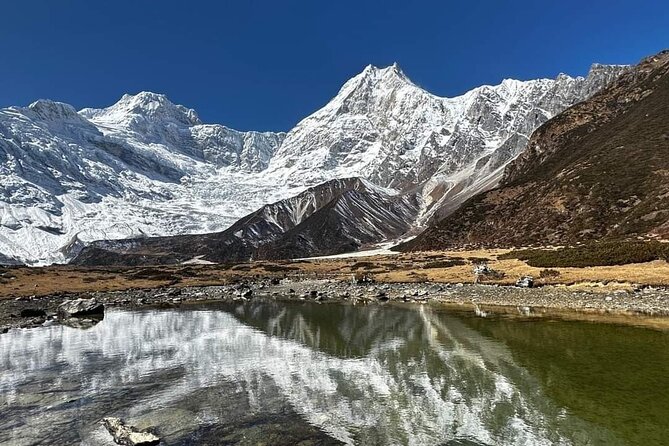
Manaslu sits in that sweet spot where the scenery feels huge, but the trail often doesn’t feel crowded. That matters. When you’re hiking narrow, rocky sections along the Budhi Gandaki River and then turning into higher, drier terrain, you want the trail to feel breathable—not like a line.
This circuit also gives you more than just peak spotting. You travel through Tibetan-influenced settlements and monastery country, then step into alpine and glacial-adjacent zones as you head toward Larkya La. The overall feel is less “tour-bus” and more “you’re moving through real mountain communities.”
Another plus: the trip is designed around safety and altitude. You don’t just jump from low elevation to high elevation. You get acclimatization days (Samdo and Dharamsala) and careful planning, which is exactly what you want on a trek where the highest point is reached high enough to require serious planning.
Price and what you really get for $1,657.50 per person
At $1,657.50 per person for about 15 days, the headline number is only half the story. The value comes from what’s bundled.
What’s included that often costs extra on other treks:
- Permits and conservation area fees (Manaslu Conservation Area Permit, Annapurna Conservation Area Permit, and the Special Restricted Area Permit)
- Accommodation: a 3-star hotel in Kathmandu (breakfast included) and standard teahouses during the trek
- Transport: private airport pickup and private road transfer to Machha Khola, plus shared jeep from Dharapani to Besisahar and then back to Kathmandu
- Guiding and support: a government-licensed, first-aid trained trek guide, plus assistant guide support (1 assistant per 5 trekkers)
- Porters: carried at a 2 trekkers to 1 porter ratio for your overnight bag
- Crew insurance coverage during trekking
What’s not included (and you should budget for):
- Meals during the trek (you’ll buy dinner and lunch at teahouses as you go)
- Drinking water (bring a filter bottle or purification tablets, as recommended)
- Your travel insurance (must cover accidental/medical and helicopter evacuation up to 5200 m)
- Personal trekking gear, hot showers, battery charging, Wi‑Fi (usually extra at teahouses)
- Tips (not required, but expected as appreciation)
So the price is fair if you want an organized, permit-handled, crew-supported trek—and you’re okay managing daily food and water yourself.
Days 1–2 in Kathmandu: Thamel base, permit paperwork, and passport handling
Your trip starts in Kathmandu with a transfer from Tribhuvan International Airport to a hotel in Thamel (3-star, breakfast included). Day 1 is mostly reset time: check in, eat, and let your body adjust.
Day 2 is all about permits and prep. The important detail here is that your team needs your original physical passport and two passport-sized photos. That’s not “nice to have.” In Nepal, permits for restricted trekking areas depend on immigration processing, so you’ll want to keep your documents ready and follow instructions quickly.
This is also where the bigger picture becomes real. You’ll be waiting while permits get officially issued, which means you should plan for an admin day—not a sightseeing day. If you’re the type who likes to move constantly, this will feel slower. But it’s the kind of slow that prevents real headaches later.
From Kathmandu to Machha Khola: river start and the first taste of the circuit
On Day 3, you drive from Kathmandu to Machha Khola. This is a long transfer, but it’s useful. You see Nepal’s changes from urban edge to foothills, and you start to understand how remote the trek becomes after the road stops being useful.
Machha Khola is your entry point to the Budhi Gandaki River corridor. Even before the big climbs, the terrain starts to show what kind of trek you’re on: river valleys, rocky paths, and villages that feel connected to the season and the trail.
Day 4: Tatopani and Dobhan moments before Jagat
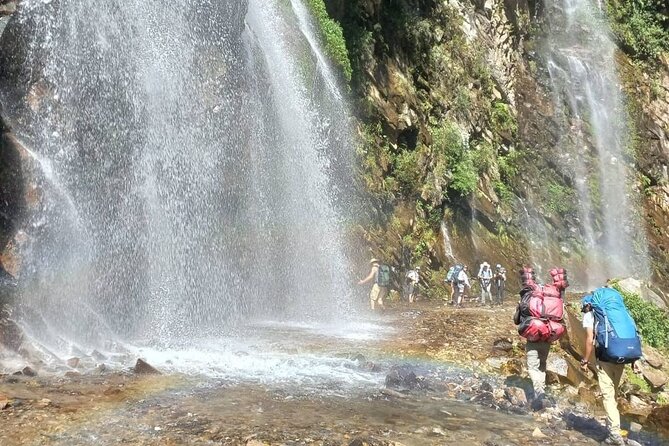
The next day begins walking along narrow, rocky trails near the Budi Gandaki River. You pass Tatopani, known for a natural hot spring. It’s a great landmark even if you don’t stop to soak. Then you continue toward Dobhan, where the river scenery gets dramatic due to the confluence nearby.
By the end of the day, you reach Jagat, a good “first real settlement” stop after those early river sections. This day isn’t about conquering elevation so much as settling into the trail style: steady movement, careful footing, and learning what pace feels sustainable.
Riverside to Jagat and Deng: first climbs, hot-spring passersby, and Gurung village life
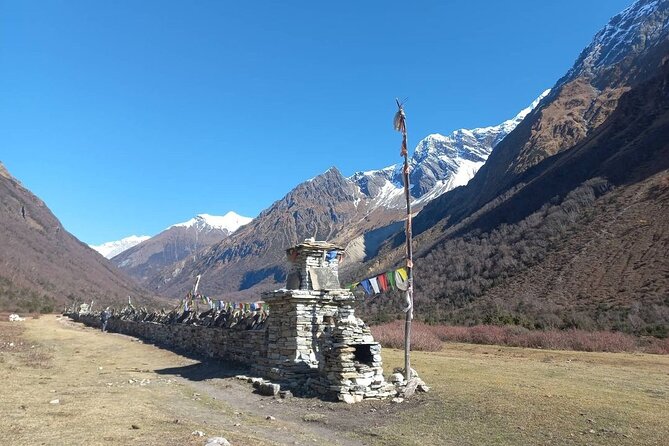
Day 5 is a bigger step. You trek from Jagat to Deng for about 18 km, typically taking 7–8 hours, with around 1,050 m of ascent and 400 m of descent. It’s a long day, but the numbers are clear enough that you can pace yourself.
After you pass Salleri, you move through Gurung village country, including a large settlement like Phili. You also get stretches through subtropical forest, which helps because the circuit doesn’t stay in one “type” of scenery. These early days are where the trek teaches you variety: forest tone, river proximity, and then the shift to more village-and-ridge walking.
You’ll love these days if you enjoy the in-between moments—the simple rhythm of walking, the hum of village life, and gradual changes in weather and vegetation.
Namrung to Lihi: rhododendron climbs and Tibetan-style villages you can actually picture
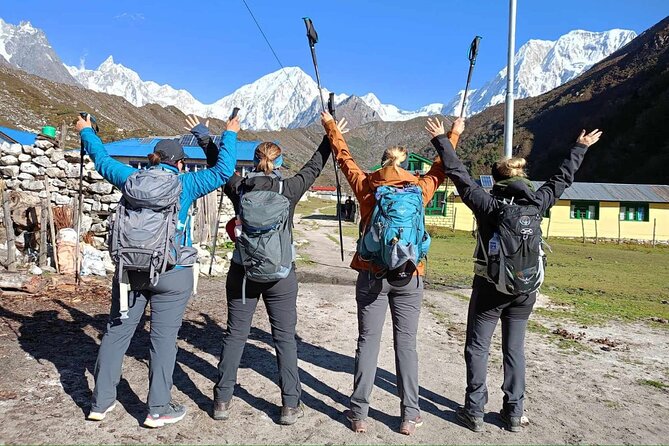
Day 6 takes you toward Namrung. The trek is about 19 km and often 7–8 hours, with roughly 1,100 m ascent and smaller descent. You move through pine and rhododendron forest, and you pass smaller settlements such as Bihi and Rana.
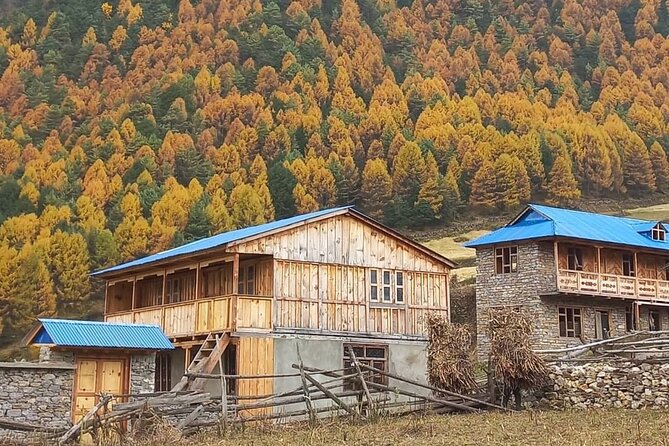
What makes this segment interesting is the culture on the trail. You see Tibetan-influenced stone houses, plus the kind of village layout that feels built for survival in thin air and harsh winters. By the time you’re climbing toward Namrung, it’s not only about altitude—it’s about how the settlement style changes as you go higher.
Day 7 is shorter on paper, but still meaningful: a trek where you climb about 700 m and descend around 100 m, passing terraced fields, forested switchbacks, and yak pastures. You also reach Lihi, a small village that sits in this in-between zone: high enough to feel remote, not so high that you’re already in the driest alpine feel.
Shyala and Samagaun: high-altitude villages with monastery views
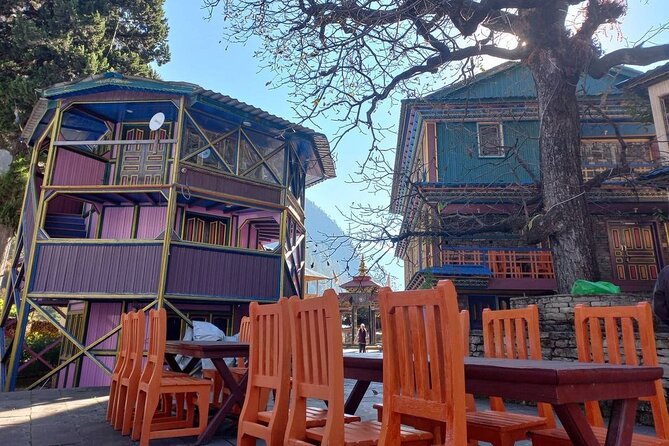
Day 8 introduces one of the most memorable contrasts of the circuit: the move from lower villages into Shyala, a high-altitude village surrounded by giant peaks like Manaslu and nearby summits (as described in the route overview).
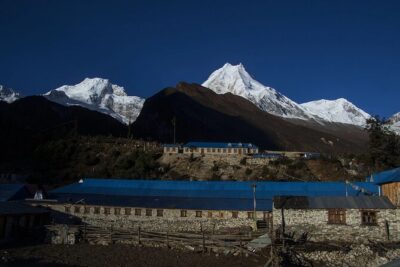
The trail to Shyala runs through pine and rhododendron forests, with mani walls and views that get more obvious as you gain elevation. When you reach Shyala, it feels like you’re stepping into the high Himalaya rhythm.
Then you continue to Samagaun. This segment totals about 17 km with around 500 m ascent. The route includes a gentle descent and then a gradual climb, with yak pastures and scrubland.
Day 9: Samagaun and Pungyen Gompa
Day 9 is a recovery-plus-exploration day in the best way. You do a short hike to Pungyen Gompa, a monastery perched on a ridgeline with sweeping views of Mt. Manaslu and surrounding peaks. The roundtrip is about 3–4 hours.
That side trip is valuable because it breaks up your energy while still keeping you in “circuit mode.” It’s also where you get a deeper sense of the spiritual landscape—not just the rocks and altitude.
Samdo, Dharamsala, and the Larkya La build-up: acclimatization days that actually do work
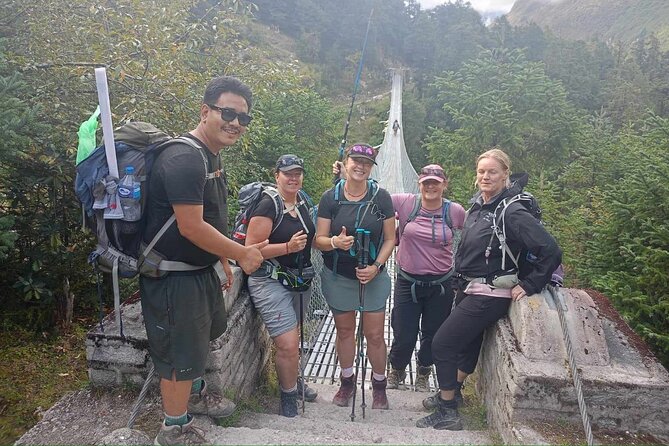
Day 10 takes you from Samagaun to Samdo. You start with a gentle descent to a wooden bridge over the Budhi Gandaki River, then you climb steadily past dry yak pastures and mani walls. This is where the scenery starts turning drier and more exposed, and you feel the air changing even if your legs don’t fully notice right away.
Day 11 is the key acclimatization step: a trek from Samdo to Dharamsala. It’s described as a short but crucial hike before tackling Larke Pass. Expect rocky alpine terrain with sparse vegetation and wide views. Even though it’s not the longest day, it’s a day that can impact how you feel later—so keep your effort controlled.
This is the part I’m most grateful for on a trek like this. If you respect the acclimatization plan, crossing a high pass later becomes less of a gamble and more of a planned effort.
Crossing the hard day: Bimthang and the return through Dharapani
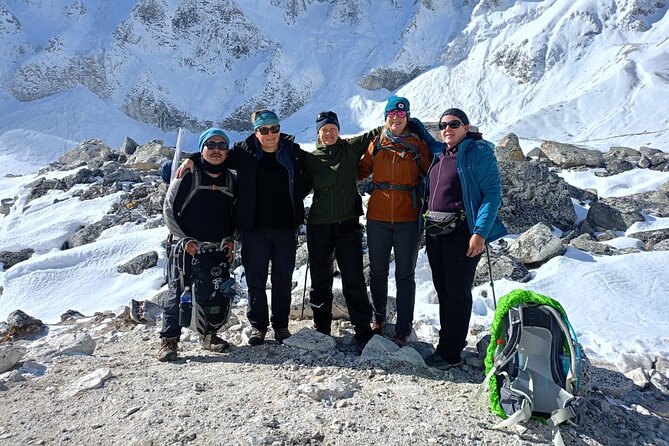
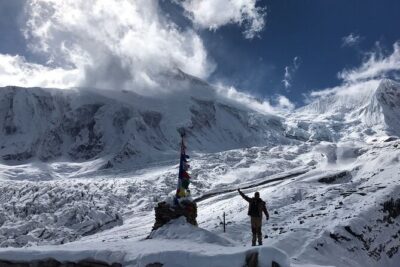
Day 12 is described as the most demanding day. You start before dawn from Dharamsala, and the trail climbs over rocky moraine and glacier-draped terrain. This is exactly the kind of day where good planning and pacing matters more than bravado.
The pass crossing itself is the headline challenge, but the bigger point is how the day is structured: early start, steady uphill work, and a route that puts you in high-altitude terrain where conditions can shift. If you’re the type who likes to stay calm under pressure, this will fit you well. If you tend to go out too fast at the start of a hard day, you’ll pay for it here.
Day 13 brings the payoff and the release. You trek from Bimthang to Dharapani, descending through varied terrain: alpine scrub down into dense pine, rhododendron, and oak forests. You pass Yak Kharka, a seasonal grazing area where herders bring live animals.
This descent is not just physical relief. It’s also a mood shift—from exposed, high pass terrain into the forested feel where the trail can feel more forgiving.
Final return to Kathmandu: shared jeep, bumpy roads, and a Thamel reset
Day 14 is transport day. After breakfast, you take a shared jeep from Dharapani to Besisahar, then continue back toward Kathmandu. The ride is described as bumpy but scenic, and you’ll travel along the Marsyangdi River on narrow cliff-side roads, passing places like Tal village with cascading waterfalls.
This part is a reminder that treks aren’t only about hiking. Roads in Nepal can be rough, and that’s why it’s helpful that the package includes transport back into Kathmandu rather than leaving you to figure it out last minute.
Day 15 returns you to Kathmandu again, back to the meeting point in Thamel. Depending on your flight time, you may get a few hours for last-minute shopping or a calm café break. If you like browsing simple souvenirs, this is the day to do it.
Guide and porter team: safety rhythm, real support, and the human touch
The team setup is one of the most important value pieces here, and it shows up in the feedback from past experiences.
The package includes a government-licensed, first-aid trained trek guide, plus insurance coverage for trekking crew. There’s also an assistant guide for added safety and personalized attention (1 assistant guide per 5 trekkers). On top of that, you get porters at a 2 trekkers to 1 porter ratio, carrying your overnight bag.
You feel that difference immediately. You don’t have to carry everything, which helps you keep your day pack lighter during long climbs. And on pass days, a lighter pack can mean the difference between finishing feeling steady versus finishing cooked.
From past experiences, names that have been praised include Raj Rai for being professional and caring with constant attention to safety, and Tshering for expertise and attentive care. People also highlighted Prashant and Prem for exceptional pre-arrival information and continued responsiveness, and Pemba Sherpa appeared in positive comments about the overall trek experience.
If you care about trust on the trail—someone who watches the group and handles issues early—this team structure is the kind of support you’ll appreciate.
What to budget outside the included package (meals, water, charging)
Even with a solid bundle, you still need to plan for daily essentials.
Plan on paying for:
- Meals during the trek (the package includes only limited Kathmandu meals; dinners and breakfasts listed are not “full trek board”)
- Drinking water (bring a filter or purification tablets; water isn’t included)
- Hot showers and charging/Wi‑Fi if you want them (available for extra fees at many teahouses)
Also remember: you need your own personal trekking gear. The trip can guide you on what to bring, but you still pack your own boots, layers, and essentials.
If you want fewer surprises, estimate your daily trekking meal costs, and pack your water strategy from the start. This is the part most likely to make your real spending differ from the base price.
Who this trek suits best (and who should choose a different route)
This Manaslu Circuit Trek is best for you if:
- You want a less crowded trek with big mountain drama
- You like village-to-village walking with a clear cultural thread
- You prefer a trek that plans for altitude instead of “tough it out”
- You’re comfortable doing long hiking days and starting early on the toughest section
It might not be the best match if:
- You don’t want to manage meals and water costs during the trek
- You prefer fully catered trekking where every meal is included
- You’re not ready for the physical demands of a high pass itinerary (the most demanding day is expected)
Fitness-wise, the trip expects moderate physical fitness. That doesn’t mean “easy.” It means you should be able to hike for hours, handle elevation changes, and keep moving even when the weather shifts.
Should you book this Manaslu Circuit Trek with Sole Encounters Adventures?
I think you should book if you want a well-run circuit with permits handled, a real support team on the trail, and acclimatization built into the schedule. The value is strongest in the included items: conservation permits, teahouse accommodation, airport and key road transfers, and the guide/assistant/porter structure.
Hold off if you want an all-inclusive trek where meals and water are fully covered, or if you don’t yet have a travel insurance plan that can handle emergency evacuation at high altitude. Also, if you hate long admin days, remember Day 2 is built around waiting for permits.
If you’re a practical trekper who likes mountains with fewer crowds and a team that takes safety seriously, this one deserves a spot on your shortlist.
FAQ
How many days is the Manaslu Circuit Trek?
The trek is listed as 15 days approximately.
Where does the trek start and where does it end?
It starts at Thamel, Kathmandu (44600, Nepal) and ends back at the same meeting point.
What’s included for permits and conservation fees?
The package includes the Manaslu Conservation Area Permit, the Annapurna Conservation Area Permit, and the Special Restricted Area Permit from Nepal’s immigration department.
Do I get airport pickup in Kathmandu?
Yes. Private transportation includes airport arrival and departure, plus transfers within the itinerary (including Kathmandu to Machha Khola and from Besisahar to Kathmandu).
Are meals included during the trek?
No. Meals during the trek are not included, and drinking water is also not included. The package includes limited meals in Kathmandu (hotel breakfast plus welcome and farewell dinners/breakfasts as listed).
Do I need travel insurance?
Yes. Travel insurance is not included, and you must have coverage for accidental and medical needs, including helicopter evacuation up to 5200 m in altitude.
How many travelers are on the tour?
This tour/activity has a maximum of 15 travelers.
What passport documents are required?
Upon arrival, the team requires your original physical passport and two passport-sized photos to issue the permits.
Is there any extra cost for hot showers, charging, or Wi‑Fi?
Hot showers, battery charging, and Wi‑Fi are not included; they are available for an extra fee at most teahouses.
Is there free cancellation?
Yes. You can cancel up to 24 hours in advance for a full refund.
More Trekking Out of Kathmandu
More Tour Reviews in Kathmandu
Just Reviewed in Kathmandu
- Mountain Bike Tour
★ 5.0 · 3 reviews - Annapurna Panaroma
★ 5.0 · 3 reviews - Mount Everest Scenic Flight 50 Minutes
★ 5.0 · 3 reviews - Kathmandu : Swambhunath & Durbar Square Guided Half Day Tour
★ 3.3 · 3 reviews - Chandragiri Cable Car & Monkey Temple Tour – Private/Group
★ 5.0 · 3 reviews - Kathmandu: Shivapuri National Park Hiking Day Trip
★ 3.3 · 3 reviews
Manaslu Circuit Treks, compared.
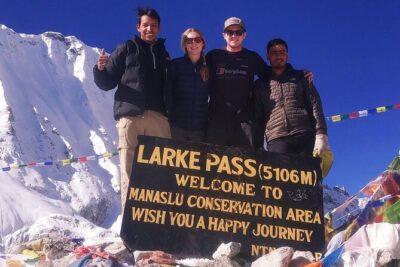 ★ 5.0Manaslu Circuit TrekFrom $1,190292 reviews
Manaslu Circuit TrekFrom $1,081184 reviews
★ 5.0Manaslu Circuit Trek:From $1,099106 reviews
Manaslu Circuit TrekkingFrom $1,49944 reviews
★ 5.0Manaslu Circuit TrekFrom $1,190292 reviews
Manaslu Circuit TrekFrom $1,081184 reviews
★ 5.0Manaslu Circuit Trek:From $1,099106 reviews
Manaslu Circuit TrekkingFrom $1,49944 reviews
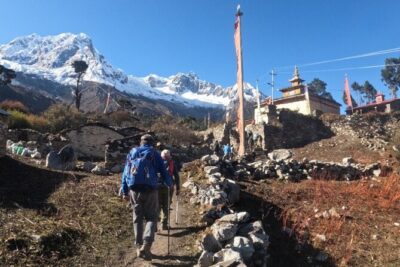 ★ 5.016 Day Private Manaslu Circuit Trek from KathmanduFrom $1,13542 reviews
★ 5.0Manaslu Circuit TrekFrom $1,90035 reviews
★ 5.016 Day Private Manaslu Circuit Trek from KathmanduFrom $1,13542 reviews
★ 5.0Manaslu Circuit TrekFrom $1,90035 reviews
 ★ 5.010 Days Manaslu Circuit Trek in Larke La PassFrom $1,04930 reviews
 ★ 5.0Manaslu Circuit Trek 13 DaysFrom $1,40030 reviews
Browse the lists this tour appears in