
Manaslu feels quieter than most treks. This trek is built for people who want real Himalayan walking—big mountain views, Tibetan-influenced villages, and the sense that you’re moving through a place that hasn’t been overbuilt for tourism. You’ll be in good hands with a government-licensed guide, which matters when the trail gets exposed and the bridges keep coming.
Two things I like a lot are the included teahouse setup and the three meals per day on trek. That combination means less logistical stress and more energy for the walking and the views. The second big plus is that this trip covers the permits and overland transport, so you spend money on the experience instead of chasing paperwork and transport options.
One thing to consider: the trip information is a little inconsistent. The description talks about an 18-day trek, while the schedule here runs on a 12-day plan, and extra hotel nights in Kathmandu or Pokhara can be needed if your arrival or return shifts. If you hate schedule uncertainty, plan some buffer time.
In This Review
- Key Points You’ll Care About
- Manaslu Circuit: Quiet Trekking With Tibetan Culture in View
- Value Check: What $1,499 Gets You (and Where Costs Still Show Up)
- Kathmandu Start: Getting to MachhaKhola Without Turning It Into a Project
- Budhi Gandaki Days: Khorlabesi to Jagat, Then Deng and Namrung
- What to watch for on these days
- Pine, Oak, Rhododendron, and Landslide Detours Toward Lho and Samagaon
- Samdo’s Wind and Samagaon’s Gompa: The Trek’s Tibetan Turning Point
- Larkya La: The Slow Ascent to the Big Day, Then Bimthang’s Payoff
- Getting Back Down: Bimthang to Dharapani to Besishar to Kathmandu or Pokhara
- Who This Manaslu Circuit Trek Suits Best
- Should You Book This Manaslu Circuit Trek?
- FAQ
- How many days is the Manaslu Circuit trek?
- Where does the experience start and end?
- What does the tour include for meals and lodging?
- What permits and transport are included?
- Can I borrow trekking gear?
- Is travel or rescue insurance included?
- What is the cancellation policy?
- How big are the groups?
Key Points You’ll Care About
- Small group size (max 12) helps keep things calm and manageable on trail.
- Permits and overland transport included means fewer moving parts in Nepal.
- Teahouse accommodation with three meals daily keeps the rhythm steady.
- Gear loans (sleeping bag, down jacket, and hiking poles if needed) lower the cost and packing load.
- Manaslu’s signature views show up around Samagaon and again near the high pass day.
- Larkya La + long descent is the day you’ll remember most for effort and payoff.
More trails out of Kathmandu, boots ready
- Everest Base Camp Trek – 14 Days★ 5.0 · 1,499 reviews
- Everest Base Camp Trek★ 5.0 · 842 reviews
- Everest Base Camp Trekking★ 5.0 · 485 reviews
- Nagarkot Sunrise View and Day Hiking from Kathmandu★ 5.0 · 471 reviews
Manaslu Circuit: Quiet Trekking With Tibetan Culture in View
The Manaslu Circuit delivers that specific kind of reward: you work for altitude and effort, then you get long, clean sight lines at the moments that count. A lot of the charm is that the trek feels less like a checklist and more like moving through a living valley—Budhi Gandaki River alongside you, villages at different elevations, and old gompas showing up as the culture shifts.
I also like how the trip leans into the Tibetan-influenced side of the region. Around Samagaon, you’re not just “passing a village.” You’re stepping into a place described as an ancient Tibetan trading post with a centuries-old gompa. Later, Samdo sits at a confluence of valleys and is shaped by strong winds from the Tibetan Plateau. That makes the air feel different, and the walking mood changes with it.
Value Check: What $1,499 Gets You (and Where Costs Still Show Up)
This trek is listed at $1,499 per person, which is not cheap. The value comes from how much is bundled.
Included value highlights:
- Kathmandu support: airport pickup, taxi to the bus station, and a Kathmandu hotel night.
- Trek comfort: teahouse accommodations and three meals a day while you trek.
- Paperwork and access: all required permits.
- Transport: overland transport is included (public buses plus the specified transfers).
- Guiding and safety: a government-licensed guide plus a first aid medical kit.
- Gear loans: sleeping bag and down jacket are available if needed, and the trekking program notes that hiking poles can be borrowed too.
What’s not included:
- Travel and rescue insurance (you’ll want this for a remote high-pass trek).
- Personal expenses like phone calls, laundry, showers, battery recharge, and bottle or boiled water.
- Extra nights in Kathmandu or Pokhara if timing shifts.
- Porter is optional.
Here’s the practical way to think about the price: if you tried to DIY the permits, transport, and guide, you’d spend hours negotiating and still might miss the smooth flow. Paying this package fee buys you fewer decisions and more trail time.
Kathmandu Start: Getting to MachhaKhola Without Turning It Into a Project
Your trip meeting point is in Kathmandu (Adventure Bound Bahati Pokhari). From there, the program includes airport pickup and then a taxi to the Kathmandu bus station so you can catch the route out toward Machha Khola.
You’ll then travel to MachhaKhola either by public bus or by Jeep. If you go Jeep, the information says there’s an additional cost. The driving day includes road construction challenges and crossing through sections of the Kathmandu valley toward Dhading Besi, then onward toward Arughat across the Budhi Gandaki River. You’re not just moving towns—you’re getting your body ready for what’s next.
Why I think this is smart: the trek starts with momentum already built in. You don’t spend Day 1 waiting around or figuring out transportation details after you arrive tired from flying.
Budhi Gandaki Days: Khorlabesi to Jagat, Then Deng and Namrung
After breakfast, the trek starts with an early trail day through the Khorlabesi area. One neat detail here is the coffee connection. You’ll pass coffee trees grown right in the village, which is a fun reminder that this region isn’t only about mountains—it’s also about local agriculture and daily life.
As the valley narrows, you’ll walk through a small settlement (Dovan) and climb to Yaruphant. This is where the Budhi Gandaki River views get dramatic. The trail includes a walkway hugging cliff edges, which is the kind of terrain that makes a guide’s navigation skills feel worth it.
Then you cross a suspension bridge and reach Jagat for the tea house overnight. The next day keeps the bridge theme going: you cross a lengthy suspension bridge out of Jagat and descend toward near river level on an exposed trail. There’s a section that passes Saleri, where you can spot a very local tea house style, and then the trek rises again toward Siridibas and Philim before dropping down once more.
You’ll arrive at Deng, and the program notes that you’ll cross what’s claimed to be the longest suspension bridge in Nepal. Whether you measure it yourself or not, that kind of long bridge tends to reshape your whole attention span on the day—it becomes the landmark you time your effort around.
By Day 4, you climb out of the village through wild grasses and a narrow gorge with waterfalls along the Budhi Gandaki below. You reach Ekle Bhatti, then descend steeply to a short suspension bridge crossing the river. The day ends at Namrung, including a village archway moment where you spy Deng across the tributary river—one of those satisfying “there’s the place we were yesterday” viewpoints.
What to watch for on these days
These early days are not just about distance. They train your legs for the rhythm you’ll repeat: short climbs, sharp descents, and bridge crossings over a river that feels like it’s always close enough to hear.
Pine, Oak, Rhododendron, and Landslide Detours Toward Lho and Samagaon
Day 5 starts with an early checkout, then you cross a bridge and climb to BihiPhedi. Here you hit a more serious reality of trekking in Nepal: there’s a section destroyed by a landslide. You cross carefully, and the day continues through Ghap and into forests of blue pine, oak, and rhododendron.
Forest walking can feel like a break, but the trek doesn’t let you coast. You cross the river two more times, then face a relentless uphill before descending into Lho for the night.
Day 6 begins at Lho’s lush setting. You pass Lihi and then Sho, a village with very old traditional houses and locals still wearing traditional clothes. Around here, the trek’s mountain-view timing can matter: if Manaslu’s summit cloud isn’t present, you get full views of Manaslu’s twin peaks framed by millet fields around the large village of Lho.
Then the day turns into a longer cultural transition. You walk through Lho and oak forests, past Shyala, and stroll into Samagaon. This is one of the highlights because Samagaon is described as an ancient Tibetan trading post and home to a centuries-old gompa. This is where the trek feels more like a cultural journey than just high-altitude hiking.
Day 7 is a rest day in Samagaon. You’ll appreciate that pause, because the next stretch shifts toward thinner air and the high pass day looming ahead.
Samdo’s Wind and Samagaon’s Gompa: The Trek’s Tibetan Turning Point
On Day 8, you get a lighter walking day compared to the earlier climbs. You pass the remnants of the east Manaslu glacier moraine, then continue on a largely flat trail that stays alongside the smaller Budhi Gandaki. It’s a good day to settle into a steadier pace before the pass effort.
Soon you cross a bridge for a short steep ascent to a chorten marking arrival at Samdo. Samdo sits at a confluence of valleys, and the program calls out the strong winds from the Tibetan Plateau. That detail matters. In practice, windy exposed spots can feel colder and more tiring, even when the distance is manageable.
There’s also an option for afternoon hikes if you have energy. That gives you flexibility: you can fully rest, or you can stretch your legs and explore around Samdo’s viewpoint terrain.
Day 9 is Larke Phedi. Even though there’s no extra narrative detail provided, you should think of this as the staging point energy-wise. This is where you’re preparing your body for the high pass approach.
Larkya La: The Slow Ascent to the Big Day, Then Bimthang’s Payoff
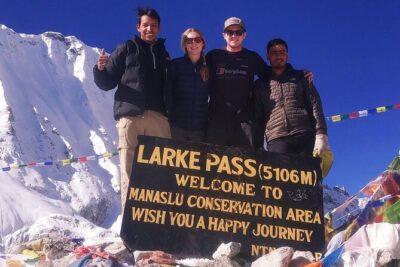
Day 10 is the day you’ll plan around: you arrive at the base of the high pass and start a slow-going ascent to Larkya La. Slow is the key word because this kind of pass day is as much about pacing as it is about determination.
Once you reach Larkya La, the trek offers views of the effort you just put in. Then you shift gears into a long descent that leads to Bimthang, described as having some of the most spectacular views of the entire trek. It’s the classic formula: climb hard, then get rewarded with wide angles and a change in walking texture as you drop into the meadow setting.
If you’re wondering why Bimthang feels like a highlight, it’s because it usually comes after the hardest work. Your body understands what you did. Your eyes notice the openness on the descent.
Getting Back Down: Bimthang to Dharapani to Besishar to Kathmandu or Pokhara
Day 11 focuses on transport. The plan says that early morning, after breakfast from Dharapani, you take jeep or bus to Beishar, which takes 4–5 hours. Then you spend your last night at Besishar.
Day 12 wraps the trip: you savor a final breakfast, then take transport back to Kathmandu or Pokhara depending on your preference, followed by an overnight in a hotel.
This “finish by land transport” approach is one reason group treks work. You’re not left guessing how to exit after a big pass. The schedule also makes it easier to align with flights and onward travel.
Who This Manaslu Circuit Trek Suits Best
This trek is a strong fit if you want:
- A guided trek where navigation support matters and you’d rather not handle permit details on your own.
- Teahouse trekking with meals included so you can keep the day-to-day rhythm simple.
- Smaller group dynamics (max 12 travelers) so the trek feels organized without feeling like a conveyor belt.
- People who enjoy villages and culture, not only mountain photos.
It’s also a good match for first-timers who still want to feel safe. Multiple guide stories emphasize that the guides stayed attentive during strenuous sections and helped people feel secure. Names that show up in the positive feedback include Raman, Raj, Suresh, Santosh, and CK Gurung. On the logistics side, porters like Bisaal and Dhan are also mentioned as helpful and supportive.
Who should think twice:
- If you get stressed by schedule changes and possible extra hotel nights, note the timing inconsistency in the description and the explicit chance of additional nights in Kathmandu or Pokhara.
- If your fitness level is not strong enough for a high-pass trek, the program is clear that you should have strong physical fitness.
Should You Book This Manaslu Circuit Trek?
Yes, if you want a well-organized, guided trek that handles permits, transport, and day-to-day food while still giving you real wilderness walking. The best reasons to book here are practical: you get a licensed guide, teahouse comfort with meals, and support that keeps you from turning the trip into logistics.
I’d hold off if you’re very tight on time or you dislike any schedule uncertainty. Also, if you already own all your gear and you hate group pacing, you may find this package less flexible than a custom private plan.
My bottom line: this is a solid value when you price in guide + permits + meals + tea house lodging + overland transport + gear loans. If you’re chasing Manaslu’s big-view moments and you’d like your days to run smoothly, this is a strong choice.
FAQ
How many days is the Manaslu Circuit trek?
The duration is listed as 12 days approximately, based on the provided schedule.
Where does the experience start and end?
It starts at the Adventure Bound meeting point in Kathmandu (Bahati Pokhari, Kathmandu 44600, Nepal) and ends back at the same meeting point.
What does the tour include for meals and lodging?
It includes teahouse accommodations during the trek and 3 meals per day (breakfast, lunch, dinner) while on the trek.
What permits and transport are included?
The package includes all required permits and overland transport, including public bus tickets from Kathmandu to Machha Khola and transport from Dharapani back to Kathmandu or Pokhara.
Can I borrow trekking gear?
Yes. Down jackets and sleeping bags can be borrowed if needed, and hiking poles can be borrowed as well.
Is travel or rescue insurance included?
No. Travel and rescue insurance is not included.
What is the cancellation policy?
This experience is non-refundable and cannot be changed for any reason. If you cancel or request an amendment, the amount paid will not be refunded.
How big are the groups?
The maximum group size is 12 travelers.
More Trekking Out of Kathmandu
More Tour Reviews in Kathmandu
Just Reviewed in Kathmandu
- Mountain Bike Tour
★ 5.0 · 3 reviews - Annapurna Panaroma
★ 5.0 · 3 reviews - Mount Everest Scenic Flight 50 Minutes
★ 5.0 · 3 reviews - Kathmandu : Swambhunath & Durbar Square Guided Half Day Tour
★ 3.3 · 3 reviews - Chandragiri Cable Car & Monkey Temple Tour – Private/Group
★ 5.0 · 3 reviews - Kathmandu: Shivapuri National Park Hiking Day Trip
★ 3.3 · 3 reviews
Manaslu Circuit Treks, compared.
 ★ 5.0Manaslu Circuit TrekFrom $1,190292 reviews
Manaslu Circuit TrekFrom $1,081184 reviews
★ 5.0Manaslu Circuit Trek:From $1,099106 reviews
★ 5.0Manaslu Circuit TrekFrom $1,190292 reviews
Manaslu Circuit TrekFrom $1,081184 reviews
★ 5.0Manaslu Circuit Trek:From $1,099106 reviews
 ★ 5.0Manaslu Circuit Trek (15 Days)From $1,65750 reviews
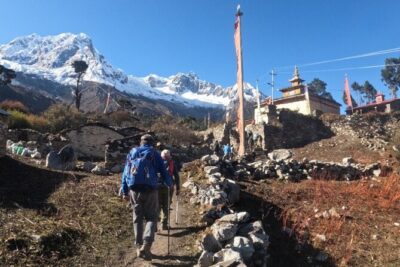 ★ 5.016 Day Private Manaslu Circuit Trek from KathmanduFrom $1,13542 reviews
★ 5.0Manaslu Circuit TrekFrom $1,90035 reviews
★ 5.016 Day Private Manaslu Circuit Trek from KathmanduFrom $1,13542 reviews
★ 5.0Manaslu Circuit TrekFrom $1,90035 reviews
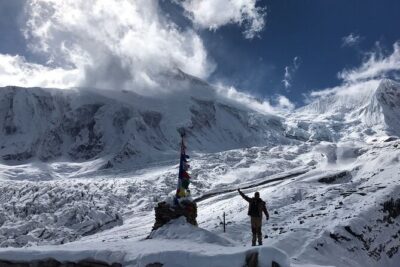 ★ 5.0Manaslu Circuit Trek 13 DaysFrom $1,40030 reviews
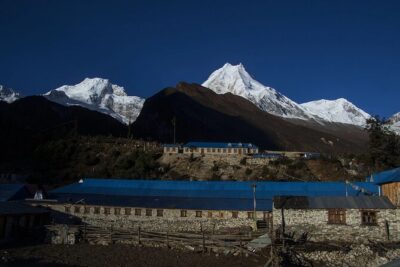 ★ 5.010 Days Manaslu Circuit Trek in Larke La PassFrom $1,04930 reviews
Browse the lists this tour appears in