
Review · MANASLU CIRCUIT TREKS
Manaslu Circuit Trek 13 Days
The Manaslu Circuit feels remote and beautifully human. You get big panoramic views of Manaslu and other high peaks, plus mountain villages where daily life is the main event, not a staged photo line. I like that the trip moves steadily from river gorges into Tibetan-influenced culture as the altitude rises.
Second thing I love: the trek is run with a professional, organized feel. In plain terms, it means you’re not constantly guessing. The English-speaking guide matters a lot here, and it shows in the way guides like Hem, Kumar, Pradip, and Rajesh are described as caring, funny, and good at answering questions, day after day.
One drawback to plan for: the core price includes permits and guiding, but it doesn’t list meals and trek accommodations as included. If you want everything fully bundled, you’ll need to confirm what your exact package covers and how meals are handled on trekking days (some guests report 3 meals a day being arranged, but you shouldn’t assume).
In This Review
- Key takeaways before you go
- Manaslu Circuit Trek in 13 days: what makes this route worth it
- Price and what you truly get for $1,400
- Getting from Kathmandu to the trail: bus days and early starts
- Machha Khola to Deng: river gorges, bridges, and the first taste of Buddhist Nepal
- Bihi Phedi to Lho: Namrung vibes and the painted-monastery detour
- Lho to Samagaun, plus Pungyen Gompa day: rest that actually helps
- Birendra Taal and Manaslu Base Camp viewpoints: glacier color and big-sky time
- Larkya Bazaar to the Larkya La Pass: the day the trek name makes sense
- Tilche to Tal: the pass is behind you, but the walk still changes
- Back to Besisahar and Kathmandu: the long drive that closes the loop
- Who should book this Manaslu Circuit trek
- Should you book this Manaslu Circuit Trek 13 Days?
- FAQ
- How long is the Manaslu Circuit Trek?
- Where does the trek start and end?
- What is the total price for the trek?
- Does the trip include pickup in Kathmandu?
- What permits are included?
- Is an English-speaking guide included?
- Are meals and trek accommodations included?
- Are porters included?
- What is the highest highlight on the trek?
- What if I need to cancel?
Key takeaways before you go
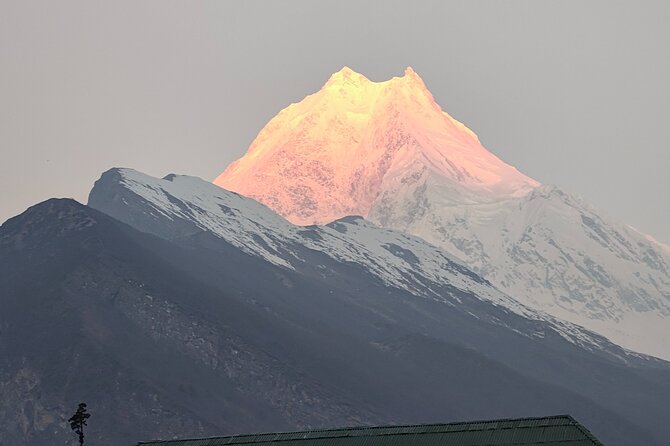
- Larkya La Pass views: the trek’s big wall of snow-and-ice panoramas happens on a clear, memorable day
- Tibetan-feeling villages like Namrung, Lho, Samagaon, and Samdo bring culture into the scenery
- Monastery stops and painted chortens add spiritual context without slowing you down too much
- Guides with real personality: Hem, Kumar, Pradip, and Rajesh show up in guest stories as supportive and organized
- Permits and paperwork are handled with Manaslu Conservation Area fees plus the Manaslu Special Permit (seven days only), TIMS, and more
More trails out of Kathmandu, boots ready
- Everest Base Camp Trek – 14 Days★ 5.0 · 1,499 reviews
- Everest Base Camp Trek★ 5.0 · 842 reviews
- Everest Base Camp Trekking★ 5.0 · 485 reviews
- Nagarkot Sunrise View and Day Hiking from Kathmandu★ 5.0 · 471 reviews
Manaslu Circuit Trek in 13 days: what makes this route worth it
The Manaslu Circuit is one of those Himalayan treks that feels both serious and personal. Serious, because you’re crossing into high, cold country. Personal, because the trail threads through villages where religion, farming, and local architecture still shape the day.
In this 13-day format, you get a strong arc: you start low and follow river valleys, then climb into higher Tibetan-influenced settlements, then hit the pass day (Larkya La) and descend back toward Kathmandu by way of Besisahar. That rhythm is a big deal. It helps your body acclimatize, and it helps your brain stay engaged instead of grinding through the same type of scenery for two weeks straight.
I also like that the route isn’t trying to cram in every possible stop in Nepal. You get enough villages to feel the culture shift, then enough wilderness to feel like you’re really leaving civilization behind. Even one guest highlighted that it doesn’t feel super crowded, with far fewer people than some big-name routes.
Price and what you truly get for $1,400
At $1,400 per person, this trek is priced like a “full trekking operation” rather than a DIY trip. The included items matter, because in Nepal, permits and licensed guiding are not optional extras. Here’s what’s covered in the base cost:
- Public transportation
- A government license holder English-speaking trekking guide
- Permits: Manaslu Conservation Area fees, Manaslu Special Permit (seven days only), Annapurna Conservation Permit, and TIMS card
- A first aid medical box
- Trekking map plus a company-logo t-shirt and duffel bag
- Farewell dinner
What’s not included (and you should budget for):
- Meals during the trek
- Trek accommodations
- Porters
- Travel insurance / rescue costs
- Personal expenses like laundry, charging, and drinks
- Tips for guides and porters
So is $1,400 good value? It can be, because the permits and guiding are already priced in, and you’re not having to chase paperwork. But the real value depends on how you handle the “not included” parts. If you end up paying extra for meals, lodging, and porters, your total trip cost rises fast.
My advice: price it out into a total number before you commit. Then decide if you’d rather pay more upfront for a more bundled package, or manage meal and lodge costs yourself. The trek is hard enough; budgeting stress shouldn’t be your extra summit.
Getting from Kathmandu to the trail: bus days and early starts
You’re in Kathmandu to start, and the trip notes a pickup offer and mobile ticket. That matters more than it sounds. With a trek this length, shaving friction off Day 1 helps a lot.
On the trail side, the first two days are built around movement into the river corridors:
- Day 1 starts with a long drive by deluxe bus to Machha Khola.
- Day 2 continues on foot into the Budhi Gandaki area, passing settlements like Jagat and Khorlabesi.
Two practical points for you:
1) Expect long travel segments. Even when the trek itself is the headline, transport days are real days.
2) Save some energy for the first hiking days. Your legs will feel it the most when you’re still fresh-but-not-rested.
Also, one guest story mentioned airport pickup and fast, smooth communication with Devaraj and his daughter beforehand. That kind of pre-trip clarity makes a difference when you’re tired from international travel and you just want to get rolling.
Machha Khola to Deng: river gorges, bridges, and the first taste of Buddhist Nepal
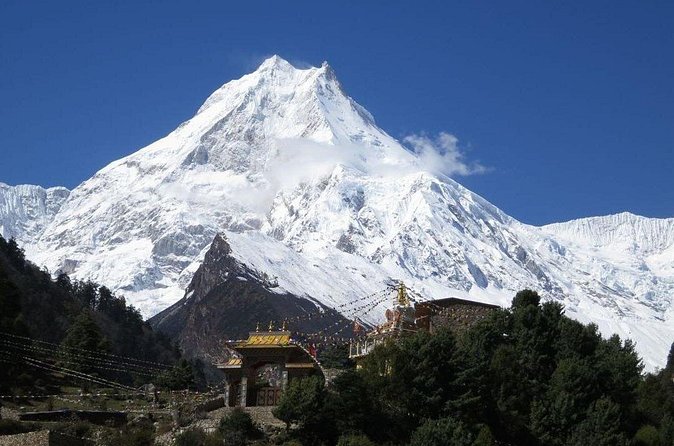
This early section sets your expectations. You’re not at pass level yet, so the goal isn’t pain. The goal is acclimatization through steady walking, plus absorbing what the region looks like before it turns into high-altitude wilderness.
Key stops and why they matter:
- Machha Khola: You’re starting in the river-world, with the drive following the Trishuli and Budi Gandaki rivers. It’s scenic, and it tells you what kind of terrain you’ll be walking alongside.
- Jagat: The trail has a unique character with a path lined with wild marijuana plants. Yes, that’s odd to read in advance, but that’s Nepal for you—plants, farming, and trails mix in ways that don’t show up on glossy postcards.
- Sirdibas and Philim: You start seeing chortens and monasteries, plus that gentle transition from everyday village life to a more overt Buddhist landscape.
- Ekle Bhatti: A small rest point called one house. Stops like this are the difference between a trek feeling like a grind and feeling like a rhythm.
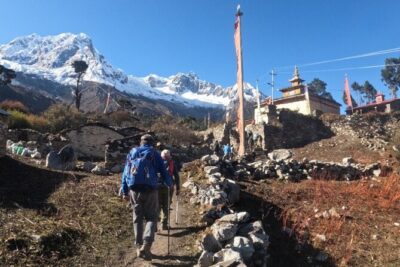
- Deng: You cross a suspension bridge and walk through lush subtropical forest before reaching the village. A painted Kani gate greets you, and that’s the kind of small detail that makes the trail feel lived-in.
The one consideration here: Day 2 and Day 3 can feel long on paper. Even if they’re not the toughest hiking days, you’re still walking for hours. Plan to keep your pace steady, not heroic.
Bihi Phedi to Lho: Namrung vibes and the painted-monastery detour
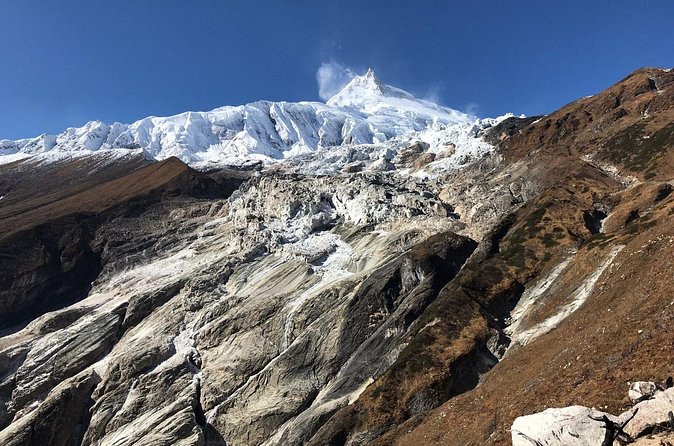
Once you reach Bihi Phedi, the trek starts hinting that you’re moving into a more Tibetan-shaped culture zone. Bihi Phedi is divided into three clusters of houses, and the steep ascent gives you those hillside-life glimpses.
Then the trail becomes a cultural walk as much as a physical one:
- Ghap: Look out for Serang Monastery with colorful paintings and carved Buddhist figures. It’s the kind of stop that gives meaning to what you’ve been seeing on rooftops and walls.
- Namrung: Often described as a Nepal version of Tibet. Here, you can really feel the shift in language, prayer symbolism, and general look-and-feel of the villages.
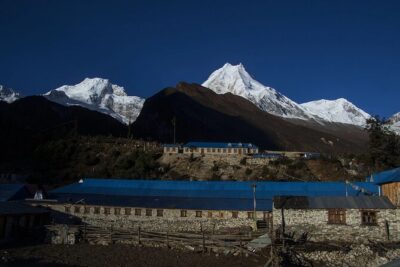
- Lho: One of the highlights for views of the Manaslu ranges. Lho also has grand monasteries, so you get both the big scenery moment and the spiritual atmosphere in the same village.
This section is where you’ll likely start thinking of the trek in two tracks: body training and culture listening. That’s good. If you only chase the view, you can miss the details that make Manaslu feel distinct.
Lho to Samagaun, plus Pungyen Gompa day: rest that actually helps
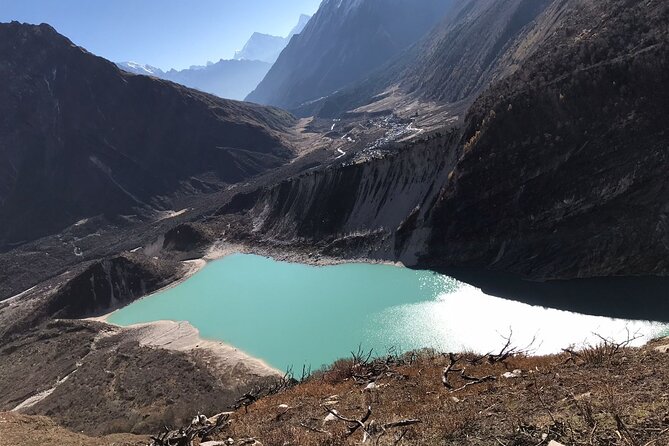
After you’ve reached Lho, you head into an alpine-vegetation area that also links back to older trading routes. The route description mentions that timber was exchanged along an ancient yak caravan route with Tibet. That’s not just trivia. It explains why the area has such strong Tibetan connections.
Then you reach Samagaun, described as peaceful and spiritual, and it’s used as a key rest point. From a trek strategy standpoint, this is exactly what you want: not just “sit and recover,” but recover where the environment supports you, and where you can still enjoy the place.
Day 7 adds a side trip to Pungyen Gompa. You retrace steps to a junction, then head northwest and climb toward the gompa. That’s a nice way to add altitude exposure slowly without turning your day into an endurance contest.
One more thing I like about this structure: it breaks up the monotony. Even if you’re a steady walker, having a planned detour helps you stay mentally fresh for the pass.
Birendra Taal and Manaslu Base Camp viewpoints: glacier color and big-sky time
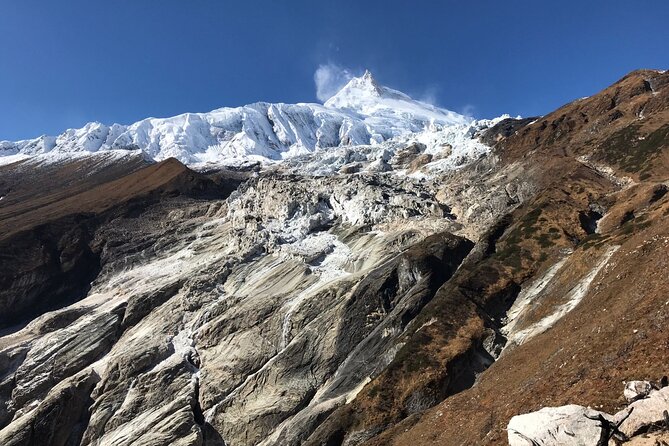
Day 8 shifts the tone. You’re moving into the higher zone where the mountains feel closer and the details get sharper.
You’ll pass Birendra Taal, a turquoise glacial lake. The vivid color is linked to glacial decomposition at the lake’s bottom. It’s the kind of scene that makes you pause, even if you normally hate stopping.
Then the trek includes views associated with Manaslu Base Camp. The main trail is bypassed on this journey, but you still get the surrounding Mani walls and the view angles toward Samagaun and Samdo Peak. After that, you reach Samdo, a resting village before the final ascent toward the pass zone.
What to consider: in this part of the trek, cold and weather can play a bigger role. The plan you have here is about pacing, but nature is still the boss. Bring layers you can adjust fast, and don’t wait until you’re cold to think about warmth.
Larkya Bazaar to the Larkya La Pass: the day the trek name makes sense
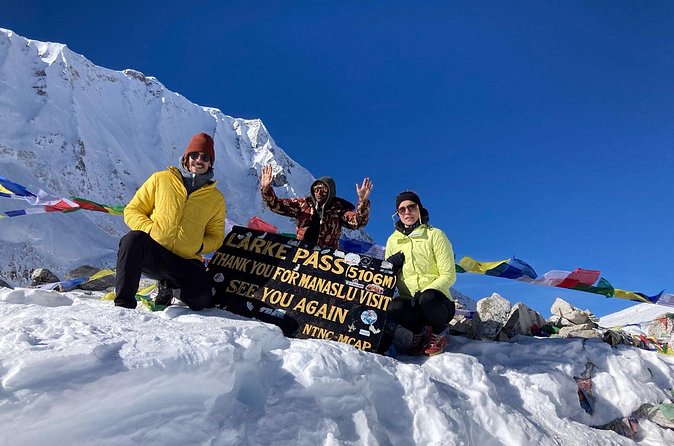
This is the moment. Larkya La Pass is the headline, and the trail builds the day around it.
Before the pass day, you’ll go through:
- Larkya Bazaar: described as an ancient market trading hub. This is one of those cultural “breathers” that makes the climb feel connected to history instead of just athletic suffering.
- Dharmasala (Larkya Phedi): a steep ascent area where altitude can impact your breathing. The route passes juniper bushes, plus chortens and mani walls.
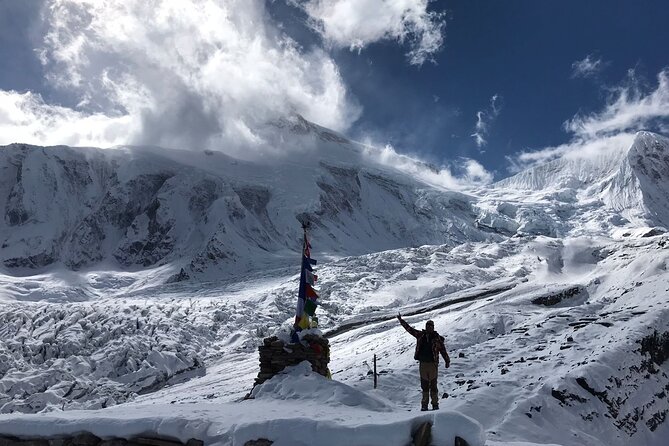
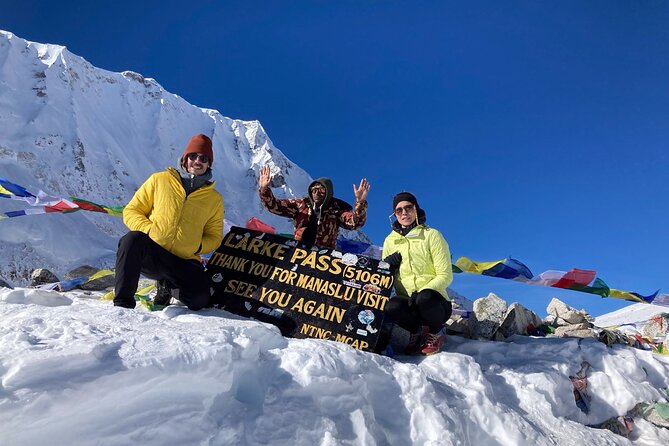
On Larkya La Pass day (Day 10), the description emphasizes breathtaking views of the Manaslu range and Syacha Glacier, with glaciers and chortens along the way. This is also the part of the trek where you’ll likely notice the air thinning, the sky sharpening, and the wind feeling more direct.
Practical advice for you:
- Start slow. The pass punishes quick starts.
- Keep your breathing calm. If you’re red-faced early, you’ll pay later.
- Build a “photo rhythm” so you don’t stop too long and then rush to catch up.
After crossing the pass, you reach Bimthang for rest and acclimatizing. That’s smart. It’s not just an overnight stop; it’s a recovery buffer after the hardest day.
Tilche to Tal: the pass is behind you, but the walk still changes
After a big day, you might assume the trek becomes easier. It doesn’t get soft, but it does get more varied.
- Tilche (Day 11): you descend with closer views than from the pass area, and the trail runs through rhododendrons, pines, and oaks. That change in vegetation helps your brain reset.
- Tal (Day 12): Tilje to Tal is described as pleasant but not all about grand views. The vegetation shifts from alpine down to subtropical, and the villages become denser and more vibrant.
This matters because you’re heading home. Those last days are where you’ll start noticing smells from cooking fires, the feel of busier village trails, and the sound of normal life. It’s an important emotional transition.
Back to Besisahar and Kathmandu: the long drive that closes the loop
The final day is a descent from Tal to Besisahar on foot, followed by a long drive to Kathmandu. It sounds simple, but for trekkers, the last day often feels both easy and weird. Your body wants to stop walking, while your mind wants the trek to keep going.
A bonus here is closure. You started in Kathmandu, went out to a remote Himalayan circuit, and you return by the same general route corridor. It feels tidy, like a story with an ending.
Who should book this Manaslu Circuit trek
This trek fits best if you:
- Want a classic circuit with a real pass highlight at Larkya La
- Like Tibetan-influenced villages and monastery visits, not just mountain photos
- Are comfortable with long days of walking after big travel segments
- Have moderate physical fitness and are ready for altitude challenges (especially around the Larkya zone)
It may not be the best match if you:
- Want a fully packaged, meals-and-lodging included trip price (meals and accommodations aren’t listed as included)
- Don’t want to manage logistics like porters and insurance, since porters and travel insurance aren’t included
- Get very stressed by weather dependence and altitude breathing changes
One thing I’d say confidently: this is the kind of trek where having a guide who can keep you calm and informed makes the difference between good memories and great ones. Names like Hem, Pradip, Kumar, and Rajesh keep showing up in guest feedback as particularly strong guides, and that’s a big selling point.
Should you book this Manaslu Circuit Trek 13 Days?
I’d book it if you want a well-paced Himalayan circuit that mixes scenery with real village culture and monastery stops, and you’re okay budgeting for meals, trek lodging, and your support choices. The included permits and licensed English-speaking guide save you real time and hassle, and the pass day at Larkya La is the kind of payoff that makes the whole trek feel like one coherent story.
I’d pause and confirm details if you need everything bundled. Ask what the meal and accommodation plan looks like in your exact package, and decide early whether you’ll hire a porter since porters aren’t included in the listed benefits.
If you want your mountain trek to feel organized, calm, and culturally grounded, this one fits that sweet spot.
FAQ
How long is the Manaslu Circuit Trek?
The trek is listed as 13 days (approx.).
Where does the trek start and end?
It starts in Kathmandu. At the end, you descend to Besisahar on foot and then take a long drive back to Kathmandu.
What is the total price for the trek?
The price is $1,400.00 per person.
Does the trip include pickup in Kathmandu?
Pickup is offered, and the meeting point notes it is near public transportation.
What permits are included?
Included permits are Manaslu Conservation Area fees, Manaslu Special Permit (seven days only), Annapurna Conservation Permit, and TIMS card.
Is an English-speaking guide included?
Yes. A government license holder English-speaking trekking guide is included.
Are meals and trek accommodations included?
Meals and all accommodation during the trek are not included in the listed package.
Are porters included?
No. Porters are not included.
What is the highest highlight on the trek?
The highlighted pass is Larkya La Pass.
What if I need to cancel?
You can cancel up to 6 days in advance for a full refund. Changes within 6 full days before the start time are not accepted, and refunds decrease based on how close to the start date you cancel.
More Trekking Out of Kathmandu
More Tour Reviews in Kathmandu
Just Reviewed in Kathmandu
- Mountain Bike Tour
★ 5.0 · 3 reviews - Annapurna Panaroma
★ 5.0 · 3 reviews - Mount Everest Scenic Flight 50 Minutes
★ 5.0 · 3 reviews - Kathmandu : Swambhunath & Durbar Square Guided Half Day Tour
★ 3.3 · 3 reviews - Chandragiri Cable Car & Monkey Temple Tour – Private/Group
★ 5.0 · 3 reviews - Kathmandu: Shivapuri National Park Hiking Day Trip
★ 3.3 · 3 reviews
Manaslu Circuit Treks, compared.
 ★ 5.0Manaslu Circuit TrekFrom $1,190292 reviews
Manaslu Circuit TrekFrom $1,081184 reviews
★ 5.0Manaslu Circuit Trek:From $1,099106 reviews
★ 5.0Manaslu Circuit TrekFrom $1,190292 reviews
Manaslu Circuit TrekFrom $1,081184 reviews
★ 5.0Manaslu Circuit Trek:From $1,099106 reviews
 ★ 5.0Manaslu Circuit Trek (15 Days)From $1,65750 reviews
Manaslu Circuit TrekkingFrom $1,49944 reviews
★ 5.0Manaslu Circuit Trek (15 Days)From $1,65750 reviews
Manaslu Circuit TrekkingFrom $1,49944 reviews
 ★ 5.016 Day Private Manaslu Circuit Trek from KathmanduFrom $1,13542 reviews
★ 5.0Manaslu Circuit TrekFrom $1,90035 reviews
★ 5.016 Day Private Manaslu Circuit Trek from KathmanduFrom $1,13542 reviews
★ 5.0Manaslu Circuit TrekFrom $1,90035 reviews
 ★ 5.010 Days Manaslu Circuit Trek in Larke La PassFrom $1,04930 reviews
Browse the lists this tour appears in