
Review · POON HILL & GHOREPANI TREKS
10 Days Nepal Trip – Heritage Kathmandu – Natural Pokhara and Poon Hill Trek
That first sunrise over the Annapurna views is the whole point. This 10-day Nepal plan strings together Heritage Kathmandu, lakeside Pokhara, and the famous Poon Hill trek so you get mountains and temples without juggling a dozen separate bookings. I also like that the package handles the hard bits: trekking permits and TIMS, English-speaking guidance, and a clear chain of transfers. One thing to weigh: meals and most attraction entrance fees aren’t included, so you’ll want a realistic daily budget on top of the tour price.
The route is built for first-timers who still want real hiking time. You’ll walk several full trekking days through villages like Ulleri, Ghorepani, Tadapani, and Ghandruk, then switch gears to sightseeing in Kathmandu and Pokhara. The possible drawback is timing: you’ll start early for sunrise views, and the trek days are long enough that you should show up in moderate physical shape.
In This Review
- Key Highlights You’ll Actually Care About
- How This 10-Day Nepal Plan Fits Together (Kathmandu to Poon Hill and Back)
- Kathmandu Heritage Days: Temples, Durbar Square, and a Straightforward Flow
- Getting To Pokhara: The Scenic Switch Without Overthinking It
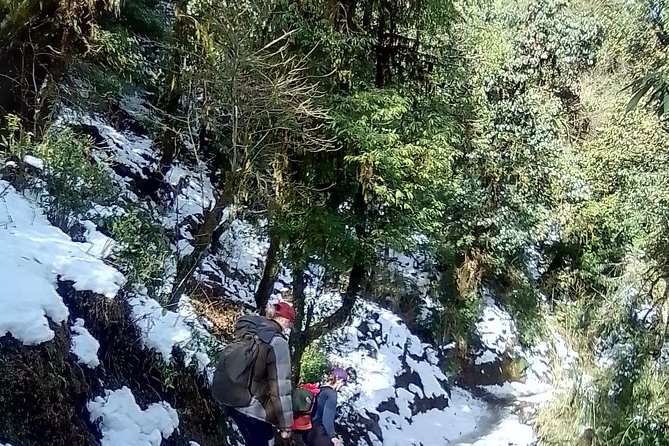
- The Poon Hill Trek: Ulleri, Ghorepani, and Tadapani in Real Trekking Time
- Day 3: Nayapul to Ulleri
- Day 4: Ulleri to Ghorepani
- Day 5: Poon Hill sunrise, then Tadapani
- Ghandruk and Gurung Village: The Cultural Day That Breaks Up the Climb
- Pokhara Sightseeing Day: Devi’s Fall, Caves, Stupa, Sarangkot, and Lakes
- Transportation and Group Setup: What You’re Paying For Beyond the Sites
- Price and Value: Where $480 Makes Sense (and Where It Doesn’t)
- What You Should Pack and Plan For (Fitness, Weather, and Day Starts)
- What the Included Lodging Feels Like on the Ground
- Who This Trip Is For (and Who Should Rethink It)
- Should You Book This 10-Day Heritage Kathmandu and Poon Hill Trek?
- FAQ
- Where does the tour start and do you offer airport pickup?
- How do you travel between Kathmandu and Pokhara?
- Is the Poon Hill sunrise trek included, and are permits covered?
- What kind of accommodations are included during the trip?
- Are meals and attraction entrance fees included in the price?
- Can I cancel and get a refund?
Key Highlights You’ll Actually Care About
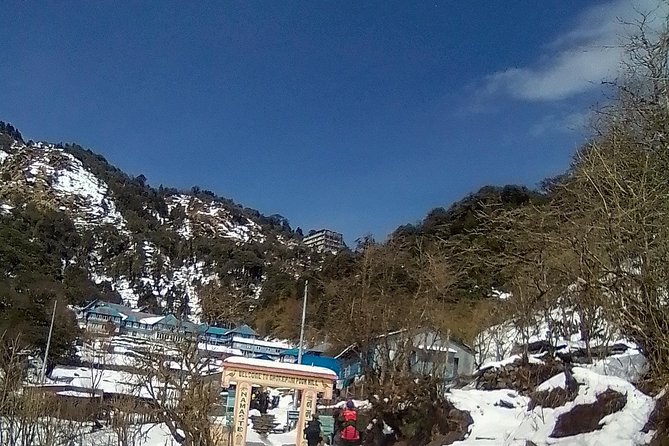
- Poon Hill sunrise timing: an early start that sets up the biggest payoff of the trip
- Permits covered: TIMS plus trekking permits, so you don’t scramble at the last minute
- Mix of transport: private cars for key hops, plus tourist bus and a shared jeep for the trek route
- Village stops with real character: including time in Ghandruk to see a Gurung village
- Pokhara sightseeing in one guided sweep: Devi’s Fall, caves, museums, Stupa, Sarangkot, and lakes
Deeper into old Kathmandu
- Private Kathmandu Sightseeing Tour | UNESCO World Heritage sites★ 5.0 · 756 reviews
- UNESCO Seven World Heritage Tour in Kathmandu★ 5.0 · 253 reviews
- Nepal Discovery Tour: Heritage Sites & Scenic Hill Easy Hike★ 5.0 · 121 reviews
- Kathmandu Private Sightseeing Tour | UNESCO World Heritage Sites★ 5.0 · 109 reviews
How This 10-Day Nepal Plan Fits Together (Kathmandu to Poon Hill and Back)
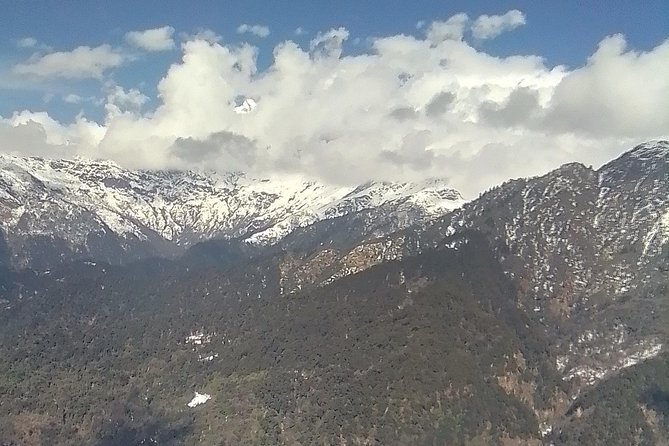
This itinerary works because it groups Nepal into three “modes” and keeps you moving between them. First is Kathmandu, all temples and major heritage sites. Then you switch to Pokhara, where you get lakes, viewpoints, and easy orientation. After that comes the trekking arc: a multi-day walk that culminates in a sunrise viewpoint at Poon Hill, followed by village hiking and a return to Pokhara.
For many people, this is the sweet spot: you’re not only chasing scenic photos. You’re also getting the everyday rhythm of Nepal—bus rides, tea-house style guesthouses, village paths, and guided temple visits—without needing to plan every stitch yourself.
Kathmandu Heritage Days: Temples, Durbar Square, and a Straightforward Flow
Kathmandu starts with logistics done for you. On day 1, you get pickup in Kathmandu from the airport or your location and a private car transfer to your hotel for the night. Day 9 is your main heritage push, and it’s packed in about 6 hours with an English-speaking city guide.
The sites on your Kathmandu day focus on the big spiritual landmarks:
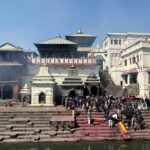
- Pashupatinath Temple (major Hindu pilgrimage site)
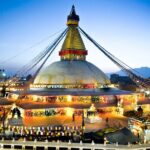
- Baudhdhanath Temple (one of the most recognizable Buddhist stupas)
- Swayambhunath Temple, also known as the Monkey Temple
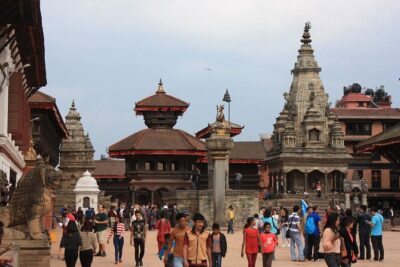
- Kathmandu Durbar Square (historic square and royal-era atmosphere)
What I like about grouping these is how they show you Nepal’s layers. You’re not just visiting temples as isolated photo stops—you see how different belief systems share space in the same city. Also, because entrance fees for these places aren’t included, your guide can help you decide what’s worth paying for on the day and you avoid surprises later at the ticket window.
A practical consideration: Kathmandu temples mean walking on uneven surfaces and lots of steps. Wear shoes you trust and keep your day pack light. Even with a guide, you’ll still feel the city on foot.
Getting To Pokhara: The Scenic Switch Without Overthinking It
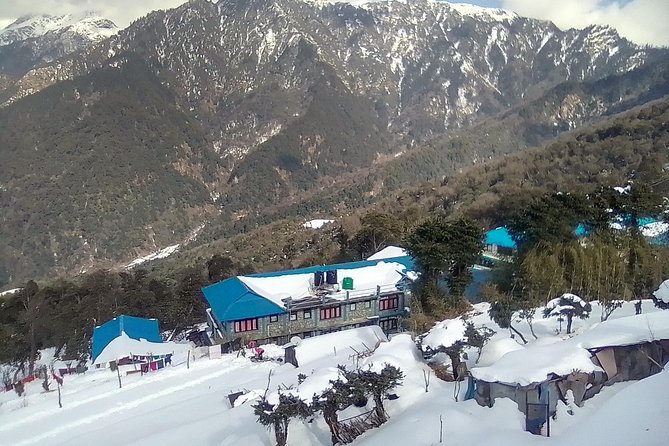
Pokhara is where the trip starts to feel more like a breather. Day 2 takes you from Kathmandu by bus at 6:30 am. The drive is listed at about 7 hours, and once you arrive, you transfer to your Pokhara hotel.
This is one of the smartest parts of the tour for people with limited time. You’re not spending your energy researching buses or arranging transfers. You’re simply moving to the base where the trek begins, and you still get a full day after.
Then, on the way back, you’ll do the same idea in reverse. Day 8 includes a tourist bus from Pokhara to Kathmandu starting at 7:00 am. It’s not a luxury ride, but it is a practical one, and the tour includes private pickup/drop from your hotel and the bus station.
The Poon Hill Trek: Ulleri, Ghorepani, and Tadapani in Real Trekking Time
This is the heart of the trip, and it’s designed as a classic rhythm: drive into the trailhead, hike village-to-village, and stop in guesthouses overnight.
More trails out of Kathmandu, boots ready


Day 3: Nayapul to Ulleri
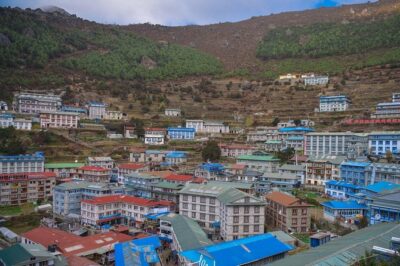
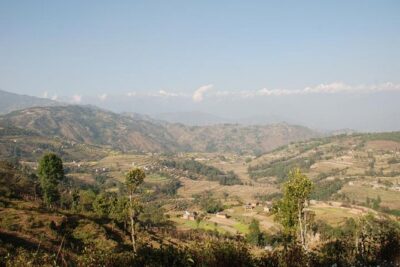
You drive from Pokhara to Nayapul (about 1.5 hours) and then trek to Ulleri. The hike is listed at around 6 hours. Ulleri is one of those “settle into the trail” villages—busy enough to feel alive, calm enough to rest, and close to the main trail movement.
If you’re new to Nepal trekking, this day is a good on-ramp. It’s long, but not the kind of route that crushes you immediately.
Day 4: Ulleri to Ghorepani
Day 4 is another listed 6-hour trek to Ghorepani. Ghorepani is a key stop because it sets up your sunrise timing and the next leg toward Poon Hill.
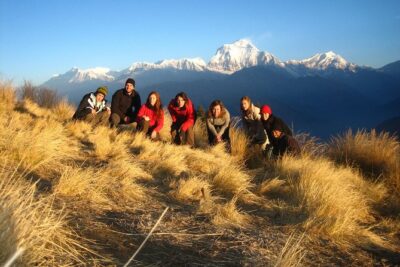
I like that the route doesn’t try to turn every day into a sprint. You build your legs and your routine: check the weather in the morning, eat early, walk steadily, and let the mountains do the talking.
Day 5: Poon Hill sunrise, then Tadapani
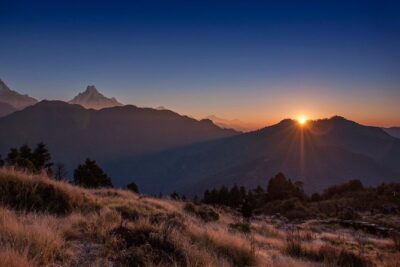
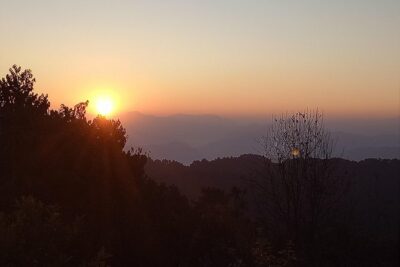
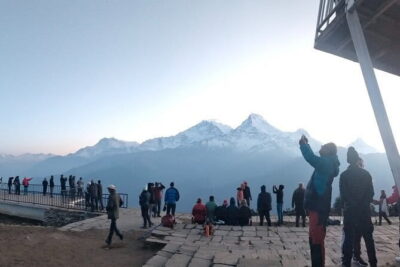
This is your big morning. You’ll start early to reach Poon Hill for sunrise over the Annapurna area, then continue trekking to Tadapani. The trek is listed at 7 hours, and this day includes an admission ticket.
Two notes to keep expectations realistic:
- Sunrise viewing means cold early starts and sometimes cloudy conditions. Still, the payoff is worth it because the viewpoint timing is the whole point.
- Day 5 is longer than the previous days. Plan for steady hiking and don’t save energy for the very end—your legs will remind you.
Ghandruk and Gurung Village: The Cultural Day That Breaks Up the Climb
Day 6 is where the trip becomes more than just trekking. You hike to Ghandruk, explore the Gurung Village in Ghandruk, then continue trekking down to Kimche. From there, you take a sharing jeep to Nayapul, and your car transfers you back to Pokhara.
The full day is listed at about 7 hours. That mix—walk, cultural stop, then a jeep ride—works well because it breaks the monotony of pure hiking. You also get a real community moment rather than just passing through.
If you care about how Nepal lives beyond the temple list and mountain photos, this part helps. Ghandruk gives you context: why these trails exist, who lives here, and how village life ties into the trekking economy.
Pokhara Sightseeing Day: Devi’s Fall, Caves, Stupa, Sarangkot, and Lakes
After the trek, you’ll appreciate an actual guided plan in Pokhara. Day 7 includes about 7 hours with a guide, and it covers several “classic Pokhara” stops:
- Devi’s Fall
- A cave
- Mountain Museum
- World Peace Stupa
- Sarangkot
- Begnas Lake
- Fewa Lake
I like that this day covers different angles of the city. You get waterfall geology (Devi’s Fall), a more casual stop (the cave), a museum option if you want quick context, a viewpoint/monument day at World Peace Stupa and Sarangkot, and then the slow, scenic pace of the lakes.
One practical caution: entrance fees during this city tour aren’t included. Some people love paying for a museum or viewpoint. Others prefer to spend that money on meals. Either way, you’ll know where you stand, because the tour includes the route and guide time even when tickets cost extra.
Transportation and Group Setup: What You’re Paying For Beyond the Sites
Even at a solid price, Nepal trips can get expensive when transfers and permits aren’t handled. This tour covers a lot of those moving parts:
- Private car airport shuttle in Kathmandu
- Pickup and drop-off from hotel and bus station by private car
- Tourist bus from Kathmandu to Pokhara and back
- Round-trip transfers from Pokhara to Nayapul and return
- Sharing jeep from Kimche to Nayapul
You’re not getting only private vehicle comfort the whole time. The tour mixes private and shared transport in ways that keep the experience workable. It also keeps costs down versus a fully private door-to-door service.
The trekking nights also matter for comfort. You’ll stay in small basic guest houses during the trek. That’s exactly what you’d expect on this type of trail: simple rooms, basic amenities, and a chance to recover before another long day.
The reviews you’ll see for this operator also tend to highlight the overall management and the guide vibe—people describe excellent service, funny guidance, and smooth vehicle and accommodation handling. I take that as a sign the logistics are actually being run, not just sold.
Price and Value: Where $480 Makes Sense (and Where It Doesn’t)
At $480 per person for about 10 days, this isn’t just a sightseeing tour. You’re also paying for:
- Hotels in Kathmandu and Pokhara at 2-star level
- English-speaking trekking guide and city guide
- Trekking permits and TIMS
- Trek-side support details like guesthouse arrangements
- Multiple transfers, including the round-trip trek connection between Pokhara and Nayapul
That’s why the cost can feel fair. Permits and guided trekking are usually where DIY planning gets messy and expensive. Here, those pieces are bundled, so your planning time goes way down.
Now the part that can catch people: meals and drinks are not included, and entrance fees during city tours are not included. So the real day-to-day budget isn’t just the headline price. If you eat out every meal, you’ll spend more. If you keep it simple on tea-house style trek meals and basic city lunches, you’ll control costs.
A smart move is to carry some cash and decide early that lunch and dinner are separate from the tour’s value. Think of the included items as your transportation + guidance + lodging framework.
What You Should Pack and Plan For (Fitness, Weather, and Day Starts)
This trip is listed as requiring moderate physical fitness. That means you should be comfortable walking several hours at a time. The trek days are long enough (around 6 to 7 hours each) that you’ll want to pace yourself rather than “power through.”
From the itinerary structure, you also have two timing realities:
- Trek days start early when sunrise is involved.
- City sightseeing days are time-boxed, so you’ll walk more than you might expect in urban areas.
For packing, I’d keep it practical:
- Warm layers for early morning trekking (sunrise mornings can feel surprisingly cold)
- Sturdy shoes for steps and uneven ground
- A small day bag so you’re not stuck carrying everything in your hands
Altitude is always part of Nepal trekking, even when not listed in numbers. If you’ve never hiked at elevation, take it slow the first day and don’t treat every bend in the trail like a sprint.
What the Included Lodging Feels Like on the Ground
Your lodging split makes sense for the trip design. Kathmandu and Pokhara are 2-star hotels, giving you more standard rooms after each travel day. During the trek, you shift to small basic guest houses. That change is normal and, honestly, part of the authenticity.
In guesthouses, you’re usually trading comfort for simplicity. The good news is you’re not traveling every hour on the trek. You’re stopping, sleeping, eating, and preparing for the next day with a guide who knows the route.
Who This Trip Is For (and Who Should Rethink It)
This tour is best if you want:
- A single trip that covers both heritage temples and a signature trek
- Clear, organized logistics without doing lots of separate planning
- English-speaking guidance during both city time and trekking time
- The chance to see a cultural village stop at Ghandruk
It might not be ideal if you:
- Hate early starts (sunrise morning is a real commitment)
- Only want short walks (this route includes long trekking days)
- Want all meals and paid attractions fully included in the price
If you’re okay paying for your own meals and you’re physically ready for multi-hour hikes, this trip fits cleanly.
Should You Book This 10-Day Heritage Kathmandu and Poon Hill Trek?
I think it’s a strong booking when you want value and structure. The price covers the big pieces that usually add friction—permits, guided trekking, transfers, and lodging tiers—and it keeps the rhythm simple: Kathmandu, Pokhara, then trek, then back again.
If you’re the type of traveler who appreciates planning that feels taken care of, this is likely to feel satisfying. Just go in knowing you’ll still handle your own meals and ticket costs on the day. Bring warm layers for sunrise and keep your hiking pace steady.
If that sounds like you, this is one of the better ways to experience Nepal in one go.
FAQ
Where does the tour start and do you offer airport pickup?
It starts in Kathmandu. You’ll get pickup in Kathmandu from the airport or your location and a private car transfer to your hotel.
How do you travel between Kathmandu and Pokhara?
You travel by tourist bus from Kathmandu to Pokhara and then return by tourist bus from Pokhara to Kathmandu. Private car pickup and drop-off are included from your hotel and the bus station.
Is the Poon Hill sunrise trek included, and are permits covered?
Yes, the itinerary includes an early trek to Poon Hill for sunrise views. Trekking permits and TIMS are included.
What kind of accommodations are included during the trip?
In Kathmandu and Pokhara, you stay in 2-star hotels. During the trek, you stay in small basic guest houses.
Are meals and attraction entrance fees included in the price?
No. All meals and drinks are not included, and entrance fees during city tours in Kathmandu and Pokhara are also not included.
Can I cancel and get a refund?
You can cancel up to 3 days in advance for a full refund. If you cancel less than 3 days before the experience starts, the amount paid is not refunded.
More Trekking Out of Kathmandu






The Old Kathmandu, Properly Toured


More Tour Reviews in Kathmandu



Just Reviewed in Kathmandu
- Mountain Bike Tour
★ 5.0 · 3 reviews - Annapurna Panaroma
★ 5.0 · 3 reviews - Mount Everest Scenic Flight 50 Minutes
★ 5.0 · 3 reviews - Kathmandu : Swambhunath & Durbar Square Guided Half Day Tour
★ 3.3 · 3 reviews - Chandragiri Cable Car & Monkey Temple Tour – Private/Group
★ 5.0 · 3 reviews - Kathmandu: Shivapuri National Park Hiking Day Trip
★ 3.3 · 3 reviews
Poon Hill & Ghorepani Treks, compared.
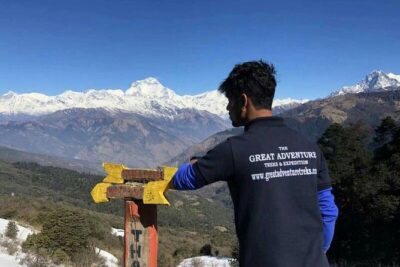 ★ 5.04 Days Poon Hill TrekFrom $40594 reviews
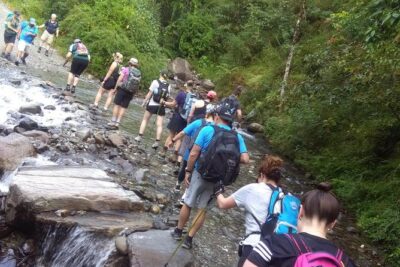 ★ 5.0Ghorepani(Poonhill Trek)From $60081 reviews
 ★ 5.04-day Poon Hill TrekFrom $40074 reviews
 ★ 5.0Ghorepani Poon Hill TrekFrom $39961 reviews
★ 5.0Ghorepani Poon Hill TrekFrom $70046 reviews
 ★ 5.0Poon Hill TrekFrom $1,17242 reviews
 ★ 5.0Poonhill TrekFrom $60033 reviews
 ★ 5.0Poon Hill Trek packageFrom $40527 reviews
Browse the lists this tour appears in