
Review · ANNAPURNA CIRCUIT TREKS
12 Days Annapurna Circuit Trek from Kathmandu
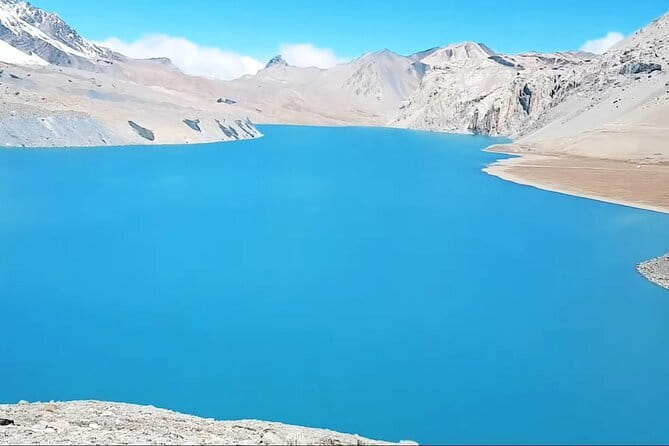
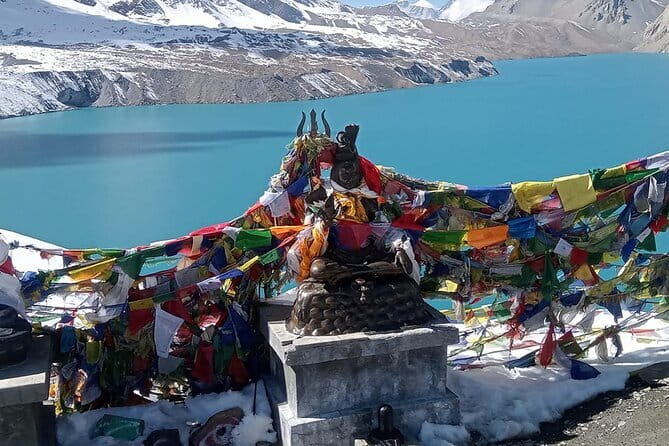
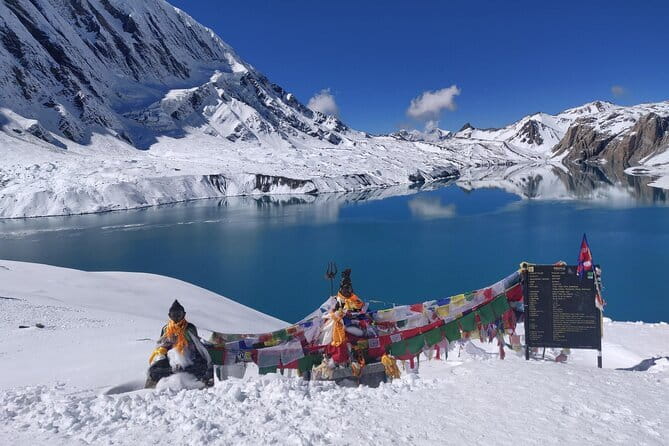
This route changes with every step. You start in Kathmandu and roll into the Marshyangdi Valley, then keep climbing from greener slopes toward drier, wind-brushed high country, finishing with the Kali Gandaki feel near Jomsom and a rest in Pokhara. You’ll chase big views of Annapurna, Dhaulagiri, and Manaslu while working up to Thorong La Pass (5,416m).
In This Review
- Two things I like a lot
- One thing to consider before you commit
- Key highlights worth knowing
- Kathmandu meet-up and Thamel time before the trail
- The road day into Chame: rivers, views, and real travel time
- Upper Pisang to Braga: suspension bridges and Tibetan-style architecture
- Manang acclimatization: the day that can save your trip
- Juniper forests to Yak Kharka: steady uphill, yak sightings, alpine air
- Thorong Phedi and the approach: higher gets quieter
- The tough day to Muktinath: long hours and wind can be real
- Muktinath to Jomsom: meadows, Kagbeni, and the Kali Gandaki feel
- Pokhara payoff: swapping altitude for lake time
- Back to Kathmandu: last road leg and last mountain smells
- Price and value: what US$680 includes (and what it doesn’t)
- Guides and pacing: the difference between a trek and a struggle
- Practical expectations for each key day
- Who this trek suits best (and who should think twice)
- Should you book this Annapurna Circuit with CAN Travels?
- FAQ
- What is the duration of the Annapurna Circuit trek?
- How much does the tour cost per person?
- Where does the tour start and how do I get there?
- What’s included in the price?
- What are the lodging accommodations like during the trek?
- Do I need to pay for permits separately?
- Are meals and drinks included?
- What about trekking poles?
- What fitness level do I need?
- When is the start time and when do I leave for the airport?
- Is it a private tour?
Two things I like a lot
I love that you trek with an English-speaking Sherpa guide who isn’t just reading the trail map. The people leading these groups—like Biru, Milan, Amrit, and Krishna—are repeatedly praised for explaining mountain culture and managing the pace so you don’t feel rushed.
I also like the way this trip builds in breathing room for altitude. You get an actual acclimatization day around Manang, plus gradual climbing steps before the high pass push.
More trails out of Kathmandu, boots ready
- Everest Base Camp Trek – 14 Days★ 5.0 · 1,499 reviews
- Everest Base Camp Trek★ 5.0 · 842 reviews
- Everest Base Camp Trekking★ 5.0 · 485 reviews
- Nagarkot Sunrise View and Day Hiking from Kathmandu★ 5.0 · 471 reviews
One thing to consider before you commit
This is not a sit-and-smile walk. The itinerary includes long hiking days in thinner air (including an 8–9 hour day toward Muktinath), plus a high-pass objective—so you’ll want strong fitness and a calm approach to altitude.
Key highlights worth knowing
- Thorong La Pass (5,416m) in a guided, structured high-altitude plan
- Manang acclimatization time before the toughest elevation comes
- Tibetan-influenced villages like Braga with distinctive architecture
- Culture-heavy days with Gurungs, Manangis, and Tibetan communities along the route
- Meals budget matters since food and drinks are not included (plan ~US$25/day)
- Guide-led pacing that keeps you moving safely and comfortably
Kathmandu meet-up and Thamel time before the trail
Day 1 is all about getting squared away in Kathmandu. You’ll land at Tribhuvan International Airport, then meet a representative and transfer to your hotel by private vehicle. After check-in, you still get time to settle into Thamel, the area that’s handy for gear checks, snack runs, and sorting out your daypack.
I like that there’s a clear start point and airport help. It means you’re not scrambling on Arrival Day. And since the trip includes Kathmandu accommodation for 2 nights with breakfast, you have a buffer to recover from travel and prepare for early mornings.
One practical note: with a trek like this, your first job in Kathmandu is simple—sleep, hydrate, and pack smart. Don’t wait until the trail to discover you forgot sunscreen or a warm layer.
The road day into Chame: rivers, views, and real travel time
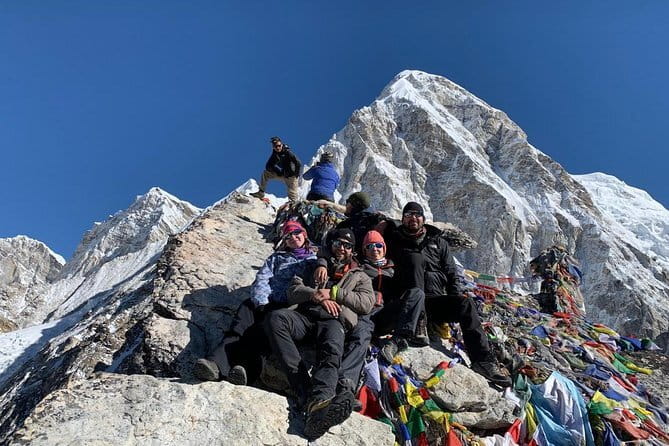
On Day 2, you shift from city to trail-country via shared bus. The drive crosses rivers like the Trishuli River (where you may spot rafting) and the Marsyangdi River near Chame. You also go through Besisahar first, which helps explain why this circuit-style route feels both connected and remote at the same time.
This day matters more than it looks on paper. Road travel gets your body into motion and helps you mentally switch from Kathmandu pace to mountain pace. The trade-off is time: it’s about a 9-hour day, so you’ll want to keep expectations realistic.
If you tend to get stiff in vehicles, pack a light layer and consider loosening up when you stop. It’s a small thing, but it helps on the hiking days that follow.
Upper Pisang to Braga: suspension bridges and Tibetan-style architecture
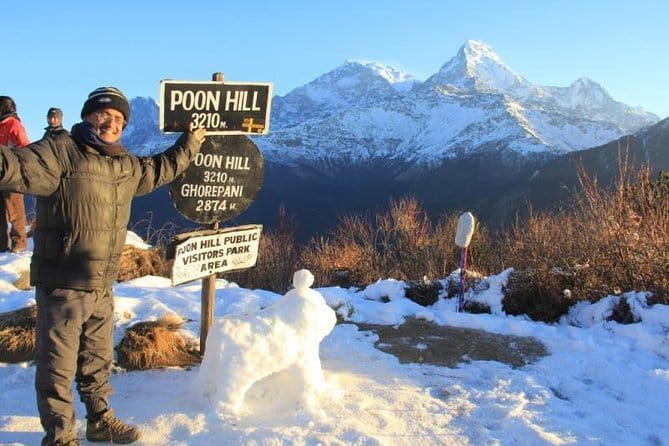
Day 3 moves you into upper Manang area. You pass through Telekhu and spend time hiking with views of the Annapurna ranges and Mt. Pisang (6,091m). At some point, you re-cross a suspension bridge, which gives you that classic “you’re really on the trek now” feeling.
Day 4 brings a key shift: Pisang becomes the start of your trekking time in the Manang region, and you head toward Braga, a Tibetan village known for distinctive stacked architecture. You’re not just walking through scenery—you’re stepping into a different cultural style of building and village life.
I like this part because it gives you a mix of “big mountain” moments and “human scale” moments. Even if you’re tired, you’ll likely feel more present when the path passes through villages rather than just open terrain.
Manang acclimatization: the day that can save your trip
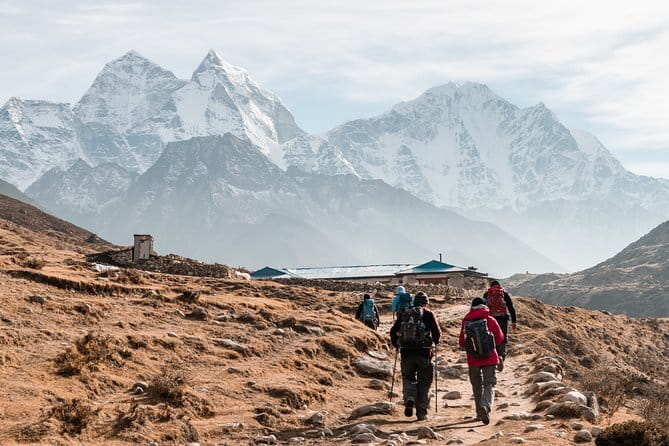
Day 5 is your acclimatization day around Manang. The plan is practical: you should spend time adjusting to altitude and staying active, not lying around. This is exactly the kind of pacing that can make the difference between feeling strong on summit day and feeling flat.
Why it works: you gain elevation gradually and give your body time to adapt before pushing higher. That’s not a vibe—it’s logistics. In high-altitude treks, your body follows rules, and acclimatization is how you respect them.
Also, Manang is one of the stops where you’ll notice cultural variety—Gurungs, Manangis, and Tibetan influences are part of the route’s feel. If you like learning as you walk, this is a good day to ask your guide about what you’re seeing.
Juniper forests to Yak Kharka: steady uphill, yak sightings, alpine air
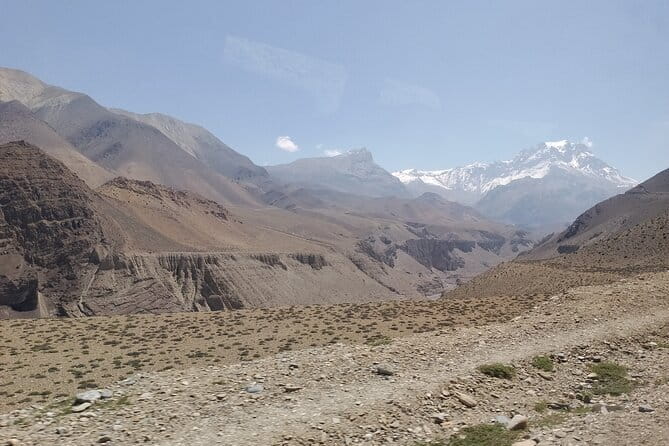
On Day 6, you trek about 10.4 km uphill to Yak Kharka. The route passes through juniper forests and into alpine pastures where you may see yaks grazing. You also pass a teahouse at Thorong Khola, which matters because it’s a reminder you’ll have chances to pause, refuel, and warm up.
This day is a steady-building block. It’s not the longest hike on the schedule, but it’s a good “practice day” for high-country stamina. You’re learning how your legs respond when air gets thinner.
If you tend to start too fast, this is where you’ll learn to go slower. A smooth pace beats a sprint every time at altitude.
Thorong Phedi and the approach: higher gets quieter
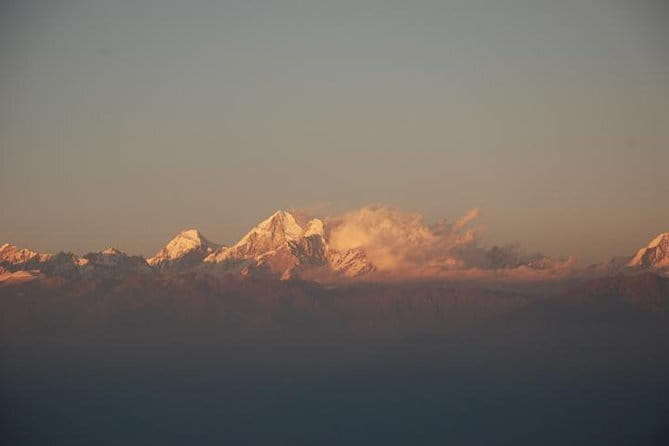
Day 7 brings the climb toward Thorong Phedi (the foot of Thorong La). You follow the east bank of the Jarang Khola (river) and view steep bluffs as you go higher. The important part isn’t just the view—it’s the slow conditioning. Your body gets used to altitude step by step.
This also sets up your expectations for the next day. Approaching the pass means you’ll likely feel cold faster, and you might notice weather shifting with elevation. Your guide’s job is to keep you moving safely and on pace, and that’s where the repeatedly praised guide experience comes in.
If you’re the type who likes to control your time, you may feel impatient here. Try focusing on breath and foot placement instead. At altitude, that’s what keeps you comfortable.
The tough day to Muktinath: long hours and wind can be real
Day 8 is one of the hardest stretches, with 8–9 hours of hiking. The higher altitude makes it more difficult, and strong winds are mentioned as a factor. That combination is why this is the day you take seriously: slower effort, steady rhythm, and enough rest stops.
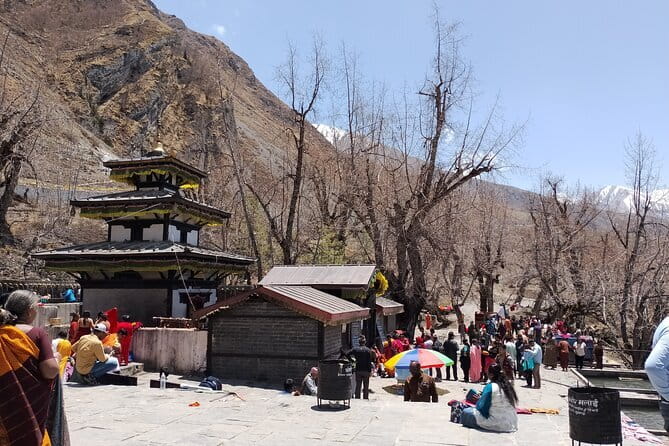
You arrive in Muktinath, a place tied to spiritual culture and surrounded by dramatic high scenery. In this part of the circuit, the cultural stops aren’t “bonus.” They help break the monotony of long climbs and give meaning to where you are.
Practical tip: pack layers you can adjust often. Wind can change how warm you feel from one hour to the next, and you’ll be happier if you can manage it instead of suffering.
Muktinath to Jomsom: meadows, Kagbeni, and the Kali Gandaki feel
Day 9 leaves Muktinath and heads toward Jomsom in the Kali Gandaki Valley. The trail moves through lush meadows, orchards, and streams, and you pass Kagbeni along the way. Kagbeni is described as having a reputation, but the more useful takeaway is that it’s a recognizable village stop that gives you a sense of local life along the way.
This is a transition day. After the altitude push, the route starts to feel less like a wall of air and more like a valley trek. You’ll still be hiking, but the scenery becomes more “alive” with vegetation and water.
When you reach Jomsom, it’s a good moment to reset. You’ve earned it. The body might still be adjusting, so don’t rush your post-trek routines.
Pokhara payoff: swapping altitude for lake time
Day 10 is a drive to Pokhara by local bus, about 7–8 hours. You stop via Tatopani via Beni Bazaar, then roll into Pokhara. Pokhara is famous for its lake area—your trip highlights Phew Tal—and it’s a popular base for travelers.
Even if you don’t do anything dramatic, this is where you breathe out. You’re also getting Pokhara accommodation for 1 night with breakfast, which helps you recover before returning to Kathmandu.
A smart approach here is to keep the evening simple. Eat well, hydrate, and get a proper sleep. High-altitude trekking is a whole-body effort, and you’ll feel it even days later.
Back to Kathmandu: last road leg and last mountain smells
Day 11 heads back to Kathmandu on a 7–8 hour drive. The day is framed as a return with warm memories of Nepal’s culture, village life, and geography. Since you’ve already seen how much variety exists in one trip, Kathmandu feels less like a “destination” and more like the place you land after a long story.
Day 12 is airport transfer timing. You’ll be taken to Tribhuvan International Airport at least three hours prior to your scheduled departure. That buffer matters with international flights, plus it protects you from last-minute Kathmandu traffic.
Price and value: what US$680 includes (and what it doesn’t)
At $680 per person, this trek is best understood as a logistics package built around long-distance hiking and official paperwork. Included items that genuinely move the needle include:
- Trekking permit and all official document
- Hotel pickup and drop-off round trip
- Kathmandu 2 nights + Pokhara 1 night accommodations with breakfast
- Guest house accommodation during the trek
- English-speaking trekking guide
- Trekking pole for each person
- Round-trip transfer by shared bus according to the itinerary
- Private tour (your group only)
- Group discounts (if you’re traveling with others)
What’s not included is also important for budgeting. Food and drinks are available on purchase, with a note of about US$25 per day, and gratuities are optional. For many trekkers, that’s the main variable cost once you’ve paid the trek price.
So does $680 feel like a bargain? For the included permits, guide, overnighting style, and transportation structure, it often does—especially if you’d otherwise have to arrange everything on your own. If you’re a slow planner who wants everything handled, this format has value. If you hate group schedules, you may feel the structure more than you expect.
Guides and pacing: the difference between a trek and a struggle
Your guide experience is a major selling point here, and the pattern in the feedback is consistent. People like Biru, Milan, Amrit, and Krishna are repeatedly mentioned for being friendly and helpful, plus for explaining mountain culture as you go.
More practically, good leadership shows up in how you handle altitude and time. The itinerary includes acclimatization and staged climbing, and the guides are praised for adapting the pace to fit the group. On a trek that has an 8–9 hour high-altitude day and a 5,416m pass, pace isn’t a small detail—it’s comfort, safety, and enjoyment.
If you book, ask your guide early how they plan to manage altitude on the Thorong La lead-in. You’re not asking a theoretical question—you’re asking how your day will feel when your body is working hard.
Practical expectations for each key day
Here’s what stands out about the days you’ll care about most:
- Start in Thamel, then ease into hiking. Day 1 and Day 2 help you adjust and get moving without jumping straight into thin air.
- Manang is your body’s practice run. The acclimatization day matters, especially with the next days pushing upward.
- Thorong La approach builds the rhythm. Thorong Phedi gives you a higher-altitude “in-between” before the big push.
- Muktinath is the long haul. Expect a tough day if you’re not used to wind and altitude strain.
- Jomsom to Pokhara is the release. After the circuit intensity, a long road transfer to a lakeside base helps you reset.
Who this trek suits best (and who should think twice)
This works best for you if:
- You have strong physical fitness and are comfortable with long hiking days.
- You want a guided trip with English-speaking support and structured acclimatization.
- You like cultural stops as part of the route, not just a quick photo break.
You might think twice if you’re looking for a short, easy trek or if your hiking experience is limited. The schedule includes hard elevation work and wind exposure, so altitude tolerance is a real factor.
Also consider your travel style. This is a private tour for your group, but the trek itself is still built around a shared route and set daily timing. If you love total freedom day-to-day, you’ll want to plan other options.
Should you book this Annapurna Circuit with CAN Travels?
If your priority is a guided Annapurna Circuit that balances big views, high passes, and culture—with permits and logistics handled—this is a strong choice. The value isn’t just the scenery. It’s the structure: airport help, staged altitude planning, guest house stops, and guides who are repeatedly praised by name for support and explanations.
I’d book if you’re the type who trains a bit ahead, packs smart, and treats acclimatization like part of the trek (because it is). Budget for food and drinks on the trail and be ready for the long day toward Muktinath.
FAQ
What is the duration of the Annapurna Circuit trek?
The trek is listed as approximately 12 days.
How much does the tour cost per person?
The price is $680.00 per person.
Where does the tour start and how do I get there?
It starts in Kathmandu, with pickup offered. You’re met at Tribhuvan International Airport and transferred to your hotel.
What’s included in the price?
Included items are hotel pick up and drop off, an English-speaking trekking guide, trekking permit and official document handling, Kathmandu and Pokhara accommodation with breakfast, guest house accommodation during the trek, shared-bus transfers, a private tour setup, and trekking pole(s).
What are the lodging accommodations like during the trek?
The trip includes accommodation in guest houses during the trek, plus hotels in Kathmandu (2 nights) and Pokhara (1 night) with breakfast.
Do I need to pay for permits separately?
No. The trekking permit and official documents are included.
Are meals and drinks included?
Food and drinks are not included. They’re available to purchase, with an approximate cost noted as US$25 per day.
What about trekking poles?
Trekking poles are provided, with one per person.
What fitness level do I need?
The information states travelers should have a strong physical fitness level.
When is the start time and when do I leave for the airport?
The listed start time is 4:15 pm, and on the final day you’ll be taken to the airport at least three hours prior to your scheduled departure.
Is it a private tour?
Yes, it’s described as a private tour/activity, meaning only your group participates.
More Trekking Out of Kathmandu
More Tour Reviews in Kathmandu
Just Reviewed in Kathmandu
- Mountain Bike Tour
★ 5.0 · 3 reviews - Annapurna Panaroma
★ 5.0 · 3 reviews - Mount Everest Scenic Flight 50 Minutes
★ 5.0 · 3 reviews - Kathmandu : Swambhunath & Durbar Square Guided Half Day Tour
★ 3.3 · 3 reviews - Chandragiri Cable Car & Monkey Temple Tour – Private/Group
★ 5.0 · 3 reviews - Kathmandu: Shivapuri National Park Hiking Day Trip
★ 3.3 · 3 reviews
Annapurna Circuit Treks, compared.
 ★ 5.0Annapurna Circuit Trek with Tilicho LakeFrom $1,093368 reviews
 ★ 5.0Annapurna Circuit TrekFrom $1,17594 reviews
★ 5.0Annapurna Circuit TrekFrom $2,24067 reviews
★ 5.0Annapurna Circuit TrekFrom $1,07449 reviews
★ 5.0Annapurna Circuit TrekFrom $1,35046 reviews
★ 5.0Annapurna circuit TrekFrom $99835 reviews
★ 5.0Annapurna Circuit TrekFrom $1,15035 reviews
★ 5.0Annapurna Circuit TrekFrom $97534 reviews
★ 5.0Annapurna Circuit TrekFrom $1,17594 reviews
★ 5.0Annapurna Circuit TrekFrom $2,24067 reviews
★ 5.0Annapurna Circuit TrekFrom $1,07449 reviews
★ 5.0Annapurna Circuit TrekFrom $1,35046 reviews
★ 5.0Annapurna circuit TrekFrom $99835 reviews
★ 5.0Annapurna Circuit TrekFrom $1,15035 reviews
★ 5.0Annapurna Circuit TrekFrom $97534 reviews
Browse the lists this tour appears in