
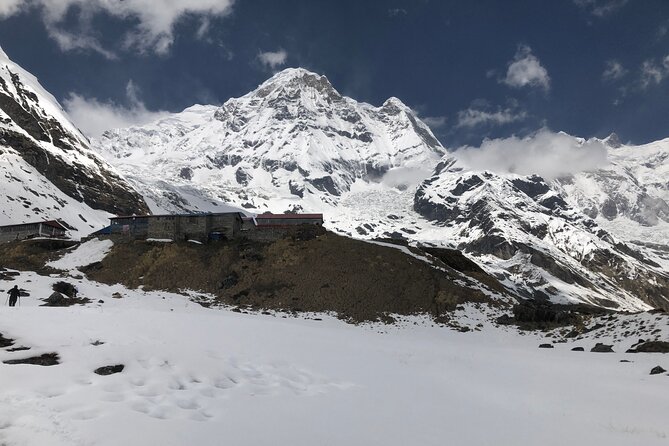
Review · ANNAPURNA CIRCUIT TREKS
Annapurna Circuit Trek
Big days on mountain trails need good planning. This private, customizable Annapurna Circuit trek runs with a guide so you can move at your pace, especially around the big altitude moment: Thorong La Pass. I like that it handles the practical stuff for you, with accommodation plus most meals and the essential trekking permits and entrance fees included.
The main consideration is physical and altitude reality. This route climbs to 5,416 m, with long walking days and a pass day that will punish anyone who shows up undertrained or impatient.
In This Review
- Key things I’d pay attention to
- Tour in a Nutshell: 14 Days from Kathmandu to Pokhara, Back Again
- Price and Value: What $1,150 Covers (and What You’ll Still Pay For)
- Day 1: Kathmandu Arrival with a Real Human on the Ground
- Days 2–5: From Syange to Chame, Building Trail Legs and Caution Muscle
- Day 2: Drive to Syange (8–9 hours)
- Day 3: Dharapani Temple area, about 6–8 hours of walking
- Day 4: Chame, about 6 hours on steep ridges
- Day 5: Narrow, steep valley walking with Paungda Danda views
- Day 6: Upper Pisang to Manang, a Switch into High-Altitude Thinking
- Day 7: The Manang Rest Day That Actually Helps (Optional Short Hikes)
- Days 8–9: Tenki, Marshyangdi Valley, and Getting Positioned for Thorong Phedi
- Day 8: Ascending through Tenki and Marshyangdi Valley area
- Day 9: Breakfast, climb to Thorang Phedi, and a suspension bridge moment
- Day 10: Thorong La Pass at 5,416 m and the Descent to Muktinath
- Day 11–12: Muktinath to Pokhara by Road, Then a True Recharge Day
- Day 11: Last trek day and a long drive to Pokhara (about 10 hours)
- Day 12: Rest day in Pokhara Valley
- Day 13–14: Kathmandu Return and Airport Drop-By-Private-Vehicle
- Day 13: Bus or flight option to Kathmandu (7 hours by bus)
- Day 14: Departure day
- Guide, Permits, and Safety: The Stuff That Quietly Protects Your Trip
- Who This Annapurna Circuit Trek Fits Best (and Why)
- Who Might Need to Modify the Plan
- Should You Book This Annapurna Circuit Trek?
- FAQ
- What is the meeting point for this Annapurna Circuit trek?
- Are airport and hotel transfers included?
- Does the trek include meals while trekking?
- Are trekking permits and entrance fees included?
- Is a porter included?
- What does the $1,150 price include?
- What happens if weather is poor?
Key things I’d pay attention to
- Private and customizable: you’re not locked into a one-size-fits-all pace.
- Full board on the trek: breakfast, lunch, and dinner are covered while walking.
- Permits and entrance fees included: less paperwork stress mid-trip.
- Thorong La Pass at 5,416 m: the hardest day shapes the whole itinerary.
- Manang rest day: breathing room plus optional hikes for acclimatization.
- No porter included: you’ll carry your own pack unless you plan gear differently.
More trails out of Kathmandu, boots ready
- Everest Base Camp Trek – 14 Days★ 5.0 · 1,499 reviews
- Everest Base Camp Trek★ 5.0 · 842 reviews
- Everest Base Camp Trekking★ 5.0 · 485 reviews
- Nagarkot Sunrise View and Day Hiking from Kathmandu★ 5.0 · 471 reviews
Tour in a Nutshell: 14 Days from Kathmandu to Pokhara, Back Again
You start and finish in Nepal’s capital, Kathmandu, then spend the trekking days moving through classic Annapurna Circuit terrain before dropping down to Pokhara. The trek is listed at about 14 days, and it’s designed as a guided experience with one professional trekking guide.
A key detail for your comfort: you’re not just trekking. You also get hotel time—two nights in Pokhara and two nights in Kathmandu—with breakfast included those days. That matters because after a high-altitude effort, sleep and meals on solid ground are part of the recovery plan, not a bonus.
Another small but real benefit: the tour includes airport and hotel transfers by private vehicle, plus tourist bus transport for the longer ground legs (Kathmandu to Besishar area and Pokhara back to Kathmandu). It’s the kind of logistics that can quietly ruin a DIY trip.
Price and Value: What $1,150 Covers (and What You’ll Still Pay For)
At $1,150 per person, you’re paying for a package that’s heavy on included trekking essentials, especially once you’re actually on the trail. Here’s what stands out as good value:
What you get for the money
- A professional trekking guide
- Accommodation in lodges/tea houses while trekking (twin sharing)
- Full board meals while trekking (breakfast, lunch, dinner), plus tea/breakfast noted
- Trekking permits and area entrance fees included
- Ground transportation: Kathmandu to the trekking start area by tourist bus, and Muktinath to Pokhara by local bus/jeep
- Hotel stays: 2 nights Pokhara + 2 nights Kathmandu, with breakfast included
- Airport and hotel transfers by private vehicle
- First aid medicine carried by the guide, plus a trip completion certificate
- If needed, a company duffel bag and sleeping bag for the trek
What’s not included
- International flights, and Nepal visa
- Tips to the guide and porter (and there’s a bigger point here: a porter is not included)
- Lunch and dinner in Kathmandu and Pokhara hotels
- Charging, hot shower, mineral bottle water, and Wi‑Fi during the trek
- Alcoholic beverages
So the value question becomes simple: if you want permits handled, meals organized, and a guide managing your day-to-day flow, this price can feel fair. If you already have a solid network and want to self-arrange everything, you may feel the package cost more than the benefits.
One more practical note: this trek is often booked about 105 days in advance on average. If you’re targeting peak seasons, start thinking early.
Day 1: Kathmandu Arrival with a Real Human on the Ground
On arrival at Tribhuvan Airport, an office representative meets you and transfers you to your hotel by private vehicle. That sounds basic, but it’s one of the best ways to prevent your first day from turning into chaos—especially after flights.
After you rest, your guide provides a short briefing about trekking the Annapurna Circuit route and how to stay safe. You’re not getting a life story. You’re getting the practical setup so you know what matters before you start walking.
Days 2–5: From Syange to Chame, Building Trail Legs and Caution Muscle
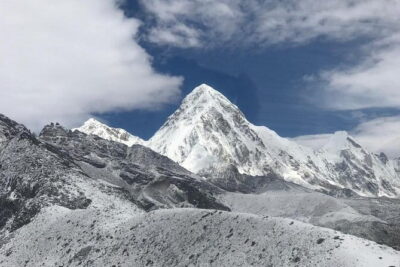
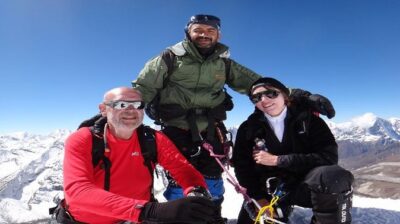
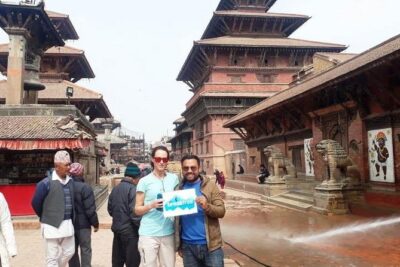
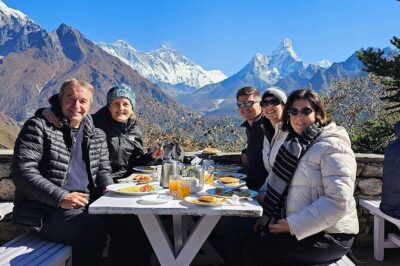
Day 2: Drive to Syange (8–9 hours)
You’ll take an 8–9 hour drive to Syange after breakfast. Even if it’s by vehicle, it’s still Day 2, so your body is getting a taste of the long haul before the real hiking begins.
Day 3: Dharapani Temple area, about 6–8 hours of walking
Today shifts into trekking mode. You head to Dharapani and the day takes around 7–8 hours, including crossing a bridge. This is your first stretch to feel the rhythm: steady effort, small breaks, and staying alert on the trail.
Day 4: Chame, about 6 hours on steep ridges
The route to Chame is described as steep ridges with green woods, and the trail can include landslides. That combination changes your game plan. Instead of powering forward, you’ll likely need to slow down and pay attention to foot placement.
Day 5: Narrow, steep valley walking with Paungda Danda views
You continue through a valley that needs full caution because it’s narrow and steep. There’s a named landmark called Paungda Danda, with a curved rock rising up to 1,500 m at that point. It’s the kind of detail that helps you stay present: you’re not just walking, you’re moving through identifiable terrain.
Practical takeaway for these days: you’ll get better outcomes by walking smoothly and taking short, consistent breaks. You’re building endurance for the pass day that comes later, not chasing a time record.
Day 6: Upper Pisang to Manang, a Switch into High-Altitude Thinking
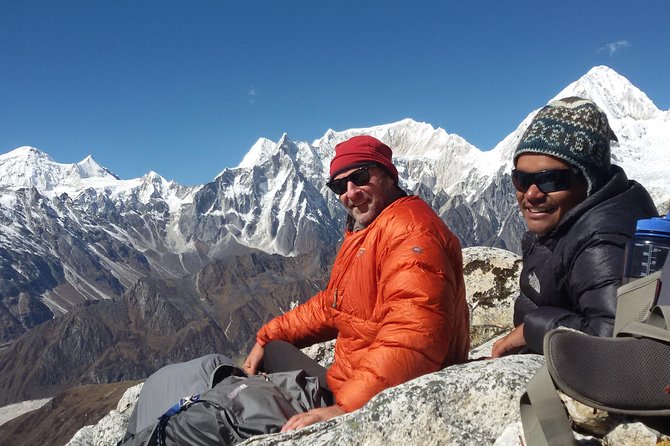
Day 6 is about moving toward Manang, and you’ll walk for around 7 hours. The route goes through Upper Pisang as part of the journey north.
The big value of arriving in Manang isn’t only the views. It’s that Manang is a psychological milestone: once you’re here, you start understanding what altitude means in your daily routine—breathing pace, appetite, sleep, and whether you feel steady enough for what’s next.
Day 7: The Manang Rest Day That Actually Helps (Optional Short Hikes)
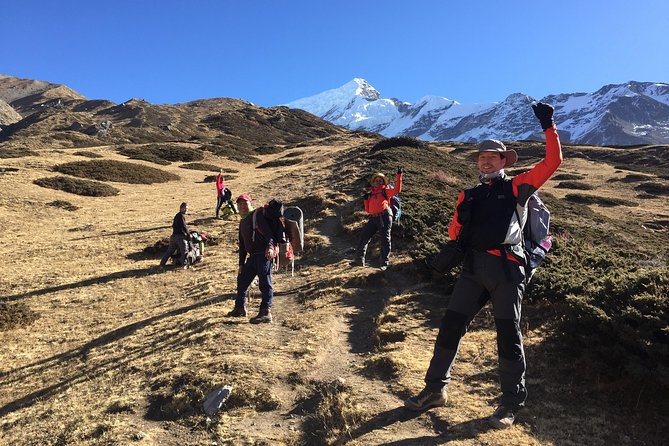
Instead of pushing hard again, Day 7 is a rest day in Manang with roaming and short hiking options. You can hike to places such as Bonjo Gumba or Gangapurna Lake.
Even if you do only light walking, this day helps your body adjust before the pass approach. It also gives your legs a chance to feel normal again. That matters because the next stage climbs toward Thorang Phedi, which sets up the Thorong La crossing.
My suggestion: treat this day like training. Don’t prove anything. Move enough to feel awake, then stop while you’re still feeling good.
Days 8–9: Tenki, Marshyangdi Valley, and Getting Positioned for Thorong Phedi
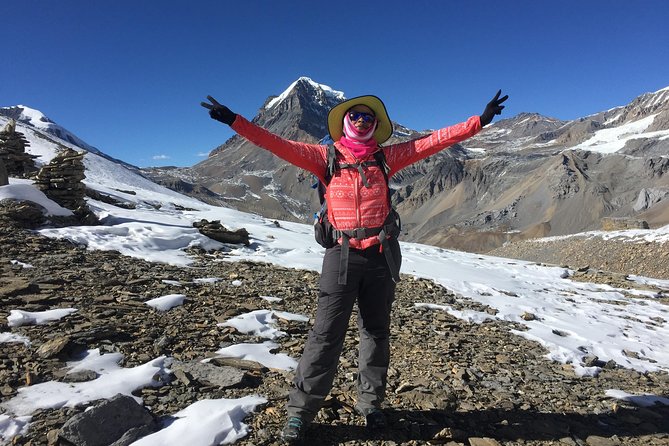
Day 8: Ascending through Tenki and Marshyangdi Valley area
You keep ascending to a higher height. The route passes through Tenki and the Marshyangdi Valley northwestern of Jharsang Khola, with mentions of juniper trees and a small Ghunsa Village area. You’ll be walking around 4 hours today.
This kind of day is useful for acclimatization. It’s not the longest effort, but it’s still enough movement to keep you progressing.
Day 9: Breakfast, climb to Thorang Phedi, and a suspension bridge moment
You wake up, have breakfast, and still ascend to Thorang Phedi. You cross a suspension bridge to reach Lather Village and then pass cliffs to reach Thorang… (the staging area before the pass day).
This is one of those “logistics days” where timing matters. Being at Thorang Phedi before the pass means you’re not trying to start the biggest climb while your body is still waking up.
Day 10: Thorong La Pass at 5,416 m and the Descent to Muktinath
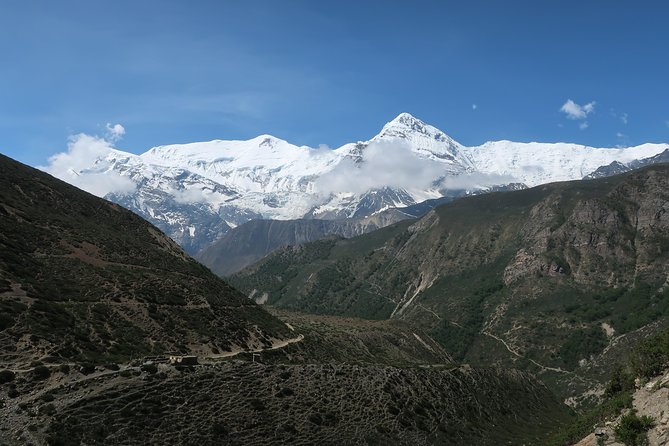
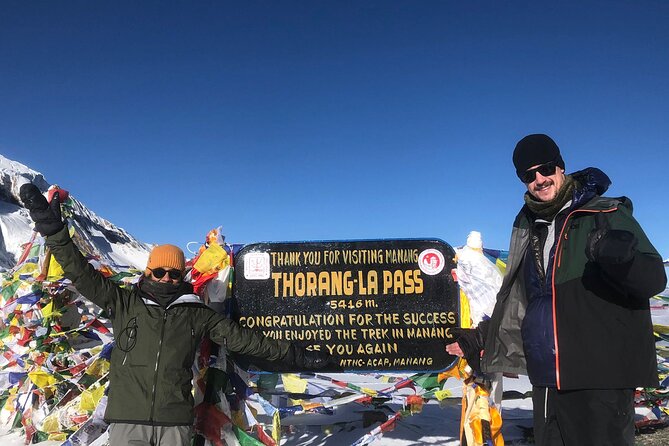
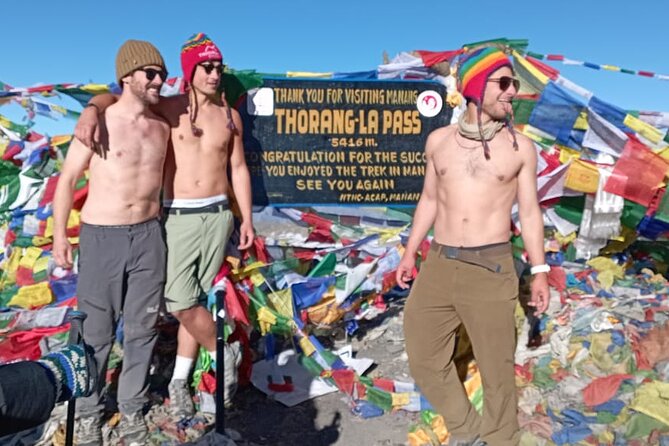
This is the day that shapes the entire trek. Today you cross the highest elevation of the trek, Thorong La Pass, at 5,416 m. The plan then continues to the Western side, with Muktinath Temple as the destination.
The description calls it a real challenge and notes the effort shifts as you head down the Western side. Translation: the hard part isn’t only the altitude. It’s also how your legs feel when you’re tired and moving on rocky terrain downhill.
Once you reach Muktinath Temple, you’ve earned a mental reset. Temple stops can feel small after hours of effort, but they give you a moment to stand still and appreciate that you’re safely over the hardest line on the route.
What I’d do if I were going again: keep your pace calm on the climb, and don’t try to “catch up” to faster groups. Your breathing is information. Use it.
Day 11–12: Muktinath to Pokhara by Road, Then a True Recharge Day
Day 11: Last trek day and a long drive to Pokhara (about 10 hours)
After breakfast, you head to Muktinath Temple earlier in the day’s flow, then you take a bus/jeep drive to Pokhara. It’s about a 10-hour drive, sharing with others.
This is where you’ll feel the contrast. One day you’re hiking at altitude. The next day you’re in a vehicle for much of the day. It can be tiring in a different way, but it also means you’re done with the daily climbing for this trip.
Day 12: Rest day in Pokhara Valley
Day 12 is a rest day, and you can explore Pokhara Valley on your own. The trek doesn’t dictate your schedule here, which is a smart design choice after a pass and descent.
If you want to shop, eat more than you should, or just wander lakeside areas, this is when it fits best.
Day 13–14: Kathmandu Return and Airport Drop-By-Private-Vehicle
Day 13: Bus or flight option to Kathmandu (7 hours by bus)
From Pokhara, you’ll take a tourist bus drive to Kathmandu, about 7 hours. There’s an option to fly from Pokhara to Kathmandu for an extra charge, then you’re transferred to your hotel with breakfast included.
This flexibility matters. If you’re physically done with long travel days, the flight option can cut fatigue.
Day 14: Departure day
On departure day, the tour drops you to the International airport so you can catch your flight home. It’s the final clean handoff that closes the loop without you needing to coordinate transport yourself.
Guide, Permits, and Safety: The Stuff That Quietly Protects Your Trip
A trekking guide isn’t just someone to point at mountains. Here, the guide supports safety and helps you learn about Nepal while trekking. That “learn and stay safe” language is not fluff. In real life, it usually means route decisions, pacing guidance, and staying aware of conditions when the trail gets narrow or steep.
Permits and area entrance fees are included, so you’re not scrambling for paperwork at the start of the trek. The tour also provides first aid medicine carried by the local guide. That’s not the same thing as a medical team, but it does mean basic readiness is part of the plan.
One practical note from a less-than-perfect angle: there’s at least one concern raised about guide training quality. I can’t fix that for you, but you can reduce risk by asking your operator some direct questions before departure—especially about experience with the altitude schedule and how they handle safety on tricky sections.
Also remember: a porter is not included. If you expect to travel with a heavy pack, factor that into your training and packing strategy. The tour may provide a duffel bag and sleeping bag if needed, but it’s not the same as having someone carry your day-to-day weight.
Who This Annapurna Circuit Trek Fits Best (and Why)
This works best if you:
- Want a guided trek where someone handles permits, entrance fees, and the main logistics
- Like the idea of customizable pacing rather than being dragged forward on autopilot
- Are at least moderately fit and ready for a high-altitude pass at 5,416 m
- Appreciate full board meals on trekking days, because meal decisions can become exhausting at altitude
- Value hotel recovery time in Pokhara and Kathmandu
If you’re new to trekking, the structure helps you focus on walking and acclimatizing instead of planning every transport and entry detail.
Who Might Need to Modify the Plan
Consider a different setup or adjust expectations if:
- You don’t feel confident with altitude. This trek expects you to show up ready for the pass day.
- You want a porter included. This package doesn’t list one.
- You’re planning to spend most evenings in Kathmandu or Pokhara for additional meals not included in the package. Lunch and dinner in those cities are on you.
The good news is that these are manageable issues with upfront planning. They’re not deal-breakers for the right person.
Should You Book This Annapurna Circuit Trek?
If you want a guided Annapurna Circuit that removes a chunk of logistics stress, this is a strong candidate. I like that you get permits handled, full board meals while trekking, and actual time in Pokhara and Kathmandu for recovery.
Book it if you can handle the physical reality of Thorong La at 5,416 m and you’re comfortable managing your own pack without a porter. If that altitude challenge worries you, or you need more hands-on support than a single guide plus first aid supplies provides, you’ll be happier elsewhere.
FAQ
What is the meeting point for this Annapurna Circuit trek?
The meeting point is Tribhuvan Airport in Kathmandu, Nepal. An office representative will be there to greet you and transfer you to the hotel.
Are airport and hotel transfers included?
Yes. Airport and hotel transfers are included by private vehicle.
Does the trek include meals while trekking?
Yes. Full board meals while trekking are included, with breakfast, lunch, and dinner. Tea/breakfast are also noted during the trekking period.
Are trekking permits and entrance fees included?
Yes. Essential trekking permits and area entrance fees for the trek are included.
Is a porter included?
No. A porter is not included in the package.
What does the $1,150 price include?
It includes a professional trekking guide, lodge/tea house accommodation during the trek (twin sharing), full board meals while trekking, Pokhara and Kathmandu hotel stays (with breakfast), transfers, transport for long ground legs, essential permits and entrance fees, first aid medicine carried by the guide, and a trip completion certificate. It also notes a duffel bag and sleeping bag may be provided if needed.
What happens if weather is poor?
The trek requires good weather. If it’s canceled due to poor weather, you’ll be offered a different date or a full refund.
More Trekking Out of Kathmandu
More Tour Reviews in Kathmandu
Just Reviewed in Kathmandu
- Mountain Bike Tour
★ 5.0 · 3 reviews - Annapurna Panaroma
★ 5.0 · 3 reviews - Mount Everest Scenic Flight 50 Minutes
★ 5.0 · 3 reviews - Kathmandu : Swambhunath & Durbar Square Guided Half Day Tour
★ 3.3 · 3 reviews - Chandragiri Cable Car & Monkey Temple Tour – Private/Group
★ 5.0 · 3 reviews - Kathmandu: Shivapuri National Park Hiking Day Trip
★ 3.3 · 3 reviews
Annapurna Circuit Treks, compared.
 ★ 5.0Annapurna Circuit Trek with Tilicho LakeFrom $1,093368 reviews
 ★ 5.0Annapurna Circuit TrekFrom $1,17594 reviews
★ 5.0Annapurna Circuit TrekFrom $2,24067 reviews
★ 5.0Annapurna Circuit TrekFrom $1,07449 reviews
★ 5.0Annapurna Circuit TrekFrom $1,35046 reviews
★ 5.0Annapurna circuit TrekFrom $99835 reviews
★ 5.0Annapurna Circuit TrekFrom $97534 reviews
★ 5.0Annapurna Circuit TrekFrom $99427 reviews
★ 5.0Annapurna Circuit TrekFrom $1,17594 reviews
★ 5.0Annapurna Circuit TrekFrom $2,24067 reviews
★ 5.0Annapurna Circuit TrekFrom $1,07449 reviews
★ 5.0Annapurna Circuit TrekFrom $1,35046 reviews
★ 5.0Annapurna circuit TrekFrom $99835 reviews
★ 5.0Annapurna Circuit TrekFrom $97534 reviews
★ 5.0Annapurna Circuit TrekFrom $99427 reviews
Browse the lists this tour appears in