
Review · ANNAPURNA CIRCUIT TREKS
Annapurna Circuit Trek
High pass, low time pressure.
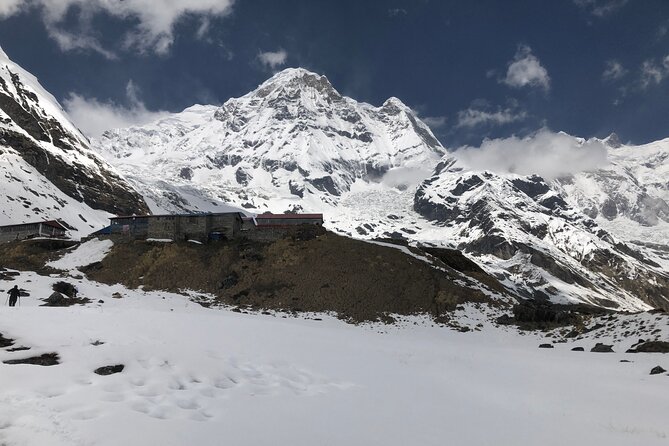
This version of the Annapurna Circuit is designed for travelers who want the big views without the longest possible timeline. You’ll still hit the key altitude moments, but the pacing and route are built around the idea that the Manang area is easier to reach by road than before, which helps compress the trek.
I like two things right away: you get airport pickup and overland transfers that keep the schedule tight, and the trip includes tea house lodging and meals so you’re not guessing day to day. The guides also bring a calm, organized feel that matters when the trail gets steep and your body needs time to adjust.
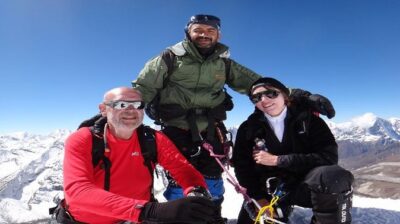
One thing to consider: the days are still serious around Thorang La (5,416 m). Even with acclimatization built in, weather and altitude can make this feel mentally and physically demanding, especially if you’re hoping to breeze through.
In This Review
- Key things I’d pay attention to
- Why this Annapurna Circuit feels built for limited time
- Kathmandu arrival: the briefing that sets your expectations
- Besisahar and Chame drives: long hours, big payoff
- Manang valley trekking: forests, river walks, and first real altitude
- The Manang acclimatization day and Gangapurna Lake option
- Yak Kharka to Thorong Phedi: getting your legs ready
- Thorang La at 5,416 m and the descent to Muktinath
- Pokhara and Kathmandu: the altitude reset
- Price and logistics: what $975 really buys
- Guides and safety: the quiet strength of a well-run trek
- Packing and fitness: the moderate-level warning that’s worth believing
- Who should book this shortened Circuit?
- Should you book this Annapurna Circuit Trek?
- FAQ
- How long is the Annapurna Circuit Trek on this itinerary?
- What is the price and what’s included in the tour cost?
- Do I get meals and tea during the trek?
- What altitude is Thorang La Pass on this trek?
- Is travel insurance included?
- What is the cancellation policy?
Key things I’d pay attention to
- Shortened circuit built around road access (jeeps can go only so far, which shapes the walking days)
- Manang acclimatization day is included before the high pass
- Thorang La Pass is the headline at 5,416 m
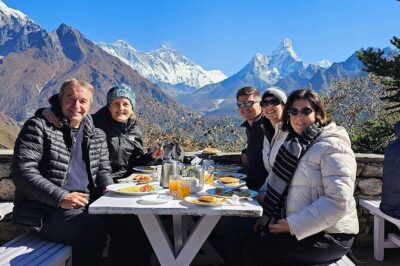
- Meals, hot tea, and fruit are included at tea houses (less cash hassle on trail)
- Gear support is part of the price (sleeping bag, down jacket, and duffle bag)
- Guides like Shanta, Buddhi Tamang, Indaco, Pawan, Veer, and Anos Tamang show up often in client highlights for safety and organization
More trails out of Kathmandu, boots ready
- Everest Base Camp Trek – 14 Days★ 5.0 · 1,499 reviews
- Everest Base Camp Trek★ 5.0 · 842 reviews
- Everest Base Camp Trekking★ 5.0 · 485 reviews
- Nagarkot Sunrise View and Day Hiking from Kathmandu★ 5.0 · 471 reviews
Why this Annapurna Circuit feels built for limited time
The Annapurna Circuit is usually talked about as a classic multi-week trek. This itinerary keeps the spirit of the route, but trims the timeline by using road access to get you farther in the early days.
That road factor also changes the plan for “shortcuts.” You can’t sensibly jump too far ahead by jeep, because pushing higher altitude too fast raises the risk. The trip design keeps the trekking front-and-center, especially once you get into the Manang region.
In other words, you’re not avoiding altitude. You’re timing it better.
Kathmandu arrival: the briefing that sets your expectations
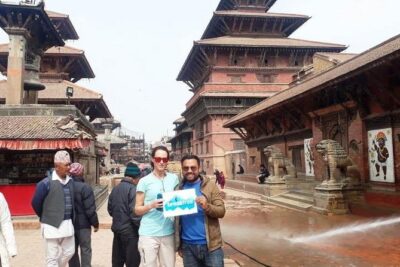
Your trip starts in Kathmandu with an airport transfer to a hotel. After check-in, you join a group briefing on trek logistics and what to expect as you move away from the city.
That briefing matters more than people think. On the Circuit, you’ll quickly learn that good planning isn’t a luxury. It’s how you avoid scrambling for details when you should be resting or hydrating.
You’ll also start building rhythm right away: simple day, hotel base, then a long travel stretch the next morning.
Besisahar and Chame drives: long hours, big payoff
Day 2 is a drive from Kathmandu out toward Besisahar and the Lamjung area. It’s a long ride, and the duration matters because it’s where your trip “bank” time comes from. Instead of losing days on the first part of the route, you’re using the road to get closer to the trekking heart.
Day 3 continues by driving to Chame, the Manang district headquarters. The road is unpaved, so expect the ride to feel rougher than a city transfer. But this is also where you start seeing the chain of villages and changing terrain in a way that makes the trek feel real, not theoretical.
If you dislike long transit days, you’ll want to think about how much energy you spend on recovery the evening after each drive. A trek like this rewards the boring habits: early sleep and steady fluids.
Manang valley trekking: forests, river walks, and first real altitude
Once you leave Chame, the walking gets more directly tied to the mountains. Day 4 follows the Marsyangdi River upstream through alpine forest and onward toward Bhratang village.
It’s a classic “start climbing without panicking” day. The forest walking gives you cover when the light changes, and the river valley keeps the gradient feeling manageable compared to later stretches.
Day 5 brings you into Pisang village in Manang Valley. This is where you start noticing how the view opens up. The trail’s altitude gain becomes slower from here onward, which is exactly the kind of pacing you want before the higher days.
This part of the trek also helps you practice your gear routine: water habits, snack timing, and how you manage breathing when the air thins.
The Manang acclimatization day and Gangapurna Lake option
Day 6 is a rest day for acclimatization in Manang. That’s not filler. It’s your body getting ready for the Thorang La crossing.
The plan even recommends a hike to Gangapurna Lake as an option. If you have the energy, it’s one of the better ways to use an acclimatization day: you get movement, scenery, and a chance to test your pace without forcing the high pass.
This is also a good day to be honest with yourself. You don’t need to push hard to make acclimatization work. You need consistent effort and enough recovery so tomorrow doesn’t feel like survival.
Yak Kharka to Thorong Phedi: getting your legs ready
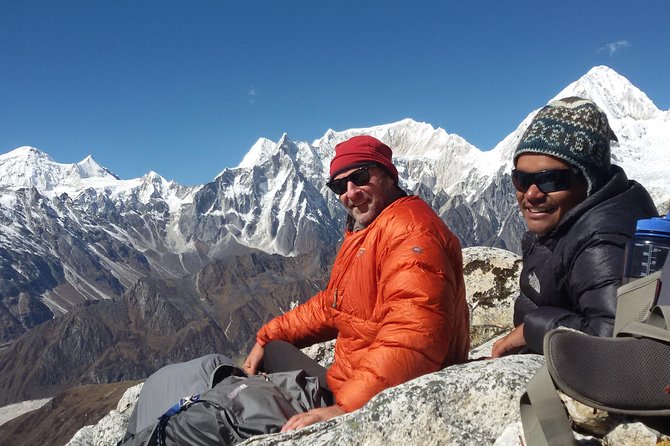
Day 7 walks to Yak Kharka, a high-altitude settlement with big mountain views. The route includes crossing small streams, and it’s a long day (listed at about 14 hours), so you’ll want to break it into steady segments rather than treating it like one continuous grind.
Day 8 moves you toward the Thorong La area, climbing along the Jarjung River and then reaching Thorung Phedi for a short rest. The last hour of the day is a climb toward the high pass zone, setting up the big crossing the next morning.
These days are where pacing becomes your main strategy. A lot of trekkers make the mistake of walking fast early, then paying for it later. The trek is built to avoid that—slow-to-steady makes more difference than bravado.
Thorang La at 5,416 m and the descent to Muktinath
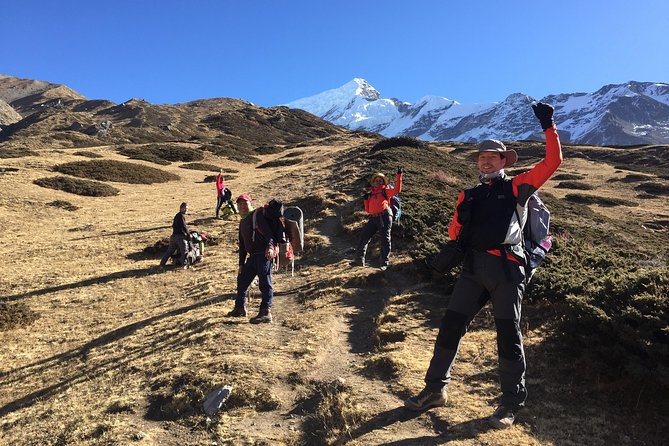
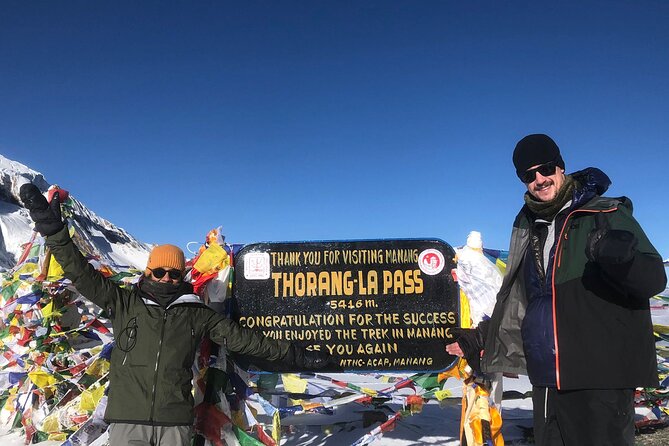
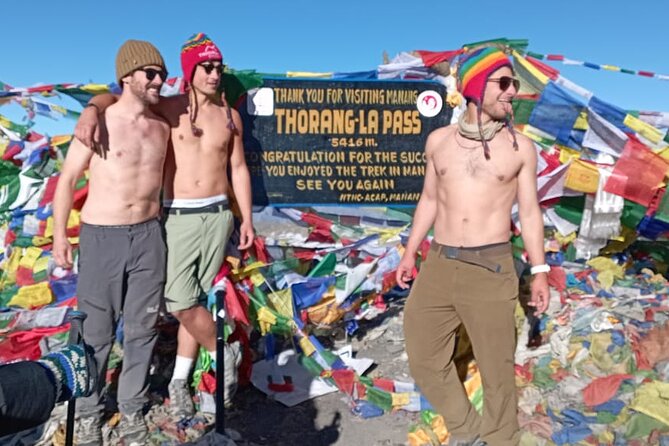
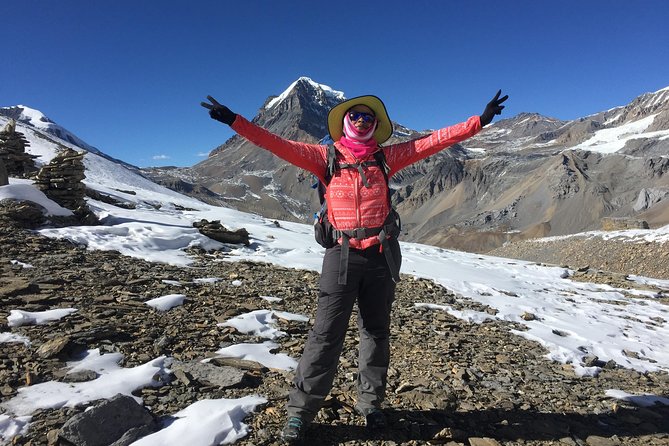
Day 9 is the headline day. You’ll start early to reach Thorang La at 5,416 m, marked by Buddhist prayer flags, and then continue down toward Muktinath Temple.
This is where weather matters. Cold, wind, or cloud can turn a straightforward route into something tougher. The good news is that the itinerary expects this reality by placing the pass after an acclimatization day in Manang.
Also, this is the day you’ll feel the mental side of trekking. Even if your body is okay, the high, exposed feeling can be challenging. Organized timing and a guide who keeps you focused can make a big difference here.
When you reach Muktinath, the vibe shifts from “big climb” to “hard-earned relief.” It’s a satisfying transition after the pass.
Pokhara and Kathmandu: the altitude reset
Day 10 is a drive to Pokhara. It’s not just transportation; it’s your decompression day. You’ll travel overland and also get time to explore, with the scenic drive doing a lot of the work in resetting your mood after high altitude.
Day 11 continues the overland journey back to Kathmandu. Along the way, you’ll pass farm villages and towns. The schedule gets you into Kathmandu by afternoon, leaving the rest of your day free for your own pace.
Day 12 is your departure from Kathmandu, timed for your flight.
If you want to feel the trip fully, don’t rush the reset. A hot meal, a long shower, and a slower walk around town are part of how you bring the trek home with you.
Price and logistics: what $975 really buys
At $975 per person, this trek is priced for travelers who want structure and fewer unanswered questions. Here’s what you get that actually reduces cost or hassle:
You have airport pickup and drop-offs, plus all bus and jeep drives. You also get two nights in Kathmandu and one night in Pokhara with breakfast, plus three meals a day (break, lunch, dinner) during the trek.
Tea-house convenience is included too. You’re on a private local tea house basis with twin sharing beds, so you don’t have to negotiate lodging each night.
Permits are covered as well, including the Annapurna Conservation Area Permit. That’s one less admin task to sort out while you’re focused on altitude and packing.
You also get trekking gear support: a sleeping bag, down jacket, and duffle bag. That’s a major value add if you don’t already own winter-ready layers for high elevations.
What’s not included is typical but worth planning for: travel insurance, and extra personal spending like bottled water and snacks. Tips for trekking crews are also on you, so keep some cash aside.
If you’re the kind of traveler who gets stressed by logistics, this price can feel fair fast. If you’re fully independent with gear and planning already solved, you might compare options—but this one is clearly built to reduce decision fatigue.
Guides and safety: the quiet strength of a well-run trek
One pattern that shows up in guide highlights is organization. Names like Shanta, Buddhi Tamang, Indaco, Pawan, Veer, and Anos Tamang are repeatedly associated with making the trip feel smooth and safe.
That matters most on the tricky transitions:
- After long drives, when you’re tired but must still start trekking.
- On acclimatization day, when you need to listen to your body.
- On the pass day, when timing and focus count.
The trip also has a clear stance on the jeep shortcut idea. You can’t use a jeep beyond Chame in a way that makes sense for the itinerary. And pushing by jeep to Manang is described as carrying a very high altitude sickness risk. That’s a strong clue about how seriously the company takes gradual altitude gain.
In practice, you should take that advice seriously even if you feel eager to go faster. On the Annapurna Circuit, speed is not the goal. Smart timing is.
Packing and fitness: the moderate-level warning that’s worth believing
The trip asks for moderate physical fitness. That’s a helpful line, because it tells you the trek isn’t built for total beginners. Still, “moderate” doesn’t mean easy. Long trekking days, plus the Thorang La altitude, can turn a normal day into a real test.
Packing matters because you’re traveling through cold and high zones. Gear support helps, but you’ll still want to think about what you personally handle well: layers you can adjust, gloves you’ll tolerate, and sun protection.
Also, bring sunscreen. High altitude sun is no joke, and the practical advice to have it is repeated for a reason.
Who should book this shortened Circuit?
This trek fits best if you:
- Want the classic Annapurna Circuit experience but don’t want to lose weeks.
- Prefer a plan where meals, lodging, and permits are handled.
- Like the idea of a private group setting (only your group participates).
- Are comfortable with long days of hiking and at least one big altitude crossing.
It’s also a solid option for solo travelers who want someone to manage the tricky parts. Solo travelers highlighted the difference a good guide can make, especially when you’re building confidence while the route gets demanding.
If you hate cold weather or you’re not ready for high-altitude travel, you might want to reconsider. This itinerary is built to reduce risk, not erase it.
Should you book this Annapurna Circuit Trek?
If your dream is to see the Annapurna region and you’re short on time, I think this is a strong match. The itinerary is built around acclimatization in Manang, real movement over the mountains, and the big payoff of Thorang La and Muktinath, while still using road travel to keep the schedule tight.
I’d only hesitate if you’re worried about the physical challenge. This is still a high-altitude trek with long hiking days and weather uncertainty. If you’re going anyway, go with the attitude of steady effort, early starts, and enough rest to respect your body.
FAQ
How long is the Annapurna Circuit Trek on this itinerary?
The trip runs for about 12 days, including transfers and time in Kathmandu and Pokhara.
What is the price and what’s included in the tour cost?
The price is $975. It includes airport pickup and drop-off, all ground transportation (bus and jeep drives), two nights in Kathmandu and one night in Pokhara with breakfast, three meals a day during the trek, a licensed guide, tea house lodging on a twin-sharing basis, the Annapurna Conservation Area permit, and trekking gear (sleeping bag, down jacket, and duffle bag).
Do I get meals and tea during the trek?
Yes. During the trekking days you get breakfast, lunch, and dinner, plus seasonal fruits and three cups of tea per day.
What altitude is Thorang La Pass on this trek?
Thorang La Pass is at 5,416 meters.
Is travel insurance included?
No. Travel insurance is not included.
What is the cancellation policy?
You can cancel for a full refund up to 24 hours in advance. If it’s canceled due to poor weather, you’ll be offered a different date or a full refund.
More Trekking Out of Kathmandu
More Tour Reviews in Kathmandu
Just Reviewed in Kathmandu
- Mountain Bike Tour
★ 5.0 · 3 reviews - Annapurna Panaroma
★ 5.0 · 3 reviews - Mount Everest Scenic Flight 50 Minutes
★ 5.0 · 3 reviews - Kathmandu : Swambhunath & Durbar Square Guided Half Day Tour
★ 3.3 · 3 reviews - Chandragiri Cable Car & Monkey Temple Tour – Private/Group
★ 5.0 · 3 reviews - Kathmandu: Shivapuri National Park Hiking Day Trip
★ 3.3 · 3 reviews
Annapurna Circuit Treks, compared.
 ★ 5.0Annapurna Circuit Trek with Tilicho LakeFrom $1,093368 reviews
 ★ 5.0Annapurna Circuit TrekFrom $1,17594 reviews
★ 5.0Annapurna Circuit TrekFrom $2,24067 reviews
★ 5.0Annapurna Circuit TrekFrom $1,07449 reviews
★ 5.0Annapurna Circuit TrekFrom $1,35046 reviews
★ 5.0Annapurna circuit TrekFrom $99835 reviews
★ 5.0Annapurna Circuit TrekFrom $1,15035 reviews
★ 5.0Annapurna Circuit TrekFrom $99427 reviews
★ 5.0Annapurna Circuit TrekFrom $1,17594 reviews
★ 5.0Annapurna Circuit TrekFrom $2,24067 reviews
★ 5.0Annapurna Circuit TrekFrom $1,07449 reviews
★ 5.0Annapurna Circuit TrekFrom $1,35046 reviews
★ 5.0Annapurna circuit TrekFrom $99835 reviews
★ 5.0Annapurna Circuit TrekFrom $1,15035 reviews
★ 5.0Annapurna Circuit TrekFrom $99427 reviews
Browse the lists this tour appears in