
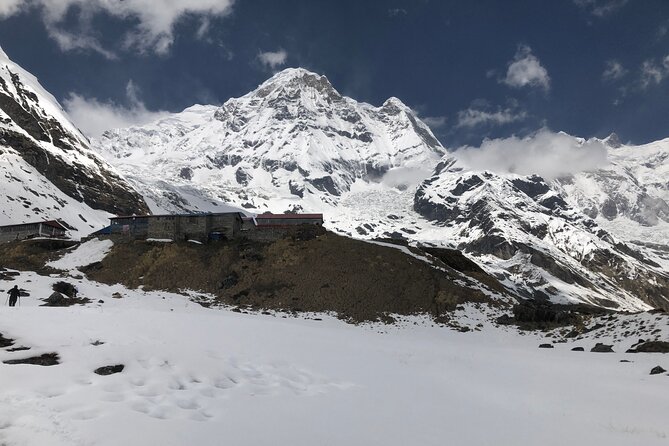
Review · ANNAPURNA CIRCUIT TREKS
Annapurna Circuit Trek
The Annapurna Circuit is the kind of trek that changes your tempo fast. You’ll hike classic high passes, sleep in mountain tea houses, and move through villages that feel far from the usual tourist circuit, all with a guide handling the hard parts.
I especially like the way this trip builds in altitude rhythm—Manang and the approach to Thorong La are paced so you can keep breathing. I also like that you’re not stuck in planning mode: transport legs, permits, a map, and even a first-aid kit are covered, so you can focus on steps, views, and people.
The main consideration is weather and cold. Nights can drop extremely low, and wind can bite hard near the pass, so you’ll need to pack for serious winter conditions even in peak trekking season.
In This Review
- Key highlights worth your attention
- Why the Annapurna Circuit feels more manageable with a guide
- Days 1–5: From Kathmandu downshift to Jagat and up to Manang
- Day 6 in Manang: acclimatization day that actually earns its place
- Days 7–10: Yak Kharka, Thorong Phedi, and crossing Thorong La to Muktinath
- Days 11–13: Tatopani’s hot springs, Ghorepani, and Poon Hill payoff
- Day 14: Pokhara back to Kathmandu (and why it matters)
- Teahouse stays and meals: what standard really means on the trail
- Guides, permits, and safety: the invisible value in the details
- Price and value: what $1,175 is paying for (and what it isn’t)
- Weather and packing reality: plan for cold nights and wind
- Who should book this Annapurna Circuit trek?
- Should you book this Annapurna Circuit trek?
- FAQ
- How long is the Annapurna Circuit trek on this tour?
- Where does the trek start and end?
- What transportation is included?
- Do I stay in tea houses during the trek?
- What meals are included?
- Are permits covered?
- Is a guide provided?
- What’s not included in the price?
Key highlights worth your attention
- A licensed guide and real logistics: you get licensed, experienced help and a plan for the day’s moves.
- Permits + TIMS handled: Annapurna Conservation Park permits and TIMS fees are included.
- Tea house lodging throughout: you’ll sleep in the standard trail lodging style instead of carrying camp gear.
- Thorong La focus day: the longest, highest push is built into the schedule with rest/layover time before it.
- Hot springs reset at Tatopani: drive to Tatopani includes a natural soak day.
- Classic finish with Poon Hill sunrise: an early hike to Poon Hill adds payoff before you head to Pokhara.
More trails out of Kathmandu, boots ready
- Everest Base Camp Trek – 14 Days★ 5.0 · 1,499 reviews
- Everest Base Camp Trek★ 5.0 · 842 reviews
- Everest Base Camp Trekking★ 5.0 · 485 reviews
- Nagarkot Sunrise View and Day Hiking from Kathmandu★ 5.0 · 471 reviews
Why the Annapurna Circuit feels more manageable with a guide
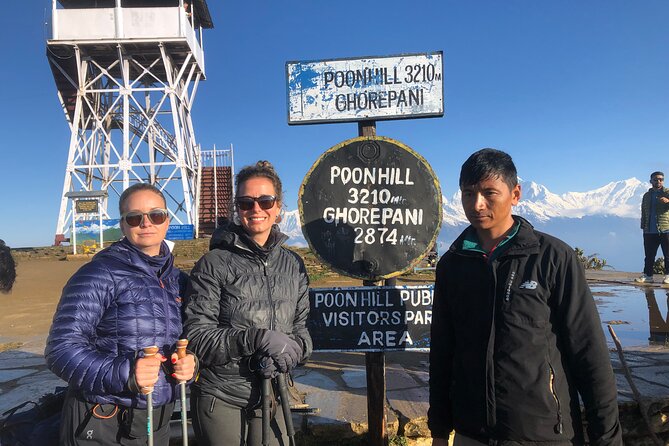
The Annapurna Circuit has a reputation for being epic, but the day-to-day reality is simple: you walk, you eat, you adjust to altitude, and you keep moving safely. A strong guide matters because they help you make smart calls when the mountain is doing its mountain thing—steep sections, weather shifts, and the pass day itself.
In this trek setup, you’re not solo-wrangling the details. You’ll have pickup offered, you’ll handle your trek with your own expedition guide, and you’ll get the map and fees needed to hike legally through the protected areas. Even the first aid kit is part of what you’re provided, which takes the edge off the worry that you forgot something basic.
And yes, it still feels like a real trek. You’re hiking through forests, passing waterfalls, and meeting remote communities where daily life is tied to the trail, not to tour buses. The guide’s job is to keep you safe and informed; your job is to keep your pace steady and your layers ready.
Days 1–5: From Kathmandu downshift to Jagat and up to Manang
Day 1 is a long jump from Kathmandu to Jagat (about 8–9 hours via Besisahar). The travel day can feel like a starter workout, but it sets you up to start walking without wasting energy on extra transit the first day. Jagat sits at a lower elevation (1100m), so it’s a gentle entry before you start climbing.
Day 2 (Jagat to Dharapani, 6–7 hours) is where you begin to feel how the terrain changes as you gain elevation. It’s a solid first hiking day, not a “just stretch your legs” stroll, so you’ll want to walk relaxed—small steps, steady rhythm.
Day 3 (Dharapani to Chame, 5–6 hours) and Day 4 (Chame to Pisang, about 5–6 hours) keep the pattern: climb steadily, get used to thinner air, and take breaks that actually help. Chame and Pisang are both key stop points because they’re the kind of village hubs where tea house stays are easy to organize and you can refuel without scrambling.
Day 5 (Pisang to Manang, 6–7 hours) pushes you higher (Manang around 3540m). This is a day where comfort matters: pace matters, hydration matters, and your ability to sleep well matters more than you think. Arriving in Manang, you’ll feel the altitude in your breathing, even if your legs still feel okay.
Potential drawback here: the hike times are long enough that you can’t treat each day like a “choose your own adventure.” If you go out too fast early, the later pass day will punish you.
Day 6 in Manang: acclimatization day that actually earns its place
Manang isn’t just another overnight. This itinerary gives you an acclimatization day, and that’s the difference between “hard but doable” and “hard plus risky.” At altitude, resting isn’t laziness; it’s your body learning how to function at higher oxygen levels.
Use this day to absorb the rhythm:
- walk a bit, then back off
- drink water steadily
- eat normally (not just snacks)
- keep your breathing calm
The value of that extra day is that it helps you reach the next stages—Yak Kharka and Thorong Phedi—without stacking exhaustion on top of altitude. A pass trek rewards the boring work: sleep, slow pacing, and smart recovery.
This is also a good day to ask your guide what to watch for as you go higher. The guide’s role here is big because they can help you interpret how you feel, rather than giving generic advice.
Days 7–10: Yak Kharka, Thorong Phedi, and crossing Thorong La to Muktinath
Day 7 (Manang to Yak Kharka, 4–5 hours) is shorter than the earlier days. That’s on purpose. This is where you transition into the pass approach: you keep hiking, but you also save energy for the big push later.
Day 8 (Yak Kharka to Thorong Phedi, 4–5 hours) is another setup day. Thorong Phedi sits at high elevation (about 4450m), and getting there before the pass day is part of why the trek works. You’ll likely feel the altitude quickly, so plan to keep your effort gentle.
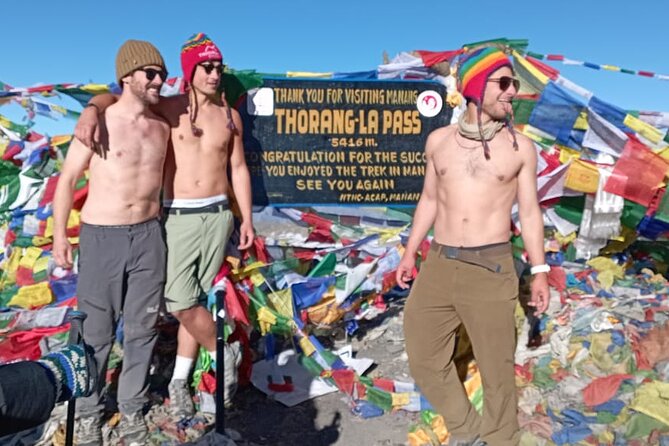
Day 9 is the main event: Thorong Phedi to Muktinath via Thorong La (about 7–8 hours). This is the pass crossing and it’s not just a “walk to a landmark” moment. You’re at high altitude, and conditions can turn fast, especially with wind.
One reality check from real trekking conditions: nights near the high route can drop to around -20°C, and wind speeds can be around 20 km/h. That combination can freeze water and make nighttime feel brutally cold. You might not experience exact numbers, but you should pack as if you could. Cold gear that works in a cold wind is more important than gear that just works in mild mountain weather.
Day 10 (Muktinath to Jomsom, 5–6 hours) lowers you (to around 2743m). After the pass, the descent can feel like a relief for your lungs and a test for your knees. Your guide will help you manage the pace so you don’t turn the descent into an injury day.
Days 11–13: Tatopani’s hot springs, Ghorepani, and Poon Hill payoff
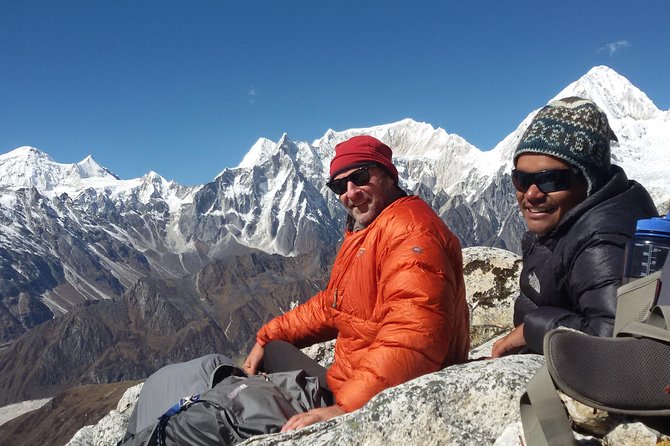
Day 11 includes a drive from Jomsom to Tatopani (about 4–5 hours), plus the natural hot springs reset. Even if you’re not a “soak and melt” person, a warm soak can loosen up tired legs after the pass. It’s also a good mental shift: fewer steep hours, more recovery time.
Day 12 (Tatopani to Ghorepani, 7–8 hours) is another long hiking day. Ghorepani is a classic base for the Poon Hill morning, so you’re essentially positioning yourself for sunrise views. Expect a proper day of walking, not a short link stage.
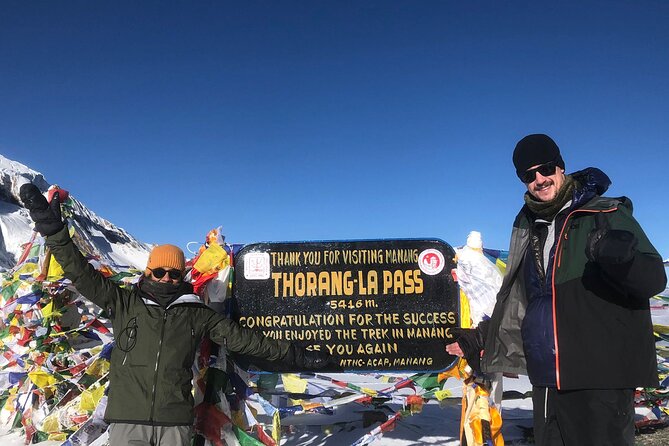
Day 13 starts early with the hike to Poon Hill (around 3210m), then you trek down to Nayapul (about 2070m) and continue by taxi to Pokhara. This day is long—7–8 hours—but it’s the kind of effort that feels worth it because you get a view payoff early and you end the trek with a city stop.
What to consider: sunrise days are about sleep and cold tolerance. You’ll want warm layers and a steady plan for mornings. When the air is cold, moving slowly at the start beats rushing and getting chilled or wind-burned.
Day 14: Pokhara back to Kathmandu (and why it matters)
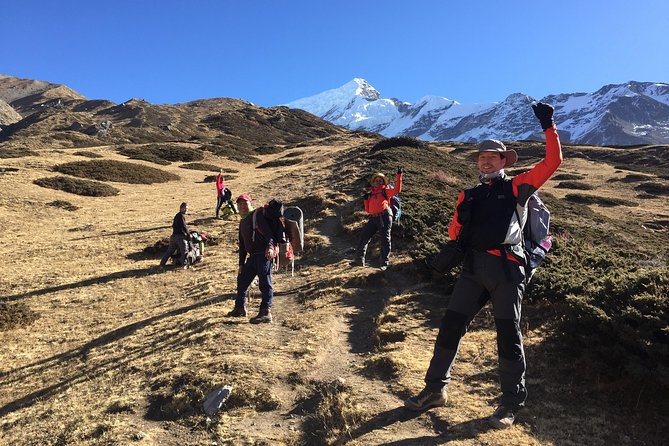
Day 14 is a drive from Pokhara (about 822m) to Kathmandu (about 1400m). It’s not a huge elevation jump compared to what you’ve been dealing with, but it’s still a reminder that your body is still in recovery mode.
If you’re the type who gets antsy after a big trek, this last day can feel a bit like waiting for the wrap-up. Try to keep it simple: eat well, hydrate, and avoid turning celebratory meals into a stomach rollercoaster.
The bigger value of the finish is that you get a clean transition from trekking pace back to normal life, which makes it easier to decompress without scrambling for transport or planning your next move.
Teahouse stays and meals: what standard really means on the trail
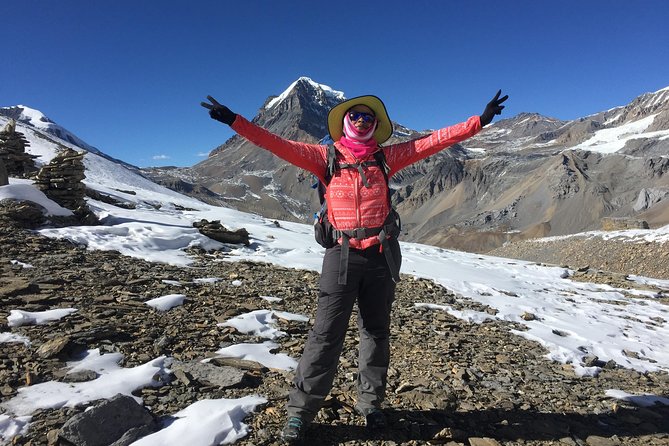
Tea house lodging is the comfort middle ground. You’re not carrying a full camping setup, but you’re also not in a hotel. You’ll rely on the standard trail setup for sleeping and basic amenities, and you’ll likely spend a lot of your time bundling up indoors when weather turns.
Meals are included as three standard meals during trekking (breakfast, lunch, dinner). That matters because it reduces decision fatigue. You won’t be searching for food in the middle of a hiking day, and you won’t have to treat every meal like a logistics puzzle.
A practical tip: keep your eating consistent around altitude days. On high days like the pass approach and crossing, you don’t want to experiment with random foods that sit heavy. Eat what’s available, drink steadily, and let your body focus on oxygen and digestion—not on surprise stomach issues.
Guides, permits, and safety: the invisible value in the details
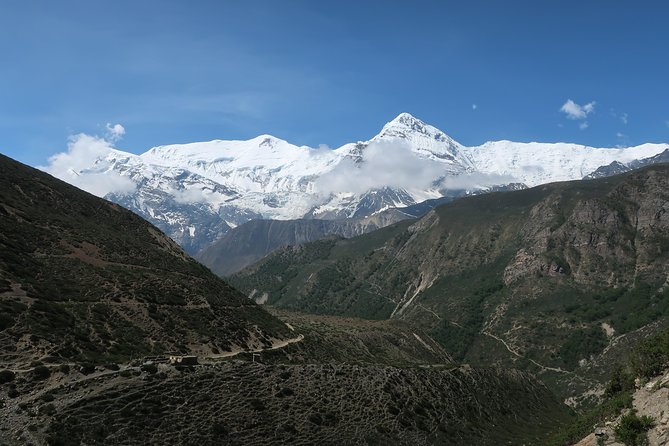
This trek is run with a government-licensed experienced guide, plus you’re supported with a trekking map, a first-aid medical kit, and the key permit fees (Annapurna Conservation Park permits and TIMS). That combination is where “guided” stops being marketing and starts being real value.
Permits matter because routes like the Annapurna region require documentation to access protected areas. TIMS is part of that broader tracking and information system. Having these handled means you’re spending your mental energy on the hike, not on forms.
Safety is also not just about gear. It’s about decision-making. The route crosses major altitude terrain, and wind and cold can hit hard. Guides with calm judgment and good trail timing can keep you from pushing when conditions aren’t friendly.
You’ll also notice a pattern in strong guides: they stay helpful all day, communicate the next steps clearly, and adjust to how you’re feeling. Names that stand out from past trekkers include Rabin, Santosh, Sandip, Ganesh Ji, and Chakra (CK). Their shared theme is attention and guidance, not just leading at the front.
Price and value: what $1,175 is paying for (and what it isn’t)
At $1,175, you’re paying for a setup that covers major cost and time sinks: transportation segments, tea house accommodation during the trek, three standard meals each day you hike, guide support, permits, TIMS, a trekking map, and a first-aid kit.
That’s good value if you want an organized trek without the usual planning stress. The transport legs included are meaningful too: bus from Kathmandu to Jagat and from Jomsom to Tatopani, plus private transport from Nayapul to Pokhara.
What isn’t included is also important to understand. You’ll need to budget for travel and rescue insurance, personal expenses like phone calls or laundry, tips for guides and porters, and any extra porter support if you choose it. You should also plan for costs tied to essentials that aren’t part of the meal plan, like bottle water and any warm shower time if it’s available.
This price is best for people who want structure. If you’re comfortable arranging everything on your own, this might feel more expensive than DIY. But if you want the mountain without the paperwork, it’s a fair way to buy peace of mind.
Weather and packing reality: plan for cold nights and wind
The Annapurna Circuit climbs high enough that you should treat it like a winter trek at times. One serious example from real trail conditions: night temperatures can plunge to around -20°C with strong winds around 20 km/h, and water in a bottle can freeze.
So pack for that possibility. Focus on:
- insulating layers that still work when damp
- a wind-blocking outer layer
- warm sleep setup (you’ll appreciate it the most on the highest segments)
- cold-weather gloves and head protection
Even if your exact weather is milder, wind can make a normal day feel colder, and nighttime cold can affect your sleep quality. Poor sleep at altitude can snowball into slower walking and a harder pass day.
Who should book this Annapurna Circuit trek?
This trek fits best if you want a classic route with a steady schedule and you prefer guidance over DIY planning. The physical requirement is listed as moderate fitness, but the hiking hours add up—some days are 7–8 hours—so you should be able to walk for extended stretches and handle steep trail sections.
You’ll enjoy it most if you:
- like structured days and clear pacing
- want teahouse trekking without carrying camping gear
- care about altitude timing and safety support
- enjoy cultural village stops while trekking through remote areas
If you hate cold weather, struggle with long walking days, or have limited hiking stamina, you might want a gentler alternative or a shorter route. The pass and high nights aren’t the place to test your limits.
Should you book this Annapurna Circuit trek?
I’d book it if you want the Annapurna Circuit experience with planning handled, permits sorted, and a guide who helps you manage the key altitude days. The included meals, tea house lodging, and first-aid support make it easier to focus on the hike instead of logistics.
I wouldn’t book it if you’re trying to keep costs ultra-low or you’re not ready for wind and severe cold on high sections. This trek rewards good preparation, steady pacing, and respect for altitude.
If that sounds like your style, you’ll likely come away with that classic Annapurna feeling: big mountain effort, real village days, and a route that still feels like a trek—not just a checklist.
FAQ
How long is the Annapurna Circuit trek on this tour?
It lasts about 14 days.
Where does the trek start and end?
The experience starts in Kathmandu and ends back in Kathmandu after finishing in Pokhara.
What transportation is included?
Bus transportation is included from Kathmandu to Jagat and from Jomsom to Tatopani. Private transportation is included from Nayapul to Pokhara.
Do I stay in tea houses during the trek?
Yes. Tea house accommodation is included during the trek.
What meals are included?
Three standard meals are included during trekking: breakfast, lunch, and dinner.
Are permits covered?
Yes. Annapurna Conservation Park permits and the TIMS fee are included.
Is a guide provided?
Yes. You’ll have a government-licensed, experienced guide and also a first-aid medical kit as part of the provided support.
What’s not included in the price?
Travel and rescue insurance, personal expenses, tips for guides and porters, and an optional porter if required are not included.
More Trekking Out of Kathmandu
More Tour Reviews in Kathmandu
Just Reviewed in Kathmandu
- Mountain Bike Tour
★ 5.0 · 3 reviews - Annapurna Panaroma
★ 5.0 · 3 reviews - Mount Everest Scenic Flight 50 Minutes
★ 5.0 · 3 reviews - Kathmandu : Swambhunath & Durbar Square Guided Half Day Tour
★ 3.3 · 3 reviews - Chandragiri Cable Car & Monkey Temple Tour – Private/Group
★ 5.0 · 3 reviews - Kathmandu: Shivapuri National Park Hiking Day Trip
★ 3.3 · 3 reviews
Annapurna Circuit Treks, compared.
 ★ 5.0Annapurna Circuit Trek with Tilicho LakeFrom $1,093368 reviews
 ★ 5.0Annapurna Circuit TrekFrom $2,24067 reviews
★ 5.0Annapurna Circuit TrekFrom $1,07449 reviews
★ 5.0Annapurna Circuit TrekFrom $1,35046 reviews
★ 5.0Annapurna circuit TrekFrom $99835 reviews
★ 5.0Annapurna Circuit TrekFrom $1,15035 reviews
★ 5.0Annapurna Circuit TrekFrom $97534 reviews
★ 5.0Annapurna Circuit TrekFrom $99427 reviews
★ 5.0Annapurna Circuit TrekFrom $2,24067 reviews
★ 5.0Annapurna Circuit TrekFrom $1,07449 reviews
★ 5.0Annapurna Circuit TrekFrom $1,35046 reviews
★ 5.0Annapurna circuit TrekFrom $99835 reviews
★ 5.0Annapurna Circuit TrekFrom $1,15035 reviews
★ 5.0Annapurna Circuit TrekFrom $97534 reviews
★ 5.0Annapurna Circuit TrekFrom $99427 reviews
Browse the lists this tour appears in