
Review · ANNAPURNA CIRCUIT TREKS
Annapurna Circuit Trek
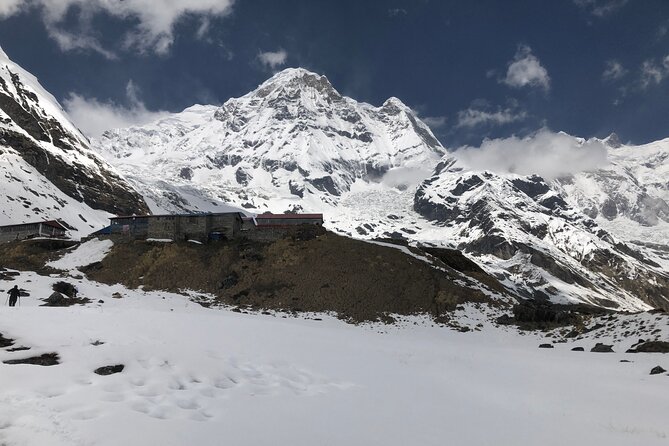
Crossing Thorong La changes your sense of distance. This Annapurna Circuit trek is a classic high-altitude loop that blends bus transfers, village life, temple stop, and some of the best mountain drama in Nepal, from Poon Hill sunrise to the Kali Gandaki gorge. You’ll also pass through the Annapurna Conservation Area Project (ACAP), where the goal is to spot wildlife like snow leopard, musk deer, and Himalayan tahr from the trails.
One thing I really like is how this route mixes iconic views with real, lived-in stops like Manang, Marpha, Marpha (local apple-pear vibe), and Ghorepani. Another big plus is the human side: guides and porters are repeatedly described as professional and supportive, including names like Sudam, Pasang, and Binod in feedback.
The only drawback to plan for is the altitude. With Thorong La pass at 5,416 meters (and Muktinath at 3,410m), you need solid trekking endurance and a willingness to move at a steady pace.
In This Review
- Key things to know
- Kathmandu to Besisahar: the bus start that sets the tone
- The Annapurna villages: Manang, Marpha, Ghorepani, and the rhythm of local life
- ACAP and wildlife: how to think about snow leopard spotting
- Poon Hill sunrise: what the early start is really for
- Muktinath Temple (3,410m): a spiritual stop that affects the pace
- Thorong La crossing at 5,416m: the day you plan for twice
- Kali Gandaki gorge: a giant feature you’ll actually feel
- Descent days and the return route: Tatopani to Pokhara
- Guides, porters, and the small group advantage (max 10)
- Price and value: what $1,074.88 really covers
- What to pack and how to pace yourself (without overcomplicating it)
- Who this Annapurna Circuit Trek is best for
- Should you book this Annapurna Circuit Trek?
- FAQ
- How long is the Annapurna Circuit Trek?
- Where does the trek start and how do you get moving?
- What altitude is Thorong La pass?
- What is the altitude of the Muktinath Temple visit?
- Is ACAP included in this trek?
- Do I get TIMS card coverage?
- What’s included in the Kathmandu part of the trip?
- What’s not included in the overall price?
- What group size should I expect?
- What happens if the weather is poor?
Key things to know
- Thorong La (5,416m): the high point, where careful pacing matters.
- Muktinath Temple (3,410m): one of Nepal’s holiest sites during the trek.
- ACAP wildlife goals: snow leopard, musk deer, Himalayan tahr, and other animals in a conservation zone.
- Poon Hill sunrise: a morning viewpoint built into the itinerary.
- Kali Gandaki gorge: billed as the world’s deepest gorge on this trek route.
- Small group size (max 10): more focused guiding and a smoother rhythm on the trail.
More trails out of Kathmandu, boots ready
- Everest Base Camp Trek – 14 Days★ 5.0 · 1,499 reviews
- Everest Base Camp Trek★ 5.0 · 842 reviews
- Everest Base Camp Trekking★ 5.0 · 485 reviews
- Nagarkot Sunrise View and Day Hiking from Kathmandu★ 5.0 · 471 reviews
Kathmandu to Besisahar: the bus start that sets the tone
This trek begins in Kathmandu, then you’ll ride by scenic bus to Besisahar before your hiking days really take over. That first leg matters more than you might think: you’re not just “getting there.” You’re shifting from city altitude and pace to a slower, steadier rhythm that fits trail life.
Once you arrive in Kathmandu, you’re also covered for the basic logistics that often trip people up. Pickup from the airport, transfer to a hotel, and Kathmandu sightseeing by car are included. The hotel is listed as 3-star level, so you’re not rolling the dice on comfort before you head for the mountains.
If you like a trip that feels organized without feeling like a parade, this structure helps. You get the adventure part (trekking and altitude) without spending precious energy figuring out transport on your own.
The Annapurna villages: Manang, Marpha, Ghorepani, and the rhythm of local life
Where the Annapurna Circuit gets real is in the villages. Instead of staying in one generic mountain “hotel row,” this route passes through places with distinct identities and daily routines.
You’ll trek through areas such as Manang, Marpha, and Ghorepani, then continue on toward Muktinath. This kind of village hopping is the best antidote to trekking fatigue. Every few days you get a new setting: a different trail style, different faces, and different small choices like where to pause, refill water, or take a longer break when the weather turns.
You’ll also come back through village stops that are commonly associated with the wider Annapurna trekking region, including Tatopani, Tikhedhunga, Ulleri, and Nayapul. That return-side coverage is useful for two reasons. First, it helps you feel the full arc of the journey rather than only the “big days.” Second, it gives you a few more moments to watch how the trekking economy works at ground level.
A practical thought: village trails often mean you’ll share paths, dining rooms, and tea-house spaces with other hikers. That’s normal here, and it’s usually part of the fun. Expect friendly exchanges, different languages, and the constant background sound of trekking footsteps.
ACAP and wildlife: how to think about snow leopard spotting
This trek includes a stop inside the Annapurna Conservation Area Project (ACAP), and it’s explicitly framed as a chance to see exotic animals such as snow leopards, musk deer, and Himalayan tahr. Here’s the honest way to think about it: wildlife in the wild is unpredictable.
So instead of betting your whole trip on one perfect sighting, treat the ACAP experience as a bonus layer. You’re moving through a protected environment where wildlife exists, and with the right time of day, weather, and luck, you might spot tracks, glimmers, or even a sighting far upslope.
Even when you don’t get a direct view, the value is real. Conservation-area treks often mean better-managed routes and a stronger connection to the idea that these mountains aren’t just scenery. They’re habitat, and the trail is part of that living system.
Poon Hill sunrise: what the early start is really for
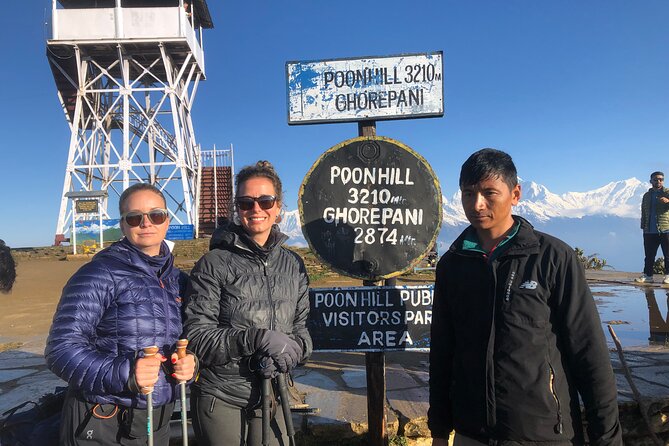
Poon Hill sunrise is part of this circuit plan, and it’s popular for a reason: it’s a high-value payoff for the inconvenience of an early wake-up.
You’re going for sunrise views with mountains catching light, and often that “everybody stands still for a minute” feeling. It’s not only about the photo. It’s about timing. Early light changes contrast, visibility, and the way peaks layer in the distance.
If you tend to hate early mornings, you can still do it with strategy: go to bed when you can, keep your warm gear accessible, and don’t rush your pre-dawn steps. On this trek, slow and steady wins more days than speed.
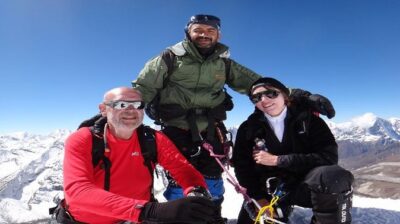
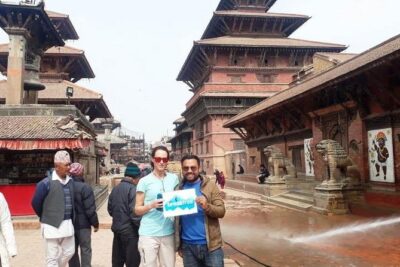
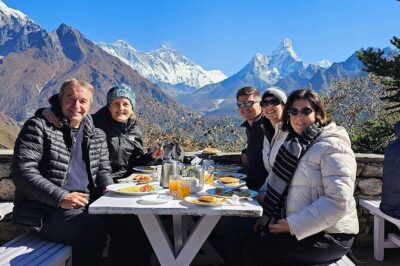
Muktinath Temple (3,410m): a spiritual stop that affects the pace
Muktinath is one of the holiest temples in Nepal, and during the trek you’ll visit it at about 3,410 meters, at the base of Thorong La mountain pass. It’s described as a Shakti Peeth, tied to primordial energy sources in local belief.
Why this stop matters for your trek experience: temples create a natural pause in the itinerary. You’re not just walking uphill or downhill. You’re entering a place where locals and pilgrims slow down, gather, and focus on rituals and prayers.
That can be a welcome change if you’ve spent multiple days in “trek mode.” It can also make altitude feel more real. At 3,410m, you’ll likely feel the air difference, and the temple visit helps you experience the trek as cultural travel, not only physical challenge.
Thorong La crossing at 5,416m: the day you plan for twice
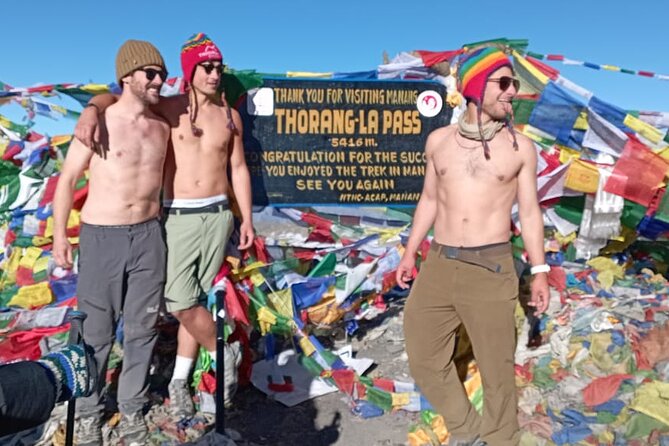
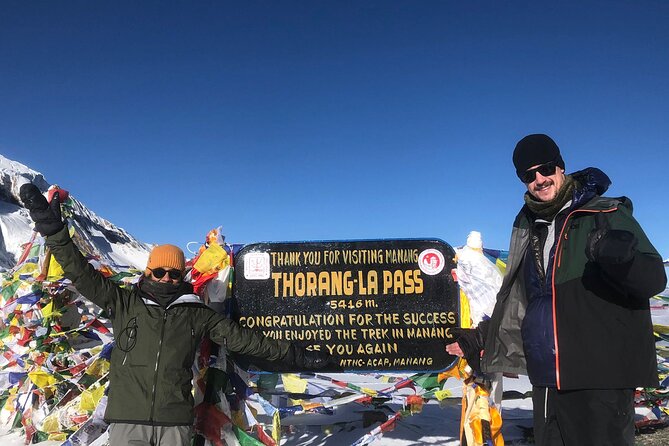
The headline moment on this route is crossing Thorong La pass at 5,416 meters, the highest point on the trek. This is the day your body and your planning have to agree with each other.
You should expect:
- Steeper segments and long stretches where you’ll want to conserve energy.
- Rocky paths and uneven footing.
- Fewer chances to “push,” because altitude makes every decision feel heavier.
A good guide can make a huge difference here. In feedback tied to this experience, guides like Sudam are described as professional, patient, and caring, with a focus on keeping trekkers comfortable. You’ll also see praise for guides such as Pasang and Binod for taking responsibility and looking after trekkers throughout the journey. That kind of guidance matters most on the pass day, when mental focus and pacing are just as important as physical strength.
Your best strategy is boring on purpose:
- Take breaks before you’re totally wiped.
- Keep steps short and controlled.
- Breathe steadily and don’t copy other hikers’ pace unless it matches your breathing.
And remember: this trek is listed for people with moderate physical fitness. Moderate doesn’t mean easy. It means you can hike consistently and you’re willing to adjust when altitude asks you to.
Kali Gandaki gorge: a giant feature you’ll actually feel
This trek includes a major natural highlight: the Kali Gandaki gorge, described as the world’s deepest gorge. That phrasing is dramatic, but the practical point is simple: deep gorge terrain changes how you experience the day.
In practical terms, you’ll likely notice:
- Big depth and steep sides that can make heights feel intense.
- Trail angles that can feel more strenuous than the distance suggests.
- Weather effects, since gorges can behave differently than open ridgelines.
This is another reason the trek works as an “experience,” not just miles. The terrain repeatedly shifts the way you interpret effort.
Descent days and the return route: Tatopani to Pokhara
After the high point, the trek becomes less about conquering altitude and more about regaining a normal rhythm. The itinerary brings you back through a set of familiar trekking villages and then down to Nayapul, where you transition toward Pokhara.
The route includes villages such as Tatopani, Ghorepani, Tikhedhunga, Ulleri, and Nayapul on the way back. Even if you’ve already seen some areas, the feeling is different on the return. You’re lighter mentally, often more patient with breaks, and more focused on the “what now” of finishing strong.
Pokhara is a great landing spot after days on foot. It’s the part of the trip where you can look back at the pass, the temple, and the gorges without needing to move every hour. Your itinerary includes a beautiful end-of-trip experience in the Pokhara valley, while keeping Kathmandu and Pokhara meals flexible since lunch and dinner there are not included.
Guides, porters, and the small group advantage (max 10)
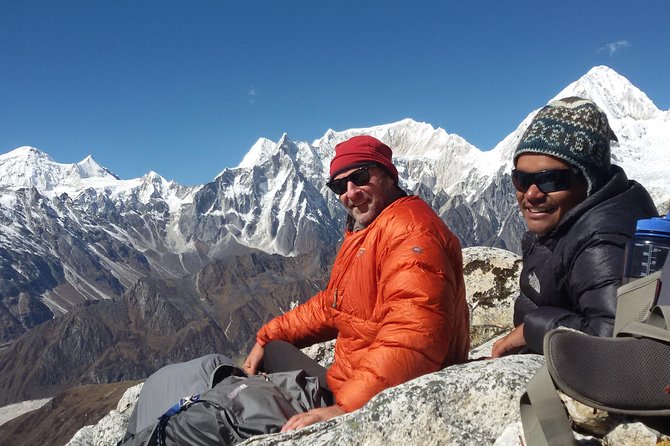
One of the clearest themes in feedback is the quality of the human support. This is a trek where you want organization on day one and steady care on the hardest days.
You’ll also get a maximum of 10 travelers, which is a real advantage. Smaller groups generally mean:
- Less waiting around.
- Easier communication with your guide.
- A smoother pace adjustment when someone hits altitude fatigue.
In the feedback you provided, several guide names show up repeatedly: Sudam, Pasang, Binod, Jayaram, Raju Gurung, and Rajesh Barakoti, along with porters like Dinesh and Majhi. Porters are specifically described as hardworking and supportive, sometimes carrying bags while keeping a positive attitude. That matters, because the trek can feel fairer when the load and logistics are handled well.
The managing director name Mani shows up as well, with credit for planning support and general help. You can think of him as the person behind the scenes who makes sure the pieces line up.
Price and value: what $1,074.88 really covers
At $1,074.88 per person for a trek that’s about 18 days, you’re not just paying for walking days. You’re paying for a lot of the stuff that typically eats time and energy when you try to self-organize.
Included highlights:
- Airport pickup and hotel transfer in Kathmandu
- Kathmandu 3-star hotel
- Kathmandu sightseeing by car
- ACAP permit
- TIMS card
- Drop to the airport
- All program as per itinerary
Not included:
- Lunch and dinner in Kathmandu and Pokhara
- Drinks of any kind
So is it good value? For me, yes—because the big line items (permits, TIMS, core logistics, and guided program flow) are handled. When you’re paying to do a high-altitude trek, that “paperwork + coordination” portion is where trips often go sideways.
The excluded meals are fairly normal. You’ll likely choose your own food routines in town anyway, and having flexibility can be a plus if you like local dishes rather than set menus.
What to pack and how to pace yourself (without overcomplicating it)
You don’t have detailed gear lists in the data you provided, so I’ll keep this practical and general. The two biggest needs for this trek type are warmth for early starts and smart pacing for altitude.
Plan for:
- Cold early mornings (especially around viewpoint days)
- Wind and temperature drops at higher elevations like the pass area
- Foot care for rocky, steep stretches
- Hydration habits that don’t get skipped just because you feel busy
Pacing is the hidden gear. On a route that hits 5,416m, your success often depends more on consistent effort than on hero moves.
If you’re new to trekking, a moderate fitness level can still work if you follow a steady rhythm and don’t try to match other hikers’ pace. Your guide should help manage that.
Who this Annapurna Circuit Trek is best for
This trek fits best if you:
- Want a long, full loop that mixes villages, wildlife-conservation context, and famous highlights.
- Are comfortable with a serious altitude day at Thorong La.
- Like the idea of guided planning and small group structure rather than total self-navigation.
It may not fit if you:
- Want a low-altitude stroll or an itinerary that avoids steep, rocky walking.
- Have health limitations you’re unsure about for high elevation. In that case, it’s worth checking with a medical professional before you commit.
If you enjoy a trek that blends spirituality too—Muktinath is a big one—you’ll probably feel more connected to the journey than just chasing views.
Should you book this Annapurna Circuit Trek?
Book it if you want an organized, classic Annapurna Circuit that gives you the main hits: Poon Hill sunrise, Muktinath Temple, ACAP wildlife context, the Kali Gandaki gorge, and the big altitude test at Thorong La (5,416m). The included permits and planning support are strong value, and the small group size should help keep things calm.
Hold off if you’re uncertain about altitude tolerance. This route is built around the reality of high elevation. If you can commit to steady pacing and a moderate fitness base, it’s a rewarding circuit that feels both adventurous and grounded.
FAQ
How long is the Annapurna Circuit Trek?
The duration is about 18 days (approx.).
Where does the trek start and how do you get moving?
You start in Kathmandu, and you’ll take a scenic bus ride from Kathmandu to Besisahar before your trekking days.
What altitude is Thorong La pass?
Thorong La pass is listed at 5,416 meters and is the highest point of the trek.
What is the altitude of the Muktinath Temple visit?
The Muktinath Temple is at about 3,410 meters.
Is ACAP included in this trek?
Yes. The Annapurna Conservation Area Project permit (ACAP) is included.
Do I get TIMS card coverage?
Yes. The TIMS (Trekkers Information Management system) card is included.
What’s included in the Kathmandu part of the trip?
You get pickup from the airport, transfer to a hotel, and Kathmandu sightseeing by car. Accommodation in Kathmandu is at a 3-star level hotel.
What’s not included in the overall price?
Lunch and dinner in Kathmandu and Pokhara are not included, and drinks of any kind are also not included.
What group size should I expect?
The maximum number of travelers is 10.
What happens if the weather is poor?
This experience requires good weather. If it’s canceled due to poor weather, you’ll be offered a different date or a full refund.
More Trekking Out of Kathmandu
More Tour Reviews in Kathmandu
Just Reviewed in Kathmandu
- Mountain Bike Tour
★ 5.0 · 3 reviews - Annapurna Panaroma
★ 5.0 · 3 reviews - Mount Everest Scenic Flight 50 Minutes
★ 5.0 · 3 reviews - Kathmandu : Swambhunath & Durbar Square Guided Half Day Tour
★ 3.3 · 3 reviews - Chandragiri Cable Car & Monkey Temple Tour – Private/Group
★ 5.0 · 3 reviews - Kathmandu: Shivapuri National Park Hiking Day Trip
★ 3.3 · 3 reviews
Annapurna Circuit Treks, compared.
 ★ 5.0Annapurna Circuit Trek with Tilicho LakeFrom $1,093368 reviews
 ★ 5.0Annapurna Circuit TrekFrom $1,17594 reviews
★ 5.0Annapurna Circuit TrekFrom $2,24067 reviews
★ 5.0Annapurna Circuit TrekFrom $1,35046 reviews
★ 5.0Annapurna Circuit TrekFrom $1,15035 reviews
★ 5.0Annapurna circuit TrekFrom $99835 reviews
★ 5.0Annapurna Circuit TrekFrom $97534 reviews
★ 5.0Annapurna Circuit TrekFrom $99427 reviews
★ 5.0Annapurna Circuit TrekFrom $1,17594 reviews
★ 5.0Annapurna Circuit TrekFrom $2,24067 reviews
★ 5.0Annapurna Circuit TrekFrom $1,35046 reviews
★ 5.0Annapurna Circuit TrekFrom $1,15035 reviews
★ 5.0Annapurna circuit TrekFrom $99835 reviews
★ 5.0Annapurna Circuit TrekFrom $97534 reviews
★ 5.0Annapurna Circuit TrekFrom $99427 reviews
Browse the lists this tour appears in