
Review · ANNAPURNA CIRCUIT TREKS
Annapurna Circuit Trek
A trek that feels like a whole country in one line. This Annapurna Circuit route blends big Himalayan days with practical pacing and a licensed local team in a group capped at 15. I love that you get a structured start (airport pickup, guided sightseeing, then a clear trek rhythm) plus support that focuses on safety and steady progress. I also like that the program builds in an acclimatization day in Manang, not just a long march and wishful thinking. One thing to consider: you’ll hit major altitude above 3000m, and the itinerary’s long pass day means you need to take acclimatization seriously.
Key strengths also show up in past feedback: guides like Tikaram, Ganesh, and Ram are repeatedly praised for being patient and proactive, with porters who keep the operation running smoothly. You’ll still be doing the work—this is real trekking with 5–7 hours walking most days—so the right mindset (and fitness) matters.
In This Review
- What makes this Annapurna Circuit plan work
- Getting from Kathmandu to the trek: culture first, then altitude
- Day-by-day trek flow: what each section is really doing
- Days 3–5: the drive into trekking country (Bhulbhule, Jagat, Dharapani)
- Days 6–8: Chame and Pisang—valleys tighten, views widen
- Day 9: acclimatization day in Manang
- Days 10–11: higher pastures to High Camp (Ledar, High Camp)
- The big moment: Thorang La pass and Muktinath
- The finish: Jomsom to Pokhara by flight, then Kathmandu reset
- Price and logistics: what $1,350 buys (and what it doesn’t)
- The altitude + fitness reality check
- Water, permits, and small rules that save headaches
- Lodging and rooms: what twin sharing actually means
- Should you book this Annapurna Circuit trek?
- FAQ
- What city does the trek start from?
- What time does the group meet on day one?
- How long is the Annapurna Circuit trek on this program?
- What’s the group size limit?
- Do you need permits or extra paperwork?
- Where do you stay during the trek?
- Is altitude sickness a concern on this itinerary?
- How is drinking water handled on the trek?
- What meals are included, and what costs extra?
- Is travel insurance required?
- Can I cancel for a full refund?
What makes this Annapurna Circuit plan work
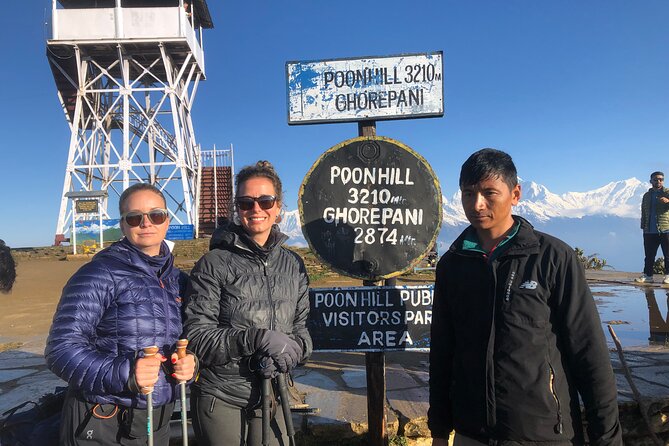
Guides and porters you can rely on. Many trips are led by experienced English-speaking guides such as Tikaram, Ganesh, Ram, Binod, and Shankar (names vary by departure). The consistent theme: check-ins, encouragement, and calm handling when things get tough.
An acclimatization buffer in Manang. You get a full day to adjust and do day walks, which helps you handle the later push toward Thorang La and the descent.
Lodges instead of camping. You sleep in family-run lodges with breakfast during trekking days. That means less packing and more flexibility than expedition-style travel.
A real logistics backbone. Airport transfers, Kathmandu and Pokhara hotels in twin sharing, overland transport from Kathmandu toward the trek start, and the included flight from Jomsom to Pokhara remove some of the most annoying travel headaches.
Moderate daily effort (but not easy). Expect about 10–14 km and 5–7 hours most days. If you’re ready to walk daily, the route feels rewarding rather than chaotic.
More trails out of Kathmandu, boots ready
- Everest Base Camp Trek – 14 Days★ 5.0 · 1,499 reviews
- Everest Base Camp Trek★ 5.0 · 842 reviews
- Everest Base Camp Trekking★ 5.0 · 485 reviews
- Nagarkot Sunrise View and Day Hiking from Kathmandu★ 5.0 · 471 reviews
Getting from Kathmandu to the trek: culture first, then altitude
You start in Kathmandu, with an airport pickup and a welcome dinner on Day 1. Then the program shifts gears fast into sightseeing, which is a smart way to get your bearings before you start counting steps.
Days 2 covers four major cultural stops, each with a different feel:
- Boudhanath Stupa: huge and hypnotic, a place where you’ll see pilgrims moving slowly and steadily.
- Pashupatinath Temple: an iconic Hindu site with a very specific, spiritual atmosphere.
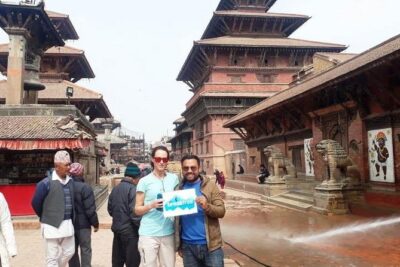
- Patan Durbar Square: more craft-heavy and quieter than you might expect, with historic buildings packed close.
- Swayambhunath Temple: a classic hilltop viewpoint with lots of religious detail and sweeping views over Kathmandu.
The practical benefit here is timing. You won’t be rushing straight from the airport into thin air. You’ll also learn how your guide handles tickets, pacing, and group logistics before trekking begins.
One note for your own planning: the itinerary lists temple visits with admission tickets not included. So bring a bit of cash for entry fees and small purchases.
Day-by-day trek flow: what each section is really doing
This trek is designed like a ladder. Each day teaches you something: how you walk, how your body reacts, and how the scenery changes when the altitude climbs.
Days 3–5: the drive into trekking country (Bhulbhule, Jagat, Dharapani)
You head from Kathmandu toward the trek corridor with a long drive to Bhulbhule (about 7–8 hours). The payoff is the slow reveal of mountain scenery, rivers, and jungle-like areas before you ever pick up a backpack.
Then the walking days start:
- Jagat (Day 4): you pass paddy and muddy fields, plus waterfalls and green hills with mountain views. This is where your legs wake up gently.
- Dharapani (Day 5): the route runs along the Kali Gandaki valley banks and includes a suspension bridge, plus a climb to Mani stone at around 1960m.
Why this matters: early days let you find a steady hiking tempo. You’re not yet at the pass, but you’re learning how to move efficiently.
Days 6–8: Chame and Pisang—valleys tighten, views widen
- Chame (Day 6): a headquarter village in the Manang area. The day includes a steep ascent via Danaque toward Timang, which is a “work day” that still offers scenery rewards.
- Pisang (Day 7): fir and pine forests, rocky climbs, then a trail toward Bhratang and a valley with strong views of Annapurna II and Pisang Peak.
- Manang (Day 8): another steep ridge day into the Manang valley. You descend toward Manang’s airstrip at Hungde and get broad sightlines that include Annapurna III/IV viewpoints from the wider plains area.
If you like variety, these days deliver. You’re not stuck in one type of terrain. Forest walking shifts to stone and ridge work, and the sense of “the Himalaya is close” becomes more real.
Day 9: acclimatization day in Manang
You get a full acclimatization day in Manang. This is the single biggest “good decision” in the schedule for altitude management. Instead of pushing higher, you do day walks and enjoy the views around the village.
Practical tip: on acclimatization days, the goal is to stimulate your body without overtaxing it. You’re building tolerance for higher altitude, not trying to “win” the trek by walking the most.
Days 10–11: higher pastures to High Camp (Ledar, High Camp)
- Ledar (Day 10): a steep trail through Tenki Manang, leaving Marshyandi valley. You cross near the Jarsang River and reach Yak kharka, pasture land where yaks graze.
- High Camp (Day 11): the tough lead-in day. The path is rough, includes narrow sections over the Kali Gandaki River, and has some sharp up-and-down stretches.
This is where your packing decisions matter. If your boots fit well and your layers work, you’ll feel more in control. If not, you’ll feel it in your feet.
The big moment: Thorang La pass and Muktinath
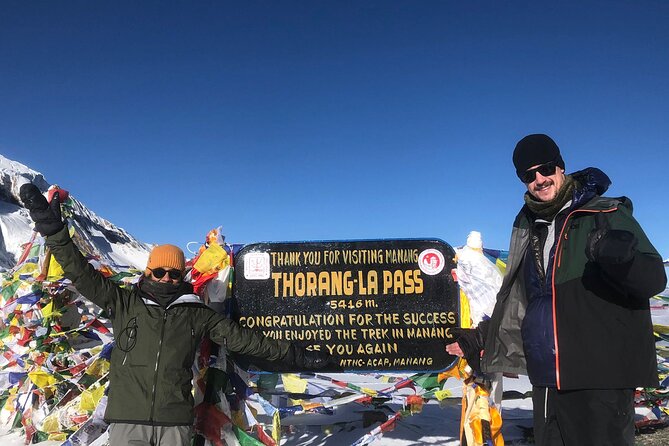
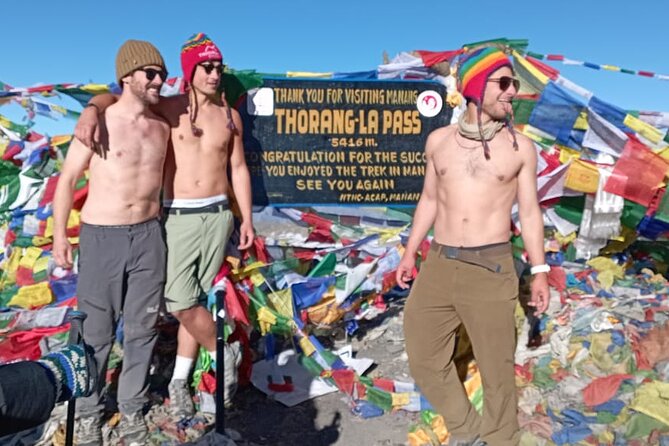
Day 12 is the pass day.
- Muktinath is the overnight destination after crossing Thorang La Pass (noted as a tougher day in the plan). The walking time listed is 7 hours, and the route follows trails toward Muktinath.
Even if you’re not a mountain climber, your body will notice the altitude here. The best way to handle pass day is simple: slow down early, keep your breathing steady, and don’t treat this like a race. Your guide and group pace are there for a reason.
Day 13:
- Jomsom (after spending a few hours at Muktinath): you continue onward for 5 hours.
Muktinath matters beyond the pass. It’s the kind of destination that makes the Himalaya feel like a lived-in spiritual region, not just a view from the trail.
The finish: Jomsom to Pokhara by flight, then Kathmandu reset
Day 14 is a big win: you take an early flight from Jomsom to Pokhara. Trekking fatigue is real by this point, and flight day is a clean way to recover without losing a day to travel.
In Pokhara, you can get freshened up and then choose how to spend your time:
- visit the city, or
- consider an optional helicopter tour to Annapurna Base Camp.
Day 15 drives back to Kathmandu by tourist bus (about 6–7 hours) or you can fly Pokhara to Kathmandu if you prefer.
Day 16 returns to the airport for your onward flight.
What I like about this ending: it’s not a forced “sleep in a bus and suffer” conclusion. You get a real reset before your next travel leg.
Price and logistics: what $1,350 buys (and what it doesn’t)
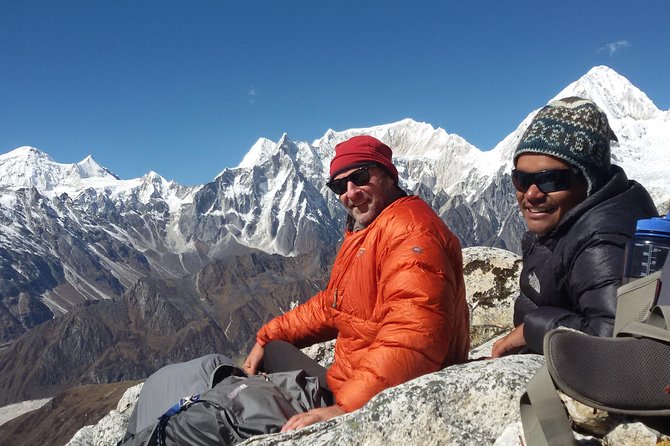
At $1,350 per person for about 16 days, the value depends on how much you want “handled for you” versus DIY planning.
Here’s what’s covered (the useful stuff):
- Airport pickup & drop in Kathmandu
- Transportation by bus on key segments (Kathmandu to the trek area, then Pokhara to Kathmandu)
- Twin sharing 3-star hotels in Kathmandu and Pokhara on a B&B basis
- Trek lodging in lodges with breakfast during trekking days
- Meals, accommodation, insurance, and other expenses for the trekking crew
- Kathmandu and Pokhara guided sightseeing
- TIMS and trekking permits
- Trek equipment support: sleeping bag and duffle bag if needed
- The Jomsom–Pokhara flight
- Government taxes and office expenses
- Welcome dinner on Day 1
What’s not included (so you don’t get surprised):
- Lunch and dinner in Kathmandu, Pokhara, and on trekking days
- City sightseeing entry fees in Kathmandu
- Your international flight to/from Nepal
- Personal expenses
- Visa in Kathmandu airport upon arrival (listed as available with an added charge)
And one more “real-world” detail: during trekking, you’re in simple lodges. Bathrooms are typically outside rooms, and hot water is dependent on solar panels, so warm showers can’t be counted on every day.
The altitude + fitness reality check
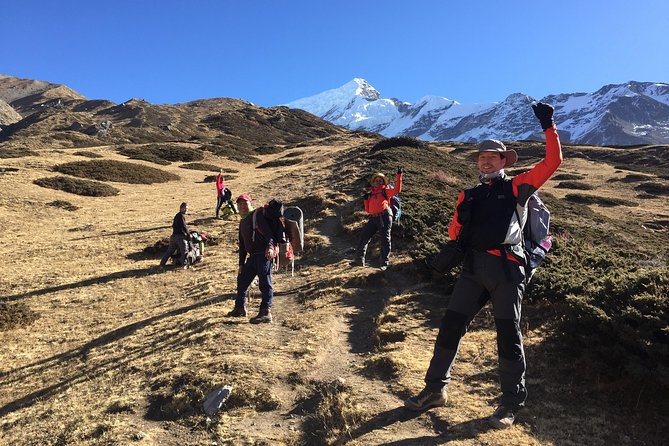
This itinerary notes altitude sickness can start around 3000 meters. So even if you feel fine now, you need a plan for later.
The trek is recommended for people with moderate fitness and suggests training like stair climbing, jogging, and gym work for months before you arrive. It also says it can be suitable for fit people in their early 60s—so long as you take acclimatization seriously and follow pacing guidance.
Also pay attention to the daily workload:
- about 5–7 hours walking
- around 10–14 km per day
- and a maximum porter load system: one porter supports two people, with a weight limit of 10–13 kg per person.
For packing, keep it practical:
- sturdy hiking boots
- a jacket suitable for cold temperatures (the plan suggests around zero degrees Celsius for November through early March, and about 4–6 degrees Celsius for other times)
- water bottle
- layers that handle morning cold and midday sun
Water, permits, and small rules that save headaches
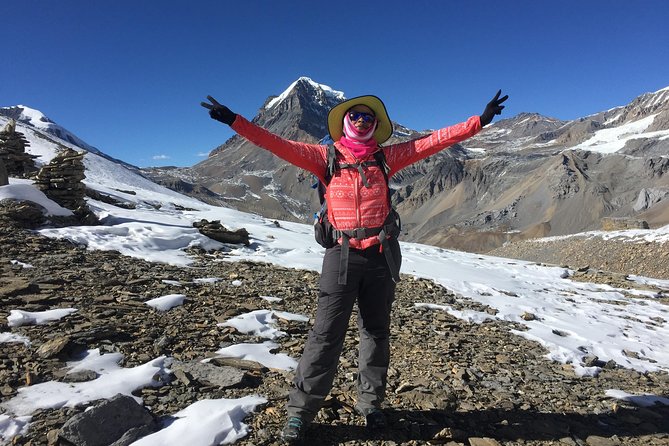
On trek days, you’ll deal with water and paperwork. The plan gives you a workable approach:
- Use water purification tablets or refill from regulated “pure water” stations along the trek.
- As a last option, you can buy bottled water at lodges, but it’s not recommended.
- The guidance is to drink at least 3 liters of pure water daily.
Permits matter too. It states you should bring two photos for your trekking permit. If you skip that, you can lose time at the worst possible moment.
Finally, Nepal cash rules: only Nepali rupees are accepted on the trek. So budget withdrawals and carry some bills.
Lodging and rooms: what twin sharing actually means
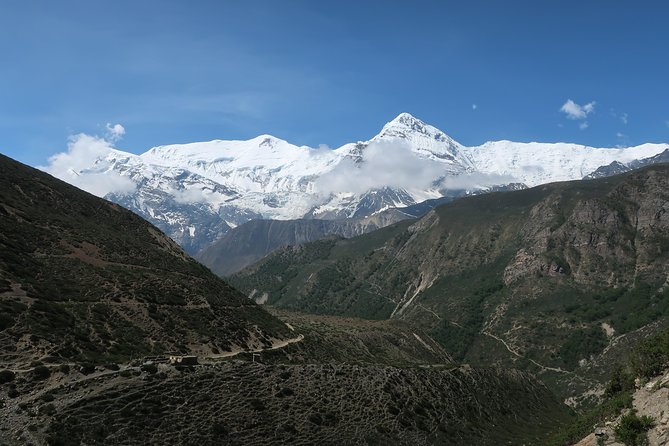
In Kathmandu and Pokhara, you’re in twin sharing rooms. On the trek, rooms are simpler and not always available as true private doubles.
The plan notes that even if you purchase a single supplement, some lodges may not have enough rooms for full privacy, and you might still share on certain days. If privacy is a top priority for you, you’ll want to ask about how the operator handles room availability for your exact departure.
Should you book this Annapurna Circuit trek?
Book it if you want:
- a well-structured circuit with an acclimatization day
- guided support from English-speaking leaders (names like Tikaram, Ganesh, Ram, Binod, and Shankar show up often in strong feedback)
- lodge trekking that keeps the focus on walking and scenery rather than logistics stress
- a smooth finish with the Jomsom to Pokhara flight
Skip it (or choose a different departure) if:
- you’re not comfortable committing to daily multi-hour walks
- altitude worries you and you can’t follow pacing guidance
- you dislike cold mornings and the idea that hot showers may be limited
FAQ
What city does the trek start from?
This tour starts in Kathmandu, Nepal, with meeting at Tribhuvan Airport.
What time does the group meet on day one?
The meeting time is listed as 6:00 am at Tribhuwan International Airport.
How long is the Annapurna Circuit trek on this program?
The duration is listed as 16 days (approx.), including time for Kathmandu sightseeing and the Pokhara and Kathmandu travel days.
What’s the group size limit?
The tour notes a maximum of 15 travelers.
Do you need permits or extra paperwork?
Yes. The tour includes TIMS and necessary trekking permits. You’ll also need two photos for your trekking permit.
Where do you stay during the trek?
You’ll stay in simple lodges run by Nepali families, with breakfasts included during trekking days. Bathrooms are typically outside the rooms, and hot water depends on solar panels.
Is altitude sickness a concern on this itinerary?
The plan states altitude sickness can start around 3000 meters. Day 12 includes crossing Thorang La Pass, so altitude management is a real part of the trek.
How is drinking water handled on the trek?
You can use purification tablets or refill from regulated “pure water” stations. The guidance is to drink at least 3 liters of pure water daily.
What meals are included, and what costs extra?
Breakfast is included during trekking days. The tour states that lunch and dinner in Kathmandu, Pokhara, and on trekking days are not included.
Is travel insurance required?
The information says it is strongly advised and notes insurance is compulsory for clients taking EBC or Annapurna Circuit treks, covering personal injury, medical expenses, rescue, and related costs.
Can I cancel for a full refund?
The policy states free cancellation is available if you cancel up to 24 hours in advance of the experience start time, with a full refund if you meet that cutoff.
More Trekking Out of Kathmandu
More Tour Reviews in Kathmandu
Just Reviewed in Kathmandu
- Mountain Bike Tour
★ 5.0 · 3 reviews - Annapurna Panaroma
★ 5.0 · 3 reviews - Mount Everest Scenic Flight 50 Minutes
★ 5.0 · 3 reviews - Kathmandu : Swambhunath & Durbar Square Guided Half Day Tour
★ 3.3 · 3 reviews - Chandragiri Cable Car & Monkey Temple Tour – Private/Group
★ 5.0 · 3 reviews - Kathmandu: Shivapuri National Park Hiking Day Trip
★ 3.3 · 3 reviews
Annapurna Circuit Treks, compared.
 ★ 5.0Annapurna Circuit Trek with Tilicho LakeFrom $1,093368 reviews
 ★ 5.0Annapurna Circuit TrekFrom $1,17594 reviews
★ 5.0Annapurna Circuit TrekFrom $2,24067 reviews
★ 5.0Annapurna Circuit TrekFrom $1,07449 reviews
★ 5.0Annapurna circuit TrekFrom $99835 reviews
★ 5.0Annapurna Circuit TrekFrom $1,15035 reviews
★ 5.0Annapurna Circuit TrekFrom $97534 reviews
★ 5.0Annapurna Circuit TrekFrom $99427 reviews
★ 5.0Annapurna Circuit TrekFrom $1,17594 reviews
★ 5.0Annapurna Circuit TrekFrom $2,24067 reviews
★ 5.0Annapurna Circuit TrekFrom $1,07449 reviews
★ 5.0Annapurna circuit TrekFrom $99835 reviews
★ 5.0Annapurna Circuit TrekFrom $1,15035 reviews
★ 5.0Annapurna Circuit TrekFrom $97534 reviews
★ 5.0Annapurna Circuit TrekFrom $99427 reviews
Browse the lists this tour appears in