
Review · ANNAPURNA CIRCUIT TREKS
13 Days Trekking in Annapurna Circuit
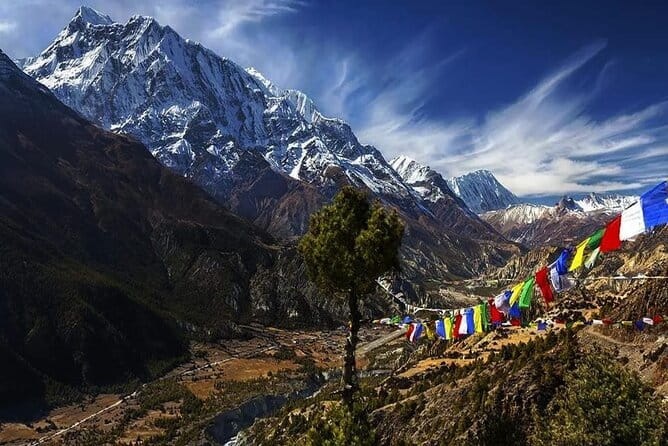
Thorong La Pass changes the whole trek. This 13-day, lodge-based circuit crosses Nepal’s high pass at 5,416m, with steady village-to-alpine walking and daily scenery that keeps shifting as you gain altitude.
I especially like the practical setup: tea house accommodations plus all standard breakfast, lunch, and dinner during the trek, so you’re not juggling logistics at altitude. I also like the human support. On this route you’ll be guided by a government-licensed, helpful guide (the names Ravi and Sandip show up in standout experiences), and the trip includes a first-aid kit with an oximeter.
One consideration: Thorong La day is demanding. The itinerary is clear about a steep, early start for the pass, and you’ll want moderate fitness plus a real pace mindset, not a push-to-the-finish attitude.
In This Review
- Key highlights you’ll feel on the ground
- A Two-Week Circuit Built Around Thorong La
- Price and Value: What $809.10 Covers
- Day 1 Transfers and the First Walking Day from Kathmandu
- Bulbule to Dharapani: Villages, Bridges, and Changing Vegetation
- Chame, Lower Pisang, and Manang: Culture Meets Altitude
- Acclimatization in Manang with Lake and Monastery Options
- Yakkharka and Thorong Phedi: The Trail Gets Serious
- Thorong La Pass Day at 5,416m
- Pokhara Finish and How to Plan Your Next Move
- Small Tips That Make a Big Difference on This Trek
- Should You Book This 13-Day Annapurna Circuit?
- FAQ
- What is the main highlight of this Annapurna Circuit trek?
- Are meals and tea house accommodations included?
- What transport is included before and after the trek?
- Is a guide included?
- Do I need to pay for permits and TIMS separately?
- Is there any safety equipment included?
- Can I cancel for free?
Key highlights you’ll feel on the ground
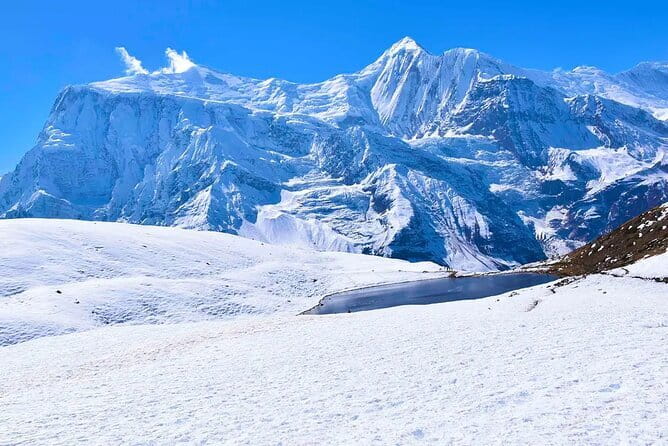
- Thorong La Pass crossing (5,416m) with early-hours effort and big 360-degree views
- Tea house trekking with full meals included, including breakfast tea or coffee
- Government-licensed guide support, including hands-on help with food and lodging choices
- Acclimatization built in at Manang, with options like Gangapurna Lake or Praken Monastery
- Safety-minded basics: first-aid kit and an oximeter included
- Private group experience, with shared road legs and private transfer at the end
More trails out of Kathmandu, boots ready
- Everest Base Camp Trek – 14 Days★ 5.0 · 1,499 reviews
- Everest Base Camp Trek★ 5.0 · 842 reviews
- Everest Base Camp Trekking★ 5.0 · 485 reviews
- Nagarkot Sunrise View and Day Hiking from Kathmandu★ 5.0 · 471 reviews
A Two-Week Circuit Built Around Thorong La
The Annapurna Circuit is famous for a reason: it stacks huge changes into a trek that still feels walkable. Over about 13 days, you move from warmer lower valleys into colder, higher terrain as your body adjusts. The best part is that the route doesn’t just spike up and stop. It gives you multiple chances to settle in, eat well, and learn how the altitude feels before you go for the high point.
This version stays lodge-based. That matters because you can plan your day around walking time, not around hunting food or shelter. You’ll also keep a steady rhythm: mornings on trail, evenings in tea houses, and a guide who handles the flow so you can focus on breathing, steps, and staying steady.
The pass day is the headline, but the real magic is the build-up. You’ll spend a lot of time gradually working upward, watching the vegetation thin and the views sharpen. By the time Thorong La arrives, it doesn’t feel like a random stunt. It feels like the culmination of the whole hike.
Price and Value: What $809.10 Covers
At $809.10 per person, the value depends on what you’re comparing it to. If you try to DIY this trek, you quickly spend money on guides, permits, and logistics—and you still might end up scrambling for the practical pieces.
What you do get here is the trip’s core foundation:
- Tea house lodging during the trek
- All standard meals (breakfast, lunch, dinner) during the trek
- Breakfast tea or coffee
- A licensed guide (plus guide support for food and accommodation arrangements)
- Trekking route map
- Annapurna Conservation permits and the TIMS fee
- A first-aid kit with normal supplies including an oximeter
- Transfers to start the trekking region and a private transfer from the trek’s end into Pokhara, plus one night hotel in Pokhara with breakfast
What’s not included is equally important: your Nepal entry visa fees and form, transport back to Kathmandu after Pokhara, personal expenses, and a porter for extra baggage if you want one. So the honest approach is this: budget for your visa, any extra nights, and any post-trek travel you plan beyond Pokhara.
If you want a guided trek where most of the day-to-day friction disappears, this price is easier to justify. If you want total control and already have a guide and permits handled, it may feel more expensive than DIY. But for many people, buying the structure is the smart trade.
Day 1 Transfers and the First Walking Day from Kathmandu
Your trek starts with a long scenic transfer day. The plan is to leave Kathmandu in the morning and move toward the Besisahar / Bulbule area (820m) for a first step into the circuit. Expect a lot of road time—this is not a quick hop into trail boots.
Why I think this matters: the Annapurna Circuit is already a “work for it” route. A proper transfer day reduces the chance that you’ll arrive exhausted and try to force the first day’s pace. Once you’re in the right starting zone, the first trekking day can feel like walking, not survival.
On a practical level, you should also plan for early starts. The meeting windows are early-day blocks (Monday to Sunday, with times listed around 6:15–7:15 AM and 8:15–9:15 AM). If you’re arriving into Kathmandu the day before, you’ll want sleep more than shopping.
Bulbule to Dharapani: Villages, Bridges, and Changing Vegetation
Days 2 through 4 set the tone: friendly villages, trail segments that teach you how to hike, and steady altitude gain.
Bulbule to Bahundanda (Day 2)
You start trekking from Bulbule to Bahundanda, moving through charming village paths and terraced fields. This day is a good “gear check” for your body. You’re not thrown into extreme conditions right away, which gives you time to test layers, water habits, and your walking rhythm.
Bahundanda to Chamche (Day 3)
This is where the route starts to feel more dramatic. Dense forests, several suspension bridges, and a trek that involves descending toward the Marsyangdi River area, then building back upward. If you like seeing how a river system carves a valley, this is a great day for it.
The subtle benefit of a day like this: suspension bridges and forested segments tend to slow your pace naturally. That’s good. It helps you avoid the common mistake of starting too fast.
Toward Dharapani (Day 4)
As you trek toward Dharapani, you pass through Gurung and Manangi villages. The terrain also starts to feel like it’s moving from subtropical toward more alpine. For a lot of hikers, this is when the circuit shifts from “pleasant trekking” into “this is mountain travel.”
Potential drawback here: the walking day-to-day adds up. Even when the terrain is not the toughest, it’s still a lot of hours on your feet. Wear shoes you already trust.




Chame, Lower Pisang, and Manang: Culture Meets Altitude
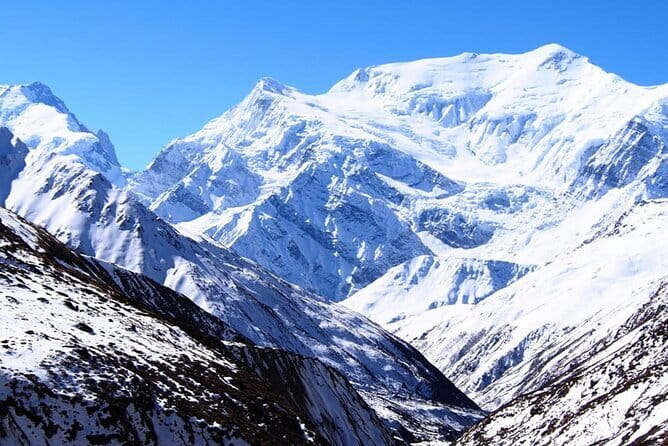
Days 5 through 7 bring bigger mountain views and a clear cultural contrast as you go higher.
Chame (Day 5)
You reach Chame, the administrative center of the Manang District. Expect strong viewpoints on the way, including views of Lamjung Himal and Annapurna II. The vegetation shifts again, with stretches through pine forests as you gain altitude.
This is a good day to pay attention to how you breathe. You might not feel bad, but you’ll notice the thinness. That’s your cue to keep your pace calm.
Lower Pisang (Day 6)
From Chame you continue toward Lower Pisang, passing forests and small villages. The mountain views—Annapurna II, III, and IV—are described as more spectacular as you approach Pisang, a traditional Manangi village.
If you like photos, this is part of the circuit where the sky can make your camera work overtime. If you don’t like photos, it still helps because wide viewpoints make the day feel less monotonous.
Manang (Day 7)
Then you get to Manang, known for its traditional Tibetan culture and Buddhist monasteries. This is also where you rest and acclimatize, because you’re nearing higher altitudes.
What I like about this structure: it keeps your body from being “forced” into altitude all at once. You’re in the right place to take recovery seriously.
Acclimatization in Manang with Lake and Monastery Options
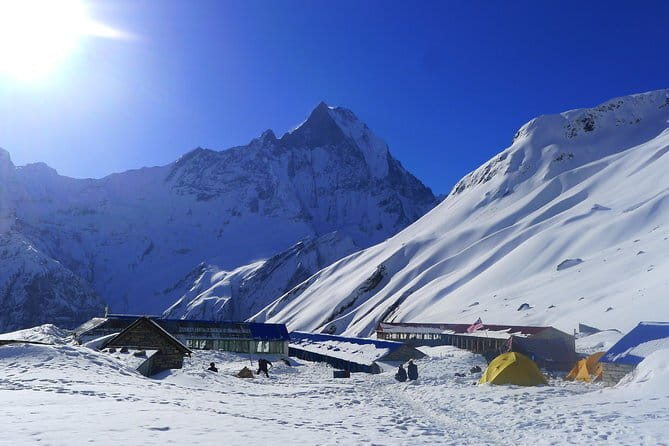
Day 8 is your acclimatization day, and it’s one of the biggest value adds of this itinerary. You’re not just sitting. You’re using the time wisely.
Two option types are built in:
- A hike to Gangapurna Lake
- A short trek to Praken Monastery for panoramic views, including Gangapurna, Annapurna III, and Himalchuli
You might not hit the same altitude every day, but you will practice moving in thin air. That helps your brain learn that being winded is normal and that slow movement is the winning strategy.
If you’re the type who feels guilty resting, don’t. An acclimatization day is not wasted time on this route. It’s your insurance policy for the pass.
Yakkharka and Thorong Phedi: The Trail Gets Serious
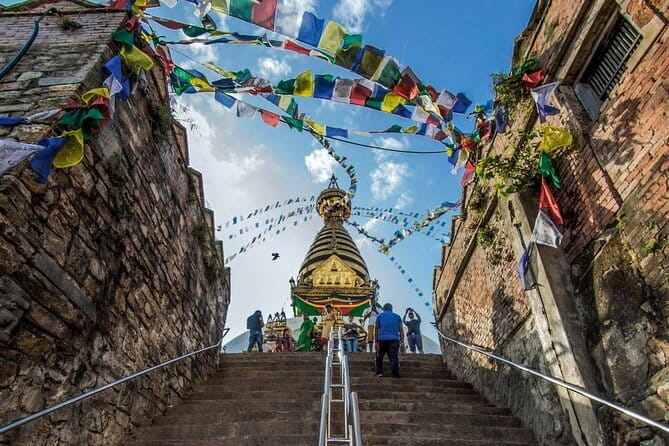
Day 9: Manang to Yakkharka
As you trek toward Yakkharka, the route gets higher and more exposed. Sparse forests and high-altitude scenery start taking over. Approaching Yakkharka, you get incredible views of Annapurna II and Gangapurna. You overnight in Yakkharka.
This is also a day to practice “low drama” hydration and eating. Higher altitude tends to mess with appetite, and you want steady energy for the next push.
Day 10: Thorong Phedi
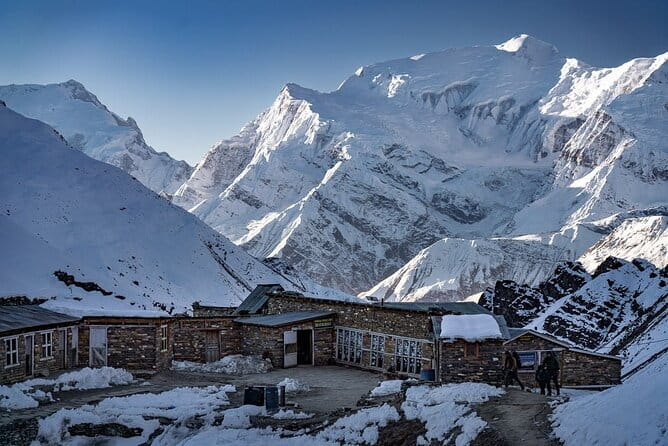
Next you go to Thorong Phedi, the base camp area before Thorong La. The trail is described as steeper as you approach higher altitudes, so the real takeaway is pacing. You’ll likely feel the change from village-to-pass legs here.
Don’t treat this day like a warm-up. Treat it like the final rehearsal. If your body is already tired, the pass day will feel worse. If you arrive calm, you give yourself options on how to manage the climb.
Thorong La Pass Day at 5,416m
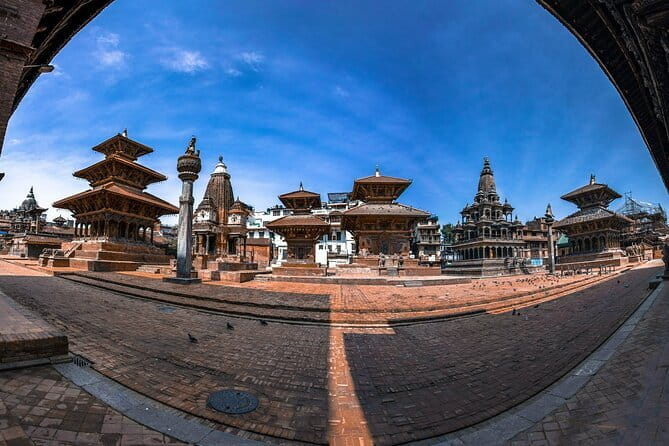
This is the marquee day: Day 11 is described as the most challenging and rewarding. The plan calls for starting early so you can tackle Thorong La Pass (5,416m).
What you can expect:
- A demanding climb where your pace matters more than your speed
- Views from the top described as 360-degree panoramas of the Himalayas
- A sense that the whole circuit has led you to this one big moment
You don’t need me to tell you that altitude feels different at 5,416m. The practical angle is this: start slower than you think you need to. Early in the climb, you might feel surprisingly okay. That’s the time to preserve energy.
Also, plan for the emotional swing. People often feel euphoric at the top, then tired fast on descent. Having a guide who’s used to keeping the group moving at safe, steady effort is a real comfort—especially if you’re doing your first real Himalayan trek.
The itinerary doesn’t spell out every detail of the post-pass descent, but it does keep you moving toward the trek’s end so you can transition into the drive day afterward.
Pokhara Finish and How to Plan Your Next Move
Day 12: Drive to Pokhara
After completing the trek, you take a bus drive to Pokhara. The plan includes a team dinner to mark the end of the trekking days, plus time to get ready for wherever you go next.
Day 13: Freedom day in Pokhara
After that, you can set up your next destination: more time in Pokhara, onward travel like Chitwan National Park, or returning to Kathmandu. The operator says they can still help with arrangements.
Why I think this finish is useful: you’re not just dumped back into a city and told good luck. You have a planned transition day so you can recover, eat a proper meal, and decide what sounds good next.
It’s also where your “what did I pack too much of” problems show up. If you kept a light pack, you’ll feel grateful. If you carried too much, you’ll know it.
Small Tips That Make a Big Difference on This Trek
A trek this structured still needs your smart decisions.
- Take acclimatization seriously on Day 7 and Day 8. The itinerary builds it in for a reason, and it’s your best tool before Thorong La.
- Plan your energy for the pass day. The schedule explicitly says the pass is the hardest day and calls for an early start.
- Ask your guide how they want you to manage pace. In the experiences tied to guides like Ravi and Sandip, the help isn’t just directions. It’s comfort with food and accommodation choices, plus attention to details that keep the trek running smoothly.
- Use the included safety gear wisely. A first-aid kit with an oximeter doesn’t mean you ignore symptoms; it means you have another way to respond responsibly if altitude affects you.
- If you want a porter for extra baggage, remember it’s not included. If you’re unsure, bring up your packing plan early.
Should You Book This 13-Day Annapurna Circuit?
I’d book this if you want:
- A guided, lodge-based circuit where most meals and lodging are handled
- Built-in acclimatization time in Manang with actual hike options
- A high point that’s clearly scheduled, starting early for Thorong La (5,416m)
- Transfers that go beyond “figure it out,” including a Pokhara finish and one hotel night with breakfast
I’d think twice if you:
- Want to self-plan permits, meals, and tea house stops
- Are sensitive to very early starts and long road days
- Don’t want to handle extra costs beyond what’s listed (visa, personal expenses, extra nights, and transport back to Kathmandu)
If you want the Annapurna Circuit experience with structure and real support, this setup makes a strong case for your time and budget.
FAQ
What is the main highlight of this Annapurna Circuit trek?
The itinerary is built around crossing Thorong La Pass (5,416m), with an early start for the pass day and big 360-degree views from the top.
Are meals and tea house accommodations included?
Yes. The trek includes standard meals (breakfast, lunch, dinner) and tea house accommodations during the trek. Breakfast also includes a cup of tea or coffee.
What transport is included before and after the trek?
You get public bus transport from Kathmandu to Besisahar, plus shared transport for part of the route (listed as sharing transportation to Nyadi). After the trek ends, you have private transportation to Pokhara, plus one night hotel in Pokhara with breakfast.
Is a guide included?
Yes. The trip includes a government-licensed experienced guide who helps with the trekking route and also with practical items like food and accommodation arrangements.
Do I need to pay for permits and TIMS separately?
No. Annapurna Conservation permits and the TIMS fee are included.
Is there any safety equipment included?
Yes. The package includes a first aid box with normal medical supplies, including an oximeter.
Can I cancel for free?
Yes. There is free cancellation up to 24 hours in advance for a full refund. If you cancel less than 24 hours before the start time, the amount paid is not refunded.
More Trekking Out of Kathmandu






More Tour Reviews in Kathmandu




Just Reviewed in Kathmandu
- Mountain Bike Tour
★ 5.0 · 3 reviews - Annapurna Panaroma
★ 5.0 · 3 reviews - Mount Everest Scenic Flight 50 Minutes
★ 5.0 · 3 reviews - Kathmandu : Swambhunath & Durbar Square Guided Half Day Tour
★ 3.3 · 3 reviews - Chandragiri Cable Car & Monkey Temple Tour – Private/Group
★ 5.0 · 3 reviews - Kathmandu: Shivapuri National Park Hiking Day Trip
★ 3.3 · 3 reviews
Annapurna Circuit Treks, compared.
 ★ 5.0Annapurna Circuit Trek with Tilicho LakeFrom $1,093368 reviews
 ★ 5.0Annapurna Circuit TrekFrom $1,17594 reviews
★ 5.0Annapurna Circuit TrekFrom $2,24067 reviews
★ 5.0Annapurna Circuit TrekFrom $1,07449 reviews
★ 5.0Annapurna Circuit TrekFrom $1,35046 reviews
★ 5.0Annapurna Circuit TrekFrom $1,15035 reviews
★ 5.0Annapurna circuit TrekFrom $99835 reviews
★ 5.0Annapurna Circuit TrekFrom $97534 reviews
Browse the lists this tour appears in