
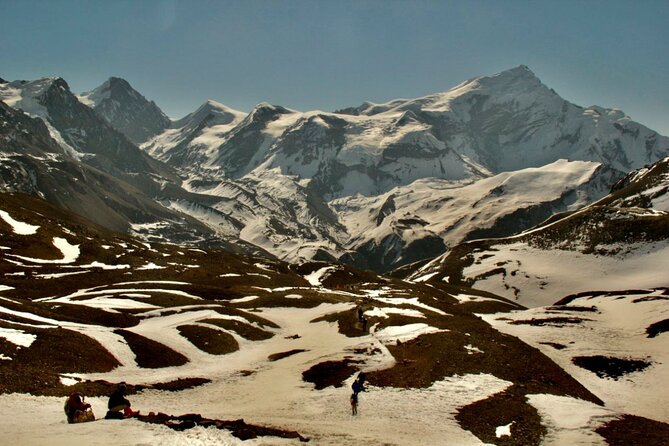
Review · ANNAPURNA CIRCUIT TREKS
14 Days Annapurna Circuit Trek
Big passes start with careful planning. This 14-day Annapurna Circuit has the rhythm you want, with Manang acclimatization and the Thorong La crossing built into the route.
I love the built-in support system: a professional certified trekking guide plus 1 assistant guide for each 6 trekkers, and porters with a 1 porter for every 2 trekkers setup. I also like the mix of real culture and mountain travel, from Kathmandu’s Pashupatinath Temple and Boudhanath Stupa to Tibetan-influenced Manang and the sacred stop at Muktinath.
One drawback to consider is pressure on your body: you’re dealing with long road days plus a demanding, early-morning pass crossing, so you’ll want strong fitness and a calm attitude about altitude.
In This Review
- At a glance: what makes this Annapurna Circuit work
- Annapurna Circuit in 14 days: the rhythm you’ll feel
- Kathmandu warm-up: Thamel gear shopping plus two major spiritual sights
- Getting to the trail: long drives that set expectations for your knees
- Chame to Pisang: forests, bridges, and those first high views
- Pisang to Manang: Tibetan-influenced culture meets altitude reality
- The Manang acclimatization day: your altitude insurance policy
- Toward Yak Kharka and Thorong Phedi: the trail gets tougher and barer
- Thorong La pass: the early climb, the big panorama, then the descent
- Muktinath to Jomsom: temples, wind, and a calmer valley feel
- Jomsom to Pokhara through Mustang Valley: the circuit turns scenic again
- Pokhara add-ons: International Mountain Museum and Devi’s Fall
- Price and logistics: is $900 good value for this trek?
- Who should book this Annapurna Circuit (and who should pause)
- Should you book this Annapurna Circuit with Yolo Hike?
- FAQ
- Where does the Annapurna Circuit trek start?
- Is airport pickup and drop-off included?
- How long is the trek?
- What kinds of accommodation are included?
- How many meals are included?
- Will there be guides and porters?
- Is there an acclimatization day?
- What is the main high-effort challenge day?
- Is a flight from Jomsom to Pokhara included?
- Can I cancel for a full refund?
At a glance: what makes this Annapurna Circuit work
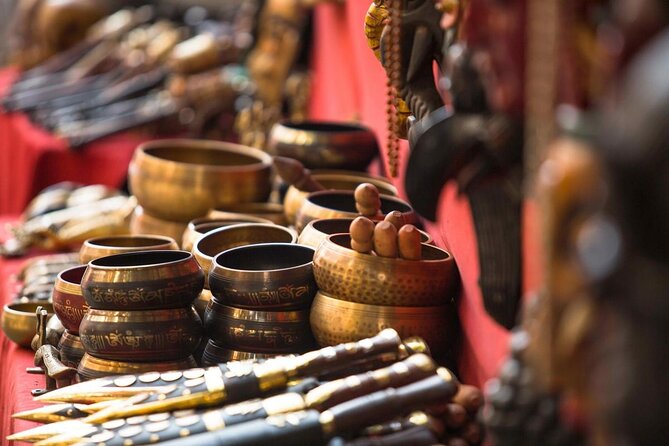
- Manang acclimatization is scheduled, not left to guesswork.
- Thorong La is a real early start with steep climbs and a big payoff after the pass.
- Guides + porters are clearly structured (1 assistant per 6 trekkers, 1 porter per 2 trekkers).
- You get temple and village stops, including Muktinath and Tibetan-influenced Manang.
- Jomsom to Pokhara comes with scenery time, including a route through Mustang Valley (as planned in this itinerary).
- Pokhara finish includes two specific highlights: International Mountain Museum and Devi’s Fall.
More trails out of Kathmandu, boots ready
- Everest Base Camp Trek – 14 Days★ 5.0 · 1,499 reviews
- Everest Base Camp Trek★ 5.0 · 842 reviews
- Everest Base Camp Trekking★ 5.0 · 485 reviews
- Nagarkot Sunrise View and Day Hiking from Kathmandu★ 5.0 · 471 reviews
Annapurna Circuit in 14 days: the rhythm you’ll feel
The Annapurna Circuit is famous for a reason: it moves through different “worlds” in a single trip. In this version, you’ll start with city time in Kathmandu, shift into long Nepal road legs, then settle into daily trekking stages that gradually change from forested sections to drier, higher terrain.
You’ll also get a practical pacing plan. The route includes an acclimatization day in Manang, and that matters because altitude headaches don’t care about your good intentions. The itinerary also front-loads the travel so you’re positioned correctly for the pass push toward Thorong Phedi and Thorong La.
If you’re the kind of person who likes a plan but hates babysitting, this is a good middle ground: enough structure to keep you safe and moving, but with real stops where you can breathe and look around.
Kathmandu warm-up: Thamel gear shopping plus two major spiritual sights
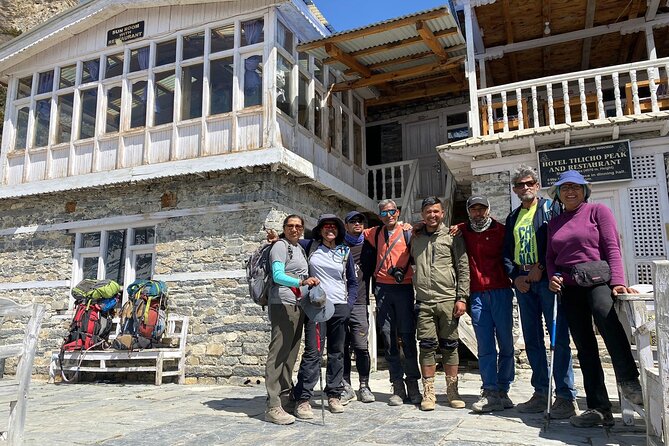
Kathmandu usually sets the tone fast, and this itinerary does it the easy way. On arrival, you’re met at Tribhuvan Airport and taken to your hotel by private vehicle. Then you get a full day to get bearings, handle logistics, and ease into Nepal time.
Day 1 adds a simple but useful combo: Thamel for trekking shopping and a light walking loop. This is where you can tackle practical items like fit-testing boots or picking up whatever you forgot back home. Your guide is there to help, which is a quiet win when you’re tired.
Day 2 focuses on culture and orientation. You’ll visit Pashupatinath Temple for a spiritual introduction, and Boudhanath Stupa for a calmer, more meditative vibe. Those two places hit different parts of Nepal’s identity—then you head out into the mountains, so the contrast feels meaningful instead of random.
One thing I appreciate here: this is not a “run around and collect stamps” day. It’s paced to help you prep your body and your mind before the trek starts.
Getting to the trail: long drives that set expectations for your knees
Before you hit big altitude, you’re working through Nepal’s road reality. The drive from Kathmandu to Besisahar is listed as about 175 km and roughly 6–7 hours, and the itinerary notes long travel time depending on road and traffic conditions. That means your schedule is real-life, not perfect-map.
Then you’ll switch to another long transfer: Besisahar to Chame by sharing jeep, about 10–11 hours (again, depending on conditions). That stretch is important, because it positions you at the gateway area for trekking and helps you avoid wasting days trying to start too early.
What this means for you:
- You should plan for seat time. Bring water, a snack, and anything that helps you deal with bumps.
- You’ll want your trekking day mindset ready by the time you reach the trailhead—because the physical work begins quickly after the road work.
Also, this matters psychologically. Those drives can feel like a lot, but they’re part of what makes the circuit feel like a journey, not just a hike.
Chame to Pisang: forests, bridges, and those first high views
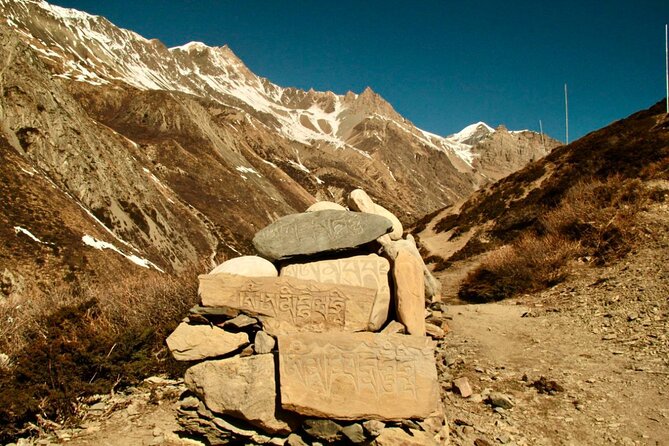
On Day 5, the trek begins from Chame toward Pisang, and the route is described as winding through scenic country with mountain views—specifically Annapurna II and Lamjung Himal. This is your “wake up to the mountains” stage.
Early on the circuit, you’re usually still figuring out your stride and pack comfort. That’s why this day’s mix of terrain and views is a smart start. It gives you enough to feel rewarded without throwing the hardest climbs at you immediately.
You’ll also encounter the kinds of things that make Annapurna Circuit trekking feel like trekking: crossing bridges, walking through changing vegetation, and passing villages. Even if you’re not a hardcore “photo every ten steps” person, you’ll want to keep your eyes up—because the valleys open and close in ways that make the same trail feel different from one hour to the next.




Pisang to Manang: Tibetan-influenced culture meets altitude reality
From Pisang to Manang (Day 6), the trek gradually ascends and brings more prominent Himalayan peaks as you approach the village. Manang is often the moment when the circuit stops feeling like “just a hike” and becomes a place with its own rhythm.
The overview calls out Manang as a Tibetan-influenced village with captivating cultural heritage and mountain vistas. That matters because you’re not just moving through geography—you’re also moving through a different way of life that fits the high, dry air.
Then you get the key safety element: an acclimatization day in Manang.
The Manang acclimatization day: your altitude insurance policy
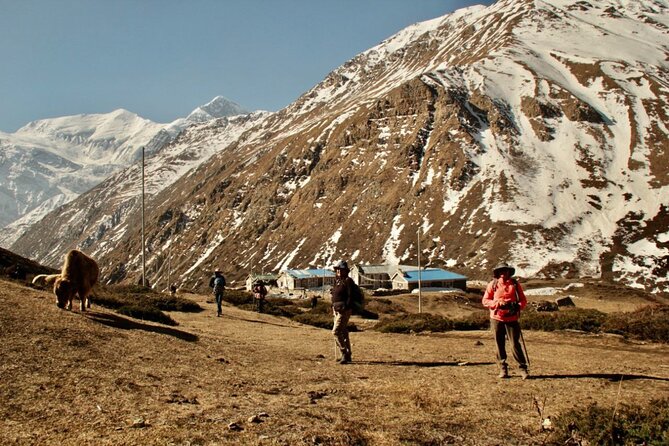
On Day 7, the route includes a dedicated acclimatization day in Manang. The itinerary is clear about why it’s there: adjusting to high altitude and thin air reduces your risk of altitude sickness.
This isn’t just “rest day” marketing. It’s the sort of planning that makes the difference between enjoying the trek and spending your energy fighting your body. In Manang, you can spend the day exploring and letting your breathing catch up.
If you’ve never done altitude trekking before, here’s the practical mindset I’d use: treat this day like training for the pass week. You’re practicing calm pacing and learning what your body does when the air gets thinner.
Toward Yak Kharka and Thorong Phedi: the trail gets tougher and barer
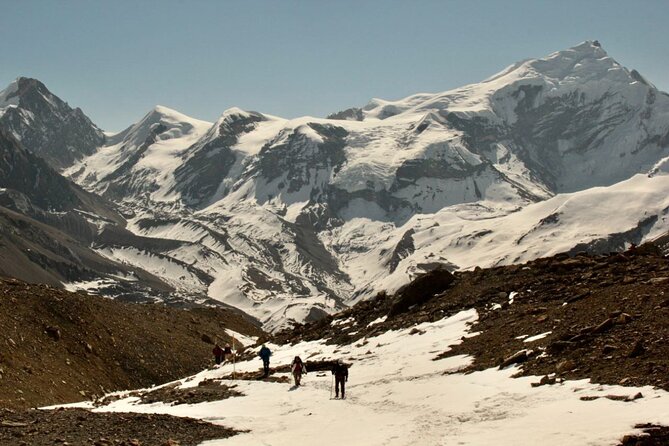
After acclimatizing, Day 8 goes from Manang to Yak Kharka. The description emphasizes rugged beauty and barren landscapes. You’ll notice a decrease in greenery as you ascend, and that shift often comes with wind, stronger sun, and colder nights.
Yak Kharka to Thorong Phedi (Day 9) is where the trail starts feeling more technical in the “glacial history” sense. The route notes rocky terrain and glacial moraines as you climb toward the small village at the foot of Thorong La pass.
This is also a mental turning point. Thorong Phedi is basically your staging area. You’re not just walking; you’re building your plan for the next morning. Hydration, rest, and getting your layers right matter more here than on earlier days.
Thorong La pass: the early climb, the big panorama, then the descent
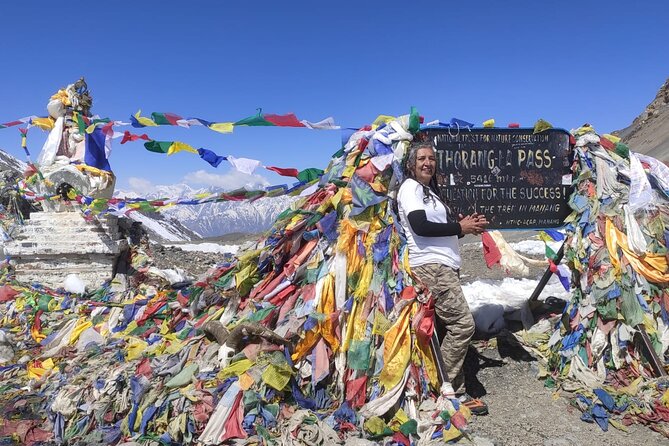
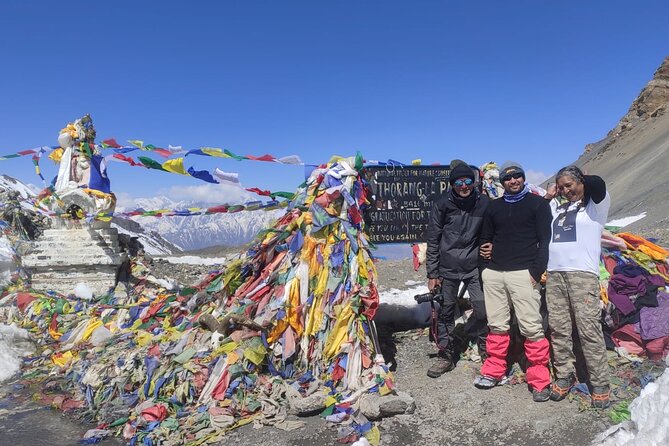
Day 10 is the headline: crossing Thorong La pass. The itinerary says you start early, with a steep ascent to the pass at a very high altitude, then you descend afterward.
Even if you know the stats, the lived experience is always the same story: the air gets thin, the climb feels relentless, and your best tool is steady effort. This day is listed as one of the most exhilarating and challenging parts of the trek, and that’s consistent with why the Annapurna Circuit is considered a classic.
The reward isn’t subtle. After you cross, you’re promised sweeping panoramas—then you start the gradual descent toward Muktinath.
Muktinath to Jomsom: temples, wind, and a calmer valley feel
After enjoying the pass views and moving downhill, you reach Muktinath, described as sacred to both Hindus and Buddhists. You’ll find temples and a powerful stop that adds spiritual depth to a physically intense day.
Then the itinerary shifts to getting you off the highest trekking zone and into a different travel mode. From Muktinath, you continue on toward Jomsom, with a long descent through a windswept valley. The overview also calls out apple orchards and tranquility around Jomsom, which is a nice contrast after rocky, high-altitude terrain.
This is a day where you might feel both relieved and slightly “off.” Your body has done the hard work, and now you’re moving into a recovery mode. If you pace yourself on food and sleep, you’ll enjoy Jomsom more instead of just wanting to get through it.
Jomsom to Pokhara through Mustang Valley: the circuit turns scenic again
From Jomsom to Pokhara, the overview says there’s a scenic drive through Mustang Valley. That’s where the trip starts to shift from “daily trekking grind” into “journey back down.”
Pokhara is the kind of place where you can exhale. You get your mountains, but you also get comfort: more options to eat, more time to rest, and fewer layers of effort between you and a good view.
The itinerary notes that you’ll have a leisurely morning in Pokhara before returning toward Kathmandu later. Depending on your exact schedule that day, you’ll likely feel the difference immediately: fewer trekking aches, more normal walking, and a general sense of finishing strong.
Pokhara add-ons: International Mountain Museum and Devi’s Fall
This itinerary includes specific Pokhara stops that make the finish feel more than just transportation.
One is the International Mountain Museum (included for 1 hour). It’s a straightforward way to connect what you just did with the broader story of the Himalaya.
The other is Devi’s Fall (listed as 1 hour, and also shown as Davis Fall). It’s an easy, short outing that breaks up the travel fatigue and gives you one last “Nepal outside the trek” moment.
These are small in time, but big in usefulness. They help you bring the circuit into focus, especially if you want to remember more than just the hardest day.
Price and logistics: is $900 good value for this trek?
At $900 per person for a 14-day trip, the value comes down to what’s covered versus what’s not.
Included items that make the price feel more reasonable:
- Airport pick up and drop off in Kathmandu via private vehicle.
- Professional guide team: 1 certified trekking guide + 1 assistant guide for each 6 trekkers.
- Porter support: 1 porter for each 2 trekkers.
- Accommodation: 2 nights in Kathmandu and 2 nights in Pokhara (twin sharing), plus 9 nights in trekking areas (twin sharing).
- Lodging, fooding, insurance, and salary for guide and porters.
- Most meals: Breakfast (13), Lunch (9), Dinner (9).
- All fees and taxes.
What’s not included:
- Personal expenses like bar bills and shopping.
- Tea/coffee/hot water (so budget for warm drinks and small extras).
- Personal nature expenses generally.
- A flight from Jomsom to Pokhara is listed as not included.
Now, here’s the key decision point for you: if you’d otherwise have to pay for guides, porter help, and trekking-area lodging yourself, the bundled support is where this price starts to make sense. If you plan to skip meals or use extra hotels, the value shifts.
Also, this is described as a private tour/activity where only your group participates. That matters if you want consistency and fewer “someone else’s pace” problems.
Who should book this Annapurna Circuit (and who should pause)
This trek is best for you if:
- You have strong physical fitness and you want a structured mountain challenge.
- You like planning that includes acclimatization and a clear high-altitude objective (Thorong La).
- You’d rather carry less with porter support and focus on your breathing and footing.
It might not be for you if:
- You hate long travel days. The itinerary includes major road legs with long durations and variable conditions.
- You’re unsure about altitude. The route is built with precautions, but it still asks your body to adapt fast.
One more note: it’s a small-group setup by design, with guide and assistant coverage and porter ratios. That tends to work well for people who want help without losing independence.
Should you book this Annapurna Circuit with Yolo Hike?
I’d book it if you want a classic Annapurna Circuit that’s organized enough to protect your energy and schedule, but not so rigid that you can’t enjoy the villages and temple stops along the way.
The strongest reasons to choose it are the practical ones: Manang acclimatization, a staffed team with clear porter coverage, and a route that balances the physical peak day with cultural anchors like Muktinath and the Pokhara museum/Devi’s Fall finish.
Before you commit, double-check what you truly want out of the circuit:
- If your priority is pure hiking time with minimal travel, the road legs might feel like extra.
- If your priority is safety planning and support, this itinerary’s structure is exactly what you’re paying for.
FAQ
Where does the Annapurna Circuit trek start?
It starts at Tribhuvan Airport in Kathmandu, Nepal.
Is airport pickup and drop-off included?
Yes. Kathmandu Airport pick up and drop off are included by private vehicle.
How long is the trek?
The total duration is about 14 days.
What kinds of accommodation are included?
The package includes 2 nights in Kathmandu and 2 nights in Pokhara on a twin sharing basis, plus 9 nights accommodation in the trekking area on a twin sharing basis.
How many meals are included?
Breakfast is included 13 times. Lunch is included 9 times, and dinner is included 9 times.
Will there be guides and porters?
Yes. You get a professional certified trekking guide plus 1 assistant guide for each 6 trekkers, and 1 porter for each 2 trekkers.
Is there an acclimatization day?
Yes. There is an acclimatization day in Manang.
What is the main high-effort challenge day?
The most challenging day is the Thorong La pass crossing, scheduled as an early crossing with steep ascent.
Is a flight from Jomsom to Pokhara included?
No. A flight from Jomsom to Pokhara is not included.
Can I cancel for a full refund?
Yes, free cancellation is offered. You can cancel up to 24 hours in advance for a full refund, and changes less than 24 hours before the start time aren’t accepted.
More Trekking Out of Kathmandu






More Tour Reviews in Kathmandu




Just Reviewed in Kathmandu
- Mountain Bike Tour
★ 5.0 · 3 reviews - Annapurna Panaroma
★ 5.0 · 3 reviews - Mount Everest Scenic Flight 50 Minutes
★ 5.0 · 3 reviews - Kathmandu : Swambhunath & Durbar Square Guided Half Day Tour
★ 3.3 · 3 reviews - Chandragiri Cable Car & Monkey Temple Tour – Private/Group
★ 5.0 · 3 reviews - Kathmandu: Shivapuri National Park Hiking Day Trip
★ 3.3 · 3 reviews
Annapurna Circuit Treks, compared.
 ★ 5.0Annapurna Circuit Trek with Tilicho LakeFrom $1,093368 reviews
 ★ 5.0Annapurna Circuit TrekFrom $1,17594 reviews
★ 5.0Annapurna Circuit TrekFrom $2,24067 reviews
★ 5.0Annapurna Circuit TrekFrom $1,07449 reviews
★ 5.0Annapurna Circuit TrekFrom $1,35046 reviews
★ 5.0Annapurna Circuit TrekFrom $1,15035 reviews
★ 5.0Annapurna circuit TrekFrom $99835 reviews
★ 5.0Annapurna Circuit TrekFrom $97534 reviews
Browse the lists this tour appears in