
Review · EVEREST BASE CAMP TREKS
14-Days Private Everest Base Camp Trek Activity
Everest is a long way up, then magic happens. This private Everest Base Camp trek takes you through classic Khumbu villages, slow altitude wins, and big mountain moments that feel close enough to touch. You’ll also get a smooth setup in Kathmandu and a team that handles the day-to-day lifting—literal and not.
I love the way the plan builds in real acclimatization time. Namche Bazaar and Dingboche aren’t just stops; they’re chances to breathe, adjust, and catch mirror-like mountain views from higher points.
I also really like the human side. In past departures, guides named Dipak, Bishal, and Deepak have been highlighted for being helpful and organized, and porter Basanta is specifically praised for professional support. One consideration: the trek still includes long days (often many hours on rocky footing) and steep, loose sections on the way down—so you’ll need solid legs and a smart pace.
In This Review
- Key highlights and why they matter
- Everest Base Camp, but make it private: the vibe you’re buying
- Kathmandu Day 1: welcome garlands, Thamel gear hunting, and early rest
- Fly to Lukla, start walking: Phakding and the trail’s first rhythm
- Monjo to Namche Bazaar: permits, bridges, and the altitude lesson
- Khumjung and Namche rest day: acclimatization that also feels useful
- Tengboche: Ama Dablam gets closer, and trail skills matter
- Dingboche: a second altitude win with viewpoint time
- Lobuche to Gorakshep to Everest Base Camp: where the trail turns dramatic
- Kala Patthar sunrise: the Everest sightline that people remember
- Heading home: long descents to Namche and Lukla (legs will feel it)
- Lukla to Kathmandu flight: recover like you mean it
- Price and logistics: is $1,600 worth it for the Everest Base Camp goal?
- Who should choose this trek (and who might not)
- Should you book this private Everest Base Camp trek?
- FAQ
- How long is the Everest Base Camp trek?
- How much does the private trek cost?
- Where does the trek start and end?
- Are airport transfers or pickup included?
- What meals are included?
- Do I need travel insurance?
- Is the tour private?
- Closing thought
Key highlights and why they matter
- Private group trekking: you’re not sharing your experience with strangers.
- Meals included for 14 days: breakfast, lunch, and dinner take stress off your planning.
- Acclimatization stops in Namche and Dingboche: slower breathing and better safety odds.
- Ama Dablam and Everest-region views: the peaks show up repeatedly as the trail climbs.
- Kala Patthar sunrise option: one of the best ways to see Everest in 360 degrees.
- Support from guides and porters: named guides like Dipak and Bishal have strong service feedback.
Just your group, at your own pace
- Private Kathmandu Sightseeing Tour | UNESCO World Heritage sites★ 5.0 · 756 reviews
- Kathmandu: Full Day 7 UNESCO Tour with Lunch – Private/Group★ 5.0 · 415 reviews
- Private Bhaktapur and Nagarkot Day Tour From Kathmandu★ 5.0 · 305 reviews
- Kathmandu: Full Day Top 4 UNESCO Tour with Lunch – Private/Group★ 5.0 · 269 reviews
Everest Base Camp, but make it private: the vibe you’re buying
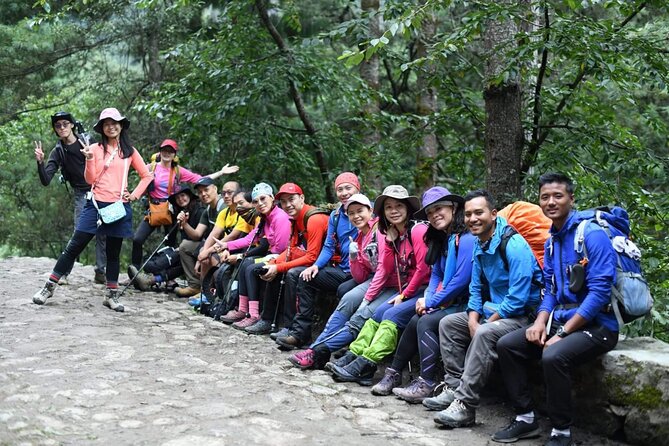
You’re paying for two things here: the route is classic, and the support is personal. A private tour means your guide can manage your pace, help you handle slow uphill breathing, and give practical trail advice without a “group shove” feeling. It also means the team can respond if you’re tired, moving slower, or need a quick adjustment for altitude.
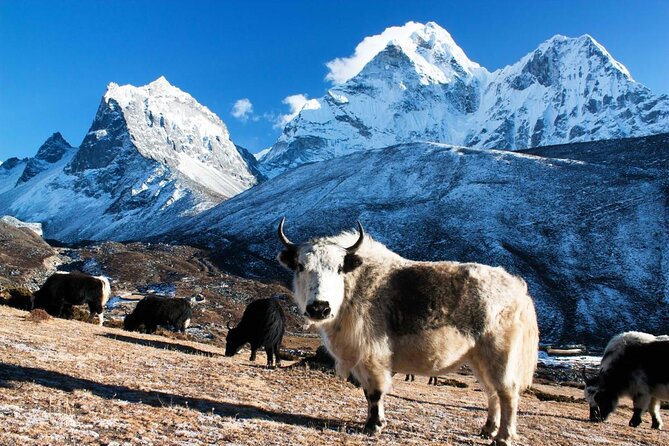
This trek is built around the Everest Base Camp goal, yes. But what makes it memorable is the repeated exposure. You don’t get one big view and then leave. You keep seeing Everest’s neighbors—Mt. Lhotse, Nuptse, Ama Dablam, Thamserku, and more—until the mountains start to feel like they’re part of your daily routine.
On the logistics side, you get pickup offered and a mobile ticket. That’s small, but it helps—especially if your arrival day in Kathmandu is packed with paperwork, gear thoughts, and jet-lag sleep cycles.
Kathmandu Day 1: welcome garlands, Thamel gear hunting, and early rest
Kathmandu is where you reset before you climb toward the roof of the world. On arrival at Tribhuvan International Airport, you’re met and transferred to your hotel, with a warm welcome that includes a marigold garland. Then there’s time to get oriented, meet your travel expert, and line up with your guide and team for the next morning.
This is also the day to handle the “tiny but important” prep items. Thamel is your gear-friendly neighborhood, and it’s the easy place to top up on trekking essentials you forgot or need to replace (warm layers, socks, small supplies). Even if you already packed well, I like having one last chance to correct a mistake before the mountains notice.
You’ll sleep in Kathmandu on day one, and that matters. The trek has long travel days and high-altitude walking, and a proper rest night in a city hotel beats trying to push through cold and fatigue with a half-forgotten packing checklist.
Fly to Lukla, start walking: Phakding and the trail’s first rhythm
The Everest journey typically gets real right after you land at Lukla. From there, you meet the full team and start with breakfast at a tea house. Then you head for Phakding, and this first walking day is about finding your rhythm.
The trail is not described as extreme, and that’s useful for day two. You’ll walk rocky tracks and pass Mani walls and chortens, plus you’ll cross into a mix of trail sights that feel distinctly Khumbu. Phakding is positioned lower than Lukla, which helps your lungs ease in.
You’ll also handle paperwork on the way, including a permit step connected with the region you’re entering (a permit stop is mentioned at the Pasang Lhamu Rural Municipality office). You’ll be traveling through villages and trail features that give you that early “this is real” feeling—before higher passes and harsher weather come into play.
Monjo to Namche Bazaar: permits, bridges, and the altitude lesson
Day three is where the trek starts teaching altitude, not just scenery. You’ll pass through Monjo and take care of the National Park permit at the Sagarmatha National Park office, then continue toward lunch in Jorsalle.
After lunch, you get the classic Khumbu infrastructure moments: suspension bridges over rivers and the Dudh Koshi corridor walking. Then comes the Tenzing Hillary suspension bridge area, and from there the walking tilts uphill harder, with alpine and juniper forest sections building the sense of ascent.
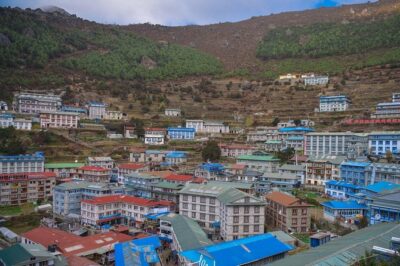
Then you reach Namche Bazaar. It’s a major hub at high altitude, and that’s the point of the town. You’ll sleep in a tea house, but you’re also in a place where you can understand life at elevation. In the plan, Namche gets described as having restaurants, cafes, ATMs, fast internet, and more—so you can manage practical needs while your body adjusts.
In my experience, this is one of the key “mental” days too. You arrive tired, then you look around and realize you’re not in a remote emptiness. You’re in a mountain town that runs on trekking season energy.
More trails out of Kathmandu, boots ready
Khumjung and Namche rest day: acclimatization that also feels useful
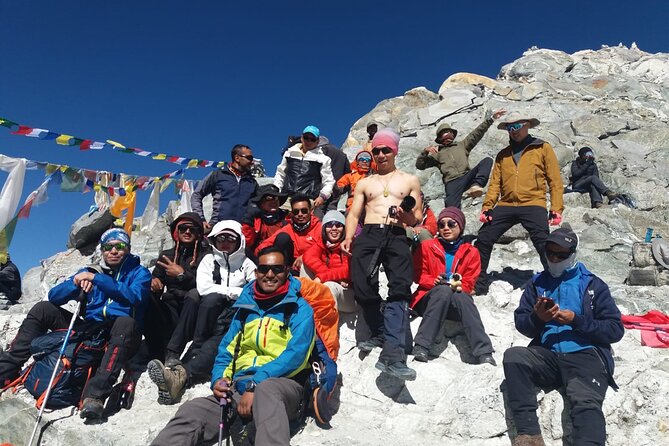
On day four, you don’t rush higher just to say you did. Instead, you build breathing room. The plan treats this as altitude adjustment so the risk of acute mountain sickness drops—an important message that fits the reality of Everest-region trekking.
You’ll spend time in Namche Bazaar and also connect toward Khumjung. Khumjung is described as a traditional trading hub between local and Tibetan communities, which helps you see why these places exist beyond tourism. The town is also framed as an acclimatization base where trekkers “settle” before moving onward to Everest province.
This kind of day is also where you learn what your body tolerates. If you’re feeling tight-headed or overly tired, you treat today as a warning. If you feel steady, you use it to refuel: hydration, warm layers, and early sleep all become part of the plan.
Tengboche: Ama Dablam gets closer, and trail skills matter
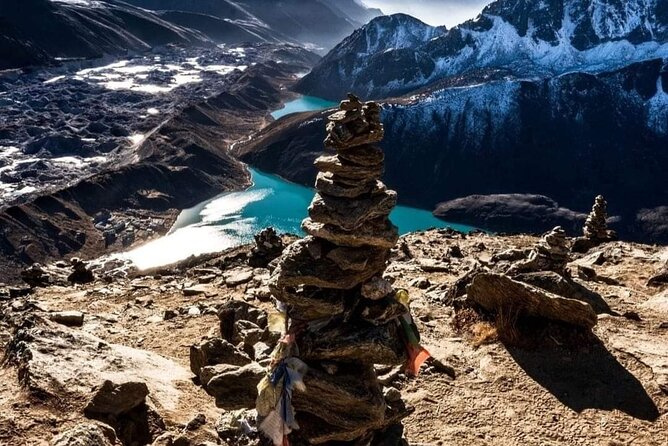
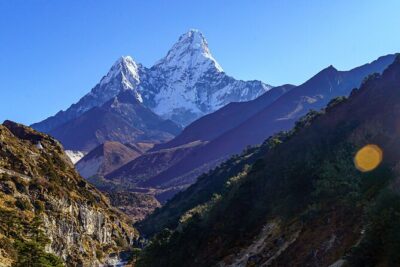
Day five is a shift into more dramatic mountain views and more technical trail habits. You’ll climb rocky, dusty paths uphill, and the route explicitly points out close views of Ama Dablam and Khangtega in this section.
The trail is small and pebbly in places, so walking carefully isn’t optional. One very practical note from the route guidance: you need to watch for yak traffic. When you let the way to yaks, you should stay on the corner side—otherwise you risk being pushed and falling.
Then you reach Tengboche for an overnight tea house. This is a day where your effort pays back quickly. As you climb, your sense of Everest-region geometry gets clearer. You stop seeing random peaks and start understanding how ridgelines stack and how valleys funnel views.
In other words, it’s not just a hike day. It’s a map-learning day, and you’ll feel it later when you’re looking at the glacier area near Gorakshep.
Dingboche: a second altitude win with viewpoint time
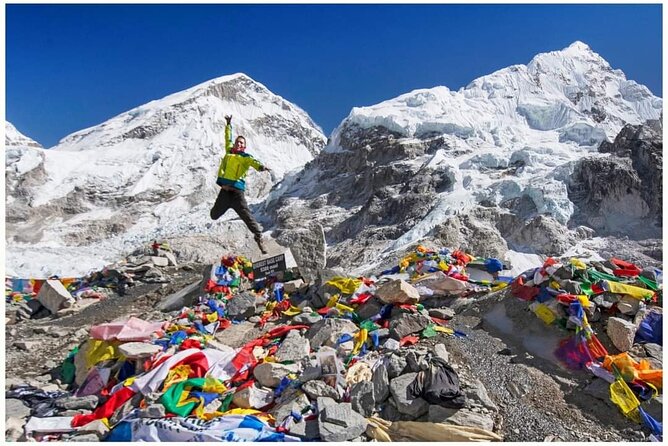
Days six and seven are about Dingboche, and that’s where the plan really shows good mountain thinking. On day six, you walk toward Dingboche through Somari, dry vegetation sections, then down to small streams, including suspension bridge crossings and up again to the Sherpa settlement.
By day seven, you’re already higher, and the trek gives you an acclimatization day at around 4,410 meters. The plan is clear: Dingboche is another day to adjust and reduce altitude risk.
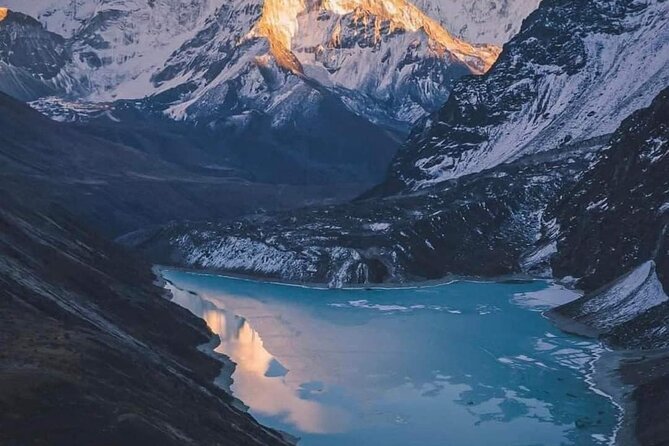
You also get a specific reward: there’s a hill viewpoint that can take about 3 to 4 hours. From that higher spot, you can see a mix of peaks, including Tawache, Thamserku, Lobuche west, and a mirror-like view of Ama Dablam. Whether the reflection is perfect depends on conditions, but the key idea is you’re not stuck indoors. You’re using the extra day to gain better perspective, both physically and visually.
This is also where your trekking routine becomes automatic: slow steps, frequent sips, warm clothing on the edges of the day. If you nail this rhythm, the climb to Lobuche and the Everest region feels far more manageable.
Lobuche to Gorakshep to Everest Base Camp: where the trail turns dramatic
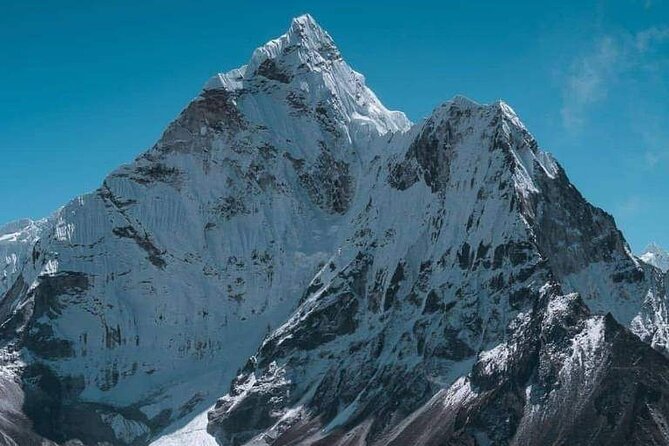
After Dingboche, day eight heads toward Lobuche. The route passes Thukla, with viewpoints that highlight peaks like Tawache, Choltase, Arakamche, and Lobuche peak. Then comes a steeper section toward Thukla Pass.
This part is described as easier in high altitude, but the track can be less managed and there can be loose stones. So you keep moving slowly and steadily. You don’t grind; you conserve. You also plan rest breaks—because the pass itself is a mental hurdle as much as a physical one.
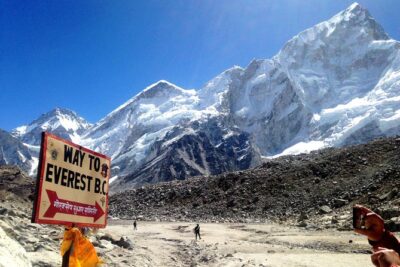
Then day nine becomes the big day: you go to Gorakshep and then to Everest Base Camp. The journey is split into two sections, with Gorakshep as the higher stepping point. After breakfast, you head with your mountain guide along a route described as traveling beside the Khumbu Glacier area, moving gradually over rocky terrain.
When you finally reach Everest Base Camp, the plan frames it like a heaven-feeling moment. Even if you’ve seen photos for years, being there is different. The mountains don’t just look taller; they look more solid. And seeing Everest in relation to Lhotse and Nuptse helps your brain stop treating it as one single summit.
Also, remember: base camp isn’t “comfortable” just because it’s a destination. Wind, cold, and altitude all still apply. Your job is to enjoy without rushing your body.
Kala Patthar sunrise: the Everest sightline that people remember
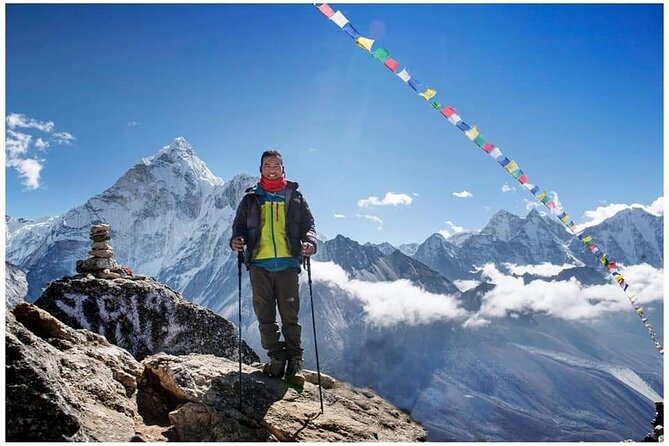
Day ten is an early start: Kala Patthar. This is presented as the best vantage point for a 360-degree view of Everest and neighboring peaks. You’ll hike up in steep ascent, and the reward is tied to sunrise—golden light on Everest from the opposite side.
This day is where you’ll feel whether your earlier acclimatization worked. If you paced well, you can keep steady breathing and not blow up your legs on the climb. If you didn’t, you’ll still get there, but it will feel tougher.
After Kala Patthar, you descend to Gorakshep for breakfast and then continue onward to Pheriche. This shift matters: you’re moving back toward lower elevation, so your body gets a chance to relax its altitude stress a bit.
Heading home: long descents to Namche and Lukla (legs will feel it)
Day eleven drops you back toward Namche Bazaar, via Phungi Tenga. The plan calls this a long day compared with some others. It’s described as tougher on the downhill, with joint pain risk. So you treat descent like a different sport—short steps, careful footing, and no heroic speed.
You’ll pass through villages along the way, with trail difficulty described as easier than some higher segments. But “easier” doesn’t mean easy. Loose surfaces and fatigue still make the last part of the day grind if you push too hard.
Day twelve continues the descent all the way to Lukla. This is another steep downhill day. Rocky trails and loose stones show up again in the route guidance, so careful walking is the name of the game.
The plan also includes a nice human touch: trekking success gets celebrated with cake and a small party involving your guide and porters. It’s a small tradition, but it’s a good reminder that you’re not just surviving the trek. You’re participating in it.
Lukla to Kathmandu flight: recover like you mean it
Day thirteen brings the Lukla-to-Kathmandu flight. From the air, you’re meant to watch the mountain scenery from the window, then land back in Kathmandu. A driver takes you to your hotel so you can rest after the final walking push.
This is a day to do less than you want. Your lungs may feel better, but your knees and ankles are still processing the terrain. Warm shower, simple meals, and early sleep go a long way. You’re done climbing; now you recover.
Day fourteen is your final travel day out of Nepal. You’ll be picked up by representatives before your flight schedule, then transferred to Tribhuvan International Airport.
Price and logistics: is $1,600 worth it for the Everest Base Camp goal?
At $1,600 per person, this is not a bargain trek. But it’s also not priced like a luxury expedition. The main reason it can feel good value is what’s included and what’s taken off your plate.
You get meals for 14 days—breakfast, lunch, and dinner each day—which reduces daily decisions and keeps your budgeting simple. You also get a private group setup, plus pickup offered and a mobile ticket approach.
You should also notice that the trek includes admission tickets on specific key days (Everest Base Camp and Kala Patthar are marked with included admission). That matters because not every operator bundles those costs.
What’s not included: travel insurance and other unspecified expenses. That’s standard, but it’s still a real-world checklist item. For a trek at altitude, insurance isn’t “nice.” It’s peace of mind.
Finally, the operation has a weather dependency. The experience requires good weather, and if it’s canceled due to poor conditions, you’ll be offered a different date or a full refund. That’s the sort of rule you want before you book.
Who should choose this trek (and who might not)
This trek fits you best if you want a private Everest Base Camp experience with structured acclimatization and daily support. The plan specifically calls for moderate physical fitness, which usually means you can handle hours of walking on uneven ground, plus steep descents.
It also suits you if you like the idea of a guide who helps with real practical details. Past departures mention guides such as Dipak and Bishal as especially supportive, plus porter Basanta for professional help. That combination is important for staying calm and moving well when the trail gets rocky.
You might think twice if you have a fragile knee situation or you know you struggle with long downhills. Even though the plan includes rest and pacing, several days are described as long, and the downhill to Namche and Lukla is a real leg test.
Should you book this private Everest Base Camp trek?
If your bucket list goal is Everest Base Camp and you want a plan with acclimatization days, clear trail pacing, and a team that gets named for good service, I think it’s a smart choice. The included meals and private setup help the experience feel controlled and less stressful.
Book it if you’re ready to walk steadily, accept cold mornings, and treat steep descents as something to do slowly and safely. Skip it if you’re looking for a short, casual hike. This is a serious trek, even when it’s well supported.
FAQ
How long is the Everest Base Camp trek?
It runs for 14 days (approx.).
How much does the private trek cost?
The price is $1,600 per person.
Where does the trek start and end?
It starts in Kathmandu and ends in Kathmandu.
Are airport transfers or pickup included?
Pickup is offered, and transfers are included for arrival and departure days as described in the plan.
What meals are included?
Breakfast, lunch, and dinner are included for 14 days.
Do I need travel insurance?
Travel insurance is not included.
Is the tour private?
Yes. It’s a private tour/activity, and only your group participates.
Closing thought
Everest Base Camp is the destination, but the real win is how the trek guides you upward day by day. If you show up ready to pace yourself and listen to your guide, you’ll earn those sunrise views and the walk through the Everest-region towns with confidence.
More Trekking Out of Kathmandu






Private Days, Your Group Only


More Tour Reviews in Kathmandu



Just Reviewed in Kathmandu
- Mountain Bike Tour
★ 5.0 · 3 reviews - Annapurna Panaroma
★ 5.0 · 3 reviews - Mount Everest Scenic Flight 50 Minutes
★ 5.0 · 3 reviews - Kathmandu : Swambhunath & Durbar Square Guided Half Day Tour
★ 3.3 · 3 reviews - Chandragiri Cable Car & Monkey Temple Tour – Private/Group
★ 5.0 · 3 reviews - Kathmandu: Shivapuri National Park Hiking Day Trip
★ 3.3 · 3 reviews
Everest Base Camp Treks, compared.
 ★ 5.0Everest Base Camp Trek – 14 DaysFrom $1,8001,499 reviews
 ★ 5.0Everest Base Camp TrekFrom $1,790842 reviews
 ★ 5.0Everest Base Camp TrekkingFrom $1,350485 reviews
 ★ 5.0Everest Base Camp Trekking – 13 DayFrom $1,399365 reviews
★ 5.0Everest Base Camp TrekFrom $1,445350 reviews
★ 5.0Everest Base Camp Trek -14 DaysFrom $1,420321 reviews
 ★ 5.012 Days Everest Base Camp TrekFrom $1,099289 reviews
 ★ 5.0Everest Base Camp Trekking – 2025/2026From $1,339199 reviews
Browse the lists this tour appears in