
One trek. Many altitude moods.
This private Everest Base Camp trip strings together the classic Khumbu experience: a Lukla flight into the mountains, acclimatization stops at Namche and Dingboche, then the big days toward Gorak Shep and Base Camp. I like how the plan is built for comfort and safety, not just speed, with a guide who watches your pace and the route timed for acclimatization.
Two things I really appreciate: you get pickup and drop-off by private vehicle, and you don’t have to wrestle heavy pack weight because a porter is arranged for your group. One drawback to consider is that this is a high-altitude trek where weather and your body’s response matter, so you’ll want to be flexible.
In This Review
- Key points worth planning for
- From Kathmandu arrival to trekking readiness
- The Lukla flight: the start button for Everest
- Namche Bazaar: where you acclimatize and reset your head
- Tengboche: forests, ups and downs, and monastery vibes
- Dingboche and the Ama Dablam view day
- Lobuche: high views with a harder feel
- Gorak Shep and Everest Base Camp: the day you plan for
- Kala Patthar: early wake-up payoff
- The Lukla-to-Phakding rhythm and your return to Kathmandu
- Accommodations and meals: tea house comfort, Kathmandu comfort
- Permits, entrance fees, and the value of not guessing
- Porters for heavy gear: why it changes how you feel
- Private pacing: guides who adjust to real bodies
- Price and logistics: what $1,600 is actually buying
- Who should book this Everest Base Camp trek
- Should you book this 14-Day Private Everest Base Camp trek?
- FAQ
- How long is the Everest Base Camp trek?
- Is airport pickup and drop-off included?
- Are flights to Lukla included?
- Do I get a guide and porter?
- What kind of accommodation is included?
- Are meals included?
- What fitness level is required?
Key points worth planning for
- Private guide and private group: you’re not sharing the trek with random strangers, and the guide can pace you.
- Lukla air hop is included: the Kathmandu–Lukla–Kathmandu domestic flights are part of the package.
- Acclimatization is built in: Namche, Dingboche, and another rest day keep the thin-air pressure more manageable.
- Porter support for heavy gear: you carry what you want to keep on your back, but the heavy items get handled.
- Tea house style lodging on the trail: comfortable enough for trekking, with Kathmandu in a 3-star hotel for your buffer.
- A named-feeling guide team: people often highlight guides like Kalyan Gurung, Romeo, Asman, and Kaylen for safety and smooth logistics.
Just your group, at your own pace
- Private Kathmandu Sightseeing Tour | UNESCO World Heritage sites★ 5.0 · 756 reviews
- Kathmandu: Full Day 7 UNESCO Tour with Lunch – Private/Group★ 5.0 · 415 reviews
- Private Bhaktapur and Nagarkot Day Tour From Kathmandu★ 5.0 · 305 reviews
- Kathmandu: Full Day Top 4 UNESCO Tour with Lunch – Private/Group★ 5.0 · 269 reviews
From Kathmandu arrival to trekking readiness
Day 1 is simple and practical: you land in Kathmandu, get welcomed by the company staff, then you’re transferred to your hotel. An airport representative also explains what’s coming next, and you sleep in Kathmandu overnight.
This matters more than it sounds. Kathmandu is your gravity-free warm-up. You can sort out any last details like how you’ll handle early mornings, double-check your essentials, and let your body settle before you jump into the flight and high altitude.
The Lukla flight: the start button for Everest
On Day 2, you fly about 40 minutes to Lukla, landing at Tenzing Hillary Airport. Then the trek truly begins. The first trekking hours matter because you’re adjusting to rhythm and elevation right away.
You’ll start moving from Lukla into the Khumbu trail system, and before long you’re trekking along the Dudh Koshi River area with suspension bridges in the mix. That combination is part of the magic of this route: you get mountain scale, river energy, and constant small moments that keep you from staring at the altitude too much.
A quick reality check: a short flight is still a big emotional leap. If you’re the type who overthinks, this day can feel intense. The upside is that once you start walking, momentum takes over.
Namche Bazaar: where you acclimatize and reset your head
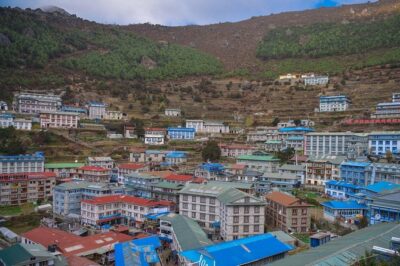
Day 3 takes you toward Namche Bazaar. The route runs along the northern bank of the Dudh Koshi River and includes multiple suspension bridges. You’ll also get wide-open views that make the effort feel worth it.
Day 4 is your acclimatization day in Namche itself. You don’t just “stand still.” The plan encourages you to explore Namche at an easy pace. It’s known for places to grab food, shop for gear, and find Wi‑Fi-linked cafes and restaurants. That’s useful when you need to recharge your brain, call home, and handle small trekking problems before they grow.
You also get hiking options around town, including viewpoint-style walks tied to the Hillary name. These short excursions help your body adjust while keeping your energy for later days.
If you’ve ever wondered whether acclimatization days are “wasted,” Namche is where you see why they aren’t. A well-timed day here can make later stages feel calmer.
Tengboche: forests, ups and downs, and monastery vibes
Day 5 is a trek from Namche toward Tengboche. The trail is described as full of ups and downs and passing through forests. That combination is what makes this day a good “workout” after your Namche adjustment.
You also get the cultural side of the Khumbu in a noticeable way. The area around this part of the trek includes Buddhist presence, and Tengboche is a core spiritual stop on many Everest itineraries. If the mountains are the main character, monasteries and chortens are the supporting cast that make the scenery feel human.
And yes, wildlife might pop up if you’re lucky, with musk deer mentioned in the plan. Even if you don’t see any, the forest shade and shifting terrain are a nice change from the river-and-bridge feel earlier on.
More trails out of Kathmandu, boots ready
Dingboche and the Ama Dablam view day
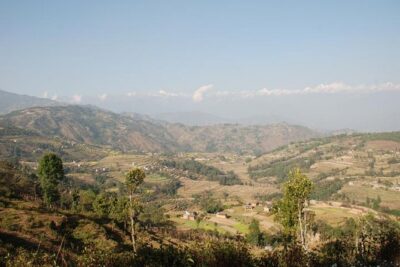
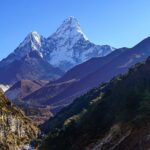
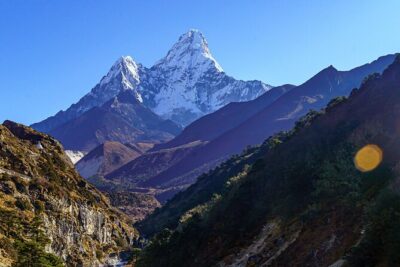
Day 6 brings you to Dingboche. On the way, you pass chortens and mani walls, plus smaller villages including Pangboche. The plan explicitly notes that Pangboche gives stunning views of Mt. Ama Dablam.
This is one of those days where you start to feel the Everest “ecosystem” change. The walking gets more high-altitude by the day, and the culture shows up in small, deliberate ways rather than big city-style attractions. It’s worth taking short breaks just to look at the details you’d otherwise walk past.
Day 7 is another acclimatization day, also in Dingboche. After gaining altitude, your body needs time to adjust to the thin air. So instead of pushing higher, you head up a ridge above Dingboche as a controlled activity. The goal is simple: stay moving, but not so hard that you drain yourself.
This kind of pacing is why people often feel safe on this trek when their guide manages expectations. Guides like Kalyan Gurung are highlighted for managing different skills and keeping daily briefings on track, which is exactly what you want on acclimatization days.
Lobuche: high views with a harder feel
Day 8 takes you to Lobuche. The description leans into Himalayan views from the start and notes that the journey gets difficult at first. As you approach Dusa, the valley narrows, and the trail continues toward the classic high-altitude section people associate with Everest expedition history.
Even without technical details in the plan, the takeaway is clear: this is where you start feeling the trek shift from “scenery” to “serious altitude trek.” You’ll keep walking, but you’ll also start listening to your body more closely.
If Romeo is your guide (he’s specifically mentioned in past experiences as making trekkers feel supported and safe), expect a strong focus on keeping you steady rather than forcing pace. That style matters most on days like this.
Gorak Shep and Everest Base Camp: the day you plan for
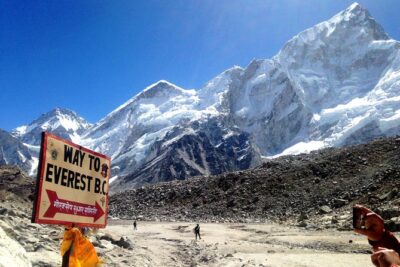
Day 9 is the big one: reaching Everest Base Camp. The route begins with trekking through the lateral moraine of the Khumbu Glacier, then you arrive at Gorak Shep, a village surrounded by snow-capped mountains.
From there, the plan centers on summiting Base Camp. You’re not just walking to a dot on a map. You’re walking into a landscape that feels like it’s built from effort and weather.
Practically, this is the day to keep your expectations smart. You’ll likely be tired. You might also be tempted to move too fast because you finally got there. Don’t. Your guide’s job is to help you enjoy the moment without wiping yourself out for later.
Kala Patthar: early wake-up payoff
Day 10 is built around Kala Patthar. You wake early, eat breakfast, and trek, then the plan describes moving through rhododendron forests across the Imja Khola bridge and through juniper forest.
Kala Patthar is famous for a reason, and this itinerary treats it as a key experience day on the way down. Even if the day feels challenging, early timing helps you get the best chance at clear views.
Day 11 continues the descent, with the plan returning toward Namche Bazaar. You’ll be moving through the same big-picture valleys and forests, but your focus shifts: conserve energy, protect sleep, and keep trekking steady while altitude fades.
The Lukla-to-Phakding rhythm and your return to Kathmandu
Day 12 is a shorter trek. You head toward Phakding, following the banks of the Dudh Koshi River and crossing suspension bridges. After forests and small villages, you reach Phakding. The short day is a gift. Your legs appreciate the reset after the emotional and physical high points.
Day 13 brings the 40-minute flight back to Kathmandu. The plan frames it as a relaxing break after trekking, and it also gives you time to appreciate what you’ve done before you’re back in city life.
Day 14 finishes with a farewell dinner in Kathmandu and trek certificates. This isn’t just ceremony. It’s a nice moment to process the trip, thank your guide and porter team, and reflect on what you learned about your own pace.
Accommodations and meals: tea house comfort, Kathmandu comfort
On trek, your lodging is in lodges or tea houses, and Kathmandu includes 3-star hotel stays for two nights with breakfast. That’s a solid setup for a trek like this because it gives you two different “bases”: city comfort first, then trail practicality.
The meal plan is included as well: 12 breakfasts, 10 lunches, and 10 dinners. That matters because on the trail, being forced to hunt for meals every day adds stress. Here, meals are handled as part of the experience, which helps you focus on walking and rest.
If you like structure, you’ll appreciate that the guide and team manage the moving parts: accommodation, permits, and entrance fees along the way.
Permits, entrance fees, and the value of not guessing
A big portion of what you’re paying for is not just guide time. It’s the logistics brain trust that makes a trek like this actually work. The plan says your guide will arrange necessary permits and entrance fees during the trek.
That’s a quiet kind of value. You don’t want to spend your energy tracking down paperwork while you’re adjusting to altitude. A competent team also helps reduce last-minute surprises, which is a big part of why this trek earns strong satisfaction.
People also highlight professional communication from the organizer side, including Anil in past experiences. That kind of coordination is the difference between a smooth arrival and a chaotic first day.
Porters for heavy gear: why it changes how you feel
This trip includes a porter for two trekkers. In plain terms, it means you’re not forced into carrying everything heavy on a long high-altitude path.
That changes the feel of the trek. When your load is lighter, you can keep a steadier stride and your breathing doesn’t get hijacked by an overpacked daypack. You still carry what’s practical for you, but your heavy items are shared work.
It also adds a layer of human support. Past experiences highlight polite, attentive porter support, and that’s the kind of service that makes a private trek feel personal rather than mechanical.
Private pacing: guides who adjust to real bodies
This is a private tour, so only your group participates. That matters because Everest success is often about small adjustments: stopping a bit earlier, taking an extra breath at the right time, or shifting how hard you push on a given day.
Guides mentioned in past experiences include Kalyan Gurung, Romeo, Asman, and Kaylen, and the theme is consistent: they manage trek pace to match energy levels and help trekkers feel safe.
So if you’re worried about being the slow one in a group, this format helps. Your guide can guide, not herd.
Price and logistics: what $1,600 is actually buying
At $1,600 for 14 days (approx.), this trek can look steep until you break down what’s included. You’re getting:
- Kathmandu–Lukla–Kathmandu domestic air fare (including airport tax)
- private airport transfers
- an English-speaking guide
- permits and entrance fees arranged on the trail
- accommodation in Kathmandu and tea houses/lodges during the trek
- a porter for your group’s heavy gear
- meal coverage across most days
- a farewell dinner and trek certificate
Compared to buying everything piecemeal, the value is in the bundled planning. Also, private format plus porter support can be harder to recreate on your own without becoming your own logistics manager.
The main thing to watch is that travel insurance isn’t included, and you’ll want to make sure you’re covered for trekking at altitude. The plan also notes that the trek requires good weather, so be ready for the reality that mountains don’t run on human schedules.
Who should book this Everest Base Camp trek
This private Everest Base Camp trek fits best if you want:
- a classic route with structured acclimatization days
- less weight on your back thanks to porter support
- a guide who can adjust your pace instead of pushing group momentum
- comfortable planning for permits, lodging, and daily logistics
It’s also a fit if you have moderate physical fitness and you’re willing to follow safety guidance. If you want a “fastest way to say you went,” you might get frustrated. This is more about doing it smart.
Should you book this 14-Day Private Everest Base Camp trek?
Yes, you should consider booking if you want the full Everest Base Camp experience without turning the trip into a paperwork and logistics project. The big wins for most people are the private guiding, the porter support, and the built-in acclimatization rhythm at Namche and Dingboche.
I’d think twice if you hate uncertainty. Weather can matter on this route, and altitude is not a theme park. If you’re flexible, plan carefully, and listen to your guide, this kind of organized private trek is one of the more dependable ways to do Everest’s signature days.
FAQ
How long is the Everest Base Camp trek?
It’s planned for about 14 days total, starting with your arrival and ending with your farewell dinner and certificate in Kathmandu.
Is airport pickup and drop-off included?
Yes. The package includes airport pickup and drop-off by private vehicles in Kathmandu.
Are flights to Lukla included?
Yes. Domestic air fare for Kathmandu–Lukla–Kathmandu, including airport tax, is included.
Do I get a guide and porter?
You’ll have an experienced English-speaking guide. A porter is arranged for heavy gear, with a porter included for two trekkers.
What kind of accommodation is included?
You get accommodation in Kathmandu and then lodges or tea houses during the trek.
Are meals included?
Yes. The package includes breakfasts (12), lunches (10), and dinners (10).
What fitness level is required?
The plan specifies moderate physical fitness. You should be comfortable with trekking and be ready for high-altitude conditions and acclimatization days.
More Trekking Out of Kathmandu
Private Days, Your Group Only

More Tour Reviews in Kathmandu
Just Reviewed in Kathmandu
- Mountain Bike Tour
★ 5.0 · 3 reviews - Annapurna Panaroma
★ 5.0 · 3 reviews - Mount Everest Scenic Flight 50 Minutes
★ 5.0 · 3 reviews - Kathmandu : Swambhunath & Durbar Square Guided Half Day Tour
★ 3.3 · 3 reviews - Chandragiri Cable Car & Monkey Temple Tour – Private/Group
★ 5.0 · 3 reviews - Kathmandu: Shivapuri National Park Hiking Day Trip
★ 3.3 · 3 reviews
Everest Base Camp Treks, compared.
 ★ 5.0Everest Base Camp Trek – 14 DaysFrom $1,8001,499 reviews
 ★ 5.0Everest Base Camp TrekFrom $1,790842 reviews
 ★ 5.0Everest Base Camp TrekkingFrom $1,350485 reviews
 ★ 5.0Everest Base Camp Trekking – 13 DayFrom $1,399365 reviews
★ 5.0Everest Base Camp TrekFrom $1,445350 reviews
★ 5.0Everest Base Camp Trek -14 DaysFrom $1,420321 reviews
★ 5.0Everest Base Camp Trekking – 13 DayFrom $1,399365 reviews
★ 5.0Everest Base Camp TrekFrom $1,445350 reviews
★ 5.0Everest Base Camp Trek -14 DaysFrom $1,420321 reviews
 ★ 5.012 Days Everest Base Camp TrekFrom $1,099289 reviews
 ★ 5.0Everest Base Camp Trekking – 2025/2026From $1,339199 reviews
Browse the lists this tour appears in