
Review · EVEREST BASE CAMP TREKS
15 Days Private Everest Base Camp Trek
Lukla makes Everest feel real fast. This 15-day private Everest Base Camp trek pairs the famous 40-minute flight into Lukla with gradual altitude building through Sherpa towns like Namche Bazaar and Tengboche. I love the acclimatization days in Namche and Dingboche that give your body time to adjust. I also love that a professional trek leader sets the pace and helps prevent altitude problems. The catch is that Lukla flights depend on weather, so you have to be ready for delays or schedule shifts.
You get the classic Everest moments: Khumbu Icefall views, a visit to the big Tengboche monastery, and a 360-degree panorama from Kala Patthar. I like how the route uses river valleys, forests, and suspension bridges to break up the climb with real trekking variety. If you expect comfort every night, know that lodge stays come with mountain basics.
In This Review
- Key highlights at a glance
- Kathmandu first day: Thamel sanity + a trek briefing that matters
- The Lukla flight: that 40 minutes you won’t forget
- Dudh Koshi River days: easy trails with real Sherpa village rhythm
- Namche acclimatization: Khumjung, Sir Edmund Hillary’s school, and Everest views
- Tengboche monastery: the Khumbu’s spiritual centerpiece with mountain drama
- Dingboche: stone-walled settlement vibes and Ama Dablam nearby
- Nangkartshang acclimatization: a short climb that teaches patience
- Lobuche to Gorak Shep: nearing Everest Base Camp without rushing
- Everest Base Camp and Kala Patthar: the sunrise math that’s worth it
- The return down: Tengboche and Namche again, but with new perspective
- Lukla back to Kathmandu: finishing with the same route, minus the dread
- Price and value: what $1,420 actually covers on this trek
- Guides and pacing: the difference between surviving and enjoying
- What to pack and how to handle altitude without overthinking
- Who should book this 15-day private Everest Base Camp trek
- Should you book it?
- FAQ
- What is included in the trek price?
- Are international flights included?
- What about the Nepal entry visa fee?
- Do I need to hire a porter?
- Is travel and medical insurance included?
- Is the trek private?
- Where do the trek start and end?
- Does the schedule depend on weather?
- FAQ
- Can I cancel for a full refund?
- What if I cancel less than 24 hours before the start?
- What changes can I request close to departure?
- How are local times used for cutoff rules?
Key highlights at a glance
- Lukla flight into one of the world’s most extreme airports
- Thoughtful acclimatization built into Namche and Dingboche days
- Tengboche monastery stop in the Khumbu region’s spiritual heart
- Everest Base Camp approach via Gorak Shep and glacier moraine
- Kala Patthar at dawn for big-mountain perspective
- Sherpa culture moments across Namche, villages, and mani walls
Just your group, at your own pace
- Private Kathmandu Sightseeing Tour | UNESCO World Heritage sites★ 5.0 · 756 reviews
- Kathmandu: Full Day 7 UNESCO Tour with Lunch – Private/Group★ 5.0 · 415 reviews
- Private Bhaktapur and Nagarkot Day Tour From Kathmandu★ 5.0 · 305 reviews
- Kathmandu: Full Day Top 4 UNESCO Tour with Lunch – Private/Group★ 5.0 · 269 reviews
Kathmandu first day: Thamel sanity + a trek briefing that matters
Kathmandu starts gently, which is exactly what you want before heading toward thin air. After landing at Tribhuvan International Airport, you get help with check-in and your room key, then you can do the unglamorous stuff: rest, read, or take an easy walk around Thamel to shake off jet lag.
The real value is the evening briefing. You’ll meet your trekking guide, learn how the trek runs day by day, and get time to ask practical questions before the mountains take over. A welcome dinner with the group also helps you size up who you’re trekking with, so you’re not trying to make friends on day three at 2,800 meters.
The Lukla flight: that 40 minutes you won’t forget
The trek’s big reality check happens fast: a short domestic flight from Kathmandu to Lukla, about 40 minutes. Lukla is famous for being one of the most extreme airports in the world, and the approach and surroundings make it feel intense even if you’ve flown before.
Once you land, you switch from city mode to trekking mode. Local staff and porters meet you, and you start walking on a relatively easy trail toward Cheplung village, a spiritual landmark with a stupa called Stupa of Enlightenment for visitors entering the Everest region. That first day is a setup day, not a punishment day, and you end in Phakding for dinner with the group.
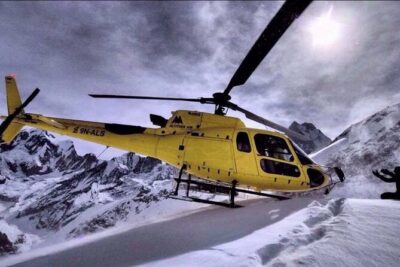
Practical note: because flight conditions can change, keep your expectations flexible. This is one of those trips where the mountains hold the schedule, not your calendar.
Dudh Koshi River days: easy trails with real Sherpa village rhythm
After Phakding, you follow the Dudh Koshi River system deeper into the Khumbu. The route stays varied: pine forest, rustic villages, yak pastures, and repeated suspension bridge crossings. It’s a steady build, and it keeps your legs working without jumping straight into the toughest sections.
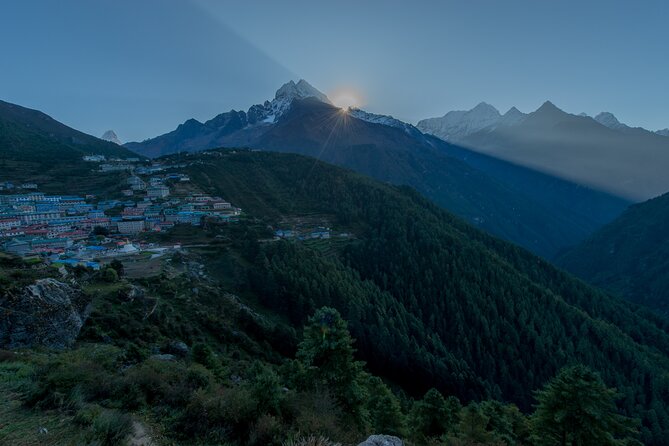
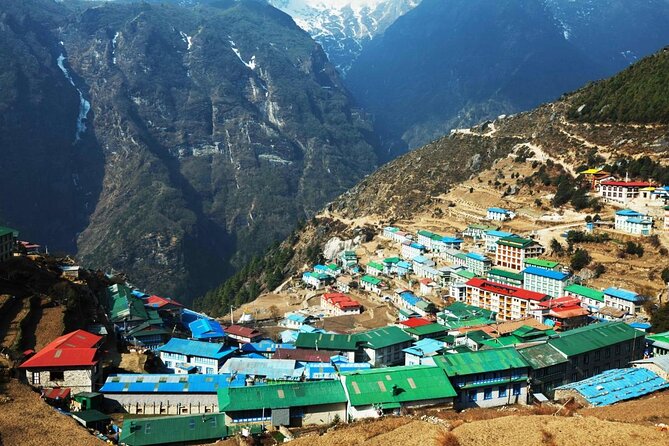
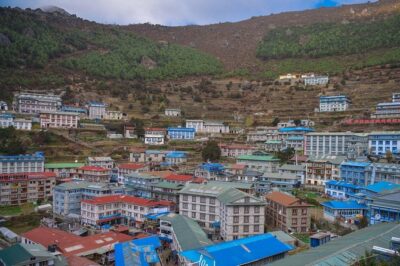
As you head toward Namche Bazaar, you also pass through Sagarmatha National Park, so you’re trekking in a protected zone where the region’s wildlife and landscape rules shape how life works. Along the way, you’ll get glimpses of major peaks in clear moments, including Everest and Nuptse. Namche itself feels like a hub for the Sherpa community, often called the Sherpa capital, and that matters because you’re not just hiking through empty scenery.
Namche acclimatization: Khumjung, Sir Edmund Hillary’s school, and Everest views
Namche is not a throwaway stop. You’ll get a full acclimatization day, with a hike to Khumjung village to keep your body moving while you adjust to altitude. One highlight here is the chance to see the historic monastery and a school Sir Edmund Hillary built. That’s more than a photo moment; it ties a global story to local effort.
You also visit the Everest View Hotel, known for panoramic views and listed in the Guinness Book of World Records (2004). Even if you skip the fancy parts, the payoff is the sightlines. On clear weather days, you can read the mountain faces around you more clearly from this elevated vantage.
This is where you’ll understand the real benefit of acclimatization: you’re teaching your body how to function as oxygen thins. Go easy, drink water, and don’t treat this day as a time to “make up speed.”
More trails out of Kathmandu, boots ready
Tengboche monastery: the Khumbu’s spiritual centerpiece with mountain drama
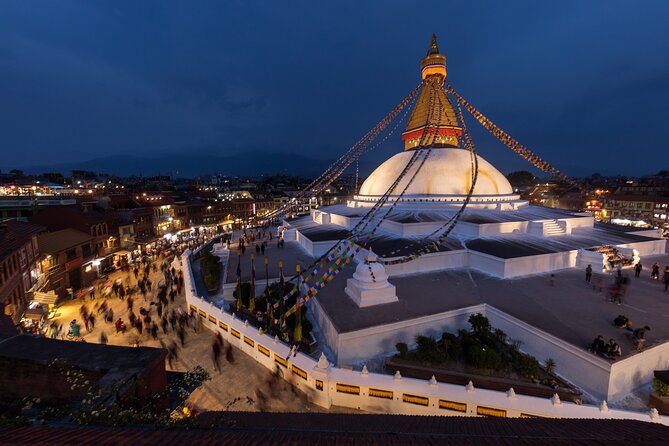
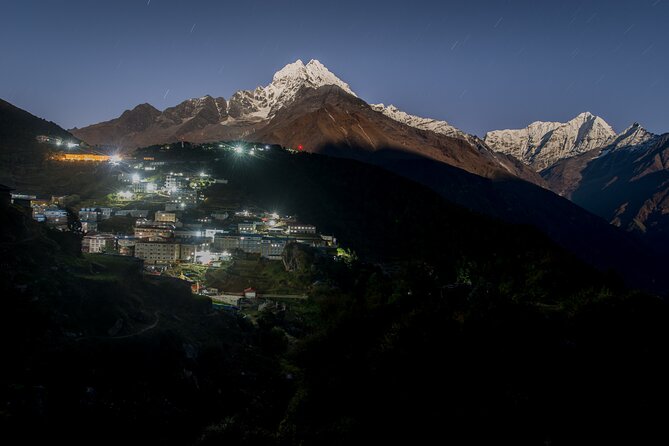
From Namche you continue into denser forest, passing places like Phungithanga before the trail turns uphill. You’ll see a water-powered prayer wheel, then head toward Tengboche, home to the Khumbu region’s largest Buddhist monastery.
The monastery visit is a genuine cultural anchor for the trek. It’s not just a stop sign; it’s part of how the Sherpa community marks life in the high Himalaya, with the mountains always in the background. Tengboche also tends to deliver strong mountain views, including Ama Dablam, Everest, Nuptse, and Lhotse in the surrounding panorama when visibility is good.
If the day feels long, remember why you’re here. This is where Everest turns from a destination into a lived place.
Dingboche: stone-walled settlement vibes and Ama Dablam nearby
Dingboche comes after a crossing of a suspension bridge back over the Dudh Koshi River. The trail trends northward through rhododendron, birch, and conifer trees, with mani walls and chortens giving you that familiar Himalayan visual language.
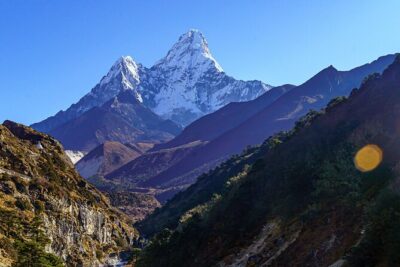
Dingboche is described as the highest Sherpa settlement in Khumbu, and it’s enclosed by stone walls, which gives the village a protected, almost fortress-like feel. Views of Ama Dablam are very close by, which is one of those “you can’t believe it’s real” moments you get in this region when the mountain stands out from behind the ridgeline.
Nangkartshang acclimatization: a short climb that teaches patience
Another key acclimatization day happens in Dingboche with a climb to Nangkartshang Peak. You’ll make about a 400-meter ascent to reach the peak area, and the summit point is listed at 5,083 meters.
The route includes a two-hour steep ascent from the center of Dingboche to the summit viewpoint. This is the kind of day that builds confidence without rushing you into Everest-level demands. It also reinforces a big trekking skill: slow pace, steady breathing, and stops before you feel cooked.
If you want a practical benchmark, this is it. If you can manage this climb comfortably, your chances get better for the remaining days.
Lobuche to Gorak Shep: nearing Everest Base Camp without rushing
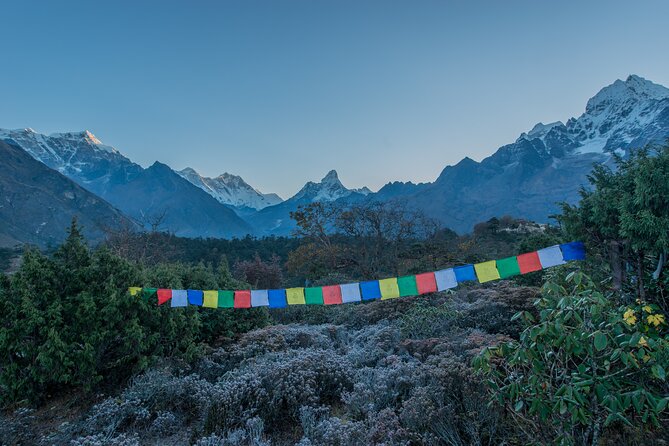
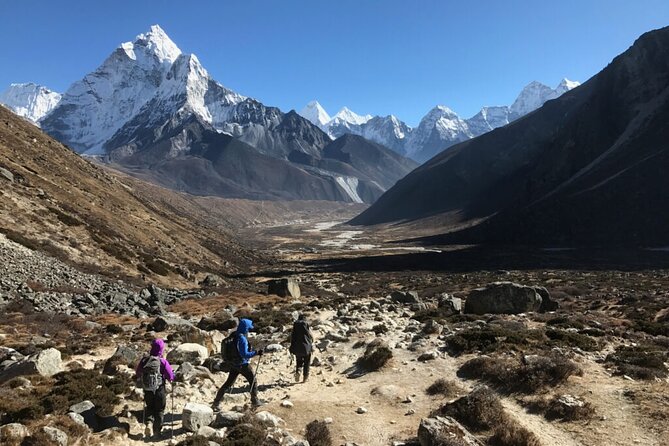
From Dingboche you move toward Pheriche valley, and the trail starts feeling more strenuous. You’ll pass views of major neighbors like Ama Dablam, Taboche, and Cholatse, then push over rough terrain that can feel tough because of steep climbs over glacier moraine.
Thukla Pass becomes a meaningful marker day, with prayer flags and stone shrines decorating the crossing. After that, you reach Lobuche for the night, with strong views of Nuptse and Taboche.
The next push takes you to Gorak Shep. You’ll drop your backpacks once you arrive, then follow a rocky trail toward Everest Base Camp. This is where the scenery turns raw: glacial moraine, streams, and that unmistakable sense of being right at the edge of a huge system.
You’ll return to Gorak Shep afterward, so plan for a cold, tired evening.
Everest Base Camp and Kala Patthar: the sunrise math that’s worth it
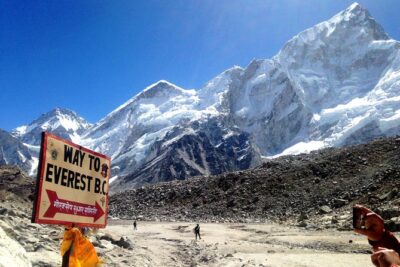
The trek includes two of the most watched viewpoints in the Everest region. First, Everest Base Camp itself, reached from Gorak Shep via a rocky approach. From there you’ll see big named features like Khumbu Icefall and Khumbutse, along with views of Nuptse and Pumori.
Then you get Kala Patthar at dawn. The plan is an early start for the steep, rocky hike to a prominent viewpoint. The big promise here is sunrise and a huge panorama, and the route is timed so you catch the clearest light on the surrounding massifs.
After Kala Patthar, you descend toward Pheriche, passing back through rough trails and Thukla Pass again, including a bridge crossing. Pheriche includes a Himalayan Rescue Association clinic, and it’s worth knowing that this stop exists because safety in the Khumbu is a real, everyday concern, not just an Everest headline.
This section is the core of the trip. If you’re one of those people who needs to feel “how close” you truly are, these two days do that job.
The return down: Tengboche and Namche again, but with new perspective
After the high point days, the route turns back toward Tengboche. You’ll trek through rhododendron and juniper, with a chance for wildlife and birds depending on season. The pace can feel different on the descent, and that matters because you’ll still be at altitude longer than you expect.
Tengboche comes again after a walk that includes strenuous uphills, then you continue toward Namche Bazaar for another return day. By now, the scenery you once treated as “future goals” turns into familiar landmarks, like the trail between prayer walls and villages.
You’ll end up back in the Namche area with enough energy to enjoy what’s around you. That sounds obvious, but it’s often overlooked. Coming down is when you remember to look up.
Lukla back to Kathmandu: finishing with the same route, minus the dread
Heading back toward Lukla starts with a steep descent from Namche Bazaar and continues through a challenging route toward the Dudh Koshi River bank. You’ll cross suspension bridges again and pass through rhododendron and pine forests. Eventually you reach Phakding, cross another suspension bridge, then hike uphill toward Lukla.
You’ll celebrate the trek’s success with the group before returning to Kathmandu by flight (about 40 minutes). In Kathmandu, you’re transferred to a hotel, with time for a stroll through Thamel and shopping for souvenirs. Your final day keeps things simple: a representative helps transport you to Tribhuvan International Airport.
Price and value: what $1,420 actually covers on this trek
At $1,420 per person for roughly 15 days, the value depends on what you’re expecting to manage yourself.
What you do get included:
- two-way domestic flights Kathmandu–Lukla–Kathmandu
- Kathmandu lodging in a 3-star hotel
- lodge accommodation on trek
- a professional trek leader
- an air-conditioned vehicle
- fees and taxes
- a Nepal Social Trekk Duffel bag and sleeping bag
- a selection of meals listed in the package (lunch on day 12, dinner on day 13, breakfast on day 14)
What’s not included:
- international flights to Nepal
- Nepal entry visa fees (you pay directly)
- personal trekking gear
- trekking porter
- travel/medical insurance
For most people, the big value drivers are the included Lukla flights, guided pacing, and having your core overnight gear covered by the package. The missing piece to budget is the porter and your insurance, because those are often the first costs people forget until they need them.
Also, this is private for your group only. That’s real value if you want your pace, your questions answered, and not a one-size-fits-all flow.
Guides and pacing: the difference between surviving and enjoying
On Everest-region treks, two things change everything: pacing and decision-making. The trekking leader role matters because altitude sickness prevention is not just advice; it’s how you time rests, manage effort, and keep the group moving smartly.
In the way Nepal Social Treks approaches high-altitude guidance, the consistent theme in past experiences is that the guide takes altitude seriously and helps the group avoid getting in trouble. Specific names like Kamal, Achut, and Bishnu Bhatta show up repeatedly for being the kind of person who keeps things organized and focused on safety, and guides like Lhakpa are also praised for being hands-on and caring.
Porters also get credited often, including people named Santos, Prem, Ayush, and Ram. Even if you skip a porter, you’ll want to understand why: it’s not about luxury, it’s about energy. Keeping your pack lighter can be the difference between arriving “tired” and arriving “wrecked.”
What to pack and how to handle altitude without overthinking
You’ll need to bring your personal trekking gear, since only a duffel bag and sleeping bag are provided. Plan for layers, because conditions can change fast, and you’ll be active most of the day on rocky trails.
On the altitude side, don’t treat the trek like a fitness challenge only. This route includes acclimatization days in Namche and Dingboche, plus a higher climb to Nangkartshang. That’s already built in. Your job is to follow the plan: go slower than you want, drink water regularly, and take rests seriously.
If you’re the type who wants a checklist, keep it simple:
- comfortable hiking boots
- warm layers for mornings and evenings
- sun protection and a way to stay hydrated
- basic first-aid and any personal meds you rely on
One more practical point: the program requires good weather. So if clouds or wind hit Lukla or higher viewpoints, expect adjustments.
Who should book this 15-day private Everest Base Camp trek
This trek fits best if you:
- can handle moderate physical fitness and long trekking days
- want a guided, structured approach with real acclimatization
- care about culture stops like Tengboche monastery, mani walls, and village life
- like the idea of Everest without pretending it’s a casual hike
If you’re traveling solo, this private setup can still work well because you get a dedicated trek leader and a group dynamic that’s guided, not random. If you’re traveling as a family or with teens, the route can be manageable when everyone can keep a steady pace and communicate early if someone feels off.
Should you book it?
If you want the classic Everest Base Camp experience with careful pacing, monastery culture, and a clear shot at Kala Patthar, this is a strong option. The included Lukla flights and guided structure take pressure off you, and the acclimatization days are exactly what you should look for in a good plan.
Book it if you’re ready to be flexible on flight timing and you’ll budget for insurance and (if needed) a porter. Skip it if you’re chasing maximum comfort or you hate any schedule uncertainty, because in the Khumbu, weather sets the tone.
FAQ
What is included in the trek price?
The package includes air-conditioned vehicle, all fees and taxes, a Nepal Social Treks duffel bag and sleeping bag, Kathmandu accommodation in a 3-star hotel and lodge accommodation on trek, a professional trek leader, and two-way domestic flights Kathmandu–Lukla–Kathmandu. It also lists specific meals: lunch on day 12, dinner on day 13, and breakfast on day 14.
Are international flights included?
No. International flights ticket is not included. You’ll need to arrange your own flights to Nepal.
What about the Nepal entry visa fee?
Nepal entry visa fees are not included and should be paid directly by you.
Do I need to hire a porter?
A trekking porter is not included. You can still plan on carrying your own essentials, and you may want to budget for a porter if you prefer lighter loads.
Is travel and medical insurance included?
No. Travel and medical insurance is not included in the package. The tour notes it may be needed in emergencies.
Is the trek private?
Yes. It is described as a private tour/activity, and only your group will participate.
Where do the trek start and end?
The start meeting point is Nepal Social Treks & Expedition, Paknajol, DRS Bhawan- 1st Floor, Kathmandu. The activity ends back at the meeting point.
Does the schedule depend on weather?
Yes. The experience requires good weather. If it is canceled due to poor weather, you’ll be offered a different date or a full refund.
FAQ
Can I cancel for a full refund?
Yes. You can cancel up to 24 hours in advance for a full refund.
What if I cancel less than 24 hours before the start?
If you cancel less than 24 hours before the experience start time, the amount you paid will not be refunded.
What changes can I request close to departure?
Changes made less than 24 hours before the experience’s start time will not be accepted.
How are local times used for cutoff rules?
Cut-off times are based on the experience’s local time.
More Trekking Out of Kathmandu
Private Days, Your Group Only
More Tour Reviews in Kathmandu
Just Reviewed in Kathmandu
- Mountain Bike Tour
★ 5.0 · 3 reviews - Annapurna Panaroma
★ 5.0 · 3 reviews - Mount Everest Scenic Flight 50 Minutes
★ 5.0 · 3 reviews - Kathmandu : Swambhunath & Durbar Square Guided Half Day Tour
★ 3.3 · 3 reviews - Chandragiri Cable Car & Monkey Temple Tour – Private/Group
★ 5.0 · 3 reviews - Kathmandu: Shivapuri National Park Hiking Day Trip
★ 3.3 · 3 reviews
Everest Base Camp Treks, compared.
 ★ 5.0Everest Base Camp Trek – 14 DaysFrom $1,8001,499 reviews
 ★ 5.0Everest Base Camp TrekFrom $1,790842 reviews
 ★ 5.0Everest Base Camp TrekkingFrom $1,350485 reviews
 ★ 5.0Everest Base Camp Trekking – 13 DayFrom $1,399365 reviews
★ 5.0Everest Base Camp TrekFrom $1,445350 reviews
★ 5.0Everest Base Camp Trek -14 DaysFrom $1,420321 reviews
★ 5.0Everest Base Camp Trekking – 13 DayFrom $1,399365 reviews
★ 5.0Everest Base Camp TrekFrom $1,445350 reviews
★ 5.0Everest Base Camp Trek -14 DaysFrom $1,420321 reviews
 ★ 5.012 Days Everest Base Camp TrekFrom $1,099289 reviews
 ★ 5.0Everest Base Camp Trekking – 2025/2026From $1,339199 reviews
Browse the lists this tour appears in