
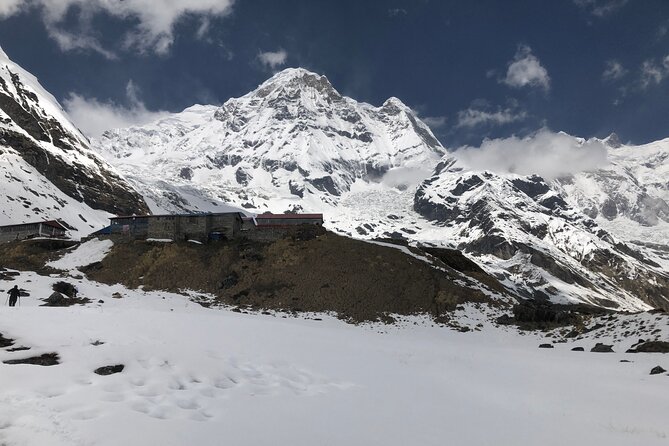
Review · ANNAPURNA CIRCUIT TREKS
Annapurna Circuit Trek
One trek, three climates, two sacred worlds. The Annapurna Circuit changes fast—subtropical slopes turn into stark high-country views, and the trip adds the big draw of Tilicho Lake and a serious day over Thorong La. You’ll also get a strong cultural arc, from Tibetan Buddhist villages and pine forests up through the dry, cliffy Mustang-style vibe and down into pilgrimage country.
I like how this one is built around real support: a government-registered guide and porter, the paperwork handled for TIMS and ACAP, and meals planned so you’re not guessing every day. I also like that it’s private, so you’re not sharing your schedule with strangers. The main drawback is the pace and altitude—especially the long pass day—so you’ll want solid hiking fitness and a calm approach to acclimatization.
In This Review
- Key things I’d circle before you go
- Annapurna Circuit reality: dramatic altitude, fast culture shifts
- The money question: what $1,175 buys you (and what it doesn’t)
- Logistics that actually help: transport, hotel nights, and private guiding
- From Kathmandu to Jagat: the long transfer that sets the tone
- Manang phase: Tibetan villages, farming life, and a real rest day
- The high basin detour: Tilicho Lake stop logic
- Ledar, Thorong Phedi, and the build-up to 5,416m
- Muktinath, Marpha, and the valley switch from cold to warm
- Why Poon Hill still works even at the end
- Getting back down: Pokhara, Kathmandu, and the last flight day
- Who should book this trek—and who should pause
- Should you book this Annapurna Circuit trek with Tilicho Lake?
- FAQ
- What’s included in the trek meals?
- Are permits included, or do I need to handle paperwork myself?
- What kind of guide and porter support do I get?
- Where do I sleep during the trek?
- Do I need to pay for drinks and personal items?
- What happens if weather affects the route?
Key things I’d circle before you go
- A named guide highlight: In feedback, Gyanu stands out for warmth, patience, and practical guidance on the trek.
- Meals and warm drinks are handled: Coffee/tea comes with meals, and your daily breakfast, lunch, and dinner choices are included while trekking.
- Permits are covered: The trip includes paperwork for TIMS cards and ACAP permit.
- Big altitude milestones, with a rest day: You climb to Manang, take a rest day to explore, then push higher toward Thorong La.
- Thorong La plus Tilicho Lake: You’re not just doing a standard circuit day-by-day—you’re adding one of the most famous high detours.
More trails out of Kathmandu, boots ready
- Everest Base Camp Trek – 14 Days★ 5.0 · 1,499 reviews
- Everest Base Camp Trek★ 5.0 · 842 reviews
- Everest Base Camp Trekking★ 5.0 · 485 reviews
- Nagarkot Sunrise View and Day Hiking from Kathmandu★ 5.0 · 471 reviews
Annapurna Circuit reality: dramatic altitude, fast culture shifts
If you’ve never done a high mountain trek in Nepal, the biggest surprise is how quickly the air and scenery change. You start low enough to feel subtropical plants and farming life. Then the route rises into Himalayan valleys where pine forests and Tibetan Buddhist villages show up. Higher still, the terrain gets drier and the views sharpen into ice-stream type scenery and high ridgelines.
This circuit route is interesting because it doesn’t feel like one long hike in the same setting. It feels like moving through zones. One day you’re walking past fields and villages; the next you’re staring at big walls and glaciers, with your breathing telling you you’ve changed altitude again.
On top of that, you pass through places where faith is part of everyday life. You’ll reach Muktinath Temple, and later you’ll come down through the Kali Gandaki Valley area with villages known for unique culture and everyday mountain life.
The money question: what $1,175 buys you (and what it doesn’t)
At $1,175 per person for about 14 days, the value comes from what’s bundled, not just from the trekking days. You’re getting an experienced guide plus a porter who carries your luggage, with insurance and food/lodging for them covered in the package. You’re also getting the permits handled (TIMS and ACAP), a first aid box, and planned meals while trekking.
Meal support matters more than people think. Coffee and/or tea are served with each meal, and you choose breakfast/lunch/dinner from menus in each place. That reduces decision fatigue when you’re tired and altitude is doing its quiet damage.
Still, this price is not a full all-in-one travel bundle. It does not include:
- Nepal visa fee or international airfare
- travel insurance
- tips/donations
- alcoholic drinks, soda/pop, and snacks
- meals in Kathmandu and Pokhara
So the real value math depends on your personal baseline. If you already budget for visa, insurance, and your own drinks/snacks, the package looks more straightforward. If you want maximum convenience with every meal and drink included, you’ll need to add those costs yourself.
Logistics that actually help: transport, hotel nights, and private guiding
This trip starts with pickup offered, and you’re traveling in an air-conditioned vehicle for key transfer days. Kathmandu isn’t the difficult part of the trek, but getting there smoothly sets your mood. You’ll also get hotel time in Kathmandu and Pokhara on a bed-and-breakfast basis.
Once the trekking begins, you switch to mountain accommodation with options for private/share and single/double rooms (depending on what’s available). That flexibility matters on a long route because it affects comfort at the end of a long day.
The tour is private, meaning only your group participates. That’s a real plus on a trek like this, where the best plan is to hike consistently and adjust pacing when you need to. You also get a farewell dinner and a souvenir, which are small things, but they help make the trip feel like a complete experience rather than just “walk here, walk there.”
One more practical note: the listed start time is 12:15am. That suggests an early move on the first transfer. If you hate early mornings, plan for it now.
From Kathmandu to Jagat: the long transfer that sets the tone
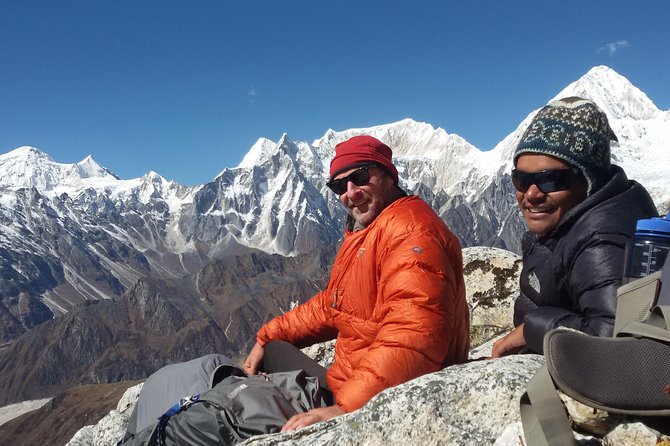
Your first big movement day is the drive from Kathmandu to Jagat. It takes about 9 hours by local transport and starts around 1,300m. That’s a long day even before the first hike, so it’s worth treating it like part of the trek, not like a minor warm-up.
On the next day, you hike toward Danakyu/Dharapani for about 5 hours, climbing to roughly 2,300m. This early section is usually where you learn your pace: how fast you can walk without feeling wrecked, and how quickly your body responds to the altitude.
A good way to think about these first hikes is as calibration. You’re testing your layers, your hydration routine, and your rhythm. If you go too hard too early, the high pass later will feel much tougher.




Manang phase: Tibetan villages, farming life, and a real rest day
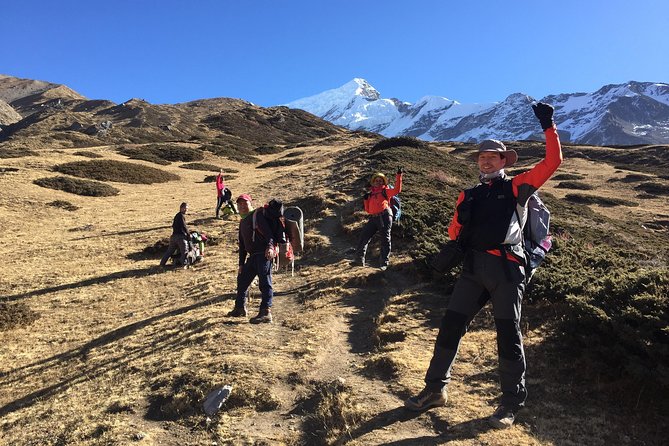
After the first climbing days to places like Chame and upper Pisang, you reach higher valleys where the route starts to feel more “Himalayan” than “Nepal foothills.” You’ll also spend time in villages that feel Tibetan-influenced, with a different rhythm than the lower trekking days.
You’ll hike toward Ghyaru and then continue to Manang, with the schedule putting you around 3,540m after about 6 hours. Then you get a rest day in Manang to explore the village.
That rest day is one of the smart parts of the plan. Altitude treks often fail not because people are weak, but because they rush acclimatization. A rest day gives you time to adjust your breathing and sleep without adding more climbing stress. It also gives you a break from constant decision-making—food, layers, pacing—so you return to the trail feeling more steady.
Manang is also a place where the culture feels sharper and the mountains feel bigger. Even if you stay near the village, you get that slow realization: the next section is about higher ground.
The high basin detour: Tilicho Lake stop logic
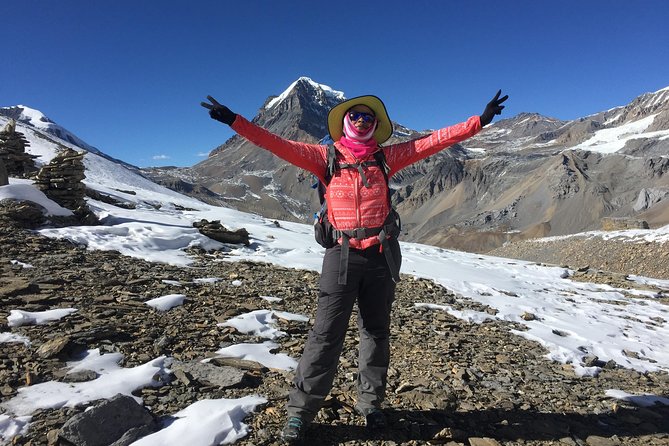
One of the headline stops is Tilicho Lake, which is famous for its remote, high-altitude setting. In practice, what you’re signing up for is a day or segment of hiking where the air feels thinner and the terrain asks more of your focus.
This detour is worth considering if you like your treks to have a “signature moment.” Not every circuit route includes the same high-profile side trip, and Tilicho Lake is often what people talk about later because it feels different from the main trail villages.
Because you’re already in a higher zone before the pass push, this detour also acts like another acclimatization test. You’ll feel the altitude, and you’ll learn how your body handles effort when your legs and lungs both matter.
Ledar, Thorong Phedi, and the build-up to 5,416m
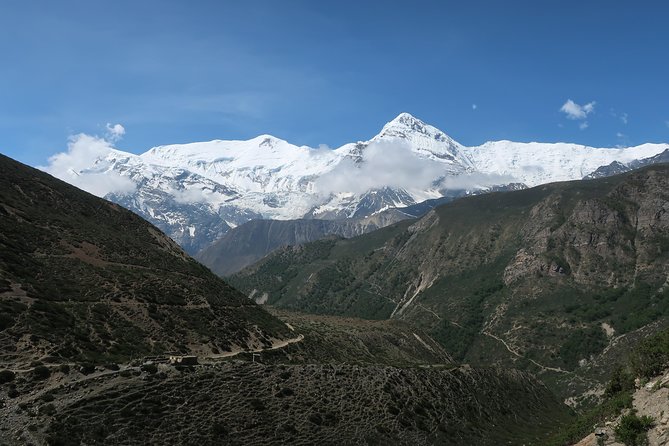
As the route continues upward, your walking days get shorter on paper but tougher on your body. You hike to Ledar for about 4 hours and reach around 4,200m. Then you continue to Thorong Phedi in about 3 hours, around 4,450m.
This sequence matters because it’s the runway for Thorong La. By the time you’re at Thorong Phedi, you’re close enough to the pass that a good night’s sleep and careful planning can make a difference in how the next day feels.
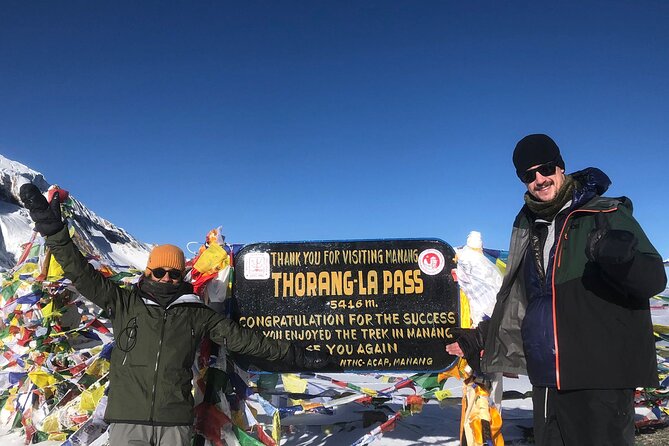
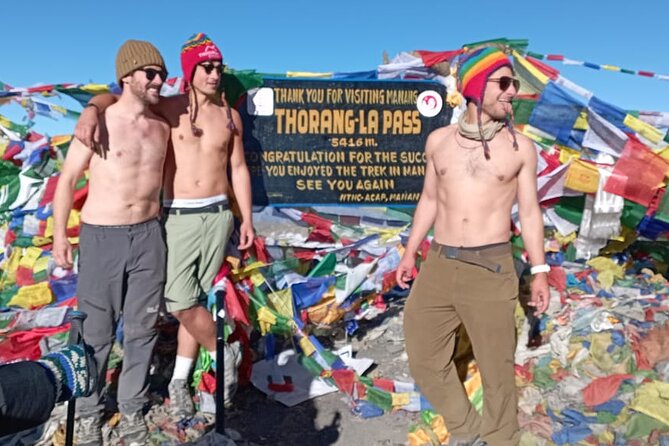
Thorong La day is the big one: you hike up to Thorong La Pass (5,416m) over about 8 hours, then trek down toward Muktinath. That’s not just a long walk. It’s a full-on altitude effort. Expect that your energy planning matters more than your speed.
Practical pacing beats hero pacing here. You’ll feel tempted to move faster when the route is interesting. Resist that. Save your legs for the pass itself and the descent afterward.
Muktinath, Marpha, and the valley switch from cold to warm
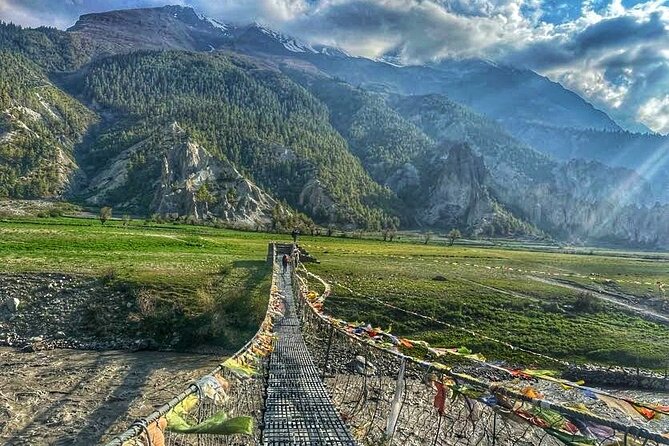
After Thorong La, the route changes mood. Instead of living in the pass zone, you move into pilgrimage country and valley villages. You’ll reach Muktinath Temple, a key cultural stop where Hindu and Buddhist influences show up in the everyday life of the area.
Then comes Marpha, which is described for good reason: apple plantations, a small religious community feel, and narrow cobbled roads. Even if you’re not into village sightseeing, Marpha tends to be a morale boost. It’s a place where you can feel like you’re back in real settlement life rather than only passing through.
Later, you’ll reach Tatopani, known for its hot springs. After cold days and altitude exertion, warm water is a simple kind of relief. It’s not magic, but it can make the next stretch feel more manageable.
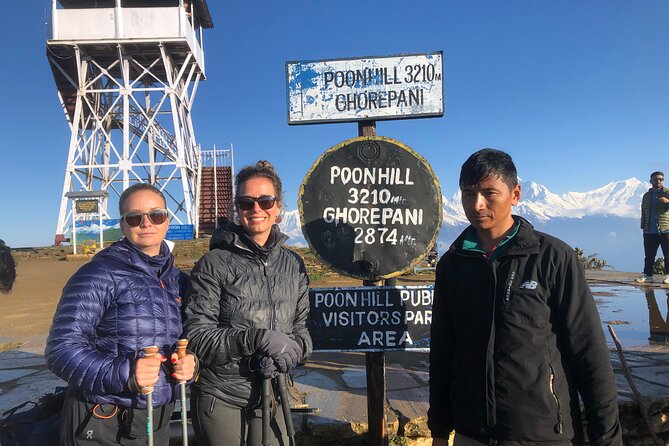
And then there’s Poon Hill. Poon Hill is a famous viewpoint where you can see more than 20 mountains across the Annapurna and Dhaulagiri ranges. This is the kind of stop that makes the whole trek feel worth it, because the view is big without requiring another day of pass-level effort.
Why Poon Hill still works even at the end
A lot of treks do a final viewpoint and you end up thinking, sure, it’s pretty, but I’m too tired. Poon Hill is different because the mountain spread can be dramatic and clear, even when you’re exhausted. It’s also a chance to see the wider geography of what you just hiked through.
If your legs are heavy at this point, focus on what matters: steady time in one spot, good photos, and letting your body recover. The point isn’t endurance. It’s perspective.
Getting back down: Pokhara, Kathmandu, and the last flight day
After the trekking ends, you’re looking at a return sequence that’s mostly travel days. You drive to Pokhara around 6–7 hours. Then you take a tourist bus from Pokhara to Kathmandu for about 8 hours. Finally, you fly from Tribhuvan International Airport on the last day.
This section is straightforward, but plan your energy. By then, your body is tired from days of altitude walking. The sightseeing days in Kathmandu and Pokhara are useful, but don’t overbook them in your own mind. You’ll appreciate a relaxed pace because you’ll already be “running on memory.”
Also note: meals in Kathmandu and Pokhara are not included, so budget for food on those days. Your guide may help you plan basic meals, but the package coverage changes once you’re out of the trekking portion.
Who should book this trek—and who should pause
This trek is listed for people with moderate physical fitness. That’s a helpful starting point, but the real question is whether you can handle altitude and long hiking days. If you’re comfortable with steep grades, can hike for multiple hours daily, and you’re okay with being tired for two straight weeks, this will likely feel rewarding rather than punishing.
It may not suit you if you:
- dislike early start times (the listing shows 12:15am)
- get anxious with high-altitude conditions (Thorong La at 5,416m is the key moment)
- want a fully low-impact experience
It also fits well if you like a mix of culture and scenery—villages, faith sites like Muktinath, and viewpoint payoff like Poon Hill—rather than just chasing altitude numbers.
Should you book this Annapurna Circuit trek with Tilicho Lake?
Book it if you want one trip that covers the full arc: low valleys, Tibetan-influenced villages, a serious pass day, pilgrimage stops, hot springs recovery, and a viewpoint climax at Poon Hill. The inclusion of permits, a guide/porter setup, and planned trekking meals makes it easier to focus on hiking instead of logistics. If you’re drawn to Tilicho Lake as a signature moment, this route gives you that.
Skip or rethink if you’re not ready for the long travel days and altitude pressure. Thorong La day is the make-or-break point, and the route asks you to keep a steady rhythm through fatigue.
If you do book, go in with two priorities: protect your pace on the climb, and treat the high-altitude rest mindset as part of the plan—not a weakness.
FAQ
What’s included in the trek meals?
Coffee and/or tea are served with each meal. During the trek, you can choose breakfast, lunch, and dinner from menus in each place.
Are permits included, or do I need to handle paperwork myself?
The trip includes all necessary documents and paperwork, including TIMS cards and the ACAP permit.
What kind of guide and porter support do I get?
You’ll travel with a highly experienced government-registered guide and a porter to carry luggage, with their salaries, equipment, food, lodging, and insurance covered.
Where do I sleep during the trek?
You get mountain accommodations with options for private or shared rooms and single or double rooms. You also stay in hotels in Kathmandu and Pokhara on a bed-and-breakfast basis.
Do I need to pay for drinks and personal items?
Alcoholic beverages, soda/pop, and snacks are not included, and personal expenses like phone calls, laundry, and battery recharge are also not included.
What happens if weather affects the route?
This experience requires good weather. If it’s canceled due to poor weather, you’ll be offered a different date or a full refund.
More Trekking Out of Kathmandu






More Tour Reviews in Kathmandu




Just Reviewed in Kathmandu
- Mountain Bike Tour
★ 5.0 · 3 reviews - Annapurna Panaroma
★ 5.0 · 3 reviews - Mount Everest Scenic Flight 50 Minutes
★ 5.0 · 3 reviews - Kathmandu : Swambhunath & Durbar Square Guided Half Day Tour
★ 3.3 · 3 reviews - Chandragiri Cable Car & Monkey Temple Tour – Private/Group
★ 5.0 · 3 reviews - Kathmandu: Shivapuri National Park Hiking Day Trip
★ 3.3 · 3 reviews
Annapurna Circuit Treks, compared.
 ★ 5.0Annapurna Circuit Trek with Tilicho LakeFrom $1,093368 reviews
 ★ 5.0Annapurna Circuit TrekFrom $1,17594 reviews
★ 5.0Annapurna Circuit TrekFrom $2,24067 reviews
★ 5.0Annapurna Circuit TrekFrom $1,07449 reviews
★ 5.0Annapurna Circuit TrekFrom $1,35046 reviews
★ 5.0Annapurna circuit TrekFrom $99835 reviews
★ 5.0Annapurna Circuit TrekFrom $1,15035 reviews
★ 5.0Annapurna Circuit TrekFrom $97534 reviews
Browse the lists this tour appears in