
Review · ANNAPURNA CIRCUIT TREKS
Annapurna Circuit Trek 12 days
Altitude hits fast here. The Annapurna Circuit Trek turns a single route into a whole set of climates, forests, and mountain moods as you climb. You’ll also get big-name scenery, including views of Annapurna I, Dhaulagiri, and Machhapuchhre, plus major stop points like Tilicho Lake and the Kaligandaki Gorge.
I especially like the mix of tea-house trekking and real conservation-area variety. One day can feel like subtropical valleys with farmland, and the next can feel alpine and wind-swept, with rhododendron forests and quieter conifer stretches.
One thing to consider: your comfort budget isn’t included. Meals in the city and during the trek aren’t part of the price, and porter service costs extra, so you’ll need to plan how much weight you can manage yourself.
In This Review
- Key highlights
- Annapurna Conservation Area: a trek that feels like several worlds
- Kathmandu to the trail: pickup, transport, and staying sane
- Tea-house trekking: local stays without the DIY headache
- Your guide and permits: the unglamorous stuff that keeps the trip smooth
- Forests, wildlife, and the sound of altitude
- Tilicho Lake at 4919m: the big ticket view moment
- Kaligandaki Gorge: the canyon that makes mountains feel close
- The peaks you’ll recognize: Annapurna I, Dhaulagiri, Machhapuchhre
- Pace, fitness, and altitude reality checks
- Price and value: what $769.24 actually covers
- Who this Annapurna Circuit trek fits best
- Should you book the Annapurna Circuit Trek?
- FAQ
- How long is the Annapurna Circuit Trek?
- Where does the tour take place?
- What is the price per person?
- What is included during the trek?
- Are meals included?
- Is a porter included?
- What permits are included?
- How large is the group?
- Is there any cancellation flexibility?
- What fitness level do I need?
Key highlights
- Tea-house accommodation during the trek keeps things simple and locally rooted.
- Licensed guide + paperwork covered (ACAP permits and TIMS) so you’re not scrambling.
- Tilicho Lake at 4919m is built into the route, giving you a standout high point.
- Kaligandaki Gorge is a rare “wow” corridor where two big massifs face each other.
- Small group cap (max 20) tends to make support and pacing feel more personal.
- Wildlife-rich Annapurna Conservation Area spans huge elevation range, so scenery changes fast.
More trails out of Kathmandu, boots ready
- Everest Base Camp Trek – 14 Days★ 5.0 · 1,499 reviews
- Everest Base Camp Trek★ 5.0 · 842 reviews
- Everest Base Camp Trekking★ 5.0 · 485 reviews
- Nagarkot Sunrise View and Day Hiking from Kathmandu★ 5.0 · 471 reviews
Annapurna Conservation Area: a trek that feels like several worlds
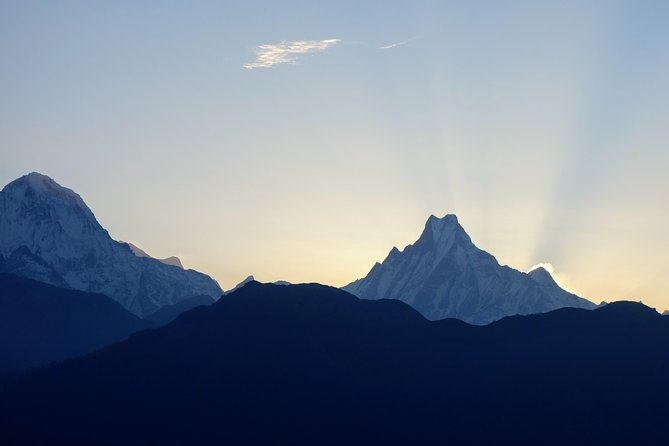
The Annapurna Conservation Area is huge, stretching from below 1000m valley floor up to high alpine country. That size matters. As you travel, you’re not just “walking to a view.” You’re walking through different climates and land types in a short time.
On lower trails, you’ll typically pass cleared agricultural patches and the remaining pockets of broadleaf forest. The vibe is lived-in: river sounds, occasional bird life, and more human activity. Higher up, the forest changes character. Rhododendrons take over in ways that feel almost seasonal—spring blooms can range from red to pink to white depending on altitude. In many stretches you’ll also notice the shift in sound. In drier conifer forests (often blue pine), it can get oddly quiet except for wind in the canopy.
If you’re the type who likes connecting what you see to what it means, this trek has built-in lessons. Altitude, topography, and climate shape what grows and what animals move. Even the way the landscape looks tells a story: cleared slopes below, thicker forest mid-elevation, and more austere high country as you climb.
Kathmandu to the trail: pickup, transport, and staying sane
This trek is based in Kathmandu, and pickup is offered. That’s not a small thing. In Nepal, the first big task is simply getting everyone to the starting area without losing a day to logistics. This operator includes all ground transportation as per itinerary, so you’re not piecing together schedules on your own.
The other “getting ready” angle is altitude awareness. The Annapurna region climbs quickly in practical terms. Even if the trek isn’t a steep wall every day, your body still has to adjust. A well-run group trek helps here by keeping the plan coherent and reducing chaos around timing, permits, and day-to-day changes.
Also, your group size is limited to up to 20 travelers. That tends to be the sweet spot for support without feeling like a moving traffic jam. You can get questions answered, and your guide can keep an eye on pacing and how people are feeling.
Tea-house trekking: local stays without the DIY headache
Accommodation is included during the trek, and it’s tea house style. Tea houses are basic by Western standards, but that’s part of why they work on this kind of route. You get a warm, social hub during cold hours, and you support the local network that makes trekking possible.
Here’s what you should plan for. Tea-house rooms usually mean simple bedding and limited comfort compared to home. Heating can be inconsistent, and you’ll spend a lot of time wearing layers rather than relying on the building to save you. The good news: you’re not carrying a tent system. You’re walking, eating, and resting in a rhythm that’s built for hikers.
One budget note: hot shower and snacks are not included, and wifi is listed as an extra. That means you should pack enough patience for basic facilities. If you expect a spa, you’ll be annoyed. If you expect a trekking base, you’ll feel fine—and you’ll spend more time enjoying the trail.
Your guide and permits: the unglamorous stuff that keeps the trip smooth
The tour includes a highly experienced, government-licensed trekking guide, along with their expenses. It also includes the needed paperwork and permits: ACAP permits and TIMS. For many first-time trekkers, this is the part that feels hardest—until it’s handled.
Why this matters on the Annapurna Circuit:
- Permits and TIMS are not a detail. They’re part of how the region manages trekking.
- A licensed guide usually means you get better decision-making on route timing, weather, and group pacing.
- Paperwork handled in advance reduces stress when you’re already trying to manage altitude and energy.
From the reviews tied to this operator, guides like Bimal and Nabin are described as professional, friendly, and helpful with issues that come up during the trek. I love that kind of support because minor problems in the mountains can become big problems quickly—lost layers, water questions, nausea concerns, or simple logistics.




Forests, wildlife, and the sound of altitude
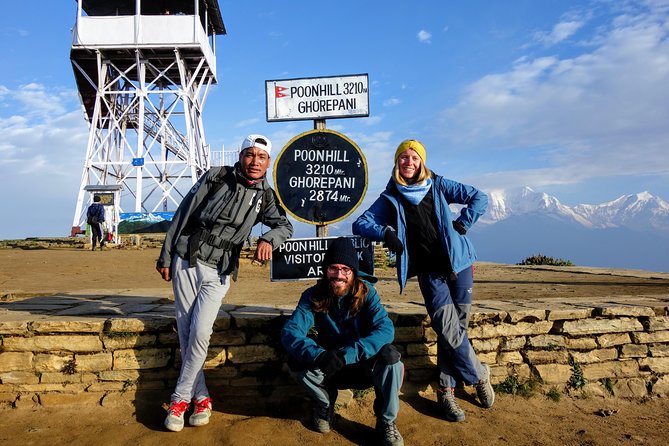
This is one of the most practical reasons to pick a guided circuit: you’re paying to understand what you’re walking through. The Annapurna Conservation Area is home to major wildlife and lots of bird life. The area is listed with 101 species of mammals, 474 species of birds, and more reptiles and amphibians too. That’s a reminder that you’re in a functioning ecosystem, not a theme park.
You’re also walking through a route where animals are part of the story. Symbolic species named for the conservation area include snow leopard, musk deer, Tibetan argali, Tibetan wolf, and Tibetan fox. Will you see them? Nobody can promise sightings. But you might hear or spot signs—tracks, scat, or sudden movement—especially around quieter stretches.
Birds are more likely to be “audible surprises.” The area is associated with species like the golden eagle and the demoiselle crane, and you may also notice different pheasants depending on habitat. Even if your wildlife sightings are modest, the change in habitat is still the point.
Season matters too. In spring, rhododendron forests can bloom in a range of colors depending on altitude. And as the trail pulls you away from louder river valleys, the soundscape shifts—less constant water noise, more wind and bird calls. That’s the kind of detail that makes a trek feel alive.
Tilicho Lake at 4919m: the big ticket view moment
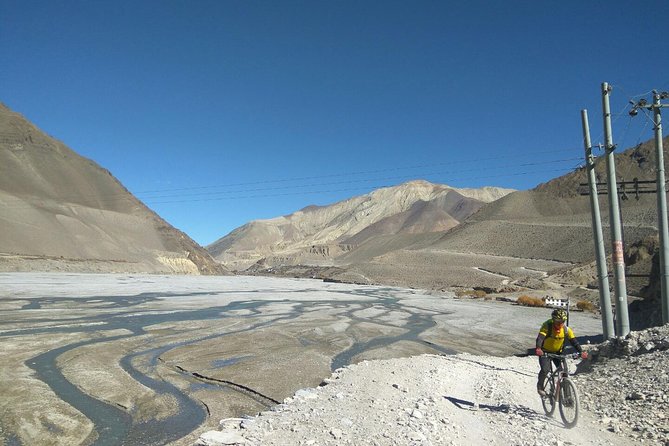
Tilicho Lake is explicitly part of this trek, and it’s listed at 4919m. High-altitude lakes can be tricky, visually and physically. They often look stunning but also feel exposed: cold air, wind, and fewer places to hide from weather.
That said, Tilicho Lake is a standout because it adds a different kind of payoff. The Annapurna Circuit already delivers mountains and valleys. Tilicho adds a high, dramatic water feature that makes your effort feel like it bought you something special.
If you’re planning for this moment, treat it like a peak-day in terms of energy. You’ll want to protect yourself from cold: enough layers, gloves if you run cold, and an honest pace. The best view is the one you can safely get to.
Kaligandaki Gorge: the canyon that makes mountains feel close
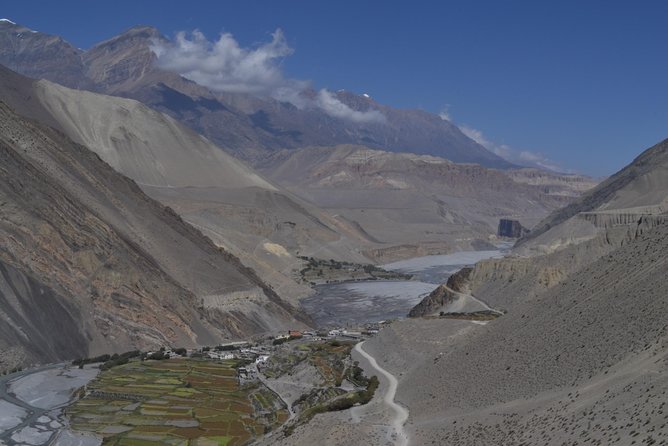
Another named highlight is the Kaligandaki gorge, described as the world’s deepest canyon. This is the kind of geographic feature that helps you understand what you’re actually standing beside: two massive mountain systems separated by a cut-through river corridor.
The gorge is also described as separating Annapurna I on the east and Dhaulagiri on the west. That’s a powerful visual contrast when the weather gives you clear lines. Even if clouds roll in, the terrain still tells the story—steep sides, rugged travel corridors, and a dramatic sense of scale.
For hikers, gorges can also mean wind and weather shifts. If you’re the type who gets cold fast, plan on layers even when the lower valleys feel warm. You don’t need a thermometer to know the difference. Your hands will tell you.
The peaks you’ll recognize: Annapurna I, Dhaulagiri, Machhapuchhre
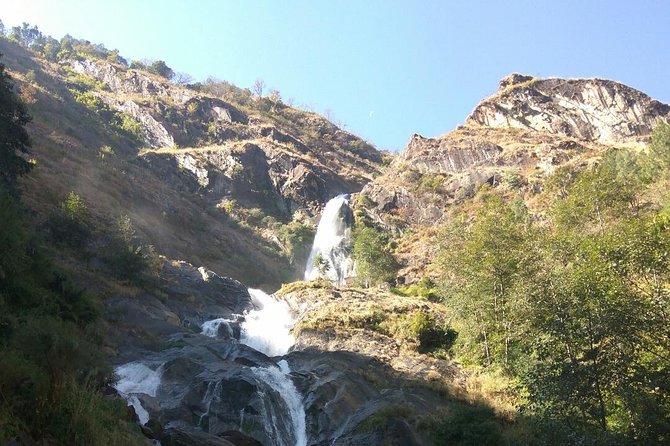
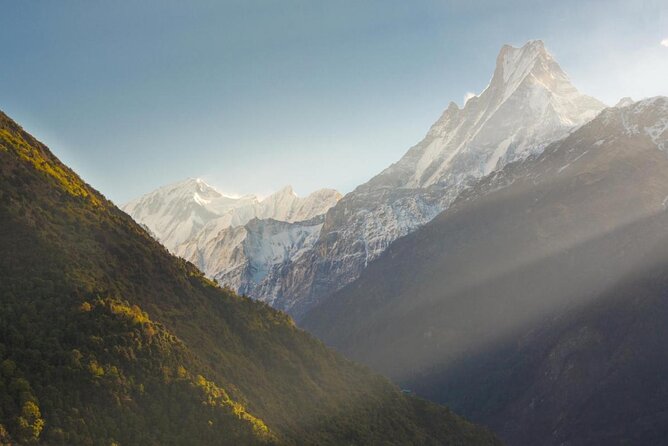
This trek lists major mountains in the Annapurna region, including Annapurna I (8091m), Dhaulagiri (8167m), and Machhapuchhre (6993m). Even if you don’t climb them, seeing these massifs framed by your trail builds a “now I get it” feeling about Himalayan geography.
Machhapuchhre (often called Fish Tail) is especially memorable for many people because it looks distinctive. Dhaulagiri and Annapurna are the heavyweight reminders: enormous altitude, big relief, and a sense that the sky sits unusually close when you’re high enough.
What I like about having these named in the trek description is that it helps you look smarter. You can watch for where the trail angles give you better sight lines. You’ll also pay more attention to weather windows—when clouds lift, the peaks can appear like someone turned a spotlight on.
Pace, fitness, and altitude reality checks
The tour calls for travelers with moderate physical fitness. That’s a helpful baseline, but here’s the practical truth: altitude is the variable you can’t train away at the last minute.
Moderate fitness means you should be able to hike for hours without falling apart, and you should walk comfortably with a daypack. It doesn’t mean you should arrive out of shape and hope the scenery does the work. If you’re new to trekking, you’ll want to build endurance before you go—long walks, some hills if possible, and practice with your boots and layers.
Also, this is a guided trek with a group. That helps. A good guide will pace the group so the slow hikers aren’t abandoned and the fast walkers aren’t sprinting into altitude trouble.
One more consideration: porter service isn’t included. If you want lighter loads, you’ll likely want to budget for a porter. If you’re carrying everything yourself, choose a conservative packing strategy. Trekking works best when you’re not fighting your gear every step.
Price and value: what $769.24 actually covers
The price listed is $769.24 per person for roughly 12 days. Here’s how to judge value without getting fooled by the headline number.
Included:
- Tea-house accommodation during the trek
- A government-licensed trekking guide (with guide expenses covered)
- ACAP permits and TIMS
- Government and local taxes
- Ground transportation as per itinerary
- Pickup is offered
Not included:
- Meals in the city and trekking
- Personal expenses like water and bar bills, wifi internet, hot shower, and snacks
- Porter (available at extra cost)
- Tips for guide, porters, and other staff
So what are you really buying? You’re paying for the structure: guide expertise, permits, and logistics that can be time-consuming and stressful to manage alone. If you tried to self-organize, you’d spend time coordinating transport, dealing with permits, and figuring out day-to-day support. The cost also matters because it reduces risk from wrong timing.
The main extra expenses you should mentally plan for are meals and any porter/tips. If you like hot showers and frequent snacks, your on-the-ground spending can climb. If you’re frugal and focused on the hike, the trip can feel like good value.
Who this Annapurna Circuit trek fits best
This trek is a strong fit for first-time Nepal trekkers who want a rewarding route without going fully DIY. It’s also well-suited if you care about nature and want a trek that connects forests, wildlife, and big mountain geography rather than just “checking a pass.”
Based on the reviews tied to this operator, what shines is the human side. People describe feeling taken care of, with guides who are professional and good at handling issues and adjusting support. Named guides like Bimal and Nabin come up in feedback, which is a sign the company tends to send consistent, accountable staff—not random handoffs.
If you want a trek where:
- the route’s highlights are clearly defined (Tilicho Lake, Kaligandaki Gorge),
- you don’t want to manage permits and daily logistics,
- you’re okay with basic tea-house comfort,
…then this is a practical choice.
Should you book the Annapurna Circuit Trek?
Book it if you want a guided Annapurna Circuit experience with key mountain highlights, permits handled, and tea-house comfort that keeps things realistic. You’re paying for support where it counts: licensed guidance, transport, and the paperwork load.
Skip or rethink it if you expect meals and comforts like hot showers to be included, or if you know you’ll need a porter but don’t want to pay extra for it. And keep altitude in mind. Moderate fitness is a start, not a guarantee of an easy day.
If you’re ready for a trek that teaches you the Annapurna Conservation Area in motion—forests changing, soundscapes shifting, and the mountains getting bigger—this is the kind of trek that earns the memories.
FAQ
How long is the Annapurna Circuit Trek?
The trek is listed as approximately 12 days.
Where does the tour take place?
The tour is associated with Kathmandu, Nepal, with ground transportation as per the itinerary.
What is the price per person?
The price is listed as $769.24 per person.
What is included during the trek?
Tea-house accommodation during the trek, a licensed trekking guide (with guide expenses included), ACAP permits and TIMS, government and local taxes, and all ground transportation as per the itinerary are included.
Are meals included?
No. Meals in the city and during the trekking are not included.
Is a porter included?
No. A porter is available in extra cost.
What permits are included?
The tour includes ACAP permits and TIMS.
How large is the group?
The maximum group size is listed as 20 travelers.
Is there any cancellation flexibility?
Yes. Free cancellation is available up to 24 hours in advance for a full refund, and poor weather can also trigger an option for a different date or a full refund.
What fitness level do I need?
The tour notes that you should have a moderate physical fitness level.
More Trekking Out of Kathmandu






More Tour Reviews in Kathmandu




Just Reviewed in Kathmandu
- Mountain Bike Tour
★ 5.0 · 3 reviews - Annapurna Panaroma
★ 5.0 · 3 reviews - Mount Everest Scenic Flight 50 Minutes
★ 5.0 · 3 reviews - Kathmandu : Swambhunath & Durbar Square Guided Half Day Tour
★ 3.3 · 3 reviews - Chandragiri Cable Car & Monkey Temple Tour – Private/Group
★ 5.0 · 3 reviews - Kathmandu: Shivapuri National Park Hiking Day Trip
★ 3.3 · 3 reviews
Annapurna Circuit Treks, compared.
 ★ 5.0Annapurna Circuit Trek with Tilicho LakeFrom $1,093368 reviews
 ★ 5.0Annapurna Circuit TrekFrom $1,17594 reviews
★ 5.0Annapurna Circuit TrekFrom $2,24067 reviews
★ 5.0Annapurna Circuit TrekFrom $1,07449 reviews
★ 5.0Annapurna Circuit TrekFrom $1,35046 reviews
★ 5.0Annapurna circuit TrekFrom $99835 reviews
★ 5.0Annapurna Circuit TrekFrom $1,15035 reviews
★ 5.0Annapurna Circuit TrekFrom $97534 reviews
Browse the lists this tour appears in