
Review · ANNAPURNA CIRCUIT TREKS
Annapurna Circuit Trek
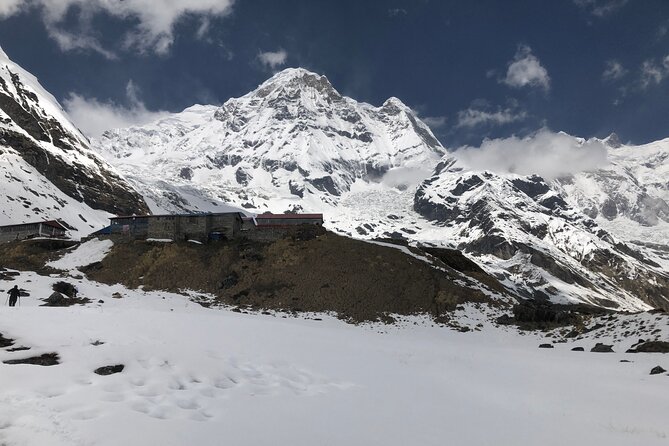
Fishtail views start long before the trek. This Annapurna Circuit route mixes mountain drama with real village life—temples in Kathmandu, dusty paths through Gurung and Thakali country, and a big-ticket day over Thorong La (5,416m). You’ll also get a genuinely useful structure for altitude, not just a long list of walking days.
What I like most is how the trip builds in momentum and breaks it with sense. You’ll spend time in Kathmandu before the trail, then you’ll ease into higher ground with an acclimatization stop in Manang instead of rushing. And I like that it includes both Jomsom to Pokhara and Pokhara to Kathmandu flights, which is a real value when roads and weather start playing games.
One thing to watch: this is not a casual stroll. The route includes steep, cold, high-altitude hiking around Thorong La, and some trail sections are described as loose-stone or landslide-prone. If you tend to get altitude headaches easily, take the acclimatization days seriously and don’t treat “easy day” as “easy effort.”
In This Review
- Key highlights that make this trek tick
- Kathmandu first: temples, Thamel, and your gear reality check
- The road to Besisahar and Pisang: where “drive day” still means views
- Manang acclimatization: the extra day that can save your trip
- Sri Kharka and Khangsar: classic circuit walking, with steady gains
- Tilicho Lake: a big early start and less shelter on the way
- Back toward Yak Kharka: walking practice for Thorong La
- Thorong La Pass: cold glacier valley first, then 5,416m views
- Muktinath and the Mustang edge: temples, Lubra views, Kagbeni junction
- Jomsom to Pokhara by flight, then Kathmandu: time saved and weather risk
- Final Kathmandu unwind: farewell supper and cultural night options
- Price and value: what $1,560 covers and what you’ll still spend
- Who this Annapurna Circuit trek fits best
- Should you book this Annapurna Circuit trek?
- FAQ
- How long is the Annapurna Circuit trek?
- What is the starting point for this trek?
- What’s included in the tour price?
- What is not included?
- Do you fly during the trek?
- When is the best time to visit?
- Is free cancellation available?
Key highlights that make this trek tick
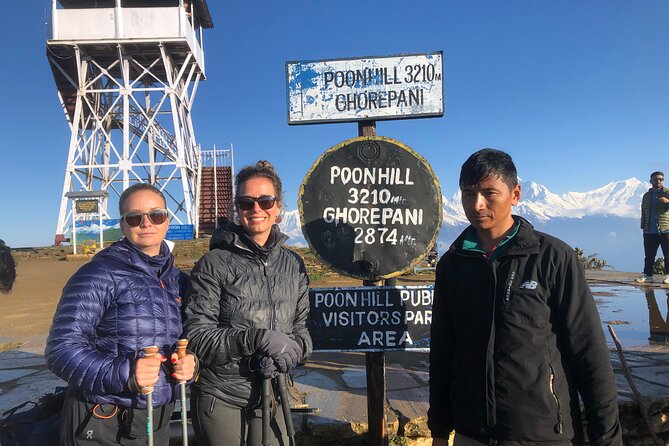
- Annapurna range views plus multiple ethnic cultures as you pass through villages in the Tamang, Gurung, Sherpa, and Magar communities
- Acclimatization built into the schedule with an extra night in Manang and guidance on what to do if you feel symptoms
- Tilicho Lake add-on: emerald water and big-glacier views, with a long day that starts early
- Thorong La Pass challenge: cold glacier-valley conditions first, then the summit-style climb to 5,416m
- Time-saving flights: Jomsom to Pokhara, then Pokhara to Kathmandu (weather can cause delays)
More trails out of Kathmandu, boots ready
- Everest Base Camp Trek – 14 Days★ 5.0 · 1,499 reviews
- Everest Base Camp Trek★ 5.0 · 842 reviews
- Everest Base Camp Trekking★ 5.0 · 485 reviews
- Nagarkot Sunrise View and Day Hiking from Kathmandu★ 5.0 · 471 reviews
Kathmandu first: temples, Thamel, and your gear reality check
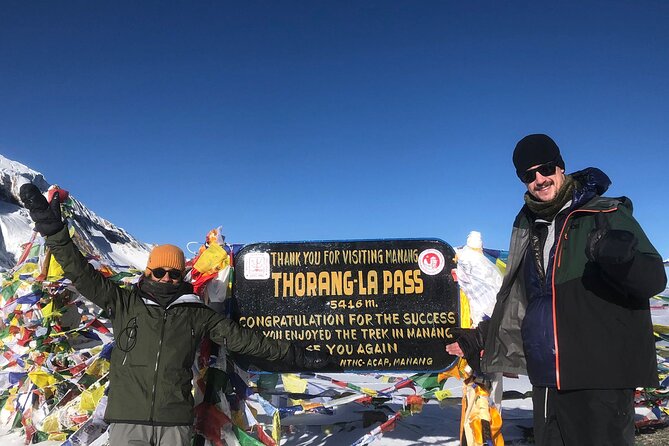
You start in Kathmandu, and that’s a smart setup. The trek doesn’t swallow your whole trip on day one; you get a chance to absorb the city and handle the practical stuff while you still have comfortable beds and hot food.
On your first full day, you’ll visit major heritage sites including Pashupatinath Temple, Buddha Stupa, and Kathmandu Durbar Square. Each stop is about an hour, which keeps the pace from turning into a museum marathon. You’ll also get time to roam Thamel, where you can compare trekking snacks, check your boots are truly broken in, and buy last-minute essentials without relying on a single shop.
Two practical tips for Kathmandu days. First, give your body a gentle rhythm—short walks, early nights—so you’re not tired when the long drive starts. Second, use Thamel to double-check clothing layers; high mountains are not forgiving when your cold-weather setup is one short-sleeve layer away.
The road to Besisahar and Pisang: where “drive day” still means views
Once you leave Kathmandu, the trip leans into scenic driving. The long ride toward Besisahar includes the Manaslu and Annapurna range along with green hills and river canyons. The roads are described as winding, bumpy, and narrow in stretches, especially as you move through the confluence areas and continue on toward the hill route.
The route moves through Dumre and follows a north approach to Besisahar, then continues onward toward Jagat. Even though today includes vehicle time, you’re still climbing toward trekking altitude. That means hydration still matters, and it’s worth wearing layers because car temperatures can swing.
Then comes the push to Lower Pisang/Upper Pisang, routed through settlements like Chyamje, Tal, and Karte. You’ll see waterfall and suspension bridge scenery along the way, and you also get a solid altitude gain by the time you reach Pisang. This day sets up tomorrow’s trek vibe: you’re not just arriving—you’re already working your legs a little, while the views keep getting bigger.
Manang acclimatization: the extra day that can save your trip
The trek from Pisang to Manang is described as moderate with an option for different trail choices—two paths with a higher, drier route and a lower, shorter alternative. That’s not a small detail. If you feel altitude symptoms, you’ll be nudged to take the lower trail rather than forcing the harder line. It’s an example of how this trip aims for smarter risk management.
When you reach Manang, it’s clear this area is designed for trekkers: you sleep in a hotel setup and you have time to breathe. The itinerary gives you a full extra day in Manang to adjust and reduce altitude-sickness risk. You can use that day for side trips like Ice Lake (3900m) and viewpoints such as Chongkor, plus monasteries and local spots in the Manang area.
I also appreciate that this acclimatization day isn’t just “stand around.” It includes the option to visit the Himalayan Rescue Association (clinic) for altitude sickness information. You’re not being told to panic—you’re being encouraged to learn what to watch for and how to respond.
A bit of real-world pacing advice: your body doesn’t care that the summit is on the calendar. Treat Manang like your training session for breathing, not just a scenic stop.
Sri Kharka and Khangsar: classic circuit walking, with steady gains
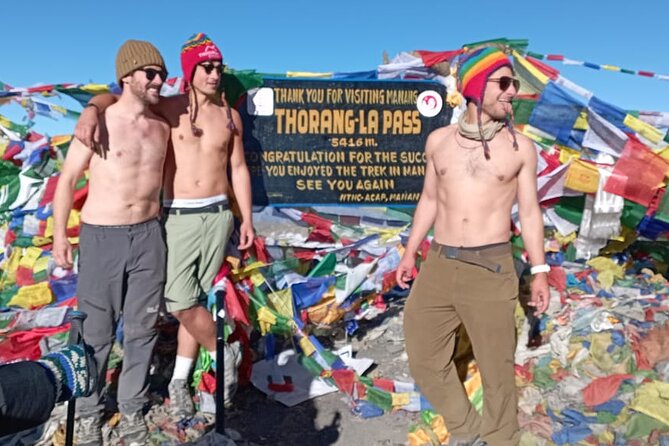
From Manang, you trek toward Sri Kharka, and the path shifts from the busier vibe of Manang to something more rugged and remote. You’ll pass the western gate, drop toward a river, cross it, then work your way through forest sections to reach Khangsar village. After that, the trail becomes dusty and rugged, with monastery scenery along the way.
This stage is less about one dramatic “photo moment” and more about building trekking legs. The days here often feel like the circuit’s core—working uphill, navigating uneven ground, and settling into a rhythm that will matter later.
Another useful angle: this part of the trek gives you a chance to notice how you’re adapting to altitude. If you’re feeling good, you’ll likely keep a steady pace. If you’re not, you’ll still have time to adjust before the hardest pass day.




Tilicho Lake: a big early start and less shelter on the way
Tilicho is where the circuit turns into a true add-on adventure. The trek toward Tilicho base area is described as easy on steepness but tiring because you’ll be dealing with loose stones and sections prone to landslides. That’s a reminder that “easy grade” doesn’t mean “easy feet.”
You’ll also get a payoff beyond mountains-on-mountains. The route gives you 360-degree view potential, and once you move onward, you won’t see hotels or teahouses on the route to Tilicho Lake. That matters for your planning: you’re more dependent on what you carry and how the day is structured once you’re moving toward the lake area.
The lake day itself starts early, with a note that mornings tend to have less wind. The first ascend is described as a little demanding, and then you reach emerald Tilicho with glittering glaciers in the mix. After exploring, you retrace back and return to Sri Kharka for the night.
One practical consideration: start the day with a sensible pace and save your energy for footing. The scenery is incredible, but sloppy steps are the fastest way to lose a whole afternoon to fatigue.
Back toward Yak Kharka: walking practice for Thorong La
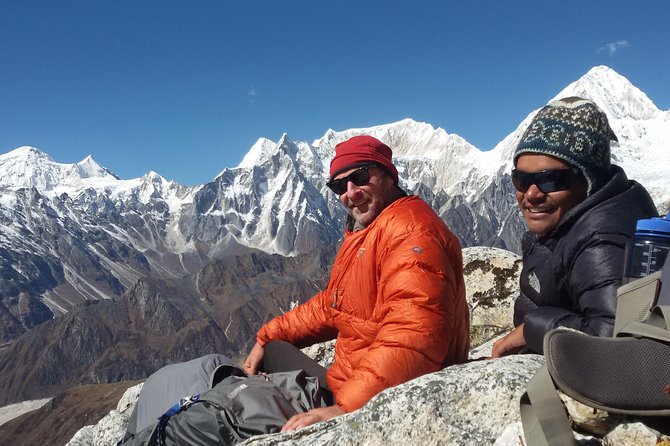
After Tilicho, the trek returns you toward Manang and then onward to Sri Kharka, Khangsar, and ultimately Yak Kharka. This stretch is described as an easy descent to Khangsar before ascending to barren terrain with views toward Yak Kharka. The barren sections are a good time to watch your breathing and keep your pace controlled.
You might also spot wildlife like blue sheep if conditions and timing line up. You can include a stop at Tare Gumba, a sacred place for locals in the area. I like these small cultural and spiritual stops because they break the mental monotony of “just keep walking.”
This stage also matters strategically. By the time you reach Yak Kharka, you’re still not at the pass day summit conditions, but you’re close enough that you can feel the height more strongly. It’s the kind of day where trekking technique counts: steady steps, short breaks, and no dramatic surges.
Thorong La Pass: cold glacier valley first, then 5,416m views
Now you get to the heart of the Annapurna Circuit story: Thorong La Pass.
First comes Thorong Phedi, the rest stop before the pass. The description points out that your body is progressively acclimating since you’re walking over 4500m, and the route here is isolated and cold. The area is described as a glacier valley bordered on three sides by high mountains. That’s a useful mental picture: you’re not just climbing in cold weather—you’re in an exposed, wind-sensitive pocket of terrain.
Then comes the pass day. You’ll start early before sunrise, and the early strategy is specifically mentioned because there’s less wind in the morning. The hike is steep in the first hours, then you hit High Camp, and the final climb to the summit has a tougher stretch for a few hundred meters.
The top is 5,416m (17,769ft), and the vista is described as breathtaking. Dhaulagiri (8,167m) stands above the pass view, and you can even see the upper Mustang region in the distance.
A practical way to prepare your head for this day: think of it as multiple small hikes rather than one giant event. If you feel pressure to move faster, resist it. Altitude is not impressed by willpower.
Muktinath and the Mustang edge: temples, Lubra views, Kagbeni junction
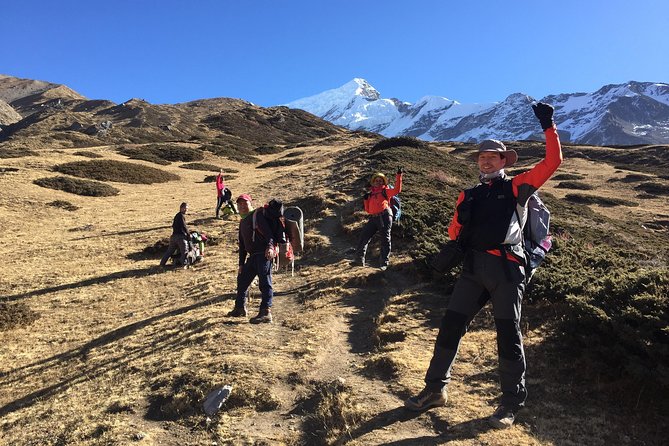
After the pass, you head toward Muktinath, which you’ll visit for blessings early in the day. Muktinath Temple is noted as a major pilgrimage for both Hindus and Buddhists, and the trip positions it as a spiritual reset after the physical strain of Thorong La.
From Muktinath, you either board a vehicle or trek toward Jomsom via Lubra. The best viewpoint is said to be from the top of Lubra village, not from the bus or jeep. That’s a good choice for people who want one more scenic payoff without changing the overall routing.
Then you descend toward Kagbeni, described as the junction between upper and lower Mustang. Upper Mustang is framed as a secluded kingdom beyond Kagbeni, away from the main area. You’ll also travel on a paved road between Muktinath and Jomsom, though there are notes about construction in some places.
This segment is a different kind of travel: less “mountain climb,” more “watch the terrain change.” It also feels like a bridge between remote trekking and the more transport-heavy days ahead.
Jomsom to Pokhara by flight, then Kathmandu: time saved and weather risk
One of the smartest value moves in this trek is the inclusion of a flight from Jomsom to Pokhara. Roads can take a long time on this route, and the itinerary suggests that reaching Pokhara by jeep can take up to 8–9 hours depending on conditions. A short flight—about 25 minutes—means you get your energy back for a proper rest day.
The flight takes you through the Kaligandaki gorge, then lands in Pokhara. The downside: winds and visibility can affect scheduling, so delays can happen. If you’re the type of person who gets grumpy when a plan changes, you’ll want to keep expectations flexible on this leg.
After Pokhara, you fly back to Kathmandu. Then the trip slows down again with hotel time and a chance to reset before your final day in the city.
Final Kathmandu unwind: farewell supper and cultural night options
When you return to Kathmandu, you don’t just transfer to an airport and call it done. You drive back to your hotel, relax, and then finish with a farewell supper at a traditional restaurant nearby. The trip also suggests you can take part in Nepal cultural events while you’re eating and afterwards, plus you’ll have time for souvenirs.
This matters more than it sounds. When you’ve spent days adjusting to altitude and a strict day-by-day rhythm, a slower evening helps you digest the experience. It turns the trek from “hard work” into “story you’ll actually remember.”
And if you’re curious about the details that make the circuit feel human, here’s something I took from the guidance vibe: local expertise is a theme in the feedback around guide Bhupal, who is praised for going above and beyond and for having strong regional know-how.
Price and value: what $1,560 covers and what you’ll still spend
At $1,560 per person for an approx. 15-day trek, you’re paying for more than walking days. This package includes key cost drivers that can easily balloon on your own: permits, trekking accommodations, professional guide and porters, plus flights during the middle and end of the journey. It also includes meals—breakfasts (14), lunches (13), and dinners (13)—so you’re less exposed to day-to-day price surprises in remote areas.
There’s also an air-conditioned vehicle included, and you’re covered for Kathmandu heritage site permits during the city days. Pickup is offered, and you receive a mobile ticket, which can reduce friction before you start.
What’s not included is also important. You’re responsible for personal expenses and tips/gratuities. That’s normal in trekking, but it’s where people often miscalculate budgets.
My verdict on value: if you want a guided, structured circuit with altitude awareness and the flights to save time, this pricing looks built for comfort and fewer logistical headaches, not just for minimizing spend.
Who this Annapurna Circuit trek fits best
This trek is a good match if you have moderate fitness and you’re willing to hike long days at altitude. The route includes challenging segments (especially around Thorong La), but it also provides acclimatization time in Manang and clear early-morning strategies for the hardest climb.
It’s also a good fit if you like your travel to mix mountains with culture. You get Buddhist and Hindu pilgrimage sites, village towns, monastery stop options, and a sense of how different communities live along the circuit route.
If you prefer a very cushy trip with minimal walking, this likely won’t feel right. But if you want a guided experience where someone helps manage pacing, supplies, and altitude decisions, it’s the kind of structure that keeps your energy focused on the scenery and your footing.
Should you book this Annapurna Circuit trek?
I’d book it if you want a guided circuit with built-in altitude support, plus the time-saving convenience of included flights. The trip design—especially the extra Manang day and the early start approach—sets you up to handle Thorong La with less guesswork. And the feedback theme around guide Bhupal and responsive porters is exactly what you want in the mountains, where one uncomfortable moment can turn into a problem fast.
You might skip it if your budget is tight and you’re trying to assemble everything yourself, or if you know you struggle badly with high altitude and you’re not comfortable slowing down when needed. Also, if you get irritated by possible flight delays due to wind and visibility, plan for some flexibility on the Jomsom–Pokhara leg.
If you’re ready for a serious trek with real cultural texture, this is a solid way to do the Annapurna Circuit without turning the logistics into a second job.
FAQ
How long is the Annapurna Circuit trek?
It’s listed as about 15 days.
What is the starting point for this trek?
The start is Tribhuvan Airport in Kathmandu, Nepal.
What’s included in the tour price?
The tour includes air-conditioned vehicle, trek permits, accommodation for the whole trip, professional certified guides and porters, flights from Jomsom to Pokhara and Pokhara to Kathmandu, UNESCO heritage site permits in Kathmandu, and meals (14 breakfasts, 13 lunches, 13 dinners).
What is not included?
Personal expenses and tips/gratuities are not included.
Do you fly during the trek?
Yes. You’ll take a flight from Jomsom to Pokhara and then a flight from Pokhara to Kathmandu.
When is the best time to visit?
It’s best in spring (April–May) and autumn (September–October).
Is free cancellation available?
Yes. You can cancel up to 24 hours in advance for a full refund. If you cancel less than 24 hours before, the amount is not refunded.
More Trekking Out of Kathmandu






More Tour Reviews in Kathmandu




Just Reviewed in Kathmandu
- Mountain Bike Tour
★ 5.0 · 3 reviews - Annapurna Panaroma
★ 5.0 · 3 reviews - Mount Everest Scenic Flight 50 Minutes
★ 5.0 · 3 reviews - Kathmandu : Swambhunath & Durbar Square Guided Half Day Tour
★ 3.3 · 3 reviews - Chandragiri Cable Car & Monkey Temple Tour – Private/Group
★ 5.0 · 3 reviews - Kathmandu: Shivapuri National Park Hiking Day Trip
★ 3.3 · 3 reviews
Annapurna Circuit Treks, compared.
 ★ 5.0Annapurna Circuit Trek with Tilicho LakeFrom $1,093368 reviews
 ★ 5.0Annapurna Circuit TrekFrom $1,17594 reviews
★ 5.0Annapurna Circuit TrekFrom $2,24067 reviews
★ 5.0Annapurna Circuit TrekFrom $1,07449 reviews
★ 5.0Annapurna Circuit TrekFrom $1,35046 reviews
★ 5.0Annapurna Circuit TrekFrom $1,15035 reviews
★ 5.0Annapurna circuit TrekFrom $99835 reviews
★ 5.0Annapurna Circuit TrekFrom $97534 reviews
Browse the lists this tour appears in