
Review · ANNAPURNA CIRCUIT TREKS
Annapurna Circuit Trekking -17 Days
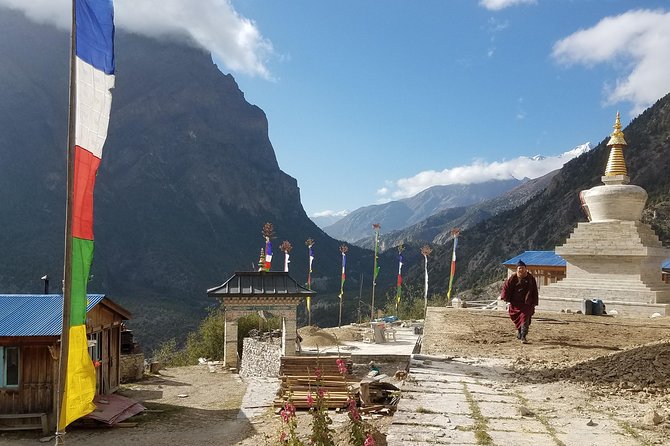
One of Nepal’s best treks starts with a long road. The Annapurna Circuit stretches from the Marsyangdi Valley up to the dramatic Thorung La Pass, with a clear cultural shift as you gain altitude. I like that the trip is built around high-value logistics (permits, lodges, guide, and planned transfers) so you spend your energy on walking and breathing.
My second favorite thing: you get a real acclimatization buffer with a full day in Manang, then a steady climb toward 4,000m+ before the big pass crossing. The only drawback to flag is pacing. Some days run long (6–10 hours) and high altitude hits fast, so you should be confident with hiking fitness before you sign up.
In This Review
- Highlights at a Glance
- From Thamel to the Trail-Head: where the adventure begins
- Marsyangdi Valley to Timang: villages, terraces, and steady uphill
- Manang at 3,540m: your acclimatization day that can save your hike
- Yak Kharka and Phedi: choosing patience on the climb
- Thorung La Pass to Muktinath: the day you’ll remember
- Tatopani to Ghorepani: descent that still keeps you hiking
- Lodges, meals, and what your $1,400 is really buying
- Guides and porters: comfort with real responsibility
- Practical pacing: how the daily hours add up
- Who this trek fits best
- Should You Book This Annapurna Circuit Trekking (17 Days)?
- FAQ
- Where does the trek start and end?
- Is pickup offered?
- What’s the highest point on this trek?
- What kind of accommodation do I get during the trek?
- Are permits included?
- Is a porter included?
- What’s included in Kathmandu and Pokhara?
- What is not included?
- How does the tour handle weather cancellations?
- Is the booking refundable if I cancel?
Highlights at a Glance
- Marsyangdi Valley start: village walks and terraced farms right after the scenic drive
- Manang acclimatization day: a scheduled recovery day at about 3,540m
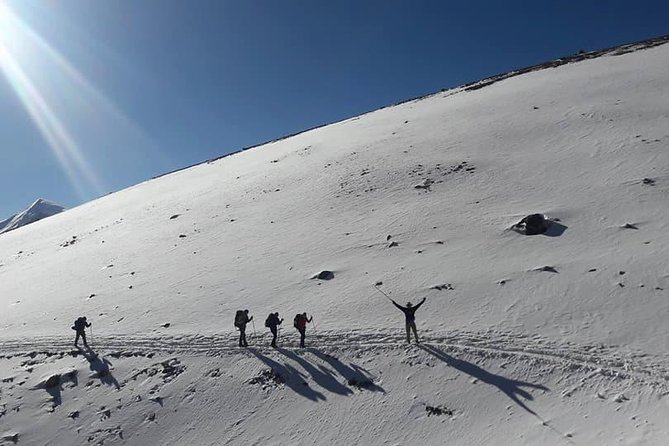
- Thorung La Pass focus: the circuit’s highest point at about 5,416m
- Lodge comfort with full meals: 13 nights in local lodges with breakfast, lunch, and dinner
- Permits handled: Annapurna Conservation Fee, TIMS, and required documentation included
- Optional porter setup: 1 porter between 2 clients if you request it
More trails out of Kathmandu, boots ready
- Everest Base Camp Trek – 14 Days★ 5.0 · 1,499 reviews
- Everest Base Camp Trek★ 5.0 · 842 reviews
- Everest Base Camp Trekking★ 5.0 · 485 reviews
- Nagarkot Sunrise View and Day Hiking from Kathmandu★ 5.0 · 471 reviews
From Thamel to the Trail-Head: where the adventure begins
Most Annapurna Circuit trips live or die by the first day, because jet lag loves to mess with your legs. Here, you start in Thamel, Kathmandu, and then move into the trek rhythm quickly. You get two nights in Kathmandu before the hiking begins, plus a bed-and-breakfast setup, which helps you settle without rushing.
Day one is an easy start: arrival in Kathmandu around 1,300m. Then you head out by land, including a public bus transfer to Besisahar (about 184 km) before trekking to Bhulbule. This matters because you’re not just hiking right away—you’re gradually transitioning from city life to the route’s real pace.
Marsyangdi Valley to Timang: villages, terraces, and steady uphill
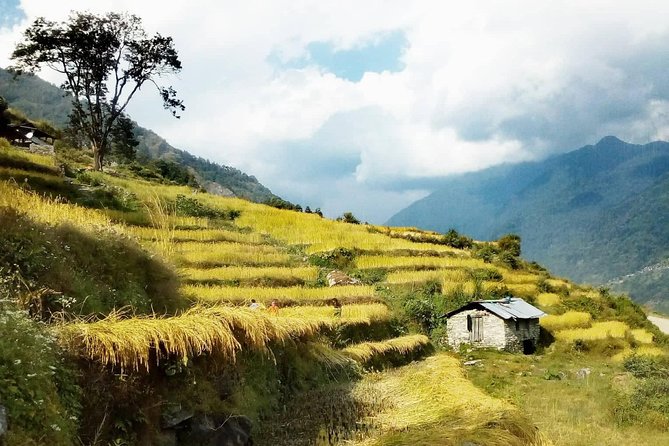
After the drive, the first hiking days feel like a warm-up that still delivers views. You’ll walk through terraced farms and villages along the Marsyangdi Valley, where you can regularly connect with local people. Early on, the trail is long but not savage: for example, you’ll cover about 7 km in roughly 2 hours to reach Bhulbule, then build into longer walking days.
A few stops stand out because they mark the trek’s “character shift.” Ghermu Phant brings a longer day (around 15 km, 5–6 hours), and Tal is another jump in altitude (to about 1,700m) with a day that can run close to 18 km. When you reach Timang (around 2,780m), the scenery starts tightening into mountain-bigger energy, while you’re still moving through human-scale places.
Then comes Pisang (about 3,200m) and Manang (about 3,540m). That segment is where the circuit starts feeling like a real expedition rather than a sequence of day walks. You’ll notice the air feels different, and your pace will naturally slow. That’s normal. The route is doing its job.
Manang at 3,540m: your acclimatization day that can save your hike
The Manang day is the big reason this trek feels manageable. You spend a full day at about 3,540m, which gives your body time to adjust before the higher section begins. Instead of racing upward because the calendar says so, you get the chance to recover and breathe.
Why this matters in plain terms: your body doesn’t treat altitude like a math equation. It reacts. The Manang buffer helps reduce the risk of feeling wrecked later, especially once you’re trekking to places around 4,000m and beyond.
If you tend to push too hard early in trips, this schedule helps you correct course. You still get movement in the days around it, but Manang acts like a breather that makes the next climbs more realistic.
Yak Kharka and Phedi: choosing patience on the climb
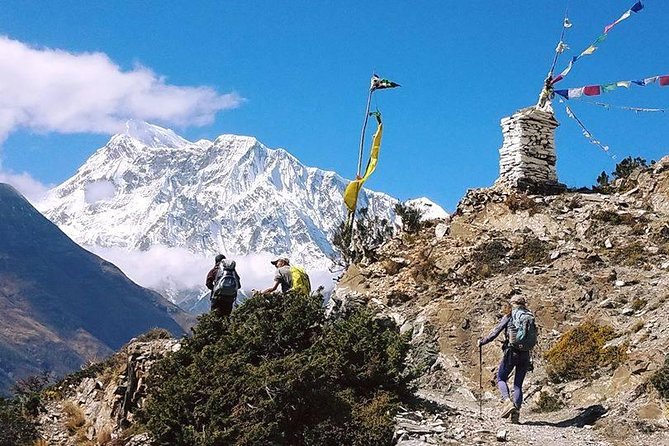
After Manang, the route climbs into true high-mountain trekking. You go to Yak Kharka (about 4,000m) over a shorter walking window (around 10 km, about 4–5 hours), which can feel like a breather—but it’s still altitude work. Your job here is not hero mode. It’s rhythm.
Then the trek to Phedi jumps to about 4,545m (roughly 8.5 km, 3–4 hours). This is the point where the trek starts demanding your full focus. The walking time isn’t outrageous, but your body needs fewer distractions: steady steps, regular pauses, and hydration.
This section also shows you how the itinerary is designed. The days aren’t just random. They step you upward in chunks so the big next day (Thorung La) isn’t a complete shock.




Thorung La Pass to Muktinath: the day you’ll remember
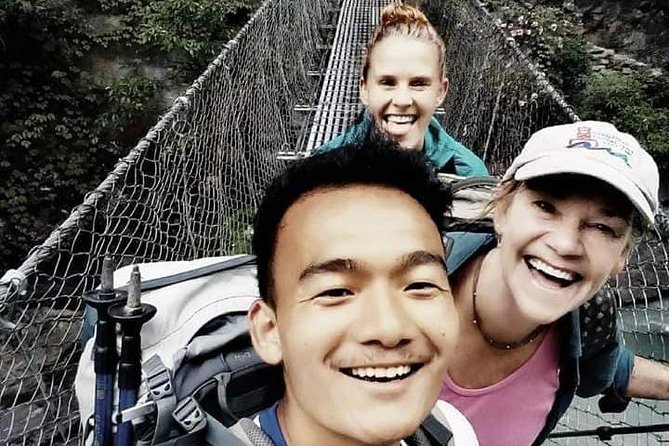
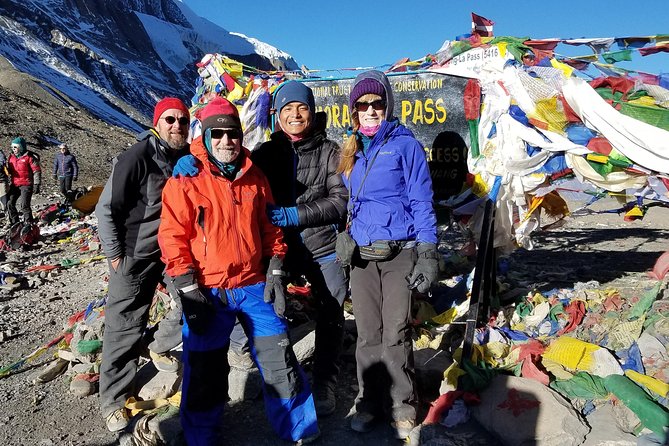
The center of the Annapurna Circuit is crossing Thorung La Pass, the trek’s high point at about 5,416m (about 17,769 ft). The itinerary’s long day here is serious: you’re looking at roughly 16 km and about 9–10 hours, via the pass, to reach Muktinath (about 3,694m). That drop in altitude feels like relief, but the crossing itself is the work.
Muktinath is more than just an end-point. You’re arriving after a high, exposed effort, and you’re also stepping into a different cultural and geographic feeling—right near the edge of the Tibetan plateau region. The contrast is part of why people do this trek beyond the physical challenge.
If you’re the type who wants a clear goal to aim for, this is your moment. If you’re worried about stamina, this is also your reminder to train for steady uphill hiking, not just fitness in general.
Tatopani to Ghorepani: descent that still keeps you hiking
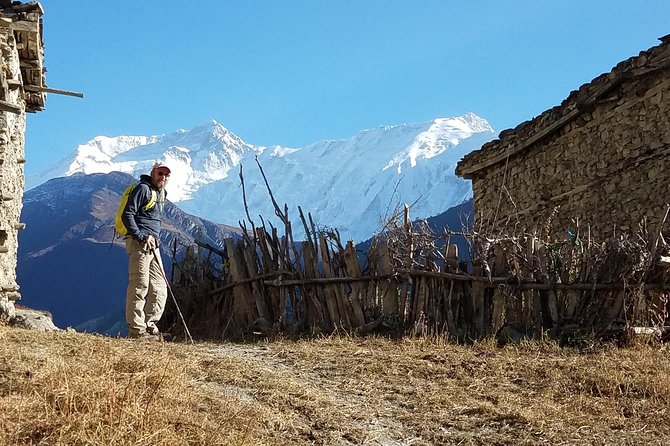
Once you’ve crossed Thorung La and reached Muktinath, the trek shifts into descent mode, but don’t assume it turns easy right away. You drive from Muktinath to Tatopani (about 1,160m) over roughly 60 km, which helps you reset.
Then you move back to the trail with Ghorepani (about 2,850m). The day to Ghorepani is about 17.5 km and 6–7 hours. After that, you continue down to Hile (around 1,400m) with a 12 km trek that runs 5–6 hours. This is where your legs will feel it most. Even when the altitude drops, the trail can still punish you with time on your feet.
Finally, you reach Nayapul (about 1,010m) in around 7 km and about 3 hours, then drive to Pokhara. The route intentionally spaces out the big altitude stress so the landing feels possible.
Lodges, meals, and what your $1,400 is really buying
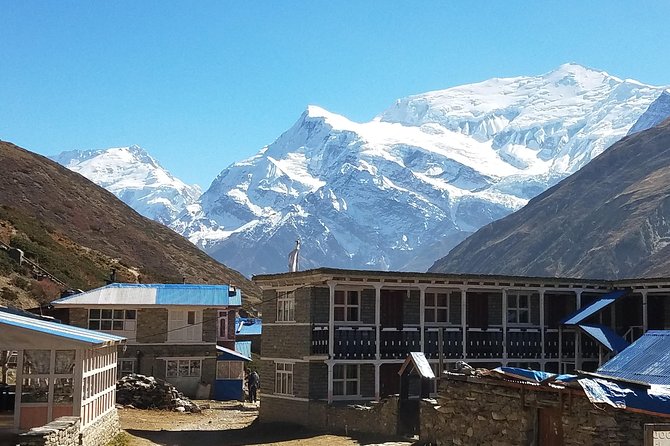
The price is $1,400 per person for about 17 days, and the value is mostly in what it includes. You’re not only paying for walking. You’re paying for the infrastructure that keeps a trek running: 13 nights in local lodges with breakfast, lunch, and dinner, plus accommodation in Kathmandu (two nights) and Pokhara (one night).
Permits are also included: the Annapurna Conservation Fee, TIMS, and other required documentation. For trekking in Nepal, this is a big deal, because it’s one of those tasks that can turn stressful if you’re scrambling on your own.
You’ll also get an English-speaking Sherpa guide (license holder) and trek staff costs covered, including insurance and equipment, plus a first aid medicine kit. There are also practical “energy” extras listed—Snickers, Mars, Bounty—and fresh fruits on the trek. That’s not a luxury hotel, but it’s the kind of small support that keeps you from running low at the worst time.
What’s not included matters too. Lunch and dinner in cities aren’t covered (you should plan about $10 to $14 per meal in tourist restaurants). Beverages aren’t included (soft drinks, mineral water, boiled water, beer). And tips for guide/porters/drivers are expected as customary costs.
So, the real question is whether you want to manage logistics yourself. If you’d rather pay for a smoother system, this package makes sense.
Guides and porters: comfort with real responsibility
A trek guide can make the difference between feeling confident and feeling confused. This operator specifically provides an English-speaking Sherpa guide with a government license. In past Annapurna Circuit experiences with this company, guide names like Mr. Dendi have come up as especially helpful and appreciated.
You also have the option of a porter, but the setup is shared: 1 porter between 2 clients, arranged on request. That’s a smart compromise if you don’t want to go full heavy-load, but you still want help carrying some weight. If you’re traveling with someone else, this can reduce the load without turning the trek into a carry-all shopping trip.
Small note: the trek staff includes food, accommodation, and equipment support. That means you’re not just hiring one person—you’re relying on a team that keeps the route functioning.
Practical pacing: how the daily hours add up
This circuit is built with hiking days ranging from short-ish to long ones. Some days are around 2–4 hours, while others run 6–10 hours. The itinerary also includes varying distances (roughly 7 km early on, up to about 18 km, and multiple longer walk days later).
Your best strategy is to treat the schedule like training wheels, not like a scoreboard. You’ll get the most out of it if you keep a steady pace, take breaks before you’re exhausted, and accept that high altitude slows everyone down. The Manang acclimatization day is there for a reason—use it to arrive fresher, not only to tick a box.
Who this trek fits best
This is for you if you want a classic high-mountain trek with a structured support system. The tour specifically says you should have a strong physical fitness level. That doesn’t mean you need to be a race walker; it means your body should handle long days and altitude stress.
You’ll likely enjoy this more if you:
- Want lodge-based trekking with meals handled
- Like a plan that manages permits and transfers
- Prefer a guided route where someone else handles key documentation and logistics
If you’re looking for an easy stroll or want a trip with no challenging days, this is not it. Thorung La is the headline for a reason.
Should You Book This Annapurna Circuit Trekking (17 Days)?
If your goal is a well-run trek with permits, lodges, guide support, and a thoughtful acclimatization stop in Manang, I think this is a strong choice. The overall value comes from having the “hard-to-manage” parts built in—meals in lodges, accommodation in Kathmandu and Pokhara, and required paperwork.
Book it if you’re ready for long walking days, you’ll take altitude seriously, and you want the convenience of a guided, team-supported circuit. Skip it if you’re unsure about your fitness or if you want something lightweight and short. Thorung La and the high passes set the tone here, and your preparation will be part of your success.
FAQ
Where does the trek start and end?
The experience starts in Thamel, Kathmandu (44600, Nepal) and ends back at the meeting point.
Is pickup offered?
Yes, pickup is offered.
What’s the highest point on this trek?
The itinerary lists Thorung La Pass as the highest point, at about 5,416m (17,769 ft).
What kind of accommodation do I get during the trek?
You’ll stay in local lodges for 13 nights during the trek, with breakfast, lunch, and dinner included.
Are permits included?
Yes. The package includes the Annapurna Conservation Fee, TIMS permits, and all required permits or official documentation.
Is a porter included?
Porter service is included with a setup of 1 porter between 2 clients, arranged on your request.
What’s included in Kathmandu and Pokhara?
You get two nights in Kathmandu (bed and breakfast) and one night in Pokhara (bed and breakfast). Taxes are included per the description.
What is not included?
Not included items are your personal travel insurance, Nepal entry visa fee, lunches and dinners in cities (budget $10–$14 per meal in tourist restaurants), beverages, and tips for guide/porters/drivers.
How does the tour handle weather cancellations?
This experience requires good weather. If it’s canceled due to poor weather, you’ll be offered a different date or a full refund.
Is the booking refundable if I cancel?
The experience is non-refundable and cannot be changed for any reason. If you cancel or ask for an amendment, the amount you paid will not be refunded.
More Trekking Out of Kathmandu






More Tour Reviews in Kathmandu




Just Reviewed in Kathmandu
- Mountain Bike Tour
★ 5.0 · 3 reviews - Annapurna Panaroma
★ 5.0 · 3 reviews - Mount Everest Scenic Flight 50 Minutes
★ 5.0 · 3 reviews - Kathmandu : Swambhunath & Durbar Square Guided Half Day Tour
★ 3.3 · 3 reviews - Chandragiri Cable Car & Monkey Temple Tour – Private/Group
★ 5.0 · 3 reviews - Kathmandu: Shivapuri National Park Hiking Day Trip
★ 3.3 · 3 reviews
Annapurna Circuit Treks, compared.
 ★ 5.0Annapurna Circuit Trek with Tilicho LakeFrom $1,093368 reviews
 ★ 5.0Annapurna Circuit TrekFrom $1,17594 reviews
★ 5.0Annapurna Circuit TrekFrom $2,24067 reviews
★ 5.0Annapurna Circuit TrekFrom $1,07449 reviews
★ 5.0Annapurna Circuit TrekFrom $1,35046 reviews
★ 5.0Annapurna circuit TrekFrom $99835 reviews
★ 5.0Annapurna Circuit TrekFrom $1,15035 reviews
★ 5.0Annapurna Circuit TrekFrom $97534 reviews
Browse the lists this tour appears in