
Review · MANASLU CIRCUIT TREKS
Around Manaslu Trek
One mountain pass at 5,116 meters changes everything. This Manaslu circuit links Budi Gandaki river valleys, small villages, gompas, and big Himalayan views, ending with a traverse through the high Annapurna side. You get the practical help of a private setup, including Kathmandu sightseeing and a guide who keeps things moving.
I especially like the focus on the core challenge—crossing Larkya La Pass—because it’s the day that makes the whole trek feel earned. I also like how the route mixes nature (sal forests, rhododendron, glaciers) with culture, including Buddhist gompas you pass and the Hindu sites you visit. One possible drawback: it’s not a fast hike, and the itinerary clearly expects moderate fitness plus good weather for the high sections.
In This Review
- Key points before you go
- Manaslu Circuit: Larkya La is the whole story (in a good way)
- Kathmandu setup: temples, permits, and having Hom (and a guide) on your side
- Days 1–5: Gorkha roads, Sal forests, suspension bridges, and gompas
- Days 6–8: Lho, Ribung Gompa, and the big Manaslu viewpoints
- Days 9–11: Base camp energy, then glacier moraine to Larkya La
- Days 12–14: Rhododendron mornings, Marshyangdi river crossings, and finishing Besi Sahar
- What you really get for $1,840: value, meals, and the parts you must budget
- Acclimatization, fitness, and gear reality check
- Should you book the Around Manaslu Trek?
- FAQ
- How long is the Manaslu circuit trek?
- Where does the trip start and how do you get there?
- Does the tour include Kathmandu sightseeing?
- What is the main high pass on this trek?
- What accommodations are included?
- Is a guide included?
- What meals are included during the trek?
- What do I need to provide for permits?
- What happens if the weather is bad?
Key points before you go
- Larkya La Pass at 5,116 meters is the trek’s main payoff and planning point
- Manaslu Conservation Area meets Annapurna side on the back half of the circuit
- Private ground transport + Kathmandu hotel means less scrambling before your first climb
- Guide support is built into the trip, and the agency’s planning has a strong track record
- Breakfast is included, while lunch and dinner during the trek are not
More trails out of Kathmandu, boots ready
- Everest Base Camp Trek – 14 Days★ 5.0 · 1,499 reviews
- Everest Base Camp Trek★ 5.0 · 842 reviews
- Everest Base Camp Trekking★ 5.0 · 485 reviews
- Nagarkot Sunrise View and Day Hiking from Kathmandu★ 5.0 · 471 reviews
Manaslu Circuit: Larkya La is the whole story (in a good way)
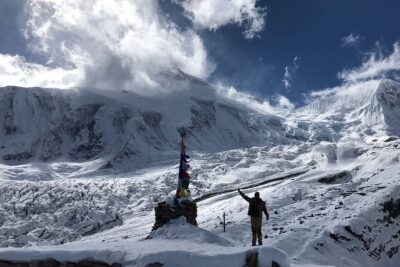
The Around Manaslu Trek is built around one dramatic concept: you’re hiking a full circuit to get multiple “layers” of the Himalaya, then finishing with the high crossing at Larkya La Pass (5,116 m). The pass itself is where snowcapped peaks and glaciers show up in a big, close-up way, and it also sets the mood for the rest of the trek—because after that, the altitude journey starts to feel more like a descent toward comfort.
What I like about this route is that it doesn’t treat Manaslu as one view only. You’re also walking through valleys shaped by the Budhi Gandaki river, with rocky trails, suspension bridges, waterfalls, and repeated river crossings that keep the day-to-day trekking interesting. And because this circuit touches a restricted Manaslu area and then connects into the Annapurna side, you end up with a varied trekking feel rather than a single repeated valley.
The practical consideration is timing and weather. This kind of high-pass trek is more sensitive than lower routes. The operator notes that the experience requires good weather, which matters most around the Larkya La crossing window and the glacier sections leading up to it.
Kathmandu setup: temples, permits, and having Hom (and a guide) on your side
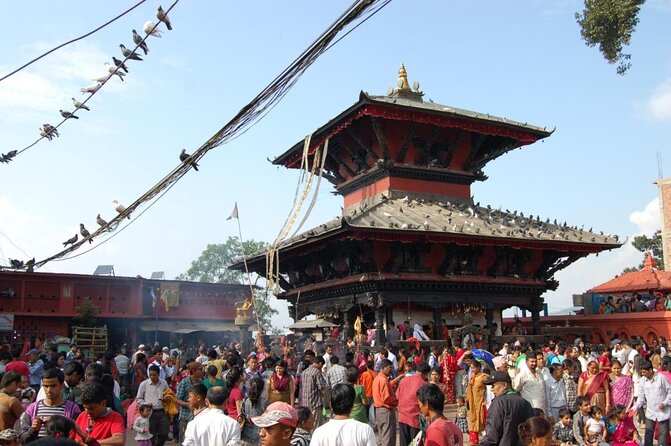
Before you start walking, you get a Kathmandu base with two nights in a 3-star hotel and a breakfast plan. You also get Kathmandu Valley sightseeing, including Monkey Temple, Pashupatinath, Boudhanath, and Durbar Square. This isn’t just box-ticking; it’s a nice way to shift your brain from city pace to trekking pace without needing a separate plan.
Permits are a big deal on Manaslu, and the trip includes the necessary paperwork and special permits. You’ll need to bring 3 passport size photographs, which is a small task that can otherwise become annoying late in the game. The tour is also issued with a mobile ticket, so you’re not stuck hunting for confirmations on the day you arrive.
One of the most praised parts of this operator’s service, based on traveler feedback, is the way the owner Hom handles planning and coordination. People specifically mention that he sets up key pieces like lodging and guide arrangements, and that the guide meets you at the right moments on the trek. Another detail that’s worth noting: guides named in feedback include Nabin and Promod Pangeni, and both are described as attentive and helpful.
Days 1–5: Gorkha roads, Sal forests, suspension bridges, and gompas
Day 1 is mostly travel and transition. You’ll drive from Kathmandu toward Dhading Bensi on paved roads, then switch to rougher roads and push on to Sotikhola. The total drive is listed as about 7 to 8 hours, which means you’ll likely sleep hard that first night and be ready to start early the next morning.
Day 2 is where the circuit begins to feel like trekking. You start with a walk through the sal forest region, then climb above rapids along the Budhi Gandaki. After that, the trail winds through rocky sections toward Khursane, with steep, cliff-hugging segments and two waterfalls along the route. You end at Maccha Khola, after weaving past villages such as Labubesi, which helps the day feel like more than just elevation.
Day 3 adds the classic mid-trek rhythm: short challenges, bridges, and gradual forward progress. The day includes a narrow trail with minor difficulty, suspension-style crossing on the Yaru Khola, and stone stairs leading toward Tharo Bharyang. You then cross the western river bank of the Budhi Gandaki and head toward Jagat, which usually feels like a calm village-day compared with the busier bridge-and-stairs moments earlier.
Day 4 leans into forest walking and small settlement time. Bamboo forests appear on the route, and you continue toward Deng Khola and overnight in Deng. This is the kind of day that helps your body adjust to the repeated up-and-down of trekking without hitting you with a single huge technical headache.
Day 5 is a cultural plus nature day. You cross the Budhi Gandaki multiple times, and the route brings you past large numbers of gompas. The trail also runs through dense forest until it thins out around a narrow gorge area where you’ll experience the river’s power. The day finishes at Namrung, which is a strong staging point for the higher views coming up.
What to watch for in the first half: repeated river crossings. Even when bridges are provided, you’re still dealing with changing footing and sometimes slick trail edges. I’d plan your shoes and socks like a serious part of the trip, not an afterthought.
Days 6–8: Lho, Ribung Gompa, and the big Manaslu viewpoints
Day 6 centers on Lho village, with standout scenery. You’ll pass through Lho and get extraordinary views of Mount Manaslu, and you’ll also explore the Ribung Gompa. This is one of those days where you stop walking and start looking more often, because the view-to-effort ratio feels very real.
Day 7 continues the viewpoint streak. After checking out of Lho, you’ll cross terrain that opens up toward peaks like Himal Chuli and Peak 29, and you get glaciers and snow summits on both sides—straight ahead and to the right as the trail trends toward Shyala. The day ends in Samagaon, and the pattern here is important: the route uses these days to build your sense of scale before the pass.
Day 8 is shorter on details in the plan, but in practice, this is one of the “settle and acclimatize” style moments on Manaslu circuits. You’re still within the broader Samagaon area, which is typically where people catch their breath before committing to the glacier and pass approaches.
Why this matters: acclimatization isn’t just a checkbox. It changes how you feel on the pass day and how well you sleep at night. A day that helps you stabilize before the glacier push can be the difference between feeling steady and feeling wrecked.




Days 9–11: Base camp energy, then glacier moraine to Larkya La
Day 9 is the pivot day toward the high areas. You descend toward the Budhi Gandaki as it turns north, then follow it toward the bridge area. The trail to Manaslu Base Camp passes through areas with lots of mani walls and the valley begins to widen. After that, you’ll cross Budhi Gandaki over a wooden bridge and climb steeply in a section between two river forks. You finish by reaching Samdo.
This is where the trek starts shifting from “comfortable walking terrain” into “higher-altitude terrain management.” You’re still hiking, but you’re also paying attention to pacing—because thin air can turn normal footwork into a slow-motion effort.
Day 10 is about the approach to the Larkya glacier valley. It’s described as a relatively short climb, and the reward is the view of Larkya Peak and Cho Danda. This day gives you a first clear look at the pass zone. Even if the distance isn’t the biggest problem, this is where your body starts to learn the rhythm of the high zone.
Day 11 is the glacier grind and the big views. You’ll walk across moraines and gradually ascend, then it gets steeper toward the end as you near the pass. The view list here is huge: Cheo Himal, Himlung Himal, Kangguru, and Annapurna Mountain II. You reach Bimtang at the end of the day.
A practical note for pass-goers: moraine terrain can feel annoying underfoot—uneven, loose, and tiring to balance. This is one reason I’m glad the trip isn’t sold as an easy stroll. It’s designed to prepare you step-by-step for a day that can be physically demanding even for experienced hikers.
Days 12–14: Rhododendron mornings, Marshyangdi river crossings, and finishing Besi Sahar
Day 12 begins a more forested phase. You continue about 4 to 5 hours to Tilije, with rhododendron forests and green fields before a steep climb. This shift in scenery matters emotionally: it helps take some of the strain out of the last stretch after the pass crossing effort.
Day 13 follows toward Chyamje. You cross Marshyangdi Khola and then descend from rhododendron and pine forests to reach Syange. The trek here feels like it’s working in your favor: you still hike, but the day is structured to bring you down and reset your legs.
Day 14 is the exit and the handoff back to civilization. The trek portion covers only about 800 meters to Besi Sahar, and then you return to Kathmandu. You also include Manakamana Temple, which is a nice cultural closer before flying back to normal life.
Why the ending matters: finishing at Besi Sahar and getting back to Kathmandu means you don’t spend the last day in limbo. You get closure, then you get rest.
What you really get for $1,840: value, meals, and the parts you must budget
At $1,840 per person for a roughly 14-day trek, you’re paying for a package that handles a lot of the hard-to-organize items: private vehicle transport, Kathmandu lodging (two nights with breakfast), lodge accommodation on the trek (twin-sharing), a highly experienced guide, taxes/office service charge, and special permits.
This matters because Manaslu logistics aren’t the same as casual day hikes. Permit work, routing, and the consistency of lodging all affect whether you feel calm or stressed. If you want fewer moving parts, the package style here is built for that.
Now, the costs to plan for are very clear. Drinks like water, tea, coffee, and bar bills are extra. Hot shower and snacks are not included, and you’ll also need lunch and dinner during the trek because the plan lists only breakfast (14 breakfasts) as included. Personal expenses—phone calls, laundry, any extra porters—are also on you, and tips for guides and porters are not included.
One more cost you should not ignore: travel insurance and any emergency helicopter arrangement. The operator notes that helicopter service arrangement is not included and would be paid by your insurance company.
So the value equation looks like this: you’re paying for coordination and safety structure, not for full-board meals or unlimited comfort items. If you budget for lunch and dinner and you pack snacks and water strategy, the overall cost feels more “fair price for solid organization” than “mystery charges.”
Acclimatization, fitness, and gear reality check
This tour states that you should have moderate physical fitness. That’s believable given the pass altitude and the multiple steep sections described across river valleys, forests, and glacier-moraine areas. You don’t need to be a mountaineer, but you do need stamina and a steady hiking pace.
The route also includes serious altitude points: the Larkya La crossing at 5,116 m and multiple days in the high approach zone. Even with a guide, your pacing and how you manage effort will determine whether you feel in control or in survival mode.
Gear is partly on you because personal trekking equipment isn’t included. The plan also lists hot shower as extra, which is normal for many treks, but it’s still worth preparing mentally. If you’re the type who needs comfort to keep going, bring whatever makes you feel normal and functional.
Food is another practical item. Because lunch and dinner are not included, you’ll need to decide how you want to handle fuel. You might find it easier to follow the lodge menu on the trek, but you should also pack a few personal snacks so you don’t feel stuck if a day’s food options are limited.
Should you book the Around Manaslu Trek?
I’d book this trek if you want a real high-pass circuit with both nature and culture, and you prefer an organized plan that handles permits, transport, and lodging. It’s especially a good fit for hikers who can handle long walking days, don’t need constant comfort, and want the kind of scenery that feels bigger once you reach the pass.
I’d think twice if your budget is tight and you don’t want to cover lunch and dinner during the trek, or if your schedule can’t flex around weather. This route needs good weather for the high experience, and the pass-focused itinerary doesn’t pretend the mountain will cooperate every day.
If you like the idea of walking through sal forests, rhododendron zones, and gompa-passed valleys, then finishing with the Larkya La high crossing, this is a strong, value-minded choice—especially because the planning and guide support have earned strong praise, including coordination credited to Hom and guide names like Nabin and Promod Pangeni.
FAQ
How long is the Manaslu circuit trek?
The trek is listed as 14 days (approx.).
Where does the trip start and how do you get there?
The trip is based in Kathmandu, Nepal. It includes ground transportation by private vehicle as per the itinerary.
Does the tour include Kathmandu sightseeing?
Yes. Kathmandu Valley sightseeing is included, covering Monkey Temple, Pashupapati Temple, Boudhanath, and Durbar Square.
What is the main high pass on this trek?
The itinerary highlights crossing Larkya La Pass at 5,116 meters.
What accommodations are included?
You get two-night accommodation with breakfast in Kathmandu at a 3-star hotel. During the trek, you get the best available twin-sharing lodge accommodation.
Is a guide included?
Yes. The tour includes one highly experienced, helpful, friendly guide.
What meals are included during the trek?
Breakfast is included for 14 days. Lunch and dinner during the trek are not included.
What do I need to provide for permits?
You’ll need to bring 3 passport size photographs for the paperwork and special permits.
What happens if the weather is bad?
The experience requires good weather. If it’s canceled due to poor weather, you’ll be offered a different date or a full refund.
More Trekking Out of Kathmandu






More Tour Reviews in Kathmandu




Just Reviewed in Kathmandu
- Mountain Bike Tour
★ 5.0 · 3 reviews - Annapurna Panaroma
★ 5.0 · 3 reviews - Mount Everest Scenic Flight 50 Minutes
★ 5.0 · 3 reviews - Kathmandu : Swambhunath & Durbar Square Guided Half Day Tour
★ 3.3 · 3 reviews - Chandragiri Cable Car & Monkey Temple Tour – Private/Group
★ 5.0 · 3 reviews - Kathmandu: Shivapuri National Park Hiking Day Trip
★ 3.3 · 3 reviews
Manaslu Circuit Treks, compared.
 ★ 5.0Manaslu Circuit TrekFrom $1,190292 reviews
Manaslu Circuit TrekFrom $1,081184 reviews
★ 5.0Manaslu Circuit Trek:From $1,099106 reviews
 ★ 5.0Manaslu Circuit Trek (15 Days)From $1,65750 reviews
Manaslu Circuit TrekkingFrom $1,49944 reviews
 ★ 5.016 Day Private Manaslu Circuit Trek from KathmanduFrom $1,13542 reviews
★ 5.0Manaslu Circuit TrekFrom $1,90035 reviews
 ★ 5.0Manaslu Circuit Trek 13 DaysFrom $1,40030 reviews
Browse the lists this tour appears in