
Review · ANNAPURNA CIRCUIT TREKS
Conquer the Himalayas: The Ultimate 16-Day Annapurna Circuit Trek
Some mountains make great photos. This trek makes you earn them, one valley day at a time. I like the way this Annapurna Circuit route mixes big views with real village life—Gurung and Tamang communities show up repeatedly. I also like the practical safety angle: the trip is presented with personalized acclimatization and you get an experienced English-speaking team. One thing to consider: it’s a high-altitude trek with long, sometimes slippery segments, so you’ll want solid fitness and patience.
Kathmandu sets you up well, not just as a transfer stop. You get a full day of sightseeing around UNESCO sites, then a proper trek briefing before you head out. Once you’re walking, the scenery shifts often—forests, river gorges, dry high country near Manang—so the days don’t feel repetitive. My only caution is that the itinerary information you’re given is fairly packed, and you should expect a few long travel-and-trek days.
In This Review
- Key Highlights That Matter on the Trail
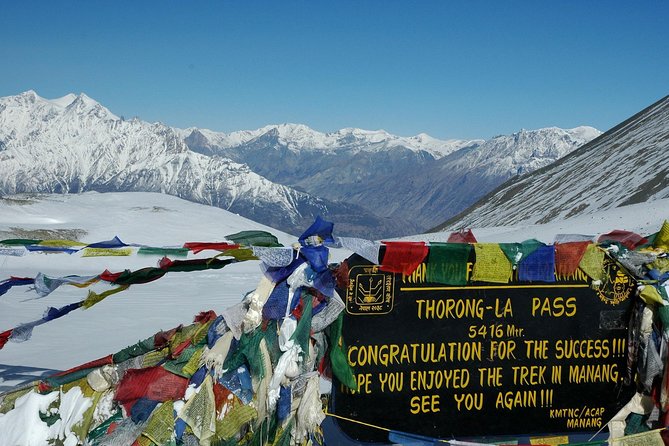
- Thorong La and the Annapurna Circuit Feel Like a Whole Arc
- Price and Value: What $1,492.27 Covers (and What You’ll Still Pay)
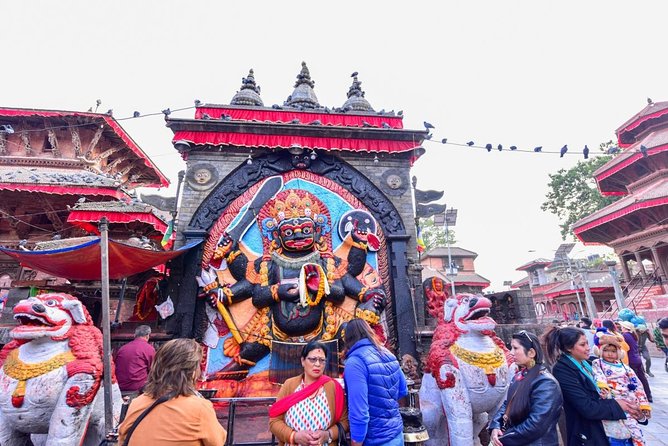
- Kathmandu: More Than a Layover Day
- Getting to Khudi and Starting Easy: River Views and First Mountain Hints
- Marshyangdi Valley Days: Suspension Bridges, Forest Trails, and Villages That Actually Have Names
- Sirung to Jagat: forests, ferns, and birds
- Khudi Bazaar to Sirung: rice paddies to subtropical forest
- Sirung to Jagat to Dharapani: from Manang village culture to cliffside grit
- Chame and the Hot Springs Moment: Headquarters Town and Himalayan District Views
- Yak Kharka and Manang: High Meadows, Mani Walls, and a Monastery Pause
- The Manang/Upper Pisang detour and Barge Monastery
- The Steep Valley Wall: Lower Pisang and the Feeling of Getting Close
- Thorong La Pass Day: Early Start, Cold Air, Big Reward
- From High Country Toward Ghandruk and Pokhara: Rhododendron Forests and Gurung Homes
- Manang Side Hikes and Learning About AMS
- Tatopani Hot Springs and the Muktinath Finale: Downhill Recovery and Temple Awe
- What the Trek Feels Like Day to Day (Teahouses, Time, and Your Energy)
- Responsible Tourism and Why the Small Stops Count
- A Note on Service Quality: What Past Feedback Suggests
- Should You Book This Annapurna Circuit Trek?
- FAQ
- What’s the starting point of the trek?
- Are airport transfers included?
- What’s included for trekking permits?
- Where do you stay during the trek?
- Are Kathmandu sightseeing days included?
- What is not included in the price?
- Is cancellation free?
Key Highlights That Matter on the Trail
- Thorong La Pass focus: a clear, defining objective with early morning start and big summit views
- Guide leadership in plain English: an English-speaking, government-licensed trek leader plus assistant
- Permits handled for you: ACAP and TIMS paperwork included
- Teahouse nights: lodging during the trek is covered, so you’re not hunting each day
- Cultural stops you’ll actually walk through: villages like Jagat, Manang, and Ghandruk, plus monastery visits
- Hot-spring recovery options: dips at small springs near Chame and in Tatopani
More trails out of Kathmandu, boots ready
- Everest Base Camp Trek – 14 Days★ 5.0 · 1,499 reviews
- Everest Base Camp Trek★ 5.0 · 842 reviews
- Everest Base Camp Trekking★ 5.0 · 485 reviews
- Nagarkot Sunrise View and Day Hiking from Kathmandu★ 5.0 · 471 reviews
Thorong La and the Annapurna Circuit Feel Like a Whole Arc
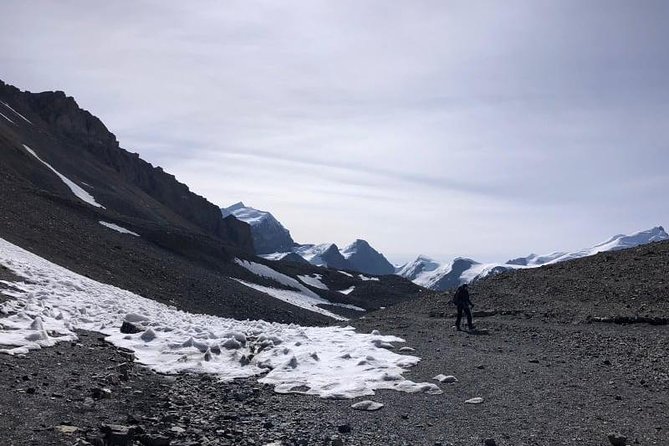
This trek is built around contrast. You start in lower, greener valleys along the Marshyangdi River and Trishuli region, then you climb into dry air toward Manang. After that, the world turns sharper: pale rock, long shadows, and that “how is this even possible?” feeling that comes with high passes.
The route’s big promise is Thorong La Pass—presented as the highest accessible pass in the world. Whether you’re chasing peak views or just want the personal bragging rights, it’s the kind of day that changes your posture. You’ll feel it in your breathing long before you see the summit. The upside is simple: once you understand the pass day, the rest of the circuit makes more sense.
Price and Value: What $1,492.27 Covers (and What You’ll Still Pay)
At $1,492.27 per person, this trip sits in the midrange for a guided Annapurna Circuit experience. The value is mostly in the things you don’t want to manage yourself:
Included items you’ll care about:
- Airport pickups and drops in a private vehicle
- A guided Kathmandu city tour by private vehicle
- Teahouse accommodation during the trek
- A government-licensed trek leader and assistant trek leader
- Permits and paperwork (ACAP, TIMS)
- All fees and taxes
What’s not included:
- Your Nepal visa fee, and international airfare
- Travel and rescue insurance (important for high altitude)
- Tips for guides/porter/driver
- Extra Kathmandu/Pokhara nights if your timing changes
- Alcohol and personal expenses
Here’s how I’d judge value in real terms: if you’re the type who wants someone handling permits, handoffs, and day-to-day decisions, this package is easier. If you’re trying to keep costs ultra-low and you’re comfortable organizing permits and logistics yourself, you might find cheaper options. But for most people, paying for the systems you don’t want to wrestle with is the point.
One more practical note: you’re told this is a private tour/activity with only your group participating, yet you may see references to group discounts. In practice, that usually means pricing can flex depending on group size, but your day-to-day hiking is still guided.
Kathmandu: More Than a Layover Day
Your first days are about setting your body and brain up for the trek. You arrive in Kathmandu, get transferred to your hotel, and you’re given time to rest—or do a short city walk to get oriented. That matters more than it sounds. A little settling time helps you avoid the “I’m fine” feeling that falls apart after you start climbing.
Then you get a full day of sightseeing around UNESCO world heritage sites. After that, there’s a dinner and trek briefing in the evening. I like this sequence because it moves you from sightseeing mode into trail mode without a jarring reset.
Getting to Khudi and Starting Easy: River Views and First Mountain Hints
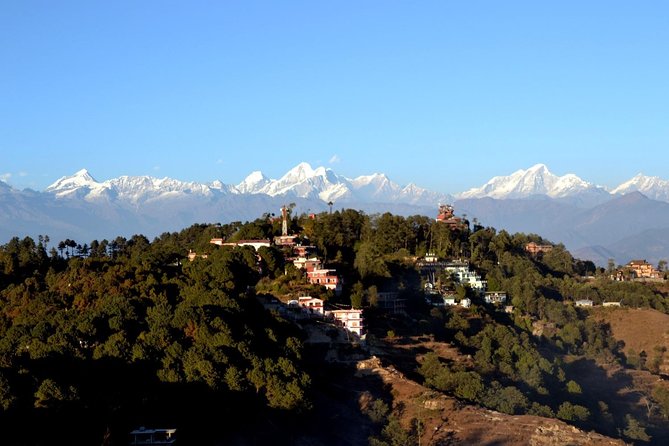
Before you ever reach the high pass, you’ll have a long travel day into the hills. You head on a winding road following the Trishuli River, passing terraced farms and local huts. You move through a drive junction at Mugling, continue toward Pokhara’s direction briefly, then leave that main flow and head north toward Besisahar. From there, you continue by road to Khudi, the trek starting point.
Khudi gives you your first mountain signal—this is where the Manaslu range shows up. Even if you’re excited (and you will be), keep your first-day focus on simple things: hydration, steady pace, and not rushing the first climbs. Your legs will thank you later near the cliffs.




Marshyangdi Valley Days: Suspension Bridges, Forest Trails, and Villages That Actually Have Names
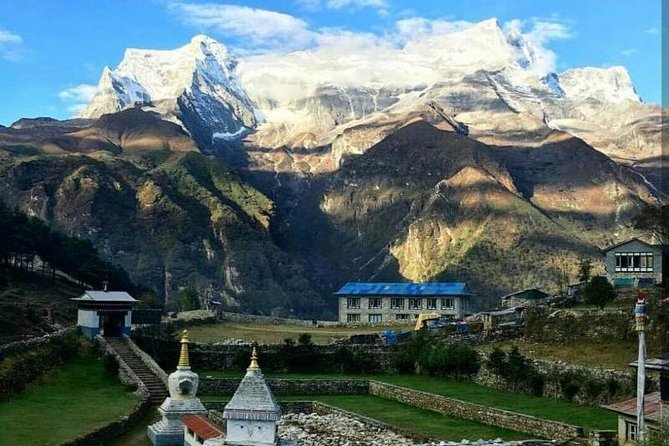
This trek repeatedly uses river crossings and suspension bridges. They’re not just scenery. They’re pacing checks. You’ll approach a bridge, slow down, reset your balance, then continue through villages and forests. That rhythm is good training for the more serious days ahead.
Sirung to Jagat: forests, ferns, and birds
You leave the terrace zone behind and step into forest, ferns, and woodland, with birds to watch along the way. You pass small villages and temples, then cross a suspension bridge over Sangu Khola at Mipra, and another over Syange across the Marshyangdi River. There’s also a waterfall near one of the bridges, so you get water in multiple forms—thin streams, full river roar, and short cascades.
The trail then keeps you alongside the Marshyangdi River, until you reach Jagat.
Khudi Bazaar to Sirung: rice paddies to subtropical forest
Your next day starts with suspension bridges and waterfalls, plus ascents and descents across rice paddies and subtropical forest. It begins gradual, then steepens. As the mountains get closer, your brain will start doing mental math about the pass. Try not to. Your real task is to keep your effort smooth.
You pass an ethnic Tamang settlement at Taranche, and you get close-up views of Nadi Chuli and Manaslu from Sirung.
Sirung to Jagat to Dharapani: from Manang village culture to cliffside grit
Another day follows the Marshyangdi River valley with villages like Kharka and Nauli Gaon. The vegetation shift is part of the story here: you transition from lower subalpine forest with rhododendrons toward drier patterns with juniper trees as altitude increases. You also cross more suspension bridges and hit waterfalls.
Then you move on toward Dharapani, and this is where the trail starts demanding more attention. After breakfast, the route descends to the river and continues through lush forest. You then face sharp-edged cliff sections and a steep, slippery stretch toward Sattale. It’s physically challenging in a way that’s hard to photograph—rocky, uneven footing where you’ll want sure steps.
Chame and the Hot Springs Moment: Headquarters Town and Himalayan District Views
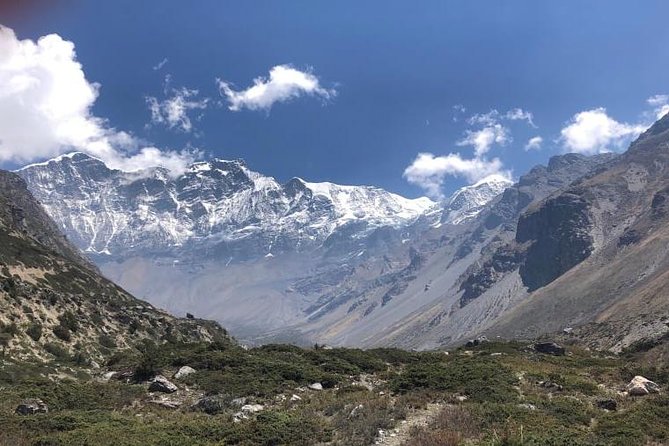
Reaching Chame is satisfying because it’s described as the headquarters of the Manang District. You hike through forested ridges and get expansive views of the Himalayas, including Lamjung Himal, Annapurna II, and Annapurna IV.
And yes, there’s a bright little bonus here: small hot springs you can dip into to soothe aching muscles. Even if the water isn’t a miracle, a warm soak after a tough walking day is a morale boost. It also makes bedtime easier, especially if your legs are tight.
Yak Kharka and Manang: High Meadows, Mani Walls, and a Monastery Pause
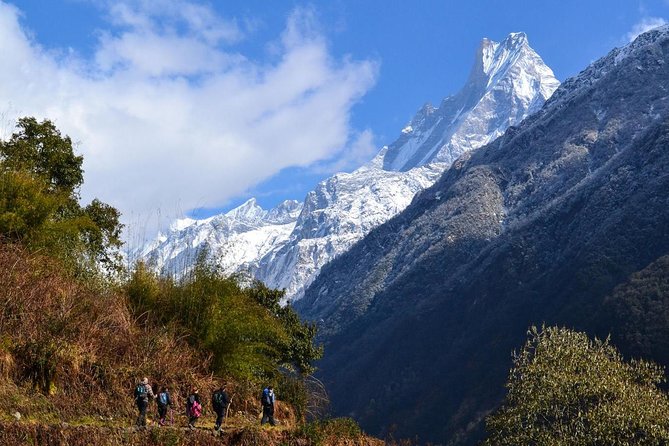
From Manang village, you climb into a more open high-country rhythm. The route crosses streams, climbs to Tenki, then turns northwest up the Jarsang Khola valley. You’ll pass near Ghunsa, with flat mud roofs just below the trailhead, then continue into meadows where horses and yaks graze.
You also pass an ancient Mani wall in a meadow. These prayer-stone structures can feel like pure “culture sightseeing” if you rush. Slow down enough to recognize what it is: a quiet roadside prayer that keeps time with the landscape.
The Manang/Upper Pisang detour and Barge Monastery
There’s a choice of routes described here, but you follow one that goes toward Upper Pisang via Geru. The day includes a visit to the Barge monastery, said to be the largest in the district of Manang. This is a good break from altitude fatigue because it’s structured, quiet, and it gives your body a “no more climbing right now” moment.
The Steep Valley Wall: Lower Pisang and the Feeling of Getting Close
One of the most intense trail descriptions comes on the way to Lower Pisang. You take a steep and narrow path through dense forest, then the trail meets a dramatic curved rock face rising about 1,500 meters from the river. It’s steep enough that the trail is carved into the vertical rock.
After that, the valley opens again with wide views, and you hit Paungda Danda, a massive sloping rock face that rises over 5,000 feet (about 1,500m) above the trail. That’s the kind of detail that helps you understand the effort: you’re not just climbing a gentle grade. You’re moving through real terrain changes.
Thorong La Pass Day: Early Start, Cold Air, Big Reward
Your itinerary emphasizes Thorong Phedi as the lead-in zone to the pass. You walk uphill to Thorang Phedi, cross a suspension bridge to Ledar along the way, then climb past towering cliffs. Thorang Phedi is described as the last village before the pass.
The viewing list here is specific: Mt. Gundang, Mt. Syagang, Thorung Peak, and Mt. Khatungkan. Even before you reach the real pass day finale, the promise is clear: you’re in a world where peaks become landmarks.
The pass crossing itself is described with a very traditional rhythm. You’ll go up around 3 in the morning, climb to the top, take a few photos, then head down toward the Muktinath Valley at the foot of Thorong La.
The big thing for your planning: treat that early wake-up as non-negotiable. At that altitude, cold and exhaustion team up. Your best strategy is simple—slow steps, minimal drama, and don’t sprint to feel tough.
From High Country Toward Ghandruk and Pokhara: Rhododendron Forests and Gurung Homes
After the pass area, the route leads down into lower country and eventually toward Pokhara Lakeside. You start with a steep descent through dense, dark forest of old rhododendron trees. In bloom, the forests turn into “garden-like” scenery, and depending on season you might see cherry blossoms on slopes across a ravine.
Eventually you enter Ghandruk, described as a slope settlement with stone houses, mostly inhabited by the Gurung people. This is the part of the trek where culture feels close to your everyday pace: you’re walking in and through a real home community, not just passing signs on a map.
Then you continue to Nayapul and drive to Pokhara. If Kathmandu is your intro, Pokhara is your decompress button: you’ll trade trail energy for lake-side reset.
Manang Side Hikes and Learning About AMS
You get a day built around staying fit without forcing another long slog. There’s a short hike you can choose from: Bhojo Gumba or Gangapurna Lake. The idea is to keep moving while you let your body absorb what just happened.
If you have energy, there’s also a route option to Vraga Village to visit the Himalayan Rescue Association, which gives insight about Acute Mountain Sickness (AMS). I like this because it’s practical. Even if you feel fine, learning what AMS looks like and why slow progress matters can change how you respond if symptoms show up.
Tatopani Hot Springs and the Muktinath Finale: Downhill Recovery and Temple Awe
Your itinerary gives you a hot-spring recovery day in Tatopani. The route runs mostly downhill, starting from Muktinath. Early on, you cross a bridge at Ghasa, then descend into subtropical forests with lush vegetation.
You follow the trail along Rupse Chahara (a waterfall) and continue down the east bank from Kopchepani via Garpar, crossing a bridge at Dana. Along the way you can see a powerhouse near Narchyang Besi, plus larger villages where you can observe everyday local life.
Then you reach Tatopani and relax in the hot spring. After cold heights, warm water feels like a reset button for tired muscles.
Finally, the Muktinath Temple day is the other bookend. Thorong La crossing leads east to west (described as the easiest and safest direction in this plan), then you head into the valley. You can take photos near the top, then continue downhill toward Muktinath.
What the Trek Feels Like Day to Day (Teahouses, Time, and Your Energy)
Most trekking days are described around 5 to 7 hours, which is a useful range for realistic planning. The biggest variation isn’t just length—it’s trail texture. Some days include steep, narrow carved sections, slippery stretches, and rocky steps. Other days feel more like a long walk through villages and forests with suspension bridges as rhythm points.
Teahouse accommodation keeps you from day-to-day lodging decisions. Still, you should assume simple rooms and shared dining areas typical of high trekking routes. Pack with comfort in mind because you’ll likely be tired enough that small annoyances become big ones.
If you’re prone to altitude issues, keep your pace conservative even when the views tempt you. This tour is marketed with personalized acclimatization, but the real power comes from you matching your effort to how you feel.
Responsible Tourism and Why the Small Stops Count
The trek is presented with a commitment to responsible tourism. In the real world, that usually means respecting village life as part of the day, not treating it like a photo stop. You’ll be walking through communities—passing temples, crossing bridges, and moving through settlements like those around Manang and Ghandruk. Keep noise down, move with awareness, and don’t treat prayer walls and monasteries like props.
It also helps that the route includes an AMS learning stop through the Himalayan Rescue Association. That’s a form of responsibility that goes beyond rules—it’s about staying safer in a demanding environment.
A Note on Service Quality: What Past Feedback Suggests
The overall rating for this trip is modest, but the themes that show up in positive feedback are worth paying attention to.
- One comment praised customer service and said the team arranged everything smoothly, with a clear recommendation.
- Another praised the guide and route and specifically mentioned guide Rajesh staying by their side in both mountains and city, with successful adaptation when a planned option wasn’t available.
At the same time, there is a very harsh warning in a low-rating note that claimed the owner Dipsun Kunwar was involved in a scam. That comment doesn’t include details in the text provided here, so I can’t confirm what happened. But I do think it’s a signal to do your homework before paying the final amount—ask exactly who you’ll meet, get written confirmations, and make sure you understand what’s included versus extra charges.
Should You Book This Annapurna Circuit Trek?
You should seriously consider booking if you want:
- A guided Annapurna Circuit with teahouse lodging
- Permits handled (ACAP, TIMS) and an English-speaking licensed leader
- A route that clearly targets Thorong La Pass, then continues toward Muktinath and Tatopani
- Days that combine hiking with culture in places like Jagat, Manang, and Ghandruk
I’d skip or rethink it if:
- You’re not comfortable with cold, early starts, and the physical demands of high passes
- You hate long walking days with uneven footing
- You’re looking for a fully DIY experience where you control every detail
If you’re a steady hiker who values support, this looks like a strong “guided circuit with a real storyline” package. Just do one extra step before you commit: verify details in writing and confirm who your guide team will be.
FAQ
What’s the starting point of the trek?
You begin after traveling from Kathmandu into the hills, reaching Khudi as the starting point for the trek.
Are airport transfers included?
Yes. The trip includes airport pickups and drops in a private vehicle.
What’s included for trekking permits?
The itinerary includes ACAP and TIMS paperwork.
Where do you stay during the trek?
You stay in teahouses during the trek.
Are Kathmandu sightseeing days included?
Yes. You get a full-day sightseeing tour in Kathmandu, plus a trek briefing in the evening.
What is not included in the price?
Not included are the Nepalese visa fee, international airfare, travel and rescue insurance, tips, alcohol, and personal expenses, plus any extra nights in Kathmandu or Pokhara if needed.
Is cancellation free?
Yes. You can cancel for a full refund if you cancel up to 24 hours in advance. If cancelled due to poor weather, you’ll be offered a different date or a full refund.
More Trekking Out of Kathmandu






More Tour Reviews in Kathmandu




Just Reviewed in Kathmandu
- Mountain Bike Tour
★ 5.0 · 3 reviews - Annapurna Panaroma
★ 5.0 · 3 reviews - Mount Everest Scenic Flight 50 Minutes
★ 5.0 · 3 reviews - Kathmandu : Swambhunath & Durbar Square Guided Half Day Tour
★ 3.3 · 3 reviews - Chandragiri Cable Car & Monkey Temple Tour – Private/Group
★ 5.0 · 3 reviews - Kathmandu: Shivapuri National Park Hiking Day Trip
★ 3.3 · 3 reviews
Annapurna Circuit Treks, compared.
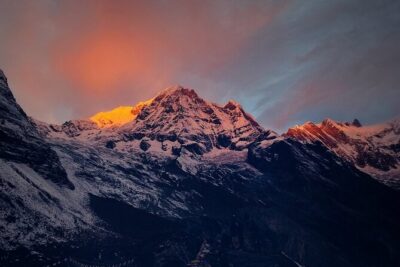 ★ 5.0Annapurna Circuit Trek with Tilicho LakeFrom $1,093368 reviews
 ★ 5.0Annapurna Circuit TrekFrom $1,17594 reviews
★ 5.0Annapurna Circuit TrekFrom $2,24067 reviews
★ 5.0Annapurna Circuit TrekFrom $1,07449 reviews
★ 5.0Annapurna Circuit TrekFrom $1,35046 reviews
★ 5.0Annapurna Circuit TrekFrom $1,15035 reviews
★ 5.0Annapurna circuit TrekFrom $99835 reviews
★ 5.0Annapurna Circuit TrekFrom $97534 reviews
Browse the lists this tour appears in