
Review · MANASLU CIRCUIT TREKS
Dancing in the Manaslu Circuit Trek
One of Nepal’s quieter Himalayan treks feels personal. Dancing in the Manaslu Circuit takes you around Mount Manaslu through a route with restricted access, so the villages and monasteries feel less like stops and more like real life. You’ll also get the classic Manaslu drama: river gorges, forested days, then thin air on big passes like Larkya La (5,100 m).
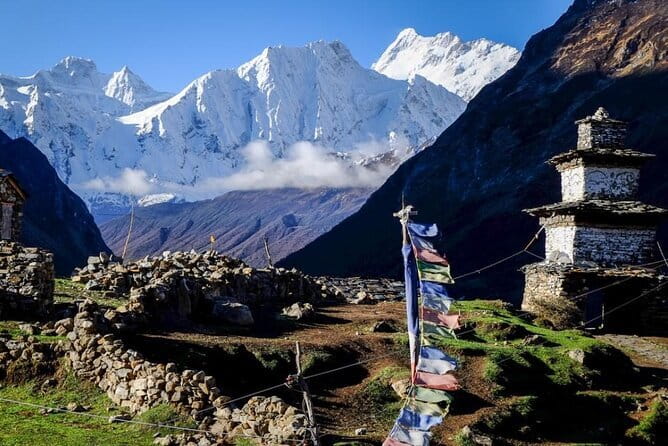
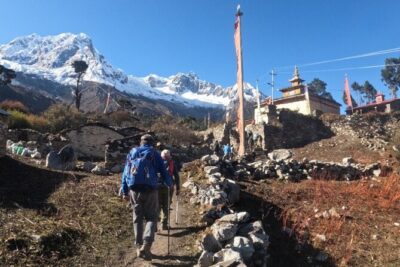
What I really like is the balance between nature and culture. You’re not just walking toward a view; you’re passing mani walls, monasteries, and prayer-flag moments where the trail feels connected to the people living here. Another strong point is the support: a government-certified English-speaking guide, private rooms (twin sharing), full board meals, and even a first aid kit—so you can focus on hiking instead of logistics.
One consideration: this isn’t a casual walk. You’ll be trekking long days, gaining altitude, and dealing with cold at elevation, so you’ll want solid basic fitness and the right mindset.
In This Review
- Key highlights worth planning around
- Why the Manaslu Circuit feels different from the crowd
- Kathmandu to Maccha Khola: settling in with real Nepali roads
- Jagat and Tatopani: river trekking plus a hot-spring breather
- Deng and Namrung: mani walls, forest paths, and village texture
- Shyala to Samagaun: Samagaun village life and Pungeyn Gumpa
- Acclimatization day at Manaslu Base Camp and Birendra Lake option
- The Larkya La route: ice streams, Larke Bazaar, and monastery time
- Conquering Larkya La (5,100 m) and seeing the frozen lakes
- Dharmapani and homeward: forest descent, jeep transfer, Kathmandu return
- Price and value: what you’re paying for (and what you’re not)
- Who this trek suits best, and who might reconsider
- Should you book Dancing in the Manaslu Circuit Trek?
- FAQ
- How long is the Dancing in the Manaslu Circuit trek?
- Where does the trek start and end?
- Is pickup offered in Kathmandu?
- What’s included in the price?
- Do I need a porter?
- Is travel insurance included?
- What transport is used during the trek?
- What kind of fitness level do I need?
- Is this a private group?
- What happens if weather is bad or there aren’t enough travelers?
Key highlights worth planning around
- Restricted-access Manaslu route: fewer people means a calmer, more local-feeling trek.
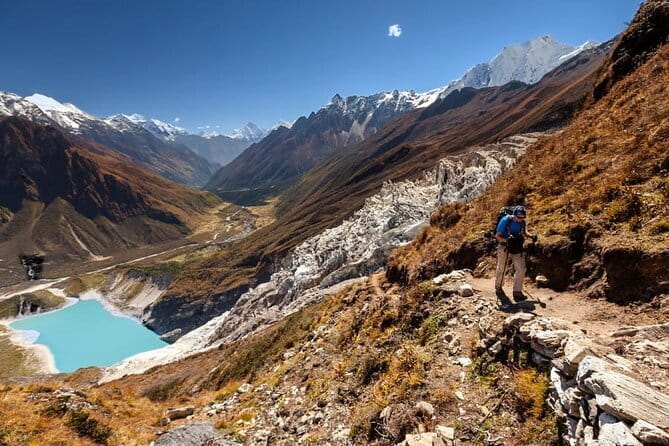
- High-pass payoff: Larkya La and the four frozen lakes area deliver the big-mountain moment.
- Culture shows up daily: mani walls, monasteries, and Tibetan-influenced villages are part of the path.
- Well-fed trekking days: breakfast, lunch, and dinner are included throughout the hike.
- A real team on the ground: praised guides (like Bijaya, Tenji, and Lakpa) and attentive porter support can make a difference.
More trails out of Kathmandu, boots ready
- Everest Base Camp Trek – 14 Days★ 5.0 · 1,499 reviews
- Everest Base Camp Trek★ 5.0 · 842 reviews
- Everest Base Camp Trekking★ 5.0 · 485 reviews
- Nagarkot Sunrise View and Day Hiking from Kathmandu★ 5.0 · 471 reviews
Why the Manaslu Circuit feels different from the crowd
Manaslu has a reputation for being less busy than some “classic” treks, and that matters. When access is limited, the rhythm of the trail changes. You’ll spend more time in villages rather than constantly shifting around other groups.
You also get a strong cultural layer. Tibetan-influenced communities, prayer flags, mani walls, and monastery stops make the hike feel less like a checklist. Even on travel days, the route keeps pointing you toward local meaning, not just elevation gain.
That “quieter” feel is also part of the value. At this price point, you’re paying for more than a route on a map. You’re buying a smoother experience: permits handled, meals arranged, rooms reserved, and a guide who can turn the journey into something you understand as you walk.
Kathmandu to Maccha Khola: settling in with real Nepali roads
Your trek starts with a long drive out of Kathmandu. Day 1 includes a transfer toward Sotikhola/Maccha Khola territory, passing rural villages and green hillsides. Practically, this day is about getting your body in the right mode: sit, hydrate, and treat it like the first leg of training.
An early tip: expect that vehicle changes can happen en route. The plan notes a possible switch from one transport mode to another as you move toward Maccha Khola, so keep small essentials easy to reach.
By the time you begin walking, you’ll be in the Budhi Gandaki river corridor. This sets the tone for the whole trek: water, valleys, and trails that steadily climb toward colder, higher ground.
Jagat and Tatopani: river trekking plus a hot-spring breather
Day 2 is your first full trekking day along the Budhi Gandaki River. You’ll pass through the hot-spring area at Tatopani. Even if you don’t treat it like a spa day, it’s a welcome proof that this region has comfort moments baked into the hike.
Then you continue into the restricted area and reach Jagat. The focus here is village structure—stone houses in a rural setting—so you’re not just moving through points on a map. You’re seeing how people live in the foothills before high altitude becomes the main character.
This is also a good day to refine your hiking routine. Long days are normal on this route, so get your pace right early, and save your energy for the pass days later.
Deng and Namrung: mani walls, forest paths, and village texture
From Jagat you trek toward Deng and then into the Namrung area. Day 3 moves along the valley toward the Salleri/Deng zone, setting up the gradual climb into higher communities.
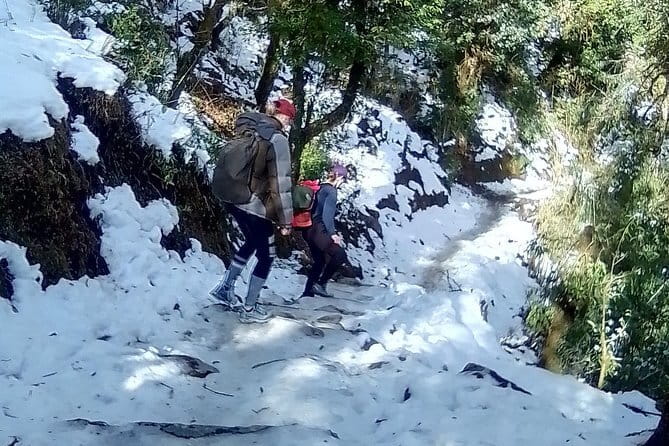
Day 4 is where the culture-and-trail combination gets more personal. The route calls out Prok village, mani walls, and forest walking. That mix is important: it keeps your trek from becoming only “uphill and cold.” Forest and village days are where you can reset mentally and check your gear without rushing.
A practical drawback here: these are long days, so you’ll want to manage fatigue early. Forest sections can feel slower; it helps to walk by effort, not by speed, especially as altitude begins to build in the background.
Shyala to Samagaun: Samagaun village life and Pungeyn Gumpa
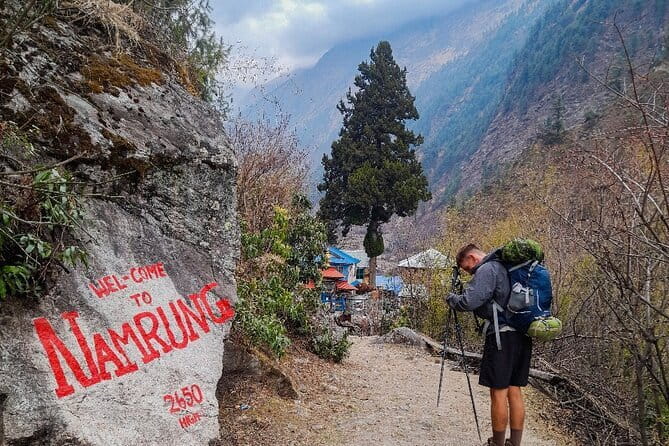
Days 5 and 6 shape the middle of the trek. Day 5 goes from Namrung to Shyala. Day 6 continues onward to Samagaun, with a hike option to Pungeyn Gumpa.
I like this portion because it adds variety. You’re still in trekking mode, but you’re also getting a chance to shift into a more reflective pace for the gumpa hike. It’s the kind of detour that makes the trip feel like a lived-in place rather than a transit corridor.
Keep expectations realistic: gumpa and village areas don’t mean luxury. Tea house standards can be basic, and you’ll want to plan for simple meals, shared bathrooms (where available), and cold nights. The tradeoff is atmosphere and authenticity.
Acclimatization day at Manaslu Base Camp and Birendra Lake option
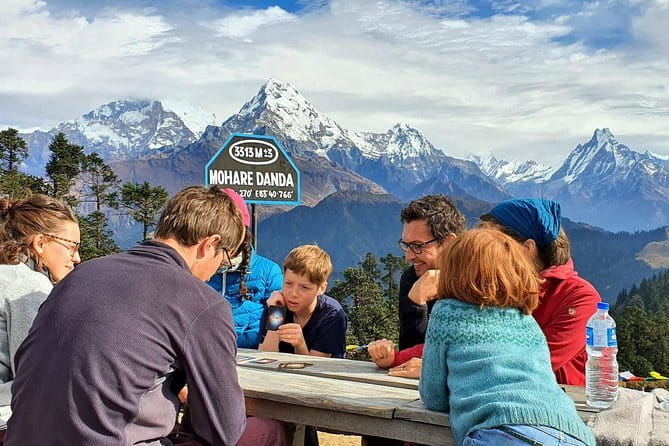
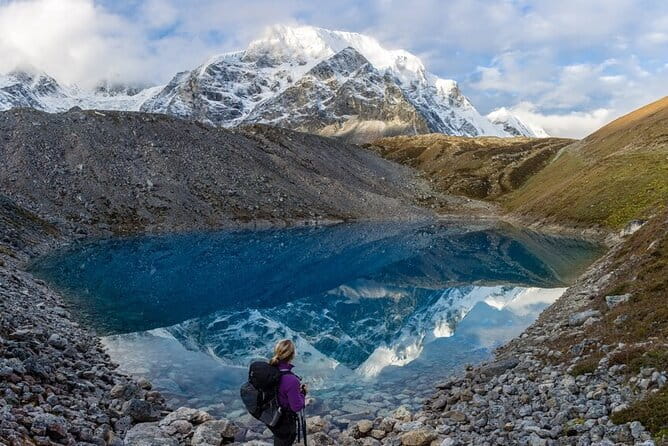
Day 7 is your acclimatization day. The plan also offers an optional hike toward Manaslu Base Camp and Birendra Lake.
This is a big deal for two reasons. First, acclimatization helps you stay healthier when the route gets serious. Second, the base camp/lake option gives you a “choose your day” moment. If you feel strong, you get extra mountain context; if not, you can rest and recover with your group.
Here’s how I’d think about it: don’t use this day to chase exhaustion. Use it to arrive at Day 8 with energy for the longer colder segments. Even if you take the optional hike, pace it like a training walk.
The Larkya La route: ice streams, Larke Bazaar, and monastery time
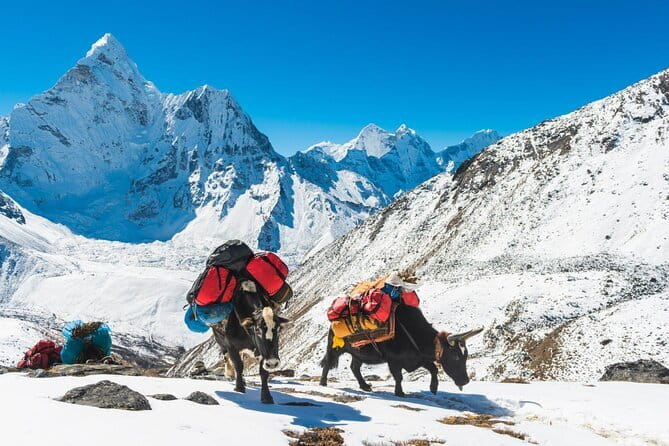
Days 8 through 10 build toward the pass. Day 8 descends toward the Budhi Gandaki River, crosses a wooden bridge, and you’ll witness the Larkya glacier area. This is a powerful visual transition: the closer you get to the high pass route, the more the glacier and ice dominate your daily references.
Day 9 includes trekking through icy streams, moving via Larke Bazaar, and ascending toward Dharmasala. The route also notes monasteries and mani walls along the way, plus views of the Larkya glacier. This combination is exactly why I like this trek: the day isn’t only about climbing. It’s also about seeing how religious sites sit beside working paths.
Day 10 focuses on reaching Larkya La Pass and taking in views of Cho Danda and Larkya Peak, plus the four frozen lakes. That’s the classic payoff day, but it also requires patience. Weather can change fast at elevation, and it pays to be steady, not dramatic about your effort.
Conquering Larkya La (5,100 m) and seeing the frozen lakes
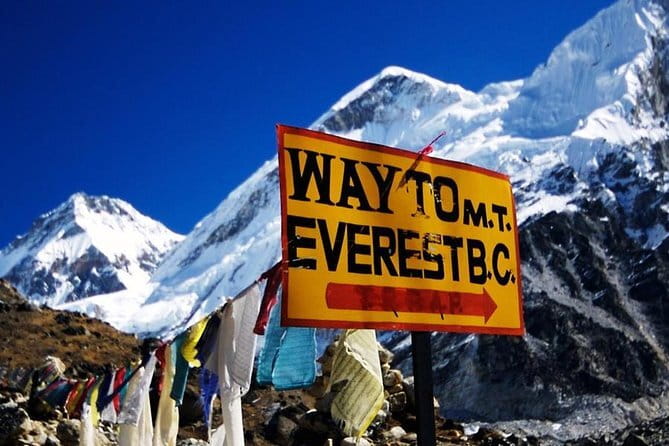
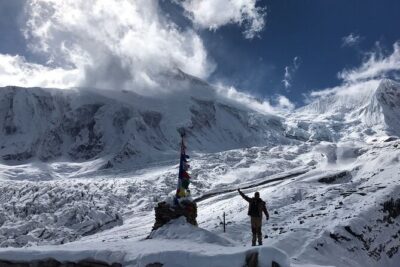
This is the big “work for the reward” moment. Larkya La sits at 5,100 m, which means cold, thin air, and a slower walking rhythm. Don’t treat it like a day hike at sea level. Treat it like a careful climb where you keep breathing under control.
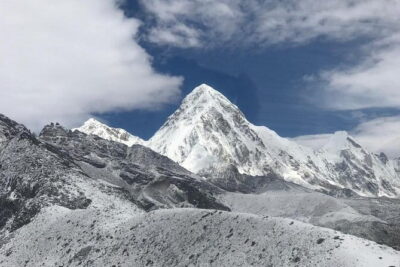
The route highlights views of multiple peaks and the four frozen lakes. Even without perfect visibility, the experience tends to feel enormous—because ice, high ridgelines, and altitude all show up at once. You’ll get that sense that you’ve left the forest world behind and stepped into a harsher mountain system.
Practical planning matters most here. Pack layers you can actually use when the wind shifts. Keep your head warm. And give yourself permission to take breaks exactly when your body asks, not when your schedule says.
Dharmapani and homeward: forest descent, jeep transfer, Kathmandu return
After the pass area, Day 11 becomes a relief-and-awe descent. You’ll trek down through lush green forest, cross Dudh Khola, pass through Karche Village, and reach Dharmapani.
That greenery isn’t just pretty. It’s a sign you’re dropping to more manageable altitude and rejoining a livable ecosystem. For many hikers, it’s the emotional counterbalance to the ice days.
Day 12 is your travel wrap-up: a shared jeep drive from Dharapani to Besi sahar, followed by a drive back to Kathmandu. It’s long, but it feels like a landing after a demanding circuit. The included transfers help you avoid one of the most stressful parts of treks—figuring out transport when your legs are tired.
Price and value: what you’re paying for (and what you’re not)
At $1,390 per person for an approximately 12-day trek, the price is not cheap. The question is what’s inside the envelope.
This package covers required permits and government taxes, three full board meals during the trek, deluxe bus transfers to start (Kathmandu to Sotikhola) and back (Besisahar to Kathmandu), plus a shared jeep from Dharmapani to Besi sahar. You also get a government-certified English-speaking guide, private rooms on a twin-sharing basis, and a first aid kit. There’s even a farewell dinner included, which is a nice human touch after a long effort.
What’s not included is important to budget for. You’re responsible for travel insurance, personal expenses (like phone charging and hot water, if available), and porter costs. The trek is designed with porter support in mind—you can hire a porter from Kathmandu or at Sotikhola—but the porter is not built into the listed package. Finally, tips for the guide and porter (if you hire one) are on you.
For me, the best “value” argument is reliability. Long treks reward planning. When permits, meals, rooms, and a certified guide are handled, you spend less energy worrying and more energy hiking.
Who this trek suits best, and who might reconsider
This is a great fit for hikers who want both altitude and culture. If you like Tibetan-influenced villages, prayer-flag moments, and walking days that change character often, you’ll probably enjoy Manaslu’s circuit feel.
It also suits people who prefer a structured group trek with private rooms and included meals. The experience is private in the sense that only your group participates, so it’s less chaotic than big mixed groups.
The potential mismatch is straightforward: if you want short days, minimal altitude stress, or a very cushy lodge experience, this route will likely feel like work. You should also have a moderate physical fitness level, because the days are long and the pass comes with cold and effort.
Should you book Dancing in the Manaslu Circuit Trek?
I’d book it if you’re craving a quieter Himalayan circuit with meaningful culture and a real pass challenge. The combination of restricted access, daily mani-wall/monastery atmosphere, and an organized team (with guides like Bijaya, Tenji, and Lakpa praised for care) makes this feel like more than a walk from teahouse to teahouse.
I’d think twice if you’re budget-tight on add-ons like porter and tips, or if you’re not comfortable with long trekking days and the cold reality of Larkya La. This trek gives you strong rewards, but you earn them with steady effort.
If your goal is a Himalayan experience that feels less crowded and more personal—while still hitting the big mountain views—this is one of Nepal’s smarter choices.
FAQ
How long is the Dancing in the Manaslu Circuit trek?
It’s listed as 12 days (approx.), from Kathmandu out to the circuit and back.
Where does the trek start and end?
It starts in Kathmandu (meeting point at P897+443, Kathmandu 44600, Nepal) and ends back at the same meeting point.
Is pickup offered in Kathmandu?
Yes, pickup is offered.
What’s included in the price?
The price includes three full board meals (breakfast, lunch, dinner) during the trek, required permits and government taxes, deluxe bus transfers (Kathmandu to Sotikhola and Besisahar to Kathmandu), a shared jeep from Dharapani to Besisahar, a government-certified English-speaking guide, twin sharing private rooms throughout, a first aid kit, and a farewell dinner.
Do I need a porter?
A porter is required for the trek, but porter costs are not included. You can hire a porter from Kathmandu or at Sotikhola.
Is travel insurance included?
No. You are responsible for arranging your own travel insurance.
What transport is used during the trek?
You’ll use a deluxe bus for Kathmandu to Sotikhola, then trek on foot between stops, and take a shared jeep from Dharapani to Besisahar, followed by a drive back to Kathmandu.
What kind of fitness level do I need?
The trek calls for a moderate physical fitness level.
Is this a private group?
Yes. Only your group will participate.
What happens if weather is bad or there aren’t enough travelers?
The experience requires good weather, so it can be canceled due to poor weather with either a different date or a full refund. It also requires a minimum number of travelers; if that minimum isn’t met, you’ll be offered a different date/experience or a full refund.
More Trekking Out of Kathmandu
More Tour Reviews in Kathmandu
Just Reviewed in Kathmandu
- Mountain Bike Tour
★ 5.0 · 3 reviews - Annapurna Panaroma
★ 5.0 · 3 reviews - Mount Everest Scenic Flight 50 Minutes
★ 5.0 · 3 reviews - Kathmandu : Swambhunath & Durbar Square Guided Half Day Tour
★ 3.3 · 3 reviews - Chandragiri Cable Car & Monkey Temple Tour – Private/Group
★ 5.0 · 3 reviews - Kathmandu: Shivapuri National Park Hiking Day Trip
★ 3.3 · 3 reviews
Manaslu Circuit Treks, compared.
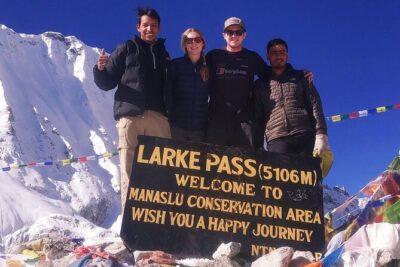 ★ 5.0Manaslu Circuit TrekFrom $1,190292 reviews
Manaslu Circuit TrekFrom $1,081184 reviews
★ 5.0Manaslu Circuit Trek:From $1,099106 reviews
★ 5.0Manaslu Circuit TrekFrom $1,190292 reviews
Manaslu Circuit TrekFrom $1,081184 reviews
★ 5.0Manaslu Circuit Trek:From $1,099106 reviews
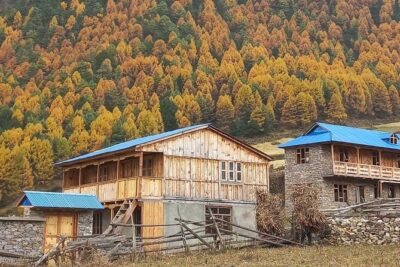 ★ 5.0Manaslu Circuit Trek (15 Days)From $1,65750 reviews
Manaslu Circuit TrekkingFrom $1,49944 reviews
★ 5.0Manaslu Circuit Trek (15 Days)From $1,65750 reviews
Manaslu Circuit TrekkingFrom $1,49944 reviews
 ★ 5.016 Day Private Manaslu Circuit Trek from KathmanduFrom $1,13542 reviews
★ 5.0Manaslu Circuit TrekFrom $1,90035 reviews
★ 5.016 Day Private Manaslu Circuit Trek from KathmanduFrom $1,13542 reviews
★ 5.0Manaslu Circuit TrekFrom $1,90035 reviews
 ★ 5.0Manaslu Circuit Trek 13 DaysFrom $1,40030 reviews
Browse the lists this tour appears in