
Lukla flights make this trek feel real fast. In 12 days, you’ll walk through Sagarmatha National Park, meet Sherpa communities, then move toward the world-famous Everest ice views with real altitude challenges. I especially like the included scenic hop to Lukla because it turns this trek from a plan into a feeling on day one.
I also like the safety and attention to altitude. This trip travels with a first-aid kit that includes an oximeter, and guides in past groups (like Jayaram) have used it to check oxygen levels daily. One drawback to plan for: Lukla weather can ground flights, so keep a little mental flexibility if the schedule needs to shift.
In This Review
- Key highlights to notice before you go
- From Kathmandu to Lukla: why this trek starts by flying
- Sherpa and guide teamwork: what it means when the air gets thin
- Day-by-day: what you’ll experience from Phakding to Namche and onward
- Day 1: Flight to Lukla, then trek to Phakding
- Day 2: Phakding to Namche Bazaar
- Day 3: Khumjung Gompa and the Everest View Hotel area
- Day 4: Namche to Tengboche (Tyangboche)
- Day 5: Tengboche to Dingboche via Pangboche
- Day 6: Acclimatization at Dingboche, plus Nangkartshang Peak
- Day 7: Dingboche to Lobuche via Thulkla
- Day 8: Lobuche to Gorekshep, then Everest Base Camp and Kalapathar
- Day 9: Kalapathar for sunrise, then down to Pheriche
- Day 10: Return to Namche Bazaar (retracing the trail)
- Day 11: Namche Bazaar to Lukla
- Day 12: Fly Lukla to Kathmandu
- Kalapathar sunrise: the view that changes how you remember the trek
- Meals, lodging, and the small extras you’ll want to budget
- Permits and paperwork: what you get so you can focus on hiking
- Value and price: where the $1,940 per person really goes
- Who this trek suits best (and who should think twice)
- Should you book this Everest Base Camp trek with an expert Sherpa guide?
- FAQ
- Is the Lukla flight included, and what’s the baggage limit?
- What permits and cards do I need for the trek?
- Are meals and accommodation included during the trek?
- Does the package include altitude safety equipment?
- Is vegetarian food available?
- Do I get a porter included with the trek?
Key highlights to notice before you go
- Included Lukla flights with clear weight limits (10 kg main baggage and 5 kg hand luggage per person)
- Altitude awareness built in via a first-aid kit that includes an oximeter
- Kalapathar sunrise time for views of Mount Everest, Khumbu Glacier, and the Khumbu Icefall
- Guide support that adapts to reality (guides like Jayaram, Kul, and Pratap have been praised for pacing and patience)
- Culture stops that break up the hiking around Khumjung Gompa and the Everest View Hotel area
More days made easy with a local guide
- Kathmandu: Private City Guided Tour★ 4.9 · 174 reviews
- Full Day Guided Tour in Kathmandu★ 5.0 · 61 reviews
- Kathmandu Guided Tour★ 5.0 · 59 reviews
- 12 Day Everest Base Camp Guided Trek★ 5.0 · 40 reviews
From Kathmandu to Lukla: why this trek starts by flying
This is one of those Everest Base Camp treks where the logistics matter. You don’t spend your whole first day traveling on rough roads. Instead, you get flights between Kathmandu and Lukla, plus the trip’s organizers handle the airport pickup and drop-off between the airport and your hotel.
The big practical thing: you have to pack for a flight. The tour lists a weight limit of 10 kg for main baggage and 5 kg for hand luggage. That’s not a throwaway detail. If you pack like you’re going to a beach, you’ll feel it fast. I like that the plan forces you to travel lighter early, because the trek itself rewards a simpler load.
Then there’s the feel-good factor. The short scenic flight to Lukla is framed as the “Gateway of Everest,” and once you’re there, you start walking right away toward Phakding. Even if clouds move in later, the trek’s overall structure still holds, because most of your time is on the trail and not in long transfers.
And yes, the end is also clean. On day 12 you fly Lukla back to Kathmandu (about 30 minutes), which usually beats the long descent days people dread.
Sherpa and guide teamwork: what it means when the air gets thin
This trek is built around a guide team, and it’s worth paying attention to how that support works.
You’ll have:
- A government license holder English-speaking local guide
- And, depending on group size, a Sherpa assistance guide (the tour notes one Sherpa assistance guide if your group is more than six people)
- Plus a first-aid kit that includes an oximeter to measure oxygen and pulse at altitude
That oximeter detail may sound technical, but it’s practical. At higher elevations, you want early signals, not guesswork. Past groups highlighted oxygen checks as part of the guide’s rhythm (Jayaram in particular). That doesn’t remove altitude risk, but it does remove a chunk of uncertainty.
You also benefit from the human side. One review thread about Mr. Pratap points out how quiet he is at first, then how patient and kind the guidance becomes as the trek continues. Another notes Jayaram as talkative and actively checking oxygen levels. Kul is described as stepping in when Lukla flight delays forced changes—he made up time with longer days and acclimatization hikes when the weather shifted.
Why that matters for you: on this trek, the schedule isn’t always the schedule. Having a guide who can adjust pacing without panicking is a real value.
Day-by-day: what you’ll experience from Phakding to Namche and onward
Here’s the rhythm of the trip, with the key reason each stage exists—views, culture, or altitude prep.
Day 1: Flight to Lukla, then trek to Phakding
You start with the short scenic flight to Lukla, then begin trekking to Phakding (about 4 hours total in the trip outline). This first day is about getting your body moving while the group is still fresh.
Practical note: because Lukla is part flight, part trail access, you’re building momentum early. If skies are clear, it feels smooth. If clouds are involved, the trip can take longer in reality—this is why flexibility helps.
More trails out of Kathmandu, boots ready
Day 2: Phakding to Namche Bazaar
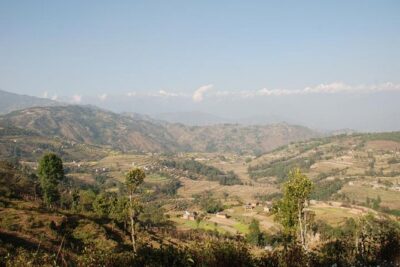
Today’s walk takes you into Namche Bazaar (about 6 hours). Namche is where the trek feels more “Everest.” You’re in the Sagarmatha National Park zone now, and the trail gives you a stronger sense of the Khumbu region.
The best part here is the gradual change from smaller settlements into the hub that trekkers rely on. It’s the kind of day that makes you realize you’re not just hiking—you’re entering a whole mountain system of lodges, routes, and mountain life.
Day 3: Khumjung Gompa and the Everest View Hotel area
This is a shorter, side-trip style day (about 5 hours total). You’ll move around the Khumjung Gompa area, with stops tied to the Everest View Hotel and Khumjung village, plus a stop near the Shangbuche airport area.
This day is valuable because it gives you culture before you push deeper. It also helps break up the “walk, sleep, repeat” feeling. Even if your main goal is Everest Base Camp, you’ll enjoy having a day where the focus is on Sherpa heritage and local spiritual sites.
Day 4: Namche to Tengboche (Tyangboche)
Trekking toward Tengboche takes about 5 hours, and the highlight is the big views along the way. This is a classic transition day—less about altitude climbing and more about moving into a section where the mountains feel closer.
If you’re the type who wants to remember the trek as much for scenery as for steps, you’ll likely love this day.
Day 5: Tengboche to Dingboche via Pangboche
Now you’re heading toward Dingboche (about 6 hours), trekking through Pangboche village. This stretch is where the air starts to change for many people, even if the walking time looks manageable.
This day matters because you’re setting up for acclimatization tomorrow. If you go too hard, you pay for it later. If you pace well, you’ll feel stronger when you hike higher.
Day 6: Acclimatization at Dingboche, plus Nangkartshang Peak
Today is your acclimatization day (about 2 hours for the peak visit). You’ll visit Nangkartshang peak (around 5,615 m).
This is one of the smarter design choices in the itinerary. You don’t just “increase altitude and hope.” You practice getting higher while keeping the total strain controlled. Many first-timers underestimate how important that is. The payoff shows up in how you feel on the following days.
Day 7: Dingboche to Lobuche via Thulkla
Trek to Lobuche takes about 5 hours, routed via Thulkla. This is where the mountains start to feel less like scenery and more like neighbors.
It’s also a good day to keep moving steadily. The trek outline doesn’t promise easy terrain, so your success comes from pacing and hydration.
Day 8: Lobuche to Gorekshep, then Everest Base Camp and Kalapathar
This is a heavy day in the best way. You trek from Lobuche to Gorekshep and then hike up toward Everest Base Camp and Kalapathar (about 5 hours listed in the schedule).
Two things make this day special:
- You’re moving into the Everest core zone.
- You’re stacking experiences—Base Camp and then the dramatic high viewpoint area.
Just know that even when the itinerary lists a single time block, the day can feel longer because you’ll want breaks. If you want photos without rushing, plan for that mentally.
Day 9: Kalapathar for sunrise, then down to Pheriche
This is your “wait for the best light” day. You’ll hike to Kalapathar for about 2 hours with a sunrise view, then descend to Pheriche (about 7 hours total).
The view details are clear: you’ll look toward Mount Everest, the Khumbu Glacier, and the Khumbu Icefall. That’s the kind of combination that makes this trek earn its reputation.
And yes, waking up for sunrise is tough. But you’re buying time—time when the peaks look crisp and the colors behave.
Day 10: Return to Namche Bazaar (retracing the trail)
Today you trek back toward Namche Bazaar, retracing much of the route (about 7 hours). This is a mental shift day. You’re going downhill in parts, but you still feel the hike in your legs.
The upside is you get a second look at familiar terrain. The downside is you’ll probably feel the effort accumulation.
Day 11: Namche Bazaar to Lukla
Another long walk (about 7 hours) takes you to Lukla. This is mostly about finishing strong and being ready for the flight tomorrow.
Day 12: Fly Lukla to Kathmandu
You fly back to Kathmandu (about 30 minutes). It’s the clean finish line after days of altitude work.
Kalapathar sunrise: the view that changes how you remember the trek
If you only take one thing from this itinerary, take this: Kalapathar timing.
The trek is structured so you reach the area around Everest’s heart and then you do sunrise at Kalapathar. You get described views of Everest, Khumbu Glacier, and the Icefall—a trio that’s hard to beat because it shows you both the peak and the messy, moving ice that surrounds it.
Also, the earlier you hike, the less you fight for time. Sunrise hikes reward steady movement and smart pacing more than speed. You’ll feel better if you treat it like a slow climb with lots of breathing breaks, especially if you’ve been doing acclimatization well.
And from a “how it feels” standpoint: sunrise is when the trek stops being numbers on a profile and becomes a single memory.
Meals, lodging, and the small extras you’ll want to budget
Let’s talk comfort, since Everest trekking is not a hotel holiday.
Meals included during the trek are listed as three times daily (breakfast, lunch, dinner), plus tea and coffee in a cup at each meal. There are also supplementary snacks like cookies and fresh fruit on the trek.
Lodging is described as private accommodation with twin beds sharing, plus a shared toilet. So you get your own room privacy, but you share bathroom facilities like many teahouse-style treks.
What’s not included is also important:
- Mineral water and extra drinks
- Dessert and some snacks (the list names chocolate, cookies, desert, and phone calls)
- Laundry
- Hot shower
- Shopping and personal expenses
I’d treat this as your budget planning cue. On trek days, the “little costs” add up fast—especially water and comfort extras. The tour includes enough food to keep you going, but it doesn’t try to make everything unlimited.
Diet options: the tour notes a vegetarian option available if you request it at booking, and it also states gluten free foods. If you have dietary needs, message it early so the crew can plan meals around it.
Permits and paperwork: what you get so you can focus on hiking
This trek operates in protected areas, so paperwork isn’t optional.
Included are:
- The necessary paperwork and trekking permit for Sagarmatha National Park
- A TIMS (Trekkers Information Management System) card
It also includes a trekking map for the Everest Base Camp trip for a group. If you like having a sense of direction and distance, a map in your pocket reduces mental stress.
For you, the value here is time and accuracy. You’re spending your energy on altitude, not on figuring out which form is required and where to pick it up.
Value and price: where the $1,940 per person really goes
At $1,940 per person, you’re not paying only for “walking.” You’re paying for a bundle of things that normally cost extra on Everest trips.
What’s included that usually inflates the total price on similar treks:
- Kathmandu to Lukla and Lukla to Kathmandu flights (with the explicit baggage weight limits)
- Sagarmatha National Park permits and TIMS
- Your mountain accommodation (private twin-bed sharing with shared toilet)
- Meals during the trek plus tea/coffee at each meal
- Guide insurance and guide support team structure
- An English-speaking licensed local guide
- A first-aid medical kit including an oximeter
- Trekking equipment support if you need it (down jackets and a sleeping bag, plus a duffle bag)
- Extras like a welcome and farewell program and a Nepal Mother House t-shirt/cap plus an appreciation card after the trip
So the value story is: fewer “pay later” surprises, and more of the essentials are handled up front.
Now the trade-offs you should factor in:
- Porter help is not included. The tour specifies porter details (max 20–25 kg), but it’s listed under not included. That means you’ll likely carry more yourself unless you arrange porter support on your own terms.
- International airfare and visa fee are not included.
- You must have clients travel insurance and evacuation coverage (explicitly mentioned as compulsory).
- If flights cancel, the tour notes charter options like helicopter or plane are not included.
- Tipping for guide and porter is not included, plus your meals and accommodation at Kathmandu and Pokhara.
Also, the review-style patterns show why this matters. One guide response described making up time when flights were delayed due to heavy cloud grounding. That kind of adaptation only works if the logistics team and guide have authority to shift day plans. This package is built for that structure.
Who this trek suits best (and who should think twice)
This trek lists a moderate physical fitness level as the target. That usually means: you can handle multi-hour hikes, you can pace on uneven steps, and you understand that altitude changes the effort.
It also fits you best if:
- You want big Everest views without turning the trip into a purely climbing-focused experience
- You care about Sherpa culture and want stops beyond just sleeping and hiking
- You value a team that monitors your condition with tools like an oximeter
It may feel like too much if you want constant comfort, lots of free time, or a strict schedule with no flexibility for weather. On this route, Lukla can be the wild card, and the trek’s success depends on your willingness to adjust day-by-day.
Should you book this Everest Base Camp trek with an expert Sherpa guide?
If your goal is a classic Everest Base Camp trek with strong support—plus cultural stops and a real shot at Kalapathar sunrise—this package makes solid sense.
I’d book it if:
- You want included flights to Lukla and you’re ready to pack within the baggage limits
- You like the idea of guides who monitor altitude (including oxygen checks with an oximeter)
- You want private group travel so your pace and needs can be managed by your guide team
I’d pause and reassess if:
- You hate schedule uncertainty and can’t handle possible changes from Lukla weather
- You rely on porter help but don’t want to pay extra for it (since porter costs are not included)
- You haven’t sorted evacuation insurance yet (the tour states it’s compulsory)
One last practical note: the tour allows free cancellation up to 24 hours in advance for a full refund, so you can keep your decision window reasonable.
FAQ
Is the Lukla flight included, and what’s the baggage limit?
Yes. Air tickets KTM to Lukla and Lukla to KTM are included, with a weight limit of 10 kg for main baggage and 5 kg for hand luggage per person.
What permits and cards do I need for the trek?
The tour includes the necessary paperwork and trekking permit for Sagarmatha National Park, plus a TIMS (Trekkers Information Management System) card.
Are meals and accommodation included during the trek?
Yes. The trek includes three times meals (breakfast, lunch, dinner) with tea and coffee in a cup each meal, plus supplementary snacks. Accommodation is provided as private mountain rooms with twin bed sharing and shared toilet.
Does the package include altitude safety equipment?
Yes. A first-aid medical kit is included, and it includes an oximeter to measure oxygen and pulse at high altitude.
Is vegetarian food available?
Yes. Vegetarian option is available—request it at the time of booking. Gluten free foods are also listed as available.
Do I get a porter included with the trek?
No. A porter is not included. The tour lists porter details (max 20–25 kg) as additional cost information, including porter food, accommodation, wage, insurance, and equipment.
More Trekking Out of Kathmandu






Simpler With a Local Guide
More Tour Reviews in Kathmandu




Just Reviewed in Kathmandu
- Mountain Bike Tour
★ 5.0 · 3 reviews - Annapurna Panaroma
★ 5.0 · 3 reviews - Mount Everest Scenic Flight 50 Minutes
★ 5.0 · 3 reviews - Kathmandu : Swambhunath & Durbar Square Guided Half Day Tour
★ 3.3 · 3 reviews - Chandragiri Cable Car & Monkey Temple Tour – Private/Group
★ 5.0 · 3 reviews - Kathmandu: Shivapuri National Park Hiking Day Trip
★ 3.3 · 3 reviews
Everest Base Camp Treks, compared.
 ★ 5.0Everest Base Camp Trek – 14 DaysFrom $1,8001,499 reviews
 ★ 5.0Everest Base Camp TrekFrom $1,790842 reviews
 ★ 5.0Everest Base Camp TrekkingFrom $1,350485 reviews
 ★ 5.0Everest Base Camp Trekking – 13 DayFrom $1,399365 reviews
★ 5.0Everest Base Camp TrekFrom $1,445350 reviews
★ 5.0Everest Base Camp Trek -14 DaysFrom $1,420321 reviews
 ★ 5.012 Days Everest Base Camp TrekFrom $1,099289 reviews
 ★ 5.0Everest Base Camp Trekking – 2025/2026From $1,339199 reviews
Browse the lists this tour appears in