
Review · EVEREST BASE CAMP TREKS
Everest Base Camp Trek With Local Expert Sherpa Guide
Lukla to Everest is a serious jump. This Everest Base Camp trek pairs classic high-altitude hiking with real logistical support: internal flights, city hotel, lodge nights, and a local Sherpa guide to keep you moving safely toward the 5,550m base camp area and the views from Kala Patthar (5,645m). It also builds in time in Sherpa hubs for acclimatization, not just straight grinding.
I especially like two things about this trip. First, you get a full support package on the ground: quality lodge accommodations during the trek plus a 3-star Kathmandu hotel with breakfast. Second, the guide-and-porter setup is practical for the altitude game: an expert Sherpa guide (certified by the Nepal Government) and a porter ratio of 1 porter for 2 people, which means you’ll spend your energy on walking, not dragging.
One thing to consider: your body has to handle thin air. The trek includes acclimatization days in Namche Bazaar and Dingboche, but you’re still heading to a base camp area around 5,550m. If you’re undertrained or sensitive to altitude, this will feel harder than the marketing line about not being very difficult.
In This Review
- Key highlights to know before you go
- Entering the trip: Kathmandu hotel, welcome dinner, and an efficient start
- Lukla flights and what they mean for your actual trekking days
- Namche Bazaar: the acclimatization day that helps you last longer
- Dingboche: your second chance to adjust before the high push
- Everest Base Camp and Kala Patthar: what 5,550m and 5,645m really ask of you
- Lodges, twin sharing, and the comfort level that matters most
- Your Sherpa guide and porters: why this structure keeps you safer
- Price and logistics: does $2,170 make sense for Everest?
- Packing and day-to-day reality at altitude (what you should plan for)
- Who this trek is best for (and who should rethink it)
- Should you book Everest Base Camp with this Sherpa-guided operator?
- FAQ
- What is the meeting point and start time for this trek?
- How long is the Everest Base Camp trek?
- Are internal flights included?
- What altitude goals are included in the trek?
- Do I get a guide and porter support?
- What lodging is included?
- What happens if weather is poor?
Key highlights to know before you go
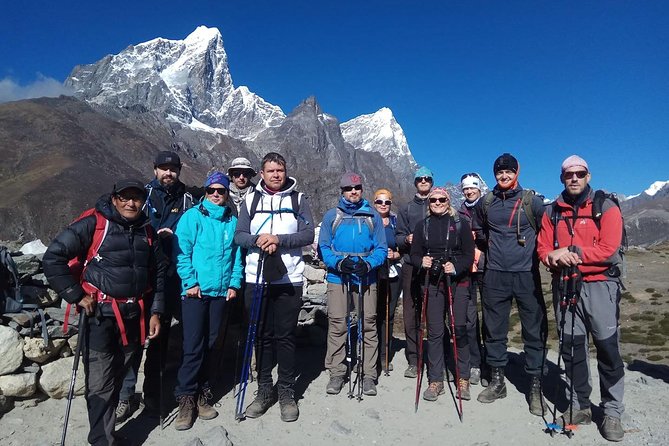
- Sherpa-certified guide support to help with pacing, route decisions, and on-trail problem solving
- Acclimatization days in Namche Bazaar and Dingboche, not just a quick stop-and-go photo break
- Kala Patthar (5,645m) built into the trek plan for big Everest views
- Lukla flights round-trip included (Kathmandu–Lukla–Kathmandu, with taxes)
- Porter help: 1 porter for 2 people, plus a duffel bag and a group medical kit
- Permits and TIMS handled, so you’re not hunting paperwork mid-trip
More days made easy with a local guide
- Kathmandu: Private City Guided Tour★ 4.9 · 174 reviews
- Full Day Guided Tour in Kathmandu★ 5.0 · 61 reviews
- Kathmandu Guided Tour★ 5.0 · 59 reviews
- 12 Day Everest Base Camp Guided Trek★ 5.0 · 40 reviews
Entering the trip: Kathmandu hotel, welcome dinner, and an efficient start
Most Everest itineraries feel like they start with a long bus ride and a vague plan. Here, it starts with a clear handoff. You meet at Tribhuvan Airport in Kathmandu with a listed start time of 7:45 pm, and pickup is offered. From there, you’re set up with an air-conditioned vehicle and a best 3-star hotel in the city, including breakfast.
That matters more than it sounds. The Kathmandu night before the Lukla jump is not the time to figure out where your adapter is or how to find a late dinner. You also get a welcome dinner and a half-day sightseeing outing on the second day with a tour guide. If you arrive with jet lag, this kind of structure helps you settle in instead of wasting daylight.
One practical detail: the tour uses a mobile ticket, so you’re not juggling paper confirmations. That’s a small thing, but on a trip with internal flights and permits, small friction is what turns into big stress.
Lukla flights and what they mean for your actual trekking days
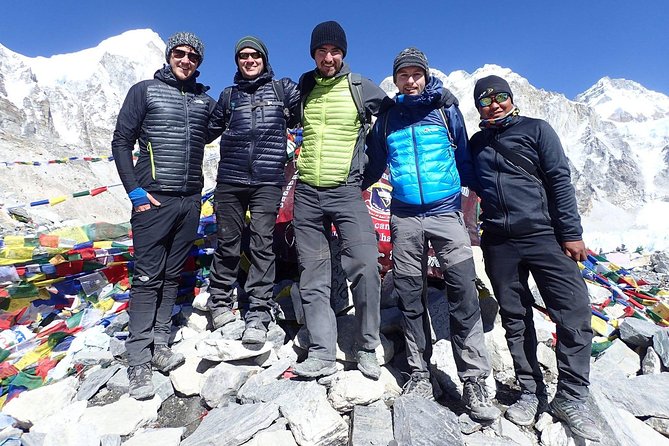
This trek includes internal flights Kathmandu–Lukla–Kathmandu both ways, with taxes. That choice shapes the whole trip in a good way: you’re not doing a long, exhausting multi-day approach to the trailhead.
Because this is an Everest itinerary, weather can still be a factor. The provided policy notes the trek requires good weather, and if it’s canceled due to poor weather you’re offered a different date or a full refund. The key takeaway: you should keep your own travel insurance ready and think about flexibility in your schedule.
Once you’re on the trail, the trip is built around 12 trekking days (hiking begins from Lukla Airport). The remaining days are used for Kathmandu setup and for acclimatization timing—especially the Sherpa towns that matter most for altitude adjustment.
Namche Bazaar: the acclimatization day that helps you last longer
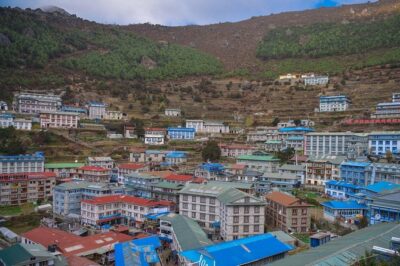
Your path to Everest doesn’t just climb; it acclimates. This itinerary includes an excursion and acclimatization day in Namche Bazaar, which is a major plus if you’re trying to stay functional at altitude.
Why this is valuable: Namche Bazaar is one of those places where you can see how altitude affects your rhythm. You might feel fine on the first “easy” hiking segments, then get hit by a slower pace as you go higher. Giving yourself an acclimatization day in Namche Bazaar means you’re not forcing your body to learn the hard way. The plan is built so you can adjust before the next altitude step toward higher settlements.
What I like for practical reasons: the excursion time breaks the monotony of walking. It also helps you get your bearings in a key Sherpa town—useful when you’re later judging pace, hydration, and how your breathing is changing day to day.
A possible drawback: with a dedicated acclimatization day, you’ll feel like the trek is slower in the middle. That’s intentional. If your mindset is only about “I want to cover ground,” you’ll need to shift gears and treat Namche as part of the climb, not a detour.
Dingboche: your second chance to adjust before the high push
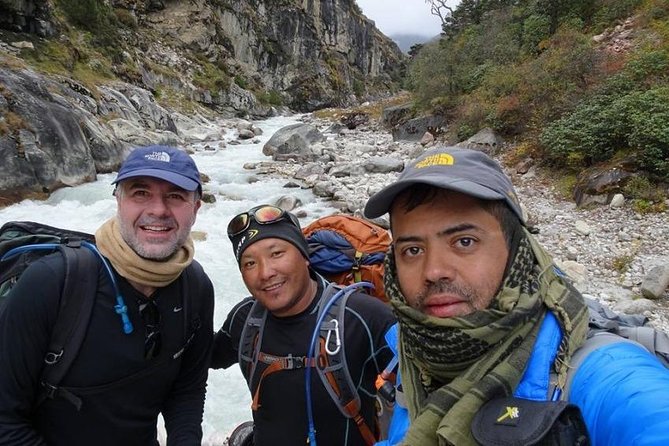
After Namche, you get another acclimatization day in Dingboche. This is the second “buffer” in the itinerary, and it’s the kind of planning that protects your trip from becoming a forced slog.
At these heights, small problems turn big fast: a headache that you might ignore at sea level becomes serious at altitude. An acclimatization day gives you time to watch your own limits. You can also use the day to refine your routine—how often you drink, how you dress in changing conditions, and what pace feels steady rather than frantic.
The main trade-off is emotional. Some people arrive in Dingboche excited and impatient to sprint higher. But with an itinerary that includes a second acclimatization day, the best approach is to listen to your body and treat rest as progress.
More trails out of Kathmandu, boots ready
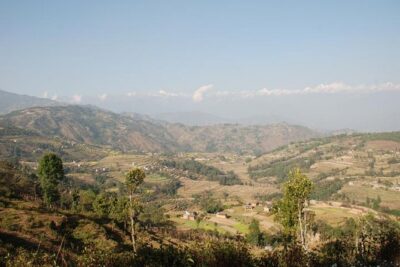
Everest Base Camp and Kala Patthar: what 5,550m and 5,645m really ask of you
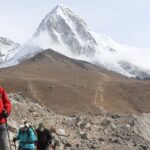
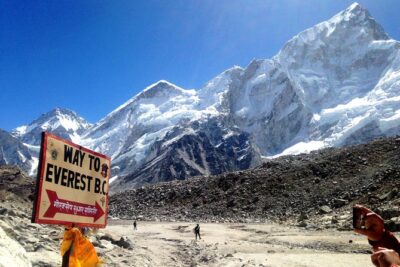
The itinerary includes a hike to Everest Base Camp and also up to Kala Patthar (5,645 meters). The base camp area is listed as located around 5,550 meters, so you’re living at altitude even before you reach the “big view” point.
What to expect, practically:
- The higher you go, the more your effort becomes about breathing and steadiness.
- Your legs will feel the climb, but your lungs will set the pace.
- You’ll likely slow down compared to your “normal hiking” speed—this isn’t a failure. It’s how altitude works.
Kala Patthar is singled out with the exact height (5,645m) because it’s one of the peak-view goals of the whole route. You’ll be aiming for a summit-like perspective without needing technical climbing. That’s a big reason people plan Everest trips at all: not just the idea of Everest, but the chance to see it from a high vantage where you can understand the scale.
One realism note: this trek includes a guide and group support, but the air still has the final word. If the weather turns or your altitude tolerance is lower than you expected, you might need to adjust expectations on summit-style viewpoints. The inclusion of planned acclimatization helps you reduce risk, not eliminate it.
Lodges, twin sharing, and the comfort level that matters most
This trip keeps lodging straightforward. Kathmandu is hotel accommodation in a top-end 3-star category with breakfast. During the trek, you get quality lodge accommodation in twin sharing.
Why this matters for value: on Everest treks, “lodge” can range from charming to chaotic depending on the operator. Here, the offer explicitly claims quality lodges and a consistent structure across the trek. That means you’re more likely to have dependable basics like heat sources in the dining area, sleeping space that fits two people, and fewer last-minute changes.
Also included is a trek map and a company T-shirt, plus a duffel bag. Those sound like freebies, but they reduce practical stress. When you’re packing for cold and altitude, having a proper carry setup is one less thing to worry about.
And yes, you’ll still need to handle daily comforts yourself. The trip lists that water and deserts in trekking are not included, and it also notes phone, internet, and battery charges on the trek aren’t included. Plan for those small expenses so you’re not scrambling cash on day three.
Your Sherpa guide and porters: why this structure keeps you safer
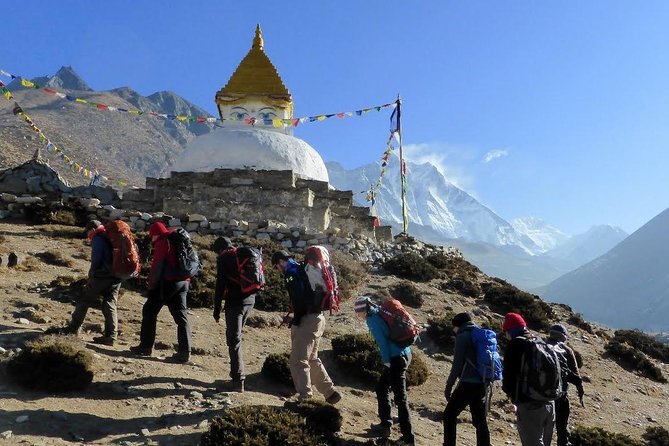
This tour includes an expert local Sherpa guide certified by Nepal Government, plus strong and honest porters. The ratio is clear: 1 porter for 2 people. That’s the kind of detail you want to see on a high-altitude trek.
Here’s how it helps your experience:
- Less weight on your back can improve your pace consistency, which matters at altitude.
- A guide who knows the route and the altitude timing helps you avoid the classic trap: going too hard too early because you feel good at the start.
- A group medical kit is provided, which is a baseline comfort on a trip where conditions can change fast.
The included staff costs are also handled: the listing says guides and porters pay, meals, and insurance are included. That doesn’t just sound responsible—it can reduce your uncertainty about what’s “your job” to sort out.
For proof points from the broader team reputation, the names Pasang Sherpa, Pema Sherpa, Mingmar Sherpa, PD, Tanshi (as a lead guide), Ming-Ma Aprehs, and Rinji Sherpa show up in positive client feedback tied to this operator. The consistent theme is that people remember the team as efficient, friendly, and ready to help in the moment—especially when logistics get messy.
Price and logistics: does $2,170 make sense for Everest?
$2,170 per person is not a small number. But for Everest Base Camp, the real question is what’s inside that number.
From what’s included, you’re paying for:
- Round-trip internal flights to Lukla with taxes
- Kathmandu hotel in a top 3-star category with breakfast
- Lodge accommodation during the trek (twin sharing)
- A certified Sherpa guide plus porter support
- TIMS card and Everest trekking permit fees
- A group medical kit, trek map, duffel bag, and a company t-shirt
- Welcome dinner and a healthy breakfast in Kathmandu
- Half-day Kathmandu sightseeing
Then, you’re not paying for:
- International airfare and Nepal visa fee
- Travel and health insurance (highly recommended)
- Emergency helicopter rescue insurance
- Lunch and dinner in Kathmandu (listed as $5–10 per meal)
- Alcoholic drinks, water, and deserts in trekking
- Gratuities for guide and porter after the trek
- Phone/internet/battery charges on the trek
So is it value? For me, the best indicator is that your major costs are handled: transport to Lukla, lodging, guide/porter support, and permits. Those are the items that can spiral if you try to DIY. The price is also more defensible because it’s a private tour/activity (your group only), which often reduces the awkwardness of group dynamics on an intense itinerary.
Packing and day-to-day reality at altitude (what you should plan for)
The data doesn’t list exact gear requirements, but it does tell you what’s missing from day-to-day comfort: water and deserts during the trek aren’t included, and phone/internet/battery charges cost extra. That suggests you should budget for consumables and charging power if you rely on your phone for navigation or photos.
You’ll also want to plan for the climb as a stamina test, not a casual hike. The itinerary explicitly notes the trek isn’t very difficult for the average fit person, but the base camp area sits around 5,550m. At those heights, “not very difficult” usually means the route is manageable, not that your body won’t be challenged.
A small but smart approach: treat your acclimatization days as training for your routine. If you don’t get your hydration, clothing layers, and pace right in Namche and Dingboche, you’ll feel it later when the trek tightens.
Who this trek is best for (and who should rethink it)
This Everest Base Camp plan fits best if you:
- Want local Sherpa leadership and porter support rather than DIY logistics
- Prefer a structured itinerary with acclimatization stops in key towns
- Are comfortable paying for internal flights and permits, because that’s a big part of the Everest experience
It may be a tougher match if you:
- Have limited altitude tolerance or haven’t done high elevation hiking before
- Expect constant comfort without budgeting extra for water, charging, and meals not included
- Hate the idea of slowing down for acclimatization days
If you’re fit and can follow a steady pace, this is the kind of itinerary that makes Everest feel more like a climb plan and less like a gamble.
Should you book Everest Base Camp with this Sherpa-guided operator?
If you want a credible, organized Everest trip with certified local guidance, included permits, and Lukla flights, I’d say it’s worth considering. The structure around Namche Bazaar and Dingboche is a strong sign you’re not being rushed into the high country without giving your body time.
Book it if you’re ready for the real altitude work and you can budget for what isn’t included: visa, international flights, insurance, extra meals in Kathmandu, water on trek, and tips. If any of those extras would strain your budget, you’ll want to adjust your expectations or compare another option where more of those costs are bundled.
Bottom line: this is for people who want to experience Everest the practical way—high views, Sherpa expertise, and less time lost to logistics. Just don’t underestimate the altitude. That part is on you, no matter how well organized the trip is.
FAQ
What is the meeting point and start time for this trek?
You meet at Tribhuvan Airport in Kathmandu, Nepal, with a listed start time of 7:45 pm. Pickup is also offered.
How long is the Everest Base Camp trek?
The duration is listed as about 17 days, with trekking for about 12 days on the trail.
Are internal flights included?
Yes. Internal flights Kathmandu–Lukla–Kathmandu are included both ways with taxes.
What altitude goals are included in the trek?
The plan includes reaching the Everest Base Camp area around 5,550 meters and hiking to Kala Patthar at 5,645 meters for views.
Do I get a guide and porter support?
Yes. You’ll have an expert local Sherpa guide certified by the Nepal Government and porters are provided with a ratio of 1 porter for 2 people.
What lodging is included?
You get a best 3-star hotel in Kathmandu with breakfast, plus lodge accommodation during the trek on a twin-sharing basis.
What happens if weather is poor?
The trek requires good weather. If it’s canceled due to poor weather, you’ll be offered a different date or a full refund.
More Trekking Out of Kathmandu
Simpler With a Local Guide
More Tour Reviews in Kathmandu
Just Reviewed in Kathmandu
- Mountain Bike Tour
★ 5.0 · 3 reviews - Annapurna Panaroma
★ 5.0 · 3 reviews - Mount Everest Scenic Flight 50 Minutes
★ 5.0 · 3 reviews - Kathmandu : Swambhunath & Durbar Square Guided Half Day Tour
★ 3.3 · 3 reviews - Chandragiri Cable Car & Monkey Temple Tour – Private/Group
★ 5.0 · 3 reviews - Kathmandu: Shivapuri National Park Hiking Day Trip
★ 3.3 · 3 reviews
Everest Base Camp Treks, compared.
 ★ 5.0Everest Base Camp Trek – 14 DaysFrom $1,8001,499 reviews
 ★ 5.0Everest Base Camp TrekFrom $1,790842 reviews
 ★ 5.0Everest Base Camp TrekkingFrom $1,350485 reviews
 ★ 5.0Everest Base Camp Trekking – 13 DayFrom $1,399365 reviews
★ 5.0Everest Base Camp TrekFrom $1,445350 reviews
★ 5.0Everest Base Camp Trek -14 DaysFrom $1,420321 reviews
★ 5.0Everest Base Camp Trekking – 13 DayFrom $1,399365 reviews
★ 5.0Everest Base Camp TrekFrom $1,445350 reviews
★ 5.0Everest Base Camp Trek -14 DaysFrom $1,420321 reviews
 ★ 5.012 Days Everest Base Camp TrekFrom $1,099289 reviews
 ★ 5.0Everest Base Camp Trekking – 2025/2026From $1,339199 reviews
Browse the lists this tour appears in