
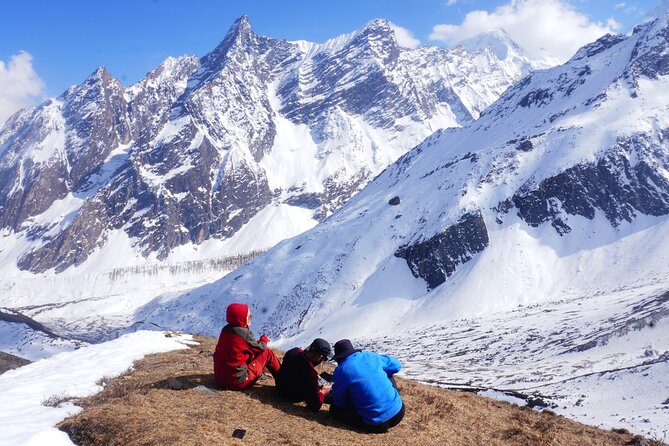
Review · MANASLU CIRCUIT TREKS
Experience the Thrill of a Lifetime:12-Days Manaslu Circuit trek
The Tibet border feels close on this trek. This 12-day Manaslu Circuit Trek pairs uncrowded mountain village days with tea-house style comfort that keeps you moving without going full survival-mode.
I also love how the route gives you a real sense of place: Gurung communities, Tibetan-style villages, and monastery sites show up often, not just on a postcard moment. One heads-up though: this is a physically demanding circuit, and the high point at Larkya La Pass (~4,470m) means slow steps, cold air, and real altitude respect.
In This Review
- Key highlights before you go
- Why this trek feels different: Manaslu’s quiet altitude world
- Price and value: what $1,500 covers on the ground
- Days 1–3: Soti Khola to Jagat and the river-valley warm-up
- Days 4–6: Philim, Namrung, and Samagaun’s big air
- Day 7 acclimatization to Pungyen Gompa: the smartest kind of slow
- Day 8 Samdo and the border zone: desert paths and Tibetan refugee life
- Days 9–10: Dharmashala, Larkya La Pass, and the long descent
- Day 11–12: Ponkar Glacier area, apples and wine at Tije, then the jeep out
- Lodges, meals, and daily comfort (the tea-house reality)
- Who this trek suits best (and who should think twice)
- Should you book the 12-Day Manaslu Circuit trek?
- FAQ
- How long is the Manaslu Circuit trek?
- Where does the trek start and how do you get there?
- Is the trek lodge accommodation included?
- What permits are included?
- What meals are included?
- Do you get a guide?
- How does transportation work on the last day?
- What’s the highest point on the route?
- What’s the cancellation and weather approach?
Key highlights before you go
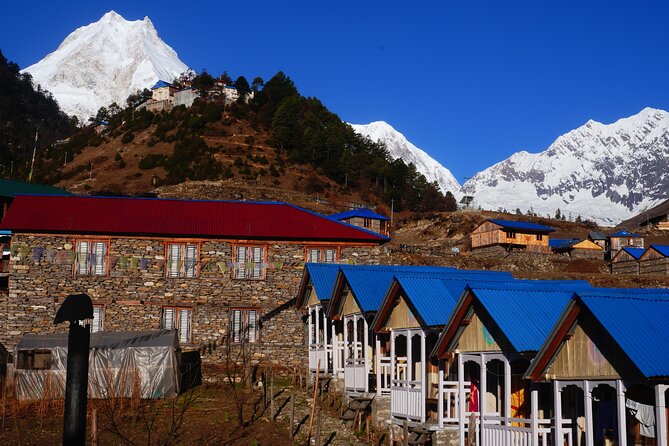
- A quieter circuit experience with plenty of scenery away from the heaviest trekking routes
- Tea-house lodging and full board so you can focus on walking, not logistics
- Tatopani hot springs stop to reset your legs after early valley hiking
- Acclimatization at Samagaun with a hike to Pungyen Gompa
- Larkya La Pass views plus icy lakes during the big crossing day
- Border-region culture at Samdo including a Tibetan refugee camp and nearby seasonal markets
More trails out of Kathmandu, boots ready
- Everest Base Camp Trek – 14 Days★ 5.0 · 1,499 reviews
- Everest Base Camp Trek★ 5.0 · 842 reviews
- Everest Base Camp Trekking★ 5.0 · 485 reviews
- Nagarkot Sunrise View and Day Hiking from Kathmandu★ 5.0 · 471 reviews
Why this trek feels different: Manaslu’s quiet altitude world
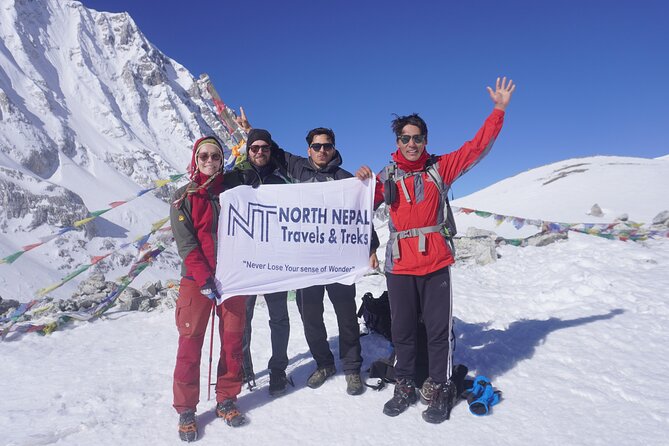
The Manaslu Circuit has a way of putting you in the mood for patience. You walk river valleys for days, climb gradually enough to breathe, then hit the serious altitude moments near the end. If you want the Himalayas with fewer crowds and more village life, this is one of the better bets in Nepal.
You also get a sense of cultural layering. You start in classic Nepali trekking country, then move through places tied to Gurung traditions. Later, Tibetan-style villages and monastery sites become part of your daily rhythm. It’s not just scenery; it’s how people live at this altitude—where prayer flags show up, where chortens sit along the trail, and where community culture shapes the pace of your days.
Price and value: what $1,500 covers on the ground
At about $1,500 per person, the value mainly comes from what you do not have to piece together yourself. Your trek includes all required permits (Manaslu Special, MCAP, and Annapurna ACAP). On this route, that matters because you are entering regulated trekking zones, and those documents help support protected-area rules in the region.
It also includes tea-house accommodations during the trek. That usually means simple rooms with a basic setup—enough comfort to sleep and recover so your hiking stays consistent.
Next, you get a registered experienced trekking guide (with food, accommodation, salary, and insurances covered). There’s also support for the trip with meals counted each day (breakfast 11 times, lunch 12 times, dinner 12 times). When you do long trekking days, meal planning is not a small detail. It affects energy, pacing, and how often you have to hunt for food.
What is not included is your day-to-day personal spending: laundry, bar bills, paid Wi-Fi, extra porters, bottled/boiled water, and showers. Tips for the guide and porters are also separate, plus travel and rescue insurance. Think of the price as covering the trek machine. Your job is bringing yourself and paying the extras that pop up.
Days 1–3: Soti Khola to Jagat and the river-valley warm-up
Your trek rhythm starts even before the first big steps. You travel along the Prithivi highway, turn onto a branch road at Malekhu, and then follow the Budhi Gandaki corridor toward Soti Khola. The day is long—about 8 to 9 hours on the way—so you’re settling into the idea that this circuit is about distance as much as altitude.
Soti Khola works as a gateway. It’s a starting point that keeps you close to the river and lets the walking begin gently the next day.
Day 2 continues through forests and farming villages, with a stop in Lapu Besi (a Gurung village) before reaching Machhakhola after about 6 hours of hiking. This is the part of the trek where you learn how trails feel underfoot—packed earth, stone steps, and bridges that show up more than once.
Day 3 adds a classic Manaslu Circuit moment: Tatopani hot springs. You hike upstream, cross suspension bridges, and move from forest stretches into more broken terrain toward Jagat. Expect about 7 hours of walking. The hot springs stop is not guaranteed to feel like a spa day, but it’s a practical recovery tool when your legs are starting to notice the uphill grind.
Days 4–6: Philim, Namrung, and Samagaun’s big air
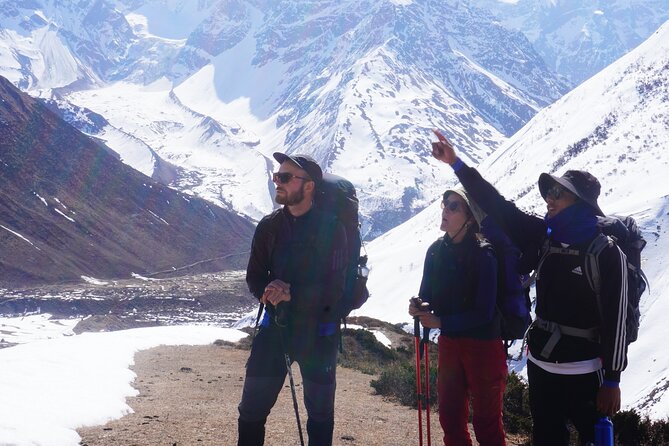
The middle stretch gives you a strong mix of culture and altitude shifts.
From Philim, you get a window into communities tied to Gurung life. You’ll cross more suspension bridges and pass traditional village areas with monasteries and chortens. From there, you walk toward Deng, which is known for agriculture. Days like this help you understand the circuit’s “real” Nepal vibe—people farming, living, and trading work done the same way for generations, just with more trekkers passing through.
Day 5 heads toward Namrung. The trail climbs through forest, then opens up with views of Manaslu and surrounding ridges and valleys. Namrung is described as a Buddhist village with monasteries, chortens, and prayer flags. This is one of those stops where the trail doesn’t rush you. You’re in a place that feels built around spiritual landmarks, so you’re not just walking through it—you’re moving through a living route of belief.
Day 6 ends at Samagaun after about 7 hours. This is also where the trekking gets more altitude-aware. The air turns thinner and colder. Vegetation changes too, from rhododendron forests toward more open pasture grassland. You also pass through Lhogaun, described as a Tibetan-style village, which makes the cultural shift feel immediate—not delayed until the final days.




Day 7 acclimatization to Pungyen Gompa: the smartest kind of slow
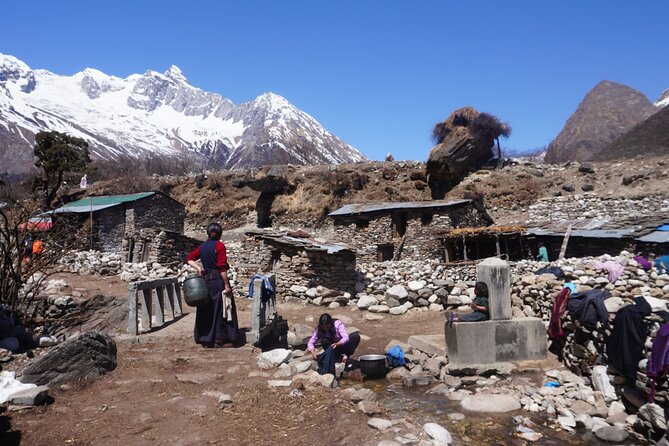
If you’re worried about altitude, this day is your safety valve.
Instead of pushing hard, you stay around Samagaun and do an acclimatization hike to Pungyen Gompa east of the Nubri Valley. The trail includes a long river crossing segment that can take around 2 hours on its own. You can bring lunch, eat at rest stops, and take in the views at a tempo that helps your body adjust.
I like this kind of day because it trains your pacing. You learn how to walk slower without feeling like you’re falling behind. And you get a bonus: the giddy feeling of higher-altitude air while you still have a base village day afterward. It’s not a sightseeing day dressed up as training—it actually functions as altitude prep.
Day 8 Samdo and the border zone: desert paths and Tibetan refugee life
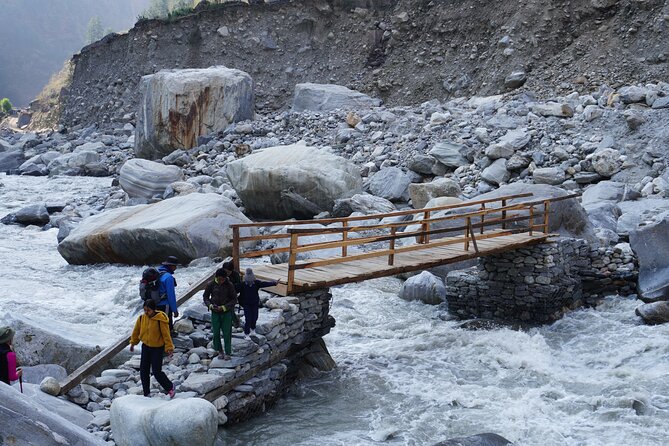
Day 8 is a big mood shift. You leave the village life and climb into a more rugged, mostly desert path toward Samdo. The route is about 4 kilometers from the Tibetan border and takes about 5 hours.
Samdo also includes a Tibetan refugee camp. That matters because it changes what you’re experiencing. It’s not only trekking “toward mountains.” You’re walking through a living border area with real human context. Even if you’re quiet most of the day, this part of the circuit reminds you that the trail connects geopolitics, culture, and daily survival in one long line of steps.
Days 9–10: Dharmashala, Larkya La Pass, and the long descent
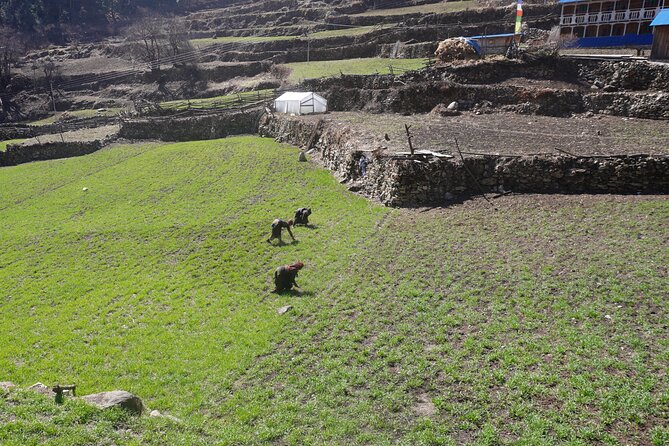
Day 9 starts in Samdo and heads to Dharmashala (also called Larkya Phedi or Larkya base camp). This segment is about 11.7 kilometers (7.2 miles) and usually takes 3 to 4 hours. Along the way, you pass through Larke Bazar, described as a seasonal Tibetan market. That market stop is exactly the kind of practical rhythm you hope to see at altitude—people buying and selling essentials when weather and access make everything more limited.
Dharmashala sits around 4,470 meters. Even if you feel fine, the air is thinner. Your biggest job is not speed; it’s being steady.
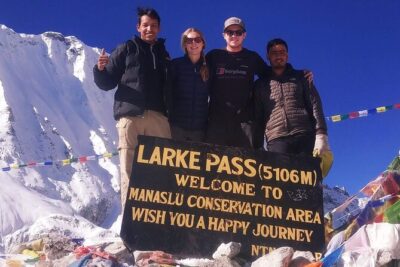
Then comes Day 10: the Larkya La Pass crossing. You start early after breakfast and climb via a winding rocky trail. The effort is described as moderately difficult, and once you reach the pass, you get major views of snow-clad peaks, including Ratna Chuli, Cheo Himal, and Manaslu.
After the pass, you descend and encounter icy lakes before continuing to Bimthang. This is where trekking good weather matters most. Cold plus long descent can add up fast. If you’re prone to fatigue, you’ll want your body functioning well the day before, because this is the circuit’s signature “focus moment.”
Day 11–12: Ponkar Glacier area, apples and wine at Tije, then the jeep out
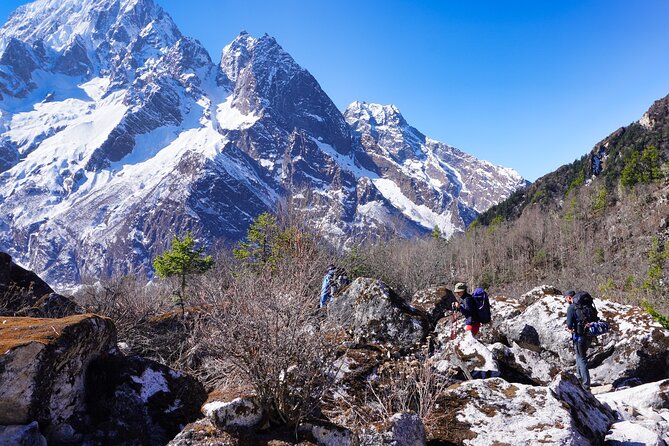
Day 11 moves through calmer but still beautiful walking. You start across pasture land, descend to the Budhi Khola valley, and cross rivers. There are rhododendron forests again, and you pass Tije, an area known for an apple orchard. Tije is also described as famous for wine.
You then trek onward to Dharapani after a final push (the hiking time here is about 6 hours). At this point, your altitude work is largely done. You’re back in a more human pace, with the sense that the circuit is ending in the way you can actually feel.
Day 12 is your exit day. After breakfast, you take a 5-hour 4WD jeep from Dharapani to Besisahar, then transfer onward to Kathmandu or Pokhara. It’s a relief day, but it’s also a reality check: you’re leaving the trail and returning to the places where you can finally get warm showers and real beds. (Not included, but you’ll know where to find them.)
Lodges, meals, and daily comfort (the tea-house reality)
This trek uses tea-house (lodge) accommodations. That usually means simple rooms, shared dining spaces, and the kind of comfort that makes sense when the day is long and the weather can turn.
Food is built into the trek package: breakfast, lunch, and dinner are counted through the journey. That matters because long trekking days reward consistency. Instead of wondering where your next meal is coming from, you’re focused on walking, resting, and staying warm.
Personal comforts are on you. Wi-Fi, bar bills, bottled or boiled water, laundry, and showers are listed as personal expenses. So if you want a shower, plan for it. If you want a phone check-in, budget for paid Wi-Fi when available.
Who this trek suits best (and who should think twice)
This circuit fits best if you:
- Want cultural village days mixed with serious mountain trekking
- Are okay with long hiking hours, including a multi-day high point ending in Larkya La Pass
- Prefer a route that feels more human and less packed
It may be a tougher fit if you:
- Struggle with altitude or long days already
- Want a very easy walk. This is not a gentle stroll.
One nice planning detail: it’s a private tour/activity, so only your group participates. That usually means less waiting around for others and a smoother rhythm for the guide to manage.
Should you book the 12-Day Manaslu Circuit trek?
If you want a Himalaya trek with real villages, a meaningful acclimatization day, and a final challenge with the Larkya La Pass payoff, this circuit is a strong match. The included permits, guide support, tea-house lodging, and most meals add up to solid on-trail value—especially if you like knowing the big pieces are handled.
I’d book it if you respect the physical side of the route and you’re okay with the basic tea-house comfort level. If you’re looking for low-effort hiking or a fully hands-off travel style where altitude is mostly optional, you might feel stressed here.
FAQ
How long is the Manaslu Circuit trek?
It’s listed as 12 days (approx.).
Where does the trek start and how do you get there?
The trek is based around Kathmandu, Nepal, and the plan includes transport to reach the trail area at the start. Pickup is offered.
Is the trek lodge accommodation included?
Yes. The trek includes tea-house (lodge) accommodations during the trek.
What permits are included?
Included permits are Manaslu Special, MCAP, and Annapurna ACAP.
What meals are included?
The package includes breakfast 11 times, lunch 12 times, and dinner 12 times.
Do you get a guide?
Yes. You’ll have a registered experienced trekking guide.
How does transportation work on the last day?
On the last day, there is a 5-hour 4WD jeep drive from Dharapani to Besisahar, then transfer to Kathmandu or Pokhara.
What’s the highest point on the route?
The trek includes Larkya La Pass, and Dharmashala (Larkya base camp) is listed at about 4,470 meters.
What’s the cancellation and weather approach?
There’s free cancellation up to 24 hours in advance for a full refund. The experience also requires good weather; if canceled due to poor weather, you’ll be offered a different date or a full refund.
More Trekking Out of Kathmandu






More Tour Reviews in Kathmandu




Just Reviewed in Kathmandu
- Mountain Bike Tour
★ 5.0 · 3 reviews - Annapurna Panaroma
★ 5.0 · 3 reviews - Mount Everest Scenic Flight 50 Minutes
★ 5.0 · 3 reviews - Kathmandu : Swambhunath & Durbar Square Guided Half Day Tour
★ 3.3 · 3 reviews - Chandragiri Cable Car & Monkey Temple Tour – Private/Group
★ 5.0 · 3 reviews - Kathmandu: Shivapuri National Park Hiking Day Trip
★ 3.3 · 3 reviews
Manaslu Circuit Treks, compared.
 ★ 5.0Manaslu Circuit TrekFrom $1,190292 reviews
Manaslu Circuit TrekFrom $1,081184 reviews
★ 5.0Manaslu Circuit Trek:From $1,099106 reviews
 ★ 5.0Manaslu Circuit Trek (15 Days)From $1,65750 reviews
Manaslu Circuit TrekkingFrom $1,49944 reviews
 ★ 5.016 Day Private Manaslu Circuit Trek from KathmanduFrom $1,13542 reviews
★ 5.0Manaslu Circuit TrekFrom $1,90035 reviews
 ★ 5.0Manaslu Circuit Trek 13 DaysFrom $1,40030 reviews
Browse the lists this tour appears in