
Review · EVEREST BASE CAMP TREKS
From Kathmandu: Guided Everest Base Camp Trek
Everest Base Camp feels close enough to touch. This 12-day trek from Kathmandu takes you into Sagarmatha National Park with big peak views, Sherpa villages, and classic stops like Tengboche Monastery.
I love how the itinerary mixes landmark scenery with practical pacing, and it’s built around the goal of getting you to Everest Base Camp without rushing altitude.
Two things I’d highlight: the acclimatization structure (including a full day in Namche and another rest day in Dingboche) and the human support from English-speaking guides. One possible drawback: on the mountain, lodging and food can feel basic, and cold nights come with the territory.
In This Review
- Key things to know before you go
- Why Everest Base Camp still earns its reputation
- Price and value: what you’re paying for (and what you aren’t)
- Day 1 and Day 2: Kathmandu to Lukla to Phakding, then Namche
- The Namche acclimatization day: how you protect your summit chances
- To Tengboche and up toward Dingboche: monastery views and tougher air
- Lobuche, Gorak Shep, and the push to Everest Base Camp
- The return: back down through Pheriche to Namche and Lukla
- Guides that actually change the trip: Saran, Prayas, and Rajesh
- What the included support means for your daily reality
- Packing and pacing: keep it simple, keep it warm
- Who should book this Everest Base Camp trek?
- Should you book this tour from Kathmandu?
- FAQ
- What’s the starting point for the trek?
- How long is the Everest Base Camp trek?
- Is the trek guided?
- Are flights between Kathmandu and Lukla included?
- What about accommodation during the trek?
- Is food included?
- Is the Sagarmatha National Park permit included?
- What’s not included in the price?
- What group size is this trek?
- Is travel insurance required?
Key things to know before you go
- Lukla flights connect Kathmandu to the Khumbu fast, saving you days of road travel
- Namche Bazaar acclimatization day helps you adjust before you climb higher
- Tengboche Monastery rituals add a spiritual pause with panoramic views
- Kala Patthar at sunrise is the kind of payoff that makes the tough days worth it
- Small group guidance means you’re not stuck figuring altitude and routes alone
More days made easy with a local guide
- Kathmandu: Private City Guided Tour★ 4.9 · 174 reviews
- Full Day Guided Tour in Kathmandu★ 5.0 · 61 reviews
- Kathmandu Guided Tour★ 5.0 · 59 reviews
- 12 Day Everest Base Camp Guided Trek★ 5.0 · 40 reviews
Why Everest Base Camp still earns its reputation
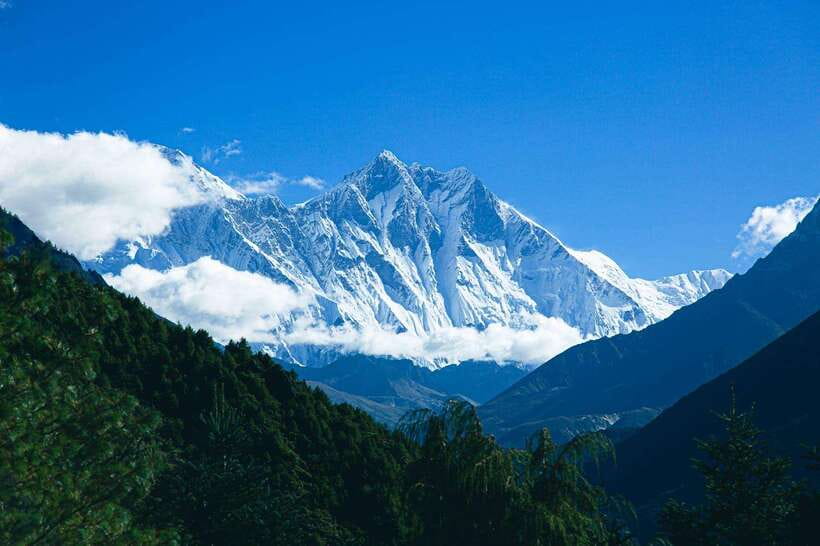
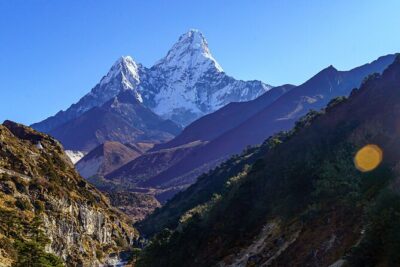
The Everest Base Camp trek is popular for a reason: you’re not just walking through pretty mountains—you’re walking toward the idea of Everest, step by step. Over multiple days, the views sharpen from “wow” to “how is that real?” You’ll see major peaks in the Everest region, and you’ll also get close-up glimpses of glaciers and the famous Khumbu Icefall area once you’re at the Base Camp zone.
What makes this version feel especially worthwhile is the mix. You get high-altitude hiking, yes, but you also get culture stops that slow the pace in a good way. Namche Bazaar isn’t only a checkpoint; it’s a real market town where you can acclimatize and get a feel for Sherpa life. Tengboche isn’t just a viewpoint. It’s a Buddhist monastery setting where daily prayer routines turn a climb day into something calmer and more meaningful.
If you like routes that are both iconic and grounded in everyday local life, this one fits well.
Price and value: what you’re paying for (and what you aren’t)
This trek is listed at $408 per person for a 12-day experience, which is on the lower-to-mid side for a guided Everest-class itinerary. The value is strongest when you look at what’s included:
- A guide (English)
- Accommodation during the trek
- Sagarmatha National Park permit
- A first-aid kit
- Trekking map
- Welcome and farewell coffee
- Hotel pickup and drop-off in Kathmandu
- Domestic flights Kathmandu to Lukla roundtrip only if you select that flight option
Two practical points about value:
1) A guide is not a luxury here. On routes like this, they help with pacing, decision-making, and keeping you on track as weather and conditions change.
2) Permits matter. When Sagarmatha National Park access is handled as part of the package, you avoid last-minute admin stress.
What’s not included is also clear: Nepal visa fee and travel insurance. Plan for those separately, and make sure your insurance covers trekking at altitude.
Day 1 and Day 2: Kathmandu to Lukla to Phakding, then Namche
Your trek begins with an orientation to the Khumbu. First you move from Kathmandu into the mountain world via domestic flights to Lukla (if that flight option is selected). Even if you’ve hiked before, that flight-to-trail transition has a way of reminding you you’re now in the real altitude zone.
From Lukla to Phakding, you’ll walk into the rhythm of the region. This early day is about settling your body and learning how your breathing works while the air gets thinner. It’s also where you’ll start noticing the “trek infrastructure” around the route—simple guesthouses, food stops, and the steady flow of other hikers.
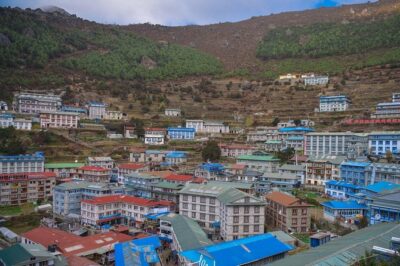
Then comes Namche Bazaar, the gateway feel of the Everest area. Namche is lively—more like a mountain town than a remote village—and it gives you something you need before higher elevations: time and options. You can shop for necessities, adjust your gear, and get your bearings for the days ahead.
My advice: treat Namche like your planning room. Even if you feel fine, use that base to double-check layers, water setup, and any medication you might need later.
The Namche acclimatization day: how you protect your summit chances
You don’t just “rest” in Namche. The itinerary includes an acclimatization day in Namche Bazaar, and that matters. Altitude planning is the difference between enjoying the climb and spending time feeling lousy because you went up too fast.
This is the kind of day where you learn your own patterns:
- how your body reacts to stairs and steep bits
- whether you’re getting headaches or nausea
- how you sleep when you’re higher than you’re used to
In this itinerary, the rest day is built into the schedule, not tacked on as an optional suggestion. That’s a real benefit for anyone who wants a structured plan rather than guessing.
Also, Namche is a good place to observe the culture. This is where Sherpa life is most visible day-to-day, from everyday conversation to local rhythm around teahouses and markets. You’re not just passing through—you’re absorbing.
More trails out of Kathmandu, boots ready
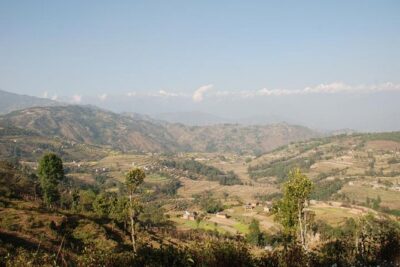
To Tengboche and up toward Dingboche: monastery views and tougher air
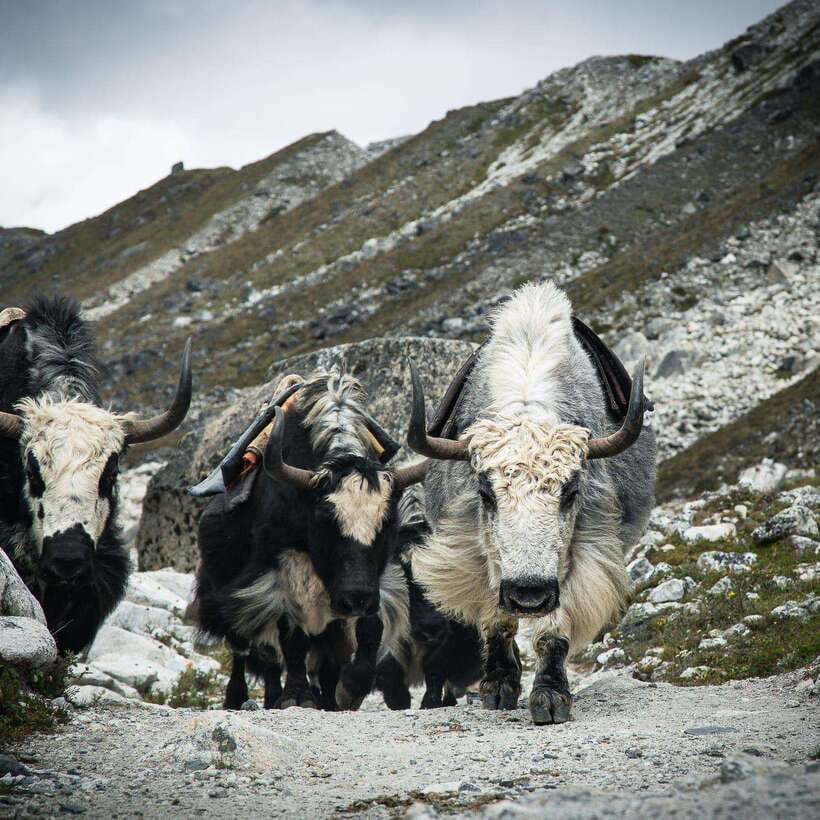
After Namche, you start climbing more clearly. You’ll trek toward Tengboche, with route elevations taking you into a thinner-air zone where slow steps feel important.
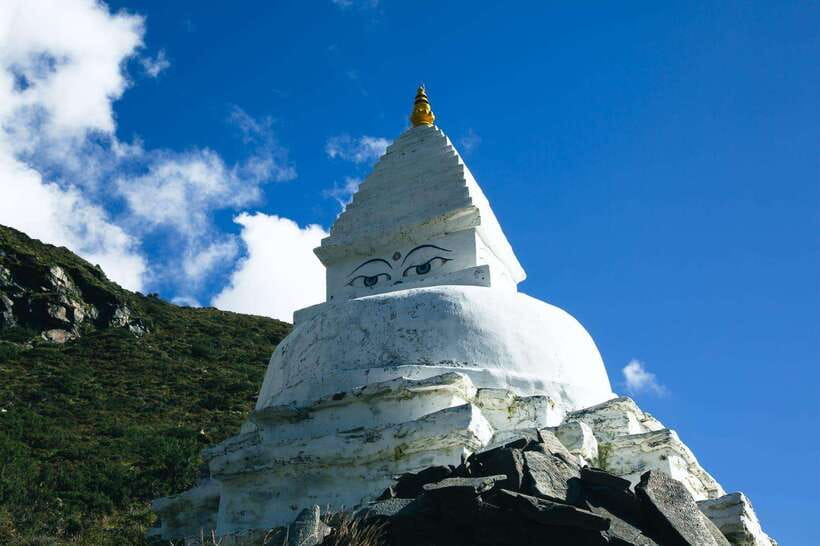
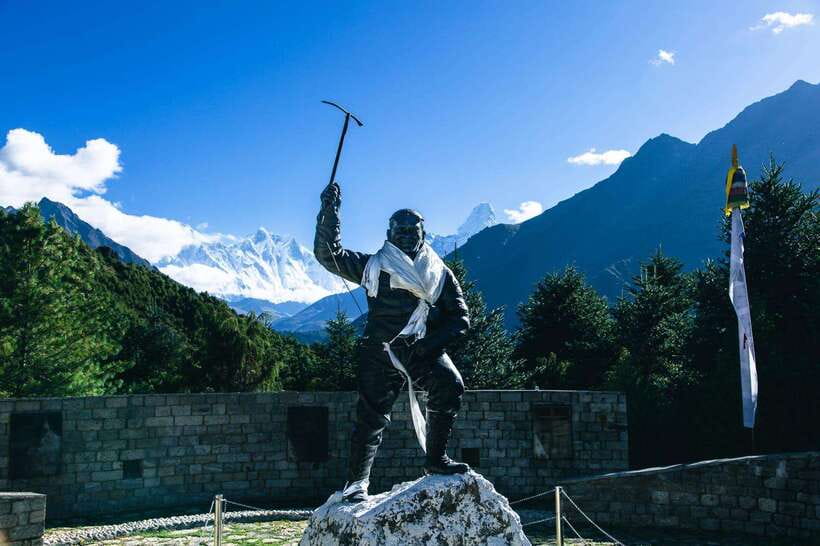
Tengboche Monastery is one of the highlights for good reason. At around 3,867 meters, it’s both a religious stop and a major viewpoint area. When you arrive, you get a break from constant movement and you also get the kind of panoramic sightline that makes people stop talking.
Then you move higher toward Dingboche. Dingboche is where the trek starts feeling more physically demanding—longer days, steeper moments, and the need to keep your effort steady. The itinerary includes a rest day in Dingboche, and I’m glad it’s there. That pause is what helps you keep moving later without turning every climb into a battle.
Practical tip: on rest days, don’t treat it like a couch day. Light walking around is often better than total shutdown, but keep it easy and listen to your breathing.
Lobuche, Gorak Shep, and the push to Everest Base Camp
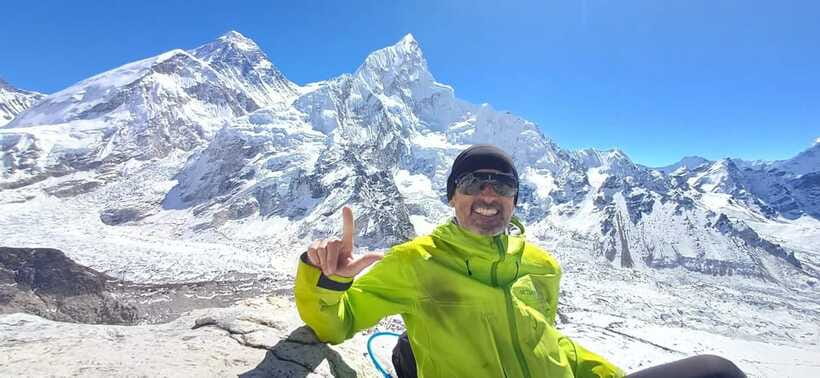
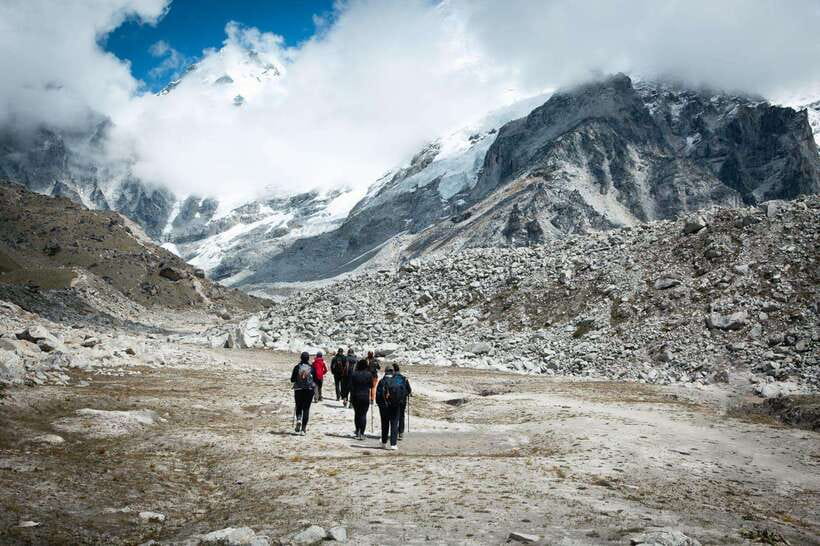
The route moves into higher territory with stops like Lobuche and Gorak Shep, which is the last settlement before you go all-in for the Base Camp zone. Expect the air to feel thinner and the terrain to be more rugged.
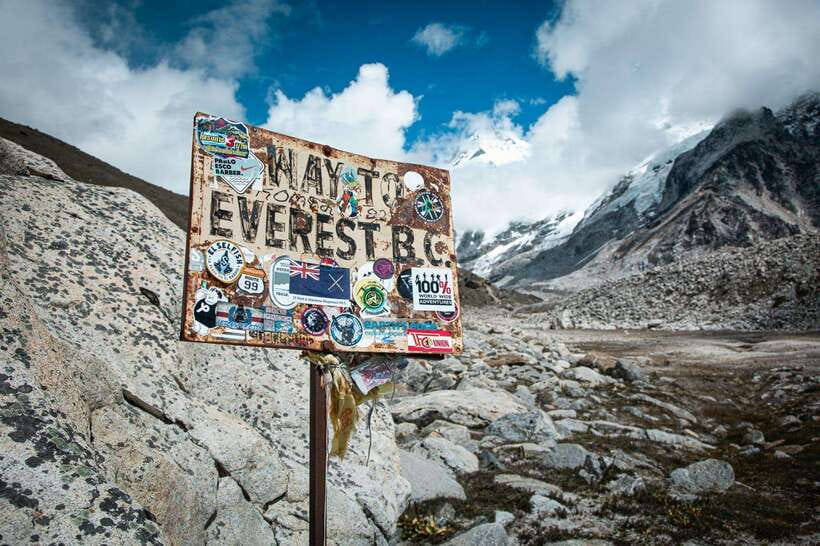
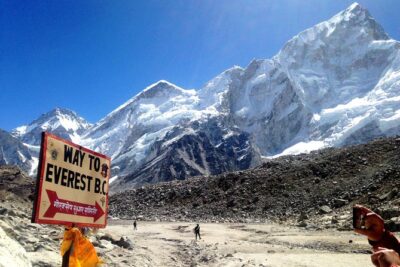
At Everest Base Camp itself, the experience becomes emotional in a very literal way. You’re standing at 5,364 meters and looking into the scale of the Khumbu Icefall and surrounding glaciers. Even if you’re not chasing peak-bagging, this is the part that turns the trek from “big hiking” into “serious mountain moment.”
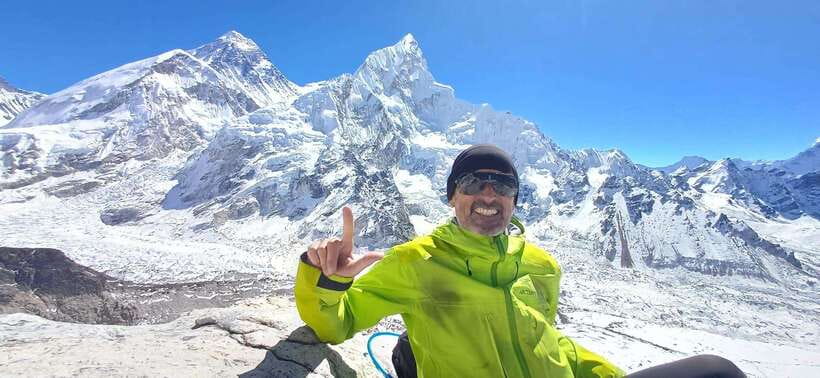
To make sure you get the most out of this area, the itinerary includes an additional high point: Kala Patthar at 5,545 meters. That’s the classic sunrise viewpoint. Getting there early, when conditions are colder and wind can pick up, is hard—but the view payoff is exactly the kind of reward people talk about for years.
One more detail that helps: on routes like this, the “final stretch” can come down to how you manage your energy. A good guide can keep you moving steadily rather than burning yourself out trying to be fast.
The return: back down through Pheriche to Namche and Lukla
After the Base Camp day and Kala Patthar, you don’t just keep climbing. The itinerary brings you back down, including a trek that goes from the Everest area back through Pheriche and then down toward Namche again.
This downhill section is often easier on your lungs but harder on your legs. It’s where good footwear, trekking poles (if you use them), and smart pace make a big difference. Walking down too fast can turn a great trip into a sore one.
Then you return to Lukla and fly back to Kathmandu to close the loop. That end-of-trek feeling is usually a mix: proud, tired, and a little unreal that you’re done.
My advice: plan an easy final day. If you can, don’t stack heavy sightseeing right away. You’ll want time to recover, shower, and mentally process what you just did.
Guides that actually change the trip: Saran, Prayas, and Rajesh
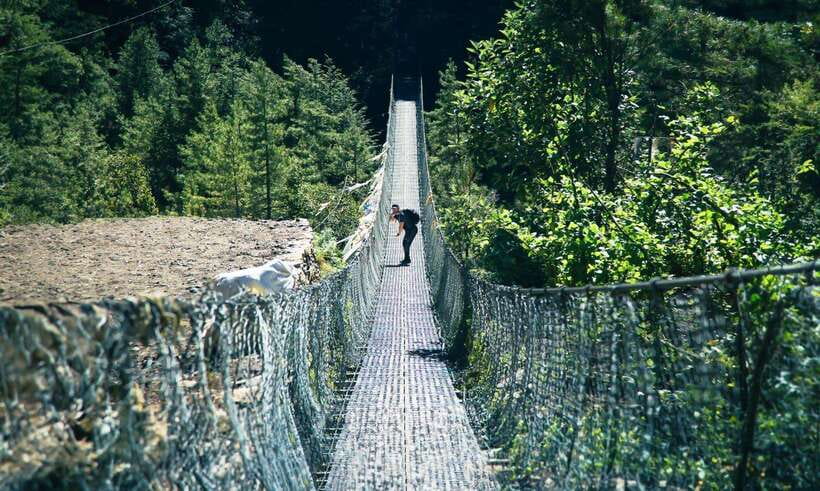
What makes this tour stand out isn’t only the famous destination. It’s how well the experience is run on the ground.
In recent bookings, Saran has been singled out for caring, practical help—supporting hikers when they were too tired to keep moving, and even stepping in with a porter-style job by carrying a heavy pack during steep moments. People also mentioned that he watched closely for health issues and helped with communication day to day, even for those who weren’t fully confident in English. He also helped with photos and even made videos, which matters because you’ll be too tired (and too moved) to get great shots on your own.
Another guide name that showed up is Prayas, praised for helpfulness and English support. And behind the scenes, the agency contact Rajesh is described as quick to respond and organized, using chat to clarify what solo hikers should bring and how to prepare before leaving.
If you’re going solo, that matters. A strong guide reduces guesswork and helps you focus on the mountain instead of logistics.
What the included support means for your daily reality
Here’s where the “included” list turns into real-life comfort:
- Accommodation and food during the trek: you’re not hunting every meal from scratch. (Food and drinks are included if you pick the full board option.)
- First-aid kit: helpful for minor issues and peace of mind, even though it won’t replace medical care.
- Sagarmatha National Park permit handled for you: you save time and avoid permit-related complications.
- Welcome and farewell coffee: a small touch, but it’s a good signal that the program has structure.
Also, note that the trek is offered as a small group with an English-speaking guide. Small group size is a practical advantage: it’s easier to keep an eye on pacing, and it’s less chaotic than larger groups.
One more support detail from a solo experience: when someone fell ill near the end of the trek, the agency helped with medical assistance and provided a porter for the last day. That’s not a promise you should rely on in advance, but it’s a good sign that help can show up quickly if trouble hits late.
Packing and pacing: keep it simple, keep it warm
You’re hiking high and often in cold air. Even if you’re fit, temperatures and exertion can surprise you. I’d plan around these basics:
- Warm layers you can add or remove without wrestling your gear
- A hat and gloves for colder morning starts (especially around Kala Patthar)
- Sunglasses and sunscreen, because higher altitude + snow glare can feel brutal
- Water and a simple system to stay hydrated without constantly stopping
- Snacks for energy between meal times
On pacing, the core idea is steady effort. On this route, you’ll gain elevation over multiple days, and then you’ll do a big view day. If you treat the climb like a race early, you’ll pay for it later.
A guide is useful here. They can help you find your tempo and keep you from overdoing it on steeper sections.
Who should book this Everest Base Camp trek?
This trek is a strong match if you want:
- A classic Everest Base Camp experience with key landmarks
- A schedule that includes acclimatization days rather than nonstop climbing
- Sherpa culture moments like Namche Bazaar and monastery time at Tengboche
- English guidance and small-group organization
It may be less ideal if you want a very flexible, self-guided adventure. This route is best when you follow the pacing plan closely, especially around high-elevation days.
Fitness-wise, you’ll want to be comfortable with multi-day hiking, uphill and downhill strain, and altitude effects. The trek is challenging, but it’s the kind of challenge that becomes manageable with the right pace and support.
Should you book this tour from Kathmandu?
I think you should consider booking if you want the Everest Base Camp route done the sensible way: guided, structured, and designed around acclimatization. The price-to-inclusions balance looks solid, especially with the guide, the permit, and the option for full board.
I’d say book with confidence if you value real support. The guide stories—like Saran stepping in when someone was too tired, plus thoughtful communication from Rajesh—point to a team that doesn’t treat the trek like a product. It’s run like a plan for getting you through the mountain days safely and with dignity.
If you’re the type who hates basic mountain lodging or you know you struggle with cold and altitude stress, you might want to think hard about whether this is your moment—or at least be extra realistic about your preparation.
FAQ
What’s the starting point for the trek?
The trip starts in Kathmandu, with hotel pickup and drop-off included, and then proceeds to the trek area via domestic flights to Lukla if you select that flight option.
How long is the Everest Base Camp trek?
It runs for 12 days.
Is the trek guided?
Yes. You’ll have an English-speaking live guide.
Are flights between Kathmandu and Lukla included?
Roundtrip domestic flights from Kathmandu to Lukla are included only if the flight option is selected.
What about accommodation during the trek?
Accommodation during the trek is included.
Is food included?
Food and drinks are included if you choose the full board option.
Is the Sagarmatha National Park permit included?
Yes. The Sagarmatha National Park permit is included.
What’s not included in the price?
The Nepal visa fee and travel insurance are not included.
What group size is this trek?
It’s offered as a small group.
Is travel insurance required?
The tour data lists travel insurance as not included, so you’ll need to arrange your own coverage separately.
More Trekking Out of Kathmandu






Simpler With a Local Guide
More Tour Reviews in Kathmandu




Just Reviewed in Kathmandu
- Mountain Bike Tour
★ 5.0 · 3 reviews - Annapurna Panaroma
★ 5.0 · 3 reviews - Mount Everest Scenic Flight 50 Minutes
★ 5.0 · 3 reviews - Kathmandu : Swambhunath & Durbar Square Guided Half Day Tour
★ 3.3 · 3 reviews - Chandragiri Cable Car & Monkey Temple Tour – Private/Group
★ 5.0 · 3 reviews - Kathmandu: Shivapuri National Park Hiking Day Trip
★ 3.3 · 3 reviews
Everest Base Camp Treks, compared.
 ★ 5.0Everest Base Camp Trek – 14 DaysFrom $1,8001,499 reviews
 ★ 5.0Everest Base Camp TrekFrom $1,790842 reviews
 ★ 5.0Everest Base Camp TrekkingFrom $1,350485 reviews
 ★ 5.0Everest Base Camp Trekking – 13 DayFrom $1,399365 reviews
★ 5.0Everest Base Camp TrekFrom $1,445350 reviews
★ 5.0Everest Base Camp Trek -14 DaysFrom $1,420321 reviews
 ★ 5.012 Days Everest Base Camp TrekFrom $1,099289 reviews
 ★ 5.0Everest Base Camp Trekking – 2025/2026From $1,339199 reviews
Browse the lists this tour appears in