
Review · EVEREST BASE CAMP TREKS
From Kathmandu: Private 14-Day Everest Base Camp Trek
The Everest Base Camp trek is famous for a reason: big mountains, big altitude, and a steady sense of moving forward. What makes this package interesting is how it builds acclimatization into the rhythm and includes the high-drama parts—like the Lukla flight—so you’re not piecing things together yourself.
I like that you get practical gear support (including a down jacket and sleeping bag) plus a guide and porter to keep logistics smooth at altitude. I also like the pacing with built-in rest/exploration days in key towns like Namche Bazaar and Dingboche. One possible drawback to flag early: the route is demanding and altitude is real, so this isn’t the right choice if you want an easy hike or if you’re still working on cardio and stamina.
In plain terms, you’re buying a well-organized path to Everest Base Camp with the parts that usually cause stress handled for you—especially the flights and permits—so you can focus on breathing, walking, and enjoying the views when they arrive.
In This Review
- Key things that matter most on this trek
- Kathmandu to Lukla: start in the city, then switch to mountain time
- Lukla Airport to Phakding and Namche: the first altitude test
- Deboche and Dingboche: monastery stop, ballooning altitude, better breathing
- Lobuche to Gorakshep: the final stretch before Everest Base Camp
- Kala Patthar at sunrise: the viewpoint you train for
- The descent back through Namche and Lukla
- What you’re paying for: value at $1,650 and what to budget extra
- Private group trekking: better control of pace and decisions
- Who should book this Everest Base Camp package?
- Should you book it?
- FAQ
- How long is the Kathmandu to Everest Base Camp trek?
- Is the Lukla flight included?
- What gear is included for the trek?
- Are meals included during the trek?
- What kind of fitness level do I need?
- Is this a private trek?
Key things that matter most on this trek
- Lukla flights are included (KTM–LUA–KTM), cutting down the most complicated logistics of getting to Everest.
- Acclimatization days in Namche and Dingboche help you manage altitude with more sense than rushing.
- Kala Patthar at ~5,545m is built in with an early hike, the classic viewpoint for Everest panorama.
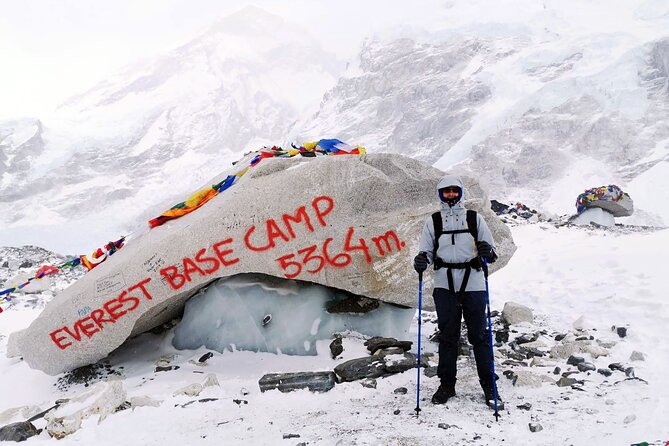
- Everest Base Camp inside Sagarmatha National Park is a true milestone at ~5,364m.
- Gear is provided (down jacket, sleeping bag, duffle bag), so you travel lighter for cold-weather needs.
- Private guiding means you hike as your group, not as a cattle line with strangers.
Just your group, at your own pace
- Private Kathmandu Sightseeing Tour | UNESCO World Heritage sites★ 5.0 · 756 reviews
- Kathmandu: Full Day 7 UNESCO Tour with Lunch – Private/Group★ 5.0 · 415 reviews
- Private Bhaktapur and Nagarkot Day Tour From Kathmandu★ 5.0 · 305 reviews
- Kathmandu: Full Day Top 4 UNESCO Tour with Lunch – Private/Group★ 5.0 · 269 reviews
Kathmandu to Lukla: start in the city, then switch to mountain time
Your trip begins in Kathmandu with an airport greeting and transfers. That matters more than it sounds, because Kathmandu can feel like information overload on day one, especially after flights and jet lag. Getting checked into a hotel and meeting your support team sets you up to plan your next day without scrambling.
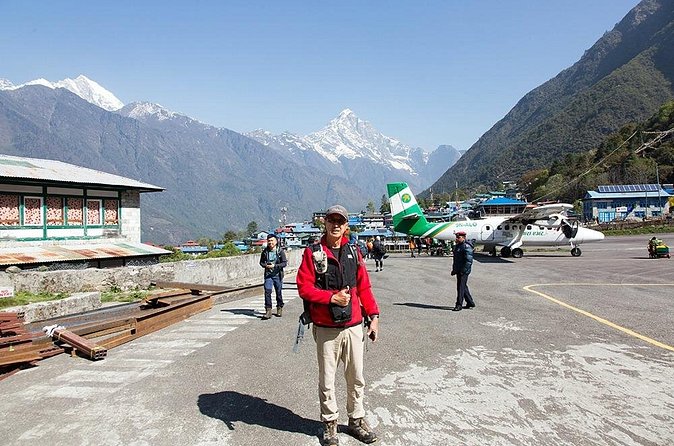
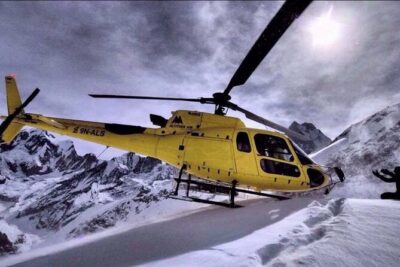
Then the whole vibe changes on the next day: you fly from Kathmandu to Lukla’s Tenzing Hillary airstrip. This flight is often described as one of the most challenging airport landings in the world, and even if you’ve flown internationally before, you’ll feel the difference. The advantage here is simple: your trek starts close to the mountains, so you’re not wasting days just getting into the Khumbu region.
After the flight, you’ll meet your guide and porter. From here, it’s about settling into the mountains step by step, not big hero moments on day one.
Lukla Airport to Phakding and Namche: the first altitude test
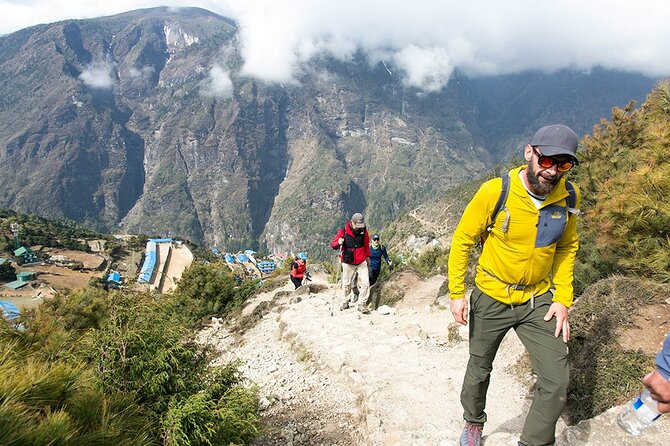
A common way to miss altitude lessons is to race through the first trekking days. This trek avoids that by taking you from Phakding up toward Namche Bazaar, with a day that reaches a max altitude around 3,438m. The hike time is about six hours, which is long enough to feel like trekking, but not so long that you’re wrecked before the acclimatization phase.
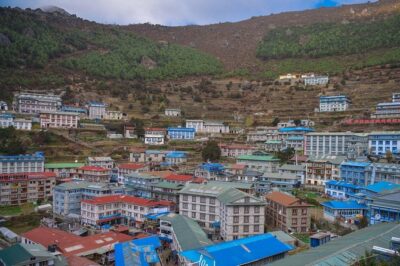
Namche is the Sherpa hub for a reason. You’re not just walking through scenery—you’re walking through a town built for people moving between valleys, villages, and the Everest world. You’ll explore and settle in, and this is when you start to understand the culture around the trek: local guesthouses, trail life, and daily routines shaped by altitude.
Then comes an important second day in Namche: acclimatization. The goal is not to “see more” at all costs. The goal is to raise your altitude slowly and help your body adapt. You’ll also have time to experience views from an Everest viewpoint area associated with Sagarmatha (Everest) National Park, with stops like the Hotel Everest View area (listed as a short visit).
This is also where your guide’s judgment shows. If you feel sluggish, you slow down. If you feel okay, you still keep it sensible. That’s the rhythm that helps you arrive later at higher points without paying for it with bad energy.
Deboche and Dingboche: monastery stop, ballooning altitude, better breathing
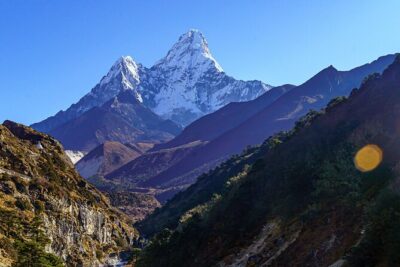
From Namche you move toward Deboche and then up to Dingboche. Deboche is around 3,820m, with about six hours of trekking, and it’s a nice “transition” day. Even when you’re tired, the Khumbu route tends to reward you with layers of views—valleys, villages, and rising peaks that make you understand why people get hooked on Everest trekking.
Dingboche climbs higher to roughly 4,360m. That’s where many people start feeling altitude in a more noticeable way, so the trek wisely includes another acclimatization day here. You’ll explore and adjust on the spot, which helps your body catch up while your mind stays calm.
A major highlight in this zone is the Tengboche Monastery stop. Monasteries on Everest routes aren’t just “nice architecture”—they’re checkpoints of culture, spirituality, and the way of life in the Khumbu Valley. Even a short visit can make the trek feel grounded, not just physical exertion.
The other benefit of this section: the trekking distances are manageable, so you’re not constantly sprinting to the next town. That matters because altitude punishes exhaustion.
Lobuche to Gorakshep: the final stretch before Everest Base Camp
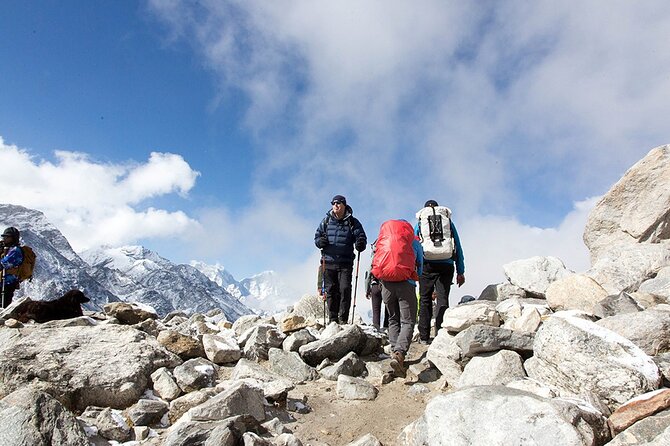
After Dingboche, the trek pushes toward Lobuche, reaching a max altitude around 4,940m. The hike time is about four to five hours, which feels good compared to some mountain schedules. But once you’re higher up, time on your feet still adds up, and the air gets thinner.
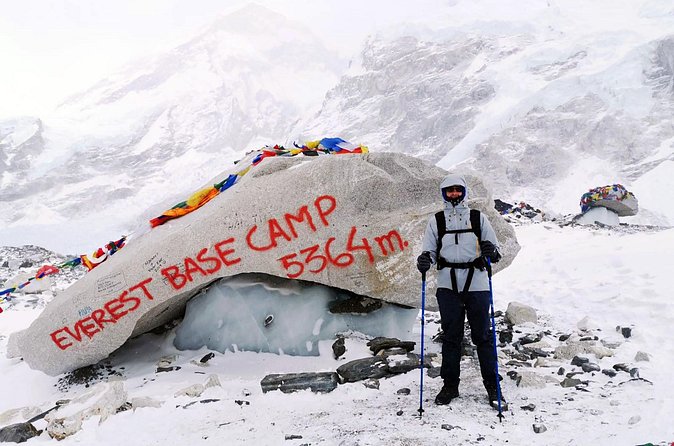
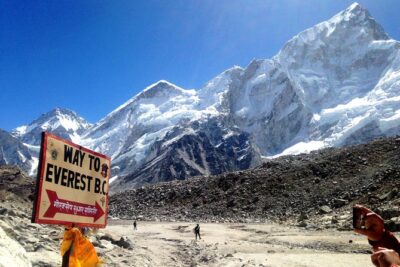
Then comes the big setup day: Lobuche to Gorakshep, around 5,164m, and from there you head into the Everest Base Camp area. This is where you’ll feel that the trek is no longer just “a walk in the mountains.” It’s an approach to a historic, crowded milestone inside Sagarmatha National Park at around 5,364m.
Everest Base Camp itself is listed as a highlight, and this is the moment most people think about. Even if you’ve seen photos, being there in person hits differently: you’re surrounded by the scale of the region, and you get a real sense of why expeditions have to be so carefully timed and supported.
One practical note: conditions can change fast at this elevation. Keep your layers ready, drink water regularly, and treat the day like a steady process, not a sprint.
More trails out of Kathmandu, boots ready
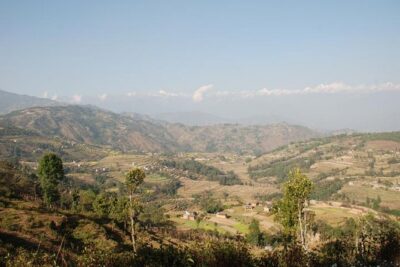
Kala Patthar at sunrise: the viewpoint you train for
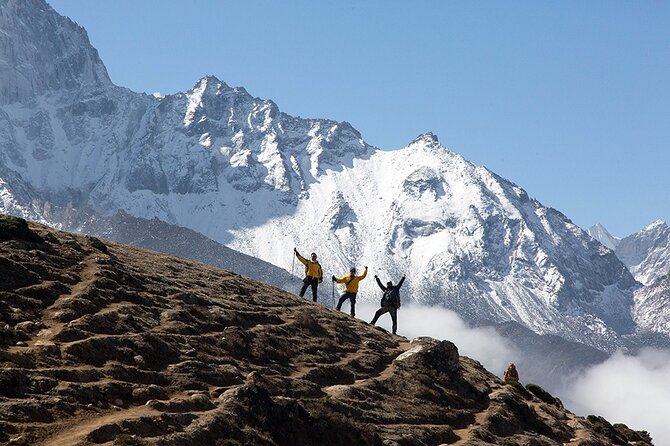
If Everest Base Camp is the milestone, Kala Patthar is the payoff. This trek includes an early morning hike from Gorakshep for a round trip of about three hours, with a max elevation around 5,545m.
That altitude is no joke. But the reason it’s so loved is simple: Kala Patthar is one of the classic spots for broad Everest-area views, and the early timing is when skies and light can cooperate. Even if you don’t get perfectly dramatic weather, you’ll still feel the achievement of reaching that ridge and looking out across the Khumbu.
This is also where your gear list really matters. Cold at night and in the pre-dawn hours is usually the difference between enjoying yourself and rushing through the experience. Since a down jacket and sleeping bag are included, you’re better set up than many budget treks where you’re stuck improvising warmth.
The descent back through Namche and Lukla
On the way down, you’ll retrace portions of the route with some variations, including stops that take you back toward Namche Bazaar via Tengboche and Pheriche. The trek back from that higher region to Namche is listed as about six to seven hours, and you’ll stay overnight in Namche before continuing down.
These days are important for more than just transportation. Descending helps your body recover, but it still tests your legs, especially with long stretches and rocky footing. Your guide will likely keep an eye on how you’re walking—small adjustments can prevent big problems.
Then you head back to Lukla (via Phakding), with another long day. The route is listed as roughly seven to eight hours, and once you reach Lukla you shift from trail life back to town life.
Finally, you fly Lukla to Kathmandu, so you get a clean ending instead of another day of bus transfers and paperwork confusion.
What you’re paying for: value at $1,650 and what to budget extra
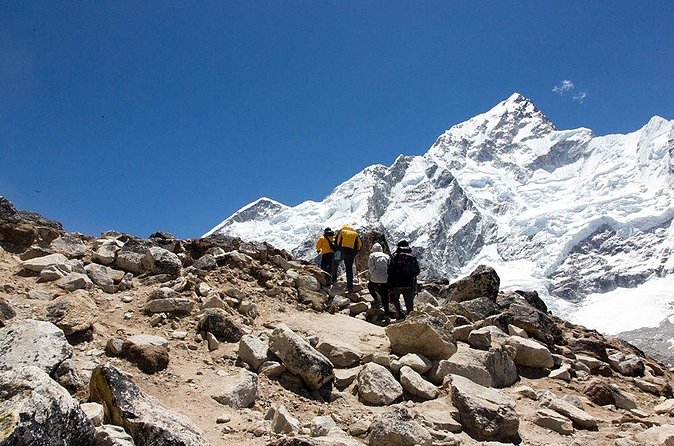
At $1,650 per person for about 14 days, the value comes from what’s bundled and how much it reduces risk and hassle.
Here’s what stands out as real value:
- Domestic flights KTM–LUA–KTM included. For many trekkers, flight timing and routing are the biggest headache, and you’re not left trying to solve it alone.
- Permits and national park fees included. Paperwork is part of the reality here.
- Guide and porter included. This is huge for pacing, safety decisions, and not burning energy figuring things out.
- Accommodations included (as listed), plus structured meals.
The gear package is also a money-saver in practice. A down jacket and sleeping bag are expensive if you have to buy or rent them last-minute, and cold gear can make the whole trek feel worse than it needs to. You’ll also have a duffle bag for packing and organization.
Now, what you should budget for yourself:
- Nepal visa (not included)
- Travel insurance (listed as compulsory and not included)
- Tips for guide and porter
- Personal expenses and any unspecified meals
Also remember: even with lunch and dinner included on many days, you’ll likely want snacks, hot drinks, and extra comforts along the way. That’s normal. Just don’t assume it’s all covered in the package price.
Private group trekking: better control of pace and decisions
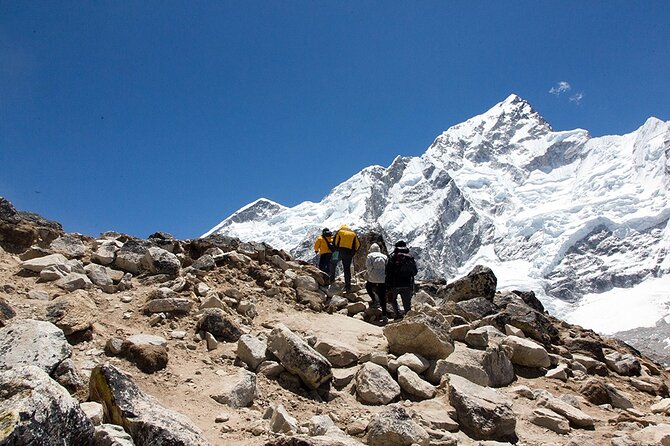
This is a private tour, meaning it’s only your group. That matters because Everest trekking is not “one pace fits all.” If someone needs slower steps, more rest, or a different acclimatization choice, a private group setup gives your guide flexibility.
From the way guides are described through past experiences, a common theme is systematic support and careful checking of conditions. Names that show up in guide/porter role mentions include Raj Tamang, Prakash Neupan, Pratip, and coordination by a manager named Ramesh, plus porter Surendra and a second guide Nabin. The consistent point for you: you want people who watch how you’re doing, not just people who lead and hope for the best.
Your private setup also helps with small timing choices like when to leave for a viewpoint hike, how to handle a rough morning, and when to slow down.
Who should book this Everest Base Camp package?
This trek fits best if you:
- Want a classic Everest Base Camp route with a structured acclimatization plan
- Prefer having key logistics handled, especially Lukla flights, transfers, and permits
- Can handle moderate trekking with long walking days and higher altitudes
- Like the idea of private guiding rather than sharing the experience with a large group of strangers
If your goal is to do Everest trekking but you don’t want to manage planning headaches—this is the right style.
If you want a casual walk with minimal altitude stress, you might find this too intense. The route climbs to the 5,000m+ zone and includes Kala Patthar at ~5,545m, so you should be realistic about fitness and recovery.
Should you book it?
Book it if you want a classic, well-organized Everest Base Camp trek that handles the big moving pieces (flights, permits, gear, guiding) and includes the altitude strategy that helps most people finish feeling proud, not crushed.
Skip it (or shop carefully for a gentler alternative) if you know you struggle with sustained hikes, if you’re prone to altitude issues, or if you’re hoping for a low-pressure adventure. This is serious mountain travel, but it doesn’t have to be chaotic.
If you’re ready to work for it—step by step—this package sets you up to hit Namche, Dingboche, Everest Base Camp, and Kala Patthar with less stress and more confidence.
FAQ
How long is the Kathmandu to Everest Base Camp trek?
The trek is listed as about 14 days.
Is the Lukla flight included?
Yes. Domestic flight tickets (KTM–LUA–KTM) are included.
What gear is included for the trek?
Included gear lists a down jacket, sleeping bag, and duffle bag.
Are meals included during the trek?
Yes. The package includes lunch (11), dinner (12), and breakfast (13).
What kind of fitness level do I need?
You should have a moderate physical fitness level.
Is this a private trek?
Yes. It’s listed as a private tour/activity, so only your group participates.
More Trekking Out of Kathmandu
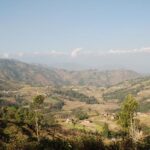
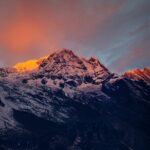
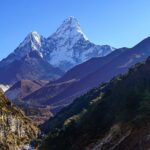
Private Days, Your Group Only

More Tour Reviews in Kathmandu
Just Reviewed in Kathmandu
- Mountain Bike Tour
★ 5.0 · 3 reviews - Annapurna Panaroma
★ 5.0 · 3 reviews - Mount Everest Scenic Flight 50 Minutes
★ 5.0 · 3 reviews - Kathmandu : Swambhunath & Durbar Square Guided Half Day Tour
★ 3.3 · 3 reviews - Chandragiri Cable Car & Monkey Temple Tour – Private/Group
★ 5.0 · 3 reviews - Kathmandu: Shivapuri National Park Hiking Day Trip
★ 3.3 · 3 reviews
Everest Base Camp Treks, compared.
 ★ 5.0Everest Base Camp Trek – 14 DaysFrom $1,8001,499 reviews
 ★ 5.0Everest Base Camp TrekFrom $1,790842 reviews
 ★ 5.0Everest Base Camp TrekkingFrom $1,350485 reviews
 ★ 5.0Everest Base Camp Trekking – 13 DayFrom $1,399365 reviews
★ 5.0Everest Base Camp TrekFrom $1,445350 reviews
★ 5.0Everest Base Camp Trek -14 DaysFrom $1,420321 reviews
★ 5.0Everest Base Camp Trekking – 13 DayFrom $1,399365 reviews
★ 5.0Everest Base Camp TrekFrom $1,445350 reviews
★ 5.0Everest Base Camp Trek -14 DaysFrom $1,420321 reviews
 ★ 5.012 Days Everest Base Camp TrekFrom $1,099289 reviews
 ★ 5.0Everest Base Camp Trekking – 2025/2026From $1,339199 reviews
Browse the lists this tour appears in