
Review · EVEREST BASE CAMP TREKS
Kathmandu: 15-Day Everest Base Camp Trek with Guide
Everest starts with a small airplane. This 15-day Everest Base Camp trek strings together Kathmandu temple stops, a flight to Lukla, and high-altitude hikes up to Kalapathar, with a guide handling permits and Sherpa culture context.
I love the small-group feel, which keeps your questions answered and your pace realistic. I also like the acclimatization rhythm, including a Namche rest day and a targeted hike toward the Everest View Hotel area at 3850 m.
One watch-out: the biggest cost and schedule risk sit outside the package, since Kathmandu/Ramechhap–Lukla flights are not included.
In This Review
- Key Things That Make This Everest Base Camp Trek Work
- Kathmandu First: Temples, Old Streets, and Getting Your Bearings
- From Kathmandu to Lukla: The Day the Trek Really Begins
- Phakding to Namche Bazar via Dudh Koshi: Big Views Earned the Hard Way
- Rest Day in Namche: The Altitude Test You’re Glad You Took
- Namche to Tengboche: Monasteries, Cold Air, and a Clear Reason to Hike
- Tengboche to Dingboche: Sherpa Villages and Khumbu Glacier Neighbors
- Dingboche and Chhukung Valley: A Day Trip That Adds Meaning
- Lobuche and Gorakshep: Near-Base-Camp Energy Without the Chaos
- Kalapathar Morning: The View Reason You Said Yes
- The Long Descent Back: Namche, Lukla, and the Big Exhale
- What You’re Really Paying For: Value Beyond the $675 Price Tag
- Getting Along Well on This Trek: Fitness, Pace, and Group Reality
- Who Should Book This Everest Base Camp Trek?
- Should You Book It?
- FAQ
- What’s included in the Kathmandu part of the trip?
- Is airfare to and from Lukla included?
- Are meals included during the Everest trek?
- Do I get a guide on the trek?
- Does the price include permits?
- What trekking gear support is provided?
Key Things That Make This Everest Base Camp Trek Work
- Licensed English-speaking Sherpa guide who can explain what you’re seeing, not just where to walk
- Small-group pacing for a more personal trek experience
- Acclimatization built in (Namche rest day plus viewpoint hiking and staged climbs)
- Everest National Park permits + TIMS handled for you
- Down jacket and sleeping bag available if you need them for the colder nights
- Hotel comfort in Kathmandu (3 standard nights) before you head into the mountains
More days made easy with a local guide
- Kathmandu: Private City Guided Tour★ 4.9 · 174 reviews
- Full Day Guided Tour in Kathmandu★ 5.0 · 61 reviews
- Kathmandu Guided Tour★ 5.0 · 59 reviews
- 12 Day Everest Base Camp Guided Trek★ 5.0 · 40 reviews
Kathmandu First: Temples, Old Streets, and Getting Your Bearings
Your trip starts in Kathmandu with a simple but important goal: get you settled and oriented. After landing, you’ll get a private transfer to your hotel, then your guide gives you the trek plan and practical tips you’ll need right away.
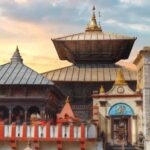
Day 2 is a focused city day in a private car, with stops that matter in real life, not just on a map. You’ll visit Kathmandu Durbar Square, Swayambhunath, Boudhanath, and Pashupatinath (the cremation temple). If you’re the kind of person who likes understanding place before you move on, this day helps you do that fast.
This is also the day when the team tends to help you sort trekking gear needs, if you’re missing anything. One review specifically mentions help getting trekking gear in Kathmandu, which is a lifesaver if your packing list was optimistic.
From Kathmandu to Lukla: The Day the Trek Really Begins
The first big threshold is the flight from Kathmandu to Lukla, followed by an easy warm-up trek. You’ll fly in, then walk to the upper Phakding region for the night—an intentionally gentler start before the altitude really starts doing its thing.
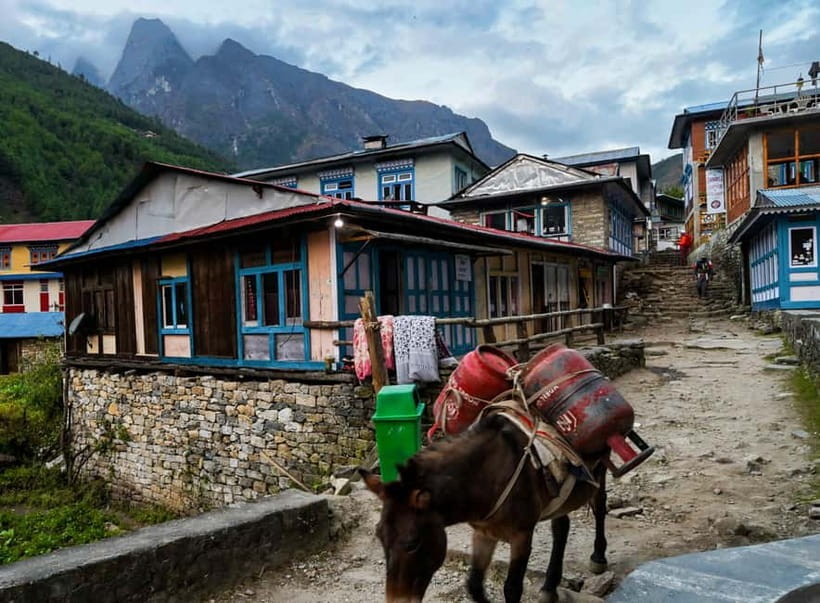
Phakding is where the “Himalaya reality check” sets in. You’re in Sagarmatha National Park, you’ll pass monasteries, and you’ll meet local Sherpa communities in a way that feels everyday, not staged. The value here is pacing: you’re not thrown into a long, punishing day right away.
One practical note: flights into Lukla are weather-dependent, so you should build some flexibility into your expectations and plan. This matters for both timing and costs, since the Lukla airfare isn’t included in the base price.
Phakding to Namche Bazar via Dudh Koshi: Big Views Earned the Hard Way
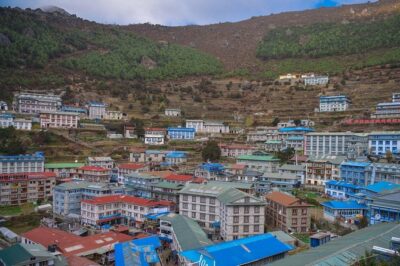
On trek day toward Namche Bazar, you follow the Dudh Koshi valley and climb up to the Sherpa capital of the Everest region. The payoff is panoramic Everest-area views and the kind of rhododendron forests that make the walk feel like more than just movement.
Namche is also the main acclimatization hub, so it’s not just scenery. You’ll settle into a place where you can see how trekking life works: guest houses, trail rhythms, and the slow gathering of people who are all aiming for the same high points.
This part of the trek is where you learn a basic rule: you’ll feel every climb, but you’ll keep going because the views make sense. If you’ve ever struggled with motivation on steep days, this is a good corridor for staying mentally engaged.
Rest Day in Namche: The Altitude Test You’re Glad You Took
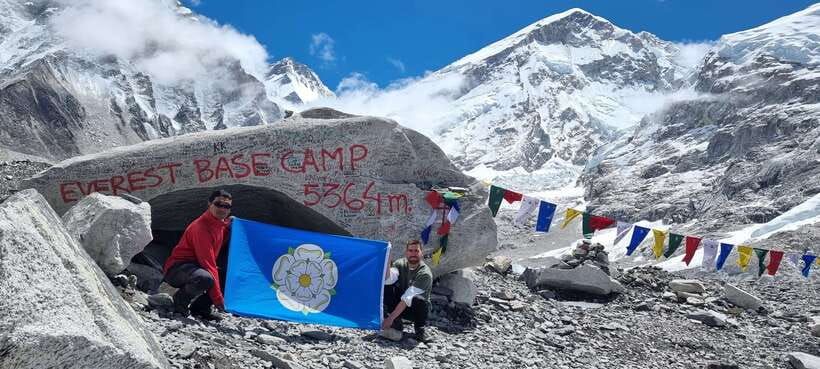
Day 5 is a true rest day, not just a “short walk.” You’ll stay in Namche to acclimatize, which is a big reason this trek plan feels realistic.
Then, you hike up to a viewpoint area—Everest View Hotel at about 3850 m—for better acclimatization. It’s a smart compromise: your body gets the altitude stimulus, but you still sleep back at Namche, keeping the schedule from tipping into chaos.
This is one of the tour’s strongest strengths because it reduces the all-or-nothing feel of high-altitude trekking. It also sets you up for the monastery day ahead, where you’ll spend time walking through colder air at higher elevations.
More trails out of Kathmandu, boots ready
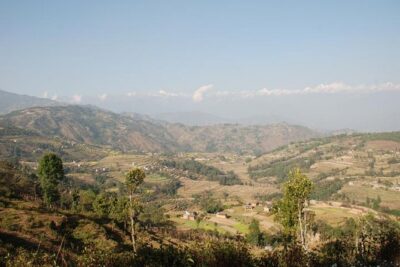
Namche to Tengboche: Monasteries, Cold Air, and a Clear Reason to Hike
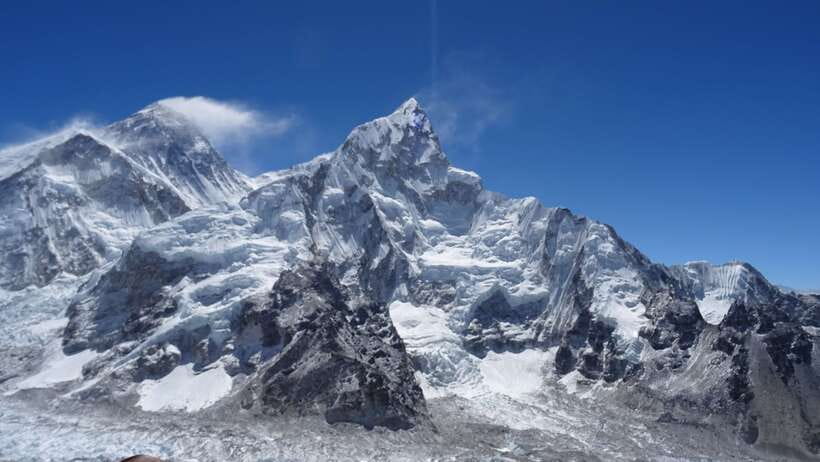
The climb to Tengboche brings chilly weather and higher altitudes, but you’re walking in a corridor that has a clear emotional payoff. After climbing for a couple of hours, you reach Thyangboche Monastery, sitting on a ridge at around 3,867 m.
Tengboche is a classic Everest region moment because it combines spiritual place with mountain scale. You’re not just reaching a number on a map—you’re pausing in front of the kind of views that make the hard days feel worth it.
A practical consideration: monastery stops mean you’ll likely spend time standing around in mountain cold. If you’re the type who runs cold easily, plan to keep layers ready and avoid rushing through the moment just to warm up.
Tengboche to Dingboche: Sherpa Villages and Khumbu Glacier Neighbors
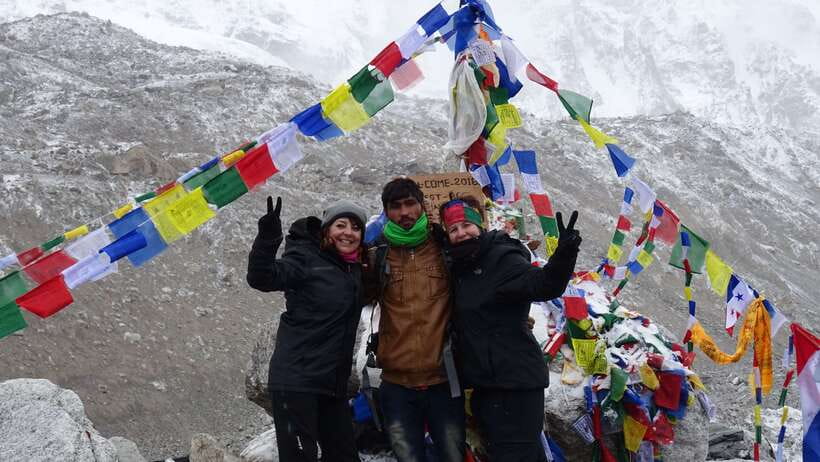
On the way to Dingboche, you continue through high terrain and pass several villages: Imja Khola, Pangboche, and Pheriche. This is one of the best sections for “people + place” learning, because you’re moving through local settlements rather than just hopping between viewing points.
You’ll also reach the Khumbu glacier area after some trekking. That change—going from villages to the glacier’s stark presence—helps you understand what you’re actually approaching on this expedition.
Day 7 also tends to feel like a transition point mentally. You’re still trekking, but the environment starts to feel more severe, so your pace and hydration habits matter more than they did in lower elevations.
Dingboche and Chhukung Valley: A Day Trip That Adds Meaning
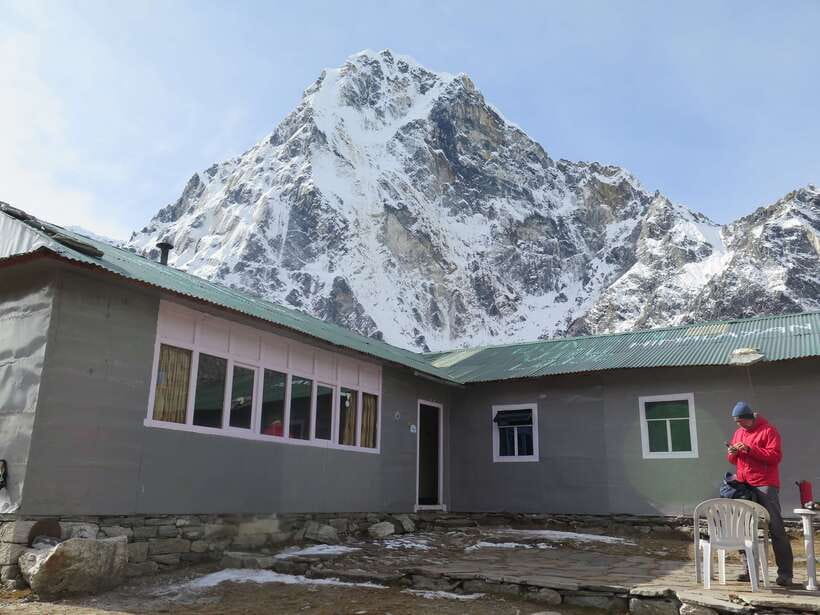
Day 8 is a day trip to Chhukung Valley, then back to Dingboche. Chhukung is described as one of the world’s best hikes, and in practice that usually means a strong mix of views and effort without requiring an overnight higher camp.
Back in Dingboche for the night, you get the benefit of a loop-style day. You’re stretching your legs and seeing more of the region, while the overnight stays at the same elevation so your body isn’t constantly forced into new altitude levels.
If you enjoy variety—some days feel like a steady uphill march, while others feel like a targeted excursion—this day adds that break from routine.
Lobuche and Gorakshep: Near-Base-Camp Energy Without the Chaos
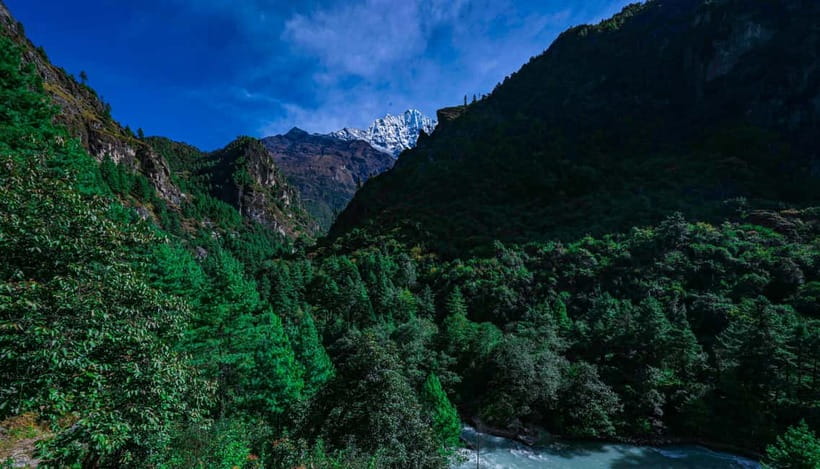
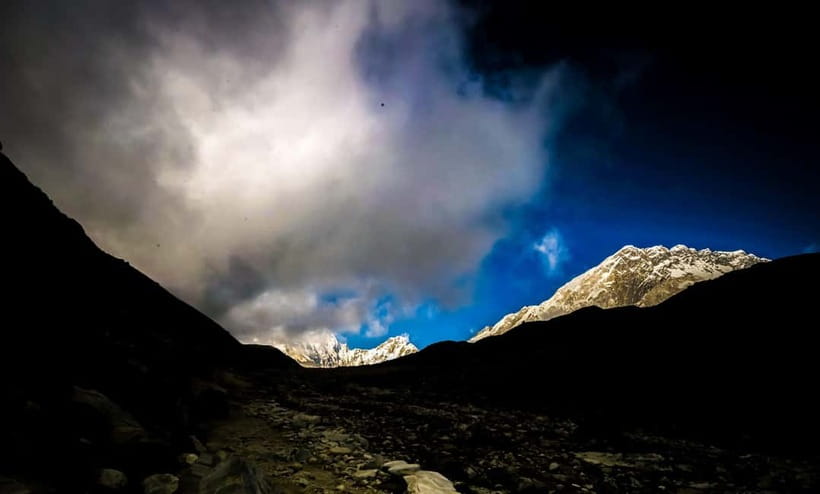
Day 9 brings you to Lobuche, where you rest and admire the design of nature. That phrasing is basically describing the stark, sculpted mountain feel you start noticing around this altitude—less greenery, more rock, more dramatic lines.
Then Day 10 is a hike from Lobuche to Gorakshep, a small settlement near the shores of a frozen lake. This matters because Gorakshep is your launch pad toward Everest Base Camp, and the atmosphere changes when you’re sitting right at the edge of that effort.
Also, Gorakshep is typically where your day planning gets more intense. You’re close enough that every hour feels meaningful, so bring a calmer mindset and stick to what your guide recommends.
Kalapathar Morning: The View Reason You Said Yes
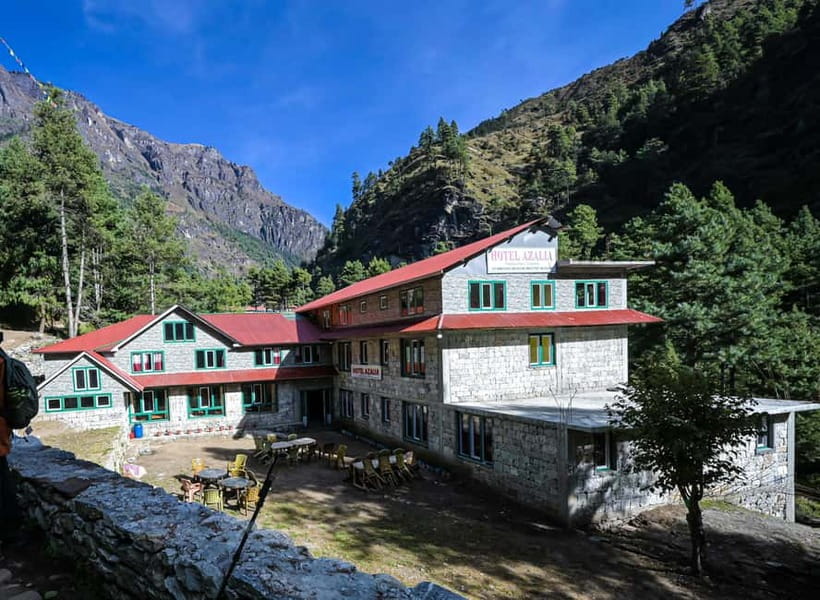
Day 11 starts early with a hike to Kalapathar, then you head back toward Pheriche. Early starts can be rough, but on treks like this the mountain often rewards the effort with some of the best visibility of the trip.
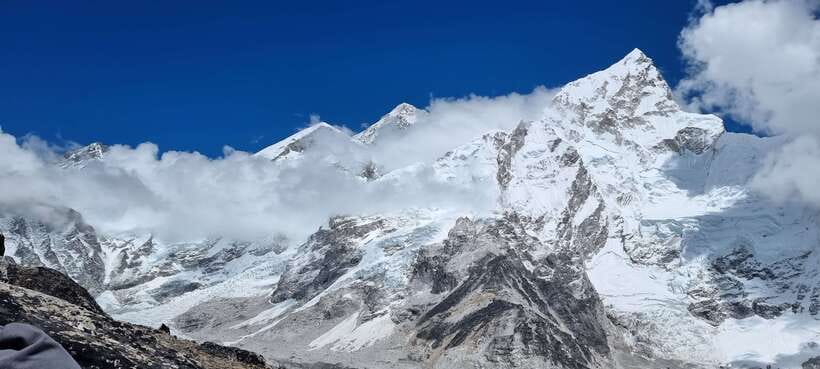
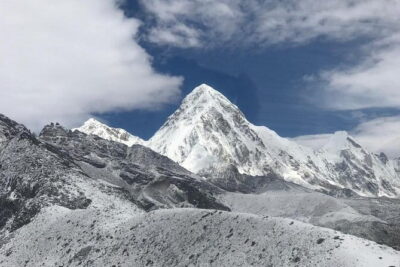
Kalapathar is one of the reason-you-came places, and in plain terms it’s about getting a strong vantage point. You’ll spend time looking, then you’ll shift back into walking mode on the return.
This day is also a reminder that “high altitude” is not one uniform experience. You might feel your pace change during the early climb, then you settle into a steadier rhythm as the day goes on.
The Long Descent Back: Namche, Lukla, and the Big Exhale
Days 12 and 13 are your return to lower elevations. You’ll trek back to Namche Bazar, stopping again at Namche as part of the acclimatization and rhythm, then continue down toward Lukla.
Day 13 is described as a long walk with the pleasure of finishing the Everest journey. That captures the key emotional shift: once you’re heading down for real, the goal becomes steadiness and getting through each section efficiently.
Then Day 14 is the flight back to Kathmandu. Day 15 finishes with a transfer to the international airport, so you’re not left scrambling at the end.
What You’re Really Paying For: Value Beyond the $675 Price Tag
The advertised price is $675 per person, and it covers several major items that would be hard to organize yourself. You get airport/hotel pickup and drop-off in private cars, 3 nights in Kathmandu at standard hotels, a guided Kathmandu city tour, and accommodations during the trek in guest houses.
You also get the big paperwork handled: Everest National Park permits and TIMS. On top of that, the package includes an expert licensed English-speaking Sherpa guide and covers staff costs like salary, insurance, equipment, and medicine.
But there are two major cost items not included. First, airfare from Kathmandu (via Ramechhap) to Lukla and back is not included, even though your trek depends on those flights. Second, breakfast, lunch, and dinner during the trek are also not included.
So the value equation is this: if you want a guided, permit-managed trek with organized lodging and a clear acclimatization plan, the $675 base price starts to look efficient. If you’re already comfortable handling permits, guides, and guest-house logistics, the package might feel less essential. Most people fall somewhere in between, and this plan is built for that middle ground.
Getting Along Well on This Trek: Fitness, Pace, and Group Reality
The tour is designed to accommodate various fitness levels, which you should interpret realistically. “Different fitness levels” usually means the group pace is managed and the schedule isn’t trying to force everyone into the same speed.
That said, altitude doesn’t negotiate. You’re moving through multiple elevation gains across many days, with key stops at around 3850 m (Everest View Hotel area), 3,867 m (Thyangboche Monastery area), and high Himalayan terrain all the way to Kalapathar.
If you train for endurance and you can handle uphill walking for hours, you’ll be in good shape. If you struggle with steep climbs or you hate cold starts, you’ll want to take the acclimatization day seriously and follow your guide’s pace recommendations closely.
Who Should Book This Everest Base Camp Trek?
I think this works best for people who want:
- A guided route with permits handled and a plan that includes acclimatization days
- Small-group trekking, so you’re not swallowed by a huge herd
- A mix of culture and mountain time, especially with Kathmandu’s major temple sites and monastery stops like Thyangboche
It may not be a great match if you need wheelchair accessibility, since it’s not suitable for wheelchair users.
If you’re flexible about the Lukla flight piece and you’re willing to budget for meals on the trek, you’ll get a strong, organized Everest Base Camp experience without having to juggle the details.
Should You Book It?
I’d say book this trek if you want a structured Everest Base Camp journey with a guide, permits included, and an acclimatization plan that doesn’t ignore altitude reality. The value is strongest when you count what’s handled for you: guide support, lodging organization, Kathmandu orientation, and the permit paperwork.
I’d hesitate if you can’t be flexible about flights into Lukla or if you’re hoping meals are fully covered in the package price. In that case, your final cost and timing could feel less predictable than the headline price suggests.
If you match the right mindset—comfortable with cold starts, realistic about altitude, and open to guest-house living—this is a solid way to get to the Everest region with fewer logistical headaches.
FAQ
What’s included in the Kathmandu part of the trip?
You get airport and hotel pickup and drop-off in a private car, plus 3 nights in a standard hotel in Kathmandu. There’s also a guided city tour in Kathmandu in a private car.
Is airfare to and from Lukla included?
No. Airfare from Kathmandu (via Ramechhap) to Lukla and back is not included, though the provider can reserve or book flights on request.
Are meals included during the Everest trek?
No. Breakfast, lunch, and dinner during the trek are not included.
Do I get a guide on the trek?
Yes. The trip includes an expert licensed English-speaking Sherpa guide.
Does the price include permits?
Yes. Everest National Park permits and TIMS (trekking permits) are included.
What trekking gear support is provided?
Down-filled jacket and sleeping bag are provided if you need them. Also, you should bring comfortable shoes and sunglasses.
More Trekking Out of Kathmandu
Simpler With a Local Guide
More Tour Reviews in Kathmandu
Just Reviewed in Kathmandu
- Mountain Bike Tour
★ 5.0 · 3 reviews - Annapurna Panaroma
★ 5.0 · 3 reviews - Mount Everest Scenic Flight 50 Minutes
★ 5.0 · 3 reviews - Kathmandu : Swambhunath & Durbar Square Guided Half Day Tour
★ 3.3 · 3 reviews - Chandragiri Cable Car & Monkey Temple Tour – Private/Group
★ 5.0 · 3 reviews - Kathmandu: Shivapuri National Park Hiking Day Trip
★ 3.3 · 3 reviews
Everest Base Camp Treks, compared.
 ★ 5.0Everest Base Camp Trek – 14 DaysFrom $1,8001,499 reviews
 ★ 5.0Everest Base Camp TrekFrom $1,790842 reviews
 ★ 5.0Everest Base Camp TrekkingFrom $1,350485 reviews
 ★ 5.0Everest Base Camp Trekking – 13 DayFrom $1,399365 reviews
★ 5.0Everest Base Camp TrekFrom $1,445350 reviews
★ 5.0Everest Base Camp Trek -14 DaysFrom $1,420321 reviews
★ 5.0Everest Base Camp Trekking – 13 DayFrom $1,399365 reviews
★ 5.0Everest Base Camp TrekFrom $1,445350 reviews
★ 5.0Everest Base Camp Trek -14 DaysFrom $1,420321 reviews
 ★ 5.012 Days Everest Base Camp TrekFrom $1,099289 reviews
 ★ 5.0Everest Base Camp Trekking – 2025/2026From $1,339199 reviews
Browse the lists this tour appears in