
Review · ANNAPURNA CIRCUIT TREKS
Kathmandu: 8-Day Annapurna Circuit Trek via Thorong La Pass
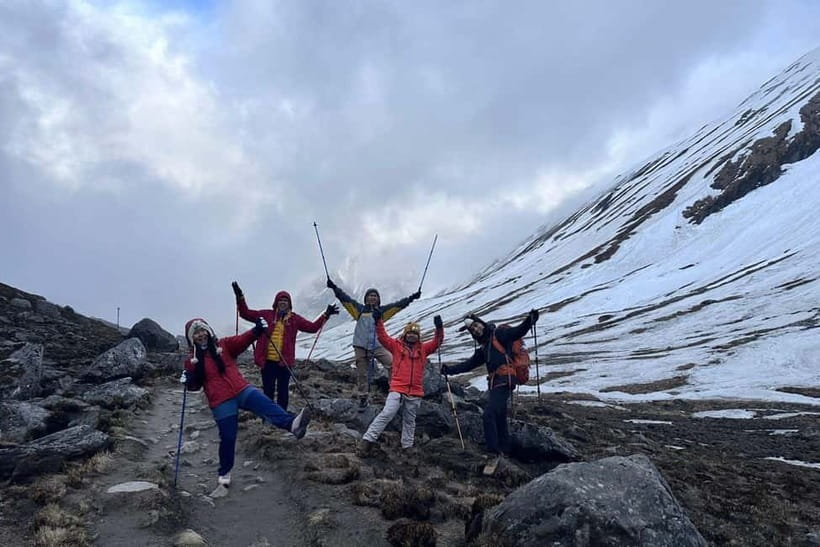
Thorong La gives you a big altitude storyline in eight days. This Annapurna Circuit trek pairs panoramic Himalayan views with a smart pacing plan, plus cultural stops like Muktinath Temple. I especially like how the route spends real time in the middle of the trek to help you handle altitude.
What I like next is the people factor. In past groups, guides like Chakra and San Bhai stood out for being calm, attentive, and quick to answer questions before you ever leave Kathmandu.
One drawback to consider: this is a serious high-pass trek, and the itinerary expects you to move even when weather gets tough—so if altitude history or mobility is a concern, you’ll want to rethink it.
In This Review
- Key things I’d plan around
- Thorong La Over the Annapurna Circuit: What Makes This Route Worth Your Time
- How the 8-Day Schedule Actually Feels Day by Day
- Day 1: Kathmandu to Chame (via Besisahar) for an early start into trekking
- Day 2: Chame to Pisang (pine forest, apple orchards, and big views)
- Day 3: Pisang to Manang (via Braga and its hillside monastery)
- Day 4: Manang acclimatization day (rest, viewpoints, and optional glacial-lake hikes)
- Day 5: Manang to Yak Kharka (steady climb past Tengi and Gunsang)
- Day 6: Yak Kharka to Thorong Phedi (alpine pastures, horses, and griffons)
- Day 7: Thorong Phedi to Muktinath via Thorong La (start 4 AM, then Kali Gandaki Gorge)
- Day 8: Muktinath to Pokhara (9–10 hours by local bus) and lakeside recovery
- Guides, Guides, Guides: The Human Side You’ll Feel Most
- Upper Pisang, Monasteries, and Muktinath: The Cultural Stops That Add Meaning
- Upper Pisang: where mountain views meet village wandering
- Braga and Manang: monasteries and culture while you acclimatize
- Muktinath Temple: pilgrimage energy after the pass
- Price and Value: What $348 Covers, and What You Might Add
- What’s included
- What costs extra or you supply
- What to Pack for a Thorong La Trek Without Regrets
- Who This Trek Suits (and Who Should Skip It)
- Should You Book This Annapurna Circuit Trek via Thorong La?
- FAQ
- What is the duration of this Annapurna Circuit trek?
- What is the highest point on the trek?
- Do I need a sleeping bag?
- Are meals included?
- How much does a porter cost?
- Is the trek suitable for everyone?
- What time do you start crossing Thorong La?
Key things I’d plan around
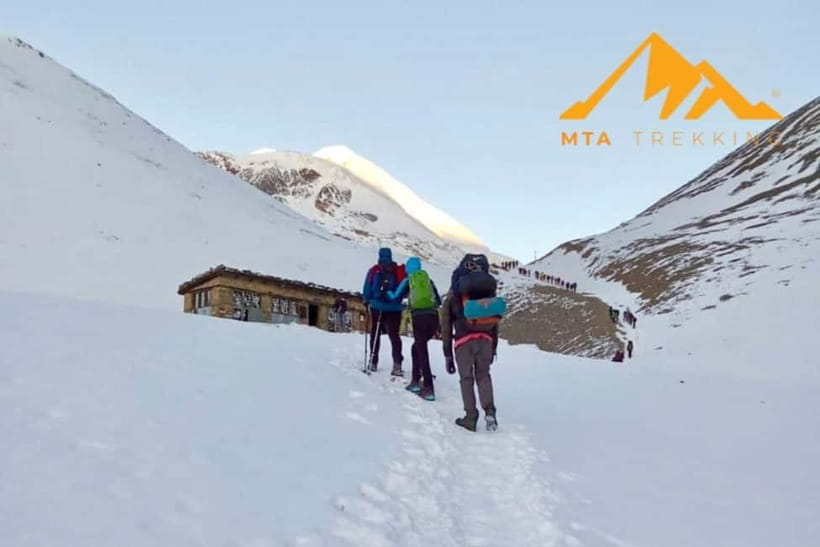
- Thorong La at 5,416m: you cross early to reduce wind time on the pass
- Upper and Lower Pisang: mountain views come fast, plus village exploring without rushing
- Manang acclimatization day: a real rest day with optional short hikes
- Kali Gandaki Gorge descent: dramatic scenery on the way into Muktinath
- Muktinath Temple visits: a spiritual finish that feels different from the mountain sections
- Teahouses plus one Pokhara hotel night: you get comfort at the end without paying city prices all week
More trails out of Kathmandu, boots ready
- Everest Base Camp Trek – 14 Days★ 5.0 · 1,499 reviews
- Everest Base Camp Trek★ 5.0 · 842 reviews
- Everest Base Camp Trekking★ 5.0 · 485 reviews
- Nagarkot Sunrise View and Day Hiking from Kathmandu★ 5.0 · 471 reviews
Thorong La Over the Annapurna Circuit: What Makes This Route Worth Your Time
If you’re chasing the classic Annapurna Circuit story, this 8-day plan is built around the headline moment: crossing Thorong La Pass at 5,416 meters. But the real value is that you’re not just doing a straight line to the highest point. You get a sequence of valleys, villages, and viewpoints that make each day feel like it has a purpose.
I also appreciate that the trek finishes with something textured and human. After the long high-altitude day, you land in Muktinath, a pilgrimage site with temples and shrines that give you a calmer rhythm—different from the grind of elevation and trail focus.
The pace is also worth noting. You’ll cover ground on most days, with a crucial acclimatization break in Manang. That structure is what helps many trekkers feel safer and more steady as they climb.
How the 8-Day Schedule Actually Feels Day by Day
This trek moves from city access into hiking mode quickly, then ramps up altitude in stages. Here’s how each day tends to play out and what to watch for.
Day 1: Kathmandu to Chame (via Besisahar) for an early start into trekking
You’ll start from Kathmandu, then travel toward Besisahar (about 9–10 hours total on the day), before switching to a local jeep for the 3–4 hour push onward to Chame. Expect a long, scenic-but-tiring road day: towns, green hills, rivers, forests, and winding road sections.
Why this matters: you’re not wasting your first day scrambling for permits or logistics. You’re getting into the trek zone and sleeping in a village that sets you up for Day 2.
Watch-outs: this is a road day, not a rest day. Bring something for comfort (layers matter in Nepalese vehicle rides), and plan to hydrate.
You arrive in Chame by evening and rest at a teahouse.
Day 2: Chame to Pisang (pine forest, apple orchards, and big views)
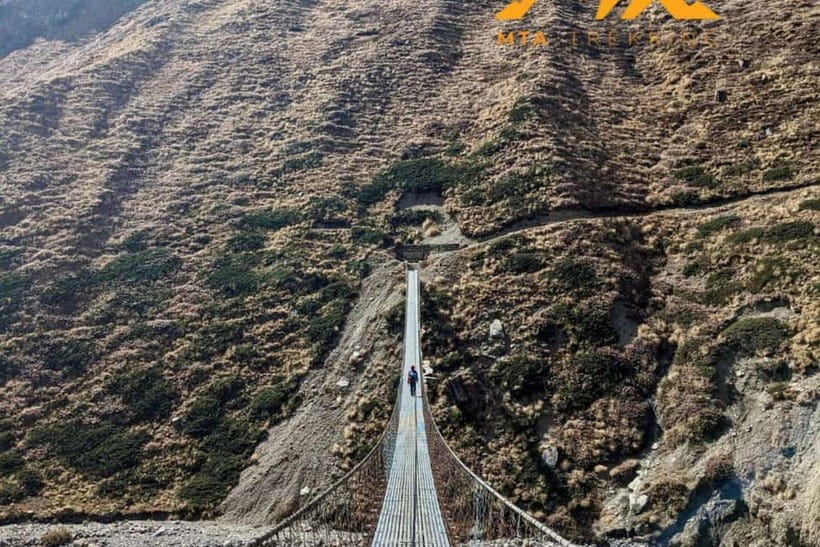
Day 2 is your first taste of the Annapurna hiking feel. You trek from Chame through pine forests and apple orchards, cross a suspension bridge, and climb toward Dhukur Pokhari for lunch. After that, you continue to Pisang.
This day is known for views. From the Pisang area you can look toward Annapurna II, Annapurna IV, and Pisang Peak. Then you explore Upper and Lower Pisang and sleep at a teahouse.
Why you’ll like it: it’s not just walking. The Upper Pisang and Lower Pisang sections give you a village perspective with mountain drama in the background, so you’re constantly mixing scenery with small discoveries—stone homes, quiet paths, and the simple rhythm of people going about daily life.
Possible drawback: you’ll feel the altitude shift even if you’re not yet at the highest pass. Take it slow on the climbs.




Day 3: Pisang to Manang (via Braga and its hillside monastery)
You continue with a steady hiking day (about 5–6 hours). The route moves through pine valleys, passes Braga, and includes a visit to a hillside monastery if it’s open. Then there are suspension bridges and slope sections before reaching Manang.
You settle into a teahouse and take in Annapurna and Gangapurna views.
Why this day is more than transit: Manang isn’t just a checkpoint. It’s where the trek turns from “getting there” into “preparing to go higher.” Your body starts to notice the altitude more strongly here.
Day 4: Manang acclimatization day (rest, viewpoints, and optional glacial-lake hikes)
This is the day that makes or breaks your comfort. You don’t force elevation gains today—you acclimatize. You explore viewpoints, monasteries, and a cultural museum at a relaxed pace.
There are also optional short hikes to glacial lakes, with views connected to Gangapurna and Tilicho peaks (if conditions and access allow). Then you return for a hearty meal and sleep.
Why this is key: Thorong La is a high pass, and the body likes time to adjust. The rest day reduces the odds you’ll feel wrecked for the next big push.
Practical tip: if you do any optional hike, keep it short and don’t chase speed. You want the “feel better” effect, not the “I blew my legs out” effect.
Day 5: Manang to Yak Kharka (steady climb past Tengi and Gunsang)
Day 5 is about gradual altitude gain. You trek roughly 4 hours, climbing past Tengi and meeting locals and pack animals along the trail. Lunch is at Gunsang, with views of Annapurna II and IV, then you continue through juniper forests to Yak Kharka.
What you’ll notice: Yak Kharka is quieter and more about the environment than village sightseeing. The trail feels more open, and you start getting that alpine sense that you’re nearing the pass zone.
Consideration: the day is shorter than some others, but it still asks for good pacing. Walk like you want to finish tomorrow, not like you’re proving something.
Day 6: Yak Kharka to Thorong Phedi (alpine pastures, horses, and griffons)
This is a transition day into serious pass territory. You hike about 4–5 hours across alpine pastures with roaming horses and the chance to spot Himalayan griffons.
You cross a suspension bridge and pass rocky slopes before reaching Thorong Phedi, the base camp area for Thorong La. You rest and prepare for the big crossing.
Why this is valuable: Thorong Phedi gives you the chance to get your routine right—early dinner, early sleep, gear check, and a mindset shift. It’s less about sightseeing and more about being ready.
Possible drawback: weather can change quickly at higher elevation. You’ll want layers that handle cold mornings and windy spells.
Day 7: Thorong Phedi to Muktinath via Thorong La (start 4 AM, then Kali Gandaki Gorge)
This is the headline day: about 7–8 hours, starting around 4 AM. The early start isn’t just tradition—it helps you avoid strong winds on Thorong La at 5,416 meters.
You cross with snow-capped peaks and prayer flags fluttering as you work your way through the high terrain. Your guide supports the crossing and helps you manage pacing and safety.
Then comes the dramatic reward: you descend into the Kali Gandaki Gorge, known as one of the world’s deepest. The scale can feel unreal after hours above the tree line.
You arrive at Muktinath, then explore temples and shrines. After a tough day, you sleep at a teahouse.
Why I think you’ll remember this day: it’s the rare mix of effort, altitude reality, and then a culture stop that’s not a souvenir stop—it’s a pilgrimage place for Hindus and Buddhists.
A note on comfort: even if you’re fit, the high-pass day is hard. Take warm layers seriously and don’t underpack for cold early hours.
Day 8: Muktinath to Pokhara (9–10 hours by local bus) and lakeside recovery
After breakfast, you travel back to Pokhara by local bus, roughly 9–10 hours. The drive is scenic as you pass through the lower Mustang Valley area and reach Pokhara for check-in.
You’ll have time to rest at your hotel, then explore the lakeside streets and pick an easy meal before ending the trek feeling human again.
Why this matters: you don’t jump straight from altitude to intense city movement. Pokhara gives you a soft landing.
Guides, Guides, Guides: The Human Side You’ll Feel Most
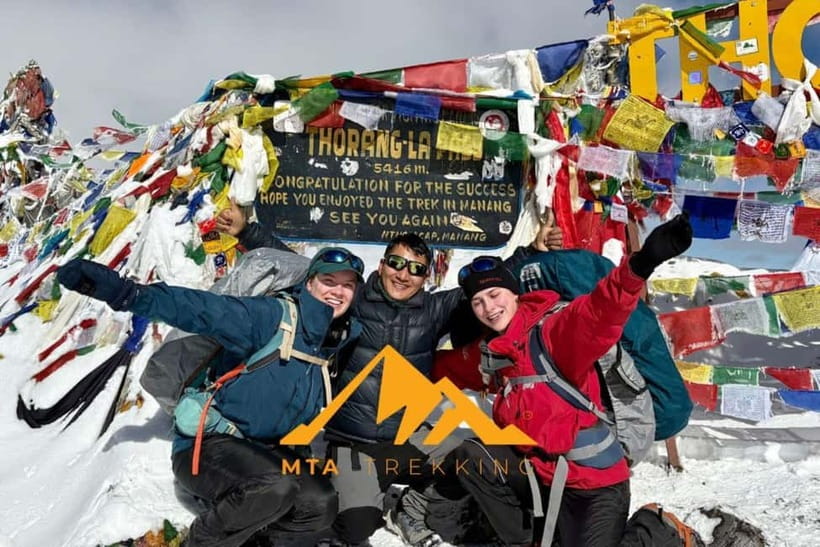
The most consistent praise isn’t about views—it’s about support. In the groups reflected here, guides were described as friendly, experienced, and careful with safety and logistics.
Specific names show up repeatedly: Chakra, San Bhai, Shishir, and Ghanshyam. Beyond the names, what stands out is attitude. These guides helped trekkers feel secure and took questions seriously before departure, including quick answers over WhatsApp.
For you, that translates into simpler decisions: you’ll spend less time wondering what to do next, and more time focusing on pacing and adjusting to altitude.
Also, the structure is intentional: the guide supports the Thorong La crossing, and that’s where confidence matters most.
Upper Pisang, Monasteries, and Muktinath: The Cultural Stops That Add Meaning
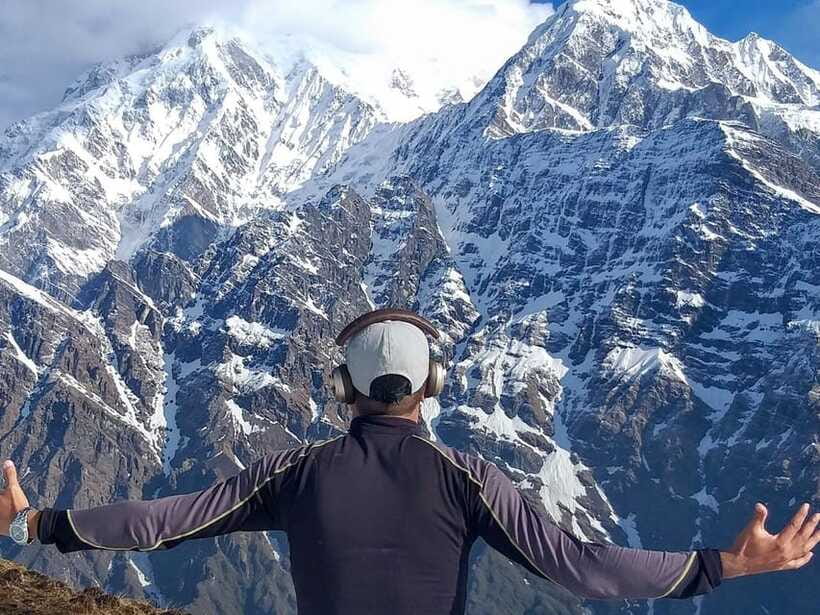
This trek isn’t only about high altitude. It threads in religious sites and village life that make the route feel more grounded.
Upper Pisang: where mountain views meet village wandering
Pisang is split into Upper and Lower sections, and the idea is simple: you get different vantage points plus small village exploring before you move on.
This is also a place where you can pause without feeling like you’re stalling a schedule. The views toward multiple peaks keep you motivated, and the village context keeps things real.
Braga and Manang: monasteries and culture while you acclimatize
Braga includes a hillside monastery visit if open, and in Manang you’ll also see monasteries and a cultural museum.
On an acclimatization day, these stops help you rest without feeling bored. You still move a little, you still absorb culture, and you still avoid the trap of doing an exhausting hike just because you feel antsy.
Muktinath Temple: pilgrimage energy after the pass
After Thorong La, arriving in Muktinath feels like a switch. You go from cold, steep effort into shrine visits and temple areas.
Muktinath is a pilgrimage site for Hindus and Buddhists, so the spiritual mix is part of what makes the end of the trek feel meaningful instead of just “we survived.”
Price and Value: What $348 Covers, and What You Might Add
At $348 per person for an 8-day trek, the value comes from how much logistics is included—not just the route itself.
What’s included
You get:
- Hotel pickup and drop-off
- An authorized English-speaking guide (porter costs extra)
- Trekking permits, paperwork, and TIMS-related fees
- Teahouse/lodge accommodation for 7 nights
- A final night in Pokhara at a tourist standard luxury hotel (Hotel Orchid)
- A farewell Nepalese typical dinner in Lakeside Pokhara
- Transportation connected to the itinerary, plus an AC tourist bus from Pokhara back to Kathmandu
- Most importantly: staff costs and guide insurance are handled
Meal coverage depends on package type:
- For the Full Package, all meals (breakfast, lunch, dinner) during the trek are included.
- For the Standard Package, meals and drinks aren’t included, and you’d pay for what you eat.
What costs extra or you supply
- Porter (optional) at $20 per day
- Mineral water, and tea/coffee outside breakfast
- Hot water/hot shower
- Your own sleeping bag for winter months (Nov–Dec), unless you arrange rental
How I’d judge the value for you: if you want a guided, paperwork-managed trek with most transport and lodging handled, this price is on the fair side. The cost can rise quickly only if you add a porter and if you pick the Standard meal setup and end up buying a lot of food daily.
What to Pack for a Thorong La Trek Without Regrets
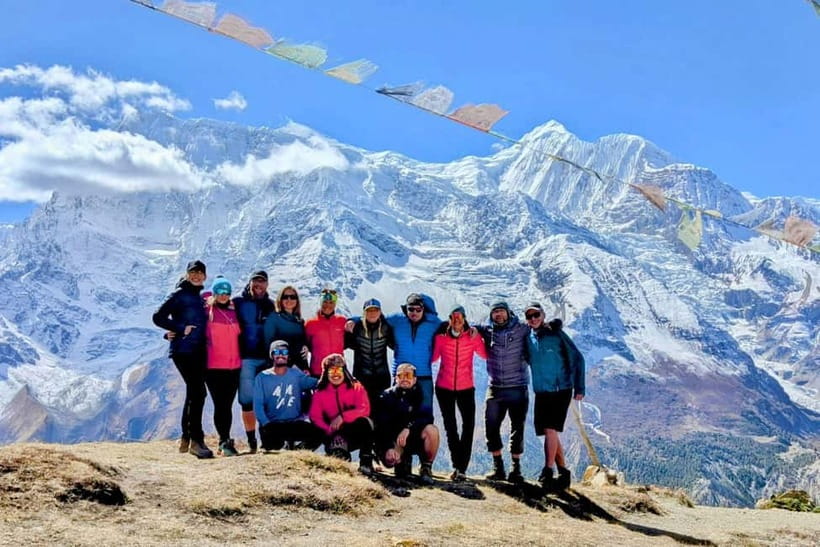
You’ll want to plan around cold and sun. The basics you should bring:
- Warm clothing
- Sunglasses
- Sunscreen
- Comfortable trekking clothes
- Travel insurance
- Passport (copies accepted) and an ID card (copies accepted)
- A sleeping bag for winter treks (November–December) unless you rent
Also, because the pass is very high, mornings can feel brutal. Think in layers, not one heavy coat. And keep your winter gear accessible so you’re not digging when it’s cold.
Who This Trek Suits (and Who Should Skip It)
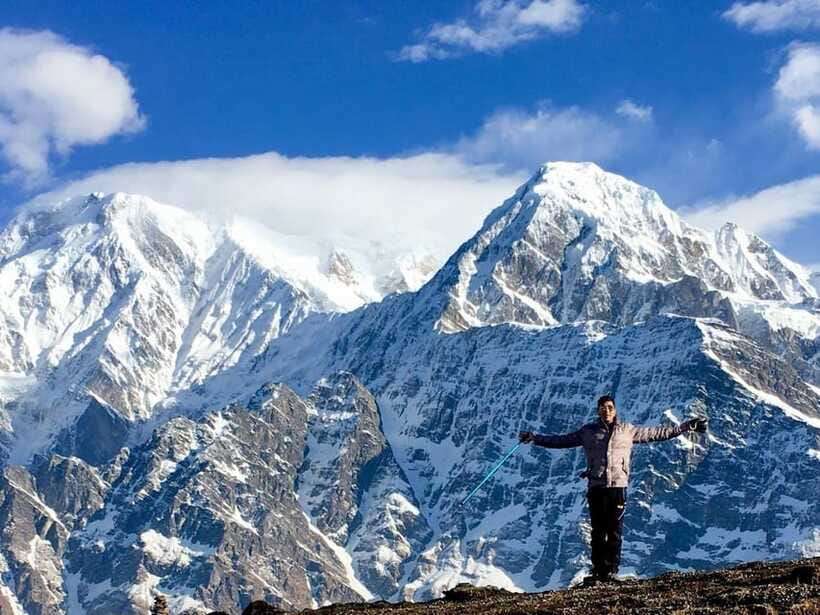
This tour is not for everyone.
It isn’t suitable for:
- Pregnant women
- People with altitude sickness
- People over 70 years
It’s a strong fit if:
- You can handle multi-day hiking and a very high pass
- You want a guided trek with permits and transport handled
- You like a mix of mountain views and religious/cultural stops
- You appreciate a plan that includes an acclimatization day
If you’re coming in with limited hiking experience, be honest with yourself. The itinerary is structured, but altitude is still altitude.
Should You Book This Annapurna Circuit Trek via Thorong La?
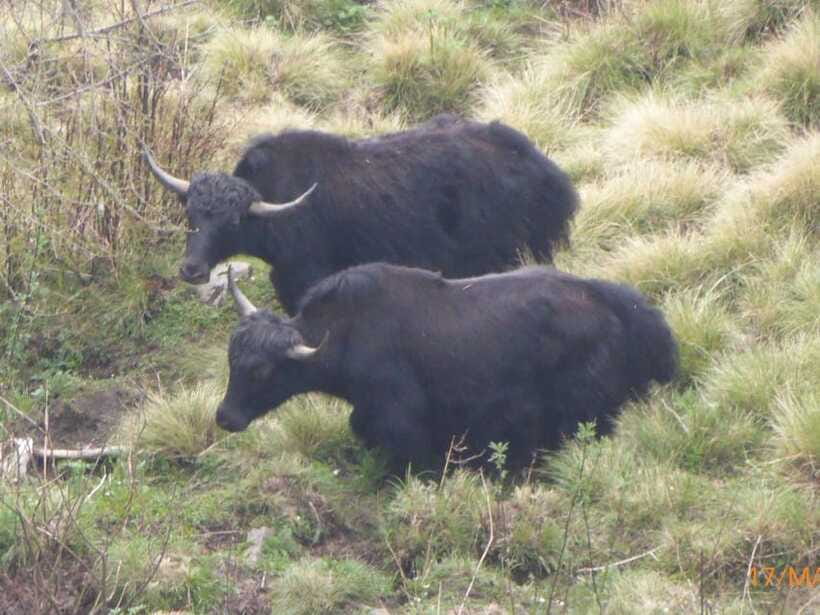
I’d book it if you want the classic Annapurna Circuit experience with a clear route to the big goal—Thorong La—and a built-in acclimatization day in Manang. The combination of village scenery (Pisang), spiritual depth (Muktinath), and guides who prioritize safety makes the trek feel more manageable than the pass altitude alone.
I wouldn’t book it if you know you’re prone to altitude issues, if the cold mornings are a deal-breaker for you, or if you’re looking for a casual walk. This is a real trek with real altitude days, and you’ll do best when you show up prepared—especially on Day 7 when crossing starts around 4 AM.
FAQ
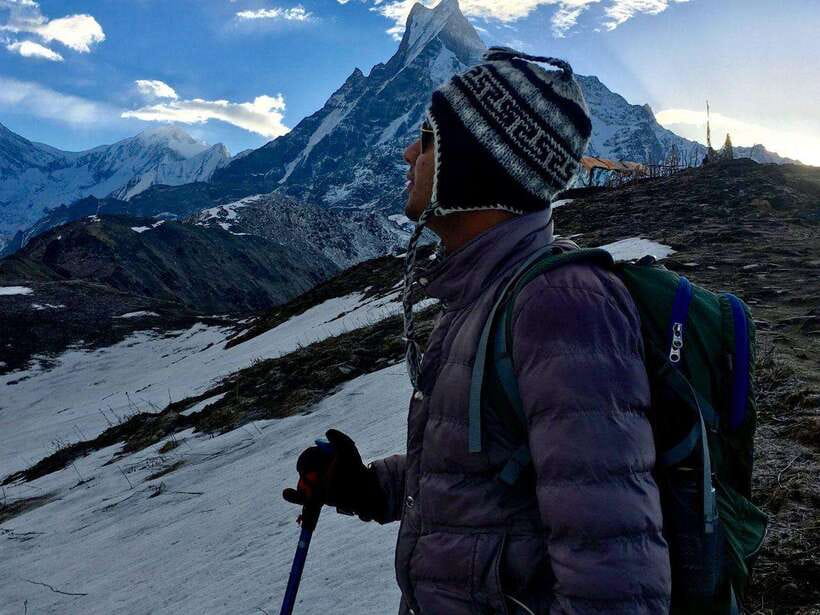
What is the duration of this Annapurna Circuit trek?
It runs for 8 days.
What is the highest point on the trek?
The trek crosses Thorong La Pass at 5,416 meters.
Do I need a sleeping bag?
For winter treks (November–December), you should bring your own sleeping bag. The operator notes you can also contact them to arrange a rental.
Are meals included?
It depends on the package. For the Full Package, all meals (breakfast, lunch, dinner) during the trek are included. For the Standard Package, meals and drinks are not included.
How much does a porter cost?
A porter is available to hire for $20 per day.
Is the trek suitable for everyone?
It is not suitable for pregnant women, people with altitude sickness, or people over 70 years.
What time do you start crossing Thorong La?
You start very early, around 4 AM, to avoid strong winds on the pass.
More Trekking Out of Kathmandu






More Tour Reviews in Kathmandu




Just Reviewed in Kathmandu
- Mountain Bike Tour
★ 5.0 · 3 reviews - Annapurna Panaroma
★ 5.0 · 3 reviews - Mount Everest Scenic Flight 50 Minutes
★ 5.0 · 3 reviews - Kathmandu : Swambhunath & Durbar Square Guided Half Day Tour
★ 3.3 · 3 reviews - Chandragiri Cable Car & Monkey Temple Tour – Private/Group
★ 5.0 · 3 reviews - Kathmandu: Shivapuri National Park Hiking Day Trip
★ 3.3 · 3 reviews
Annapurna Circuit Treks, compared.
 ★ 5.0Annapurna Circuit Trek with Tilicho LakeFrom $1,093368 reviews
 ★ 5.0Annapurna Circuit TrekFrom $1,17594 reviews
★ 5.0Annapurna Circuit TrekFrom $2,24067 reviews
★ 5.0Annapurna Circuit TrekFrom $1,07449 reviews
★ 5.0Annapurna Circuit TrekFrom $1,35046 reviews
★ 5.0Annapurna Circuit TrekFrom $1,15035 reviews
★ 5.0Annapurna circuit TrekFrom $99835 reviews
★ 5.0Annapurna Circuit TrekFrom $97534 reviews
Browse the lists this tour appears in