
Review · UPPER MUSTANG & REMOTE TREKS
Makalu Base Camp Trek
Makalu Base Camp feels gloriously remote. This trek cuts through Makalu-Barun National Park with fewer people on the trail, so you get long stretches of quiet and big mountain moments without the Everest-style rush. I also like the chance to work your way toward viewpoints of Mt. Makalu (plus Everest, Lhotse, and Baruntse from unusual angles) while moving through forests, waterfalls, alpine valleys, and glaciers.
The main thing to plan for is effort. There are steep sections and a hard day over high passes, including Shipton La (4,170m) and Keke La (4,150m), so you’ll want steady fitness and a calm attitude about altitude and cold.
In This Review
- Key highlights at a glance
- Entering Makalu-Barun National Park: flights to Tumlingtar and an off-road start
- The 15-day shape: acclimatization built into the walking
- Day-by-day journey: from Arun River forests to Seduwa and beyond
- Forest and meadow days: pushing uphill without overcooking it
- The passes: Shipton La and Keke La (and why the hard day is worth it)
- Rhododendron forests, river valleys, and long valley views
- The push to Makalu Base Camp, plus Barun Glacier side-hikes
- The return: retracing steps and managing the altitude afterglow
- Final descent, Tumlingtar flight, and getting back to Kathmandu
- Teahouses, meals, and the small planning points that matter
- Gear and support: trekking poles, sleeping bags, and crampons on request
- Price and value: what $1,750 covers on a remote Makalu trek
- Weather, the high-pass day, and what to expect emotionally
- Who should book this Makalu Base Camp trek with Bodhi Tree Tours and Treks
- Should you book this Makalu Base Camp trek?
- FAQ
- What is the duration of the Makalu Base Camp trek?
- How much does the tour cost?
- Where does the trek start, and when?
- Are flights included?
- What trekking gear is included?
- Are meals included?
- Is bottled water included?
- What costs are not included besides meals and water?
Key highlights at a glance
- Rare wildlife and plant life: red pandas, Himalayan thars, rhododendron forests, and medicinal plants in the park’s varied zones
- High-pass trekking: Shipton La and Keke La bring a serious challenge and big payoffs
- Base Camp + glacier options: reach Makalu Base Camp and add a side hike toward Barun Glacier if conditions allow
- Support that keeps things organized: English-speaking guide plus porters, insurance, daily allowances, and first aid kits
- Meals and core trek gear included: breakfast, lunch, dinner, and trekking poles/sleeping bag/crampons on request
- Flights to Tumlingtar: a practical shortcut into eastern Nepal, then a rugged off-road drive
More trails out of Kathmandu, boots ready
- Everest Base Camp Trek – 14 Days★ 5.0 · 1,499 reviews
- Everest Base Camp Trek★ 5.0 · 842 reviews
- Everest Base Camp Trekking★ 5.0 · 485 reviews
- Nagarkot Sunrise View and Day Hiking from Kathmandu★ 5.0 · 471 reviews
Entering Makalu-Barun National Park: flights to Tumlingtar and an off-road start
This trek begins with an early start in Kathmandu. You meet near Tribhuvan Airport, with the listed start time at 12:15 am, and you should expect a pickup option if it’s part of your package. Then the plan uses flights to get you into eastern Nepal: a 45-minute flight to Tumlingtar is included, followed by a 4–5 hour off-road drive toward the trek’s starting area.
That combo matters. Flying saves days of winding travel, and the off-road portion is where you feel you’re leaving the paved world behind. You land, transfer, and then you’re already in the rhythm of the trek—no long “downtime” days where your body gets bored before the mountains ask for work.
The 15-day shape: acclimatization built into the walking
The trekking schedule is designed around one simple idea: don’t rush altitude. You’ll get a mix of longer, steeper days and shorter acclimatization moments, which helps you avoid the classic trap of treating every day like the same hike.
You’ll notice this pattern right away:
- early days with descent/climb sequences that get your legs used to trail rhythm
- mid-trek acclimatization through short hikes and ridge walks
- a high-pass day that’s hard but planned into the flow
- days afterward that keep you moving while you recover
The route is listed as moderate physical fitness, and “moderate” here still means real mountain terrain. Plan on being uncomfortable sometimes, especially near the higher zones. The upside is that the pace gives you time to enjoy what you came for: rare wildlife habitat, thick forests in the lower elevations, and open views as you go higher.
Day-by-day journey: from Arun River forests to Seduwa and beyond
After arrival and travel, you start in the park region with a first night in a teahouse. The early walking is about setting your body on the correct tempo.
On the next day, you drop down toward the Arun River, then climb back up to Seduwa. That kind of day is a useful fitness test: it teaches you how your breathing changes on climbs, and it reminds you to keep effort steady on descents (your knees will thank you later).
The following day is more gradual, with a walk through farms and forests. This is the part that makes the Makalu route feel different from some other popular treks. You’re not just looking up at peaks—you’re moving through lived-in land, with the landscape changing by the hour.
You’ll sleep in teahouses again for these early days, which helps if you want a consistent base each night.
Forest and meadow days: pushing uphill without overcooking it
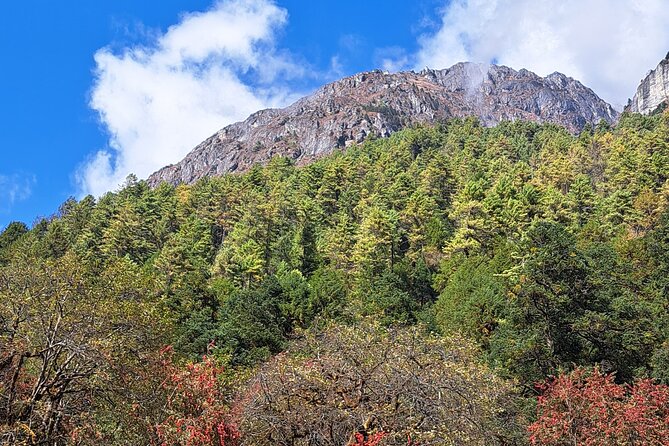
As the trek continues, the trail leans into longer uphill stretches through forest and meadows. One day is a clear “work day” (listed at 6–7 hours), and it’s paired with an overnight in a basic lodge/teahouse.
Right around here, acclimatization gets your attention. There’s a day built around short hikes to nearby ridges, which may not sound dramatic, but this is exactly how you adjust. Ridge walks let you gain some altitude and then come back down, teaching your body to handle height while you keep energy for the later pass.
And this is also where you’ll start noticing the park’s character: the forest seasons matter here. The route description highlights rhododendron areas and plant-rich habitats, so if you’re traveling at a time when the rhododendrons are flowering, the trail can feel especially colorful and fragrant.




The passes: Shipton La and Keke La (and why the hard day is worth it)
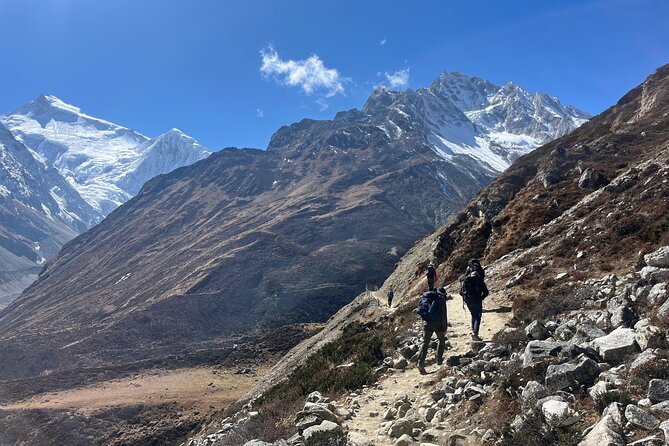
Mid-trek brings the signature challenge. You cross Shipton La (4,170m) and Keke La (4,150m), and the day is listed as 6–7 hours, with a note that it’s hard but beautiful.
This is the day to treat with respect. Your “success” here isn’t about setting a record; it’s about pacing, steady breathing, and keeping your footing. If you’re one of those hikers who speeds up when you feel good, this is where you slow down. High passes reward control.
The payoff is both physical and visual. The route passes through high zones with open mountain views, and the surrounding sense of space changes. After a day like this, you feel more connected to the weather, the light, and the scale of the Himalaya.
Rhododendron forests, river valleys, and long valley views
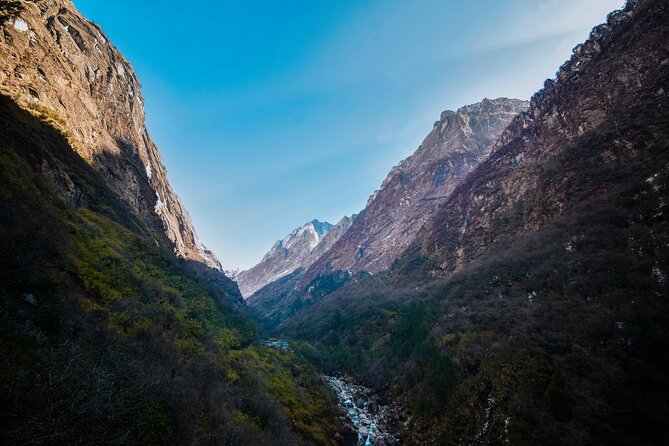
After the high-pass day, the trek shifts into scenery that feels more alive and human-scaled again. You’ll walk through rhododendron forests and river valleys for about 5–6 hours, then continue with a gradual ascent with wide valley views.
These days are good for two things:
1) helping you recover while still moving
2) giving your brain time to enjoy the variety of the park
You’re also spending more time around the environments that the route description calls out—habitat for wildlife and plenty of birds. You might not spot rare animals every day, but the trek’s value is that you’re walking through the right ecological zone to hope for those moments.
The push to Makalu Base Camp, plus Barun Glacier side-hikes
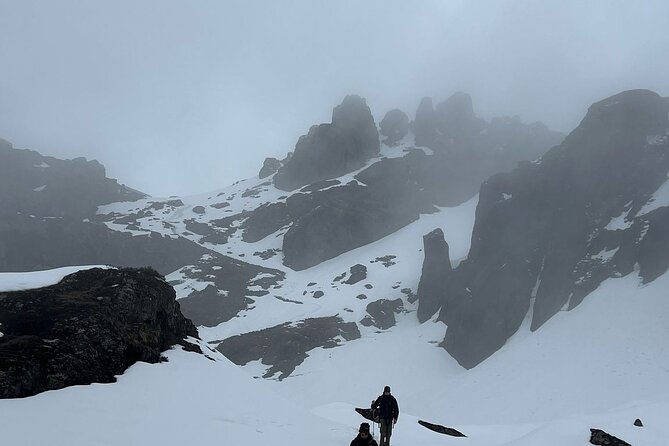
The most emotional part comes when you finally climb to the base camp. You’ll have a longer day, listed as 6–7 hours, with views that are described as incredible.
That’s also the day when the whole trek makes sense. Earlier days show you forests, farms, and valleys. Then, gradually, the trail turns into something more austere, and you’re working toward the kind of scenery that’s hard to understand from photos.
Overnight near base camp is listed as basic lodge or tented, which is exactly what you want if your goal is a true backcountry experience. Expect basic conditions, colder temperatures, and the feeling that you’re far from any city comforts.
There’s also an optional side hike toward Barun Glacier. Optional is important here because it depends on energy and conditions. If it’s offered during your week, it’s usually the kind of add-on that makes the base camp days feel even more specific to this route.
The return: retracing steps and managing the altitude afterglow
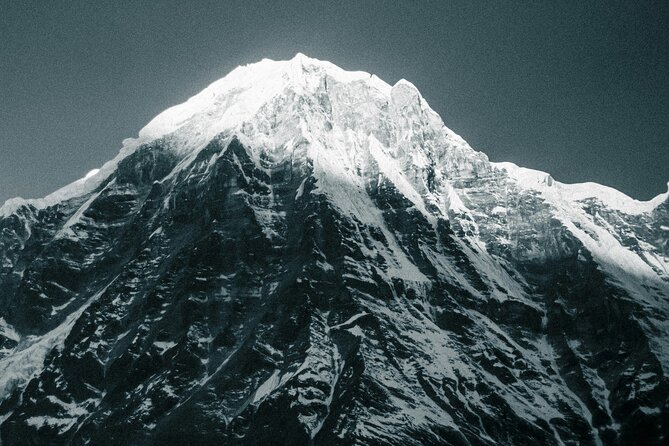
On the way back, the plan includes retracing steps down, plus additional days of trekking and teahouse nights.
One day is listed at around 7 hours while you descend after base camp. That’s a typical mountain reality: the body feels both relief and heaviness. Relief because you’re lower. Heaviness because legs are already tired.
Then you have more steady trek days (listed around 6–7 hours and 5–6 hours in the later middle/late segment), with another longer descent day at about 6–7 hours.
The key thing I like about return routes like this is that they keep the rhythm. You’re not rushing to escape altitude—you’re gradually transitioning your system back toward lower elevations while still seeing more of the park.
Final descent, Tumlingtar flight, and getting back to Kathmandu
The trek ends with a final 4-hour trek, followed by a 4–5 hour drive. After that, you have flight options.
The itinerary notes that you can take the Tumlingtar to Kathmandu flight the same day if timing matches, or the next morning. That flexibility is practical. It helps if flights are delayed or weather affects schedule on the mountain side.
Teahouses, meals, and the small planning points that matter
This package covers core food, but not everything.
Included meals:
- Breakfast: one item from the menu
- Lunch: one item from the menu
- Dinner: one item from the menu
And it’s listed through the full trek days (so you’re not negotiating meals in every village).
Not included (bring your own habits here):
- Bottled water is not included. You can purchase water along the trail or refill at tea houses. A refillable bottle is strongly practical for both cost and sustainability.
- Coffee and tea are not included. Tea houses will have them, but you’re paying separately based on what you want.
Also plan for what you carry. If you’re bringing extra personal gear, excess baggage can be handled by an additional porter on request. Each porter can carry up to 20–25 kg, and charges apply per day.
One more smart move: treat your water and snacks as part of your pacing. When the day is steep or high, you’ll feel the difference if you’re under-fueled.
Gear and support: trekking poles, sleeping bags, and crampons on request
Good support turns a hard trek into a safe trek.
This tour includes:
- Sleeping bags, trekking poles, and crampons provided in request
- Maps
- An English-speaking guide
- Guide and porter insurance
- First aid kits
- Guide and porter daily allowances
Why this matters for you: when a trek involves high passes, footing and cold management become more than comfort—they’re safety. Having the right gear ready (or arranged quickly) helps you avoid improvising at altitude.
The private nature of the experience is also useful. It’s listed as private, meaning it’s only your group. That usually makes coordination easier, especially if you prefer a consistent pace.
Price and value: what $1,750 covers on a remote Makalu trek
At $1,750 per person, this is not a budget trek. But on a remote route like Makalu Base Camp, you’re paying for real logistics and on-the-ground support.
From the included items, you’re getting value in a few major categories:
- Flights: Kathmandu to Tumlingtar and the return flight
- Local transport: the off-road drive segments
- Guides and staffing: English-speaking guide, porters, allowances, insurance
- Food: breakfast, lunch, dinner throughout the trek days
- Core trek support gear: poles and sleeping bag, plus crampons on request
- Park/entry/taxes: listed under all fees and taxes
What you still need to budget for:
- Visa fee (not included)
- Personal insurance
- Alcohol
- Coffee/tea
- Bottled water
- Any private transportation you add beyond the included plan
- Any extra porter service if you bring a lot
If you’re the type who wants one price to cover the essentials and less time negotiating details on the trail, this package structure can feel fair.
Weather, the high-pass day, and what to expect emotionally
This trek requires good weather. That’s not a warning for drama—it’s a practical statement. With high passes and exposed sections, conditions can change quickly, and plans often depend on the day’s safety.
Even in a well-run trek, weather can affect what you see at the passes and how clearly you view the peaks. So I think the right mindset is flexible. If it’s cloudier than expected, focus on the trail experience: the forests, the rivers, the ridges, and the progress you can control.
From the trek experience around this region, the “hard day” isn’t just about altitude. It’s about consistency—taking the time you need so you’re steady and safe.
Who should book this Makalu Base Camp trek with Bodhi Tree Tours and Treks
You’ll probably love this trek if you want:
- a quieter, less crowded Himalayan experience
- wildlife habitat and forest variety, not just a peak-hunt
- a route that includes high passes and real accomplishment
- organized support with an English-speaking guide and porters
You might want to reconsider if:
- you struggle with steep uphill walking for long stretches
- you’re uncomfortable with cold, basic lodges, or tented nights near the goal
- you’re looking for a relaxed, mostly flat itinerary
One small note from past experiences with this operator: people have praised guide support by name. In particular, Pujan and David show up in trek feedback, along with team members like Raj. That’s a good sign that the guiding side is hands-on and attentive.
Should you book this Makalu Base Camp trek?
If you’re chasing a remote Himalayan trek with Mt. Makalu in the mix, this is a strong choice. The value comes from the full travel setup (flight plus off-road drive), the included meals, and the way the trek’s days are paced to support acclimatization. The high-pass day is the real test, but the reward is the kind of backcountry quiet you don’t get on the busiest routes.
My practical advice: book it if you’re fit enough for a hard pass day and you can handle basic accommodations. Then go in with weather flexibility. If conditions line up, you’ll end up with a Makalu Base Camp story that feels honest, not packaged.
FAQ
What is the duration of the Makalu Base Camp trek?
The trek is listed as 15 days (approx.).
How much does the tour cost?
The price is $1,750.00 per person.
Where does the trek start, and when?
The meeting point is Tribhuvan Airport, Kathmandu, Nepal, with a start time listed as 12:15 am. Pickup is offered.
Are flights included?
Yes. The package includes two-way flight tickets from Kathmandu to Tumlingtar.
What trekking gear is included?
Sleeping bags and trekking poles are provided in request, and crampons are also provided in request.
Are meals included?
Yes. Breakfast, lunch, and dinner are included, with one item from the menu for each meal.
Is bottled water included?
No. Bottled water is not included, but you can purchase it along the trail or refill at tea houses. A refillable bottle is recommended.
What costs are not included besides meals and water?
The tour data lists visa fee, personal insurance of the guest, private transportation, and coffee/tea and alcoholic beverages as not included.
More Trekking Out of Kathmandu






More Tour Reviews in Kathmandu




Just Reviewed in Kathmandu
- Mountain Bike Tour
★ 5.0 · 3 reviews - Annapurna Panaroma
★ 5.0 · 3 reviews - Mount Everest Scenic Flight 50 Minutes
★ 5.0 · 3 reviews - Kathmandu : Swambhunath & Durbar Square Guided Half Day Tour
★ 3.3 · 3 reviews - Chandragiri Cable Car & Monkey Temple Tour – Private/Group
★ 5.0 · 3 reviews - Kathmandu: Shivapuri National Park Hiking Day Trip
★ 3.3 · 3 reviews
Upper Mustang & Remote Treks, compared.
 ★ 5.0Upper Mustang Classic Trek with Local guideFrom $2,50015 reviews
 ★ 5.0Nar Phu Valley Trek – 12 DaysFrom $1,60011 reviews
 ★ 5.0Jeep Trip to Upper MustangFrom $2,20010 reviews
 ★ 5.0Kanchenjunga Circuit Trek 19 DaysFrom $2,0009 reviews
 ★ 5.0Lower Mustang Motorbike Tour -8 DaysFrom $1,5009 reviews
 ★ 5.0Kanchenjunga South Base Camp Trek – 13 DaysFrom $2,0956 reviews
Upper Mustang TrekFrom $1,4766 reviews
 ★ 5.0Kanchenjunga Circuit TrekFrom $3,0005 reviews
Browse the lists this tour appears in