
Review · MANASLU CIRCUIT TREKS
Manaslu Circuit Larkya Pass Trekking 13 days From Kathmandu
Manaslu to Larkya Pass feels calm until the pass day hits. What makes this trek special is the restricted-area setting, which usually means fewer people than nearby routes, and a plan built around better scenery as you climb. I also like how the schedule mixes walking days with slower acclimatization time so you’re not constantly rushing uphill.
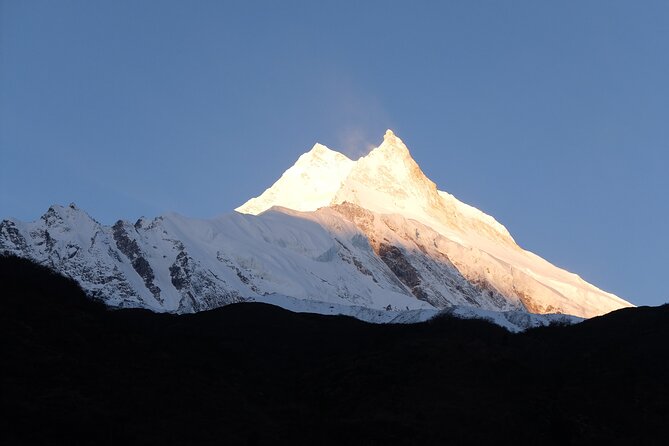
Two standouts I’d highlight: you get long views of Mt Manaslu (8163m) from the higher villages, and you cross Larkya/Larke Pass for that big high-point payoff. The main consideration is simple: this is a remote, altitude-facing trek with several demanding days, plus a long, bumpy jeep ride on unpaved roads.
In This Review
- Key Points at a Glance
- Why Manaslu Feels Quieter Than Other Himalayan Treks
- Kathmandu Start: Permits, Paperwork, and That Early Day
- The Long Jeep Ride to Khorla Besi (and Why It Matters)
- Entering the Manaslu Restricted Zone: Manaslu Village Days
- Mt Manaslu Views and the Switch Toward Samagaun
- Samagaun: Acclimatization That Actually Helps
- Samdo and Virendra Lake: Easy Effort, Strong Reward
- Larkya La Pass Area: Animals, Weather, and Half-Day Planning
- Early Morning Larke Pass and the Bimthang Descent
- Joining the Annapurna Circuit at Dharapani
- Back to Kathmandu via Besisahar: Jeep Ride Out
- Price and Value: What $1,560 Covers (and What to Budget)
- Guides and Service: The Team That Makes It Work
- Who Should Book This Trek (and Who Might Rethink It)
- Quick Notes Before You Go
- Should You Book This Manaslu Larkya Pass Trek?
- FAQ
- How long is the Manaslu Circuit Larkya Pass trek?
- Where does the trek start?
- What is the trek price?
- How do you handle the Manaslu Restricted Area Permit?
- Is pickup included?
- What meals are included?
- What transportation is included during the trek?
- How many people are in the group?
- What fitness level do I need?
- When can I cancel for a full refund?
Key Points at a Glance
- Restricted Manaslu area keeps the trail calmer than the more famous neighbors
- Jeep to Khorla Besi (7–8 hours) saves you from a rough approach walk
- Samagaun acclimatization includes options like a monastery or village visit
- Virendra Lake is worked into the route on the way to Samdo
- Larkya/Larke Pass crossing is early, tough, and built for mountain views
- Small group size (up to 15) helps your logistics and pace stay manageable
More trails out of Kathmandu, boots ready
- Everest Base Camp Trek – 14 Days★ 5.0 · 1,499 reviews
- Everest Base Camp Trek★ 5.0 · 842 reviews
- Everest Base Camp Trekking★ 5.0 · 485 reviews
- Nagarkot Sunrise View and Day Hiking from Kathmandu★ 5.0 · 471 reviews
Why Manaslu Feels Quieter Than Other Himalayan Treks
Manaslu gets controlled for foreign visitors, and that control changes the vibe. You’re not walking through crowds and tourist bottlenecks. Instead, you get a more local feel: villages, teahouse rhythm, and mountain days that feel less choreographed.
You’re also trekking in a region that blends high-mountain scenery with small settlement patterns. As you climb, the mix of vegetation and the way villages sit in the valleys becomes part of the story, not just a backdrop.
One more thing: the itinerary is designed to improve your odds of good scenery. The route choices lean toward classic views of Manaslu instead of only ticking off mileage.
Kathmandu Start: Permits, Paperwork, and That Early Day
Your trip begins in Kathmandu with a meet-up at the airport or meeting point. The plan includes collecting the necessary documents for the Manaslu Restricted Area Permit, which is one of the biggest practical hurdles in this region.
You’ll want to be ready for an early start time (the experience shows 12:15am). Even if your exact pickup timing varies, that early label is a good reminder: you’ll be operating before most of Kathmandu is awake.
The good news is that you’re not trying to figure out paperwork alone. Your team handles the process so you can focus on training your legs and packing smart.
The Long Jeep Ride to Khorla Besi (and Why It Matters)
On day 2, you take a jeep because much of the road is not paved. Expect a 7–8 hour ride to the trekking start point at Khorla Besi.
This part can feel like a slog—yes, you’re stuck in a vehicle for hours—but it’s also a value. It positions you to start trekking with less dead time and fewer logistics headaches. It’s also a reality check for the trip: you’re going to spend more time than you expect in transportation blocks.
Practical tip: pack layers for the ride. Early mornings and higher valleys can shift fast, and a jeep ride doesn’t feel the same as walking in steady sun.
Entering the Manaslu Restricted Zone: Manaslu Village Days
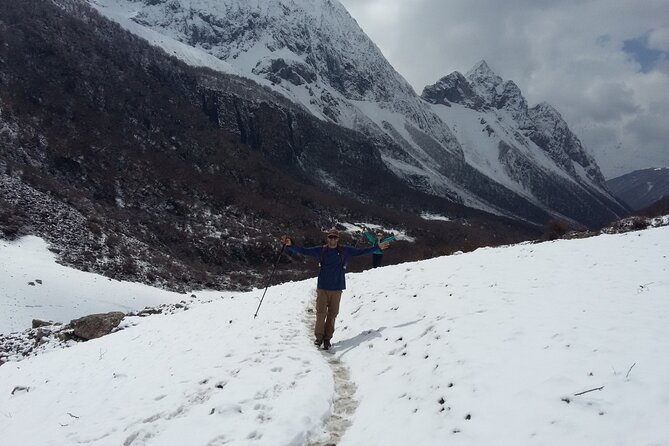
When you enter the restricted area, the trek becomes more about rhythm than sightseeing stops. In this phase (days 3–5), you’re trekking with a guide and staff, and you’ll gradually feel the altitude influence.
Day 3 and day 4 focus on getting deeper into the region and seeing how settlement and vegetation change with height. Day 4 keeps the momentum going with long trekking hours, and it’s the kind of day where the mountain starts to dominate your field of view.
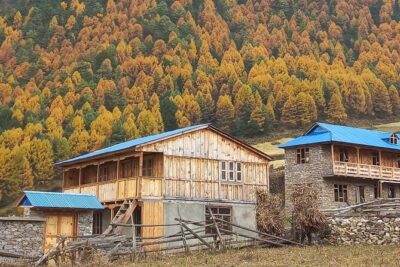
Day 5 brings you to Namrung. This is one of those “old village” moments where you’ll feel the contrast between human life and the scale of the Himalaya. The villages aren’t just scenery; they’re your proof that this is a working region, not a theme park.
If you’re prone to over-packing your day with big photo stops, slow down. The best photos often come when you keep a steady pace and save your big stops for the viewpoints your guide times for you.




Mt Manaslu Views and the Switch Toward Samagaun
After Namrung, the trek builds toward a major view window. Day 6 is described around an amazing view of Mt Manaslu, and that matters because it’s not an offhand glimpse. The circuit style means you’re typically moving through changing terrain with the mountain increasingly present.
Then comes day 7 to Samagaun, and this is a highlight for route lovers. Instead of the busiest feeling path, you take a less trekked alternative route that goes through a glacier area and aims for Manaslu views at their best. You still trek for around 6 hours before reaching Samagaun.
This is one of the itinerary choices that makes sense: you’re pushing for scenery while you’re still fresh enough to enjoy the terrain instead of just surviving it.
Samagaun: Acclimatization That Actually Helps
Day 8 is a dedicated rest day for acclimatization in Samagaun. This is smart planning. High altitude doesn’t care about your enthusiasm, so a real pause gives your body a better chance to handle the next stages.
In Samagaun, you also get optional downtime—there’s room for a monastery or a village visit if you want to shift from trekking brain to people brain. Even if you keep it simple, this day can feel like a mental reset.
If you want a practical rule: use rest days to hydrate well, eat steadily, and keep movement gentle. Don’t turn acclimatization into a second hard trekking day.
Samdo and Virendra Lake: Easy Effort, Strong Reward
Day 9 combines a half-day easy trek with a half-day rest. That structure is great because it keeps the altitude work but reduces the punishment.
You’ll also visit Virendra Lake, which adds a scenic payoff without turning the day into an endurance test. It’s the kind of moment that makes the whole slog feel worth it.
Samdo itself is a good “in-between” base for what’s coming next. By now, you’re used to thin-air pacing, and the route starts to feel more high-alpine than village-alpine.
Larkya La Pass Area: Animals, Weather, and Half-Day Planning
Day 10 is another half-trek, half-rest day, aimed at bringing you toward the Larkya La Pass area. On the way, you may spot marmots and blue sheep, which is a reminder that wildlife is part of this trek’s personality.
This day’s planning matters because pass crossings are the kind of events where fatigue can ruin the experience. A half-day structure lets you arrive with energy instead of arriving empty.
Weather note: pass days are always weather-dependent. Start mentally prepared for visibility changes. Even on clear days, wind can make cold feel sharper at higher points.
Early Morning Larke Pass and the Bimthang Descent
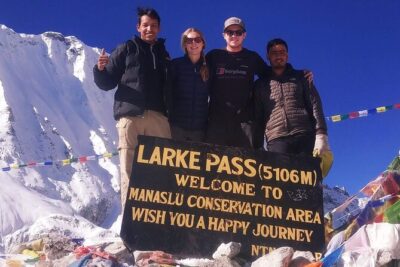
Day 11 is the classic tough trek day: early morning crossing over Larke Pass, then trekking down to Bimthang. It’s listed as around 9 hours, and the emphasis is on adventure and difficulty.
Crossing a high pass early is no joke. You’ll want to move steadily, use layers to manage body heat, and follow your guide’s pacing. The route is the point here: the climb to the pass tests endurance, and the descent tests your legs.
Still, this is the day that usually sticks in memory. You go from “I’m trekking in the Himalaya” to “I’m on the roof of the region” in a way that’s hard to replicate anywhere else.
Joining the Annapurna Circuit at Dharapani
Day 12 shifts the story. You trek to Dharapani and meet the Annapurna Circuit trail. This is a meaningful moment because it connects two of Nepal’s major trekking identities.
You might feel a change in vibe once you join a more established corridor. Even so, your Manaslu days are what built the sense of remoteness. The blend can feel like a gentle handoff from wilderness to well-trodden trails.
For me, this is the practical magic of a good circuit: you get solitude earlier, then you get smoother logistics later as you head toward the exit.
Back to Kathmandu via Besisahar: Jeep Ride Out
Day 13 brings you back by jeep. You drive to Besisahar for the route toward Kathmandu, with a lunch stop along the way before arriving at your hotel.
This is a relief day, but it’s not a magical one. You’ll still feel trekking wear in your body, and sitting for hours can feel uncomfortable if you’ve had stiff legs for days.
Bring small comfort items: a warm layer, basic snacks, and anything you need to stay calm during bumpy road sections.
Price and Value: What $1,560 Covers (and What to Budget)
The price is $1,560 per person for about 13 days, and you should think of it as paying for a managed expedition, not just walking.
Here’s what that value looks like in your daily life:
- Meals included: breakfast most days, plus lunches and dinners during the trek schedule
- Permit handling support: you collect documents in Kathmandu, and restricted-area access is built into the trip
- Guide and staff support: you’re not navigating alone through a controlled region
- Key transport blocks: jeep transfer to and from the trekking area are included as part of the routing
- Small group size: max 15 travelers, which usually keeps coordination easier
What’s not included is also worth planning around:
- beverage drinks and hot shower are not included
- tips and personal expenses are extra
- travel insurance is not included
- private transportation is not included
So the real value question is this: can you handle the remote, structured nature of trekking? If yes, the price feels reasonable for a controlled-area circuit with real logistics support.
Guides and Service: The Team That Makes It Work
One of the strongest points in the information you shared is the way the team communicates and runs the trek. Amber Tamang is highlighted as helpful during planning—especially when matching the right trek to what you want from it.
On the guide side, Nursang Sherpa and Pemba come up as standout names for expertise and professionalism. The tone described is friendly and relaxed, but still very professional, which is exactly what you want on a pass-crossing day.
There’s also a practical detail worth noting for solo travelers: if you book alone, you may still form a group with the guide and porter and share early transportation with other trekkers. That can take some of the stress out of day 1 logistics.
Who Should Book This Trek (and Who Might Rethink It)
This is a good fit if you:
- have moderate physical fitness and can commit to long trekking days
- want Manaslu’s controlled-area calm without sacrificing big mountain payoff
- like a plan that builds in acclimatization and rest, not just nonstop hiking
You might want to rethink it if:
- you’re looking for easy walking every day
- you hate early mornings and cold altitude conditions
- you need frequent comfort amenities like hot showers
Also, if you’re very nervous about navigation, the guide-led setup is a plus. The route is clearly designed for you to follow without improvising.
Quick Notes Before You Go
- Group size is capped at 15, which keeps the pace and logistics more personal.
- You’ll be in a region with limited comforts, so pack expecting basic teahouse-style living.
- If you like flexibility, it can help to ask about add-on days when available, since longer schedules have been paired with extra scenic efforts in the Manaslu region.
Should You Book This Manaslu Larkya Pass Trek?
If you want a Himalayan trek where the restricted setting keeps the experience calmer, this is a strong choice. The combination of Samagaun acclimatization, Virendra Lake scenery, and a real high-pass crossing gives you variety without turning the trip into chaotic stop-and-start.
Book it if you’re comfortable with altitude days and you value good planning over maximum comfort. Skip it if you’re chasing an easy vacation vibe or you’re not ready for early mornings and long trekking hours.
Bottom line: this feels like the kind of trek that rewards steady effort with big, real mountain days.
FAQ
How long is the Manaslu Circuit Larkya Pass trek?
It runs for 13 days approximately.
Where does the trek start?
The experience starts in Kathmandu. You’ll meet at the airport or a meeting point.
What is the trek price?
The price is $1,560.00 per person.
How do you handle the Manaslu Restricted Area Permit?
You collect the necessary documents for the Manaslu Restricted Area Permit when you arrive in Kathmandu, and entry into the restricted area is included during the trek days.
Is pickup included?
Pickup is offered.
What meals are included?
Breakfast, lunch, and dinner are included as part of the trek (breakfast is included 11 times, lunch 12 times, and dinner 11 times).
What transportation is included during the trek?
Jeep transport is used to reach the trekking start point Khorla Besi and for the return journey via Besisahar. Private transportation is not included.
How many people are in the group?
There is a maximum of 15 travelers.
What fitness level do I need?
You should have a moderate physical fitness level.
When can I cancel for a full refund?
You can cancel up to 3 days in advance of the experience for a full refund.
More Trekking Out of Kathmandu






More Tour Reviews in Kathmandu




Just Reviewed in Kathmandu
- Mountain Bike Tour
★ 5.0 · 3 reviews - Annapurna Panaroma
★ 5.0 · 3 reviews - Mount Everest Scenic Flight 50 Minutes
★ 5.0 · 3 reviews - Kathmandu : Swambhunath & Durbar Square Guided Half Day Tour
★ 3.3 · 3 reviews - Chandragiri Cable Car & Monkey Temple Tour – Private/Group
★ 5.0 · 3 reviews - Kathmandu: Shivapuri National Park Hiking Day Trip
★ 3.3 · 3 reviews
Manaslu Circuit Treks, compared.
 ★ 5.0Manaslu Circuit TrekFrom $1,190292 reviews
Manaslu Circuit TrekFrom $1,081184 reviews
★ 5.0Manaslu Circuit Trek:From $1,099106 reviews
 ★ 5.0Manaslu Circuit Trek (15 Days)From $1,65750 reviews
Manaslu Circuit TrekkingFrom $1,49944 reviews
 ★ 5.016 Day Private Manaslu Circuit Trek from KathmanduFrom $1,13542 reviews
★ 5.0Manaslu Circuit TrekFrom $1,90035 reviews
 ★ 5.0Manaslu Circuit Trek 13 DaysFrom $1,40030 reviews
Browse the lists this tour appears in