
Review · MANASLU CIRCUIT TREKS
Manaslu Circuit Trek
High mountains, warm people, and real trekking days. That’s the Manaslu Circuit, and this Outshine Adventure run is built to keep things moving while you earn the views. I especially like the way permits, lodging, and meals are handled for you, and how the team matches the trek with an experienced local English-speaking guide and porters. One thing to consider: this is a high-altitude circuit that demands moderate fitness and smart acclimatization—not a “see it from the window” trip.
You’ll start with a Kathmandu setup (including a heritage day by private car), then settle into long hiking days across bridges, valleys, forests, and villages. The group stays small (max 15 travelers), so logistics feel less chaotic than the big-company versions. Still, you should plan for personal costs like tips and any Kathmandu monument entrance fees, since they aren’t included.
In This Review
- Key highlights you’ll feel on the trail
- The Manaslu Circuit pitch: what makes this route special
- Day-by-day: what to expect and where each day can challenge you
- Day 1: Arrival in Kathmandu and trek paperwork
- Day 2: Kathmandu heritage tour to set your rhythm
- Day 3: Kathmandu → Soti Khola, then an overnight in guesthouses
- Day 4: Soti Khola → Machha Khola, forests, waterfalls, and bridges
- Day 5: Machha Khola → Jagat, Tatopani hot springs moment
- Day 6: Jagat → Deng, rocky ridges, waterfalls, and repeated river crossings
- Day 7: Deng → Namrung, greener valleys and village life
- Day 8: Namrung → Lho Gaon, prayer walls and major peaks on clear days
- Day 9: Lho Gaon → Sama Gaon, follow the river and chase peaks
- Day 10: Sama Gaon acclimatization day and an optional base-camp style hike
- Day 11: Sama Gaon → Samdo, short day to a higher-feeling village
- Day 12: Samdo → Dharamsala area, gentle continuation
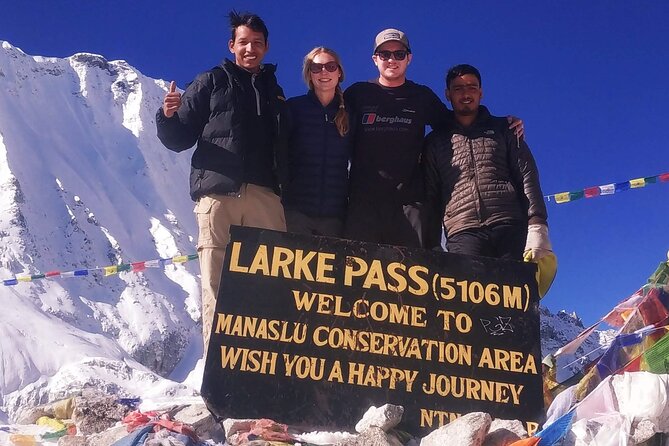
- Day 13: The big day: Larkya La Pass to Bimthang
- Day 14: Bimthang → Gho, long descent day
- Day 15: Gho → Dharapani, shorter but still downhill work
- Day 16: Dharapani → Besishahar → Kathmandu, travel day and farewell dinner
- Day 17: Final morning transfer back to the airport
- Guides and support: why the human side matters here
- Price and value: what $1,575 really covers (and what it doesn’t)
- Itinerary realism: pacing, altitude, and the “moderate fitness” label
- What packing and planning should look like (based on what’s included)
- Should you book this Manaslu Circuit trek?
- FAQ
- How long is the Manaslu Circuit trek?
- Where does the trek start and end?
- What time does the program start?
- Is airport pickup included?
- What’s the maximum group size?
- Are meals included during the trek?
- What permits are included in the price?
- Does the trip include Kathmandu hotel nights and a sightseeing tour?
- Is travel insurance included?
Key highlights you’ll feel on the trail
- High-altitude trekking with a real pass day toward Larkya La, not just easy ridge walks
- Permits included (Manaslu Special Permit, Trekking Permit, and Manaslu Conservation Area/park permits)
- Kathmandu orientation with private-car heritage sights before you hit the dirt
- Small-group format (up to 15) that helps keep the pace and communications sane
- Strong support setup: local licensed English-speaking guide plus porters for your luggage
- Optional gear help: down jacket and sleeping bag provided if needed
More trails out of Kathmandu, boots ready
- Everest Base Camp Trek – 14 Days★ 5.0 · 1,499 reviews
- Everest Base Camp Trek★ 5.0 · 842 reviews
- Everest Base Camp Trekking★ 5.0 · 485 reviews
- Nagarkot Sunrise View and Day Hiking from Kathmandu★ 5.0 · 471 reviews
The Manaslu Circuit pitch: what makes this route special
The Manaslu region sits in Nepal’s “serious views” zone. Expect dramatic mountain scenery with long stretches where the valley quiets down and the trail work takes over. This route is popular for a reason: you get classic Himalayan trekking—rivers, suspension bridges, forested sections, and village life—while aiming for big scenery around the Manaslu area (the trek is described as reaching around 8156m altitude in the overall region you’ll be navigating toward).
I also like that this itinerary doesn’t just cram hiking into every hour. You get a built-in acclimatization rest day in Samagaon, plus shorter, easier days later on. That matters because comfort at altitude isn’t “nice to have”—it affects how you enjoy the whole trek.
The other part that feels practical is the pacing of “transport + trek” days early on. The drive from Kathmandu gives you time to orient yourself before you’re bouncing along rocky trails for hours. Then the trek begins in earnest, with gradual loading of stamina.
Day-by-day: what to expect and where each day can challenge you
Here’s how the trip reads, day by day, and what each section tends to bring.
Day 1: Arrival in Kathmandu and trek paperwork
You land at Tribhuvan International Airport and an airport representative meets you with a name plate for Outshine Adventure. After a hotel transfer and check-in, you go to the company for documentation and information.
Why this matters: paperwork and permit coordination are part of the trekking reality here. Getting it handled on Day 1 reduces the “wait and wonder” stress you don’t want right before a trek.
Day 2: Kathmandu heritage tour to set your rhythm
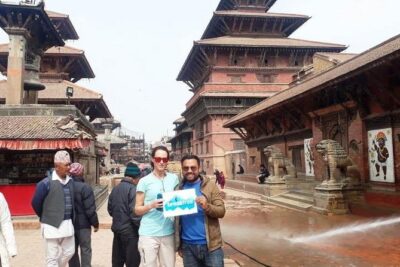
Wake early, breakfast, then start around 9:00am with a city day that covers major religious sites by private car: Kathmandu Durbar Square, Swayambhunath (Syambhunath), Boudhanath (Budhanath), and Pashupatinath. You also have afternoon free time for equipment shopping or preparation.
Possible drawback: admission fees for Kathmandu monuments are not included. Plan a small budget for entrance tickets so you’re not deciding at the gate.
The pacing feels good: a full morning of sights, then breathing room to adjust gear before travel day trekking logistics kick in.
Day 3: Kathmandu → Soti Khola, then an overnight in guesthouses
After breakfast, you drive toward Soti Khola via Arughat. It’s described as a long drive through the outskirts of Kathmandu, with small settlements and scenery along the way. Once in Soti Khola, you get lunch, explore the area, and sleep in a guesthouse.
This is a “get your legs back” day. You won’t be doing hard hiking, but you’ll likely feel the travel as part of your warm-up.
Day 4: Soti Khola → Machha Khola, forests, waterfalls, and bridges
Cross a bridge, then trek through sal forests to a ridge. The trail is described as rugged, with waterfalls and an ups-and-downs rhythm. You descend through rice terraces, ascend again toward Labubesi, then continue until Machha Khola, crossing a suspension bridge before reaching the village.
Where it can be tough: those “couple ups and downs” add up. If you’re new to trekking, this day is where you’ll learn how quickly shoes, water breaks, and pace control matter.
Day 5: Machha Khola → Jagat, Tatopani hot springs moment
You trek on a narrow trail, cross Tharo Khola, reach Khorla Besi, and then head to Tatopani to see a hot spring. After that, you ascend toward a ridge, cross the Budhi Gandaki on a suspension bridge, and continue up to Jagat. You’ll cross several bridges on the way.
Why I like this day: Tatopani is a morale moment. Even if you don’t soak, seeing the hot spring area gives you a tangible sense of “this is a trekking corridor with real village services.”
Day 6: Jagat → Deng, rocky ridges, waterfalls, and repeated river crossings
After permit checks, you ascend a rocky ridge to Salleri, then descend to Sirdibas. You cross a long hanging bridge, ascend to Philim, and move through waterfalls and valley scenes. The day includes river work: you cross a river area and then cross again over suspension bridges, with sections along the valley toward Deng.
What to watch: multiple bridge transitions can mess with your rhythm. I recommend you treat each bridge as a mini “slow down and reset” instead of rushing, even if you feel good.
Day 7: Deng → Namrung, greener valleys and village life
This day crosses the Budhi Gandaki River and then climbs toward Rana. From there you climb to the west side of the Budhi Gandaki valley, moving through lush green forests, small villages, a narrow gorge, and streams—then reaching Namrung.
You’ll likely notice how the scenery changes as you go. The trek description highlights forests and villages, so you’re not only chasing views; you’re walking through inhabited terrain.
Day 8: Namrung → Lho Gaon, prayer walls and major peaks on clear days
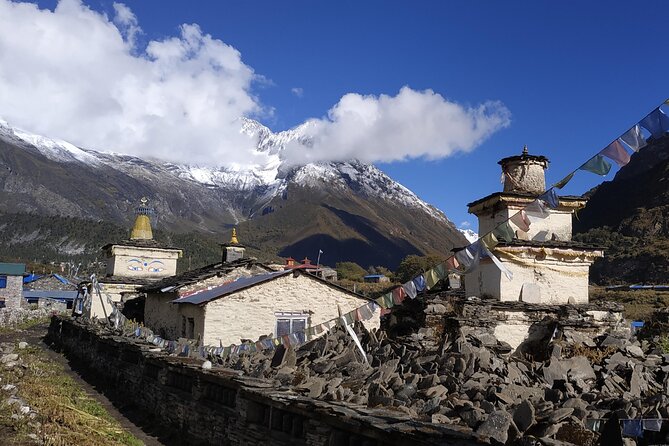
You trek on a winding trail through the “inner Himalayan range” area. The route is described as offering views of Mt. Manaslu plus peaks like Gorkha Himal, Saula Himal, Dwijen Himal, Lajing peak, and Rupina La Pass. Along the way you see chortens, prayer flags, and mani walls, and then arrive at Lho Gaon.
This is one of the days where clouds can decide your mood. If you get even partial visibility, these are the scenes that make a trek feel like a movie set.
Day 9: Lho Gaon → Sama Gaon, follow the river and chase peaks
After breakfast you follow the right bank of a river and reach Sama Gaon. You pass many peaks along the way.
This is also a “settle in” kind of day. Sama Gaon is your acclimatization staging point for the big work later.
Day 10: Sama Gaon acclimatization day and an optional base-camp style hike
This day is explicitly recommended for rest and acclimatization. It’s also where you can enjoy the village and take a short trip toward Manaslu Base Camp or Punggen Gompa for mountain views (the itinerary description names spots like Samdo and several surrounding peaks and glacier features).
Value of this day: altitude responds slowly. If you skip acclimatization, you can pay for it with weaker sleep and a worse pass experience later.
Day 11: Sama Gaon → Samdo, short day to a higher-feeling village
An easy, shorter day: cross mani walls and juniper bushes, ascend to a ridge, descend, cross Buri Gandaki on an old wooden bridge, and reach Samdo Village.
At this point you’re not just walking for distance—you’re working on altitude adaptation. A shorter day helps you do that without burning yourself out.
Day 12: Samdo → Dharamsala area, gentle continuation
Another short and easy trek: leave Samdo, descend toward a bridge, cross the Budhi Gandaki, then slowly ascend toward Dharamsala. The itinerary notes a “Dharapani Temple” stop name for the day.
This is the kind of day that makes the longer pass day safer, because your legs aren’t cooked.
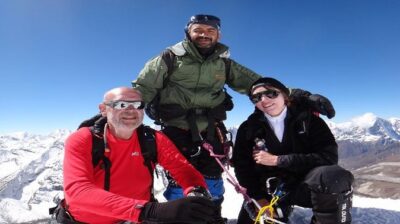
Day 13: The big day: Larkya La Pass to Bimthang
Early start and ascent on a rugged path up to Larkya La Pass. The description promises breathtaking views, then you continue toward Bimthang with a descent on loose rocky trail.
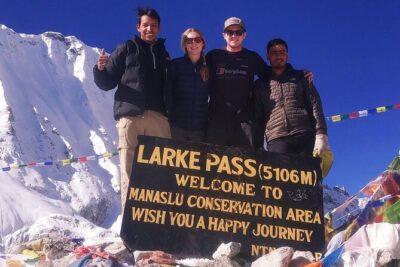
This is the day you should respect. Expect effort. Loose rocks can be hard on knees, and if you push too hard early, you’ll feel it late. Pace matters more than speed here.
Day 14: Bimthang → Gho, long descent day
You descend all the way down to Gho, with about 6 hours of descending described.
Tip: descending uses different muscles. Keep some attention on your stride length and foot placement, even when you feel relieved.
Day 15: Gho → Dharapani, shorter but still downhill work
Descend toward Dharapani for about 4 hours.
This day is a step toward recovery. You’ll still want to take care of feet and hydration since the body is still adjusting after altitude.
Day 16: Dharapani → Besishahar → Kathmandu, travel day and farewell dinner
After breakfast you journey back toward Kathmandu. The itinerary describes reaching Besishahar, then continuing to Kathmandu, checking into your hotel, resting, and ending the day with a farewell dinner.
This is where you feel proud but also tired. I’d treat the evening as “food and stories,” not “see if you can squeeze in extra plans.”
Day 17: Final morning transfer back to the airport
After breakfast, you transfer to the international airport based on your flight time, and the trip ends back at the meeting point.
If you have extra time, the itinerary notes that you could add more tours or activities in Kathmandu.
Guides and support: why the human side matters here
The trek includes a local licensed English-speaking guide, plus local staff and porters to carry your luggage. That’s not just comfort. It changes how you hike.
Smaller logistics help too: the group maximum is 15 travelers, which usually means fewer bottlenecks at bridges, clearer pacing decisions, and easier communication with your guide.
From the included customer feedback, two names keep showing up in a positive way: Nabu and Bikash. The theme is consistent—when conditions are rough, the guides focus on sensible decisions and support. One story specifically notes that Bikash weighed whether it made sense to continue or consider a helicopter option if needed. That kind of judgment can be a big deal in high-altitude country, even when you’re trying your best.
Also, Outshine Adventure is named as the provider, and their family-style team presence appears in the responses you’ll see. That matters because you want a company that communicates clearly before the trek starts, not only once you’re already on the trail.
Price and value: what $1,575 really covers (and what it doesn’t)
At $1,575 per person, you’re paying for a package that includes the big ticket items for a route like this:
Included highlights:
- 3 nights in Kathmandu at standard accommodation
- Private-car city tour in Kathmandu (heritage day)
- All standard meals during the trek (breakfasts, lunches, dinners as listed)
- Best available lodges/guesthouses during the trek
- Permits: Manaslu Special Permit, Trekking Permit, and Manaslu conservation area/park permits
- Down jacket and sleeping bag if you need them
- Surface transfers to/from Kathmandu
- Guides, staff, and porters, including food/accommodation/insurance/medicine for the trekking staff
- Government taxes
What’s not included (so budget for it):
- Travel insurance
- Personal costs like alcohol, cold drinks, laundry, and trekking equipment
- Tips for staff and driver-tipping expectations
- Kathmandu sightseeing/monument entrance fees
How I see the value: permits, food, guesthouses, and trained local support add up fast on Nepal trekking routes. The fact that this package bundles them, plus includes gear help if needed, can make it cheaper than piecing it all together yourself—especially if you’re not already experienced in the region’s paperwork and permit process.
Still, your real cost is not just the trek price. Plan for travel insurance, optional upgrades, and small local fees in Kathmandu.
Itinerary realism: pacing, altitude, and the “moderate fitness” label
The trip says it suits moderate physical fitness. That’s fair, but you should read it like this: you’ll be walking long days, not sprinting, and you’ll be dealing with altitude. The route includes a hard pass day near Larkya La, plus multiple suspension bridges and long descents.
The good news is the structure:
- A gradual start from Soti Khola and Machha Khola
- A stronger acclimatization plan around Samagaon
- Shorter days as you approach the pass
- Time to recover after altitude
If you’re prone to altitude issues, the acclimatization day is the part you don’t want to treat casually.
What packing and planning should look like (based on what’s included)
You don’t need to assume you’ll buy everything. The itinerary notes down jacket and sleeping bag by Outshine Adventure if needed, which can lower your pre-trip load.
That said, “included if needed” still means you should check with the operator early about sizing and availability. Bring your basics—layers, rain protection, and sturdy footwear—since the itinerary repeatedly mentions rocky trail, rugged paths, waterfalls, and loose descent sections.
Also remember:
- You’ll want some cash for Kathmandu monument entrance fees (not included).
- You’ll want to set aside money for tips, since that’s expected by local custom but not packaged into the trek price.
- Travel insurance isn’t included. For a high-altitude pass itinerary, it’s one of those “do not skip” items.
Should you book this Manaslu Circuit trek?
I’d book if you want:
- A package that handles permits, meals, and lodge logistics
- A small-group format (up to 15) with real guide support
- A Kathmandu warm-up day that helps you get organized and oriented
- An itinerary that respects acclimatization with a dedicated rest day in Samagaon
- Optional gear support so you don’t have to carry everything from home
I might think twice if:
- You don’t have a moderate fitness base yet, especially for a pass day toward Larkya La
- You want a trip with everything fully “all-inclusive” even on the Kathmandu sights and tipping front
- You strongly prefer fully independent trekking with no porters or guided coordination
If you’re aiming for real trekking, strong support, and good value for the permit-heavy Manaslu region, this is a practical way to do it.
FAQ
How long is the Manaslu Circuit trek?
The itinerary runs for about 17 days (approx.).
Where does the trek start and end?
It starts and ends back at the meeting point in Paknajol, Kathmandu 44600, Nepal.
What time does the program start?
The start time is 6:45am.
Is airport pickup included?
Yes. You get airport / hotel / airport pick up & drop by private car.
What’s the maximum group size?
The maximum is 15 travelers.
Are meals included during the trek?
Yes. The package includes all standard meals during the trek (with breakfast, lunch, and dinner counts listed).
What permits are included in the price?
The package includes Manaslu Special Permit, Trekking Permit, and Manaslu conservation park permits.
Does the trip include Kathmandu hotel nights and a sightseeing tour?
Yes. It includes standard accommodation in Kathmandu for 3 nights and a guided city tour by private car.
Is travel insurance included?
No. Travel insurance is not included, and you’ll need to arrange it yourself.
More Trekking Out of Kathmandu
More Tour Reviews in Kathmandu
Just Reviewed in Kathmandu
- Mountain Bike Tour
★ 5.0 · 3 reviews - Annapurna Panaroma
★ 5.0 · 3 reviews - Mount Everest Scenic Flight 50 Minutes
★ 5.0 · 3 reviews - Kathmandu : Swambhunath & Durbar Square Guided Half Day Tour
★ 3.3 · 3 reviews - Chandragiri Cable Car & Monkey Temple Tour – Private/Group
★ 5.0 · 3 reviews - Kathmandu: Shivapuri National Park Hiking Day Trip
★ 3.3 · 3 reviews
Manaslu Circuit Treks, compared.
 ★ 5.0Manaslu Circuit TrekFrom $1,190292 reviews
Manaslu Circuit TrekFrom $1,081184 reviews
★ 5.0Manaslu Circuit Trek:From $1,099106 reviews
★ 5.0Manaslu Circuit TrekFrom $1,190292 reviews
Manaslu Circuit TrekFrom $1,081184 reviews
★ 5.0Manaslu Circuit Trek:From $1,099106 reviews
 ★ 5.0Manaslu Circuit Trek (15 Days)From $1,65750 reviews
Manaslu Circuit TrekkingFrom $1,49944 reviews
★ 5.0Manaslu Circuit Trek (15 Days)From $1,65750 reviews
Manaslu Circuit TrekkingFrom $1,49944 reviews
 ★ 5.016 Day Private Manaslu Circuit Trek from KathmanduFrom $1,13542 reviews
★ 5.0Manaslu Circuit TrekFrom $1,90035 reviews
★ 5.016 Day Private Manaslu Circuit Trek from KathmanduFrom $1,13542 reviews
★ 5.0Manaslu Circuit TrekFrom $1,90035 reviews
 ★ 5.0Manaslu Circuit Trek 13 DaysFrom $1,40030 reviews
Browse the lists this tour appears in