
A pass over Larkya La changes your whole day. This Manaslu Circuit trek pairs big Larkya La Pass views with Tibetan-influenced villages, and it moves at a calmer pace than the more famous routes.
I like that the operator handles the paperwork side: all permits (including a restricted area permit) and government taxes are taken care of. I also like the practical field stuff, like purifying your water during the trek and using a porter system so your duffel bag stays manageable.
One consideration: the price includes a lot, but it does not include the private road transfers from Kathmandu to the trek start, or the return drive from Besisahar. You’ll also want moderate fitness and good weather, since this circuit lives and dies by conditions.
In This Review
- Key highlights to know before you go
- Why the Manaslu Circuit feels more like Nepal than a checklist
- Price and logistics: what $1,900 covers (and what it doesn’t)
- Kathmandu setup: where the trek starts in Thamel
- First moving days: Machha Khola to Jagat, plus river-valley trekking
- Village-to-village progress: Jagat to Deng, Namrung, and Shyala
- Samagaun: acclimatize, then choose how far you want to go
- Samdo and the Tibetan-border feeling: higher air, calmer minds
- Larkya La Pass: the high point day, then Tilche and onward
- Last trekking days: Tilche to Dharapani, then the ride back
- Teahouses, water, and meals: the real daily comfort system
- Guides, porters, and the small-group advantage in practice
- Pacing, fitness, and weather: how to set yourself up for success
- Should you book the Manaslu Circuit Trek with Awesome Holidays Nepal?
- FAQ
- How long is the Manaslu Circuit trek?
- Where does the trek start and end?
- What’s the price per person?
- What’s included in the trek package?
- What permits are handled?
- Are meals included?
- Is drinking water provided or treated?
- Do you need to be very fit to join?
- How big is the group?
- What happens if the trek can’t run due to weather?
- Can I cancel for free?
Key highlights to know before you go
- A small group size (up to 16), which usually means less chaos on trail days and in teahouses
- Permits handled, including restricted area paperwork that can be a hassle on your own
- Water purification during the trek, so you can travel with less worry about what to drink
- Built-in acclimatization days in the higher villages, not just a quick hike and hope
- A true high-pass day at Larkya La, followed by another long moving day toward Tilche
- English-speaking guiding with porter support (2:1 guest-to-porter ratio for the duffel bag)
More trails out of Kathmandu, boots ready
- Everest Base Camp Trek – 14 Days★ 5.0 · 1,499 reviews
- Everest Base Camp Trek★ 5.0 · 842 reviews
- Everest Base Camp Trekking★ 5.0 · 485 reviews
- Nagarkot Sunrise View and Day Hiking from Kathmandu★ 5.0 · 471 reviews
Why the Manaslu Circuit feels more like Nepal than a checklist
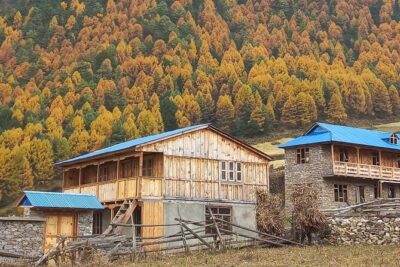
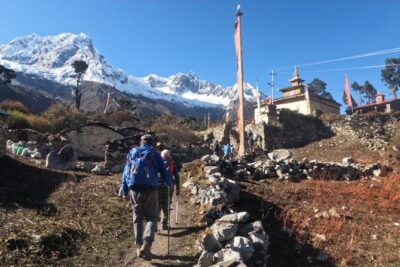
The Manaslu Circuit is often described as rewarding because it’s not trying to copy the Everest trail. You still get Himalayan scale, but you also get a more grounded rhythm: villages, prayer flags, tea houses, and long views that slowly widen as you gain altitude. The culture in this region also carries a distinct Tibetan influence, so the mountains feel closer to that broader Trans-Himalayan world.
I also like the way this trek gives you choices without turning it into a chaos buffet. For example, you’ll have time to acclimatize in Samagaun and there’s an optional trek toward Manaslu Base Camp. If you want more walking, you can add it. If you want to keep things steady and save energy for the pass day, you can do that too.
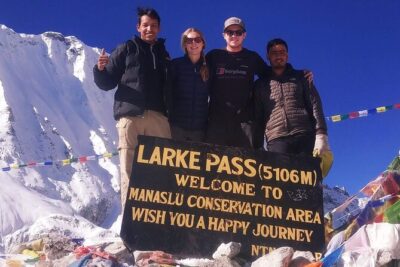
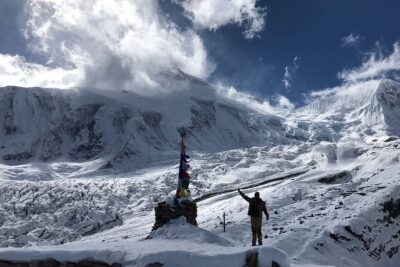
And yes, the circuit’s big moment is the day you tackle Larkya La Pass. It’s the kind of day where you remember why you trekked instead of just visiting viewpoints. The effort is real, and the payoff comes all at once: you crest the pass, you look around, and the trek starts to feel larger than the day you’re in.
Price and logistics: what $1,900 covers (and what it doesn’t)
$1,900 per person is not a budget trek. But for the money, you’re not only buying a map and a leader. You’re paying for the hard-to-do pieces that matter out on the trail.
Here’s the value angle:
- Permits and taxes are included, including the restricted area permit. That’s one of those “you’ll thank yourself later” items.
- You get an English-speaking guide for the trek and a porter system (2:1 guest-to-porter) to carry the duffel bag.
- Meals on the trek are included for the main days (breakfast plus lunch and dinner across the trek), and drinking water is handled through purification (purifier and/or tablets).
- You get airport-style support: pickup and drop-off and a welcome/farewell dinner in Kathmandu.
What’s not included is important to budget:
- Private transfers from Kathmandu to the trekking start, and the drive back from Besisahar to Kathmandu are not part of the package.
- Tourist visa, travel insurance, and emergency evacuation costs are also not included.
So the real question for you is this: do you want the organizer to manage the permits, the staffing, and the daily trek structure? If yes, this price starts to look more reasonable. If you want to control everything yourself, the “missing transfers and insurance” will keep you busy.
Kathmandu setup: where the trek starts in Thamel
Your trek begins in Kathmandu, with pickup and transfer to a hotel after you land at Tribhuvan International Airport. Even if you’re eager to get outside fast, this first day is useful. It’s when you get your bearings, meet your guide, and confirm gear and logistics before the long days begin.
You’ll also have a welcome/farewell dinner in Kathmandu. That matters more than it sounds. In places like this, dinner is often when you align expectations: how hard the pass day feels for your group, what to pack for cold evenings, and what pace will keep you trekking instead of dragging.
The meeting point is at Kathmandu Business Hotel in Thamel, which is convenient if you like walking around in the evening. Just remember: Kathmandu traffic can be slow and unpredictable, so don’t plan anything too tightly right after arrival.
First moving days: Machha Khola to Jagat, plus river-valley trekking
Day two starts with a scenic drive to Machha Khola through rural hills and villages. This road segment matters because it breaks up the trip from Kathmandu into something your legs can handle later. The goal is to start trekking with enough energy to enjoy those first trail hours instead of feeling like you already spent a full day in transit.
Then the trek continues toward Jagat along the Budhi Gandaki River. You’ll cross suspension bridges and move through terraced fields. That’s a good thing for your brain: early on, you’re learning the rhythm of the region—up, down, tea house, and a steady climb that doesn’t feel like a sudden wall.
A small caution here: suspension bridges can be a little nerve-wracking if you dislike heights. Take it slow, plant your feet, and let your guide handle the pacing.




Village-to-village progress: Jagat to Deng, Namrung, and Shyala
After Jagat, the trek pattern builds. You get early rises, then steady walking through river valleys and forests. You’ll reach Deng after following trails that feel quiet and shaded compared to higher exposed sections.
From Deng, you head to Namrung, where the trail ascends gradually and the scenery opens up into more panoramic views. Then comes Shyala, a village backed by dramatic peaks. The reason I like these middle days is simple: you get culture and scenery without hitting the maximum altitude intensity immediately.
What to watch for:
- The later you go in the circuit, the more cold and wind you may feel, especially around mornings and pass-adjacent days.
- Teahouse mornings can be slow. Your body usually needs a little time to wake up fully before you feel ready for a long day.
Samagaun: acclimatize, then choose how far you want to go
You’ll reach Samagaun, a larger village with strong local heritage, and you’ll get time to acclimatize. This is one of the most valuable parts of the trek because your body adapts better when you don’t force every day to be a “bigger number” day.
This is also where the optional walking appears again. You’ll have the chance to trek toward Manaslu Base Camp if you want more distance and a deeper payoff from your time in this area. If you’re not chasing extra mileage, you can keep it calmer: rest, stroll, and let your acclimatization work.
I like how the itinerary gives you structure without taking away choice. That’s ideal if your group has different fitness levels. One person can do the option, another can keep the pace steady, and nobody feels punished for listening to their body.
Samdo and the Tibetan-border feeling: higher air, calmer minds
After Samagaun, the trek continues to Samdo, a village located near the Tibetan border. This section is about atmosphere as much as it is about altitude. You start to feel that you’re moving into a more remote and high-altitude way of life.
You’ll also spend extra time acclimatizing here. The schedule includes a rest/acclimatization approach and a scenic hike day. That’s smart. It reduces the chance that you’ll treat altitude like a puzzle to solve through grit alone.
Then comes Dharamsala as the next stop on the acclimatization arc. The itinerary keeps you in the rhythm of “adjust, hike a bit, adjust again” before the big crossing.
For you, the practical takeaway is packing discipline. In high villages, you’ll want warm layers you can actually use quickly. If your clothing system is complicated, you’ll feel it on cold mornings.
Larkya La Pass: the high point day, then Tilche and onward
This is the day you’ve been building toward: Larkya La Pass. You’ll start early and spend about a long day on the go, with the pass as the hardest part of the circuit. This is where planning and pacing matter most. Going too fast early often leads to a late-day slump, and you still need strength for the descent and the next day’s travel.
Once you cross, you continue trekking toward Tilche (after the following day is described as moving from Bimthang to Tilje/Tilche). In practical terms, that means you’re not just doing a “summit and done” day. You’re crossing, then you’re still moving through the region.
If you’re the kind of traveler who likes photos, this is your time. But don’t make the mistake of stopping too long. Let the pass be the moment, then keep walking until your body cools down naturally.
Last trekking days: Tilche to Dharapani, then the ride back
From Tilche, you continue toward Dharapani, with a wake-early rhythm and final goodbyes to the people and views you’ve come to know. After Dharapani, you’ll transition to a drive toward Besisahar, enjoying scenic roads as the trek finally hands you back a bit of comfort.
Then it’s back to Kathmandu. You’ll end back at the meeting point, with the trek memories still fresh and the quiet relief that comes after finishing a circuit you worked for.
This ending matters because it reduces the “shock” many trekkers feel when they go from high-altitude routine back to city life. You’re given a short buffer: a final walking day, then a ride, then Kathmandu.
Teahouses, water, and meals: the real daily comfort system
You stay in teahouses/guesthouses on a twin-sharing basis during the trek. That’s the standard way to do the Manaslu Circuit, and it keeps costs down while getting you embedded in local travel life.
Food is scheduled in a way that keeps you moving:
- Breakfast for the trek duration (as listed)
- Lunch and dinner on the trek days (as listed)
The bigger win is water. Your drinking water is handled through purification during the trek using a water purifier or chemical purifying tablets. That reduces uncertainty and gives you a straightforward way to stay hydrated without constantly hunting for safe sources.
Still, be smart:
- Don’t expect bottled-water luxury in remote tea houses.
- Bring your own approach for refills (capacity matters).
- Keep a system for washing hands and staying tidy when you can.
Guides, porters, and the small-group advantage in practice
This trek runs with a maximum group size of 16 travelers. Smaller groups usually mean fewer delays. It’s also easier for your guide to spot when someone is falling behind or moving too quickly.
You’ll have an English-speaking guide throughout and a porter who carries your duffel bag with a 2:1 guest-to-porter ratio. That’s not just comfort. It’s energy. When your day is long and cold, every ounce you don’t carry helps.
The reviews about this operator highlight people who show up and handle details, with names like Mr. Raman Shrestha praised for support and warmth on a Manaslu Circuit trek. Other staff names like Mr. Bipin appear in feedback for helpful gestures. I can’t promise every leader will match those exact experiences, but the consistent thread is that this is staffed by real people who care about service and staying responsive.
Pacing, fitness, and weather: how to set yourself up for success
The trek is designed for travelers with moderate physical fitness. That doesn’t mean you need to be an athlete. It does mean you should be comfortable with long walking days and the reality of changing altitude.
The itinerary builds in acclimatization stops, including extra time in Samagaun and again in the Samdo area before the pass day. That structure is there for a reason: your body adapts better when you earn altitude slowly.
Weather is also a gatekeeper. This experience requires good weather, and when conditions are poor it can be rescheduled. For you, the best strategy is to be flexible with your travel dates and avoid making other tight plans around the trek window.
Should you book the Manaslu Circuit Trek with Awesome Holidays Nepal?
If you want a trek that feels organized but not sterile, this is a strong fit. You’re getting real mountain travel structure: permits handled, guide support, purified water, meal planning, and porters to reduce carry weight. The focus on acclimatization and the presence of a major pass day also make it feel like a true circuit rather than a series of short strolls.
You might skip it if you’re trying to minimize costs, because $1,900 is not low. You should also book with eyes open if you don’t want to manage additional travel planning for the Kathmandu-to-start and Besisahar-to-Kathmandu road segments.
One final decision tip: choose this trek if you want a meaningful mix of Himalayan scenery and Tibetan-influenced village life, and if you’re okay putting effort into a pass day that requires early starts and steady pacing.
FAQ
How long is the Manaslu Circuit trek?
It runs about 15 days, starting in Kathmandu and ending back in Kathmandu.
Where does the trek start and end?
The start is in Kathmandu (Thamel area) and the end returns to the same meeting point in Kathmandu.
What’s the price per person?
The price is $1,900.00 per person.
What’s included in the trek package?
Included items cover an English-speaking guide, porter for your duffel bag, teahouse/guesthouse twin-sharing accommodations on the trek, purified drinking water, first-aid treatment, permits and taxes, and breakfast plus lunch and dinner during the trek days. Airport pickup/drop-off and welcome/farewell dinner in Kathmandu are also included.
What permits are handled?
All required permits are included, including a restricted area permit.
Are meals included?
Yes. Breakfast, lunch, and dinner are included during the trek (listed as 15 breakfasts, 14 lunches, and 14 dinners).
Is drinking water provided or treated?
Drinking water is purified during the trek using a water purifier or chemical purifying tablets.
Do you need to be very fit to join?
You should have a moderate physical fitness level.
How big is the group?
The maximum is 16 travelers.
What happens if the trek can’t run due to weather?
If it’s canceled due to poor weather, you’ll be offered a different date or a full refund.
Can I cancel for free?
Yes. You can cancel up to 24 hours in advance for a full refund.
More Trekking Out of Kathmandu






More Tour Reviews in Kathmandu




Just Reviewed in Kathmandu
- Mountain Bike Tour
★ 5.0 · 3 reviews - Annapurna Panaroma
★ 5.0 · 3 reviews - Mount Everest Scenic Flight 50 Minutes
★ 5.0 · 3 reviews - Kathmandu : Swambhunath & Durbar Square Guided Half Day Tour
★ 3.3 · 3 reviews - Chandragiri Cable Car & Monkey Temple Tour – Private/Group
★ 5.0 · 3 reviews - Kathmandu: Shivapuri National Park Hiking Day Trip
★ 3.3 · 3 reviews
Manaslu Circuit Treks, compared.
 ★ 5.0Manaslu Circuit TrekFrom $1,190292 reviews
Manaslu Circuit TrekFrom $1,081184 reviews
★ 5.0Manaslu Circuit Trek:From $1,099106 reviews
 ★ 5.0Manaslu Circuit Trek (15 Days)From $1,65750 reviews
Manaslu Circuit TrekkingFrom $1,49944 reviews
 ★ 5.016 Day Private Manaslu Circuit Trek from KathmanduFrom $1,13542 reviews
★ 5.0Manaslu Circuit TrekFrom $1,90035 reviews
 ★ 5.0Manaslu Circuit Trek 13 DaysFrom $1,40030 reviews
Browse the lists this tour appears in