
Review · MANASLU CIRCUIT TREKS
Manaslu Circuit Trek – 14 days of Himalayan Adventure
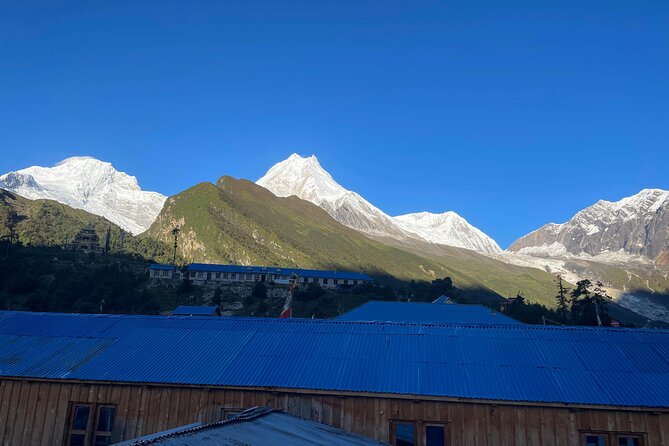
Manaslu Circuit brings big mountains without big crowds. I love the Larkya La Pass moment for its high, exposed feeling and huge payoff views of the Manaslu massif. I also like that this trek uses an oximeter to check oxygen saturation, which helps you pace smarter at altitude. One consideration: this is not a casual walk, so you’ll want solid stamina for steep, sometimes rocky days and early starts.
You start with a smooth Kathmandu welcome through Wonder Himalaya, then you work your way from riverside forests into Tibetan-influenced villages. Since it’s a private group setup, you’re not sharing the trail with a random mix of strangers, which makes the days feel more focused and calm.
In This Review
- Key things to know before you go
- Why the Manaslu Circuit feels calmer than many Nepal treks
- Wonder Himalaya logistics: getting from Kathmandu onto the trail
- Kathmandu to Maccha Khola: the first taste of the Budhi Gandaki
- River forests to Jagat: lush walking and bridge crossings
- Deng to Namrung: Tibetan influence starts showing up
- Namrung to Shyala: mani walls, chortens, and rhododendron climbs
- Sama Gaon and the acclimatization day: Birendra Taal and Labrang Gompa
- Samdo Village push and prayers in the wind
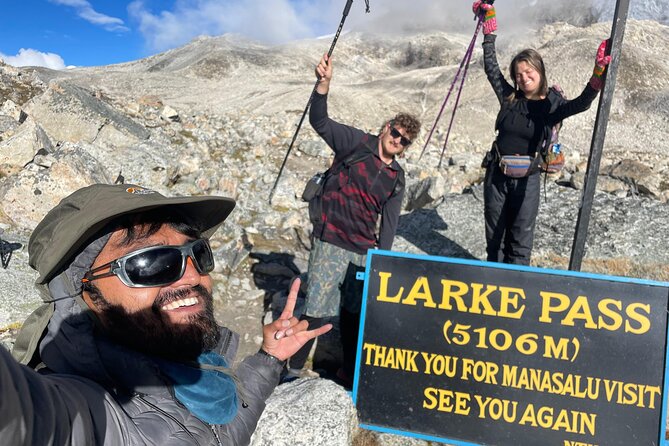
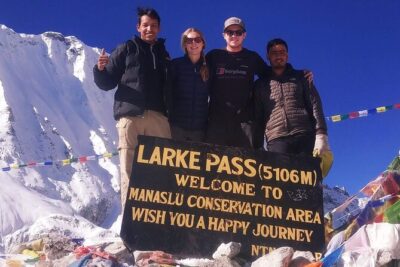
- The Larkya La crossing: where effort meets big views
- Descending back to forests and the long road home
- Oximeter checks and included gear: comfort that matters at altitude
- Price and value: is $1,099 fair for this route?
- Guide support in the real world: what Santosh and Niranjan represent
- Who should book the Manaslu Circuit trek like this
- Should you book this Manaslu Circuit trek?
- FAQ
- How long is the Manaslu Circuit Trek with this tour?
- What is the price per person?
- What permits are included?
- Does the trek include oxygen or health monitoring?
- Is trekking gear included?
- What is the cancellation policy?
Key things to know before you go
- Less-crowded trekking feel in the Manaslu Conservation Area, with the chance to see high-altitude wildlife the region is known for (even if sightings aren’t guaranteed).
- Proper altitude rhythm, including a dedicated acclimatization day around Sama Gaon with a hike to Birendra Taal and a monastery visit.
- Real cultural transitions, from subtropical forests into Tibetan-style villages like Bihi and Namrung with mani walls and chortens.
- Larkya La crossing on Day 11, followed by a long descent to Bhimtang where the mountain views keep coming.
- Included support and gear, including a government-registered guide, strong porter backing, and trekking poles plus a down-filled sleeping bag.
- Route permits are included, covering Manaslu Conservation Area, Annapurna Conservation Area, and restricted-area requirements.
More trails out of Kathmandu, boots ready
- Everest Base Camp Trek – 14 Days★ 5.0 · 1,499 reviews
- Everest Base Camp Trek★ 5.0 · 842 reviews
- Everest Base Camp Trekking★ 5.0 · 485 reviews
- Nagarkot Sunrise View and Day Hiking from Kathmandu★ 5.0 · 471 reviews
Why the Manaslu Circuit feels calmer than many Nepal treks
The Manaslu Circuit is famous for its scale, but what you’ll notice first is the vibe. This route is described as one of the more satisfying and less crowded options in Nepal, and that matters. When the trail isn’t clogged, you get space to breathe, look at prayer flags without people blocking the view, and actually enjoy the slow build toward higher ground.
You’re also trekking inside the Manaslu Conservation Area around Mt. Manaslu (8,163 m). That doesn’t mean you’ll see a snow leopard on cue, but it does mean you’re walking through a protected landscape where wildlife like Himalayan tahr and blue sheep are part of the local natural story. Even on days when the route feels tough, the setting has a sense of purpose.
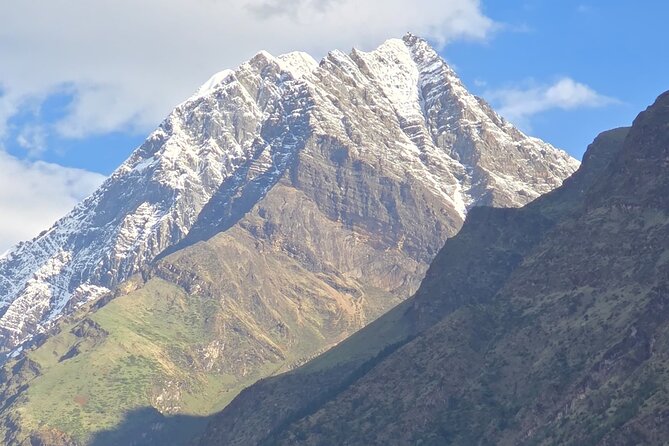
And yes, the views are the headline here. The trek is positioned around “360 close views” of the Manaslu massif and neighboring peaks, so you’re not just getting one postcard moment. You get repeating glimpses as you gain elevation, especially once you’re moving through alpine forests, ridges, and the higher valleys near Samdo and Larkya La.
Wonder Himalaya logistics: getting from Kathmandu onto the trail
Your trip starts in Kathmandu with an airport greeting at Tribhuvan International Airport (TIA). A Wonder Himalaya representative meets you with a name placard, and that small detail helps a lot when you land after a long flight. From there, the trek’s first big shift is transportation: an early breakfast in Kathmandu, then a scenic drive toward Maccha Khola.
This trek uses included road transfers between key points (Kathmandu to Machikhola, and later Tilche to Besisahar, plus Besisahar back to Kathmandu). Practically, it means you don’t have to solve the logistics puzzle while you’re tired from travel days.
The trip is also set up as a private tour/activity, meaning you’re trekking with your own group. That tends to make mornings and meal-time decisions easier because the pace stays consistent.
Permits matter too, and in this package they’re handled for you. You’ll have the Manaslu Conservation Area Permit, the Annapurna Conservation Area Permit, and a Restricted Area Permit included. That’s one less headache to manage, and it helps you avoid the common last-minute scrambling that can happen on trekking trips.
Kathmandu to Maccha Khola: the first taste of the Budhi Gandaki
Days 1 and 2 are about transition. You land, meet your team, eat an early breakfast, then head out by road toward Maccha Khola. Along the route, you’ll get sightlines toward the Trishuli and Budhi Gandaki River system.
Why this matters: those river valleys set the emotional tone for the trek. You’re not starting at altitude already. You’re starting in motion, watching terrain change, and learning what kind of days you’ll have. If you’re the type who likes to understand the map with your eyes, the drive helps you “place” what you’ll later see on foot.
The Maccha Khola night is your buffer before the official trek begins. It’s a good rhythm for many people because it reduces the chance that you’ll feel rushed into Day 3 while your body is still adjusting to Nepal time.
River forests to Jagat: lush walking and bridge crossings
Once the trek begins, you start heading toward Jagat through lush subtropical forests and alongside the Budhi Gandaki River. This is where you learn the practical rhythm of the trail: mornings start early, the walk is steady, and the landscape is busy with life rather than just views.
On the next segment, you’re moving through dense forest with rhododendron in the mix. There are also several suspension bridges that sway above rushing rivers and streams. Bridges are not glamorous, but they’re real moments on this route. They slow you down just enough to remind you this is an active trek, not a stroll.
A small consideration here: suspension bridges and forest trails can be slippery in bad weather. The package includes a trekking guide and support crew, which usually means you won’t be left guessing which footing to take—but you should still pack for wet trails and plan for careful steps.




Deng to Namrung: Tibetan influence starts showing up
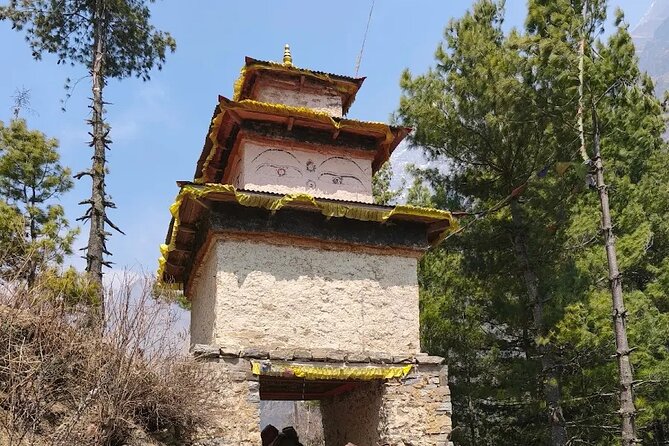
As the trek continues, you move from Deng toward Namrung. This is one of the more interesting cultural transitions because you pass through Bihi Phedi and Bihi, villages where Tibetan influence becomes more visible.
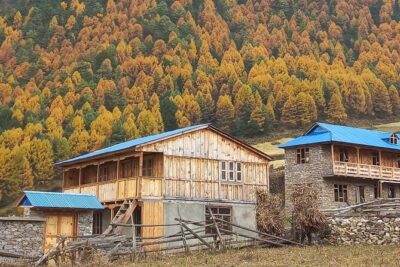
You’ll also spend time walking through dense forests, but the tone changes. The higher you go, the more the architecture and signs of local religion start to feel central to the route. This is when mani walls and village textures begin to match what you might associate with Tibetan culture: prayer flags, stones marked with Buddhist prayers, and a calmer, more sacred feel to the settlements.
Namrung is a key staging point. It’s not the highest view spot yet, but it’s where the scenery starts to feel more “Himalayan” and less “river valley.” If you like cultural travel as much as mountain travel, this is a good stretch to pay attention.
Namrung to Shyala: mani walls, chortens, and rhododendron climbs
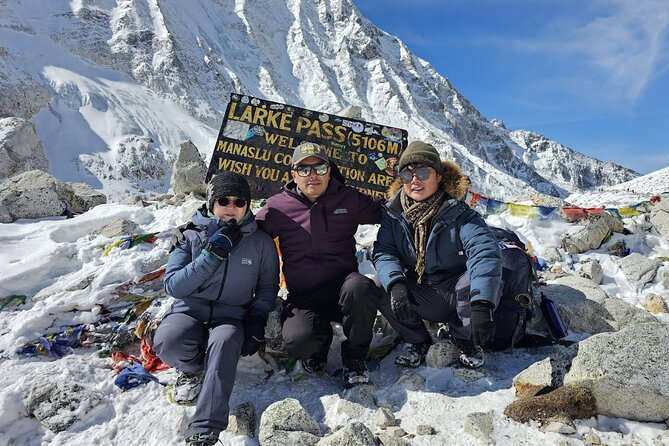
From Namrung to Shyala, you’re ascending through forests with rhododendron and pine. This is a day where you’re likely to feel the climb in your legs, but the scenery keeps the effort from feeling pointless.
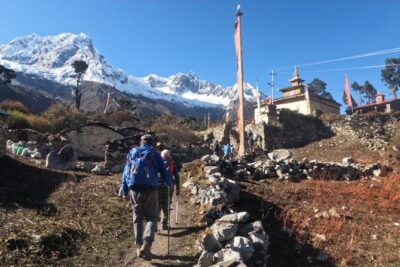
Along the way, you pass traditional Buddhist mani walls and chorten structures. These details may look simple at first glance, but on the circuit they act like wayfinding landmarks and cultural punctuation. You’re not just walking from place to place. You’re moving through a living religious route that people use year after year.
One practical tip: when you’re surrounded by trees, it’s easy to lose track of how high you’ve gained. Keep an eye on your breath and the pace your guide sets. The trek plan here is built around moderate fitness, but that doesn’t mean the mountains don’t demand respect.
Sama Gaon and the acclimatization day: Birendra Taal and Labrang Gompa
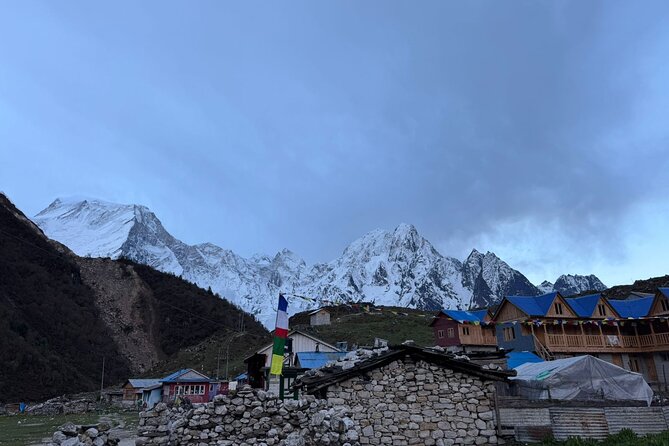
The route continues toward Sama Gaon through alpine forests and open ridges. This is where the Manaslu massif starts to feel close, watching over you as you move. You’re also likely to notice wider sightlines and sharper contrasts between sun and shade.
Then comes a major win for your itinerary: a dedicated rest and acclimatization day. Instead of pushing higher every single day, you get a day designed to help you adjust physically and mentally, so you can continue with better energy.
On this day, you’ll hike to Birendra Taal (named after the late King Birendra of Nepal). The information for the short hike shows admission ticket as free, and it’s the kind of outing that keeps you active without exhausting you.
You’ll also visit Labrang Gompa, also referenced as Kargya Chholing monastery. Monastery time on a trek like this is rarely about rushing through. It tends to mean observing Buddhist architecture and traditions and seeing monks involved in blessing ceremonies. Even if you don’t understand every ritual, you’ll feel the difference between simply walking past a building and spending time in a place that local people treat as sacred.
Samdo Village push and prayers in the wind
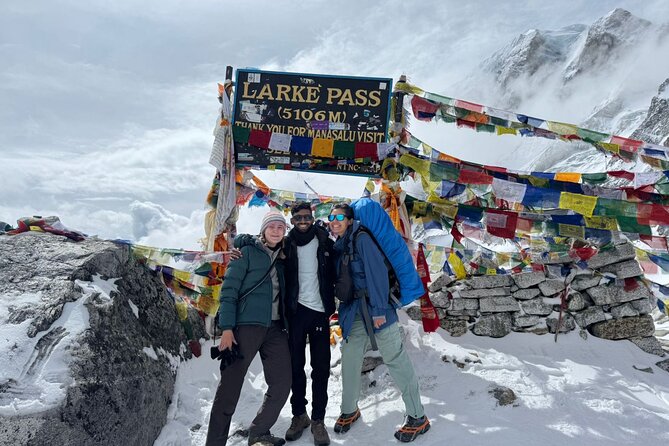
After Sama Gaon, the trek moves higher toward Samdo Village. The route description emphasizes that the Manaslu peak is watching over you, which matches what many trekkers feel once the trail gets into more open, higher terrain.
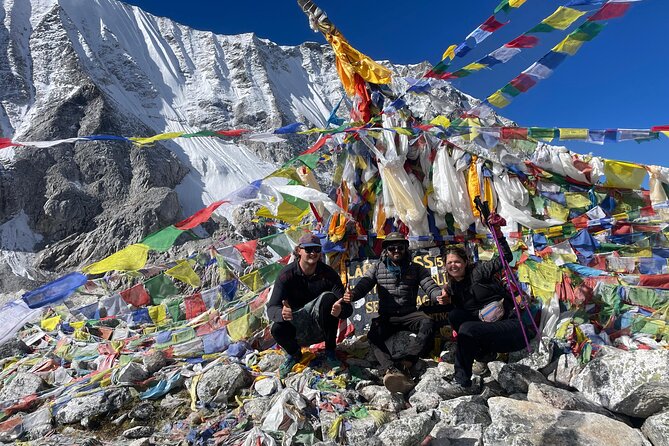
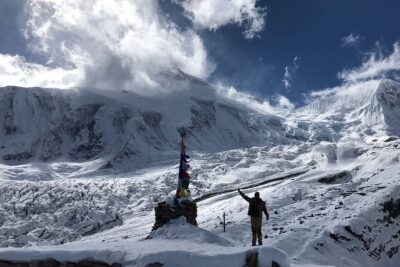
As you ascend further, the trail becomes rockier in places. You’ll also see prayers flags fluttering along the way. Those flags aren’t just decoration. They’re part of the route’s spiritual logic, and when they’re moving in mountain wind, the whole landscape feels more alive and less just scenic.
This stretch is where pacing really matters. You’ll feel altitude more, even if you’re in good shape. That’s where the included support becomes useful: an experienced licensed guide, plus the oximeter check to monitor oxygen saturation and help prevent you from forcing the pace.
The Larkya La crossing: where effort meets big views
Day 11 is the headline day. You start early with a breakfast, then cross Larkya La Pass on the route toward Bhimtang. The trek description points to crossing streams and moving through sections of rocky path, with a long day that includes both the pass crossing and the downhill follow-through.
After crossing, you head downhill for several hours through rocky paths and open valleys until you reach Bhimtang, where you stay for the night. This part is important: the pass is only half the challenge. Your legs also need to recover from descent work, and downhill can be just as taxing as going up if you’ve never done long steep descents.
Once you reach Bhimtang, the mountain view experience doesn’t shut off. You’re positioned for snow-capped mountain scenes and wide sightlines during the evening and into the next day.
Descending back to forests and the long road home
On the next segment, you leave Bhimtang after an early breakfast and descend into lower elevations. The description highlights lush forests of pine and rhododendron, plus occasional glimpses of distant mountains.
This is a relief day for many people: the air can feel easier, and the trail changes character again. When you’ve been dealing with altitude and rocks, forest walking feels more normal.
Then comes the longer travel day back to Kathmandu. You’ll leave on road, with a jeep segment toward Besisahar and views from the window along rough roads. You’ll also explore Besisahar on the way, which is a nice change of pace after days of walking. And once you reach Kathmandu, your final day ends with a transfer to Tribhuvan International Airport.
Oximeter checks and included gear: comfort that matters at altitude
This trek includes more than just a guide and a route. You also get trekking equipment: down-filled sleeping bag and walking poles. That’s a meaningful value detail, because good sleeping gear is essential when nights get cold and you’re tired.
Walking poles can also make a difference, especially on the descent after Larkya La. Less strain means you wake up less beaten up.
The package also includes an oximeter to check heart rate and oxygen saturation. That doesn’t replace smart trekking habits, but it gives you a clearer sense of how your body is responding at higher elevations. If you’re prone to pushing because you feel okay in the moment, this kind of monitoring can nudge you toward a steadier pace.
One small but real comfort note: coffee, tea, bottled water, snacks, and electronic recharging are not listed as included. You’ll want to plan for the little purchases that keep energy up between meals and help you stay warm.
Price and value: is $1,099 fair for this route?
At $1,099 per person for a 14-day Manaslu Circuit trek, the value comes from what’s included, not just the headline number.
Included items you should treat as part of the real price:
- Government-registered trekking guide
- Permits for Manaslu Conservation Area, Annapurna Conservation Area, and restricted areas
- Oximeter monitoring
- Trekking equipment: down sleeping bag and walking poles
- Meals: lunch (11), dinner (11), breakfast (13)
- Route map
- Included road transportation segments (Kathmandu to Machikhola, and later returns)
Not included items you should budget for:
- Bottled water
- Snacks
- Coffee/tea and alcohol
- Travel insurance and medical evacuation
- Personal expenses
- Electronic device recharging
- Private transportation upgrades
So is it fair? For the length of the trip and the permit load, plus the guide support and included sleeping gear, it’s positioned as competitive. The strongest part for value-minded trekkers is that you’re not paying extra line-by-line for basics like permits and the guide structure.
My practical advice: the biggest variable cost will be your daily comfort spending (snacks, drinks, charging). If you keep that controlled, you’ll feel good about the overall value.
Guide support in the real world: what Santosh and Niranjan represent
The names that come up are consistent: Santosh as a caring, attentive guide, and Niranjan as part of the booking-and-offer side. In feedback, Santosh is described as watchful about the group, waiting if anyone falls behind, and also managing for finding people who might wander out of the main flow.
That kind of attention matters on the Manaslu Circuit because the route demands focus. Weather can shift. Trails can get rocky. And when you’re tired, it’s easy to drift off pace. A guide who handles the group like this tends to reduce stress for you, even if the trail stays tough.
There’s also a clear sense that coordination is responsive. One mention includes Niranjan shaping an offer to match preferences, which usually means you’re not just buying a fixed product with no flexibility.
Who should book the Manaslu Circuit trek like this
This trek is a solid match for you if:
- you have moderate physical fitness and are comfortable with a multi-day trek
- you want both mountain views and culture (monasteries, mani walls, Tibetan-influenced villages)
- you like a less crowded route where the days feel personal rather than chaotic
- you appreciate support structure like an oximeter check and included trekking gear
It might not be the best fit if:
- you want a low-effort holiday without steep or rocky sections
- you’re sensitive to altitude and you’ve not trained for sustained walking days
- you don’t want to plan for extra spending on water, snacks, and small comfort items
Also, note the travel style: this is private group trekking, so you should expect your schedule to be guided by the route plan rather than by lots of optional detours.
Should you book this Manaslu Circuit trek?
I’d say yes if you want the classic Manaslu Circuit experience with less crowd noise, strong guide support, and key permits and trekking basics already handled. The acclimatization day around Sama Gaon is a smart inclusion, and the Larkya La crossing is the kind of mountain milestone that makes the whole circuit feel worth it.
I’d pause before booking if you’re unsure about your altitude readiness or you want something purely easy and flat. This route asks you to work, especially around the higher elevations and the day after Larkya La descent.
If you book, do the simple prep that makes a big difference: train for sustained walking, pack for cold nights, and plan for extra costs like bottled water and snacks so you’re not surprised midway.
FAQ
How long is the Manaslu Circuit Trek with this tour?
It’s listed as 14 days (approx.).
What is the price per person?
The price is $1,099.00 per person.
What permits are included?
The included permits are Manaslu Conservation Area Permit, Annapurna Conservation Area Permit, and Restricted Area Permit.
Does the trek include oxygen or health monitoring?
Yes. The package includes an oximeter to check heart rating and oxygen saturation.
Is trekking gear included?
Yes. It includes a down-filled sleeping bag and walking poles.
What is the cancellation policy?
Free cancellation is available up to 24 hours in advance for a full refund. Within 24 hours, refunds are not available.
More Trekking Out of Kathmandu






More Tour Reviews in Kathmandu




Just Reviewed in Kathmandu
- Mountain Bike Tour
★ 5.0 · 3 reviews - Annapurna Panaroma
★ 5.0 · 3 reviews - Mount Everest Scenic Flight 50 Minutes
★ 5.0 · 3 reviews - Kathmandu : Swambhunath & Durbar Square Guided Half Day Tour
★ 3.3 · 3 reviews - Chandragiri Cable Car & Monkey Temple Tour – Private/Group
★ 5.0 · 3 reviews - Kathmandu: Shivapuri National Park Hiking Day Trip
★ 3.3 · 3 reviews
Manaslu Circuit Treks, compared.
 ★ 5.0Manaslu Circuit TrekFrom $1,190292 reviews
Manaslu Circuit TrekFrom $1,081184 reviews
★ 5.0Manaslu Circuit Trek:From $1,099106 reviews
 ★ 5.0Manaslu Circuit Trek (15 Days)From $1,65750 reviews
Manaslu Circuit TrekkingFrom $1,49944 reviews
 ★ 5.016 Day Private Manaslu Circuit Trek from KathmanduFrom $1,13542 reviews
★ 5.0Manaslu Circuit TrekFrom $1,90035 reviews
 ★ 5.0Manaslu Circuit Trek 13 DaysFrom $1,40030 reviews
Browse the lists this tour appears in