
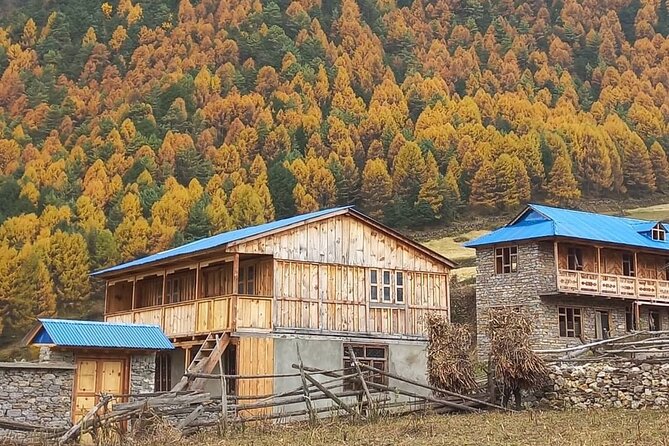
Review · MANASLU CIRCUIT TREKS
Manaslu Circuit Trek 15 Days.
Manaslu is the circuit that earns its views. This 15-day trek builds acclimatization and saves the big moment for Larkya La Pass (5167 m), then strings together forests, rivers, and mountain villages into a route many people choose over busier Annapurna and Everest options. I also like the human, practical side: licensed guides plus a porter setup (one porter between two clients), with key permits like ACAP, MCAP, and the Manaslu Special Permit handled. One possible drawback: you’ll want real stamina for long hiking days and thin-air altitude, and weather can force schedule tweaks.
The logistics are refreshingly clear. You get airport pickup/drop-off, a comfortable start in Kathmandu (Royal suite Kathmandu, bed and breakfast), then lodge nights on the trail so you aren’t making daily decisions at altitude. Just remember the price doesn’t cover Kathmandu meals, drinks, or tips, so budget for those extras before you commit.
In This Review
- Key things that make this Manaslu Circuit plan worth your attention
- Manaslu Circuit’s appeal: quiet villages, real work, big payoffs
- Price and logistics: what $1,395 covers (and what it doesn’t)
- Kathmandu setup: Thamel, your briefing, and the night before you climb
- Heading into the hills: Arughat to Soti Khola to Machha Khola
- Bridges, rivers, and the first real trekking feel
- Jagat to Deng: mountains start showing up in fragments
- Alpine days and Tibetan villages: Sho and Lho bring a different rhythm
- Samagaon, rest, and acclimatization you’ll actually want
- Samdo and Dharmasala: where the trail edges closer to the border feeling
- The Larkya La Pass day: your biggest effort, your biggest reward
- Down to Tilje and the Annapurna connection: easier walking, still not easy
- Finishing the circuit: jeep to Kathmandu and the river-drive relax
- Guides and safety: what to look for once you’re on the ground
- Who should book this Manaslu Circuit trek
- Should you book this Manaslu Circuit tour?
- FAQ
- What is the highest point on the Manaslu Circuit in this trek?
- Where do you meet and where does the trek end?
- What kind of lodging is included in Kathmandu and on the trek?
- Are permits included?
- Do you get a guide and a porter?
- What meals are included, and what meals are not?
- Do I need moderate fitness for this trek?
- What happens if the trek is canceled due to poor weather?
Key things that make this Manaslu Circuit plan worth your attention
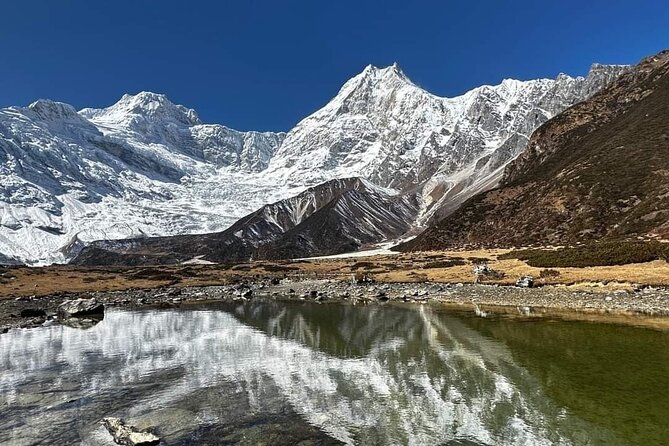
- Larkya La Pass as the hard highlight at 5167 m, reached with enough structure to support acclimatization
- Permits are pre-arranged (ACAP, MCAP, and the Manaslu Special Permit), so you’re not chasing paperwork in Kathmandu
- Porter support is shared (one porter between two trekkers), which helps you keep your hiking pack sensible
- Tibetan-influenced villages appear early and often, especially around Sho and Lho with monasteries, mani walls, and chortens
- A mix of travel modes keeps the trek from feeling like one endless shuffle: bus and jeep transfers plus true hiking days
More trails out of Kathmandu, boots ready
- Everest Base Camp Trek – 14 Days★ 5.0 · 1,499 reviews
- Everest Base Camp Trek★ 5.0 · 842 reviews
- Everest Base Camp Trekking★ 5.0 · 485 reviews
- Nagarkot Sunrise View and Day Hiking from Kathmandu★ 5.0 · 471 reviews
Manaslu Circuit’s appeal: quiet villages, real work, big payoffs
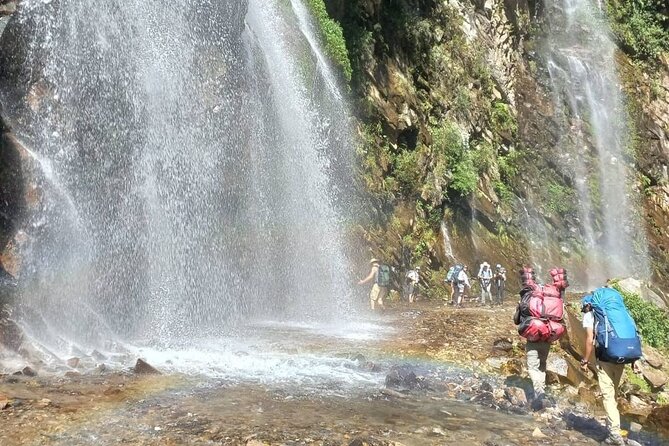
Manaslu has a reputation for feeling less crowded than some of Nepal’s headline treks, and that matters. You’re walking through a region where the scenery changes often—forests and river crossings early on, then Tibetan-style religious markers as the trail climbs into higher areas. It’s the kind of route where you earn the views, not just pass through them.
The route also gives you a strong sense of culture on the move. You’ll pass through communities with both Nepalese and Tibetan ethnic roots, and you’ll see mani walls and chortens tied to the Himalayan way of life. Even when the hiking is slow and steady, the villages keep the trek interesting.
The hard part is the same reason the trek is so satisfying: the altitude and the long days. If you’re expecting a casual stroll, you’ll probably feel it, especially once you’re getting near the Larkya La crossing.
Price and logistics: what $1,395 covers (and what it doesn’t)
At $1,395 per person for a roughly 15-day trek, this package is built around the things that usually add up: local transportation, guides, permits, and most meals on the trail. You also get a head start with airport pickup and drop-off, plus a guaranteed hotel base in Kathmandu before you drive out to the mountains.
Here’s the value breakdown based on what’s included:
- 3 nights in Kathmandu at Royal suite Kathmandu (bed and breakfast)
- 12 nights on the trek in mountain lodges
- Licensed trekking guide and porter support (one porter between two clients)
- All permits for ACAP, MCAP, and the Manaslu Special Permit
- Ground transport by bus/jeep
- Meals on trek: breakfast every trekking day (15), lunch 13 days, dinner 13 days
What’s not included is just as important for your budget:
- International flights
- Meals in Kathmandu
- Drinks during the trek (tea/coffee and soft drinks, plus alcoholic drinks and bottled water are not included as listed)
- Tips for guide and porter
- Any extra costs from early returns due to unforeseen events
In other words, you’re paying for a guided, permit-complete trek with most trail meals handled. You’re still responsible for the personal stuff that always shows up in Nepal—especially drinks, extras, and tipping.
Kathmandu setup: Thamel, your briefing, and the night before you climb
Your first day is about getting your bearings. You land at Tribhuvan International Airport and get picked up for the drive to Thamel, the classic Kathmandu neighborhood where travel services cluster and the streets feel alive. You’ll stay at Royal suite Kathmandu for bed and breakfast and get a briefing on the detailed plan.
This hotel night is more than just comfort. A good Kathmandu start helps with jet lag, gear checks, and making sure you understand what to expect before the trekking rhythm takes over. If you’ve ever tried to figure out last-minute logistics while feeling tired, you know why that matters.
Heading into the hills: Arughat to Soti Khola to Machha Khola
The trek opens with a long travel day, which is normal for Manaslu. You’ll head from Kathmandu about 6:30 AM by drive to Arughat, then switch to a local jeep to reach Soti Khola for the lodge night.
Day 3 continues the “get moving” approach. You travel from Kathmandu about 6:00 AM to Machha Khola by bus, then overnight in a lodge. These early legs matter because they prevent you from starting the trek already exhausted from hours of trail walking on day one.
The practical upside: you arrive at trail days with enough energy to actually enjoy them. The consideration: this is not a trek that starts with a gentle sunrise hike. Plan for bumpy roads and longer transit time.




Bridges, rivers, and the first real trekking feel
Once you’re on foot, you’ll start earning your progress. A typical mid-early day includes crossings and varied terrain: you’ll move through places like Khola Bensi and Tatopani, including a suspension bridge crossing that gives you that classic river-valley trekking feeling.
From there, the route continues with some challenging moments as the trail threads around valleys and shifts between ups and downs. The day described includes passing through areas like Doban, and then reaching Jagat for the overnight lodge.
If you like trekking that keeps you alert—watching footing, timing your rest stops, and adapting to changing terrain—this section fits. If you want perfectly smooth walking, you may find the gravel and bridge transitions a bit much on tired legs.
Jagat to Deng: mountains start showing up in fragments
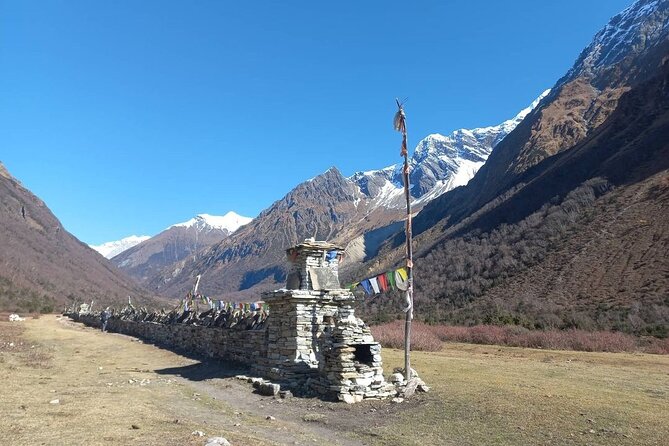
The trek keeps building. From Jagat, you head toward Film, and the walking alternates between climbing and descending. You’ll pass river segments again and again, which is one of Manaslu’s defining traits: movement that follows water, then moves away from it, then brings you close again.
This is also where views start arriving like small rewards rather than one big reveal. From spots like Sageleri, you can capture the sight of Sringi Himal, and later, while passing Gata Khola, you get views of Ganesh Himal. By the time you turn up at Deng, you’re not just walking through the valley—you’re learning how the peaks reveal themselves across the route.
The lodging stays in lodge style (basic, functional), but the experience is about the pattern: work, reward, and repeat.
Alpine days and Tibetan villages: Sho and Lho bring a different rhythm
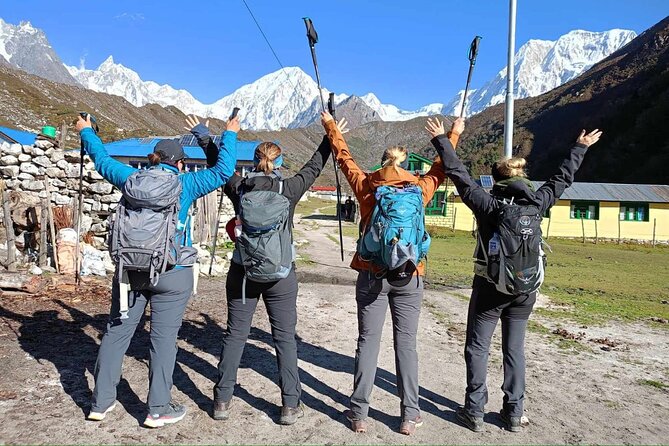
As you move deeper, the trek shifts into higher territory. Days in this stretch mention moving through alpine zones with mani walls and enjoying mountain views with a more open, high-altitude feel. You’ll also pass areas connected with the Buri Gandaki and reach Namrung for the night.
Then you start seeing the Tibetan influence clearly. You’ll arrive around Sho, a Tibetan village with monastery culture, and continue on toward Lho, described as a large village with monasteries, mani markers, and chortens. It’s one of the reasons people say Manaslu feels like a different Nepal than the classic postcard routes.
The hiking time in this segment is moderate by day-count, but the altitude adds pressure. The good news: you’re not just slogging uphill nonstop. The days include streams and glacier-adjacent scenery, and the villages give you breaks that feel meaningful rather than just “stop and eat.”
Samagaon, rest, and acclimatization you’ll actually want
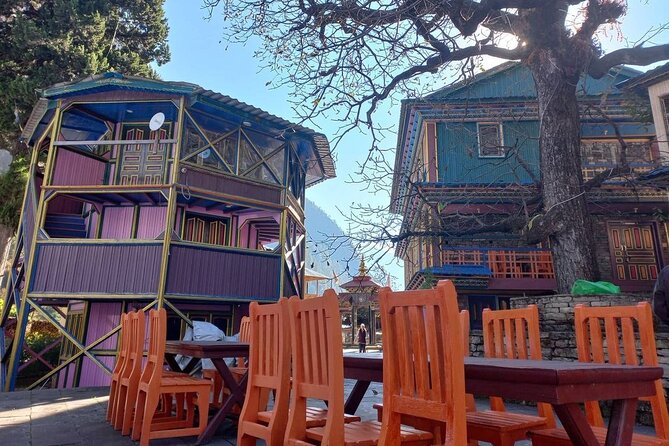
The trek spends real time in areas around Samagaon, with routes going through Sho, Lho, and Shyala. You get strong sightlines toward big names in the Manaslu region, including Mt. Manaslu plus Himal Chuli and other peaks mentioned. This is also a good stretch for slowing down mentally, because the scenery is doing a lot of work.
Then comes the key acclimatization day. Today is described as a rest day, but it’s not a total couch day. You can hike toward Manaslu Base Camp or Punggyen Gompa, depending on how you feel. This kind of flexibility is a smart way to prevent altitude headaches from turning into an anxious spiral.
If you’re prone to rushing or second-guessing, use this day to practice a calmer trekking style: short stops, steady pace, and drinking water even when you don’t feel thirsty.
Samdo and Dharmasala: where the trail edges closer to the border feeling
Your route climbs through forested sections (birch, juniper, rhododendron are mentioned) and includes a dramatic setting around Samdo. The trail passes near a stone arch and continues into a more remote, border-like zone where the trekking path divides toward the Tibetan border.
Samdo is also where the environment feels quieter and more serious. The trail is described as moving onward toward Dharmasala, including views tied to Larkya Glacier and then reaching Larke Phedi for the night. This stretch is where you start feeling that the big crossing is no longer a plan—it’s coming.
The Larkya La Pass day: your biggest effort, your biggest reward
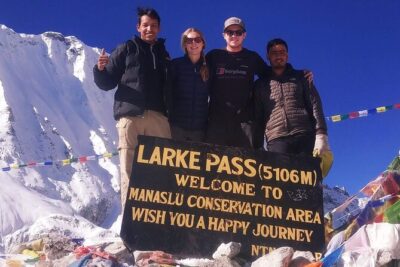
The highlight is the day that includes Larkya La Pass. Expect a long outing with snow-enclosed rock sections and intense high-altitude effort. The route description includes views of peaks such as Kangguru, Himlung, Annapurna II, and Cheo, and also references Cho Danda and Larkya Peak as part of what you’ll see during the climb.
Then, after the pass effort, you descend toward Bimtang. This matters because after the high point, you need a place to land physically and mentally. The next day continues the pattern, but the hardest altitude work is behind you once the pass is done.
One practical note: even if you’re fit, that pass day can be mentally demanding because conditions can change quickly at elevation. The best approach is simple: slow steps, keep moving, and don’t let ego take over.
Down to Tilje and the Annapurna connection: easier walking, still not easy
After Bimtang, the route describes a move downward toward Tilje, with forests and pasture areas along the way. It’s described as a less troublesome trek compared with the pass day, and that’s real relief. But “easier” still means you’ll be walking, and altitude still lingers in your legs.
Tilje becomes your overnight lodge stop, and then you continue toward Dharapani. From there, you’re on an Annapurna Circuit-style path and you take a jeep to Beshisahar. This is a nice transition moment: you go from mountain walking to a motor ride that lets your body recover.
Finishing the circuit: jeep to Kathmandu and the river-drive relax
Your final day is about recovery. You take the jeep from Beshisahar back to Kathmandu, with a drive along Marsyangdi and Trishuli river areas mentioned along the route. When you arrive in Kathmandu, the trek ends and you go onward to your next destination.
This return ride is not a throwaway day. After days of trail discipline, it feels good to move at a human pace again—windows open, fewer decisions, and a chance to let your mind catch up to your legs.
Guides and safety: what to look for once you’re on the ground
The operator is led by Beyond The Limits Treks & Expedition, and the trekking guide is a government license holder. In the trek planning style shown by their teams, the guide’s job is to keep the plan clear and the walking safe—especially around the pass zone.
If you’re lucky with your guide assignment, you may hear names like Kumar Neupane, Jaya Gurung, Dipendra, or DB in day-to-day explanations and pacing. Those names come up as people known for organizing trips well and making sure clients feel guided rather than just processed.
Here’s the practical takeaway for you: once you’re on the trail, ask questions early. If your guide explains the day’s route clearly (and checks how you’re feeling), the whole trek feels more manageable.
Who should book this Manaslu Circuit trek
This is best for you if:
- You have moderate physical fitness and you’re comfortable with long days
- You want a trek with real altitude goals (including Larkya La at 5167 m)
- You like cultural stops in Tibetan-influenced villages like Sho and Lho
- You prefer a package that handles permits, guide, porter support, and most trail meals
It may not be the right match if you want a short, low-effort hike or if you’re very sensitive to altitude. Also, if you hate any form of uncertainty, remember that weather requirements can change plans.
Should you book this Manaslu Circuit tour?
If you want a guided Manaslu experience that focuses on value—permits, licensed guide, shared porter support, and most trail meals handled—this one makes sense. The route is built around a meaningful payoff at Larkya La, plus the cultural texture of the Manaslu region instead of just peak-chasing.
Book it if you can commit to the physical side of trekking and plan for the extra costs not included (Kathmandu meals, drinks, and tips). I’d skip it only if you’re looking for an easy vacation-style walk, because Manaslu asks for steady effort.
FAQ
What is the highest point on the Manaslu Circuit in this trek?
The highest point is Larkya La Pass at 5167 meters.
Where do you meet and where does the trek end?
The start and end point is Beyond The Limits Treks and Expedition P. Ltd., Chaksibari Marg, Kathmandu, Nepal. The activity ends back at the meeting point.
What kind of lodging is included in Kathmandu and on the trek?
You get 3 nights in Kathmandu at Royal suite Kathmandu with bed and breakfast, plus 12 nights in mountain lodges during the trek.
Are permits included?
Yes. The package includes permits for ACAP, MCAP, and the Manaslu Special Permit.
Do you get a guide and a porter?
Yes. You get a government license holder trekking guide, and a porter between two clients.
What meals are included, and what meals are not?
During the trek, breakfast is included for 15 days, and lunch and dinner are included for 13 days. Meals in Kathmandu are not included.
Do I need moderate fitness for this trek?
Yes. The trip notes that travelers should have moderate physical fitness.
What happens if the trek is canceled due to poor weather?
The experience requires good weather. If it’s canceled due to poor weather, you’ll be offered a different date or a full refund.
More Trekking Out of Kathmandu






More Tour Reviews in Kathmandu




Just Reviewed in Kathmandu
- Mountain Bike Tour
★ 5.0 · 3 reviews - Annapurna Panaroma
★ 5.0 · 3 reviews - Mount Everest Scenic Flight 50 Minutes
★ 5.0 · 3 reviews - Kathmandu : Swambhunath & Durbar Square Guided Half Day Tour
★ 3.3 · 3 reviews - Chandragiri Cable Car & Monkey Temple Tour – Private/Group
★ 5.0 · 3 reviews - Kathmandu: Shivapuri National Park Hiking Day Trip
★ 3.3 · 3 reviews
Manaslu Circuit Treks, compared.
 ★ 5.0Manaslu Circuit TrekFrom $1,190292 reviews
Manaslu Circuit TrekFrom $1,081184 reviews
★ 5.0Manaslu Circuit Trek:From $1,099106 reviews
 ★ 5.0Manaslu Circuit Trek (15 Days)From $1,65750 reviews
Manaslu Circuit TrekkingFrom $1,49944 reviews
 ★ 5.016 Day Private Manaslu Circuit Trek from KathmanduFrom $1,13542 reviews
★ 5.0Manaslu Circuit TrekFrom $1,90035 reviews
 ★ 5.0Manaslu Circuit Trek 13 DaysFrom $1,40030 reviews
Browse the lists this tour appears in