
You’re chasing high passes and quiet villages on this trek. I love how the route builds from river valleys up toward Mt. Manaslu (8,163m), then culminates at the dramatic Larkya La Pass (5,160m). The best part for me is the included logistics: a licensed English-speaking trek leader, private vehicle transfers, and teahouse meals handled so you can focus on walking. One drawback to plan for: the days near the pass are long, and the altitude means you’ll need a steady pace and good acclimatization habits.
Kathmandu starts things off in a practical way, with pickup, a 3-star hotel (breakfast included), and dedicated time for sightseeing plus trek prep. I also like that the trek is private for your group (minimum 2 people, up to 15), with a porter setup of 2 trekkers to 1 porter, so you’re not shouldering everything yourself. If you’re expecting maximum comfort, know that the trek includes teahouse stays, so room sizes and shower options can be basic.
What really gives this trek extra confidence is the team approach. Guides named in feedback—like Balu Acharya and Ganesh—are repeatedly described as careful, friendly, and able to adjust to the group when the going gets tough, plus a guide and porter team designed to keep you moving safely at altitude.
In This Review
- Key Points Worth Your Attention
- Kathmandu Prep: Getting Oriented Without Losing a Day
- Days 3–6: From Sotikhola to Jagat and Deng
- Days 7–9: Namrung, Samagaon, and the Pungyen Gompa Side Day
- Days 10–11: Samdo and the Larkya Base Camp Approach
- Day 12: The Big Push to Larkya La (5,160m) and Down to Bimthang
- Days 13–16: Tilije, Tal, Syange, and the Ride Back to Kathmandu
- Teahouse Life and Meals: What You Actually Get
- Guides, Permits, and Safety: The Practical Stuff That Makes It Feel Easier
- Price and Value: What You’re Paying For (and What You’re Not)
- Who This Manaslu Circuit Trek Fits Best
- Should You Book This Manaslu Circuit Trek?
- FAQ
- How many days is the Manaslu Circuit Trek?
- What is the highest point on this trek?
- What’s included in the trek meals?
- Where do you stay in Kathmandu?
- Do you provide permits for trekking?
- Is there porter support?
- Is this tour private?
- What’s the price and group size?
- Do you offer free cancellation?
Key Points Worth Your Attention
- Larkya La Pass (5,160m): the defining crossing that changes the whole feel of the trek
- Manaslu views plus local villages: you’re not just ticking off elevation; you’re moving through real communities
- Permits handled for you: ACAP, MCAP, and TIMS are included, so fewer admin headaches
- Teahouses with full meals included: breakfast/lunch/dinner are taken care of during the trek
- Private group setup: only your group participates, with a minimum of 2 travelers
- Porter ratio (2:1): easier carry load and less strain on your body
More trails out of Kathmandu, boots ready
- Everest Base Camp Trek – 14 Days★ 5.0 · 1,499 reviews
- Everest Base Camp Trek★ 5.0 · 842 reviews
- Everest Base Camp Trekking★ 5.0 · 485 reviews
- Nagarkot Sunrise View and Day Hiking from Kathmandu★ 5.0 · 471 reviews
Kathmandu Prep: Getting Oriented Without Losing a Day
Most trekking disasters start on day one, with confusion and rushed logistics. This trip reduces that stress with airport pickups and drops in a private vehicle, plus a 3-star Kathmandu hotel with breakfast. You arrive at TIA, get transferred, and you’re not left trying to figure out transport or where to meet people.
Day 2 is then used for Kathmandu sightseeing and trek preparation. That matters more than it sounds. You’ll want time to set your gear, confirm what you’ll carry, and get your body used to Nepalese pace and air before you head toward the higher trail days.
A small but real value: the operator provides paperwork and trekking permits (ACAP, MCAP, TIMS) as part of the package. That’s one less thing to stress about while you’re already adjusting to altitude and a new country.
One more practical note: you’ll also receive a mobile ticket. In day-to-day life, that usually means less paper chasing. In places where internet signals can be inconsistent, having a digital confirmation ready can still help you keep things smooth.
Days 3–6: From Sotikhola to Jagat and Deng
The trek proper starts with a long drive. On Day 3, you travel from Kathmandu to Sotikhola, about 8–9 hours on the road. Then you immediately switch gears to hiking on Day 4 from Soti Khola to Maccha Khola, around 6–7 hours. The early days are about settling into rhythm, not conquering anything.
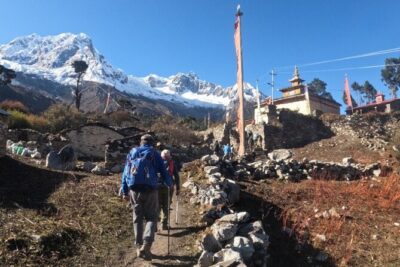
Day 5 moves you from Maccha Khola to Jagat (1,410m) for another 6–7 hours. You’ll notice the valley tightening and the air changing as you gain elevation step by step. Day 6 continues to Deng (1,804m) in about 6–7 hours, where you start to feel the trek becoming more “mountain” and less “river walk.”
Why I like this sequence: the daily hikes are long enough to build stamina, but not so abrupt that everyone shows up to the high altitude days already exhausted. Also, early villages give you a chance to understand the teahouse rhythm—where you’ll eat, recharge, and keep your pack manageable.
If you’re coming in with average fitness, this section is where you either find your pace or pay for it later. Keep it steady, drink when you can, and don’t try to out-walk the altitude.
Days 7–9: Namrung, Samagaon, and the Pungyen Gompa Side Day
Day 7 hikes from Deng to Namrung (2,630m), again around 6–7 hours. Day 8 goes from Namrung to Samagaon (3,530m) for another 6–7 hours. That is a meaningful jump in altitude, and you’ll feel it—especially if you push hard early.
Then Day 9 includes a special twist: you trek from Samagaon to Pungyen Gompa and back to Samagaon for 6–7 hours of walking plus exploration time. This kind of day is a smart design element. It gives you a reason to move with purpose without requiring a full “new village tonight” grind.
This also helps acclimatization. Even if you can’t control the altitude, you can control your behavior—slow steps, extra pauses, and staying warm. Gompa days often bring calmer pacing, which is exactly what you want at this elevation band.
If you like the idea of trekking that mixes effort with cultural and spiritual stops, this is one of the days that can make Manaslu feel more human and less like a set of numbers.
Days 10–11: Samdo and the Larkya Base Camp Approach
Day 10 takes you from Samdo (3,860m) for about 4–5 hours. Day 11 runs from Samdo to Dharamsala / Larkya Base Camp (4,460m), again about 4–5 hours. Shorter walking days here are not a random break. They’re functional. This is where your body starts asking for patience, and the route gives you that.
At these heights, the air can be sharp. You may feel fine at breakfast and then realize by mid-day that your breathing has changed. Keep your pace slow and consistent. If your guide suggests extra rests, treat that as training for the pass, not a delay.
Another value you get during this phase: your trek leader carries a medical kit. It doesn’t mean you should take risks. It does mean you’re not improvising if someone gets a headache, nausea, or other common altitude discomfort.
Also included: the staff costs, plus all meals during the trek. That’s huge at high altitude, because when you’re tired, you still need fuel and hydration. It’s easier when lunch and dinner are already planned.
Day 12: The Big Push to Larkya La (5,160m) and Down to Bimthang
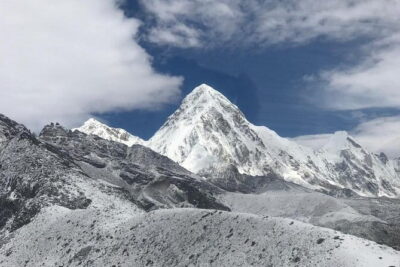
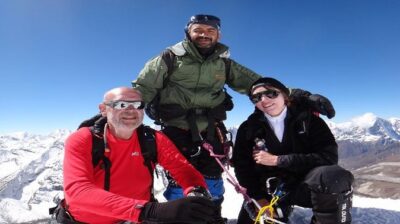
This is the signature day. Day 12 goes from Dharamsala to Larkya La (5,160m) and then down to Bimthang (3,720m). Expect a long day around 8–9 hours.
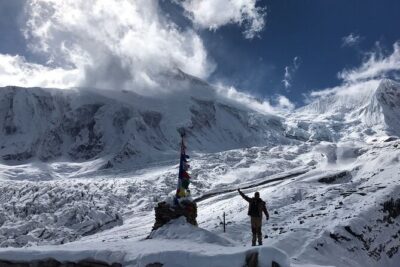
The pass itself is widely known for being dramatic, and you’ll likely see why once you’re climbing toward it. Practically, this is where trekking technique matters more than speed. Use deliberate steps. Take breaks before you feel desperate. Keep your hands warm. And don’t underestimate the descent.
Descending to Bimthang matters too. If you only think about the top, you’ll miss the fact that your legs still have to work for hours after the pass. That’s why the trek’s earlier structure—gradual gains and the side day at Pungyen Gompa—helps you arrive here with less “surprise fatigue.”
This day is also where a good guide makes the biggest difference. In feedback tied to guides like Ganesh and Balu Acharya, the consistent theme is care and adaptation. In practice, that can look like pacing that matches your group, and decisions that prioritize safety over ego.
Days 13–16: Tilije, Tal, Syange, and the Ride Back to Kathmandu
After the pass, Day 13 goes from Bimthang to Tilije (2,300m) for about 5–6 hours. Day 14 moves from Tilije to Tal (1,700m), also about 5–6 hours. Day 15 takes you to Syange (1,080m) for 6–7 hours.
These days often feel like a different trek. You’re moving through changing altitude bands, and the terrain can feel easier on paper but still demanding on the body. Your joints may complain after the Larkya descent. That’s normal. Keep your steps controlled and don’t rush downhill just because you can.
On Day 16, you switch back to comfort: a drive from Syange to Kathmandu, about 8–9 hours. After days of walking, the ride back can feel like pure luxury. It also gives you a clean finish instead of another night on the trail.
Day 17 is departure. You’ll be leaving with a serious sense of having crossed something real—not just walked from teahouse to teahouse.
Teahouse Life and Meals: What You Actually Get
This trek includes teahouse accommodation during the trek and all meals (breakfast, lunch, dinner). That matters for two reasons.
First, you avoid meal logistics. When you’re trekking, you want predictable eating times. Second, it keeps the day stress lower. You’re not trying to hunt for food options as altitude changes.
You’ll also have farewell dinners, which is a nice touch. It signals this is set up as a complete experience rather than a basic hiking schedule.
What to expect for the rest: teahouses can be simple, and the room experience isn’t the point. The point is a warm meal, a bed, and the chance to sort your layers for the next day. If you’re the type who needs constant comforts, plan to pack patience and a good sleep routine.
Also included during the trek: staff support. You get a porter service with a set ratio (2 trekkers to 1 porter), plus staff costs such as insurance, equipment, and food. That helps the entire system run, and it reduces your own load on the days that already feel hard.
Guides, Permits, and Safety: The Practical Stuff That Makes It Feel Easier
This is a private tour/activity, meaning only your group participates. You’re not mixing with random strangers mid-trek. Group size matters on a hard route, and having a defined group with a dedicated trek leader can help pacing.
The trek leader is experienced, English-speaking, and government-licensed. That’s not a small detail. Language clarity reduces mistakes—especially when your guide is explaining what to do at altitude, where you’re going next, or what to prioritize with your gear.
On the permits side, you don’t have to collect or manage ACAP, MCAP, and TIMS yourself. That’s valuable because trekking permits are part of how the region stays regulated and accessible, and it’s easy to get confused when you’re juggling jet lag and unfamiliar paperwork.
Your trip also includes a medical kit carried by the trek leader. Add to that your own common sense—tell your guide immediately if you feel off—and you’ve got the basics covered for a trek that reaches 5160m.
One last point: the trek is described as operating in all weather conditions, so dress appropriately. In the Himalaya, “weather” can mean sun, wind, and sudden cold all in the same day. Bring layered clothing and don’t rely on one warm item to do all the work.
Price and Value: What You’re Paying For (and What You’re Not)
The price is $1,550.00 per group (up to 15) for about 17 days. That group pricing model can be good value if you’re splitting costs with friends or family. It also suggests the company is pricing for private logistics rather than a cheap, bare-bones arrangement.
What’s included goes beyond a guide and a route:
- Private vehicle transfers in Kathmandu, plus drives to and from the trek start/end
- Hotel in Kathmandu with breakfast
- Teahouse lodging during the trek
- All trek meals
- Farewell dinners
- Permits and paperwork
- Porter service (2:1 ratio)
- Government and local taxes
- Medical kit via the trek leader
- All staff costs (salary, insurance, equipment, food, accommodation)
What’s not included is also clear:
- Nepal visa fee and international airfare
- Lunch/dinner in Kathmandu outside the trek period
- Travel and rescue insurance
- Personal expenses like wifi, phone calls, laundry, and water
- Tips for guide/porter/driver
- Any extra nights in Kathmandu if your schedule changes
When I look at value, I focus on how many headaches are removed. Here, the permits, meals, transport, and porters are bundled in. That’s the difference between a trek that feels like a plan and one that feels like a scramble.
One small practical warning: if you’re carrying your own gear and expecting to minimize personal expenses, water and charging costs can add up. Bring what you can, but also expect to pay for convenience in remote areas.
Who This Manaslu Circuit Trek Fits Best
This trek is recommended for people with moderate physical fitness. It’s not presented as a casual walk, and the long pass day makes it clear you’ll be doing real hiking at altitude.
You’ll enjoy it most if you want:
- A route with Manaslu-focused scenery, not just generic mountain views
- Teahouse trekking with meals included
- A guided experience that supports you with safety and pacing
- A private group setup, so you’re not pushed around by strangers
It’s also a good fit for couples and small groups who want to keep the experience personal, especially since the minimum booking is 2 people. It’s not recommended for child aged 10 and under.
If you have altitude concerns, I’d treat acclimatization as serious training. The route’s structure gives you time to adjust, but the pass day still demands respect.
Should You Book This Manaslu Circuit Trek?
If you want a Manaslu Circuit trek where most logistics are handled for you, this one is a strong choice. The included permits (ACAP, MCAP, TIMS), the packed-in meals, and the private transfers reduce the stress that can turn a good trek into an annoying one.
I’d book it if you value:
- A licensed English-speaking guide and a porter ratio that helps your body
- A clear plan that reaches Larkya La Pass (5,160m)
- A company with strong reputation signals, including 100% recommended and a 5-star rating in feedback
I wouldn’t book it blindly if you’re very sensitive to long hiking days or if your group wants maximum comfort. Teahouse living and the length of the pass day are part of the deal.
FAQ
How many days is the Manaslu Circuit Trek?
It’s listed as 17 days (approx.).
What is the highest point on this trek?
The highest point is Larkya La Pass (5,160m).
What’s included in the trek meals?
All breakfast, lunch, and dinner during the trek are included.
Where do you stay in Kathmandu?
You stay in a 3-star hotel in Kathmandu with breakfast.
Do you provide permits for trekking?
Yes. The package includes ACAP, MCAP, and TIMS permits and the necessary paperwork.
Is there porter support?
Yes. Porter service is included with a ratio of 2 trekkers to 1 porter.
Is this tour private?
Yes. It’s a private tour/activity, and only your group participates.
What’s the price and group size?
The price is $1,550.00 per group (up to 15).
Do you offer free cancellation?
Yes. You can cancel up to 24 hours in advance for a full refund.
More Trekking Out of Kathmandu
More Tour Reviews in Kathmandu
Just Reviewed in Kathmandu
- Mountain Bike Tour
★ 5.0 · 3 reviews - Annapurna Panaroma
★ 5.0 · 3 reviews - Mount Everest Scenic Flight 50 Minutes
★ 5.0 · 3 reviews - Kathmandu : Swambhunath & Durbar Square Guided Half Day Tour
★ 3.3 · 3 reviews - Chandragiri Cable Car & Monkey Temple Tour – Private/Group
★ 5.0 · 3 reviews - Kathmandu: Shivapuri National Park Hiking Day Trip
★ 3.3 · 3 reviews
Manaslu Circuit Treks, compared.
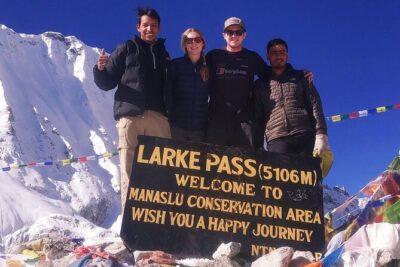 ★ 5.0Manaslu Circuit TrekFrom $1,190292 reviews
Manaslu Circuit TrekFrom $1,081184 reviews
★ 5.0Manaslu Circuit Trek:From $1,099106 reviews
★ 5.0Manaslu Circuit TrekFrom $1,190292 reviews
Manaslu Circuit TrekFrom $1,081184 reviews
★ 5.0Manaslu Circuit Trek:From $1,099106 reviews
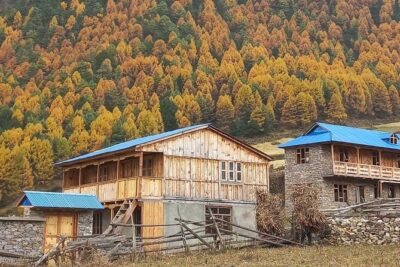 ★ 5.0Manaslu Circuit Trek (15 Days)From $1,65750 reviews
Manaslu Circuit TrekkingFrom $1,49944 reviews
★ 5.0Manaslu Circuit Trek (15 Days)From $1,65750 reviews
Manaslu Circuit TrekkingFrom $1,49944 reviews
 ★ 5.016 Day Private Manaslu Circuit Trek from KathmanduFrom $1,13542 reviews
★ 5.0Manaslu Circuit TrekFrom $1,90035 reviews
★ 5.016 Day Private Manaslu Circuit Trek from KathmanduFrom $1,13542 reviews
★ 5.0Manaslu Circuit TrekFrom $1,90035 reviews
 ★ 5.0Manaslu Circuit Trek 13 DaysFrom $1,40030 reviews
Browse the lists this tour appears in