
Review · MANASLU CIRCUIT TREKS
Manaslu Circuit Trek
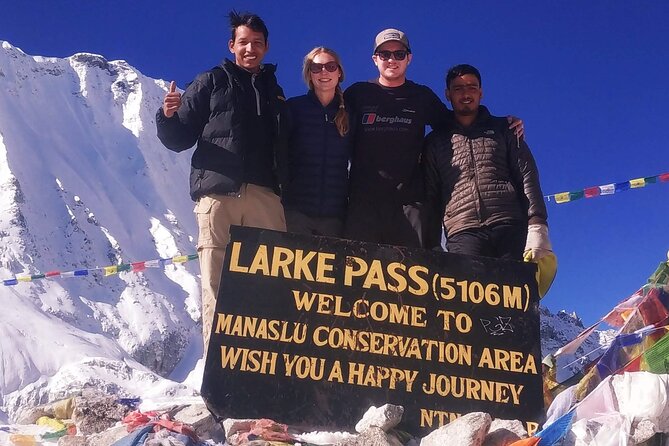
Manaslu feels like Nepal with fewer crowds, and that’s the point of this trek. You get quiet, remote trails around Mt. Manaslu (8156m) and the holy Ganesh Himal region, plus the big moment of crossing Larkya La Pass at 5135m. One thing to plan for though: at this altitude, conditions change fast, and heavy snow can make the pass day harder (or stop it altogether).
I especially liked how the route blends big mountain scenery with real village life in the midwest Himalayan region of Nepal, including traditional Tibetan culture. I also appreciated the practical trekking style here: you’re walking long enough to feel like a real trek, but the plan is built around steady effort, tea house nights, and altitude awareness.
The possible drawback is simply altitude math. The trek climbs gradually to 5135m, so even though technical skills aren’t required, you still need to move slowly and treat altitude sickness seriously—especially on the pass day.
In This Review
- Quick Hits You’ll Feel on the Trail
- Manaslu Circuit’s Quiet Factor: Why This Feels Different
- Kathmandu Arrival and Your 4-Nights-Plus Timing Advantage
- Permits and Conservation Areas: The Paperwork That Buys Access
- The Trek Profile: Subtropical Forest to High Alpine Pass
- Larkya La Pass at 5135m: How to Handle the Big Day
- Tea Houses and Meals: Basic Comfort, Real Routine
- Village Culture in the Midwestern Himalaya: More Than a Viewpoint
- Your Guide and Porter Team: Why Organization Matters Here
- Season Choice: Clear Views vs Lower Crowds
- Difficulty and Training: What Your Body Needs
- Price and Value: What $1,955 Really Covers
- Small-Group Feel and Timing: What You’ll Like in the Practical Details
- Potential Trade-offs You Should Plan for Up Front
- Should You Book the Manaslu Circuit Trek?
- FAQ
- What’s included in the Manaslu Circuit Trek price?
- What is not included?
- Where does the trek start and when?
- What kind of accommodations should I expect?
- How difficult is the trek and what fitness do I need?
- Is the Larkya La Pass crossing guaranteed?
- What’s the best time of year to go?
- How large is the group?
Quick Hits You’ll Feel on the Trail
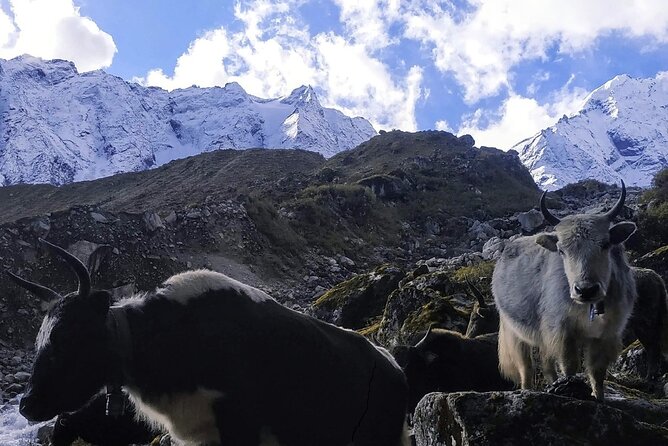
- Remote trails with a calmer pace than Nepal’s more famous routes
- Larkya La Pass at 5135m as the signature high-alpine challenge
- Tea house trekking with all meals included during the trek period
- Manaslu Conservation Area + ACAP permits built into the cost
- Small-group feel with a maximum of 15 travelers
- Guides and porters that keep the trip organized (including examples like Pradip, Dorji, Sonam, and Ang Dawa)
More trails out of Kathmandu, boots ready
- Everest Base Camp Trek – 14 Days★ 5.0 · 1,499 reviews
- Everest Base Camp Trek★ 5.0 · 842 reviews
- Everest Base Camp Trekking★ 5.0 · 485 reviews
- Nagarkot Sunrise View and Day Hiking from Kathmandu★ 5.0 · 471 reviews
Manaslu Circuit’s Quiet Factor: Why This Feels Different
If you’re tired of traffic jams made of hiking poles and selfie sticks, Manaslu is refreshing. The Manaslu Circuit Trek sits in a less-known region compared to the Everest Base Camp and Annapurna Base Camp routes. In practical terms, that means you tend to experience the trail as it was meant to be used: by locals moving between villages, by trekkers who came for the mountains, not the crowd scene.
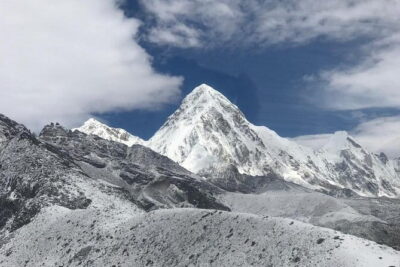
That quieter vibe matters on a trek like this. When you’re walking for hours at altitude, you want your mind to be calm enough to take in what’s around you—snow peaks, ridgelines, prayer flags, and the texture of everyday village life. Manaslu delivers that: views of Mt. Manaslu (8156m), Ganesh Himal (7406m), and other snowy neighbors, plus cultural contact with the people who live in this midwest Himalayan part of Nepal.
Also, you’re not stuck on one single “big highway” of a route. The trek is set up so you can do side excursions within a few hours, which helps you break the monotony that can sometimes happen on long circuits. You’re still trekking the circuit, but you’re also given room to wander a bit and notice more than just the next switchback.
Kathmandu Arrival and Your 4-Nights-Plus Timing Advantage
Your trip starts in Kathmandu with pickup offered from Tribhuvan Airport, and the start time listed is 9:45 am. That timing matters because you’re not just landing and jumping straight onto a plane of stress. You get 4 nights before and after the trek, with welcome and farewell dinners included.
In Kathmandu, accommodations are described as three-star categorized hotels/resorts in major cities, and they can be adjusted based on your preference. After the trek, those return nights help you recover from the effort and the travel day itself. It also gives you a cushion if flights, weather, or the paperwork side takes longer than expected.
If you’ve ever done a high-altitude trek where your first day turns into a blur of logistics, you’ll appreciate the built-in buffer here. You’ll also have time to get your gear in order: check boots, practice layering, confirm water plans, and do the small things that keep a big trek from turning into a collection of annoying surprises.
Permits and Conservation Areas: The Paperwork That Buys Access
This trek includes the special permit for the Manaslu region plus ACA permits (Annapurna Conservation Area). It also covers the route through the Manaslu Conservation Area Project (MCAP) and the Annapurna Conservation Area Project (ACAP).
Why should you care about permits beyond the obvious? Because permits are how access becomes legal and managed. They also usually connect to the guide and local systems that keep routes maintained and trekking activities organized. In this case, the information specifically notes that routes and tea houses were restored, repaired, and re-equipped after earthquake aftermaths. That matters in remote areas where infrastructure isn’t guaranteed day to day.
This is the kind of inclusion that’s easy to ignore when you’re shopping prices. Don’t. If a trek isn’t set up with the proper permits, you can lose days waiting for approvals or dealing with last-minute route changes. Here, it’s part of what you’re paying for.
The Trek Profile: Subtropical Forest to High Alpine Pass
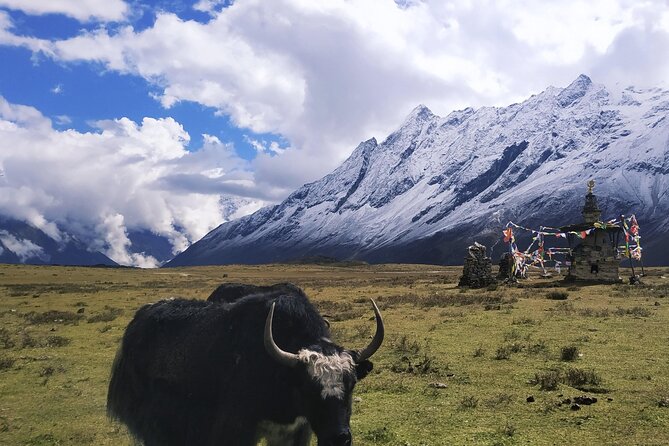
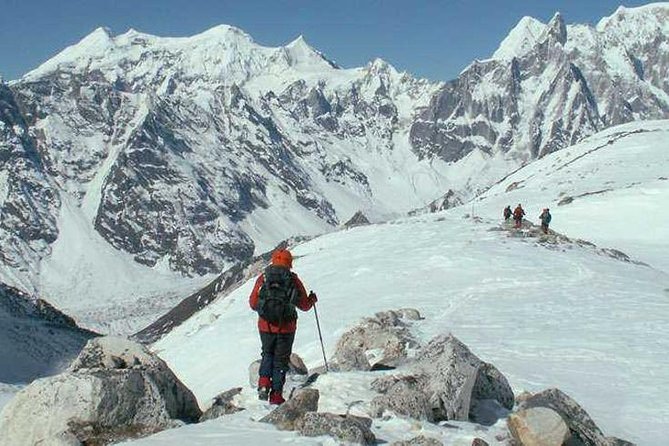
Manaslu Circuit is described as moderately strenuous, and the rhythm is clear: you start lower, gain altitude steadily, and then you hit the big pass moment. The route begins with scenic paths at very low altitude and moves into higher trekking zones until you reach Larkya La Pass at 5135 meters.
You should expect days that can feel demanding. One review-style detail in the supplied info describes walking around 15 km / 8 hours a day on average, with the climb taking roughly 10 days up and 3 days down. Even without that exact pace applying to every itinerary variant, the general reality is the same: you’re not strolling. You’re trekking.
Another good detail for your planning: you carry a light private backpack while the guide and porters handle the heavy lifting setup that the trek provides. The trek is also described as suitable for people who can walk about 5 to 6 hours per day and have at least some short trekking experience. No mountaineering technical skills are required.
You’ll move through:
- Subtropical dense forest in the earlier phases
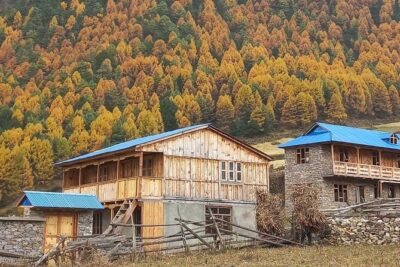
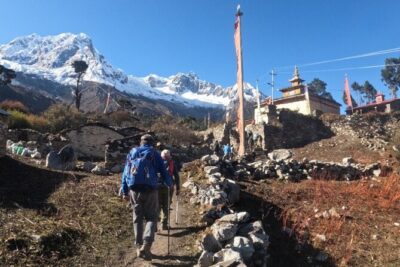
- Traditional villages with Tibetan culture
- Higher alpine terrain as you approach the pass
And because the area is remote and less crowded, you’ll get more time to read the trail and adjust. That can be a huge mental advantage when you’re learning how your body responds to altitude.
Larkya La Pass at 5135m: How to Handle the Big Day
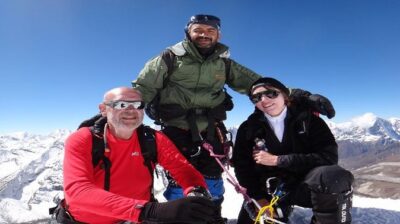
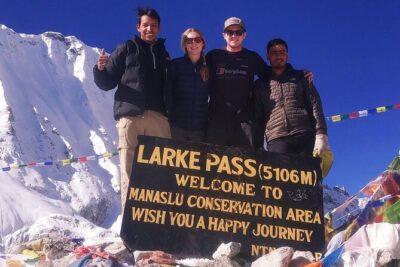
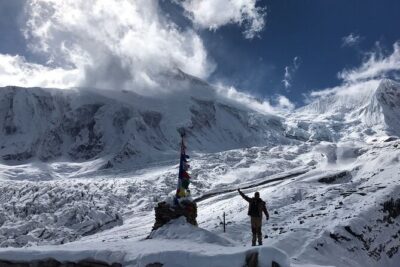
The signature challenge here is Larkya La Pass (5135m). That number is the headline, but what matters is how the day can feel based on snow conditions. The trek description notes that sometimes the pass includes massive snow walls, and sometimes it’s easier with less snow. In other words, the pass day is not a single fixed experience.
So what should you do as the person on the ground? The guidance given is simple and it’s the right kind of simple: slow and steady walk to reduce altitude stress. At this elevation, even strong lungs can get overwhelmed if you push too hard early.
One real-world consideration shows up in the supplied experience notes: there are situations where the team didn’t cross the pass due to heavy snowfall, and they reported it as a snow-condition issue rather than a personal failure. That’s a key takeaway for your expectations. You’re signing up to attempt the crossing under appropriate conditions, not to force it at any cost.
If you want a healthy mindset for this trek, use this framing: the pass is the goal, but conditions decide the exact path. When you plan your body and your schedule around that, you’re less likely to feel blindsided.
Tea Houses and Meals: Basic Comfort, Real Routine
Most nights are in tea house lodges along the route. These are not luxury hotels, and the info you were given makes that clear in a practical way: tea houses are described as basic but generally comfortable enough for a trekking night. The routine is what you’ll notice most.
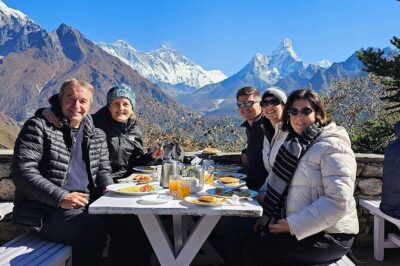
During the trek period, all meals are included (breakfast, lunch, dinner). Dinner and breakfast happen in the same tea house where you sleep, while lunch is taken en route toward the next destination. That kind of structure helps you avoid decision fatigue on days when you’re already tired.
Food options can include Nepali, Continental, Tibetan, Indian, and Italian from the tea house menus as described. One detail that’s helpful: menus can be similar from place to place because local tea house training and cooking practices can be standardized. That doesn’t mean bad food. It means you should expect predictable variety rather than a different culinary experience every night.
Bottom line: tea houses work best when you treat them like they are—warm shelter, a meal, a bed, and a reset. If you go in expecting consistent comfort levels, you’ll feel more satisfied.
Village Culture in the Midwestern Himalaya: More Than a Viewpoint
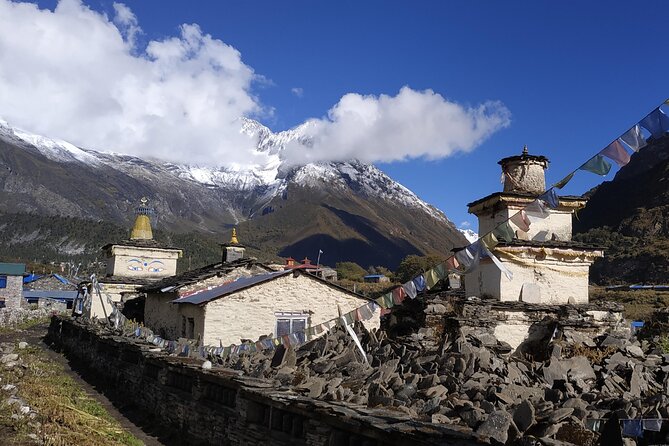
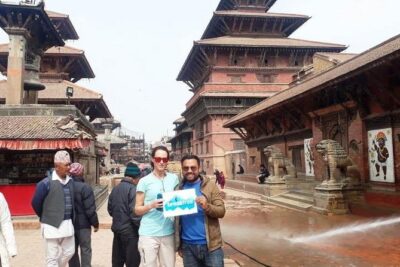
This trek is sold on big mountains, and it delivers those. But what makes it memorable is how quickly the trail turns into culture. The route passes through traditional villages with Tibetan culture, which gives you a different feel than purely scenic base-camp routes.
In practical terms, you’ll see everyday life at different elevations: changes in how people live, the way communities cluster around livelihoods, and the quieter rhythm that comes with living farther from major road corridors. The description also highlights the trek as a way to experience pure and original culture and the lifestyles of Himalayan inhabitants.
This is also where the side-trek option helps. If you have a few hours to add a short excursion, you can trade one long stretch of straight walking for closer contact with village life. Even without named attractions listed, the experience is still real because you’re walking through places people actually use.
Your Guide and Porter Team: Why Organization Matters Here
The trek includes a highly experienced trekking guide for the entire trek and the required number of porters. You’re also told that staff food, clothing salary, and insurance are included, which matters in a remote trekking environment where staffing is not a trivial detail.
The supplied experiences also point to specific team members who made trips smoother and safer:
- Pradip as a guide, with a porter team member noted as Min
- Dorji as a guide, with Karma as porter
- Sonam / Sonam Sherpa as guide, with Rabin or Rabin Tamang as porter
- Dendi as a guide in at least one trek instance
- Ang Dawa as guide in another account
You shouldn’t chase a particular name because it depends on assignments. But you can take the pattern: these are not solo-guide, wing-it operations. The communication and day-to-day handling seems to be one of the main reasons people came away satisfied.
On a high pass trek, that translates into fewer headaches: pace decisions, route management, packing order, and the steady reminders that help you handle altitude and trail conditions.
Season Choice: Clear Views vs Lower Crowds
Your best viewing odds come in autumn (September, October, November) and spring (March, April, May). During these periods, the weather is described as clear, sunny, and warm in the Himalayas, which is exactly when you want strong visibility for Mt. Manaslu and the surrounding peaks.
If you want fewer people on the trail, the information suggests December, January, and February. Winter is also described as workable for those who don’t want crowds. The trade-off is that snow can happen, and that can affect pass conditions. One trek instance in the supplied details mentioned being off season with low tourists and experiencing light snowfall.
Then there’s monsoon season: June, July, August is described as ruined by rains. For this kind of high alpine trek, rain isn’t just uncomfortable. It changes footing, visibility, and the general pace of travel.
Difficulty and Training: What Your Body Needs
This trek is not for people who want an easy walk. It’s described as moderately strenuous, and the pass at 5135m raises the stakes. You’re walking long hours and climbing in altitude steps.
The practical preparation advice is refreshingly simple:
- do about an hour of physical workout daily (jogging, hiking, cycling, gym, etc.) for a couple weeks before you go
- plan to walk 5 to 6 hours per day with a light private backpack
- understand that altitude sickness can happen, so prevention beats recovery
Mountaineering technical skills are not required. But previous short trekking experience helps. If you’ve never trekked before, this isn’t automatically impossible, yet it is something you should approach seriously. You’ll want a training plan that focuses on hiking endurance and steady breathing rather than short bursts of speed.
Also, remember that snow levels can change the difficulty even on the same named pass. The pass could be harder with massive snow walls, or easier with less snow. Your fitness buys you margin; the weather decides the rest.
Price and Value: What $1,955 Really Covers
At $1,955 per person, you’re paying for a lot more than just the walking. Here’s what’s included:
- 4 nights stay before and after the trek, with welcome and farewell dinner
- All meals during trekking (breakfast, lunch, dinner) and tea house lodge accommodation
- Special permits for the Manaslu region and ACA permits, plus taxes and necessary paper work
- A highly experienced guide for the whole trek and the required porters
- Staff food, clothing salary, and insurance
And what’s not included:
- personal expenses
- bar bill and drinks
- rescue and evacuation
- tips (gratitude) for staff
So is it good value? For many trekkers, yes—because remote trekking costs stack up fast once you account for permits, full-board food, guiding, and porter support. You also have the added value of those pre- and post-trek nights in Kathmandu, which can reduce the stress load and help you recover.
The biggest financial risk isn’t the base price. It’s assuming everything is covered when it isn’t—especially drinks, personal spending, and the cost side of any emergency situation (rescue and evacuation are listed as not included). If you budget for those items up front, the price feels far more manageable.
Small-Group Feel and Timing: What You’ll Like in the Practical Details
This trek is set for a maximum of 15 travelers, so you’re not stuck in a giant group. That size helps with pace and logistics, especially on narrow trails and in tea houses where space is limited.
You also get:
- Pickup offered (start is at Tribhuvan Airport, with a 9:45 am start time)
- Mobile ticket and confirmation at booking
- Service animals allowed (if that applies to your situation)
These aren’t glamorous features, but they matter. When the trail is remote, reliable handoffs and clear timing reduce the number of days that feel spent on problem-solving.
Potential Trade-offs You Should Plan for Up Front
A few realities can surprise people if they only read the headline.
First: Larkya La Pass conditions are not fully predictable. Snow can make the pass day much harder, and heavy snowfall can lead to no crossing. This isn’t something you should treat as failure. It’s part of trekking at 5135m.
Second: Tea houses are basic. They’re described as comfortable enough, but you should still pack for simple rooms, shared spaces, and the reality that power and hot water may not match what you expect at home.
Third: the trek can be long and tiring. Even if you manage a steady pace, you’re spending multiple weeks walking. If you want a short, light outing, this will feel like a different style of travel.
If you can live with those trade-offs, the experience tends to pay you back in scenery and in the calm, off-the-radar feeling of Manaslu.
Should You Book the Manaslu Circuit Trek?
Book it if you want remote trails, strong high-altitude scenery, and a trek that prioritizes village culture and a small-group experience. This is a great match if you’re comfortable walking 5 to 6 hours per day, doing a bit of pre-trek training, and handling altitude with patience.
Don’t book it (or rethink your dates) if you need a guaranteed pass crossing no matter the snow, or if you dislike basic accommodations. Also, if your fitness base is thin, build more time into preparation first. This trek doesn’t ask for technical climbing skills, but it does ask for real stamina and a calm approach to altitude.
If you want a trekking trip that feels distinctly less crowded than Nepal’s most famous routes, this one makes a strong case.
FAQ
What’s included in the Manaslu Circuit Trek price?
The price includes 4 nights before and after the trek with welcome and farewell dinner, all meals during the trekking period, tea house lodge accommodation during trekking, special permits for the Manaslu region and ACAP permits, taxes and necessary paperwork, and the services of a trekking guide and porters. Staff food, clothing salary, and insurance are also included.
What is not included?
Personal expenses, bar bills and drinks, rescue and evacuation, and tips (gratitude) for staff are not included.
Where does the trek start and when?
The start point is Tribhuvan Airport in Kathmandu, Nepal, with a start time of 9:45 am.
What kind of accommodations should I expect?
In Kathmandu (major cities), accommodations are based on three-star categorized hotels/resorts as described in the published quotations. Along the trekking route, you’ll stay in comfortable tea houses for overnight nights.
How difficult is the trek and what fitness do I need?
It’s described as moderately strenuous. You should be able to walk about 5 to 6 hours per day with a light private backpack, and be prepared for a gradual climb up to Larkya La Pass at 5135 meters, where altitude sickness is possible.
Is the Larkya La Pass crossing guaranteed?
The trek description notes that the difficulty at Larkya La depends on snow levels, and it can be harder with massive snow walls or easier with less snow. One experience in the supplied info reports that heavy snowfall prevented crossing the pass, so conditions can affect whether you cross on the planned day.
What’s the best time of year to go?
Autumn (September, October, and November) and spring (March, April, and May) are described as the best for clear views. Winter months (December, January, and February) are noted as an option for fewer crowds, and monsoon (June, July, and August) is described as ruined by rains.
How large is the group?
The trek has a maximum group size of 15 travelers.
More Trekking Out of Kathmandu
More Tour Reviews in Kathmandu
Just Reviewed in Kathmandu
- Mountain Bike Tour
★ 5.0 · 3 reviews - Annapurna Panaroma
★ 5.0 · 3 reviews - Mount Everest Scenic Flight 50 Minutes
★ 5.0 · 3 reviews - Kathmandu : Swambhunath & Durbar Square Guided Half Day Tour
★ 3.3 · 3 reviews - Chandragiri Cable Car & Monkey Temple Tour – Private/Group
★ 5.0 · 3 reviews - Kathmandu: Shivapuri National Park Hiking Day Trip
★ 3.3 · 3 reviews
Manaslu Circuit Treks, compared.
 ★ 5.0Manaslu Circuit TrekFrom $1,190292 reviews
Manaslu Circuit TrekFrom $1,081184 reviews
★ 5.0Manaslu Circuit Trek:From $1,099106 reviews
★ 5.0Manaslu Circuit TrekFrom $1,190292 reviews
Manaslu Circuit TrekFrom $1,081184 reviews
★ 5.0Manaslu Circuit Trek:From $1,099106 reviews
 ★ 5.0Manaslu Circuit Trek (15 Days)From $1,65750 reviews
Manaslu Circuit TrekkingFrom $1,49944 reviews
★ 5.0Manaslu Circuit Trek (15 Days)From $1,65750 reviews
Manaslu Circuit TrekkingFrom $1,49944 reviews
 ★ 5.016 Day Private Manaslu Circuit Trek from KathmanduFrom $1,13542 reviews
★ 5.0Manaslu Circuit TrekFrom $1,90035 reviews
★ 5.016 Day Private Manaslu Circuit Trek from KathmanduFrom $1,13542 reviews
★ 5.0Manaslu Circuit TrekFrom $1,90035 reviews
 ★ 5.0Manaslu Circuit Trek 13 DaysFrom $1,40030 reviews
Browse the lists this tour appears in