
Manaslu Circuit hits you fast—big mountains, tougher hiking. This trek takes you through the Manaslu Conservation Area along the Budhi Gandaki River, with a real sense of going somewhere off the main trail, and it saves the headliner for Larkya La Pass at 5,160 meters. I like how the route brings you through classic village life and glacial scenery without feeling like a theme park.
Two things I’d pack in your mental backpack right now: you get tea-house lodging with meals included, so you can focus on walking (not logistics), and the trek is supported with a licensed guide plus local porters. One thing to weigh first: this is demanding altitude work, and the program depends on good weather, especially around the pass days.
In This Review
- Key things that make this trek worth your time
- First impressions: you’re not doing a quick hike here
- Getting to the trail: Kathmandu to Soti Khola feels like the warm-up
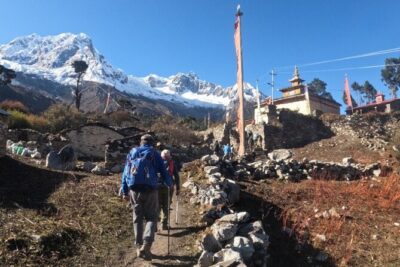
- The walking rhythm on the Budhi Gandaki: villages, stone steps, and big views
- Samdo, Dharamsala, and Larkya La: when the trek turns serious
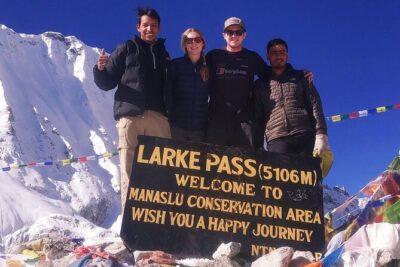
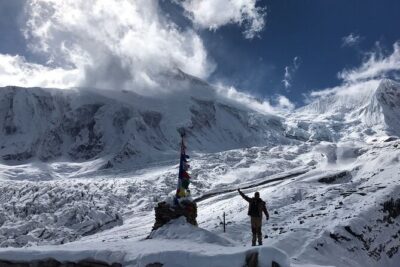
- The Larkya La Pass day: plan for effort, not speed
- After the pass: Bimthang to Gho to Tal, then the drive back
- What’s included (and why it’s good value)
- Price and logistics: where your wallet should stay ready
- Guides, porters, and safety on a restricted trek
- What to pack and how to pace (without making altitude your enemy)
- Who should book the Manaslu Circuit (and who should think twice)
- Should you book this trek?
- FAQ
- How long is the Manaslu Circuit Trek?
- What is the highest point on the trek?
- Where does the trip start and how do you get there from Kathmandu?
- Are trekking permits and guide/porter support included?
- What meals and accommodation are included?
- What extra costs should I plan for?
- What are the age and fitness requirements?
- What is the cancellation policy if plans change?
Key things that make this trek worth your time
- Larkya La Pass payoff at 5,160 m, usually the emotional peak of the trip
- Tea-house trekking with 3 meals included during the trek, plus tea with meals
- Manaslu Restricted Area permits handled so you’re not chasing paperwork
- Acclimatization built in with a full rest-and-explore day at Samagaon
- Guides and porters included to keep you moving safely and steadily
- Kathmandu hotel included for two nights before the walk starts
More trails out of Kathmandu, boots ready
- Everest Base Camp Trek – 14 Days★ 5.0 · 1,499 reviews
- Everest Base Camp Trek★ 5.0 · 842 reviews
- Everest Base Camp Trekking★ 5.0 · 485 reviews
- Nagarkot Sunrise View and Day Hiking from Kathmandu★ 5.0 · 471 reviews
First impressions: you’re not doing a quick hike here
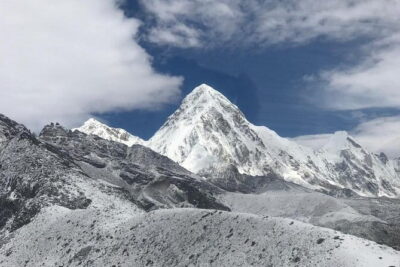
The Manaslu Circuit is the kind of trek where you feel your legs by day two. Then you stop thinking about your legs and start watching the mountains change, day after day. The Manaslu Conservation Area route circles Mount Manaslu (the eighth-highest mountain in the world), but the real magic is the transition: lush lower valleys, farms in terraces, then higher stone and ice country.
You also get a nice change in “human scale” as you climb. Low down, it’s villages and daily routines. Higher up, it’s fewer people, more yaks, more wind, and fewer places to buy anything. That shift is part of why this trek feels authentic: you’ll be living in the rhythm of mountain settlements, not passing through a row of tourist stops.
Getting to the trail: Kathmandu to Soti Khola feels like the warm-up
Your trip starts in Kathmandu with an airport welcome at TIA. Then you transfer to a hotel for the first overnight. On day two, you leave early and head toward the trekking start area by jeep or bus—roads start civilized, then get rougher as you move away from the main paved stretches.
A detail I like: the schedule gives you time for real fuel. You stop for tea and snacks along the way (and yes, local fish snack options show up if you’re game), and lunch is usually a Nepal staple like dal bhat. Past Arughat, you should expect bumpy off-road conditions. If you’re someone who gets car sick easily, take it seriously—this is not a smooth ride to ease you in.
By late afternoon you reach the first trekking base (often Machhakhola in the working rhythm), which is perfect. You’ll have daylight to orient yourself, then you’ll sleep before the real trekking days start.
The walking rhythm on the Budhi Gandaki: villages, stone steps, and big views
After the first travel days, the trek settles into a pattern that makes sense: walk for a few hours, arrive at a lodge, eat, and adjust to altitude. The route follows the Budhi Gandaki River for much of the way, so you’ll see water, fields, and forest early on—then you’ll gradually trade greenery for rock and open high country.
Here’s what each segment feels like in plain terms:
Machhakhola / Soti Khola area into Jagat and Philim
You’re entering the Manaslu restricted and conservation region early, with Jagat as a major Gurung trail village. Trekking toward Philim is where you start noticing the structure of the journey: small climbs, village-to-village paths, and the “work” of walking at altitude even before you reach the high passes.
Jagat to Deng
This day reads like a classic mountain funnel: small villages, small rivers, then a push upward through bamboo forest and rocky climbs. There’s a sense of effort that builds. If you keep your pace calm and steady, you’ll arrive with energy for lodge life instead of collapsing.
Deng to Namrung
You’ll pass through places like Ghap and keep moving along the river corridor. The cultivated fields show up here—millets, wheat, barley. It’s a good day for enjoying the in-between world: farming communities at growing altitude, where the views start to matter more, but the trail still gives you time to look around.
Namrung to Samagaon
This is where Samagaon begins to feel like a real mountaineering base in the distance. The trek leads you toward glacial scenery (the route notes time near the Phungen Glacier). You don’t need to be a climber to feel the scale of what’s coming.
Samagaon acclimatization day
This is a smart inclusion. You’re given time to visit the local area and a lake, plus time around the village with Manaslu views. On paper it’s a “rest day.” In reality it’s a chance to practice how you’ll behave when altitude is squeezing your breathing.
Samdo, Dharamsala, and Larkya La: when the trek turns serious
Once you leave Samagaon, the air starts doing its job. The trail heads to Samdo, and the route gives you time to notice the high-country traffic: Tibetan and Chinese goods moving with yaks, stream crossings, and that feeling of quiet remoteness.
Samdo is also a psychological waypoint. You’ve been walking through settlements for days, but now the trek starts to look and feel more like high travel. Even if you’re fit, it’s normal to feel slower here. That’s not failure. That’s altitude reminding you to respect it.
Then you push toward Dharamsala and Larkya Base area. Following glaciers for stretches and crossing streams (including crossings connected with the Gya la route) means your footing matters. You’ll reach Larkya Bazaar before continuing on to Dharamsala.
This matters because the next day is the big one.
The Larkya La Pass day: plan for effort, not speed
You start at Dharamsala and work toward Larkya La, then head down to Bimthang after seeing the views from the pass area. This is the day most people remember long after they forget the village names.
If you’re thinking about how to handle it, here’s your practical mindset:
- Keep your pace controlled on the climb. Slow is fast at altitude.
- Drink and snack even when you don’t feel hungry.
- Save energy for the descent. Your knees will want to negotiate.
Also: weather can make the whole day feel different. Cloud cover, wind, and visibility change the experience fast. That’s why this program calls out good weather as a requirement.
After the pass: Bimthang to Gho to Tal, then the drive back
After Larkya La, you’re not done with work, but the trip changes tone. You’ll move through Bimthang and down to Gho, with scenery continuing to tighten into harsher terrain. There’s also a feeling of relief—like you’ve passed the exam and now you just need to finish.
The later segment heads onward toward Dharani and then Tal, with nights at tea houses along the way. By this stage, you’ll know what “tea-house life” means: warm drinks, practical meals, and the simple comfort of a bed that doesn’t move.
Day thirteen flips back to wheels. You take breakfast, then continue by express bus back toward Kathmandu, with an overnight stay there before departure. Day fourteen is straightforward: you get dropped at TIA for your final flight.
What’s included (and why it’s good value)
For $1,300 per person for a roughly 14-day trek, the biggest value isn’t just the mountains. It’s that you’re not paying separately for a pile of core items that would add up quickly elsewhere.
Included, you get:
- Three meals a day on trek (breakfast, lunch, dinner) with tea
- Tea-house accommodation throughout the trek
- All trekking permits
- A licensed trekking guide and local porters
- Kathmandu 3-star hotel for two nights with breakfast
- Airport/hotel/airport transfers and public express bus between Kathmandu and the Soti Khola area (and return)
- Sleeping and duffle bag handling through the company (returned after trekking)
For me, the best part of this setup is risk reduction. Logistics are where trekking plans go sideways. Here, permits and core transport are handled, and your guide and porters are part of the plan rather than an optional add-on you must arrange last minute.
Price and logistics: where your wallet should stay ready
This package includes public express bus transport, but private jeeps are available if you want to swap the ride comfort level. The tour data lists extra costs for:
- Private jeep Kathmandu to Sotikhola (USD 240 per jeep for 4–5 seats)
- Private jeep Dharapani to Kathmandu (USD 340 per jeep for 4–5 seats)
You’ll also want to budget for things that are not included:
- Personal expenses like Wi-Fi, mineral water, hot shower, snacks, and hot drinks
- Travel insurance and evacuation insurance
- Tips for the guide and porter
- Any extra night hotel in Kathmandu (beyond the included two nights)
My advice: if you hate surprises, keep a buffer in cash or card-ready funds. On a trek, you don’t control every little cost—especially around charging, hot water, and snacks.
Guides, porters, and safety on a restricted trek
This route has paperwork and terrain demands, and that’s exactly where having the right people matters. The program includes a licensed trekking guide and local porters, plus the note that the guide may be multi-lingual.
In the spirit of what you want from a guide, the feedback you’ll see for this operator often points to care and professionalism—names that come up include Sandesh, Veer, Rabin, Dhansingh, Aita, Sukra Gurung, and Sushil Gurung. Different guide names, same theme: check-ins, safety focus, and making the day’s hiking feel manageable.
Porters also do more than carry bags. When you’ve got one less thing to wrestle, you walk with better posture and you don’t burn out early. You’ll still do the work, but you’ll do it smarter.
What to pack and how to pace (without making altitude your enemy)
I can’t tell you what to feel, but I can tell you how to prepare:
- Strong physical fitness is required. This is not a stroll between villages.
- Plan for altitude. That built-in acclimatization day at Samagaon helps, but your body still calls the shots.
- Walk with patience on the long climbs. You’ll feel better if you save energy.
- Expect daily change. Some days are village-to-village with easier rhythm. Other days are rocky pushes and pass-day effort.
If you’re bringing trekking poles, they can be handy on uneven sections. If you don’t, take your time on footing. The pass days also punish speed. It’s better to win slowly.
Who should book the Manaslu Circuit (and who should think twice)
This trek is best for hikers who:
- Want a serious Himalayan experience without the Everest traffic
- Are ready for 10–14 days of consistent trekking
- Like tea-house travel where the comfort level is simple, not fancy
- Appreciate villages and high-country routes more than peak photo ops alone
It might be a rough fit if you:
- Need guaranteed comfort on rough roads at the start
- Get altitude symptoms easily and can’t manage slow pacing
- Don’t have travel insurance that covers evacuation
Minimum age is 18, and the program calls for strong physical fitness. If you’re close but unsure, you can still ask your operator about your situation—then decide with honesty. Altitude doesn’t care about your optimism.
Should you book this trek?
If you want a trek that feels both remote and well-run, I’d say yes. The Manaslu Circuit gives you the pass experience (Larkya La), real village life, and an itinerary structure that helps you adjust to altitude with an actual acclimatization day.
Book it if you like: steady hiking, tea-house simplicity, and a route that doesn’t feel mass-produced. Don’t book it if you’re not prepared for physical challenge or if your schedule can’t handle weather delays around the high points.
When you’re ready, this is the kind of trek where good planning buys you calm walking—and calm walking buys you the best views.
FAQ
How long is the Manaslu Circuit Trek?
It runs for about 14 days, with the trek portion typically taking around 10 to 14 days depending on conditions and the day-by-day pacing.
What is the highest point on the trek?
The highest point is Larkya La Pass at 5,160 meters (16,930 feet).
Where does the trip start and how do you get there from Kathmandu?
You start in Kathmandu and then travel to the trek start area by jeep or bus. The plan includes both Kathmandu to the Soti Khola area and the return to Kathmandu by express public bus.
Are trekking permits and guide/porter support included?
Yes. The package includes all trekking permits and a licensed trekking guide, plus local porters.
What meals and accommodation are included?
Meals during the trek include breakfast, lunch, and dinner with tea, and accommodation is in tea houses throughout the trekking days.
What extra costs should I plan for?
Personal expenses (like Wi-Fi, mineral water, hot showers, and snacks) are not included, and neither is travel insurance or evacuation insurance. Tips for the guide and porter are also not included. Private jeep options are available at extra cost.
What are the age and fitness requirements?
Minimum age is 18, and you should have strong physical fitness. The trek is challenging and requires good weather.
What is the cancellation policy if plans change?
You can cancel up to 24 hours in advance for a full refund. If the experience is canceled due to poor weather, you’ll be offered a different date or a full refund.
More Trekking Out of Kathmandu
More Tour Reviews in Kathmandu
Just Reviewed in Kathmandu
- Mountain Bike Tour
★ 5.0 · 3 reviews - Annapurna Panaroma
★ 5.0 · 3 reviews - Mount Everest Scenic Flight 50 Minutes
★ 5.0 · 3 reviews - Kathmandu : Swambhunath & Durbar Square Guided Half Day Tour
★ 3.3 · 3 reviews - Chandragiri Cable Car & Monkey Temple Tour – Private/Group
★ 5.0 · 3 reviews - Kathmandu: Shivapuri National Park Hiking Day Trip
★ 3.3 · 3 reviews
Manaslu Circuit Treks, compared.
 ★ 5.0Manaslu Circuit TrekFrom $1,190292 reviews
Manaslu Circuit TrekFrom $1,081184 reviews
★ 5.0Manaslu Circuit Trek:From $1,099106 reviews
★ 5.0Manaslu Circuit TrekFrom $1,190292 reviews
Manaslu Circuit TrekFrom $1,081184 reviews
★ 5.0Manaslu Circuit Trek:From $1,099106 reviews
 ★ 5.0Manaslu Circuit Trek (15 Days)From $1,65750 reviews
Manaslu Circuit TrekkingFrom $1,49944 reviews
★ 5.0Manaslu Circuit Trek (15 Days)From $1,65750 reviews
Manaslu Circuit TrekkingFrom $1,49944 reviews
 ★ 5.016 Day Private Manaslu Circuit Trek from KathmanduFrom $1,13542 reviews
★ 5.0Manaslu Circuit TrekFrom $1,90035 reviews
★ 5.016 Day Private Manaslu Circuit Trek from KathmanduFrom $1,13542 reviews
★ 5.0Manaslu Circuit TrekFrom $1,90035 reviews
 ★ 5.0Manaslu Circuit Trek 13 DaysFrom $1,40030 reviews
Browse the lists this tour appears in