
Review · MANASLU CIRCUIT TREKS
Manaslu Circuit Trek
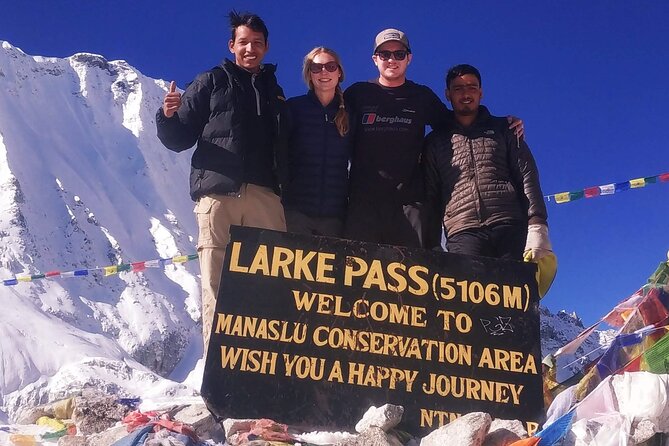
Manaslu hits different when crowds stay away. This trek threads through Tibetan-influenced villages, monasteries, and river valleys, with the big pay-off being Larkya La at roughly 5,100–5,160m and sweeping views of peaks like Manaslu. I especially like that it’s in a restricted area, so the route feels more controlled and less overloaded than many popular circuits.
I love the practical way the trip is handled end to end, from Kathmandu pickup to getting you to Machha-Khola and back. I also like the human side of the operation: guides such as Roshan and managers like Madan are repeatedly praised for clear communication and flexible adjustments when the trek gets real.
One possible drawback to think about upfront is the altitude work, especially on the long day crossing the pass, plus the fact that meals and accommodations during the trek are not included in the base price.
In This Review
- Key highlights worth knowing before you go
- The Manaslu Circuit vibe: quiet trekking and real mountain access
- Price and value: what $589 really covers (and what it doesn’t)
- Permits, registered guiding, and why it matters on Manaslu
- Day 1: Kathmandu to Machha-Khola, then a river-valley first night
- Days 2–3: Jagat and the forest-to-suspension-bridge rhythm
- Days 4–5: Namrung to Lho, with clearer views and village-to-village climbs
- Days 6–7: Samagaon (Sama) and the Shyala 360-degree view payoff
- Day 8: Samdo, Tibetan refugee camp energy, and Manaslu-focused views
- Days 9–10: Dharmasala (Larkya Phedi) and the Larkya La crossing day
- Day 11: Bhimtang (Bimthang) to Tilje, mostly downhill miles
- Day 12: Dharapani to Besisahar, then the post-trek reset
- Guides and the small service details that make the trek feel smooth
- Who should book this Manaslu Circuit Trek
- Should you book it?
- FAQ
- FAQ
- What’s included in the trek price?
- Are meals and tea house lodging included during the trek?
- Do I need a guide and permits for the Manaslu restricted area?
- What’s the hardest part of the trek?
- Can I add a porter, and what’s the weight limit?
- Can I cancel for a full refund?
Key highlights worth knowing before you go
- Restricted-area permits included: ACAP, MCAP, Manaslu Restricted Area Permit, and TIMS card are part of the package.
- Larkya La day is the headline: early start, slow climb, big break at the top, then a long descent to Bhimtang.
- Teahouse trekking with real village stops: you’re not roughing it in a wilderness camp world.
- Samagaon views are a major morale boost: Shyala is noted for 360-degree mountain visibility.
- More than one guide in the group: the plan is one assistance guide per five trekkers, which helps on logistics and pace.
More trails out of Kathmandu, boots ready
- Everest Base Camp Trek – 14 Days★ 5.0 · 1,499 reviews
- Everest Base Camp Trek★ 5.0 · 842 reviews
- Everest Base Camp Trekking★ 5.0 · 485 reviews
- Nagarkot Sunrise View and Day Hiking from Kathmandu★ 5.0 · 471 reviews
The Manaslu Circuit vibe: quiet trekking and real mountain access
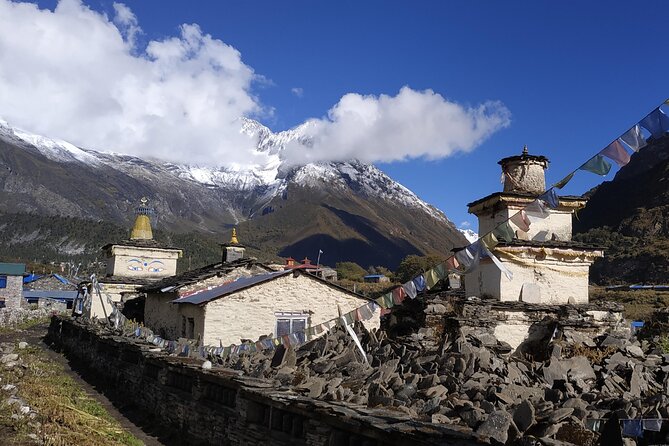
If you want mountain views without feeling like you’re walking through a theme park, this is the kind of trek to target. Manaslu’s region is remote and intentionally managed, so the rhythm is slower and the trail feels more local.
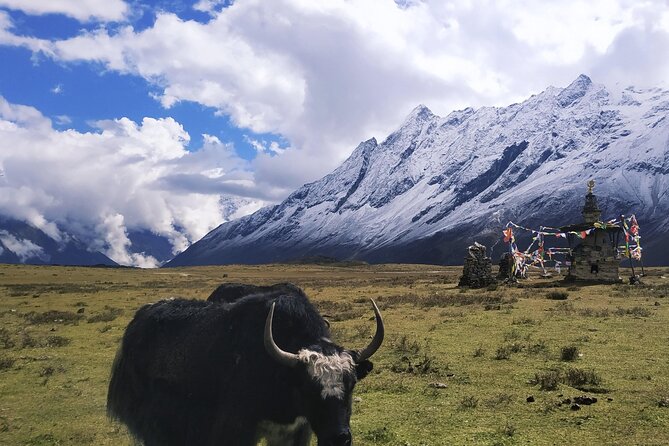
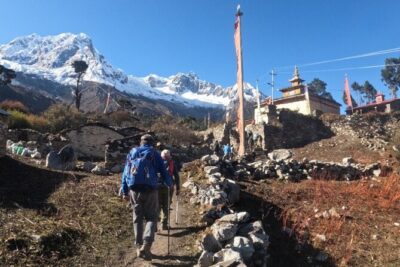
You also get variety that adds up over 12 days. One day can look like forest and riverbank travel; another turns into high-altitude ridges, stone-stacked prayer walls, and Tibetan-influenced towns where the culture and weather both feel sharper.
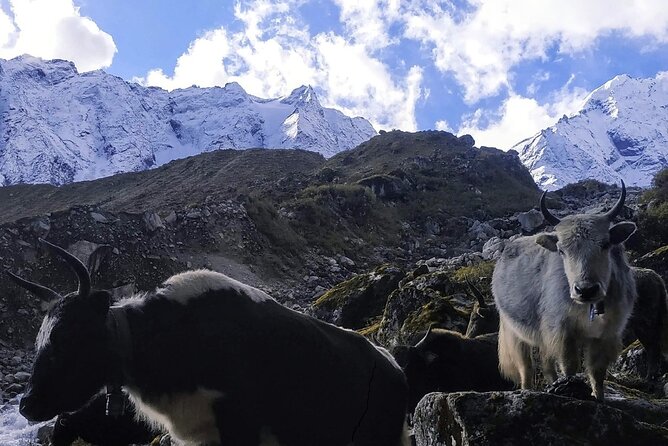
And yes, there’s wildlife on paper that makes the trek feel even wilder. The Manaslu Conservation Area is home to rare animals like snow leopards and red pandas, even though you should treat sightings as a bonus rather than a promise.
Price and value: what $589 really covers (and what it doesn’t)
At $589 per person for about 12 days, the value depends on what you expect the trek to include. What stands out here is that a big chunk of the administrative overhead is handled for you: permits (ACAP, MCAP, Manaslu Restricted Area Permit, and TIMS card) plus the local guiding team and their costs.
The package also includes transport around the trekking start and finish. You’ll get airport pickup/drop in Kathmandu, plus a transfer to Machha-Khola to begin the trek, and the way back after you finish (the exact vehicle depends on group size).
What’s not included is just as important for your budget. Food, drinks, and accommodations during the trek can cost extra unless you arrange that add-on, and you’ll pay for extras like Wi‑Fi, battery charging, and hot showers along the way.
Permits, registered guiding, and why it matters on Manaslu
This trek lives in a restricted area, which is why permits and a registered guide aren’t optional details. In practice, that means you can spend less time worrying about paperwork and more time watching the trail conditions and mountain weather.
This operator includes the necessary permits and cards as part of the deal, plus an expert Manaslu local guide. If you’re trekking in Nepal for the first time, this kind of coverage reduces the most stressful uncertainty: will you have the right documents before you reach the checkpoints.
The other safety-and-quality angle is group support. The plan includes an expert guide and an assistance guide for every five trekkers, which helps with pacing, navigation support, and managing the small problems that pop up in remote mountain logistics.
Day 1: Kathmandu to Machha-Khola, then a river-valley first night
Your trek starts with early pickup in Kathmandu, with a start time listed as 6:45 am. You’ll drive by bus or jeep to Machha-Khola, the point where the Manaslu trek proper begins, and then you sleep at Machha-Khola Hotel.
Machha-Khola is a small riverbank town on the Bhudi Gandaki River. It’s also described as largely Buddhist and Hindu, so even before you start walking, you’re already stepping into Nepal’s everyday rhythm rather than a remote-postcard bubble.
This is a good day to keep expectations realistic. You’ll be traveling, not trekking hard, and the goal is to get your boots ready, hydrate, and rest for tomorrow’s real walking.
Days 2–3: Jagat and the forest-to-suspension-bridge rhythm
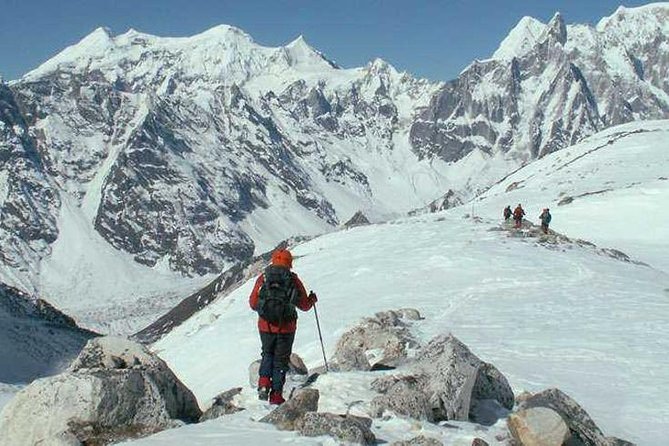
From Machha-Khola, Day 2 moves toward Jagat, and the description is clear: forest trails, wildlife you might spot (monkeys, birds, deer), waterfalls, and a mani wall carved with Buddhist prayers. Trails like this are often where you learn what pace feels good for you at altitude.
Jagat is positioned at the foot of the Ganesh Himal, and it has teahouses and lodges, which makes it a comfortable overnight choice in an otherwise remote region. I like this kind of stop because it lets you settle, eat well, and not feel rushed.
Day 3 continues the pattern of river travel plus ridge work. You’ll cross suspension bridges over the Bhudi Gandaki River and move through Philim and Deng, with villages that have multiple teahouse options for the night.
Practical tip: suspension bridges add a little mental load. Walk at your own pace, keep your footing steady, and don’t overthink the height.
Days 4–5: Namrung to Lho, with clearer views and village-to-village climbs
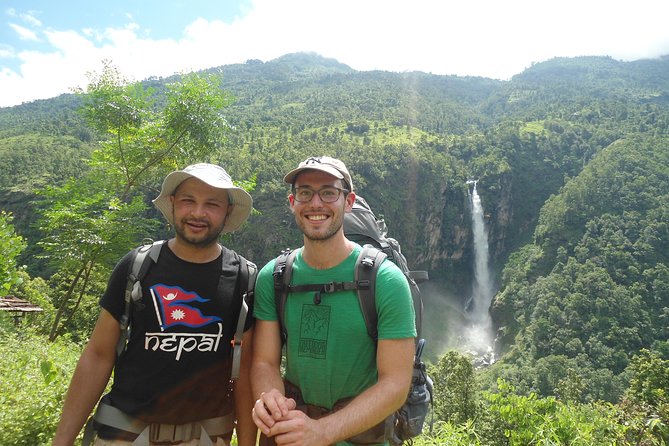
Day 4 has you trekking toward Namrung, including a traverse through Ranagoan and Bihi Phedi, then passing Ghap before climbing up to Namrung. This is one of those days where you start noticing views arriving in bigger, cleaner bursts, especially with the Ganesh, Shingri, and Kutang Himal referenced for the area.
Namrung is a classic kind of trek village: you’ll eat, you’ll rest, and you’ll often get a better view once you stop moving for the day. It’s also where the trek starts feeling like a real “circuit” rather than just point-to-point hiking.
Day 5 pushes toward Lho via Lihi Gaon, a permit check post, and a descent toward Sho Goan before climbing again to Lho at about 3,280m. Lho’s lunch is noted as available at local restaurants, and dinner is at your lodge.
This is also a helpful day to pay attention to timing. When you’re near a permit check, build a little buffer into your pace so you’re not rushing paperwork while you’re tired.
Days 6–7: Samagaon (Sama) and the Shyala 360-degree view payoff
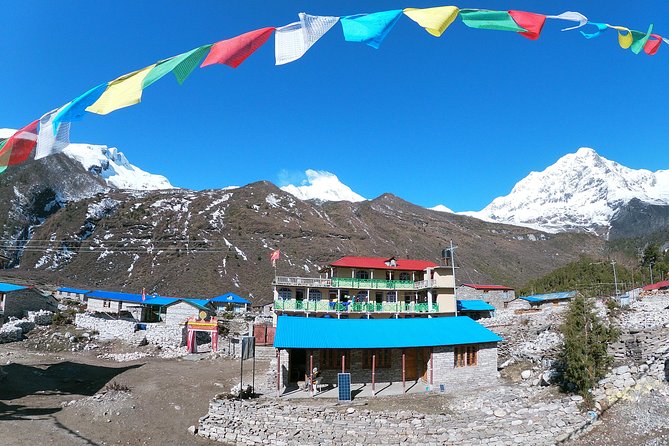
Day 6 arrives at Samagaon (called Sama/Ryo in the route notes). Along the way, you stop at Shyala for 360-degree Himalayan views, then continue to Sama for dinner and overnight.
From a planning standpoint, Shyala is the kind of viewpoint that can change your whole mood on a long trek. A pass is coming. Seeing the peaks early helps you feel like the effort has a clear endpoint.
Day 7 is an acclimatization day in the Samagaon area. You’ll hike around Birendra Lake and Manaslu Base Camp options, or choose Pungen Gumpa. The key point is that the day is built for altitude adjustment rather than pure distance.
Even if you feel strong, I’d still treat acclimatization days as non-negotiable. Altitude doesn’t care how motivated you are, and small hikes like these help your body handle the next elevation jump.
Day 8: Samdo, Tibetan refugee camp energy, and Manaslu-focused views
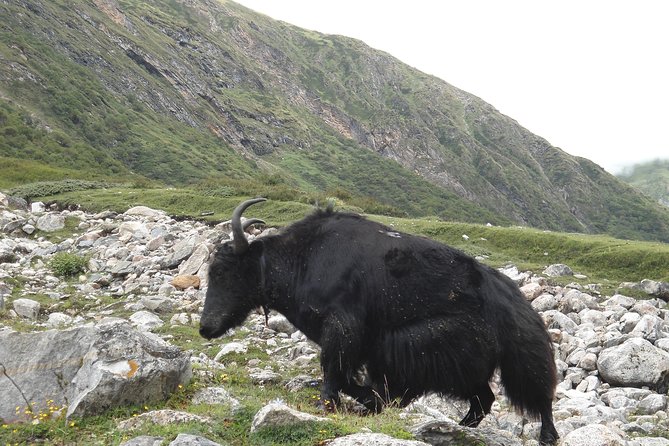
Day 8 takes you up to Samdo with a gradual pace at higher elevation, arriving by lunchtime. You can also hike to Samdo Peak if you want an extra push.
Samdo is described as a well-known Tibetan refugee camp, and it’s singled out for Manaslu views. This is the kind of stop where culture and altitude combine, and where the air usually feels a step thinner than in the lower villages.
My advice: go slow on the climb, even if others move faster. Your goal is to arrive feeling like you can still enjoy the viewpoint, not like you’re just trying to survive it.
Days 9–10: Dharmasala (Larkya Phedi) and the Larkya La crossing day
Day 9 moves toward Dharmasala, also called Larkya Phedi. The trail passes a seasonal Tibetan market called Larke Bazaar beside the Bhudi Gandaki River, plus monasteries along the walking route. You also get shorter walking time built around acclimatization and afternoon rest.
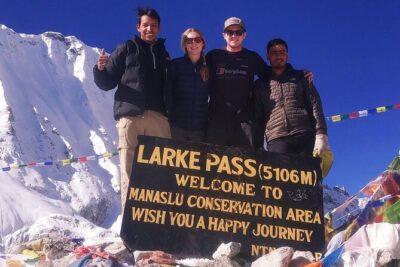
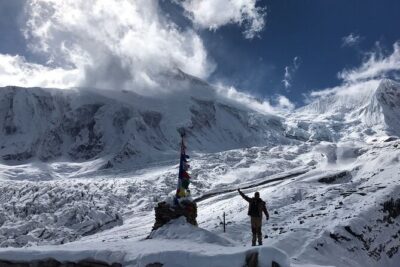
Day 10 is the big one: wake early, go for breakfast, and climb slowly toward the Larkya La pass (noted around 5,160m in the route notes). You’ll stop at the pass for the views, then descend to Bhimtang for the night.
This is the crucial day you should respect the most. Even if your fitness is strong, cold, wind, and altitude can slow you down more than you expect. The route also notes battery readiness, and that’s smart: you don’t want your camera dying right when the pass delivers.
Once you reach Bhimtang, the trek turns more “celebration mode.” It’s often described as one of the better places to stay after the crossing, and after a pass day, a good bed and a warm meal can feel like winning the lottery.
Day 11: Bhimtang (Bimthang) to Tilje, mostly downhill miles
Day 11 is a downhill day for the most part. After breakfast, you hike toward Ghoa, then continue down to Tilje, stopping for dinner and an overnight night.
You’ll want to take downhill seriously. It feels easier mentally, but it can punish your knees and ankles if you stride too fast or ignore small cramps. This is one of those days where trekking poles can be a big help if you use them comfortably.
Tilje is described as a beautiful village with local culture, with good options for hotels. Wi‑Fi is mentioned as something you can find here after crossing the mountain, which is a useful morale boost when you’re thinking about the finish.
Day 12: Dharapani to Besisahar, then the post-trek reset
Your final day starts from Dharapani area (the route describes leaving your hotel in Dharapani). You’ll follow the trail down to Dharapani, located at the confluence of the Marsyangdi and Trishuli rivers.
After lunch in Dharapani, you arrange a jeep to Besisahar, a drive noted at about 2 hours, then check into your hotel. This is your reset moment: get a normal meal, hydrate, and plan whatever comes next in Nepal.
Finishing through Besisahar also matters practically. You’re transitioning from remote village life back into a town where it’s easier to handle gear needs, transport questions, and the simple pleasures of a comfortable night.
Guides and the small service details that make the trek feel smooth
A recurring theme in the feedback is the way the team shows up for you day after day. Names like Roshan, Arjun, Kumar, Bishnu, and Raju appear across the experience notes, and they’re praised for being friendly, attentive, and flexible with timings.
I care about this because on a trek like Manaslu, the “details” are often the difference between a stressful day and a calm one. If your guide helps you manage pace, keeps you moving at a realistic rhythm, and handles the permit and checkpoint flow without drama, you actually enjoy the mountain work.
It also helps that the operation includes a local guide’s support with meal, accommodation, salary, and insurance covered. That kind of structure usually shows up as fewer last-minute surprises in the field.
Who should book this Manaslu Circuit Trek
This is best for you if you want a remote circuit with Tibetan-influenced villages and a serious pass day that isn’t staged for crowds. You also like the teahouse trekking format, where you can keep moving but still have somewhere warm to sleep each night.
You should be ready for moderate to strong physical demands and a higher-altitude experience. The trek notes call for moderate to strong fitness levels, plus the pass crossing where rest and pace matter.
This setup is also suited for small groups and private treks. The experience is private for your group only, with a minimum of two travelers, which can feel more personal than joining a large, mixed crowd.
Should you book it?
I think you should book this trek if your priority is a well-run, restricted-area circuit with mountain focus, permit coverage, and a team that’s repeatedly recognized for helpful guidance. If you’re the kind of traveler who likes fewer people on the trail and cares about logistics being handled for you, this fits.
I would hesitate only if you hate the idea of extra trekking-day spending for food and lodge stays, or if altitude pass days stress you out. If you can plan for that cost and respect the slow pace on the high passes, this trek has the right ingredients for a memorable Manaslu experience.
FAQ
FAQ
What’s included in the trek price?
The price includes Kathmandu airport pickup and drop-off, transport to and from the trekking start (Machha-Khola) by bus or vehicle, and permits (ACAP Permits, MCAP Permit, Manaslu Restricted Area Permit, and TIMS Card). It also covers an expert local guide and their costs, plus a guide-to-assistance guide ratio of one assistance guide per five trekkers, and taxes and a certificate.
Are meals and tea house lodging included during the trek?
No. Foods, drinks, and accommodation during the trek are not included in the base price (they can be provided with an additional charge). Wi‑Fi and battery charging are also not included.
Do I need a guide and permits for the Manaslu restricted area?
Yes. This trek requires permits and a registered guide because it passes through a restricted area. The package includes the required permits and TIMS card.
What’s the hardest part of the trek?
The main challenge is the Larkya La crossing day at about 5,160m, followed by a descent to Bhimtang. You’ll be doing long hours and you should plan for cold and wind, even if the pace is controlled.
Can I add a porter, and what’s the weight limit?
A porter is optional. If you choose one, it can be shared by 2–3 trekkers, with a limit of 20 kg.
Can I cancel for a full refund?
Yes. Free cancellation is allowed up to 24 hours in advance of the experience start time for a full refund. Changes made less than 24 hours before the start time aren’t accepted.
More Trekking Out of Kathmandu
More Tour Reviews in Kathmandu
Just Reviewed in Kathmandu
- Mountain Bike Tour
★ 5.0 · 3 reviews - Annapurna Panaroma
★ 5.0 · 3 reviews - Mount Everest Scenic Flight 50 Minutes
★ 5.0 · 3 reviews - Kathmandu : Swambhunath & Durbar Square Guided Half Day Tour
★ 3.3 · 3 reviews - Chandragiri Cable Car & Monkey Temple Tour – Private/Group
★ 5.0 · 3 reviews - Kathmandu: Shivapuri National Park Hiking Day Trip
★ 3.3 · 3 reviews
Manaslu Circuit Treks, compared.
 ★ 5.0Manaslu Circuit TrekFrom $1,190292 reviews
Manaslu Circuit TrekFrom $1,081184 reviews
★ 5.0Manaslu Circuit Trek:From $1,099106 reviews
★ 5.0Manaslu Circuit TrekFrom $1,190292 reviews
Manaslu Circuit TrekFrom $1,081184 reviews
★ 5.0Manaslu Circuit Trek:From $1,099106 reviews
 ★ 5.0Manaslu Circuit Trek (15 Days)From $1,65750 reviews
Manaslu Circuit TrekkingFrom $1,49944 reviews
★ 5.0Manaslu Circuit Trek (15 Days)From $1,65750 reviews
Manaslu Circuit TrekkingFrom $1,49944 reviews
 ★ 5.016 Day Private Manaslu Circuit Trek from KathmanduFrom $1,13542 reviews
★ 5.0Manaslu Circuit TrekFrom $1,90035 reviews
★ 5.016 Day Private Manaslu Circuit Trek from KathmanduFrom $1,13542 reviews
★ 5.0Manaslu Circuit TrekFrom $1,90035 reviews
 ★ 5.0Manaslu Circuit Trek 13 DaysFrom $1,40030 reviews
Browse the lists this tour appears in