
Review · MANASLU CIRCUIT TREKS
Manaslu circuit trek and side trips
Manaslu Circuit Trek is the kind of trip that changes your brain. You’re walking through preserved Himalayan villages, trading paved roads for suspension bridges, and ending up at the high point people remember most: Larkya La. I like how the route stays off the usual trail, with prayer flags, Mani walls, and Tibetan-influenced culture showing up naturally. I also like the pacing: long hiking days, then built-in time to breathe and adjust before the pass. One thing to consider is the effort: days are long, and altitude is real, so you’ll want a moderate fitness level and the right mindset for slow going.
A major highlight for me is the mix of what you feel, not just what you see. The trek cycles through pine, bamboo, and rhododendron forests; then you get dramatic river crossings; then the views open again with Manaslu and other peaks. I also like the cultural stops that feel lived-in: stone villages, chortens with detailed paintings, and monastery time that actually matches the rhythm of the community. The possible drawback is logistics around staying in teahouses or lodges: the details say tea house accommodation fees are not included, so you should confirm what’s covered versus what you pay on the ground.
This is a private-style trek (your group only), starting from Kathmandu and ending back at the same meeting point. The tour runs about 12 days and uses a mix of public deluxe bus and jeep for the travel in Nepal, with a mobile ticket for the trip. If you want a classic Himalayan circuit with real village days and a serious mountain moment, Manaslu is a strong choice.
In This Review
- Key points to know before you go
- Why Manaslu feels different than other Nepal circuits
- Permits and the serious part: planning what’s required
- Kathmandu start: where the trek actually begins
- Day 1 to Jagat: Machhakhola, bridges, stairs, and a hot spring detour
- From Jagat toward Philim: rocky ridges, Gurung villages, and forest gorges
- Namrung and Lihi to Lho: check posts, chortens, and major peak views
- Shyala, Samagaun, and the acclimatization day that matters
- Toward Samdo: the glacier approach and the trail’s quiet intensity
- Larkya La: the hardest day, the biggest views
- Finishing loop: Bhimtang to Dharapani and the stone-paved village feel
- Back to Kathmandu: jeep down to Beshisahar and bus along the Prithivi Highway
- Price and value: $600 and where it can feel like a bargain or a surprise
- Who should book this Manaslu Circuit trek
- Booking call: should you choose Nepal Trek Ways for Manaslu?
- FAQ
- How long is the Manaslu Circuit Trek with side trips?
- What does the trek cost?
- Where is the meeting point in Kathmandu?
- What time does the trek start?
- Is this tour private or shared?
- What permits are required for this trek?
- What transportation is used during the trip?
- What is included in the price?
- What is not included?
- What fitness level is recommended?
Key points to know before you go
- A route that’s still special: the Manaslu region opened to trekkers in 1991, which helps explain why the culture and villages feel less altered.
- Big river-crossing days: suspension bridges, hanging bridges, and riverbanks show up often, so pack for wet boots and wind.
- Culture moments between climbs: Mani walls, chortens, and Tibetan-style gompas like Pung-gyen Gompa and options such as Prok.
- One acclimatization day built in: Samagaun includes a full day to help you handle the altitude before the higher zones.
- The high pass is the centerpiece: Larkya La is where the views and the effort peak, with moraines and yak pastures afterward.
More trails out of Kathmandu, boots ready
- Everest Base Camp Trek – 14 Days★ 5.0 · 1,499 reviews
- Everest Base Camp Trek★ 5.0 · 842 reviews
- Everest Base Camp Trekking★ 5.0 · 485 reviews
- Nagarkot Sunrise View and Day Hiking from Kathmandu★ 5.0 · 471 reviews
Why Manaslu feels different than other Nepal circuits
Manaslu Circuit Trek sits in a sweet spot: it’s famous enough to be organized, but remote enough that it still feels like you’re walking through communities rather than a corridor of tourist signage. The biggest clue is the conservation and access history. Since the area opened to trekkers in 1991, the route has had time to keep its identity instead of turning into a rush-through parade.
You’ll notice that right away in the details. Prayer flags appear in clusters, Mani walls line the path, and you move through villages where stone houses and small chortens aren’t just photo props. The mountains are the obvious draw, too. Manaslu (8163) sits right at the center of the Nepalese Himalayas, and the route is designed so your view improves as you gain altitude and shift valleys.
Also, this trek doesn’t pretend altitude is optional. The route includes a dedicated day in Samagaun for acclimatization and then continues toward the glacier area and the pass. That matters because the highest effort days become safer when your body has had time to adjust.
Permits and the serious part: planning what’s required
This trek requires special permits for a restricted area plus conservation permits. The materials specify:
- a special Manaslu restricted area trekking permit
- Manaslu and Annapurna conservation permit
That’s not just paperwork. It helps explain why the route is organized around access rules, guides, and the conservation system. In practice, you should treat permits as part of the trip cost and timing, not as an afterthought.
Another planning point: the package is described as including a guide and logistics, but the payment line-up for food, drinks, insurance, and lodging looks a little mixed. The included list says food and accommodation and insurance. The not-included list also says all food and beverages, plus travel insurance, plus tea house accommodation fees. Before you book, you’ll want clarity on what’s covered as part of your daily trekking meal versus what you pay separately for drinks and specific lodge nights.
Kathmandu start: where the trek actually begins
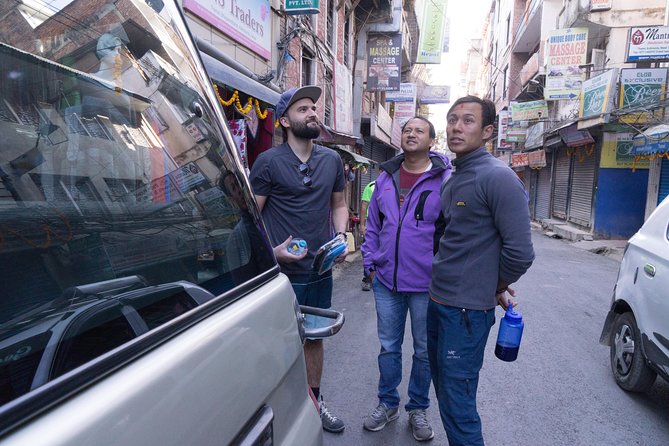
You meet at Hotel Moonlight, Paknajol Marg, Kathmandu with a start time of 7:15 am. That early departure matters because traffic and airport transfers can eat time fast in Kathmandu. A mobile ticket is part of the setup, which is convenient if you’re juggling flights and last-minute gear checks.
The first travel day turns Kathmandu’s noise into mountain roads quickly. You’ll drive on a paved route from Kathmandu toward Dhading Bensi, and then part of the journey becomes a bumpy dirt road (about 30 km) as you head toward Machhakhola. This is a good thing to know because it affects how you feel when your first hiking day begins. If you’re prone to motion sickness, bring what you need.
Day 1 to Jagat: Machhakhola, bridges, stairs, and a hot spring detour
Day 1 ends up in Machhakhola after a long drive. Machhakhola is a classic way to ease into the western mountains: the travel does some of the work, and then the trek starts putting your legs into rhythm.
On the way to Jagat, the trek leans heavily into river drama. Expect undulating trail, stream crossings, rocky ravines, and then a hike that eventually brings you to Tatopan, where you can find a small hot spring. That’s a rare little comfort stop at the start, the kind of thing you remember when your body gets tired later.
You’ll also cross suspension bridges and climb stair sections to reach places like Dobhan and Thado Bharyang. The last part of the day crosses into the Budhi Gandaki side of the route and finishes at Jagat. The practical takeaway: early on, the trail teaches you that you’ll be balancing speed with footing. Wet stone and wind gusts can be your only real enemies, and you’ll learn quickly.
Potential drawback for this segment: long walking days are part of the plan. Even when scenery is great, you’ll feel the time on your feet.




From Jagat toward Philim: rocky ridges, Gurung villages, and forest gorges
As you head from Jagat toward Ghap-area villages, you’ll climb over a rocky ridge to Salleri, then descend toward Setibas. This ups-and-downs pattern continues, and the trail frequently crosses ravines and streams.
A key cultural stop comes as you reach Philim, described as a Gurung village. That’s a useful shift in feel. Instead of only Tibetan-influenced religious structures, you also see local community life tied to different ethnic traditions in the region.
The route also includes hanging bridge crossings and long stretches through bamboo forests. The day’s description mentions a steep, uninhabited gorge section after Ekle Bhatti, then a wider valley as you move through bamboo and toward Deng Khola. The night lands at a tiny village called Deng.
If you’re the kind of person who enjoys slow travel, this is where you get it. But if you like everything to feel easy and predictable, you’ll need to accept that some trail sections are narrow and the river sound means you’re often walking alongside fast water.
Namrung and Lihi to Lho: check posts, chortens, and major peak views
From Deng, the trail continues with more river crossings and climbs up toward the Sringi Valley area. You’re told to traverse up and down in forests and past Mani walls, which means you’ll be walking with your eyes scanning both for stable footing and for religious markers.
A side option exists: you can make a side trip to Tibetan gompas at Prok. This is the kind of detour that can add meaning without breaking the rhythm of the trek, as long as your guide thinks your energy is on track.
The next day’s vibe changes again. Pine and birch forests appear as the trail rises, and you’ll cross a roaring river in a narrow gorge before moving along a narrow forest path. You pass the Namru check post, then continue through forest toward Lihi and Sho, where a chorten with detailed paintings appears.
After Sho, mountain views become more dramatic. You’ll see peaks named like Manaslu, Manaslu North, Himalchuli, Saula Himal, and Dwijen Himal as you move toward Lho for the night.
This segment is where I’d tell you to practice your “resting posture.” It’s common to pause, stare, breathe, and then keep going. Those pauses aren’t wasted time. They help with altitude and they make your photos better because you’re not rushing and panting.
Shyala, Samagaun, and the acclimatization day that matters
The trek climbs from Deng’s area toward Shyala, described as a plateau. One strong physical cue is how the route starts with a steep descent crossing the Thusang Khola, then climbs through fir forest. Expect effort early and reward later.
From Shyala, you reach Samagaun (Samagoan), with a large chorten and then village sections described as rows of houses. Samagaun is known for the monastery called Sama, and the day-to-day feel here is more settled than on the early bridge-heavy days.
Then comes the best gift in the whole plan: an acclimatization day in Samagaun. You have time to walk to Pung-gyen Gompa, which is described as offering great views of the glacier. That means you get a structured day that supports altitude adjustment without forcing you into another high-stakes climb.
This is also the day for culture that doesn’t feel like a checklist. You can explore daily village life at a pace that feels human.
Here’s the consideration: if you’re tempted to cram more hikes, remember the pass is still ahead. The trek is built around acclimatization being part of success.
Toward Samdo: the glacier approach and the trail’s quiet intensity
Leaving Samagaun, you head through the foot of the great Manaslu Glacier. The trail branches off toward Manaslu Base Camp, but on this route you continue toward Larkya La, with a growing sense of exposure as the valley widens.
Forests return—birch, juniper, and rhododendron are mentioned—along with mani walls and crossings like a wooden bridge. You then climb steeply onto a promontory between two forks of the rivers before reaching Samdo for the night.
Samdo is where the trek’s tone shifts from village rhythm to more rugged, high-altitude trek rhythm. The days often feel less about chatting at tea houses and more about managing your breathing, your pack weight, and your energy.
Practical advice: keep your water routine consistent, and keep your layers ready. Even if the sun is strong, wind can bite on ridges.
Larkya La: the hardest day, the biggest views
On the way to Larkya Phedi (Dharmashala at Larkya Phedi), you cross a wooden bridge over the Budhi Gandaki River, then you see Larkya Glacier appear on the opposite bank. The description emphasizes steady climbing while skirting around the Sarka Khola.
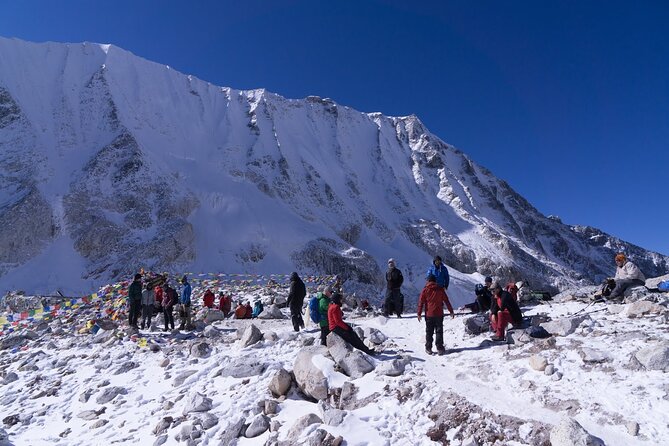
From there, the pass day begins with a short ascent into a valley on the north side of the Larkya glaciers. You’re given specific peak names for the views: Cho Danda and Larkya Peak. Then you walk across moraines and gradually ascend to the pass itself.
At the top, the view list gets serious: Himlung Himal, Cheo Himal, Kangguru, and Annapurna II are all named as part of the vista. After you cross the pass, the route continues onto yak pastures toward Bimtang, with evening mist mentioned.
This is the day where you’ll feel the trek’s character: the physical effort is big, but the environment makes you understand why people talk about the route for years. It also helps to have realistic expectations. The pass doesn’t care how confident you are at sea level. It rewards pacing and calm.
Finishing loop: Bhimtang to Dharapani and the stone-paved village feel
After Bimtang, the trek goes toward Dharapani, passing through Tilije along a stone paved village. You’ll cross the Dudh Khola and walk along the river bank, then cross back on a wooden bridge to the northern side.
As you continue, you pass a chorten shaped arch and Mani wall at Thonje, then continue toward Dharapani for the night.
This final trek segment is a mix of steady walking and more of that “small details” travel. The stone paths and religious markers keep pulling your attention away from fatigue, which is good. But don’t assume the legs are ready for fast hiking. After Larkya La, everything is slightly harder for a day or two, even if the trail looks calm.
Back to Kathmandu: jeep down to Beshisahar and bus along the Prithivi Highway
Your last day is transportation-heavy, but it’s also where the mountains turn back into everyday Nepal. You first drive down to Beshisahar by a local sharing jeep (about 4 to 5 hours). Then you continue by bus along the Prithivi Highway.
From there, the trip route depends on what you want next. If you go toward Pokhara, it’s about 5 to 6 hours. Toward Kathmandu, it’s about 7 to 8 hours. The drive follows the banks of the Marsyangdi and Trishuli rivers, with views of green hills, farming terraces, and villages as you ride.
At the end, the activity returns you back to the meeting point area in Kathmandu.
Price and value: $600 and where it can feel like a bargain or a surprise
At $600 per person for an about 12-day trek, this package can be good value, mainly because it includes a guide, accommodation, insurance, and public transportation. The private nature of the trek can also matter, especially if you don’t want to share your pace or your rest time with strangers.
That said, I’d treat the inclusions as something to verify line by line. The materials list:
- food and accommodation as included
- but also say all food and beverages are not included
- plus tea house accommodation fees are not included
- and porter service is not included
So the real value question is: how much do you expect to pay on the trail day by day? If your meals and core lodging are covered, $600 can be a solid deal. If you end up paying for meals, drinks, and lodge fees frequently, that $600 can climb.
One smart move: ask your operator what meals are included, what’s tea house-only, and what insurance actually covers versus what requires separate travel insurance. It’s normal for trekking packages to have small gaps. Better to know now than later.
Also keep in mind gratuities are expected. That’s common in Nepal and should be built into your trip budget.
Who should book this Manaslu Circuit trek
This trek fits you if you want:
- a classic circuit with a glacier and a high pass focus (Larkya La)
- long mountain days but with an acclimatization pause in Samagaun
- real village walking with monasteries, Mani walls, and prayer flags that are part of the route, not staged
It’s less ideal if you:
- want very short hikes or a low-effort plan
- hate bridge crossings or narrow gorges
- need everything to be guaranteed smooth and predictable (mountain weather changes fast)
The provider materials also say travelers should have moderate physical fitness. Treat that as a minimum. If you’re new to trekking, get training first.
Booking call: should you choose Nepal Trek Ways for Manaslu?
If you care about organization, this operator looks strong. Past communication highlighted quick question replies from Bikash in Germany, and other notes credited Hari and Bimal’s team for smooth planning, including airport pick-up and a friendly ending touch. That matters because Manaslu is not a “wing it” trek. Good logistics reduce stress, which lets you focus on altitude and trail rhythm.
My recommendation: book if you’re ready for a demanding route and you verify what’s covered for meals, lodging, and insurance. If those details are clear to you, the combination of a private-style setup, a well-paced acclimatization day, and a route that keeps its cultural character makes this a very worthwhile Manaslu Circuit experience.
FAQ
How long is the Manaslu Circuit Trek with side trips?
It runs for about 12 days (approx.).
What does the trek cost?
The price listed is $600.00 per person.
Where is the meeting point in Kathmandu?
The meeting point is Hotel Moonlight, Paknajol Marg, Kathmandu 44600, Nepal.
What time does the trek start?
The start time is 7:15 am.
Is this tour private or shared?
It’s described as a private tour/activity, so only your group will participate.
What permits are required for this trek?
You need a special trekking permit for the Manaslu restricted area, plus the Manaslu and Annapurna conservation permits.
What transportation is used during the trip?
Public transportation is included, using a Public Deluxe Bus and jeep for the trip segments in Nepal.
What is included in the price?
Included items listed are one English speaking trekking guide, food, accommodation, insurance, and public transportation. Entrance fee/permits are also mentioned as required.
What is not included?
Not included items listed are gratuities, all food and beverages, travel insurance, tea house accommodation fees during the trek, and porter service to carry your belongings.
What fitness level is recommended?
The materials say you should have a moderate physical fitness level.
More Trekking Out of Kathmandu






More Tour Reviews in Kathmandu




Just Reviewed in Kathmandu
- Mountain Bike Tour
★ 5.0 · 3 reviews - Annapurna Panaroma
★ 5.0 · 3 reviews - Mount Everest Scenic Flight 50 Minutes
★ 5.0 · 3 reviews - Kathmandu : Swambhunath & Durbar Square Guided Half Day Tour
★ 3.3 · 3 reviews - Chandragiri Cable Car & Monkey Temple Tour – Private/Group
★ 5.0 · 3 reviews - Kathmandu: Shivapuri National Park Hiking Day Trip
★ 3.3 · 3 reviews
Manaslu Circuit Treks, compared.
 ★ 5.0Manaslu Circuit TrekFrom $1,190292 reviews
Manaslu Circuit TrekFrom $1,081184 reviews
★ 5.0Manaslu Circuit Trek:From $1,099106 reviews
 ★ 5.0Manaslu Circuit Trek (15 Days)From $1,65750 reviews
Manaslu Circuit TrekkingFrom $1,49944 reviews
 ★ 5.016 Day Private Manaslu Circuit Trek from KathmanduFrom $1,13542 reviews
★ 5.0Manaslu Circuit TrekFrom $1,90035 reviews
 ★ 5.0Manaslu Circuit Trek 13 DaysFrom $1,40030 reviews
Browse the lists this tour appears in