
If you want big Himalayan views without the busiest trails, this trek hits the sweet spot. You’ll follow the Budhi Gandaki River valley, wander through Tsum’s monasteries and mani walls, then earn the line where the mountains really show off at Larke Pass (5420 m).
I love that the trip is set up as an economical group trek with real on-the-ground support: licensed guide, porters, permits, and meals during the trek. One thing to consider first: this is a physically demanding itinerary around high elevation, and you’ll need to choose a trek-friendly pace and pack smart for long days in thin air.
In This Review
- Key highlights that make this Manaslu + Tsum plan worth your time
- Why Manaslu Circuit + Tsum Valley feels different than the crowd
- Price and logistics: what you’re paying for, and what you still cover
- Kathmandu start: airport pickup, half-day sights, and a calmer launch
- The trekking spine: teahouses, meals, and long river-valley walking
- Tsum Valley culture: mani walls, chortens, monasteries, and ethnic life
- Larke Pass (5420 m): the day to respect, plan for, and move smart
- Tatopani hot springs: the recovery trick that keeps you going
- Guides and porters: why the support system can change your whole trek
- Team size, pace, and who this trek suits
- Weather reality and why good timing matters
- Value check: does $1,250 make sense for what’s included?
- Tips to make your Manaslu Circuit with Tsum Valley feel easier
- Should you book this Manaslu Circuit with Tsum Valley?
- FAQ
- How long is the Manaslu Circuit Trek with Tsum Valley?
- Where does the trek start and end?
- What time does the experience start?
- Is airport pickup and drop included?
- Do I need to get trekking permits myself?
- Are meals included during the trek?
- What about drinks?
- How does porter support work?
- What’s the highest point on the route mentioned here?
- What happens if weather is bad?
- Is there a cancellation window with a refund?
Key highlights that make this Manaslu + Tsum plan worth your time
- Larke La Pass at 5420 m for serious mountain payoff and wide-open views
- Tsum Valley culture: chortens, mani walls, and monasteries tied to local life
- Budhi Gandaki River walk with long stretches that feel calm, not chaotic
- Tatopani hot springs to loosen legs after hard walking days
- Small group cap (max 16) that keeps the trek feeling organized without feeling crowded
- Guide + porter support (porter ratio is 1 porter for 2 people) to reduce stress and packing load
More trails out of Kathmandu, boots ready
- Everest Base Camp Trek – 14 Days★ 5.0 · 1,499 reviews
- Everest Base Camp Trek★ 5.0 · 842 reviews
- Everest Base Camp Trekking★ 5.0 · 485 reviews
- Nagarkot Sunrise View and Day Hiking from Kathmandu★ 5.0 · 471 reviews
Why Manaslu Circuit + Tsum Valley feels different than the crowd
Manaslu Circuit with Tsum Valley is for hikers who like epic terrain but don’t want to fight for space. The Manaslu region has a reputation for fewer trekkers, and that shows in how the days feel: you spend more time watching mountains and less time dodging people on the trail.
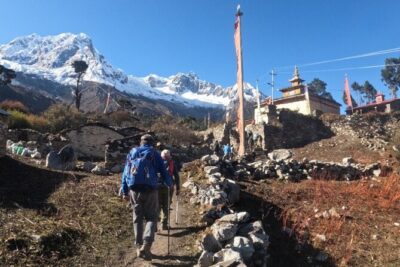
You also get two types of wow. First is the natural side—river valleys, stone villages, and that long climb toward high passes. Second is the cultural side. Tsum Valley is known for a spiritual feel, with monasteries, chortens, and mani walls that help you understand what you’re seeing, not just pose in front of it.
Price and logistics: what you’re paying for, and what you still cover
This trek is listed at $1,250 per person, and it’s not just paying for walking. The value is in the logistics that can otherwise eat your time and energy in Nepal: trekking permits, guide and porter services, meals during the trek, and Kathmandu accommodations.
Here’s what’s included:
- Airport pickup and drop
- Kathmandu: 3-star hotel plus half-day sightseeing with transportation
- Trekking guide (government licensed) and porters (1 porter for 2 people)
- All meals during trekking and accommodation in tea houses
- Necessary trekking permits
- Overland transport
- Insurance for guide and porters
- Rescue help in an emergency, covered via your insurance
- Government and local taxes
Here’s what’s not included:
- Lunch and dinner in Kathmandu and Pokhara
- Soft drinks and alcoholic drinks
- Personal travel insurance
- Monument fees only at Kathmandu
If you’re comparing prices, this one tends to pencil out well for people who want a guided trek and meals handled. If you already have a guide, you’re comfortable booking your own tea houses, and you’re budget-tight on food, then self-organizing can sometimes cost less. But it also adds planning stress at a stage where you’d rather be focused on the hike.
Kathmandu start: airport pickup, half-day sights, and a calmer launch
Your trip begins in Kathmandu with airport pickup and drop, which matters more than it sounds. In a city with traffic chaos and complicated logistics, you get a straightforward start rather than scrambling after landing.
You also get a half-day Kathmandu sightseeing plan with transportation, then you sleep in a 3-star hotel. That’s a good balance for trekkers: you get cultural orientation before you head for the mountains, but you’re not stuck on a full city itinerary while your body is still adjusting.
The meeting time is listed as 9:15 am, and the meeting point is described as near public transportation. That means you can usually get there without a big mission, even if you’re trying to travel light.
The trekking spine: teahouses, meals, and long river-valley walking
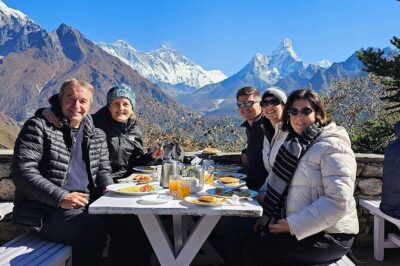
On the trail, you’ll stay in tea houses, with meals included during the trekking portion. This matters because the Manaslu Circuit is not a trek where you want to spend your day hunting for food arrangements. Having meals handled keeps you on the schedule and makes it easier to pace yourself.
A signature part of the trek is hiking alongside the Budhi Gandaki River, often with peaceful stretches through the valley. That river walk isn’t just scenic. It’s also a mental relief during a trek where you’ll have both easy miles and tougher climbs. You’ll feel the rhythm: walk, rest, eat, sleep, repeat.
Tea houses are practical: you’ll have simple rooms, shared dining spaces, and the kind of tired that makes tea taste like a reward. If you’ve trekked in Nepal before, this will feel familiar. If you’re new, it helps to know that comfort is basic but consistent.
Tsum Valley culture: mani walls, chortens, monasteries, and ethnic life
Tsum Valley is where your trek turns from hiking to experiencing. Expect cultural stops like mani walls, chortens, and monasteries, and time to watch how communities live in the mountains.
This area is also tied to ethnic groups such as Gurung, Magar, and Sherpa. You don’t need a deep anthropology degree to enjoy this side, but you’ll get more out of it if you’re curious. Ask questions when you can, watch daily routines, and keep your camera ready for religious art and village detail.
The best part about cultural trekking is that it breaks up the monotony of pure altitude. One day might feel like work on a steep trail. Another day gives your legs a chance to recover while your brain stays engaged.
Larke Pass (5420 m): the day to respect, plan for, and move smart
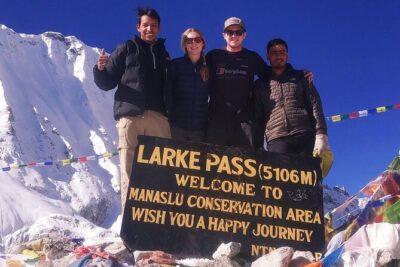
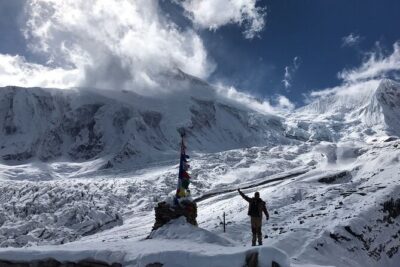
Larke Pass is the headline high point here—crossing at 5420 m. Even if you’re fit, this is still one of those trekking moments where pacing and weather both matter.
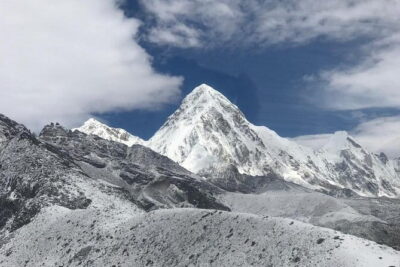
Think of the pass day as a mental test as much as a physical one. You’ll likely feel the altitude through breath rate and slower steps, even when you’re doing everything right. The win is the view: once you reach the high viewpoint area at the pass, the mountain panorama is the payoff you came for.
Practical note: high passes don’t forgive sloppy decisions. Dress in layers, carry what you need for wind and cold, and avoid rushing just because you feel strong in the morning. If your guide calls for a steady pace, it’s not for fun—it’s for survival comfort.
Tatopani hot springs: the recovery trick that keeps you going
After hard walking days, Tatopani hot springs can be a gift. Even a short soak helps your legs feel less angry, and it also helps you sleep better at night.
It’s one of the trek’s most “human” moments. You’re out in remote terrain; a warm mineral bath feels like a cheat code. Don’t overdo it—just use the time to loosen up, hydrate, and get ready for the next day’s miles.
Guides and porters: why the support system can change your whole trek
A lot of trekkers think the main advantage of booking a guided trek is safety. That’s real, but the bigger advantage is workload reduction. Here, you’re not just paying for someone to lead you—you’re buying back your energy for the trail.
You’ll hike with a professional guide and licensed support, plus porters with a 1 porter for 2 people ratio. That ratio tends to keep things fair while still reducing how much weight you carry yourself.
From past group experiences, guides such as Pasang, Indra Baram, Santosh, Aitey, Ram, and Raj have led Manaslu Circuit and related routes. Different personalities, same goal: keep you moving, keep you informed, and keep you feeling supported.
One more small detail I like: some groups reported that guides explained mountain names and what you were looking at. When you understand what’s in front of you, the views feel earned in a new way, not just photographed.
Team size, pace, and who this trek suits
This trek is capped at 16 travelers, which is a sweet spot for group travel. Big enough for organization. Small enough that the day doesn’t turn into a traffic jam.
The tour also targets people with moderate physical fitness. That doesn’t mean it’s easy. It means you should be comfortable hiking for several hours and managing altitude gradually. If you’re not sure, be honest with yourself and choose training that builds stamina before you go.
This is a strong fit if you:
- Want an active trek with fewer crowds
- Like both mountains and village culture
- Prefer a guided plan over daily logistics
- Enjoy a group setting but don’t want a huge pack of hikers
It might not be the best fit if you:
- Have major mobility limits and can’t handle steep trail sections
- Want a trip with lots of downtime built in
- Expect full-service hotel comfort every night
Weather reality and why good timing matters
The experience requires good weather. That’s not marketing talk—it’s practical. When mountain conditions turn, visibility and safety change quickly, especially around passes.
If the trek is canceled due to poor weather, you’ll be offered a different date or a full refund. So plan your trip with flexible dates if you can. In Nepal, even the best preparation can’t control clouds or storms, but it can help you cope when conditions shift.
Value check: does $1,250 make sense for what’s included?
For $1,250, you’re paying for a structured trek package that includes:
- Permits
- Guide and porters
- Tea house lodging and all meals during trekking
- Kathmandu hotel and transport
- Overland transport and airport transfers
- Local and government taxes
In my view, this becomes value-positive when you’d otherwise spend money on those services anyway, or when you’d lose time and peace of mind doing it yourself. You also get a key comfort: you’re not trying to navigate permit steps, route choices, and tea house planning while your legs are already taxed.
The main “cost risk” isn’t the trekking fee—it’s what you add outside the package: drinks, Kathmandu lunches/dinners, and personal travel insurance. If you budget those in up front, this package reads as a fair deal.
Tips to make your Manaslu Circuit with Tsum Valley feel easier
Here’s how I’d prepare based on how treks like this actually play out:
- Train for steady hiking, not just sprints. The pass day rewards patience.
- Pack layers for wind at altitude. Cold can hit fast even when days start mild.
- Keep your daypack light. With porters in the system, use that to your advantage.
- Plan your water habits. In tea house trekking, routines help you stay consistent.
- Be ready to enjoy small moments: river walks, village pauses, and cultural details. Those add up.
Also, since you’ll cross Larke Pass, take elevation seriously even if you feel fine during the first days. Your body adapts, but you still need to respect the timeline your guide sets.
Should you book this Manaslu Circuit with Tsum Valley?
Book it if you want a guided Manaslu trek that prioritizes real mountain effort with fewer trekkers, cultural depth in Tsum Valley, and support that reduces logistics headaches. The inclusion of permits, meals during the trek, tea house lodging, and Kathmandu hotel makes it easier to budget and easier to focus.
Skip it—or ask lots of questions—if you’re chasing a relaxed, low-effort trip, or if you’re unsure you can handle a high pass crossing at 5420 m. This is an active trek. When it clicks, the combination of Manaslu-area peaks, Tsum culture, and the Larke Pass viewpoint is the kind of memory that lasts.
FAQ
How long is the Manaslu Circuit Trek with Tsum Valley?
The trip duration is listed as 14 days (approx.) in the tour details, and the overall product name also suggests a longer, multi-week plan.
Where does the trek start and end?
It starts in Kathmandu, and the package includes a hotel in Kathmandu plus airport pickup and drop.
What time does the experience start?
The listed start time is 9:15 am.
Is airport pickup and drop included?
Yes. Airport pickup and drop are included.
Do I need to get trekking permits myself?
No. Necessary trekking permits are included.
Are meals included during the trek?
Yes. All meals during trekking and accommodation in tea houses are included.
What about drinks?
All drinks (soft and hard) are not included.
How does porter support work?
You’ll have porters with a ratio of 1 porter for 2 people.
What’s the highest point on the route mentioned here?
The itinerary includes crossing Larkya La pass at 5420 m, with panoramic views from the pass viewpoint area.
What happens if weather is bad?
The experience requires good weather. If it’s canceled due to poor weather, you’ll be offered a different date or a full refund.
Is there a cancellation window with a refund?
Yes. You can cancel up to 24 hours in advance for a full refund. If you cancel less than 24 hours before the start time, it’s not refundable.
More Trekking Out of Kathmandu
More Tour Reviews in Kathmandu
Just Reviewed in Kathmandu
- Mountain Bike Tour
★ 5.0 · 3 reviews - Annapurna Panaroma
★ 5.0 · 3 reviews - Mount Everest Scenic Flight 50 Minutes
★ 5.0 · 3 reviews - Kathmandu : Swambhunath & Durbar Square Guided Half Day Tour
★ 3.3 · 3 reviews - Chandragiri Cable Car & Monkey Temple Tour – Private/Group
★ 5.0 · 3 reviews - Kathmandu: Shivapuri National Park Hiking Day Trip
★ 3.3 · 3 reviews
Manaslu Circuit Treks, compared.
 ★ 5.0Manaslu Circuit TrekFrom $1,190292 reviews
Manaslu Circuit TrekFrom $1,081184 reviews
★ 5.0Manaslu Circuit Trek:From $1,099106 reviews
★ 5.0Manaslu Circuit TrekFrom $1,190292 reviews
Manaslu Circuit TrekFrom $1,081184 reviews
★ 5.0Manaslu Circuit Trek:From $1,099106 reviews
 ★ 5.0Manaslu Circuit Trek (15 Days)From $1,65750 reviews
Manaslu Circuit TrekkingFrom $1,49944 reviews
★ 5.0Manaslu Circuit Trek (15 Days)From $1,65750 reviews
Manaslu Circuit TrekkingFrom $1,49944 reviews
 ★ 5.016 Day Private Manaslu Circuit Trek from KathmanduFrom $1,13542 reviews
★ 5.0Manaslu Circuit TrekFrom $1,90035 reviews
★ 5.016 Day Private Manaslu Circuit Trek from KathmanduFrom $1,13542 reviews
★ 5.0Manaslu Circuit TrekFrom $1,90035 reviews
 ★ 5.0Manaslu Circuit Trek 13 DaysFrom $1,40030 reviews
Browse the lists this tour appears in