
Review · MANASLU CIRCUIT TREKS
Manaslu Trekking
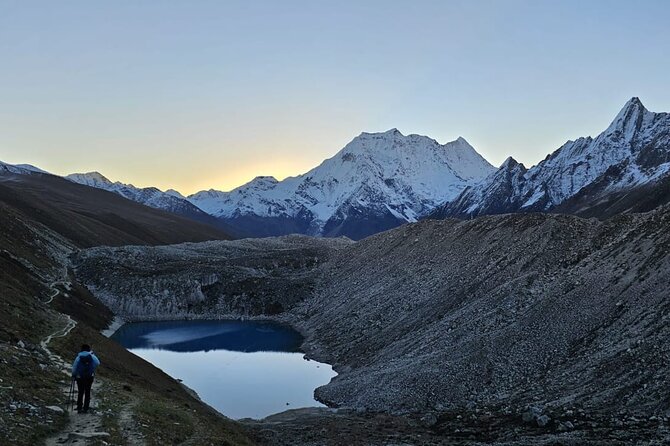
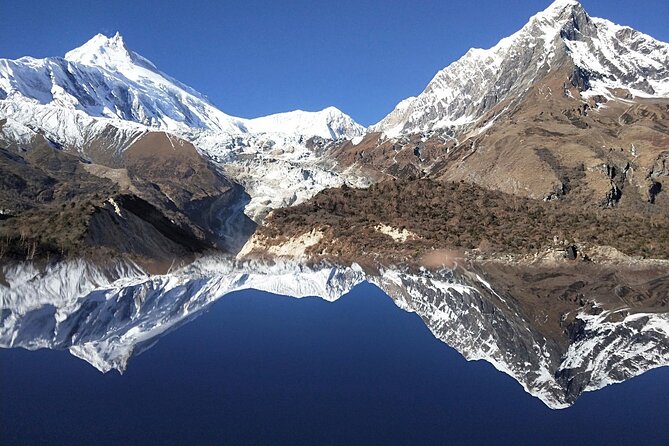
Rough trails, big views, and real villages—this trek has them in the same package. The Manaslu Circuit circles Mount Manaslu (8,163m) and keeps you off the most stamped-on routes, with a route that mixes river valleys, Buddhist-influenced stops, and high-pass walking. If you like your trekking stories with fewer souvenir shops and more quiet monasteries, this one fits.
I like that the trip handles the hard logistics for you. You get airport pickup and drop, Kathmandu hotel with breakfast, guided sightseeing in the valley, and a full-board meal plan during the trek. I also like the people setup: you travel with an experienced guide and porters, including insurance and expenses, plus a porter ratio of 1 porter for 2 people.
One possible drawback: this is still a serious walking trek. The itinerary stacks long trek days (often around 5–6 hours), and the Larkya Bhanjyang pass means you’ll want a solid base and smart layering for colder air near tundra.
In This Review
- Key highlights at a glance
- Manaslu Circuit: why this trek hits different
- Kathmandu warm-up: temples, stupa views, and getting your bearings
- Days on the Budhi Gandaki: river valleys, hot springs, and stone stair sections
- From villages to Buddhist influence: Ghap, Namrung, and the approach toward higher terrain
- Samagaun and the Manaslu views: monastery time and resting in the right place
- Crossing toward Samdo: the higher river rhythm to Samdo
- Larkya Bhanjyang: tundra, juniper, and the pass day logic
- Bimthang viewpoints, Tilje, and Chamje: finishing the circuit with forest walking
- Kathmandu wrap-up days: leisure in Thamel and last shopping time
- What you get for $1,900: value depends on what you don’t want to manage
- Fitness and readiness: the moderate level isn’t the same as easy
- Who this trek suits best
- Should you book Manaslu Circuit with World Himalaya Treks & Expeditions?
- FAQ
- FAQ
- How long is the Manaslu Circuit Trek?
- Is airport pickup and drop included?
- What permits are included for trekking?
- Are meals included during the trek?
- Do I share a room in Kathmandu, and what hotel is included?
- Are tips included for guides and porters?
Key highlights at a glance
- Manaslu feels quieter than the more commercial Everest/Annapurna corridors, so the trail can feel more human and less hectic.
- Permits and fees are included, including the TIMS card and required trekking permits, which saves you from last-minute paperwork stress.
- Full-board trekking meals mean you’re not constantly hunting food on the trail.
- Porter support is built in (1 porter per 2 people), and porter gear is addressed for trekking needs.
- Kathmandu culture days are real: Pashupatinath, Boudhanath, and Swayambhunath are part of the build-up.
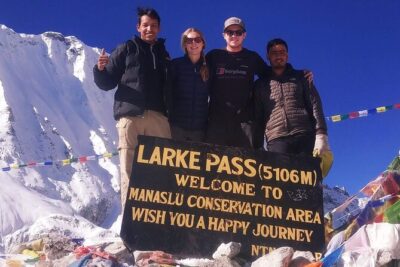
- A classic high-pass day over Larkya Bhanjyang gives you that big-circuit payoff.
More trails out of Kathmandu, boots ready
- Everest Base Camp Trek – 14 Days★ 5.0 · 1,499 reviews
- Everest Base Camp Trek★ 5.0 · 842 reviews
- Everest Base Camp Trekking★ 5.0 · 485 reviews
- Nagarkot Sunrise View and Day Hiking from Kathmandu★ 5.0 · 471 reviews
Manaslu Circuit: why this trek hits different
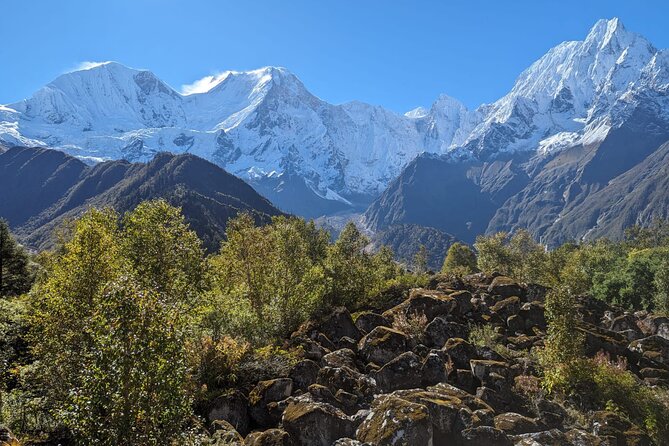
The Manaslu region sits in that sweet spot where the walking is challenging, but the experience stays grounded. You circle the world’s eighth-highest mountain, and the scenery changes often enough that your legs don’t feel like they’re trudging through the same postcard.
What I appreciate most is the vibe of the route. The Manaslu Circuit is described as less crowded than other major trekking areas, and that matters. Fewer people usually means calmer mornings, fewer crowd delays, and more chances to actually talk with tea-house staff and villagers without constant background noise.
You’ll also get a mix of cultures and trail types. The itinerary moves from river crossings and terraces to Buddhist-influenced areas, then toward tundra and juniper as you approach the pass—so the trek doesn’t just “look scenic,” it feels like you’re walking through zones of Nepal.
Kathmandu warm-up: temples, stupa views, and getting your bearings
Your trip starts in Kathmandu with an arrival transfer to a hotel. Day 1 includes time to get refreshed, then a welcome dinner and a briefing about the journey. It’s a nice rhythm: you land, you eat, you get the plan without rushing.
Day 2 is your cultural sweep with a professional guide. You visit Pashupatinath Temple, then Boudhanath Stupa, and finally Swayambhunath (the Monkey Temple). These aren’t random stops; they help you understand the religious backdrop you’ll keep seeing on the trek, especially as the route turns more Buddhist-influenced.
Day 2 also gives you time to prepare for the trek. You meet trekking staff, and you’re in “gear-and-plan mode” before the trail starts. That’s practical travel wisdom: when your body is tired from arrival, it helps to handle the non-trek logistics early.
Days on the Budhi Gandaki: river valleys, hot springs, and stone stair sections
Once the trek begins, you move along the Budhi Gandaki corridor through a sequence of villages that feel linked by river logic. These days are not just about distance; they’re about small geography changes—cliffs, ridges, bridges, and riverbeds—that keep your attention on where you step.
On Day 3, you trek through Sal forests, climb above rapids, and reach Khursane. The route includes a steep, rocky section clinging to a cliff edge, plus two tropical waterfalls along the way. You also pass rice terraces and reach the Gurung village of Labubesi before ending the day at Machha Khola.
Day 4 keeps the “valley plus ridges” theme. You cross Tharo Khola, reach Khorlabesi, and pass a small hot spring stop at Tatopani. You’ll also do multiple suspension bridge crossings and deal with a wide staircase section, plus a landslide crossing area. This is the kind of day where footwear grip and trekking poles can make the difference between steady and shaky.
Day 5 continues upstream walking with an evolving feel. You climb to Salleri, descend to Sirdibas, walk past Philim’s long suspension bridge, and follow a flatter trail through millet fields to Ekle Bhatti. Then you hit a steep uninhabited gorge, switch banks, cross again, and weave through bamboo forest to Deng. The finish at Deng is in a smaller village setting, which usually means quieter nights and simple comforts.
From villages to Buddhist influence: Ghap, Namrung, and the approach toward higher terrain
Day 6 shifts toward a Buddhist-influenced area. The itinerary goes from the trail-building bridge-and-gorge style toward Ghap and then overnight in Gamp (the listing names vary slightly, but the day’s goal is clear: move deeper into the trek’s higher rhythm). Even before the real altitude feeling hits, these days tend to feel more “remote Nepal” than “infrastructure Nepal.”
Day 7 is your move toward the Manaslu Base Camp zone. You climb through bamboo and rhododendron forests to Namrung, then enter the Nupri region and continue toward the camp at night. The day is described around 6 hours, which tells you this won’t be a casual stroll—plan for steady pace rather than sprinting.
What you’ll likely notice as you go: the trail character changes as you move higher. Bamboo and rhododendron stop being “background” and start feeling like the main texture of the walk. That’s one reason tea-house nights here can feel cozy; you’ve earned them.




Samagaun and the Manaslu views: monastery time and resting in the right place
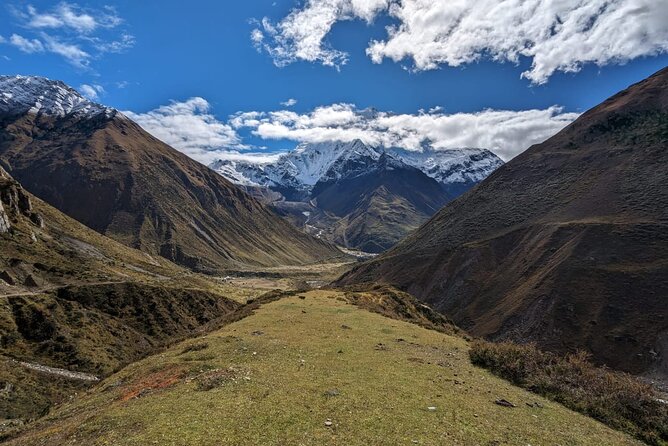
Day 8 brings you to Samagaun. You follow the river with views of Peak 29 and arrive with views of Manaslu. Overnight is at camp, so you’re still in trekking mode, but the views are part of why this stop matters.
Day 9 is a lighter-feeling day on purpose: explore the monastery and village with great views. This is where the trek becomes more than walking. A monastery stop isn’t just a checkbox; it gives you time to slow down, observe daily routines, and connect the dots between what you saw in Kathmandu and what you’re seeing out here.
Even if you’re not religious, these stops help you understand why locals build their lives around certain places and routes. That context makes the rest of the hike feel less like a “photo mission” and more like a journey through an actual landscape of meaning.
Crossing toward Samdo: the higher river rhythm to Samdo
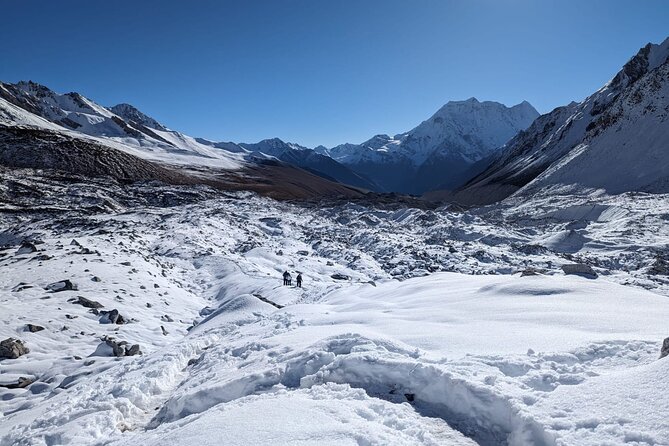
Day 10 follows the Budhi Gandaki to Samdo. This is another 6-hour day, but the “payoff” here is the gradual increase in high-country feel. The itinerary stays with the river guidance, which is often the easiest way to gauge where you are and how close you are to pass country.
The important value of a day like this is pacing. You’re not jumping from village to village in a straight line; you’re letting your body adjust to the slower, higher-energy walking. If you’ve been careful with your effort earlier in the trek, this is a good day to keep that steady approach.
Larkya Bhanjyang: tundra, juniper, and the pass day logic
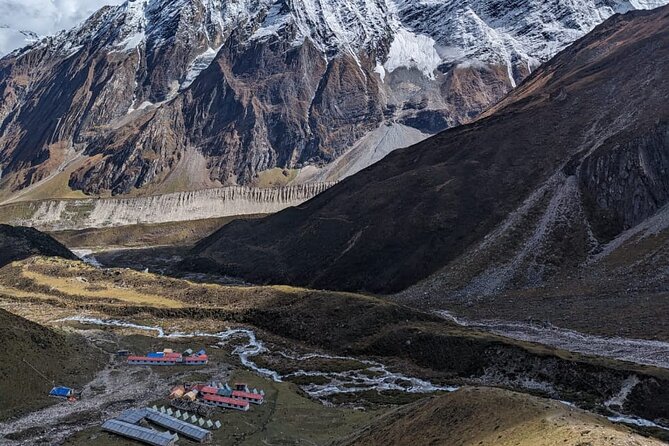
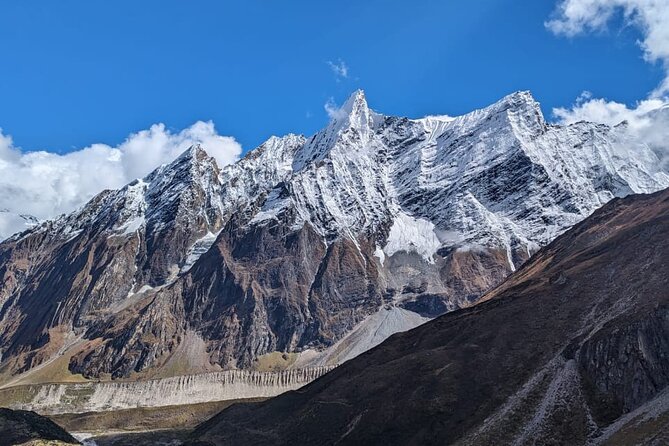
Day 11 starts the ascent to Larkya Bhanjyang. The listing calls out tundra and juniper, and that combination usually signals an environment with less tree cover and more exposed walking. That matters for planning: you’ll want layers ready and a mindset that the pass day is about consistency, not bravado.
Day 12 is about reaching the summit and then descending to Bimtang. You’ll get panoramic views, then you shift from “climb mode” to “legs-saving mode.” In pass-country trekking, the descent is often where your knees either stay happy or start complaining, so take your time with your step length.
A practical takeaway: on high-pass days, your goal is to finish feeling like you made good decisions. You’ll likely appreciate any strategy that keeps your breathing controlled and your pace even.
Bimthang viewpoints, Tilje, and Chamje: finishing the circuit with forest walking
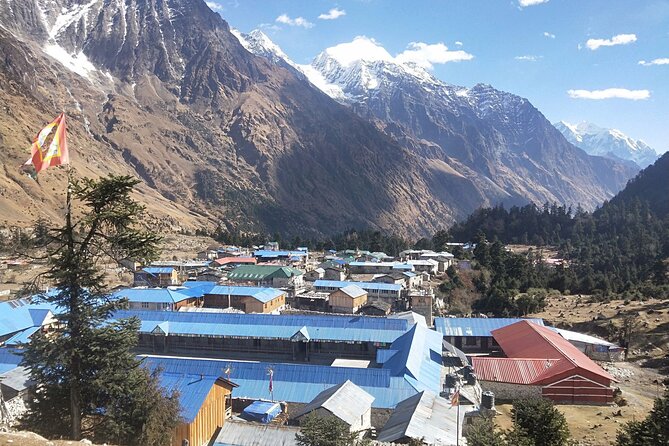
Day 13 focuses on a descent through forests to Tilje, with a viewpoint connected to Bhimtang Lake. This is your reminder that the Manaslu Circuit isn’t just pass drama. It also rewards you with lake-area scenery and forest walking that feels more sheltered than the pass approach.
Day 14 brings you to Chamje. The trail follows scrub forests and then reaches Chamje for overnight. By now, you’re close enough to the end that your body often starts to negotiate with you—but the route still keeps moving, and you’ll still want to treat each day like it matters.
Then comes the big transition: Day 15 is your drive back to Kathmandu through the countryside. You’ll rest at the hotel, which is exactly what you want after days of camp sleeping and constant movement.
Kathmandu wrap-up days: leisure in Thamel and last shopping time
Day 16 is a full day at leisure. If you want to unwind, this is your time. Thamel is mentioned as an area to relax or explore, and that makes sense: it’s a practical place for a shower reset, a laundry stop, and casual browsing.
Day 17 includes more free time for last-minute shopping or activities, then transfer to the airport for departure. The trip ends back at the meeting point area, which helps if your plans are arranged around that central Kathmandu location.
What you get for $1,900: value depends on what you don’t want to manage
At $1,900 per person for roughly 17 days, the value is mostly about what’s handled for you. You’re not just paying for walking; you’re paying for the whole system: guides, porters, permits, lodging in Kathmandu, and full-board meals during the trek.
Here’s what stands out as practical value:
- Permits and fees are included: trekking permit, national park entry fees, and the TIMS card. Paperwork in Nepal isn’t hard, but it’s still time and stress you may not want on a trip schedule.
- Full-board meals during the trek (breakfast, lunch, dinner) means fewer “what do we eat?” moments. On a long hike, that certainty matters more than people think.
- Three-star deluxe twin-share accommodation in Kathmandu with breakfast is included, so you get a real base before and after the trail.
- Guide and porter costs are covered, including insurance and expenses. You also get porter support at a ratio of 1 porter for 2 people.
Also included are a duffel bag and T-shirt, plus a medical kit box during the trip. Those aren’t the headline items, but they’re useful touches—especially the medical support presence.
One thing to note for your budget planning: beverages are not included, and tips for guides and porters are not included (though tips are accepted in Nepal). If you’re the type who likes an occasional soda or hot drink with dessert, set aside extra cash.
Fitness and readiness: the moderate level isn’t the same as easy
The trip lists a moderate physical fitness level. I’d read that as: you don’t need to be an athlete, but you do need to be comfortable with daily walking and occasional steep sections.
The itinerary is packed with 5–6 hour trek days and includes a high-pass ascent and a summit day. Even if you’re a steady walker, you’ll want to prepare for long time on your feet and for days where the trail gets rocky, stair-like, or exposed.
If you’ve never trekked before, this is where you should be honest with yourself. Training now makes the trek more fun later. And on a route like this, feeling good is what lets you enjoy monastery stops and viewpoint time instead of just surviving the next bend.
Who this trek suits best
This is a strong fit if you:
- Want a less-crowded circuit feel and you like villages over busy trekking towns.
- Enjoy challenging but well-structured itineraries with a guide and porter support.
- Value included logistics like permits, guides, and full-board meals.
It’s less ideal if you:
- Want a mostly flat, easy walking style.
- Don’t want to commit to a pass day that involves tundra and juniper terrain.
Should you book Manaslu Circuit with World Himalaya Treks & Expeditions?
If you want an organized Manaslu Circuit where the permits, guide support, and main meal plan are handled, I think it’s a smart choice. The route is challenging in the right way—daily structure, realistic pacing, and a high-pass payoff—plus Kathmandu days that set context instead of just filling time.
I’d book if you’re ready for steady trekking days, you like quieter trails, and you want value that shows up as less planning stress.
Book with confidence if you’re comfortable managing your own personal expenses like beverages and you’re fine budgeting for tips. And if you’re unsure about fitness, treat it as a training call, not a deal-breaker—you’ll enjoy the trek far more once your body is on your side.
FAQ
FAQ
How long is the Manaslu Circuit Trek?
The itinerary is listed as 17 days approximately, with trekking typically described as about 14 to 16 days.
Is airport pickup and drop included?
Yes. Airport pick up and drop are included.
What permits are included for trekking?
The trip includes all necessary trekking permit(s), national park entry fees, and the TIMS card.
Are meals included during the trek?
Yes. Breakfast, lunch, and dinner are included during your trek as full board.
Do I share a room in Kathmandu, and what hotel is included?
In Kathmandu you get three-star deluxe twin-share accommodation with breakfast as per the itinerary.
Are tips included for guides and porters?
No. Tips for guides and porters are not included, though tips are accepted in Nepal.
More Trekking Out of Kathmandu






More Tour Reviews in Kathmandu




Just Reviewed in Kathmandu
- Mountain Bike Tour
★ 5.0 · 3 reviews - Annapurna Panaroma
★ 5.0 · 3 reviews - Mount Everest Scenic Flight 50 Minutes
★ 5.0 · 3 reviews - Kathmandu : Swambhunath & Durbar Square Guided Half Day Tour
★ 3.3 · 3 reviews - Chandragiri Cable Car & Monkey Temple Tour – Private/Group
★ 5.0 · 3 reviews - Kathmandu: Shivapuri National Park Hiking Day Trip
★ 3.3 · 3 reviews
Manaslu Circuit Treks, compared.
 ★ 5.0Manaslu Circuit TrekFrom $1,190292 reviews
Manaslu Circuit TrekFrom $1,081184 reviews
★ 5.0Manaslu Circuit Trek:From $1,099106 reviews
 ★ 5.0Manaslu Circuit Trek (15 Days)From $1,65750 reviews
Manaslu Circuit TrekkingFrom $1,49944 reviews
 ★ 5.016 Day Private Manaslu Circuit Trek from KathmanduFrom $1,13542 reviews
★ 5.0Manaslu Circuit TrekFrom $1,90035 reviews
 ★ 5.010 Days Manaslu Circuit Trek in Larke La PassFrom $1,04930 reviews
Browse the lists this tour appears in