
Review · MANASLU CIRCUIT TREKS
Multiday Manaslu Circuit Trek
Manaslu Circuit gets under your skin. This route blends Buddhist village culture with long mountain hiking days, then caps it with the big Larkya La Pass crossing at about 5,106m (16,752 ft). I love that the trek stays grounded in real trails and local life, not just photo stops.
Two things I especially like: the support system is built in, with an English-speaking government-registered local guide, first-aid basics, and an oximeter for altitude checks. And the trip keeps things practical by including your trekking meals (breakfast, lunch, dinner) during the trek days, so you’re not constantly hunting for food on the trail. You get a real sense of care, with one guide name popping up again and again in the same way: Kapil, Nam, Gokul, Kopil, and others are part of the team you’re likely to meet.
One consideration: this is not a casual hike. It’s described for moderate fitness, and it also isn’t recommended for people with certain dietary needs, plus you’re dealing with high altitude for multiple days.
In This Review
- Key highlights if you like your trekking with support
- Manaslu Circuit, Why This One Feels Remote
- Getting Organized in Kathmandu (Pickup, Mobile Ticket, and the Meeting Point)
- The Trail Begins: Machhakhola to Deng (Days 1–3)
- Namrung and Shyala: Villages, Monasteries, and The Big View Build-Up (Days 4–5)
- Samagaun Acclimatization: Pungyen Gompa and Optional Big Hikes (Days 6–7)
- Samdo and Dharmasala (Larkya Phedi): Rocky Terrain and The Border Feeling (Days 8–9)
- Larkya La Pass Day: The High Point and the Descent Plan (Day 10)
- Down to Dharapani Through Pine and Rhododendron, Then Kathmandu (Days 11–12)
- Price and Value: What $1,200 Covers (and What You Still Need to Budget)
- Comfort, Food, and Pack Weight Reality
- Who This Trek Fits Best (and Who Should Think Twice)
- Should You Book This Manaslu Circuit Trek With Places Nepal?
- FAQ
- What is the duration of the Manaslu Circuit trek?
- Where does the trek start and end?
- What is included in the price?
- Is a porter included?
- Does the tour arrange emergency evacuation?
- What about meals in Kathmandu?
- What is the group size?
- What is the cancellation window for a full refund?
Key highlights if you like your trekking with support
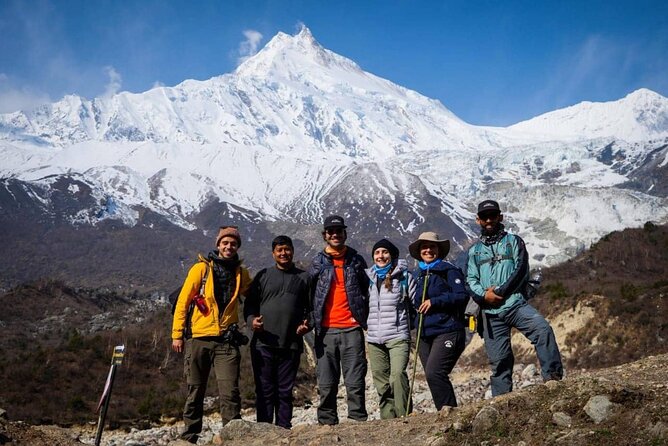
- Larkya La Pass at about 5,106m: the day that tests you, then rewards you with serious mountain views
- A small group size (max 12): easier pace control and less chaos on narrow trail sections
- Permits and restricted-area paperwork included: so you don’t have to sort this out yourself
- Oximeter + guide-led safety: you’ll check oxygen levels along the way, not guess
- Cultural stops that feel lived-in: monasteries and Tibetan-border villages along the Budhi Gandaki region
- Guesthouse trekking with included meals: you’ll know what to expect each day
More trails out of Kathmandu, boots ready
- Everest Base Camp Trek – 14 Days★ 5.0 · 1,499 reviews
- Everest Base Camp Trek★ 5.0 · 842 reviews
- Everest Base Camp Trekking★ 5.0 · 485 reviews
- Nagarkot Sunrise View and Day Hiking from Kathmandu★ 5.0 · 471 reviews
Manaslu Circuit, Why This One Feels Remote
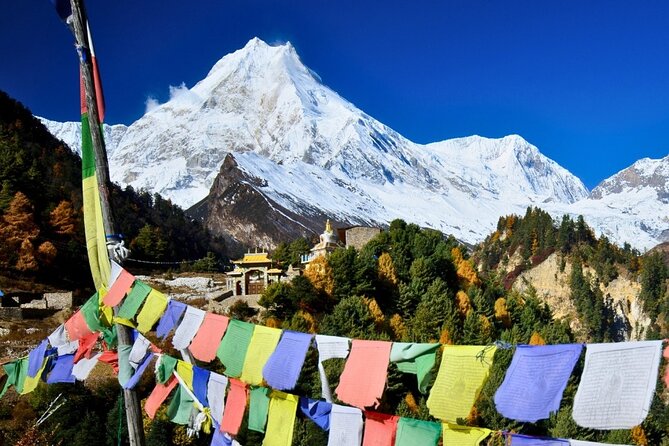
The Manaslu Circuit is popular for a reason, but it still has that quieter feel you want when you’re far from motorable roads. You’ll hike through stretches that go from terraced fields and village lanes to wooded sections and higher, rockier ground. The big theme here is variety: forests give you shade, valleys give you long walking stretches, and the higher areas turn the whole world more stark.
A key value for you is how the route builds from village trekking into true high-country travel. Early days move you gradually into the rhythm. Later days take that rhythm and turn it into altitude work, especially around Samdo and Dharmasala (also called Larkya Phedi). If you like the feeling of the trek “changing gears,” this itinerary does it well.
Getting Organized in Kathmandu (Pickup, Mobile Ticket, and the Meeting Point)
Your trip starts in Kathmandu with Places Nepal Treks at the Medical Chowk area. The tour notes pickup is offered, and it also uses a mobile ticket, which helps if you’re trying to keep your paperwork simple after a long flight.
What matters most for you day-to-day is that logistics are handled before you hit the trail. You’re not just meeting a driver and then crossing your fingers. The included items show real intent: an English-speaking local guide, a first-aid kit on hand, and practical trek supplies like a duffle bag, sun cap, trek map, and the oximeter for oxygen checks.
You’ll also return to Kathmandu the same way—by local bus—then finish with a farewell dinner. That’s a nice close to a tough trek, because you’re not stuck figuring out what to do with your time once your legs finally stop complaining.
The Trail Begins: Machhakhola to Deng (Days 1–3)
Day 1 starts with a local ride to Machha Khola, then you settle into the trek proper. This first walking day is about getting your footing and your pack routine right. It’s long enough to matter, but it’s not yet the kind of high-altitude grind that makes you second-guess every step.
On Day 2 you trek to Jagat, with a stated distance of about 19 km and roughly 4,400 feet of gain. You’ll cross suspension bridges and pass waterfalls, which is more than scenery bait. Those bridge crossings and water sounds help break up the mental fatigue of steady uphill walking.
Day 3 brings lush green forests and terraced fields. This is the day where you tend to feel the “Nepal” part clearly—farmland patterns, hillside villages, and mountain views showing up between tree lines. The potential drawback here is that lush forest hiking can tempt you to move too fast. If you start hot, high altitude later will pay you back.
Namrung and Shyala: Villages, Monasteries, and The Big View Build-Up (Days 4–5)
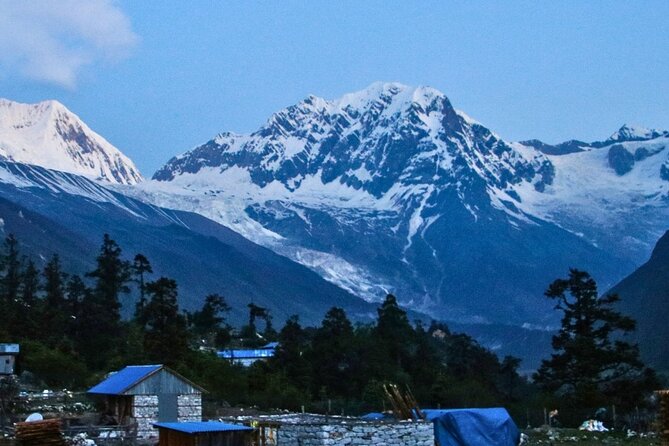
From Deng to Namrung, you’ll ascend while passing through a mix of flora and fauna and traditional villages. The route also includes ancient monastery time, which is one of the best cultural reasons to choose this circuit over a purely scenic walk. You’re not only looking at religion from the outside; you’re walking through places where Buddhism is part of daily structure.
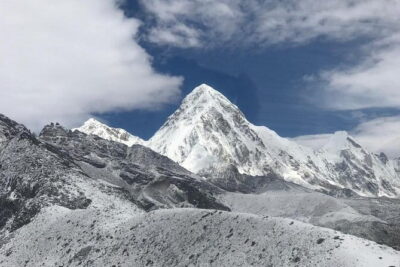
Namrung to Shyala is another ascent day. Expect strong views as you climb, then a step toward the Lho area with a big Mount Manaslu panorama. That climb matters because it sets expectations: this trek doesn’t just show mountains once. It keeps dialing the volume up.
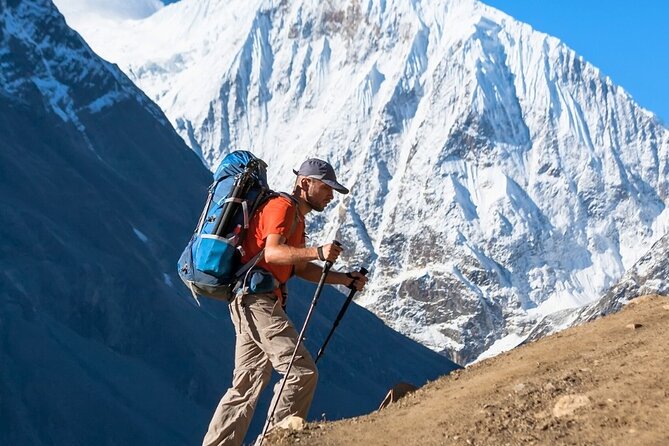
A practical note: these days are where trekking poles and good shoe grip start earning their keep. The trail can be uneven, and you’ll be tired enough that one sloppy footing decision is all it takes.
Samagaun Acclimatization: Pungyen Gompa and Optional Big Hikes (Days 6–7)
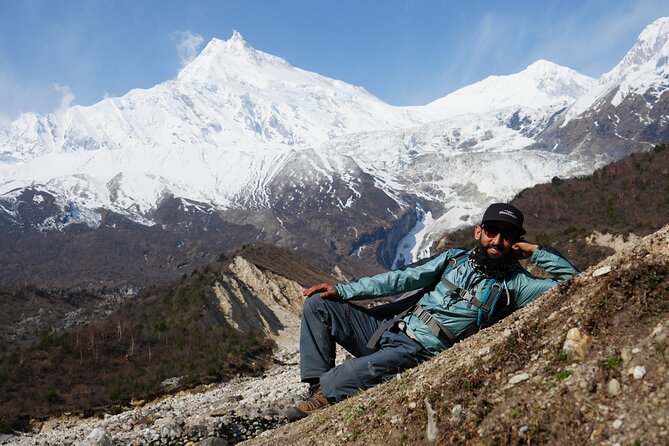
You’ll reach Samagaun and get real acclimatization time. Day 6 includes an uphill hike to Pungyen Gompa, then you return to Samagaun. You also get time to explore Samagaun itself and Ribung monastery. This is the day where the trek pauses long enough for you to catch your breath and understand the region’s rhythms.
Day 7 is another acclimatization day, and you have choices. The itinerary lists optional day trips to Manaslu Base Camp (15,748 ft) or Birendra Lake (12,109 ft). Even if you don’t do either, the structure helps you adapt to altitude without rushing.
This is a place where I think your mindset matters. If you’re feeling good, the temptation is to “win” the day. If you’re already tired, it’s okay to go slower. The trek’s pacing gives you a built-in excuse to move like a professional climber: steady and controlled.
Samdo and Dharmasala (Larkya Phedi): Rocky Terrain and The Border Feeling (Days 8–9)
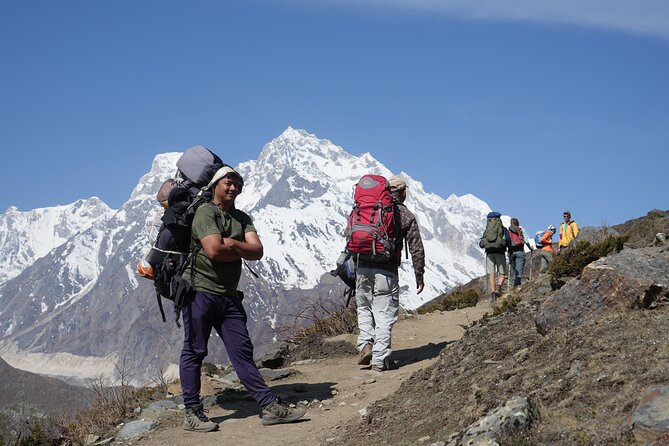
On Day 8 you hike from Sama Gaun to Samdo through rocky terrain and moraines. Then you reach Samdo village, described as sitting at the Tibetan border. That border detail is more than trivia. It changes the feel of the villages you pass—cultural influences start showing up in the way life is arranged around the mountains.
Day 9 shifts along the Budhi Gandaki River toward Dharmasala (Larkya Phedi). You’ll cross a suspension bridge along the way and keep moving through a valley that feels more exposed than earlier segments. This day is also about saving energy. Dharmasala is essentially the staging area for your pass crossing.
If you tend to get anxious before big days, don’t ignore it. Use the time to do the quiet prep: check layers, refill water plans as you can, and let your guide handle the pacing. This is also when the oximeter and oxygen-awareness habits become part of your routine.
Larkya La Pass Day: The High Point and the Descent Plan (Day 10)
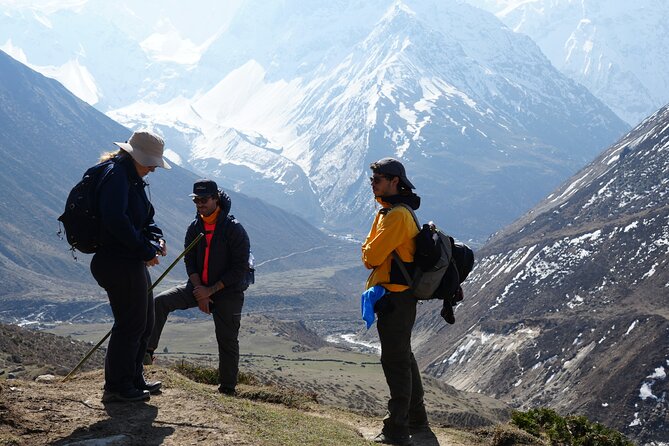
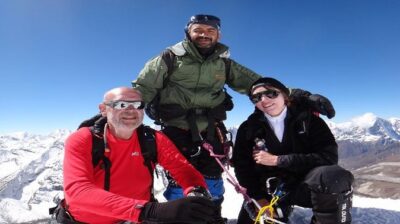
This is the signature day. The route calls it tackling Larkya La Pass, reaching around 16,929 feet (and the trip overview cites 5,106 metres). That’s why the circuit is considered challenging but rewarding.
The way the day works for you is simple: you climb, you stop often, and you keep moving with discipline. High-altitude walking isn’t just about fitness. It’s about breathing rhythm, hydration habits, and not sprinting “because you feel okay.” Your guide’s job here is pace and safety. The team’s included altitude-check tools (like the oximeter) support that.
After you conquer the pass, you continue to the next overnight area on the route. Then the itinerary lines up a descent the next day from Bhimthang down toward Dharapani. That’s important: the hardest work is climbing to the pass, but the next phase tests your legs again as you go downhill.
Down to Dharapani Through Pine and Rhododendron, Then Kathmandu (Days 11–12)
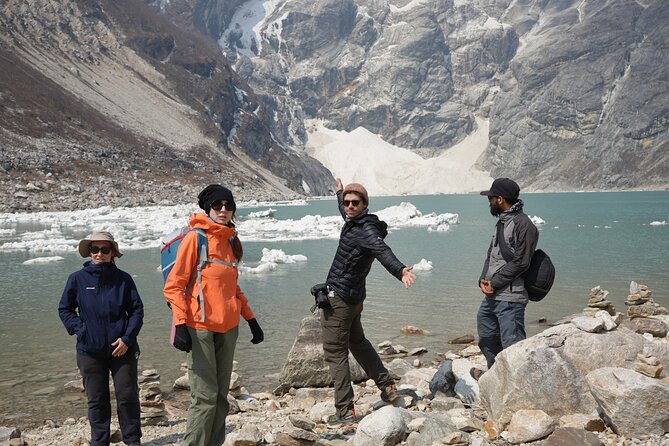
Day 11 brings a descent from Bhimthang to Dharapani. You’ll walk through pine and rhododendron forests, passing villages and terraced fields. This is a good kind of relief after pass day, but it’s not gentle. Downhill can hurt your knees if you let your stride get lazy.
Day 12 ends in Kathmandu. You take a local bus back, enjoy the scenic ride, and celebrate with a farewell dinner. That final meal is one of those small travel joys that makes the whole grind feel worth it. You also avoid the stress of trying to independently arrange your exit once you’re tired.
Price and Value: What $1,200 Covers (and What You Still Need to Budget)
At $1,200 per person, the value comes from what’s bundled versus what’s left to you. Included basics that matter:
- both-way ground transportation by local bus
- twin sharing guesthouses during the trek
- all necessary trekking permits and fees, including Restricted Area Permits
- an English-speaking local guide (and emergency helicopter arrangement paid by your travel insurance company)
- meals on trek days: 12 breakfasts, 12 lunches, 12 dinners
- trekking supplies like a trek map and oximeter
Not included items that can change your budget:
- your Kathmandu hotel
- food and drinks in Kathmandu (and costs if you return early)
- personal expenses like phone calls, battery recharge, bottled water, hot water, and shower
- tips for your guide (tipping is expected)
- a porter option: $300 per person (noting a setup of 2 people per porter with up to 25 kg max)
Here’s the practical way to think about it: if you’re someone who wants low mental load and good support for permits, pacing, and safety basics, this package pricing makes sense. If you already plan to self-organize permits, guide, and meals, then you’d compare differently. But most people choose this trek because they want the system to run smoothly while they focus on hiking.
Comfort, Food, and Pack Weight Reality
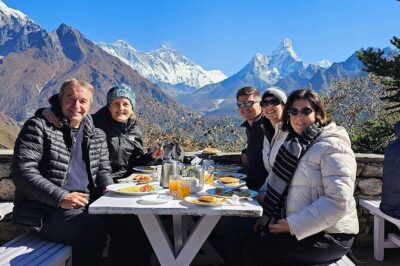
This trek is built around guesthouses and included meals during the trek, which usually means consistent daily routines. That helps your energy. You’re not constantly negotiating meal timing or hunting down the one place that is open.
You’ll also notice the trip is realistic about comfort. Shower, hot water, battery recharge, and bottled water cost extra. That’s common in trekking areas, and it’s worth budgeting so you don’t feel surprised mid-route.
Pack weight is where porters can become a sanity saver. The porter option is clearly stated (with a shared setup and a 25 kg limit). If your shoulders already complain in everyday life, think hard about using the porter plan. Your legs will do the work either way, but your upper body matters too when you’re tired.
Who This Trek Fits Best (and Who Should Think Twice)
This trek is described for people with moderate physical fitness. It’s also limited to a maximum of 12 travelers, which usually means you get more attention than you would on a giant group trek.
Choose it if you want:
- a guided experience with English-speaking support
- time for acclimatization rather than a rushed summit push
- cultural stops like monasteries and Tibetan-border village life
- the Larkya La Pass challenge as the central goal
Think twice if:
- you have certain dietary needs (the tour says it’s not recommended)
- you’re hoping for easy walking most days
- you dislike high-altitude travel and the slow, careful pacing it requires
Should You Book This Manaslu Circuit Trek With Places Nepal?
I’d book this trek if you value a structured plan: permits handled, meals organized on the trail, a guide who’s there for safety, and a route that includes genuine village and monastery time alongside the pass challenge.
I wouldn’t book it if you’re looking for a lightweight, carefree vacation. This is serious mountain walking, and your success will depend on respecting altitude and letting the itinerary’s acclimatization days do their job.
If you’re the kind of traveler who likes earning the views and appreciates a team that feels present—this is a strong match.
FAQ
What is the duration of the Manaslu Circuit trek?
The trek is listed as 12 days approximately.
Where does the trek start and end?
It starts at Places Nepal Treks Medical Chowk in Kathmandu and ends back at the same meeting point.
What is included in the price?
The package price includes twin sharing guesthouses during the trek, trekking permits and restricted area fees, an English-speaking local guide, first-aid supplies, seasonal fruits, trekking map and oximeter, and breakfast/lunch/dinner during the trek days. It also includes both-way ground transportation by local bus.
Is a porter included?
A porter is not included. A porter option is available at $300 per person (with a setup noted as 2 people per porter and a maximum of 25 kg).
Does the tour arrange emergency evacuation?
The tour states it will arrange emergency helicopter service, which is paid by your travel insurance company.
What about meals in Kathmandu?
Food in Kathmandu is not included, and the itinerary also notes that in case of early return, food in mountain areas beyond the scheduled plan is not included.
What is the group size?
The tour has a maximum of 12 travelers.
What is the cancellation window for a full refund?
You can cancel up to 3 days in advance for a full refund, and changes made less than 3 days before the start time are not accepted.
More Trekking Out of Kathmandu
More Tour Reviews in Kathmandu
Just Reviewed in Kathmandu
- Mountain Bike Tour
★ 5.0 · 3 reviews - Annapurna Panaroma
★ 5.0 · 3 reviews - Mount Everest Scenic Flight 50 Minutes
★ 5.0 · 3 reviews - Kathmandu : Swambhunath & Durbar Square Guided Half Day Tour
★ 3.3 · 3 reviews - Chandragiri Cable Car & Monkey Temple Tour – Private/Group
★ 5.0 · 3 reviews - Kathmandu: Shivapuri National Park Hiking Day Trip
★ 3.3 · 3 reviews
Manaslu Circuit Treks, compared.
 ★ 5.0Manaslu Circuit TrekFrom $1,190292 reviews
Manaslu Circuit TrekFrom $1,081184 reviews
★ 5.0Manaslu Circuit Trek:From $1,099106 reviews
★ 5.0Manaslu Circuit TrekFrom $1,190292 reviews
Manaslu Circuit TrekFrom $1,081184 reviews
★ 5.0Manaslu Circuit Trek:From $1,099106 reviews
 ★ 5.0Manaslu Circuit Trek (15 Days)From $1,65750 reviews
Manaslu Circuit TrekkingFrom $1,49944 reviews
★ 5.0Manaslu Circuit Trek (15 Days)From $1,65750 reviews
Manaslu Circuit TrekkingFrom $1,49944 reviews
 ★ 5.016 Day Private Manaslu Circuit Trek from KathmanduFrom $1,13542 reviews
★ 5.0Manaslu Circuit TrekFrom $1,90035 reviews
★ 5.016 Day Private Manaslu Circuit Trek from KathmanduFrom $1,13542 reviews
★ 5.0Manaslu Circuit TrekFrom $1,90035 reviews
 ★ 5.0Manaslu Circuit Trek 13 DaysFrom $1,40030 reviews
Browse the lists this tour appears in