Review · UPPER MUSTANG & REMOTE TREKS
Upper Mustang Trek – 13 Days
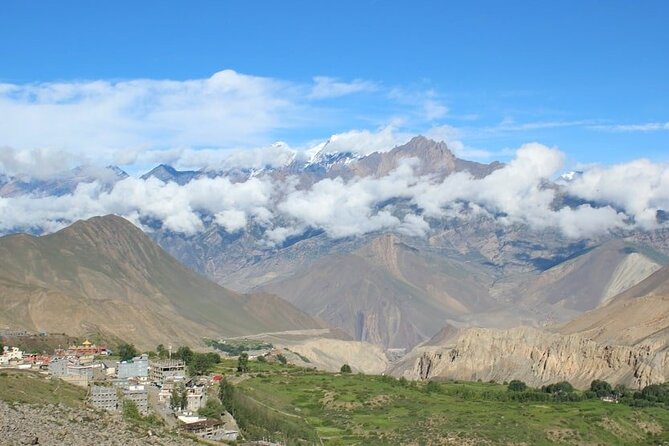
Lo Manthang feels like you stepped into a time capsule. This 13-day Upper Mustang short trek strings together walled-city Mustang culture, deep-gorge river scenery, and big sky mountain views over the Tibetan Plateau. If your dates line up, you can also catch the Tiji Festival, one of the region’s most memorable cultural moments.
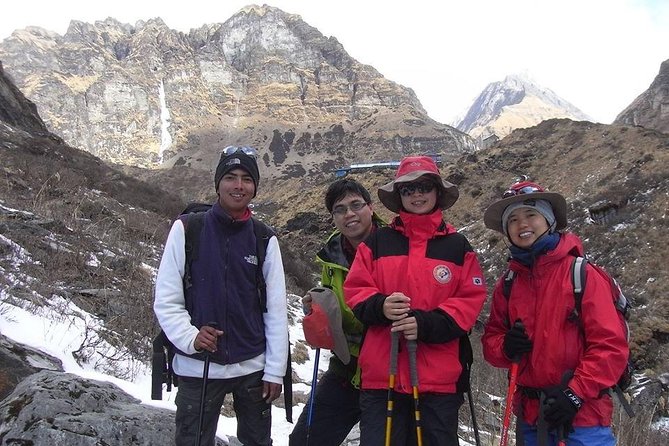
I especially like the way the trek mixes classic scenery with specific, named places to slow down: Kagbeni along the route to Jomsom, Taklam La Pass viewpoints, and Lo Manthang’s gompas and temples. I also like that you’re not doing it alone: you get a government licensed English-speaking guide plus porters, so your effort stays focused on the walking.
One thing to consider: the itinerary depends on weather and flight timing. If a flight or conditions get messy, you may face extra costs, and some parts can shift.
In This Review
- Key highlights
- Why Upper Mustang feels different: desert terrain, Kali Gandaki gorge, and Lo Manthang walls
- Price and permits: what you’re really paying for at $2,300
- Getting fit for the trek: moderate fitness, early starts, and pass day effort
- Day 1–2: Kathmandu to Pokhara, then flight to Jomsom and walk to Kagbeni
- Days 3–4: Chele via Tangbe and Chhusang, then Taklam La Pass to Syangbochen
- Days 5–6: Ghami barley fields to Tsarang stone walls, willow trees, and gompas
- Days 7–8: Entering Lo Manthang and touring Durbar plus four key gompas
- Days 9–10: Dri’s 1200-year-old Ghar Gompa paintings, then Tange with Damodar Kunda
- Day 11–13: Muktinath approach, Jomsom to Pokhara, and the return to Kathmandu
- Practical travel tips: meals, group size, ports, and Tiji timing
- Should you book this trek?
Key highlights
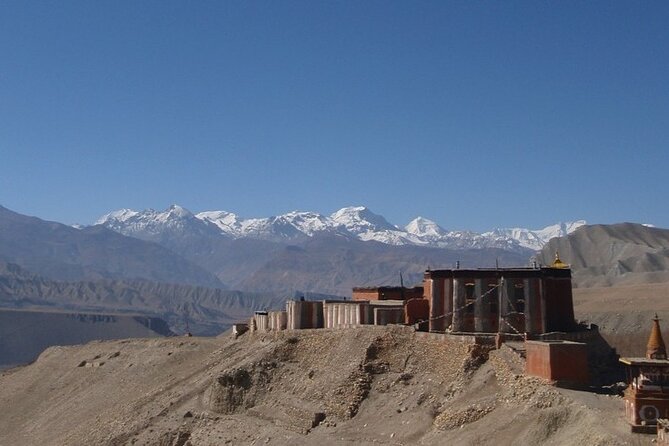
- Lo Manthang walled city: explore key sites like Durbar and multiple gompas
- Kali Gandaki gorge + river walking vibe: dramatic cuts through the mountains
- Taklam La Pass day: built-in viewpoint time for major peaks
- Ghar Gompa rock paintings: 1200-year-old art you can actually see
- Tiji Festival timing: optional but huge if it falls during your trek
More trails out of Kathmandu, boots ready
- Everest Base Camp Trek – 14 Days★ 5.0 · 1,499 reviews
- Everest Base Camp Trek★ 5.0 · 842 reviews
- Everest Base Camp Trekking★ 5.0 · 485 reviews
- Nagarkot Sunrise View and Day Hiking from Kathmandu★ 5.0 · 471 reviews
Why Upper Mustang feels different: desert terrain, Kali Gandaki gorge, and Lo Manthang walls
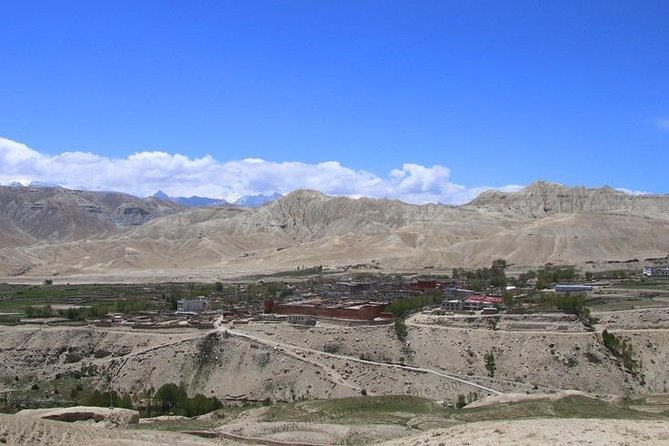
Upper Mustang has a dry, otherworldly feel that most Nepal routes simply don’t match. In this trek, you spend days moving through a Himalayan desert-type setting and watching the light change on steep, dusty walls. It’s not just pretty scenery from a distance. You walk through villages and past religious sites that make the region feel lived-in, not staged.
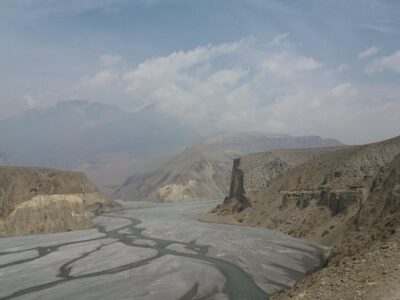
Then there’s the Kali Gandaki connection. The route’s famous for the world’s deepest gorge, and the plan includes time along the Kaligandaki River. That matters because it turns “trekking” into something with rhythm: walk, pause, look down at the gorge, then keep moving. The river and gorge also help explain why this area looks so sculpted and dramatic.
And yes, Lo Manthang is the big draw. The town is described as a walled city, and the days there focus on sites inside that cultural pocket—temples, gompas, and historical-looking corners. It’s the kind of place where a half hour of wandering can feel like a full day of sightseeing.
Price and permits: what you’re really paying for at $2,300
$2,300 per person is not a bargain price. But for Upper Mustang, the cost starts to make sense once you see what’s included. This trip folds in the Upper Mustang special permits and ACAP permits (Annapurna Conservation Area Project). Those are not “nice-to-haves.” They’re part of what makes access possible in a controlled region.
You’re also getting most of the logistics handled: ground transfers by tourist bus between Kathmandu and Pokhara, plus domestic flights (Pokhara–Jomsom–Pokhara). Add an English-speaking licensed guide and porters for luggage, and you’re paying for real operational support—not just a map and good intentions.
On the meal side, the plan includes breakfasts and some lunches and dinners (with fewer included meals in cities). That’s value, but it also means you still need a little daily budgeting for snacks, drinks, and other personal costs.
So the question isn’t only Is it expensive? It’s: Are you buying convenience plus permits plus guidance? If you want a guided, permit-covered Mustang experience without having to solve flights and paperwork yourself, this price can feel reasonable.
Getting fit for the trek: moderate fitness, early starts, and pass day effort
The trip asks for moderate physical fitness. That’s your key clue. This isn’t described as a technical mountaineering route, but it does include several longer walking days and at least one pass crossing: Taklam La Pass on the way toward Syangbochen.
Also note the start time: the meeting point is 6:45 am. Early mornings matter in trekking countries. They set your pace, your energy, and sometimes your weather window.
The route is built around steady day-to-day movement, with your guide coordinating transitions and helping with timing. Porters carry your luggage, which can make the difference between a “hard but doable” trek and a “why did I bring that?” trek. Pack smart, because you’ll still want your hands free for cameras, water, and the usual small trail items.
Day 1–2: Kathmandu to Pokhara, then flight to Jomsom and walk to Kagbeni
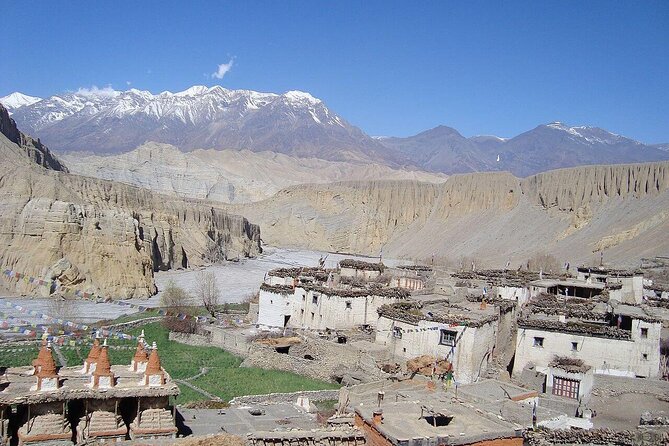
Day 1 is a travel reset with a Kathmandu pickup and a drive to Pokhara. You’ll arrive in time for an evening that’s basically yours—good for getting oriented, buying anything you forgot, and mentally preparing for the trek rhythm. Pokhara has a different vibe than Kathmandu, and it’s a useful buffer day before the more remote days.
Day 2 is the first “real logistics” day. After breakfast, you head to the airport for a flight to Jomsom. From there, you walk up to Kagbeni, passing through Ekle Bhatti and taking a several-hours trek to reach your overnight stop. Kagbeni is a great early taste of the Mustang setting: dry, dramatic, and calmer than the starting points people usually think of.
Practical note: flights help this itinerary because you’re not spending the whole trip hiking from the low country. But it does also mean the trek has less flexibility if weather disrupts flying.
Days 3–4: Chele via Tangbe and Chhusang, then Taklam La Pass to Syangbochen
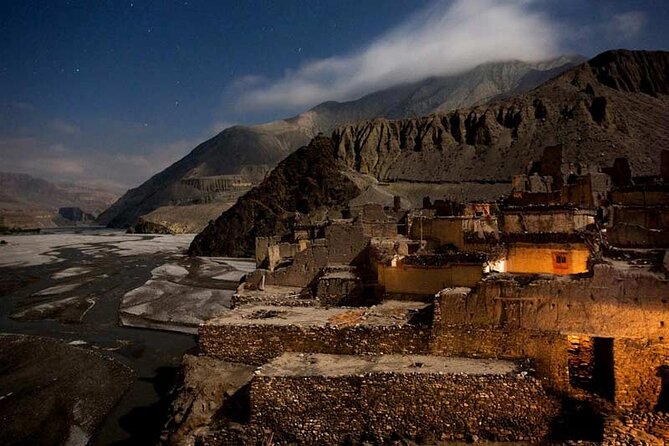
Day 3 continues the Mustang-world feel as you set out for Chele, passing through Tangbe and Chhusang. These are the kind of names you remember because they represent the “in-between” villages that make Mustang more than just a destination town. You’re building altitude and exposure to the dry terrain, and you’re also starting to see how the route threads through pockets of settlement.
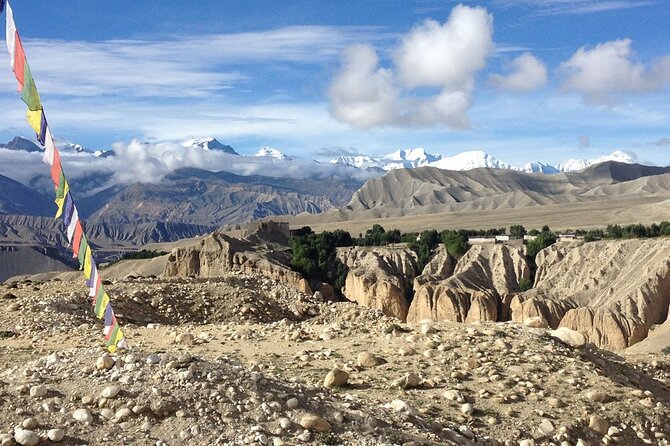
The Day 4 highlight is the pass and the big viewpoint payoff. You head toward Syangbochen, including another pass-through at Ekle Bhatti, then you climb to Taklam La Pass. The route description specifically points to views of peaks like Tilicho Peak, Yakwa Kang, and Damodar Dada—so this isn’t just a grind; it’s designed to reward you if you’re there on a clear day.
You also pass through Samar and the Ramchung cave before reaching Syangbochen. The combination matters. In Upper Mustang, the religious and natural elements are often close together. You’re not only looking at mountains; you’re also moving through places with meaning, including caves tied into local culture.
Possible drawback: the pass day depends on conditions. If the weather is rough, visibility can drop fast, and you’ll have to adjust expectations and pace.
Days 5–6: Ghami barley fields to Tsarang stone walls, willow trees, and gompas
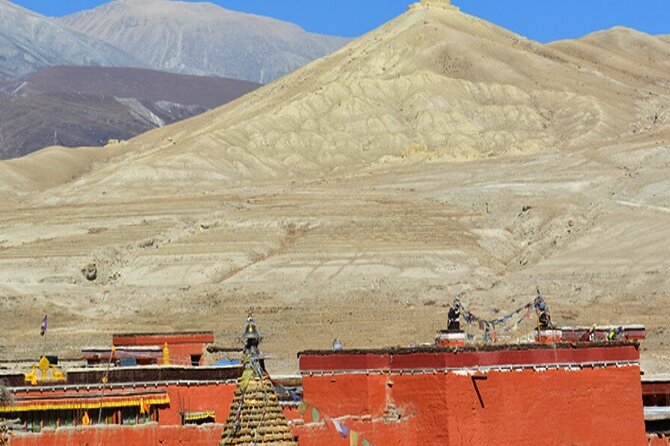
Day 5 takes you to Ghami. The trek description emphasizes fields of barley and mountain views. That’s a good reminder that Upper Mustang isn’t only rock and dust—it has agriculture pockets too. These pauses through village areas are where you get a better sense of how people live in a harsh setting.
Day 6 goes to Tsarang, and the focus shifts to religious and architectural textures. You’ll see willow trees, maze-like fields (as described), stone-walled houses, and a gompa that pulls your attention. Gompas are often the visual anchors of Mustang towns, and here that’s built into the walk rather than added as a quick stop at the end.
Why this matters for you: if you enjoy trekking because you like people, buildings, and everyday culture, these days deliver. If you’re only chasing views, you’ll still get plenty, but the “why this place exists” angle will be more obvious in Tsarang than in more standard trekking routes.
Days 7–8: Entering Lo Manthang and touring Durbar plus four key gompas
Day 7 is the arrival day into Lo Manthang, described as the long walled city. The plan sets up the move from earlier points toward the capital area of Manang Lo Manthang and then into Lo Manthang itself. This is where the trek shifts from “passing through” to “being in place.”
Day 8 is all about exploring Lo Manthang. You get time for sightseeing and slower cultural attention. The named stops are a strong part of this day:
- Four-storey Durbar
- Chyodi Gompa
- Namgyal Gompa
- Tingkhar
- Tall Champa Lakhang Gompa
Even if you’re not a big temple person, this list helps you steer your time. You can focus on a route within the walled city rather than just wander randomly and miss the best bits.
Why you might love this part: Lo Manthang is one of those places where your photos improve because you keep walking and noticing details. A few religious buildings, courtyards, and stone streets are enough to make the town feel like a living museum.
If you’re tired: Lo Manthang days are still walking days, but they’re flexible in the sense that you can explore at your own speed during the time allocated for the city.
Days 9–10: Dri’s 1200-year-old Ghar Gompa paintings, then Tange with Damodar Kunda
Day 9 heads toward Dri. The standout is the Ghar Gompa, described as about 1200 years old and famous for rock paintings. That’s the kind of cultural stop that changes how you think about the region: this isn’t only a scenic trek; it’s also an art-and-belief trail.
Day 10 takes you toward Tange. The route includes shallow stream crossings of streams, then a visit to Damodar Kunda, followed by passing a series of chorten (stupas or memorial structures).
These details are useful because they tell you what kind of trekking this is. It’s not just long uphill stretches. You get small “environment moments” like stream crossings and religious markers that break up the walk and give your brain a reason to pay attention besides fatigue.
Day 11–13: Muktinath approach, Jomsom to Pokhara, and the return to Kathmandu
Day 11 moves toward Muktinath, and the description suggests more natural beauty along the way. You then reach Jomsom for overnight. This is where the trek transitions toward the exit rhythm—your body starts to realize you’re near the end, even if your legs still argue with you.
Day 12 is rest time in Pokhara with an overnight hotel. This is an important part of a trek like Upper Mustang. You’ll appreciate a proper pause, a shower if you want it, and time to reset your senses after dry mountain air.
Day 13 brings the drive back to Kathmandu by tourist bus after breakfast in Pokhara. It’s a clean ending: finish the trek, sleep in a hotel, and return without adding extra hikes.
Practical travel tips: meals, group size, ports, and Tiji timing
Meals included: the plan lists Lunch (10), Breakfast (12), Dinner (10), with major meals in Kathmandu and Pokhara not included. Water, tea/coffee, snacks, and shower costs are also listed as personal expenses. Translation: budget for your daily drinks and snacks, and don’t assume you’ll be “fully fed” every single meal.
Group size: max 15 travelers. That’s a sweet spot for trekking. You’re part of a group, but you’re not stuck in a packed slow line all day.
Guides and porters: you’ll have a government licensed English-speaking guide and porters to carry luggage. This is one of the most praised parts of the overall experience, and it shows up in the details: when someone else handles the carry load, you walk more steadily and get more of the sights instead of just surviving the day.
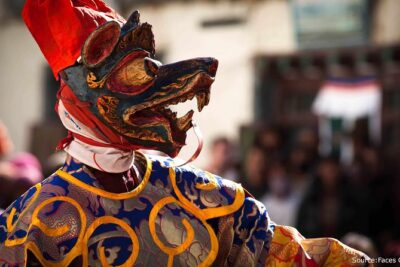
Festival bonus (Tiji): one of the most special mentions is the Tiji Festival, if it falls during your trek dates. That’s not guaranteed by the plan wording, but it’s the kind of timing perk that can turn a great trek into a once-in-a-lifetime memory.
If you want the best shot at enjoying ceremonies if they happen: keep your schedule attitude flexible. Festivals can affect timing, and you’ll enjoy the day more if you accept a slower pace.
Should you book this trek?
I’d book it if you want a guided Upper Mustang experience with permits handled, a clear route into Lo Manthang, and enough structure that you can focus on walking and culture instead of solving logistics. The guide-and-porter setup is a real value driver, and the day-by-day emphasis on gompas, caves, chorten, and specific named sites makes it more than just scenery.
Skip it (or reconsider) if you hate early starts, don’t handle travel interruptions well, or aren’t comfortable with a moderate-fitness trekking rhythm plus pass walking. Also think hard about the budget: $2,300 includes a lot, but you should still plan for personal meals and drinks during travel days.
If you’re craving Mustang’s walled city, the Kali Gandaki gorge feel, and a trek that mixes spiritual sites with desert-like terrain, this is a strong match.
More Trekking Out of Kathmandu
More Tour Reviews in Kathmandu
Just Reviewed in Kathmandu
- Mountain Bike Tour
★ 5.0 · 3 reviews - Annapurna Panaroma
★ 5.0 · 3 reviews - Mount Everest Scenic Flight 50 Minutes
★ 5.0 · 3 reviews - Kathmandu : Swambhunath & Durbar Square Guided Half Day Tour
★ 3.3 · 3 reviews - Chandragiri Cable Car & Monkey Temple Tour – Private/Group
★ 5.0 · 3 reviews - Kathmandu: Shivapuri National Park Hiking Day Trip
★ 3.3 · 3 reviews
Upper Mustang & Remote Treks, compared.
 ★ 5.0Upper Mustang Classic Trek with Local guideFrom $2,50015 reviews
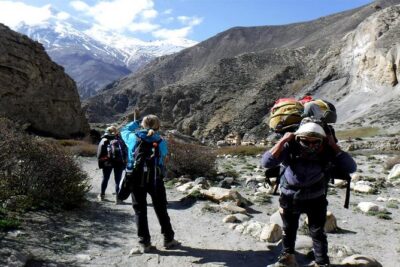 ★ 5.0Nar Phu Valley Trek – 12 DaysFrom $1,60011 reviews
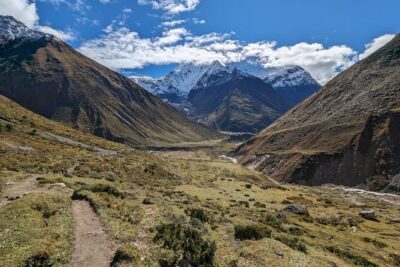 ★ 5.0Jeep Trip to Upper MustangFrom $2,20010 reviews
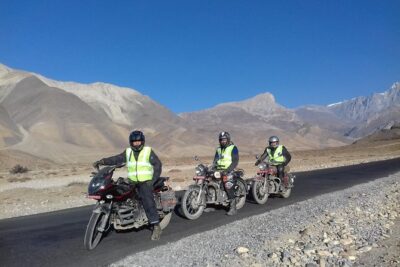 ★ 5.0Lower Mustang Motorbike Tour -8 DaysFrom $1,5009 reviews
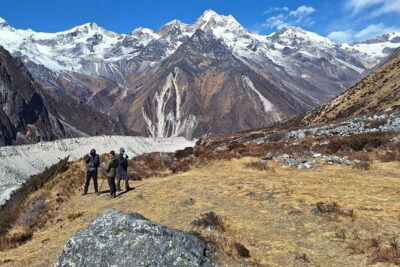 ★ 5.0Kanchenjunga Circuit Trek 19 DaysFrom $2,0009 reviews
Upper Mustang TrekFrom $1,4766 reviews
★ 5.0Kanchenjunga Circuit Trek 19 DaysFrom $2,0009 reviews
Upper Mustang TrekFrom $1,4766 reviews
 ★ 5.0Kanchenjunga South Base Camp Trek – 13 DaysFrom $2,0956 reviews
 ★ 5.0Upper Mustang TrekFrom $2,2055 reviews
Browse the lists this tour appears in