
Review · EVEREST BASE CAMP TREKS
Private 12 – Day Everest Base Camp Trekking
Everest Base Camp feels close when logistics are handled. This private 12-day trek pairs round-trip Lukla flights with all the on-route work taken off your plate, so you can focus on the tea-house days and big mountain moments. The main catch: the route is still a real trekking grind, and Lukla weather can force plan tweaks.
I really like that you travel as a private group with a guide who keeps the pace sensible and the paperwork clean—especially around permits in the Everest region. I also like the built-in acclimatization rhythm, including a full rest day in Namche and a more active “test your legs” hike in Dingboche. One thing to consider: if you want deep talk on flora and wildlife, ask your guide what they’ll cover, since one past guest felt the guide’s knowledge wasn’t as detailed as expected.
If you’ve dreamed of Everest Base Camp but don’t want your holiday to turn into a spreadsheet, this is the kind of trip that can make it happen—quietly, day after day—until you’re standing near the Khumbu Icefall views and realizing your legs are fine, just dramatic.
In This Review
- Key Points I’d Bookmark Before You Go
- Price and Logistics: What $1,300 Really Buys You
- Kathmandu Start: A 6:15 am Game Plan
- Fly In, Walk Out: Lukla to Phakding Along the Dudh Koshi
- Namche Bazaar Day 2: Permits, Bridges, and Big Views
- Namche Rest Day 3: Khumjung, Khunde, and the Yeti Monastery
- Tengboche Day 4: The Monastery Stop and Ama Dablam Timing
- Dingboche Days 5 and 6: Rocky Terrain, Mani Stones, and Acclimatization
- Lobuche Day 7: Glacier Country and the Climber’s Memorial Park
- Everest Base Camp Day 8: Gorakshep First, Then the EBC Walk
- Kala Patthar Day 9: Everest Views That Cost You Sweat
- Back Toward Namche Day 10: Debuche to Tengboche to the Dudh Koshi
- Lukla Return Day 11: Exiting the Park and Reaching Phakding
- Fly Home Day 12: Kathmandu Views from the Air
- Guides, Porters, and the Safety Net You’ll Be Happy Exists
- Lodges, Meals, and the Costs of Warmth (and Battery Charging)
- Who Should Choose This Private Everest Base Camp Trek
- Should You Book This Private 12-Day Everest Base Camp Trek?
- FAQ
- What’s included in the trekking package
- Are flights from Kathmandu to Lukla included
- What’s not included while trekking
- What’s the meeting point and start time
- Is this tour private
- What’s the cancellation window
Key Points I’d Bookmark Before You Go
- Lukla flights included both ways from Kathmandu, so you’re not hunting schedules while you’re also training your body.
- Permits handled for you, including Sagarmatha National Park and other required fees.
- Acclimatization built into the route, with rest in Namche and a high hike option from Dingboche.
- Emergency rescue evacuation assistance is part of the package, not something you’re left to figure out at altitude.
- A guide plus porters with expenses covered, which keeps you trekking instead of managing loads and logistics.
- Meals and lodge stays are included on the trek, with clear add-ons that are not (like hot shower, battery charging, and tea/coffee).
Just your group, at your own pace
- Private Kathmandu Sightseeing Tour | UNESCO World Heritage sites★ 5.0 · 756 reviews
- Kathmandu: Full Day 7 UNESCO Tour with Lunch – Private/Group★ 5.0 · 415 reviews
- Private Bhaktapur and Nagarkot Day Tour From Kathmandu★ 5.0 · 305 reviews
- Kathmandu: Full Day Top 4 UNESCO Tour with Lunch – Private/Group★ 5.0 · 269 reviews
Price and Logistics: What $1,300 Really Buys You
At $1,300 per person for 12 days, you’re not just paying for the scenery. You’re paying for the “boring but crucial” parts: flights, permits, a guide, porter support, lodge bookings, and meal planning in the mountains where things can get complicated fast.
Here’s how the value shakes out in real life. The Lukla leg (Kathmandu to Lukla and back) is one of the biggest moving pieces of any Everest trek. This trip includes those flights in the package, which reduces stress before you even start walking. Then once you’re on the trail, you get lodge accommodation, meals (11 lunches/dinners across the trek days, plus 12 breakfasts as listed), and the permits/fees needed for the Everest area covered.
What’s not included matters too, because this is still Nepal tea-house trekking. You’ll need extra money for items like tea/coffee, hot water, hot showers, battery charging, laundry, alcoholic drinks, phone bills, and dessert. You’ll also want to budget for travel insurance (not included) and tips for guide and porters (not included). If you’re the type who hates guessing costs, this is where you’ll want to plan ahead.
Net: if you want the classic Everest Base Camp route with private pacing, but you’d rather not juggle documents, lodging calls, and porter logistics yourself, the price looks more reasonable than it first seems.
Kathmandu Start: A 6:15 am Game Plan
You start from the Nepal Alternative Treks & Expeditions meeting point in Kathmandu, and the start time is listed as 6:15 am. That early departure isn’t random—it’s how you protect your flight window and keep Day 1 from turning into a chaos day.
On the Kathmandu side, hotel accommodation and meals are not included. So you’ll want to arrive with a Kathmandu plan already set—at least for the night before your trek begins. The good news: pickup is offered, and the meeting point is near public transportation, which makes it less stressful to get sorted.
One practical tip: bring a small day bag that you can keep with you on the flight and during the first trekking transition. Your larger duffle bag is part of the trekking setup, but the day-to-day stuff (water, layers, sunglasses, sunscreen, lip balm) is what will save you from feeling unprepared.
Fly In, Walk Out: Lukla to Phakding Along the Dudh Koshi
Day 1 starts with the short domestic flight to Lukla (about half an hour) and then moves straight into trekking toward Phakding. The flight itself is famous for forested hills and deep ravines—so you get an early hit of wow before you’ve even laced up your boots.
Once you’re walking, the trail follows the Dudh Koshi River. That matters because river valleys tend to be easier to read and follow than steep side ridges. You’ll be trekking for about 3 hours on this first day, and the goal is mostly to warm up your body and settle into your breathing rhythm at altitude.
Phakding is a helpful first stop: it’s far enough along that you feel like you’re truly in the Khumbu, but not so high that Day 1 feels like a full-on punishment contest. You sleep in a lodge in Phakding.
Namche Bazaar Day 2: Permits, Bridges, and Big Views
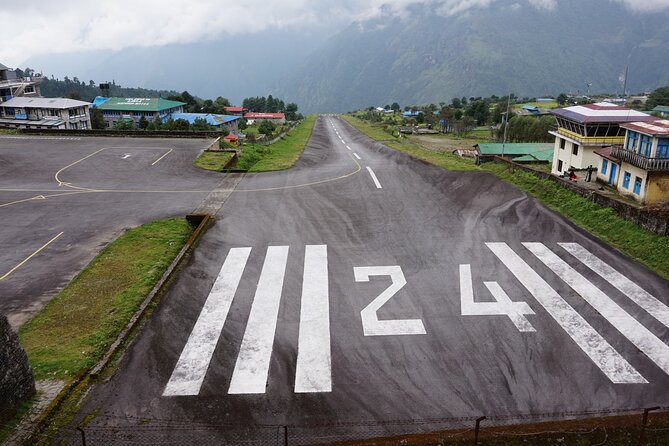
On Day 2, the trek time is longer—about 6 hours—and you move upstream along the Dudh Koshi River. You’ll pass a few waterfalls and reach Monjo, where you get the permit for Sagarmatha National Park. That’s one of the less glamorous moments of Everest trekking, but it’s a key reason to choose a guided package: you’re not trying to figure out paperwork while also trying to keep your body from seizing up.
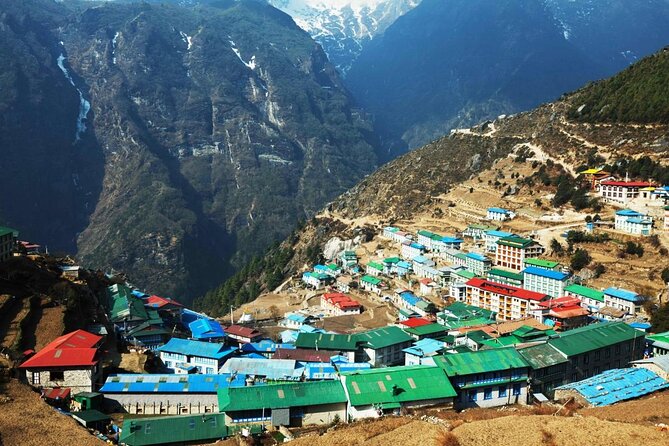
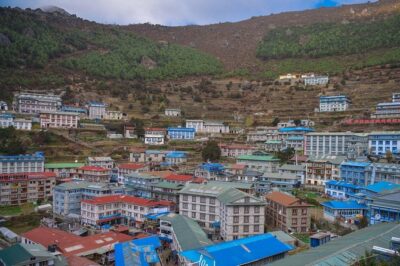
From Monjo, the route continues through Jorsalle and crosses suspension bridges. Then you arrive in Namche Bazaar, which is the largest village in the entire Everest region—so it’s where you’ll feel the “hub” energy of the trek: more lodges, more fellow walkers, more choices (and sometimes more wind).
Namche is also where the scenery starts to behave differently. You’ll get the sight of Kongde Ri range, and your brain starts doing that thing where it goes quiet and just stares. You overnight in Namche.
More trails out of Kathmandu, boots ready
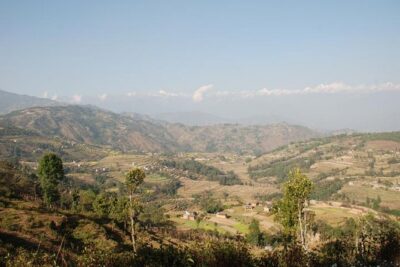
Namche Rest Day 3: Khumjung, Khunde, and the Yeti Monastery
Rest day isn’t just sitting around. It’s about learning how to manage your energy. On this day, you can explore Namche, then head toward Khumjung and Khunde villages with a short hike to Khumjung Monastery.
Khumjung is home to Khumjung Monastery, which preserves remains of a legendary yeti story—an oddball detail, but it’s exactly the kind of local history stop that turns a trek into a real journey. You can also visit Edmund Hillary School in the area, plus you’ll pass the Syangboche Airport on the way.
If you’re into culture (or just want a break from uphill), this is your day. If you’re not into culture, you’ll still appreciate it because your legs need a reset before the bigger climb days ahead.
You overnight again in Namche.
Tengboche Day 4: The Monastery Stop and Ama Dablam Timing
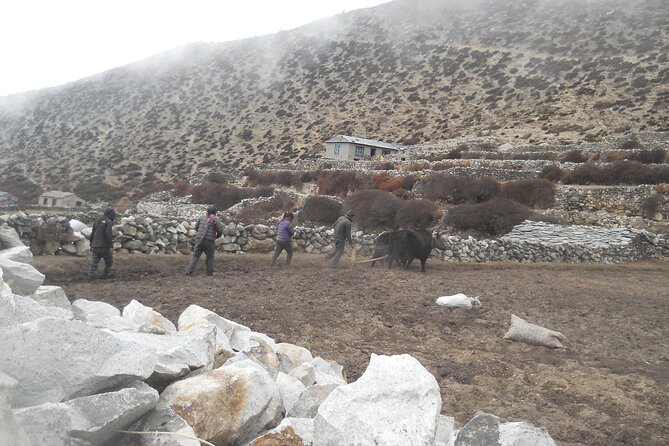
Day 4 heads to Tengboche in about 5 hours. The trek follows the Dudh Koshi River upstream, with a steep hike segment toward Phunki Tenga village and an altitude gain of about 427 meters.
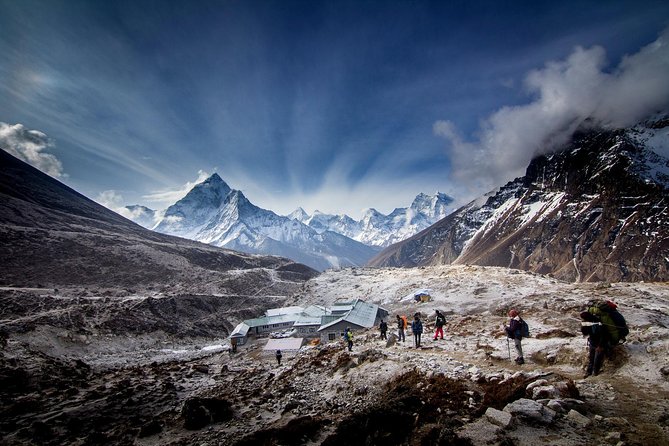
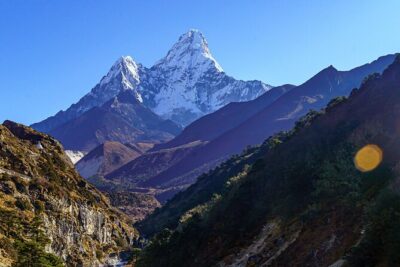
This is a strong day for views. You’ll get close enough to feel the scale of Ama Dablam (6,856 m), and the route brings you into Tengboche with its iconic monastery. Tengboche Monastery is described as 100 years old and is the largest monastery in the Everest region. It also hosts the Mani Rimdu festival in October—so if you’re traveling in season, this area carries a real event vibe.
You overnight in Tengboche. Expect colder evenings here than lower villages, and pack layers like you mean it.
Dingboche Days 5 and 6: Rocky Terrain, Mani Stones, and Acclimatization
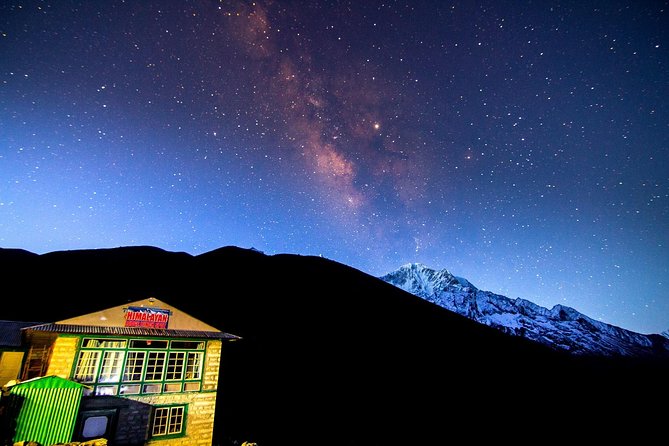
Day 5 takes you to Dingboche in about 6 hours, shifting from forested sections into more rocky climbing. You trek past Debuche village, cross and follow around Imja Khola (river), and then continue toward Pangboche.
One detail that’s worth paying attention to: you’ll pass thousands of mani stones. They’re easy to ignore when your breathing is loud, but they’re also a quiet reminder that this trek isn’t just a fitness challenge—it’s a lived landscape for local communities.
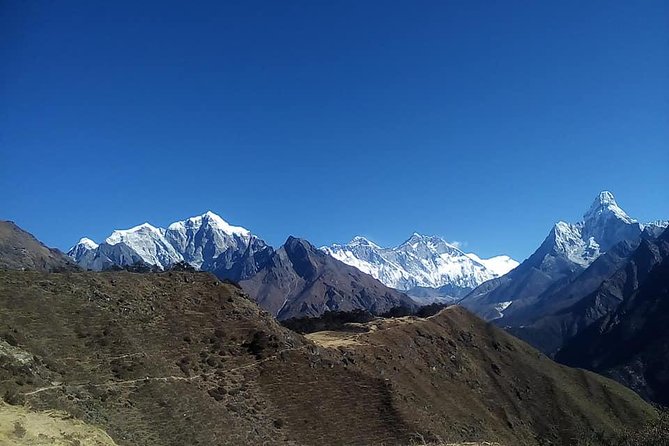
Dingboche is where the trip slows down on purpose. Day 6 is an acclimatization day (about 5 hours if you go for the hike). You can take an optional trek to Nangkartshang Peak (5,083 m), named after a century-old monastery. From the top, you can see peaks including Taboche, Ama Dablam, Island Peak, Lhotse, and Everest. You then hike back to Dingboche, overlooking Mount Pumo Ri.
Even if you choose not to chase the summit views, you’ll still benefit from the acclimatization day. And if you do go up, keep it controlled: you’re training for the high days, not proving anything to anyone.
Lobuche Day 7: Glacier Country and the Climber’s Memorial Park
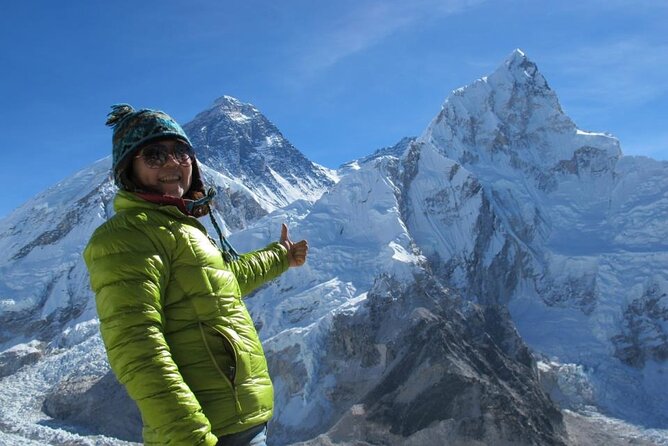
Day 7 runs about 5 hours and moves you toward Lobuche. The trail passes Pheriche and Thukla. Thukla is where you can visit the climbers’ memorial park, built in memory of mountaineers who lost their lives climbing Mount Everest.
This is one of those moments where the trek stops being only about your own effort. It adds weight. It also gives you a better sense of why the Everest region carries a different kind of respect.
Then you head along the Lobuche Glacier toward Lobuche village and overnight there.
Everest Base Camp Day 8: Gorakshep First, Then the EBC Walk
Day 8 is a two-step day: reach Gorakshep (about 5 hours total walking time listed), then do a short excursion to Everest Base Camp.
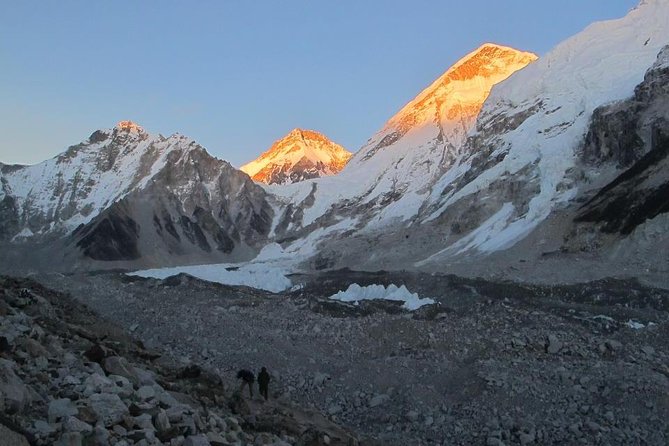
The trek climbs along the Lobuche Glacier and Khumbu Glacier toward Gorakshep. After a rest, you head toward Base Camp. The trail rises toward the east and tracks along the Khumbu Glacier.
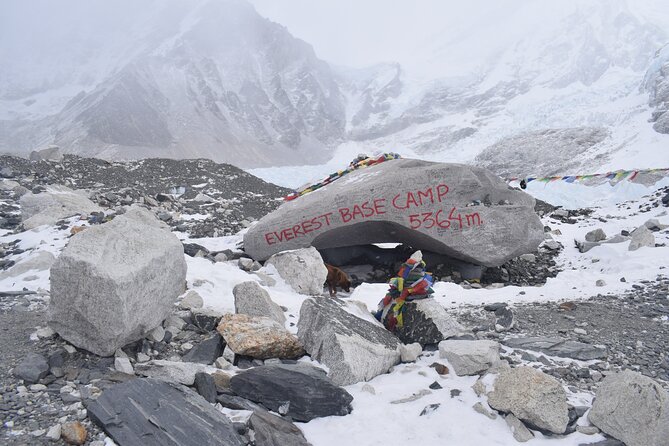
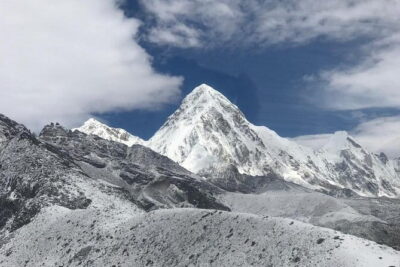
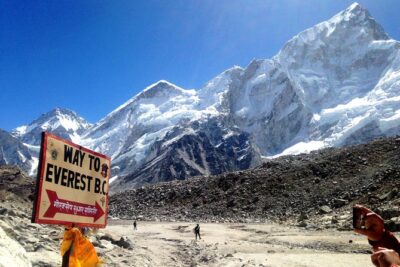
At Everest Base Camp, you’ll see views of the Khumbu Icefall and the glacier terrain around the base camp area. The description also lists mountains visible from Base Camp including Pumo Ri, Lingtren, Khumbutse, and Nuptse Peak. Then you return to Gorakshep for your overnight.
Practical note: this is one day where you should expect to feel the altitude and the cold more than on lower trail days. You’ll still be moving, but your body will remind you it’s not sea level anymore.
Kala Patthar Day 9: Everest Views That Cost You Sweat
Day 9 is your famous payoff morning. You wake early and hike to Kala Patthar, described as the tourist landmark in the Everest region.
You’ll climb through rocky moraine to reach the top. From Kala Patthar, you can catch views of Mount Everest (8,848 m) along with Nuptse, Lhotse, Khumbutse, Pumo Ri, and Ama Dablam among many others.
Then you retrace your route back to Gorakshep, and after breakfast you continue trekking downhill to Pheriche. This day is about about 5 hours of trekking time as listed, and it’s a great example of why the route includes careful pacing: you get a high, steep moment—and then you get the chance to recover by descending.
Back Toward Namche Day 10: Debuche to Tengboche to the Dudh Koshi
Day 10 is a longer push downhill and then back up in sections, about 6 hours. You leave Pheriche, trek past Dingboche to reach Pangboche, and stop briefly at Debuche before heading to Tengboche.
From there, you continue with lunch and then trek downstream along the Dudh Koshi River. You cross Phunki Tenga and arrive in Namche Bazaar for another overnight.
This is the day your body starts to understand the rhythm of the loop: some sections feel like “finally, downhill,” and others remind you that altitude still steals energy.
Lukla Return Day 11: Exiting the Park and Reaching Phakding
Day 11 is about 8 hours and it’s all downhill trekking with some back-and-forth. You start with a view of Kongde Ri Peak (6,137 m). Then you cross Jorsalle and reach Monjo.
You exit Sagarmatha National park at Monjo, then continue down to Phakding for lunch. A short trek brings you back to Lukla. You spend the evening in Lukla after finishing the main trekking section.
The vibe in Lukla at the end is usually a mix of celebration and exhaustion. Expect your legs to feel like they’ve started negotiating a union contract.
Fly Home Day 12: Kathmandu Views from the Air
Day 12 is shorter: an early flight back to Kathmandu. You’ll get mountainous panoramas from the air while leaving Lukla, and before landing you may see Kathmandu from above, including UNESCO World Heritage Sites.
You drive to your hotel (hotel in Kathmandu is not included in the package), and the rest of the day is yours to recover or explore at a low-key pace.
Guides, Porters, and the Safety Net You’ll Be Happy Exists
The best part of choosing a private, managed trek is the human layer: the guide and porter team, plus the company’s ability to respond when mountain logistics get weird.
In the feedback I saw, the owner Tej is repeatedly credited for quick help with administrative problems and emergency handling. One guide example is Amar, who helped keep things moving when Lukla flight plans were grounded due to weather. Another guest credited Tej and Kumar for smooth arrangements, and others mentioned guides like Tek, Yugal, Nauser, Ongchhu Sherpa, Andrea, and Saroj for capable support and patient explanations of the place and culture.
Two takeaways for you:
- Private pacing works only if your guide can read your pace. This trek’s private format means you don’t have to fight for space in the plan.
- Admin and contingency skills matter on Everest. Weather disruptions aren’t rare in the region; having someone who can handle plan changes quickly is a huge quality-of-life benefit.
One honest consideration from the experience details you provided: a guest felt their guide didn’t have much depth in flora/fauna knowledge and the Himalaya in general. If that’s your priority, message your organizer in advance about what you want to learn, and use your guide time to ask questions early.
Lodges, Meals, and the Costs of Warmth (and Battery Charging)
On the trek, lodge accommodation and meals are included as described. That’s a big deal because tea-house trekking can otherwise mean “What’s open tonight?” and “How much extra is this?”
Still, expect add-on costs. The package doesn’t include tea/coffee, hot water, hot showers, battery charge, laundry, phone bills, alcoholic drinks, or dessert. If you want warm water or a shower at higher elevations, bring cash and don’t assume it’s always available.
Also included: a trekking map, a duffle bag, oxygen saturation monitoring, a company t-shirt, and water purification. That monitoring piece doesn’t replace listening to your body—but it does signal that the trip is set up to watch vitals, not just walk forward.
Who Should Choose This Private Everest Base Camp Trek
This is a smart match if:
- You want a guided private trek with logistics handled from Kathmandu to Lukla and back.
- You prefer acclimatization days planned into the route, not just improvised.
- You value porter support and a guide who can handle permits, pacing, and emergencies.
It may be less ideal if:
- You want a very “independent backpacker” style of travel where you control every micro-decision.
- You’re highly sensitive to flight uncertainty, since Lukla is known to be weather-dependent and the route relies on those legs.
It’s also described for travelers with moderate physical fitness. That’s encouraging, but don’t confuse moderate with easy. Kala Patthar and the glacier days will test you, even if you’re fit. Pack smart, move slow when altitude hits, and let the guide help you manage the effort.
Should You Book This Private 12-Day Everest Base Camp Trek?
Book it if you want Everest Base Camp without turning your trip into a logistics project. This one covers flights, permits, guide and porter support, lodge stays, meals, and even emergency rescue evacuation assistance. That’s a lot of risk removed for a trek where weather and remote logistics can change quickly.
Don’t book it (or at least ask sharper questions first) if you have very specific learning goals like detailed ecology talks, or if you’re counting on warm showers and unlimited add-ons being included. Also, be honest with yourself about endurance: you’ll be trekking around 3 to 8 hours most days, with the biggest effort clustered around high points like Kala Patthar and the Base Camp day.
If your priority is that “one goal” trip—see Everest Base Camp and do it with calm, capable support—this private format is hard to beat.
FAQ
What’s included in the trekking package
The package includes lodge accommodation during the trek, Kathmandu-to-Lukla and return flight tickets, Sagarmatha National Park fees and necessary permits, a government-registered trekking guide, required porters (plus their expenses), a trekking map, duffle bag, oxygen saturation monitoring, a company t-shirt, water purification, emergency rescue evacuation assistance, government tax and service charge, and public liability insurance. Meals listed as included are 12 breakfasts and 11 lunches/dinners across the trek days.
Are flights from Kathmandu to Lukla included
Yes. Round-trip flights from Kathmandu to Lukla and back to Kathmandu are included.
What’s not included while trekking
Not included are tea/coffee, hot water, hot shower, battery charging, alcoholic drinks, laundry, phone bill, dessert, Kathmandu hotel accommodation and meals, travel insurance, and tips for your guide and porters.
What’s the meeting point and start time
The start is at Nepal Alternative Treks & Expeditions Pvt. Ltd., Post Box No: 8169, House, Raniban Marg 136/205, Nagarjun, Kathmandu, with a listed start time of 6:15 am.
Is this tour private
Yes. It’s described as a private tour/activity, so only your group participates.
What’s the cancellation window
Free cancellation is available if you cancel up to 24 hours in advance of the experience start time for a full refund. If you cancel less than 24 hours before, the amount paid is not refunded.
More Trekking Out of Kathmandu
Private Days, Your Group Only

More Tour Reviews in Kathmandu
Just Reviewed in Kathmandu
- Mountain Bike Tour
★ 5.0 · 3 reviews - Annapurna Panaroma
★ 5.0 · 3 reviews - Mount Everest Scenic Flight 50 Minutes
★ 5.0 · 3 reviews - Kathmandu : Swambhunath & Durbar Square Guided Half Day Tour
★ 3.3 · 3 reviews - Chandragiri Cable Car & Monkey Temple Tour – Private/Group
★ 5.0 · 3 reviews - Kathmandu: Shivapuri National Park Hiking Day Trip
★ 3.3 · 3 reviews
Everest Base Camp Treks, compared.
 ★ 5.0Everest Base Camp Trek – 14 DaysFrom $1,8001,499 reviews
 ★ 5.0Everest Base Camp TrekFrom $1,790842 reviews
 ★ 5.0Everest Base Camp TrekkingFrom $1,350485 reviews
 ★ 5.0Everest Base Camp Trekking – 13 DayFrom $1,399365 reviews
★ 5.0Everest Base Camp TrekFrom $1,445350 reviews
★ 5.0Everest Base Camp Trek -14 DaysFrom $1,420321 reviews
★ 5.0Everest Base Camp Trekking – 13 DayFrom $1,399365 reviews
★ 5.0Everest Base Camp TrekFrom $1,445350 reviews
★ 5.0Everest Base Camp Trek -14 DaysFrom $1,420321 reviews
 ★ 5.012 Days Everest Base Camp TrekFrom $1,099289 reviews
 ★ 5.0Everest Base Camp Trekking – 2025/2026From $1,339199 reviews
Browse the lists this tour appears in