
Review · EVEREST BASE CAMP TREKS
Private Lobuche East Peak Climb and Mt Everest Base Camp Trekking
The Himalayas feel close on this short climb. This is a private combo of a Lobuche East summit at 6,119m with an Everest Base Camp trek routed through Gokyo Valley, plus Chola Pass on the way. I like that you do not have to pick just one goal; you get both a serious peak day and the classic EBC scenery in one trip.
What I like even more is the way the planning is handled by the team. People highlight coordination with Amber and a safety-first guide approach for the harder parts. You also get camping and climbing equipment, plus all meals from day 3 to day 15, which cuts down on packing headaches. The one consideration: this kind of high-altitude travel depends on good weather, so conditions can affect timing.
In This Review
- Key highlights
- Why Lobuche East (6,119m) is a smart “peak climb” goal
- The Kathmandu base: getting set up without the chaos
- Trekking to Everest Base Camp via Gokyo Valley: the route that earns its keep
- Chola Pass: the day that changes the mood
- The Everest Base Camp payoff: why timing and effort matter
- Lobuche East summit push: what to expect when the climb matters most
- Meals, camping, and gear: what’s covered and what’s on you
- Price and logistics: do you get real value for $2,470?
- Who should book this Lobuche East + EBC combo
- Should you book Three Jewels Adventures for this trip?
- FAQ
- How long is the Lobuche East peak climb and Everest Base Camp trekking tour?
- What is the highest altitude on this trip?
- What meals are included?
- What’s included in the package besides meals?
- What is not included?
- Is this tour private?
- Do you offer pickup, and where are meeting hours listed?
- What happens if the weather is bad?
Key highlights
- Lobuche East at 6,119m as a focused climb goal without a massive expedition timeline
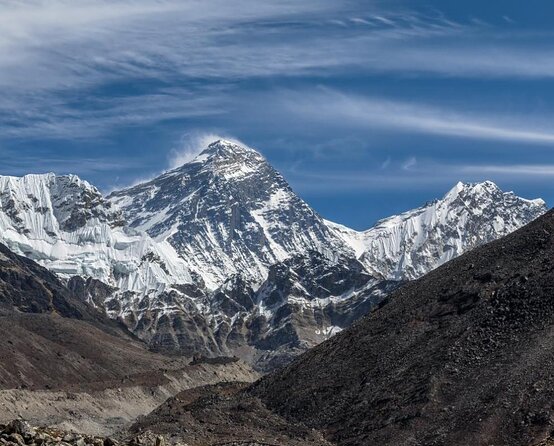
- Everest Base Camp via Gokyo Valley plus Chola Pass for a varied trekking route
- Private trip feel with only your group participating
- Meals included from day 3–day 15 and camping + climbing equipment provided
- Permits and fees handled, including the climbing permit (less paperwork anxiety)
Just your group, at your own pace
- Private Kathmandu Sightseeing Tour | UNESCO World Heritage sites★ 5.0 · 756 reviews
- Kathmandu: Full Day 7 UNESCO Tour with Lunch – Private/Group★ 5.0 · 415 reviews
- Private Bhaktapur and Nagarkot Day Tour From Kathmandu★ 5.0 · 305 reviews
- Kathmandu: Full Day Top 4 UNESCO Tour with Lunch – Private/Group★ 5.0 · 269 reviews
Why Lobuche East (6,119m) is a smart “peak climb” goal
Lobuche East is the kind of objective that fits people who want high-altitude achievement without committing to a long, technical expedition. At 6,119 meters, it’s high enough to feel it in your lungs, but the itinerary is built to keep the focus on a shorter climbing chapter within a bigger trek.
The big value for you is pacing. Instead of spending weeks building a whole climbing program, you’re stacking the climb on top of a well-known trek route. That means you’re already moving through the Everest region as part of the journey, then closing with the summit day.
That said, don’t treat 6,119m like a postcard stop. Even with a relatively “short and fairly easy” climb profile, you still need to be ready for cold, effort, and altitude. Your best bet is to go into it with a calm plan: take acclimatization seriously, follow your guide’s timing, and keep your expectations realistic about summit conditions.
The Kathmandu base: getting set up without the chaos
This trip starts in Kathmandu and runs about 17 days. You’ll have pickup offered, and the meeting point is described as near public transportation, which is handy when you’re trying to stay flexible after a long flight.
You’re also traveling with a “local company” vibe through Three Jewels Adventures, and the practical advantage is clear: the administrative load is handled for you. The trip includes all fees and taxes plus entrance fees, and it includes the climbing permit. That matters because Nepal permits and fees can be the slow part when plans change.
Another small but real plus: you’re not left guessing about paperwork. The experience is listed as using a mobile ticket, and confirmation is received at booking. For a trip where weather and altitude matter, reducing uncertainty before you even fly out is a quiet win.
Trekking to Everest Base Camp via Gokyo Valley: the route that earns its keep
You’re not doing a straight shot to Everest Base Camp. The trek is designed to reach EBC via Gokyo Valley. For you, that means the walking days are more than just “get there.” You’re getting a route with its own character, so the trek feels like a journey rather than a single-line hike.
A smart practical point: your meals are included from day 3 to day 15. When food is covered for most of the trip, you can spend your energy on the climbs and the miles instead of tracking budgets every day. It also helps you keep a steady routine with hot drinks—coffee and/or tea are included—when the cold starts to bite.
You’ll also be traveling with camping in the mix, and camping and climbing equipment are included. That usually means less trial-and-error shopping in Kathmandu. It doesn’t remove the need for you to pack your personal gear, but it does remove a lot of bulk decisions.
The tradeoff with a trekking + climbing combo is that your body needs a consistent rhythm. If you go too fast early, you’ll feel it later. The best approach is to let the route guide your pace and treat each day as practice for the next.
Chola Pass: the day that changes the mood
Chola Pass is a headline moment in this itinerary. You go over it on the way as part of the trek circuit toward Everest Base Camp.
Pass days have one job: move you from one altitude world into another. Even if you don’t obsess over numbers, you can feel the change in air density and the way effort ramps up. So for your planning, think of Chola Pass as a “structured hard day,” not a casual stroll.
Because this trip blends trekking and a later summit climb, the pass is also a mental hinge. After a pass, you tend to feel either stronger—or more tired—but either way you get a clearer picture of how the rest of the trip will feel. That’s why the private structure is valuable: only your group participates, so the team can pace around your actual condition rather than a fixed herd schedule.
More trails out of Kathmandu, boots ready
The Everest Base Camp payoff: why timing and effort matter
Everest Base Camp is the obvious draw, but the real value here is how you reach it. Because your trek comes through Gokyo Valley and involves Chola Pass, the journey to EBC has built-in variety. You’re not just walking toward a single destination; you’re walking across the region’s big altitude features.
I’d also flag the “when” factor. Your itinerary is weather-dependent in the high country, and the overall experience notes that good weather is required. For you, that means the EBC days can feel different depending on cloud cover. A clear morning can make the whole place look sharper, colder, and more real. Low visibility can still be meaningful, but it’s harder to get that wow effect people expect.
One more practical note: even though this is an EBC trek, your later peak climb means you should treat base camp as part of a bigger training arc. Stay calm, hydrate, keep your energy for the next steps, and don’t assume the summit is “automatic” just because you’ve already arrived at EBC.
Lobuche East summit push: what to expect when the climb matters most
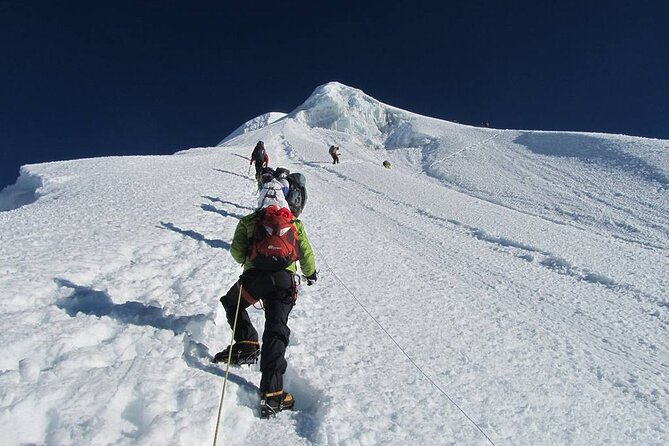
Your climbing goal is Lobuche East at 6,119m. This is described as one of the best short and fairly easy climbing trips in the Himalayas, and that’s a meaningful promise if you’re choosing your first peak climb.
Here’s how to translate that into real-life expectations:
- You should expect a focused summit effort rather than weeks of peak logistics.
- You should still expect real altitude effects: slower breathing, cold hands, and a constant push-pause rhythm.
- You’ll rely on the climbing team for timing and safety.
Safety is a strong theme in what people say about the team. Customers specifically praise the guide effort to ensure success and safety during Lobuche East climbs. That doesn’t mean risk disappears. It does mean you’re not DIY’ing the hardest moments.
Also, the itinerary includes the climbing permit, and you get climbing equipment as part of the package. So you’re not left trying to guess what you’ll need at altitude after you arrive. You still need your personal trekking gear, but the core climbing setup is handled.
Your job is simple: show up rested, follow instructions, and don’t try to “win” the climb with speed. On summit attempts, steady usually beats stubborn.
Meals, camping, and gear: what’s covered and what’s on you
The trip includes all meals from day 3 to day 15, plus coffee and/or tea. That’s a big deal in the Himalayas because eating well helps you keep your stamina. It also reduces the number of meals you must plan and pay for day by day.
Camping is included, and camping and climbing equipment are provided. That’s one of the best value parts of this itinerary because it can spare you the cost and hassle of renting or buying the wrong items.
What’s not included is equally important: personal trekking gears are on you. The listing doesn’t spell out every item, so use common sense when packing. Bring clothing and footwear suited to cold conditions and long days. Plan for layers, and think about how you’ll keep warm while waiting and during mornings when it’s hardest to move.
Also note what is not included: emergency, insurance. That’s not dramatic, just practical. For a 6,119m climb and a trekking route in remote terrain, you should treat insurance as part of your trip budget, not an optional add-on.
Price and logistics: do you get real value for $2,470?
At $2,470 per person, this isn’t a budget trek. But it also isn’t just “walking with a guide.” The price covers several of the expensive, non-negotiable categories that often add up fast:
- Meals for most of the trip (day 3–day 15)
- Camping and climbing equipment
- Entrance fees and all fees and taxes
- A climbing permit
- A private structure, meaning only your group participates
That blend matters. Many lower-cost tours look cheap until you add permits, food logistics, and equipment rentals. Here, the big items are already folded in, which can make the overall value feel fair—especially if you prefer not to manage half the trip behind the scenes.
What isn’t included also helps you judge value. Alcohol is not included, personal gear is not included, and emergency insurance is not included. If those are things you already plan to pay separately, the price makes more sense. If you want a fully hands-off trip with every comfort included, you may feel the gaps sooner.
Who should book this Lobuche East + EBC combo
This trip fits best if you have moderate physical fitness and you want a short, well-structured peak climb tied to a major trek. It’s also ideal if you prefer a private setup and like the idea of the team managing permits, fees, and high-altitude climbing logistics.
I’d also call it a good choice if you’re drawn to both kinds of wonder:
- the day-to-day satisfaction of a classic Everest region trek via Gokyo Valley
- the sharper milestone feeling of summiting Lobuche East (6,119m)
If you’re looking for a zero-effort vacation, this is not that. If you want a trip where effort earns views and where the planning is handled so you can focus on the climb and the trek, it’s a strong fit.
Should you book Three Jewels Adventures for this trip?
I think this is a smart booking if you’re ready for altitude work and you value planning that doesn’t leave gaps. People highlight Amber’s responsiveness and a safety-first approach from the guides, and that combination matters most on itineraries that mix trekking with a summit goal.
The decision comes down to two questions for you. First, are you comfortable with the idea that this experience requires good weather and timing can shift? Second, are you okay packing your own personal trekking gear and budgeting for your own emergency insurance?
If those are yes, then a private Lobuche East climb plus Everest Base Camp via Gokyo Valley and Chola Pass is a high-impact route with practical value built into the package.
FAQ
How long is the Lobuche East peak climb and Everest Base Camp trekking tour?
The duration is listed as 17 days (approx.).
What is the highest altitude on this trip?
The climbing portion targets Lobuche East Peak at 6,119 meters.
What meals are included?
All meals are included from day 03 to Day 15, and coffee and/or tea is included.
What’s included in the package besides meals?
The package includes camping and climbing equipments, entrance fees, all fees and taxes, and the climbing permit.
What is not included?
Not included are alcoholic beverages, personal trekking gears, and emergency, insurance.
Is this tour private?
Yes. This is a private tour/activity, and only your group will participate.
Do you offer pickup, and where are meeting hours listed?
Pickup is offered, and the meeting point has listed opening hours: Monday–Sunday, 7:15 AM – 7:15 PM (within 01/20/2022 to 06/18/2026). The meeting point is also described as near public transportation.
What happens if the weather is bad?
The experience requires good weather. If it’s canceled due to poor weather, you’ll be offered a different date or a full refund.
More Trekking Out of Kathmandu






Private Days, Your Group Only


More Tour Reviews in Kathmandu



Just Reviewed in Kathmandu
- Mountain Bike Tour
★ 5.0 · 3 reviews - Annapurna Panaroma
★ 5.0 · 3 reviews - Mount Everest Scenic Flight 50 Minutes
★ 5.0 · 3 reviews - Kathmandu : Swambhunath & Durbar Square Guided Half Day Tour
★ 3.3 · 3 reviews - Chandragiri Cable Car & Monkey Temple Tour – Private/Group
★ 5.0 · 3 reviews - Kathmandu: Shivapuri National Park Hiking Day Trip
★ 3.3 · 3 reviews
Everest Base Camp Treks, compared.
 ★ 5.0Everest Base Camp Trek – 14 DaysFrom $1,8001,499 reviews
 ★ 5.0Everest Base Camp TrekFrom $1,790842 reviews
 ★ 5.0Everest Base Camp TrekkingFrom $1,350485 reviews
 ★ 5.0Everest Base Camp Trekking – 13 DayFrom $1,399365 reviews
★ 5.0Everest Base Camp TrekFrom $1,445350 reviews
★ 5.0Everest Base Camp Trek -14 DaysFrom $1,420321 reviews
 ★ 5.012 Days Everest Base Camp TrekFrom $1,099289 reviews
 ★ 5.0Everest Base Camp Trekking – 2025/2026From $1,339199 reviews
Browse the lists this tour appears in